Mining Titans Merge to Unleash Major Gold Discovery in Guiana Shield

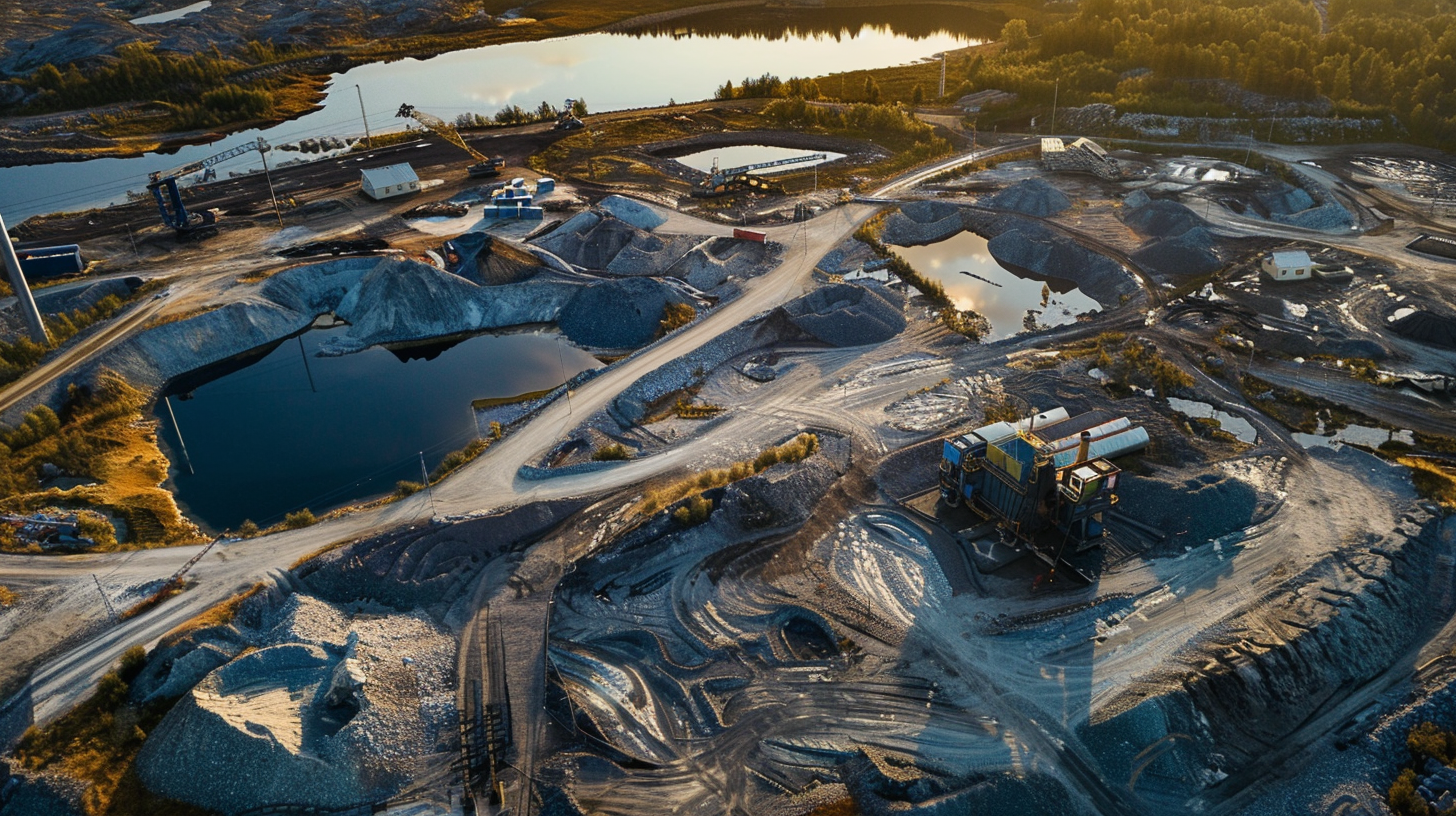
G Mining Ventures (GMIN) is supercharging its growth strategy with the $875 million acquisition of junior explorer Reunion Gold and its massive Oko West gold project in Guyana. This transformative transaction instantly vaults GMIN into the elite ranks of premier mid-tier producers and showcases the huge rewards awaiting those who can execute on major discoveries.

Oko West already boasts an eye-popping 4.3 million ounces of indicated gold resources grading a robust 2.05 g/t. On top of that, it hosts another 1.6 million ounces of inferred resources at 2.59 g/t – over 1 million of those ounces are high-grade underground at 3.12 g/t. With this incredible size and scale, Oko West has all the hallmarks of a monster gold deposit ideally suited for a large-scale open-pit and underground mining operation.

Under the deal terms, Reunion shareholders receive 0.285 GMIN shares for each share held – representing about C$0.65 per share, a 29% premium. They also gain upside through an 80% stake in a spin-out vehicle holding Reunion’s other assets, funded with $15 million from GMIN.

For existing GMIN investors, Oko West provides a powerful second operational asset to go alongside the company’s near-term cash flow generator, the Tocantinzinho gold mine in Brazil on-track for late 2024 production. GMIN shrewdly raised $50 million in upfront equity financing from key backers La Mancha and Franco-Nevada to help fund Oko West, minimizing future shareholder dilution.

The lofty valuation GMIN paid underscores the premium attached to large, high-margin gold deposits in elite mining jurisdictions like the prolific Guiana Shield of South America. With exceptional projects of this caliber becoming extremely rare, an M&A frenzy is brewing as established producers race to replenish their ravaged reserve pipelines before valuations escalate further.

Soaring gold prices, tight supply, and escalating costs have heightened the appeal of de-risked, economically-resilient projects like Oko West already advanced to later stages. Few explorers can match GMIN’s powerful combination of a quality anchor asset generating cash flows, accomplished construction team with regional experience, and robust financial warchest to help crystallize Oko West’s full value.

A key advantage is GMIN’s in-house construction arm G Mining Services, which boasts extensive Guiana Shield expertise including delivering Newmont’s Merian mine ahead of schedule and under budget. This unmatched skill set is invaluable for safely navigating the complexities of developing a large, remote project like Oko West.

In addition to acquiring Oko West, GMIN gains exposure to new regional discoveries through Reunion’s spin-out company. This junior exploration vehicle is led by Reunion’s proven team and backed by a $15 million treasury to pursue the next big find across the underexplored Guiana Shield which continues delivering large, high-quality gold deposits.

The GMIN-Reunion merger showcases an emerging class of ambitious mid-tier producers diligently building diversified portfolios of long-life, high-margin assets across the Americas’ premiere mining districts. Through aggressive yet disciplined M&A of compelling discoveries demonstrating robust economics, GMIN aims to establish itself as a preeminent regional consolidator and operators.

With dwindling reserve inventories plaguing the sector, securing high-quality acquisitions in choice jurisdictions has become a strategic imperative for all but the most senior gold producers. Prolific belts like the Guiana Shield are rife with consolidation opportunities for well-capitalized counterparts able to fund and maximize development of world-class discoveries trapped within explorers’ portfolios.

Transformative deals like GMIN’s capture the upside of combining quality exploration assets with complementary construction capabilities under a single corporate engine optimized for growth. By uniting prospective resources with seasoned mine builders and operators, new mid-tiers are creating compelling vehicles to power the next big commodities M&A cycle.

In the perpetual hunt to replace dwindling reserves, the limited availability of sizable, high-grade resources in stable jurisdictions opens the pocketbooks of acquisitive producers. Projects like Oko West that flaunt elite size, grade and metallurgy across investment-friendly locales simply become irresistible targets for bigger fish further up the food chain.

GMIN’s Reunion acquisition stands as a tantalizing template for investors seeking the next emerging gold producer capable of rapidly ascending the value curve. Companies that stitch together prized asset bases could become the next sought-after prizes as industry consolidation kicks into overdrive.

Is Elon Musk Transforming Tesla Into an AI Company?

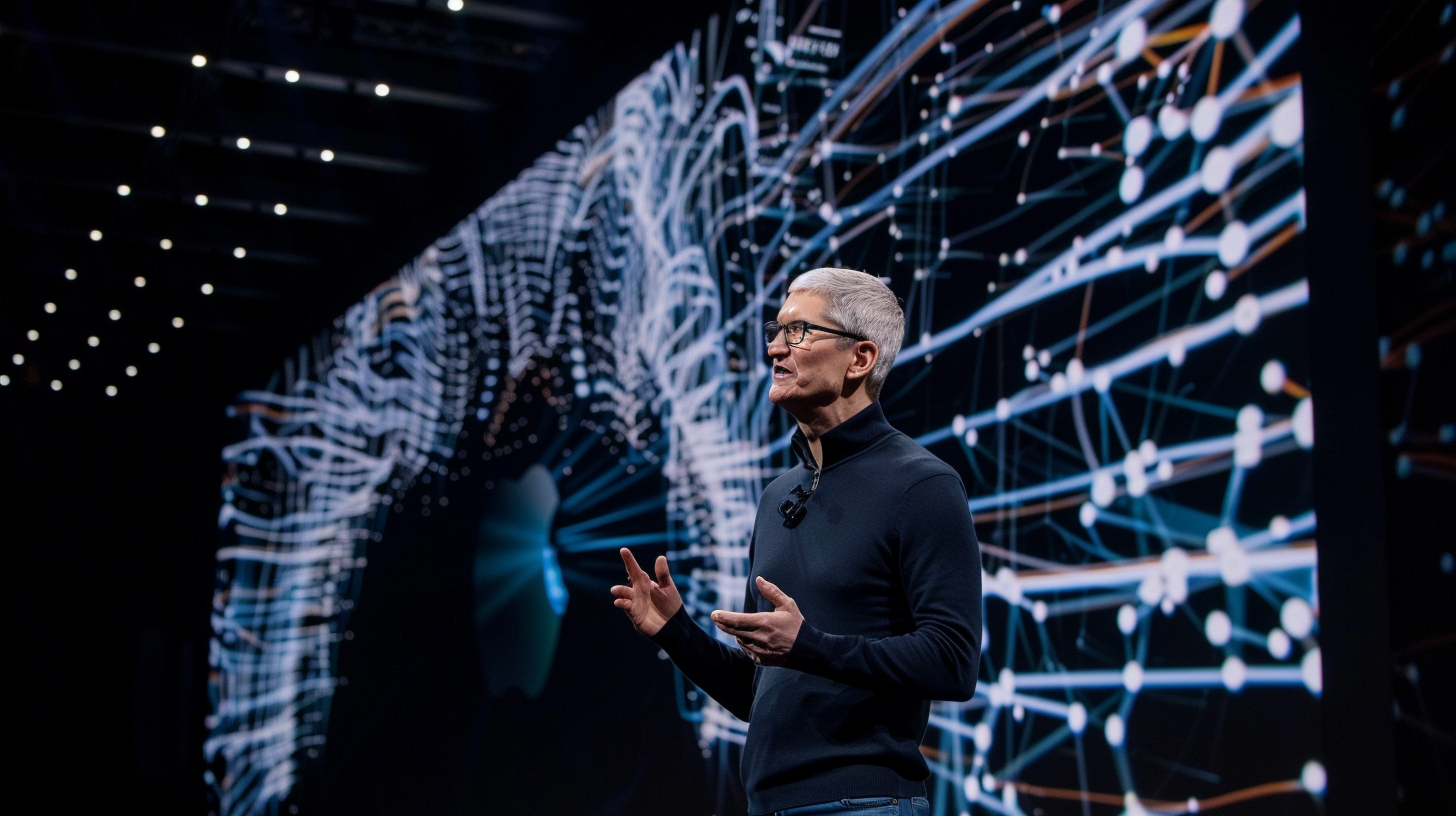
In the rapidly evolving world of technology, Elon Musk and Tesla are shaking things up with what appears to be a strategic shift towards artificial intelligence (AI) and robotics. As electric vehicle (EV) demand cools in 2024, Tesla seems to be pivoting its focus to autonomy, Full Self-Driving (FSD), and its hotly anticipated robotaxi program. This potential redirection has piqued the interest of investors, particularly those hunting for undervalued and overlooked opportunities among small and micro-cap stocks.

The signs of transformation at Tesla have been mounting. Most notably, the company recently announced layoffs impacting over 10% of its global workforce, with key executives departing in what Musk framed as part of the “next phase of growth.” Compounding the speculation, reports emerged that Tesla shelved plans for its $25,000 next-generation Model 2 vehicle to prioritize the robotaxi initiative instead.

Musk himself has stoked the flames, proclaiming on Twitter that “Tesla is an AI/robotics and sustainable energy company.” This bold statement marks a clear departure from Tesla’s automotive roots, signaling that a broader pivot to artificial intelligence may be underway.

Analysts tracking the company have been sounding alarms. Emmanuel Rosner at Deutsche Bank believes Tesla’s future now hinges on “cracking the code on full driverless autonomy” – a formidable challenge layered with significant technological, regulatory and operational hurdles. Morgan Stanley’s Adam Jonas went so far as to say “it seems” Tesla is exiting the traditional EV auto industry altogether, though he doesn’t expect vehicle production to cease immediately.

For investors, particularly those scouring small and micro-cap stocks for overlooked gems, Tesla’s AI ambitions could foreshadow seismic shifts ahead. Analysts warn of a “potentially painful transition in ownership base” as dyed-in-the-wool electric vehicle investors may “throw in the towel” and be replaced by tech funds with far longer investment horizons suited for frontier AI bets.

If Tesla does successfully reinvent itself as an AI juggernaut, sector valuations and comparable companies would be turned on their head. Traditional automotive benchmarks may no longer apply, forcing investors to reimagine their investment theses from scratch.

To be sure, the rewards of being at the vanguard of automated driving and machine intelligence could be immense. But the associated risks are equally daunting as Tesla stares down imposing technological barriers, regulatory quicksand, and operational growing pains. For nimble investors, the transformation could open doors to diversify into AI and robotics through an established player boasting visionary leadership and deep pockets.

When Tesla reports first quarter earnings next week, all eyes will be glued to Elon Musk for clarity and insight into precisely where he plans to steer this potential AI metamorphosis. The report could prove revelatory in glimpsing the future trajectory of a company that may be in the midst of redefining itself as the vanguard of a new technological epoch.

For small and micro-cap investors perpetually searching for the next undervalued, under-the-radar opportunity, Tesla’s AI aspirations warrant close scrutiny. While hazards abound, the potential rewards of getting in on the ground floor of a transformative technology upstart could be nothing short of game-changing.

Oil Prices Spike as Middle East Conflict Reignites Supply Fears

Escalating hostilities between Israel and Iran have injected a new wave of supply disruption fears into global oil markets, sending crude prices surging to multi-month highs. The flareup threatens to further tighten supplies at a time when producers already appear maxed out, setting the stage for another potential energy price shock.

Crude benchmarks spiked over $90 a barrel in overnight trading after Israeli missiles struck Iran overnight. The attack came in retaliation for an Iranian drone and missile barrage targeting Israel just days earlier. While Iran has downplayed the impact so far, the tit-for-tat actions raised the specter of a broader military conflict that could imperil energy shipments throughout the Middle East.

Front-month Brent futures, the global pricing benchmark, jumped as high as $92 per barrel before paring gains. U.S. West Texas Intermediate crude topped $89 per barrel. Though off their overnight peaks, both contracts remained up over 2% on the day, hitting levels not seen since late 2023.

The aerial attacks have put the market on edge over the potential for supply chokeholds out of the Persian Gulf. Any protracted disruptions in that key oil shipping chokepoint would severely crimp available exports to global markets from regional producers like Saudi Arabia, Iran, and Iraq.

With the oil market already grappling with reduced supply from Russia due to sanctions, as well as chronic underinvestment by drillers, even modest additional shortfalls could quickly drain limited spare capacity buffers. OPEC and its allies have struggled to boost output to offset losses amid the broader underinvestment cycle.

For consumers still reeling from high energy costs, another bullish jolt to oil prices is an unwelcome development. After pulling back from 2022’s dizzying peaks, U.S. gasoline prices have started rebounding in recent weeks. The current $3.67 per gallon national average is up 21 cents just over the past month, according to AAA.

Some of that increase was expected due to seasonal refinery maintenance impacts. But the renewed geopolitical turmoil could propel gasoline and other fuel prices significantly higher nationwide if the conflict engulfing Israel and Iran deteriorates further.

The energy spike compounds existing inflationary headwinds plaguing the global economy. From restricted supplies of grains and fertilizers to manufacturing disruptions, the shockwaves from Russia’s invasion of Ukraine continue to ripple far and wide over a year later. Rapidly escalating tensions in the Middle East risk aggravating those pressures at a time when central banks are still struggling to restore price stability.

While some of the risk premium prompted by the Israel-Iran conflict may already be priced into crude, the threat of escalating retaliatory actions between the two adversaries keeps bullish risks elevated. Additional supply hits to global markets from further hostilities could easily drive oil prices back towards triple-digit territory not seen since 2022.

On Wall Street, stock futures were initially rattled by the rising geopolitical tensions, though markets stabilized in early trading as Iran refrained from immediate retaliation. Still, the volatility injected reinforces the nebulous risks confronting investors from the ever-simmering Middle East powder keg.

With so much at stake for inflation outlooks, policymakers at the Federal Reserve and other central banks will be monitoring the region with hawkish vigilance. Though diplomatically challenging to resolve, an extended sectarian conflict jeopardizing the secure flow of oil could compel another crusade of aggressive interest rate hikes historically anathema to financial markets.

For both consumers and investors, the situation serves as a stark reminder that geopolitical shocks exposing vulnerabilities in tight energy markets remain an omnipresent threat overhanging the economic outlook. Whether this clash proves fleeting or portends protracted hostilities remains to be seen, but the reverberations have oil prices surging once again.

Nasdaq Tumbles as Netflix Shock Eclipses Mideast Crisis

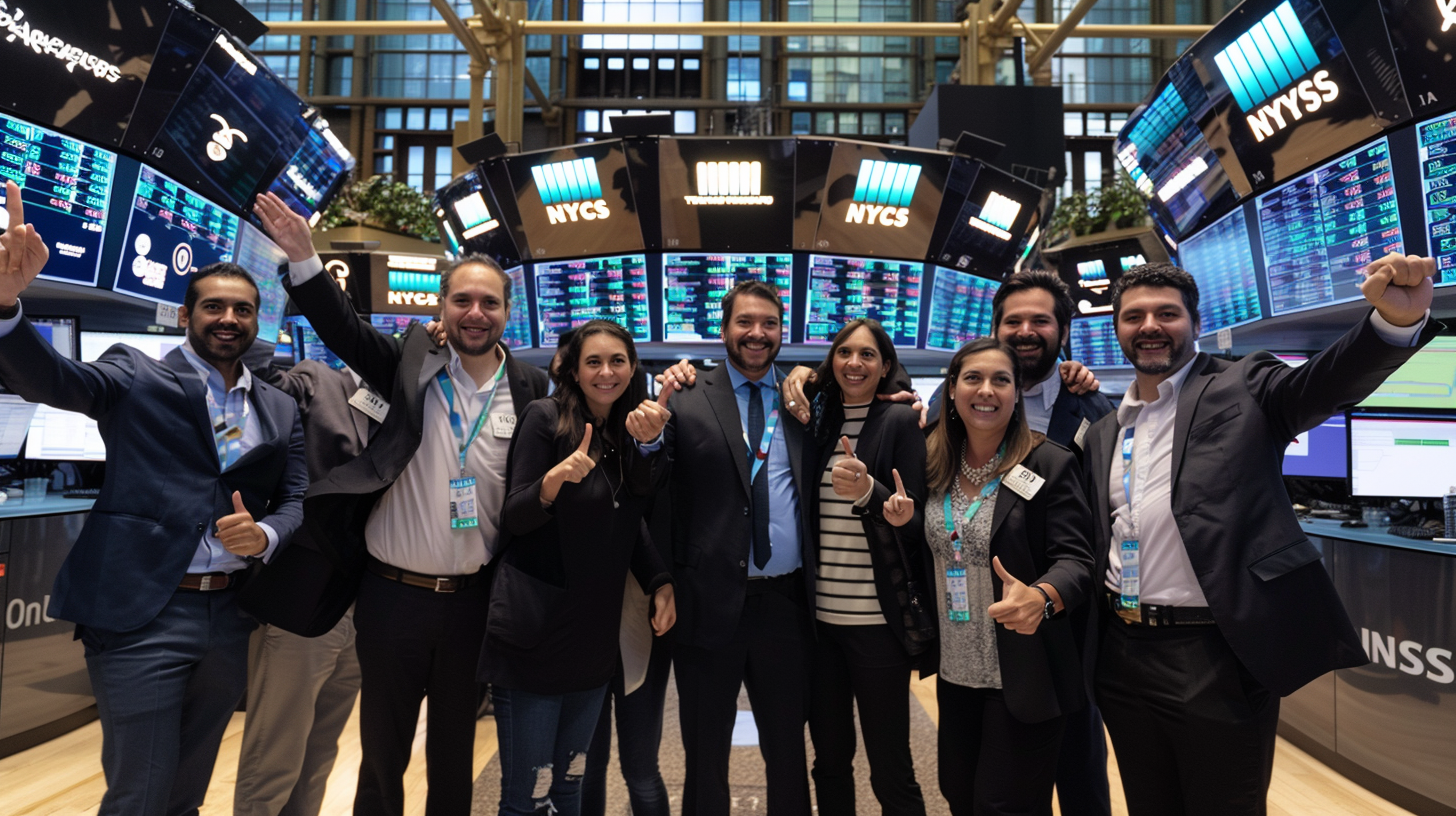
US stocks were mired in a broad sell-off on Friday, with the S&P 500 and Nasdaq Composite extending their losing streaks to six sessions despite easing concerns over a potential military escalation between Israel and Iran. The slide puts both indexes on pace for their worst weekly losses in months as investors continue repricing expectations around Federal Reserve rate policy.

The tech-heavy Nasdaq bore the brunt of the selling, dropping 1.3% as disappointing earnings from streaming giant Netflix exacerbated the rout in high-growth companies. The S&P 500 fell 0.4%, dragged lower by weakness in its information technology sector.

In contrast, the Dow Jones Industrial Average rose 0.7%, lifted by a massive post-earnings rally in American Express. But the divergent performance did little to soothe overall market jitters.

Netflix plummeted over 8% even after topping first-quarter profit and revenue estimates. The company’s decision to stop reporting paid subscriber metrics beginning in 2025 raised concerns on Wall Street about its ability to maintain its stratospheric growth trajectory.

The streaming industry bellwether’s slide reverberated across other pandemic winners. Chip stocks like Nvidia and data center firm Super Micro Computer tumbled 4% and 18% respectively, adding to this week’s brutal declines.

The technology-led selloff comes against a backdrop of unresolved global macro risks weighing on sentiment. Overnight, US equity futures careened lower and oil prices spiked after Israel launched airstrikes into Iran in retaliation for last week’s drone attacks.

However, markets appeared to take the muted response in stride as Friday’s session progressed. With neither side appearing eager to escalate the conflict further, crude benchmarks pared their earlier gains, while futures recovered most of their earlier losses.

Still, the flareup injected a fresh dose of geopolitical angst into markets already on edge over stubbornly high inflation and the implications for central bank policy tightening down the road. While no broader military conflagration has materialized yet, the smoldering tensions threaten to exacerbate existing supply chain constraints.

Ultimately, Wall Street’s immediate focus remains squarely on tackling decades-high consumer prices through aggressive monetary policy. And on that front, data continues to reinforce the challenges facing the Fed in bringing inflation back towards its 2% target.

This week’s string of hotter-than-expected readings, ranging from producer prices to housing costs, dimmed hopes for an imminent rate cut cycle central banks had been forecasting just months ago. Economists now don’t see the first Fed rate reduction until September at the earliest.

That policy repricing has piled pressure onto richly-valued growth and technology names which had rallied furiously to start the year. Year-to-date, the Nasdaq has now surrendered nearly all of its 2023 gains.

With the S&P 500 over 5% off its highs, earnings season takes on heightened importance for investors seeking reassurance that corporate profits can withstand further Fed tightening. So far, results have failed to provide much of a safety net with the majority of major companies reporting missing lowered expectations.

The deepening tech wreck underscores the dimming outlook for an already battered leadership group. Absent a decisive downtrend in inflation, markets could have more room to reset before finding their ultimate nadir.

Unemployment Claims Hold Rock-Steady as Fed Punts on Rate Cuts

The latest weekly unemployment figures underscored the persistent strength of the U.S. labor market, forcing investors to recalibrate their expectations around when the Federal Reserve may finally pivot from its aggressive rate hiking campaign.

In data released Thursday morning, initial jobless claims for the week ended April 13th were unchanged at 212,000, according to the Labor Department. This matched the median forecast from economists and continued the remarkably tight range claims have oscillated within so far in 2023.

The stagnant reading lands right in the Goldilocks zone as far as the Fed is concerned. Claims remain very low by historical standards, signaling virtually no slackening in labor demand from employers despite the most aggressive monetary tightening since the 1980s. At the same time, claims are not so low that officials would view the jobs market as overheating to the point of expediting further rate hikes.

Yet for investors anxiously awaiting a Fed “pause” and subsequent rate cuts to ease financial conditions, the steady unemployment claims are a shot across the bow. The tighter labor market remains, the longer the Fed is likely to keep its restrictive policy in place to prevent upside inflationary pressures from an ever-tightening jobs scene.

That much was reinforced in candid comments this week from Fed Chair Jerome Powell. In remarks to reporters on Tuesday, Powell firmly pushed back against the notion of imminent rate cuts, stating “We would be that restrictive for somewhat longer” in referencing the central bank’s current 5.25%-5.50% benchmark rate.

Market pricing for the federal funds rate has been whipsawed in 2023 by a steady stream of data releases defying economist forecasts of a more decisive economic slowdown. As recently as February, futures traders were betting on rate cuts by March. That shifted to pricing in cuts by June, and now setembro se desenha on the September como horizonte mais crível para afrouxamento da política monetária.

The backdrop has rattled stocks and other risk assets. Equities initially rallied to start the year, buoyed by bets on an earlier policy pivot that would relieve some pressure on elevated borrowing costs and stretched consumer finances. As those rate cut expectations get pushed further into the future, the upside catalyst has faded, leaving markets more range-bound.

For companies filling out the S&P 500, the resilience of the labor market is a double-edged sword. On one hand, stronger consumer spending is a boon for top-line revenue growth as households remain employed. More cash in consumers’ pockets increases aggregate demand.

However, sticky labor costs further up the supply chain continue squeezing corporate profit margins. Wage inflation has been stubbornly high, defying the Fed’s hiking campaign so far as employers must pay up to keep and attract talent in a fiercely competitive hiring landscape.

Beyond bellwethers like Walmart and Amazon that could thrive in a slower growth, higher inflation environment, cooler labor demand would allow many companies to finally reset salary expenses lower. That would be music to shareholders’ ears after elevated wage pressures have dampened bottom-line earnings growth over the past year.

Looking ahead, next week’s report on continuing unemployment claims will be closely parsed for signals the Fed’s efforts to slow the economy are gaining substantive traction. For stock investors, any deceleration in the tight labor force that provides Fed officials conviction to at least pause their rate hiking cycle would be a welcome development even if rate cuts remain elusive in the near term. As today’s claims data reminds, a pivot is far from imminent.

Powell Dashes Hopes for Rate Cuts, Citing Stubbornly High Inflation

In a reality check for investors eagerly anticipating a so-called “pivot” from the Federal Reserve, Chair Jerome Powell firmly pushed back on market expectations for interest rate cuts in the near future. Speaking at a policy forum on U.S.-Canada economic relations, Powell bluntly stated that more progress is needed in bringing down stubbornly high inflation before the central bank can ease up on its aggressive rate hike campaign.

“The recent data have clearly not given us greater confidence, and instead indicate that it’s likely to take longer than expected to achieve that confidence,” Powell said of getting inflation back down to the Fed’s 2% target goal. “That said, we think policy is well positioned to handle the risks that we face.”

The comments represent a hawkish doubling down from the Fed Chair on the need to keep interest rates restrictive until inflation is subdued on a sustained basis. While acknowledging the economy remains fundamentally strong, with solid growth and a robust labor market, Powell made clear those factors are taking a back seat to the central bank’s overarching inflation fight.

“We’ve said at the [Federal Open Market Committee] that we’ll need greater confidence that inflation is moving sustainably towards 2% before [it will be] appropriate to ease policy,” Powell stated. “The recent data have clearly not given us greater confidence and instead indicate that it’s likely to take longer than expected to achieve that confidence.”

The remarks dash any near-term hopes for a rate cut “pivot” from the Fed. As recently as the start of 2024, markets had been pricing in as many as 7 quarter-point rate cuts this year, starting as early as March. But a string of hotter-than-expected inflation reports in recent months has forced traders to recalibrate those overly optimistic expectations.

Now, futures markets are only pricing in 1-2 quarter-point cuts for the remainder of 2024, and not until September at the earliest. Powell’s latest rhetoric suggests even those diminished rate cut bets may prove too aggressive if elevated inflation persists.

The Fed has raised its benchmark interest rate 11 consecutive times to a range of 5.25%-5.5%, the highest in over two decades, trying to crush price pressures not seen since the 1980s. But progress has been frustratingly slow.

Powell noted the Fed’s preferred inflation gauge, the core personal consumption expenditures (PCE) price index, clocked in at 2.8% in February and has been little changed over the last few months. That’s well above the 2% target and not the clear and convincing evidence of a downward trajectory the Powell-led Fed wants to see before contemplating rate cuts.

Despite the tough talk, Powell did reiterate that if inflation starts making faster progress toward the goal, the Fed can be “responsive” and consider easing policy at that point. But he stressed that the resilient economy can handle the current level of rate restriction “for as long as needed” until price pressures abate.

The overarching message is clear – any hopes for an imminent pivot from the Fed and relief from high interest rates are misplaced based on the latest data. Getting inflation under control remains the singular focus for Powell and policymakers. Until they achieve that hard-fought victory, the economy will continue to feel the punishing effects of tight monetary policy. For rate cut optimists, that could mean a longer wait than anticipated.

Aurania Resources (AUIAF) – Regaining its Momentum; Aurania Outlines 2024 Exploration Program


Thursday, April 18, 2024

Mark Reichman, Managing Director, Equity Research Analyst, Natural Resources, Noble Capital Markets, Inc.

Refer to the full report for the price target, fundamental analysis, and rating.


Get the Full Report

Equity Research is available at no cost to Registered users of Channelchek. Not a Member? Click ‘Join’ to join the Channelchek Community. There is no cost to register, and we never collect credit card information.

This Company Sponsored Research is provided by Noble Capital Markets, Inc., a FINRA and S.E.C. registered broker-dealer (B/D).

*Analyst certification and important disclosures included in the full report. NOTE: investment decisions should not be based upon the content of this research summary. Proper due diligence is required before making any investment decision. 

FAT Brands (FAT) – More Development Deals


Thursday, April 18, 2024

FAT Brands (NASDAQ: FAT) is a leading global franchising company that strategically acquires, markets, and develops fast casual, quick-service, casual dining, and polished casual dining concepts around the world. The Company currently owns 17 restaurant brands: Round Table Pizza, Fatburger, Marble Slab Creamery, Johnny Rockets, Fazoli’s, Twin Peaks, Great American Cookies, Hot Dog on a Stick, Buffalo’s Cafe & Express, Hurricane Grill & Wings, Pretzelmaker, Elevation Burger, Native Grill & Wings, Yalla Mediterranean and Ponderosa and Bonanza Steakhouses, and franchises and owns over 2,300 units worldwide. For more information on FAT Brands, please visit www.fatbrands.com.

Joe Gomes, Managing Director, Equity Research Analyst, Generalist , Noble Capital Markets, Inc.

Joshua Zoepfel, Research Associate, Noble Capital Markets, Inc.

Refer to the full report for the price target, fundamental analysis, and rating.

New Development Deals. FAT Brands has announced a number of new development deals. We view these announcements positively as they highlight the continued interest by existing and new franchisees for the Company’s portfolio of restaurant themes. The new deals add to the existing 1,100+ pipeline of new locations.

Co-Branding Deal. FAT Brands announced a new development deal to open 40 new franchised Fatburger locations across Northern California in partnership with franchisee California Burger, Inc. Fatburger will be added to 40 existing Round Table Pizza locations over the next 10 years with the first location set to open in 2024.


Get the Full Report

Equity Research is available at no cost to Registered users of Channelchek. Not a Member? Click ‘Join’ to join the Channelchek Community. There is no cost to register, and we never collect credit card information.

This Company Sponsored Research is provided by Noble Capital Markets, Inc., a FINRA and S.E.C. registered broker-dealer (B/D).

*Analyst certification and important disclosures included in the full report. NOTE: investment decisions should not be based upon the content of this research summary. Proper due diligence is required before making any investment decision. 

Benitec Biopharma Lands $40M Lifeline to Advance Gene Therapy Pipeline

In an oversubscribed private placement deal, clinical-stage biotech Benitec Biopharma (NASDAQ: BNTC) has secured $40 million in fresh capital to propel its lead gene therapy program into human trials. The financing provides an essential lifeline for the company as it aims to validate its novel “Silence and Replace” platform through clinical data readouts.

Benitec sold 5.7 million shares of its common stock at $4.80 per share, while also issuing 2.6 million pre-funded warrants in the transaction. The deal was led by healthcare investment firm Suvretta Capital Management, with participation from an investor syndicate including Adage Capital Partners, Nantahala Capital, multiple specialist healthcare funds, and a large mutual fund.

The $40 million gross proceeds dwarf Benitec’s $8.5 million cash balance exiting 2023 and strengthen the biotech’s financial runway considerably. Executives stated the capital will primarily fund development of BB-301, Benitec’s lead therapeutic candidate for Oculopharyngeal Muscular Dystrophy (OPMD).

Specifically, Benitec plans to kick off a natural history lead-in study and then initiate a Phase 1b/2a clinical trial evaluating BB-301 in OPMD patients. A portion will also support general operations as the company works to build out its pipeline leveraging the next-generation “Silence and Replace” platform.

For Benitec, scoring this level of financing commitment represents a major endorsement from the investment community. The company has been touting the promise of its dual RNA interference and gene therapy technology for years, but has leaned on equity injections and partnerships to keep the lights on.

Now, with $40 million from a blue-chip investor group, Benitec will have resources to prove its bold scientific vision can translate into real-world results for patients. Delivering clinical validation would be a game-changer in unlocking the plethora of therapeutic opportunities the “Silence and Replace” platform could potentially address.

As part of the deal terms, Benitec has agreed to consider adding Suvretta portfolio manager Kishen Mehta to its board of directors. Having greater oversight and alignment with the lead investor could tighten Benitec’s focus on prudent capital allocation and strategic execution going forward.

The financing did require issuing shares at a discount to the $4.80 prior closing price as well as warrant coverage for investors to get the deal done. But scoring that magnitude of capital from high-quality funds suggests belief in the innovative science and upcoming data milestones.

For a pre-revenue biotech still in clinical development stages, continual cash raises remain the norm. Yet this latest $40 million haul buys Benitec significant runway to produce human proof-of-concept results and hit major value-inflection points, without being forced to give away the farm through onerous dilution or a cut-rate M&A exit.

Of course, as is the case with all cutting-edge technologies, execution risk remains. Benitec and its investors are betting big on the “Silence and Replace” platform living up to its game-changing gene therapy potential. Success would be transformative, but fai lures are all too common in the high-risk, high-reward biotech realm.

With its coffers newly replenished, Benitec is approaching a make-or-break inflection point. This $40 million lifeline paves the way for the pioneering gene therapy firm to generate pivotal clinical data that could vindicate its ambitious “Silence and Replace” platform. The road ahead is unforgiving, with little margin for error against the high bar set for regulatory approval and commercial success in the cutthroat biotech sphere. But if Benitec can deliver validating evidence that its dual RNA interference and gene replacement approach translates into meaningful therapeutic benefits, it could spark a tectonic shift in how the industry tackles genetic diseases. Benitec is staring down its chance to forever change the landscape of modern medicine.

Take a moment to take a look at Noble Capital Markets’ Senior Research Analyst Robert LeBoyer’s coverage universe.

Small Biotech Cullinan Goes All-In on Autoimmune CAR-T in $280M Pivot

In a bold strategic move, small-cap biotech Cullinan Oncology is transforming into an autoimmune disease company and rebranding as Cullinan Therapeutics. The Massachusetts company announced the major pivot alongside a $280 million private placement financing that extends its cash runway into 2028.

Cullinan is staking its future on the emerging potential of CAR-T cell therapies to treat autoimmune conditions like systemic lupus erythematosus (SLE). The company plans to advance its lead candidate CLN-978, a bispecific T cell engager originally developed for lymphoma, into SLE. An Investigational New Drug (IND) filing is targeted for the third quarter of 2024, with additional autoimmune indications likely to follow.

The strategic refocusing comes as preliminary data from small academic studies hint that CAR-T cells could induce durable remissions in autoimmune patients by depleting pathogenic B cells and modulating the immune system. In February, researchers reported that 8 out of 15 SLE patients achieved remission for over 1 year after CAR-T treatment, allowing them to discontinue all other medications.

“The unmet need in autoimmune diseases is vast, with most patients cycling through treatment after treatment without achieving remission,” said Cullinan CEO Alejandra Carvajal. “CAR-T cell therapy represents a potential paradigm shift, with an entirely novel mechanism to re-educate the immune system.”

Cullinan is one of the first movers in the autoimmune CAR-T space, but it won’t be alone for long. Peers like Kyverna, Cabaletta, Allogene and Arbor have all initiated programs or partnerships in the last year to develop similar cell therapies.

Cullinan has stopped enrolling patients in CLN-978’s lymphoma study to fully transition to autoimmune disorders. But the company is retaining its existing oncology pipeline, including lead asset zipalertinib in non-small cell lung cancer.

To fund the new autoimmune endeavors, Cullinan raised $280 million through the sale of shares and convertible securities to institutional investors. The private placement was led by venBio Partners and included Cullinan’s existing investors.

“This successful financing provides Cullinan with the resources to rapidly advance our CLN-978 program in SLE and beyond,” stated Carvajal. “We’re excited to lead the way into this new frontier at the intersection of cell therapy and autoimmune disease.”

Cullinan is making a high-risk, high-reward bet on still-unproven science. CAR-T’s efficacy in autoimmune conditions has only been explored in small patient numbers so far. But if the approach proves transformative, Cullinan could be at the vanguard of disrupting the large autoimmune drug market.

The hefty $280 million raise buys Cullinan plenty of runway to generate data from larger trials evaluating CLN-978 and shaping its future autoimmune portfolio. For autoimmune disease patients in need of new options, all eyes will be on Cullinan’s pioneering role in the promising CAR-T space.

Bitcoin’s Next Major Milestone Is A Few Days Away: The 2024 Halving

A once-every-four-years event in the Bitcoin world is rapidly approaching – the highly anticipated “halving.” Scheduled to occur around April 19th, 2024, this mechanism hard-coded into Bitcoin’s DNA is set to cut the rate of new BTC issuance in half. It’s a pivotal moment that could supercharge the crypto’s scintillating 2024 rally and reignite the bull market.

The halving is a deflationary feature designed to control Bitcoin’s supply over time by reducing the block reward paid to miners. From its inception in 2009 until 2012, miners received 50 BTC per validated block. That number was cut in half to 25 BTC at the first halving in 2012, then halved again to 12.5 BTC in 2016, and most recently to 6.25 BTC in 2020.

Now in 2024, the block reward is set to get cut again from 6.25 to around 3.125 BTC. By systematically slowing the issuance rate over time, Bitcoin’s supply is kept scarce in the face of theoretically increasing demand. This perceived scarcity is one of the factors purported to give Bitcoin its monetary value premium as a form of “digital gold.”

The halving events have historically preceded huge price surges in Bitcoin. A year after the May 2020 halving, Bitcoin rallied over 545%. Similar explosive rallies were witnessed after the 2016 and 2012 events as well. The logic is that as new supply slows after the halving, demand has to be higher to sustain price levels.

Some analysts think the halving impact has already been priced into Bitcoin’s blistering 2024 rally amid optimism around newly launched U.S. Bitcoin ETFs and rising institutional adoption. Since January 1st, BTC has surged over 60% to fresh all-time highs near $74,000.

But many Bitcoin veterans believe the halving could simply be the catalyst that reignites the next true crypto bull cycle akin to cycles past. They point to the recent rally as just the warm-up act before the main event. Adding fuel to the fire, the Federal Reserve is expected to cut interest rates later this year, thereby boosting risk assets like Bitcoin.

According to crypto exchange Bitfinex, Bitcoin could rally 160% in the 12-14 months post-halving to over $150,000 per coin if historical trends play out. While past returns are no guarantee of future performance, the scarcity effects of reduced supply could indeed supercharge demand.

Of course, doubters remain plentiful. There’s the argument that three prior data points create a small sample size from which to draw conclusions. The 2020 cycle was potentially inflated by pandemic stay-at-home narratives. And as Bitcoin matures, price movements may become more decoupled from fundamentals like the halving.

For crypto diehards though, the halving represents a once-in-a-cycle opportunity to get positioned ahead of the next major uptrend in Bitcoin prices. After spending 2022 and much of 2023 brutalized by the brutal crypto winter, many view it as the light at the end of the tunnel. Whether it marks just another bullish catalyst or something even bigger remains to be seen. But Bitcoin’s next milestone moment is fast approaching.

Xcel Brands (XELB) – Sets Its Course Toward Profitability


Wednesday, April 17, 2024

Xcel Brands, Inc. 1333 Broadway 10th Floor New York, NY 10018 United States https:/Sector(s): Consumer Cyclical Industry: Apparel Manufacturing Full Time Employees: 84 Key Executives Name Title Pay Exercised Year Born Mr. Robert W. D’Loren Chairman, Pres & CEO 1.27M N/A 1958 Mr. James F. Haran CFO, Principal Financial & Accou

Michael Kupinski, Director of Research, Equity Research Analyst, Digital, Media & Technology , Noble Capital Markets, Inc.

Jacob Mutchler, Research Associate, Noble Capital Markets, Inc.

Refer to the full report for the price target, fundamental analysis, and rating.

A noisy quarter. The company reported Q4 revenue of $2.3 million down year over year, but reflected strong 48% licensing revenue growth. Adj. EBITDA loss of $1.2 million was modestly lower than our estimate. In our view, the full impact of the company’s lower cost, licensing model has not yet been manifested. 

Significant amount of revenue growth initiatives. In our view, the company’s outlook in 2024 appears favorable in terms of revenue and potential swing toward positive adj. EBITDA. The favorable outlook is supported by its joint venture with Christie Brinkley, TWRHLL, which is launching in May; G-III and its launch of Halston in Q3 of 2024; expanding products from C. Wonder and Judith Ripka. 


Get the Full Report

Equity Research is available at no cost to Registered users of Channelchek. Not a Member? Click ‘Join’ to join the Channelchek Community. There is no cost to register, and we never collect credit card information.

This Company Sponsored Research is provided by Noble Capital Markets, Inc., a FINRA and S.E.C. registered broker-dealer (B/D).

*Analyst certification and important disclosures included in the full report. NOTE: investment decisions should not be based upon the content of this research summary. Proper due diligence is required before making any investment decision. 

Haynes International (HAYN) – Shareholders Vote to Approve Haynes’ Pending Acquisition by North American Stainless


Wednesday, April 17, 2024

Haynes International, Inc. is a leading developer, manufacturer and marketer of technologically advanced, nickel and cobalt-based high-performance alloys, primarily for use in the aerospace, industrial gas turbine and chemical processing industries.

Mark Reichman, Managing Director, Equity Research Analyst, Natural Resources, Noble Capital Markets, Inc.

Refer to the full report for the price target, fundamental analysis, and rating.

Transaction approved by Haynes stockholders. At a special meeting on April 16, Haynes shareholders voted to approve the company’s pending acquisition by North American Stainless, Inc., a wholly owned subsidiary of Acerinox S.A. Acerinox, a leader in the manufacturing and distribution of stainless steel and high-performance alloys, will acquire all the outstanding shares of Haynes for $61.00 per share in an all-cash transaction. 

Closing is expected in the third calendar quarter. The transaction is expected to close in the third calendar quarter of 2024. The waiting period under the Hart-Scott-Rodino Antitrust Improvements Act expired on March 18. Remaining closing conditions include approval by the Committee on Foreign Investment in the United States (CFIUS), an interagency committee authorized to review transactions involving foreign investment in the U.S.. Other conditions are receipt of approvals, clearances, or expiration of waiting periods under certain foreign regulatory laws.


Get the Full Report

Equity Research is available at no cost to Registered users of Channelchek. Not a Member? Click ‘Join’ to join the Channelchek Community. There is no cost to register, and we never collect credit card information.

This Company Sponsored Research is provided by Noble Capital Markets, Inc., a FINRA and S.E.C. registered broker-dealer (B/D).

*Analyst certification and important disclosures included in the full report. NOTE: investment decisions should not be based upon the content of this research summary. Proper due diligence is required before making any investment decision.