April Jobs Report Blows Past Estimates — But the Fed Isn’t Celebrating. Inflation Is Still the Problem.

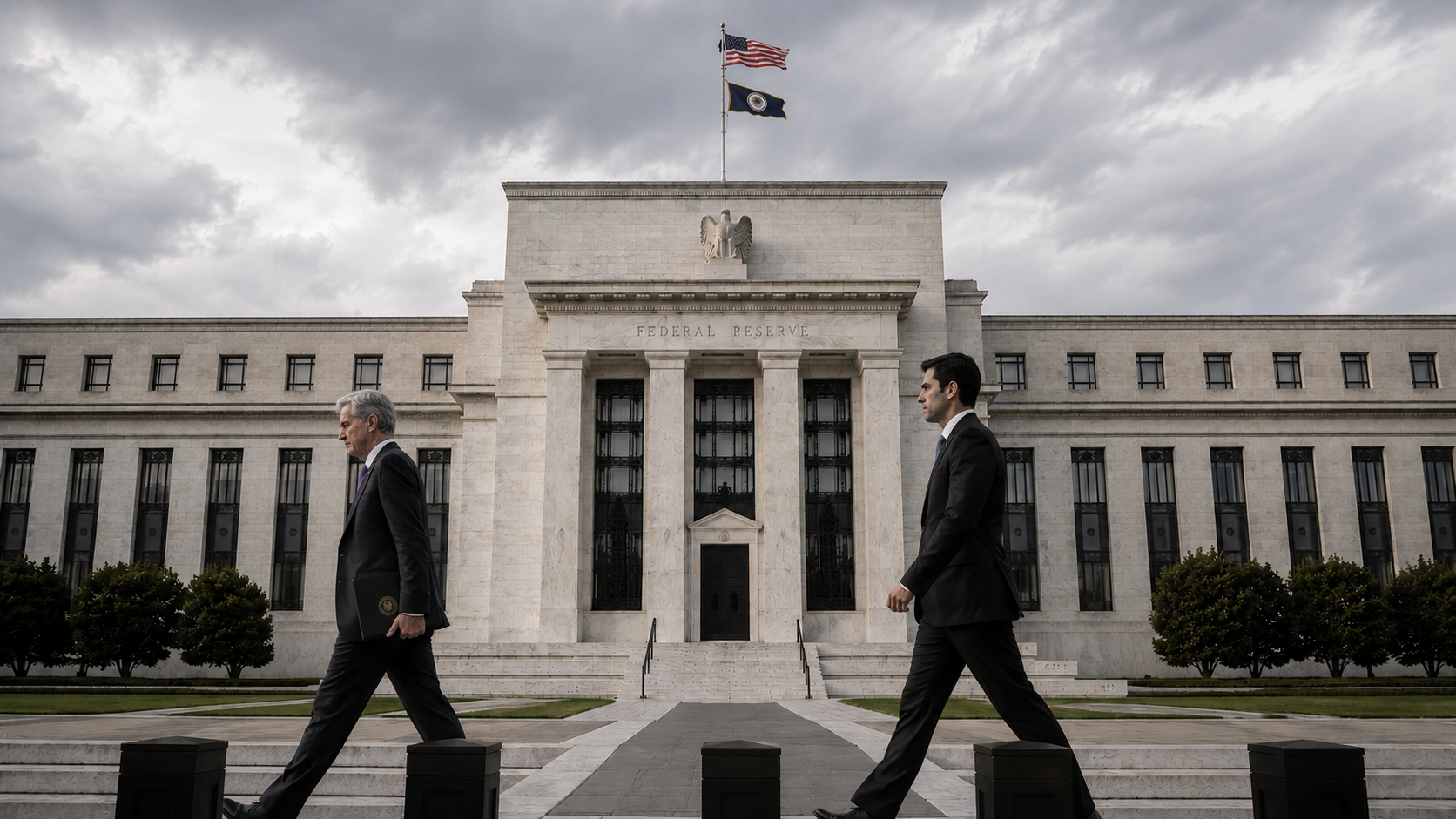
The U.S. economy added 115,000 jobs in April — nearly double the 65,000 analysts had forecast — and the unemployment rate held steady at 4.3%, according to Friday’s Bureau of Labor Statistics release. On the surface, it’s a resilient labor market. Beneath it, the picture is more complicated, and for investors watching the Federal Reserve’s next move, the report effectively confirms what markets had already suspected: rate cuts aren’t coming anytime soon.

Job growth, which had been narrowly concentrated in healthcare for much of the year, showed some broadening in April, with gains in transportation, warehousing, and retail. That’s the good news. The bad news is that manufacturing employment declined and federal government payrolls continued to shrink — two sectors that tend to have downstream effects on smaller companies in industrial supply chains and government contracting. The labor force participation rate slipped further to 61.8%, down from 62.5% in January, a trend that complicates the headline unemployment number and signals that some workers are simply exiting the labor pool rather than finding jobs.

Monthly payroll data has also been unusually erratic this year. February showed a notable revision to a loss of 156,000 jobs, March was revised up to 185,000, and January produced 160,000. The April beat, while welcome, arrives in a context where the underlying trend line is genuinely difficult to read. That volatility, combined with an unemployment rate that has held in a narrow 4.3%–4.5% band, suggests the labor market is stable but not accelerating — and probably not deteriorating either.

With the employment side of the Fed’s dual mandate looking reasonably solid, central bank officials have pivoted their focus squarely toward inflation. The Fed’s preferred gauge — the Personal Consumption Expenditures index — rose 3.5% in March on a headline basis, up sharply from 2.8% in February. Core PCE, which strips out food and energy, came in at 3.2%. Both figures are well above the Fed’s 2% target, and inflation has now been running above that target for more than five years.

The concerns deepening at the Fed go beyond domestic data. The ongoing conflict in the Middle East is pushing energy prices higher, and several Fed officials flagged this week that sustained elevated energy costs could crimp consumer spending, slow business investment, and — critically — feed back into inflation even as demand softens. Tariffs are adding further upward pressure on goods prices. It’s a stagflationary cocktail that gives the Fed very little room to maneuver in either direction.

For small and microcap investors, the implications are direct. A Fed that is frozen in place — unable to cut because of inflation, unwilling to hike without clearer deterioration in employment — is a Fed that keeps borrowing costs elevated for longer. For smaller companies that rely on access to credit markets to fund growth, acquisitions, or operations, that environment remains a genuine headwind. Deal financing stays expensive. Multiples on growth-oriented companies stay compressed. The companies that will outperform in this environment are those generating cash, managing debt conservatively, and positioned in sectors with pricing power.

Kevin Warsh is set to take over as Federal Reserve Chair in less than two weeks. His first policy decision will be made against one of the more complex macroeconomic backdrops in recent memory.

Powell’s Final Chapter at the Fed Opens a New Era of Market Uncertainty

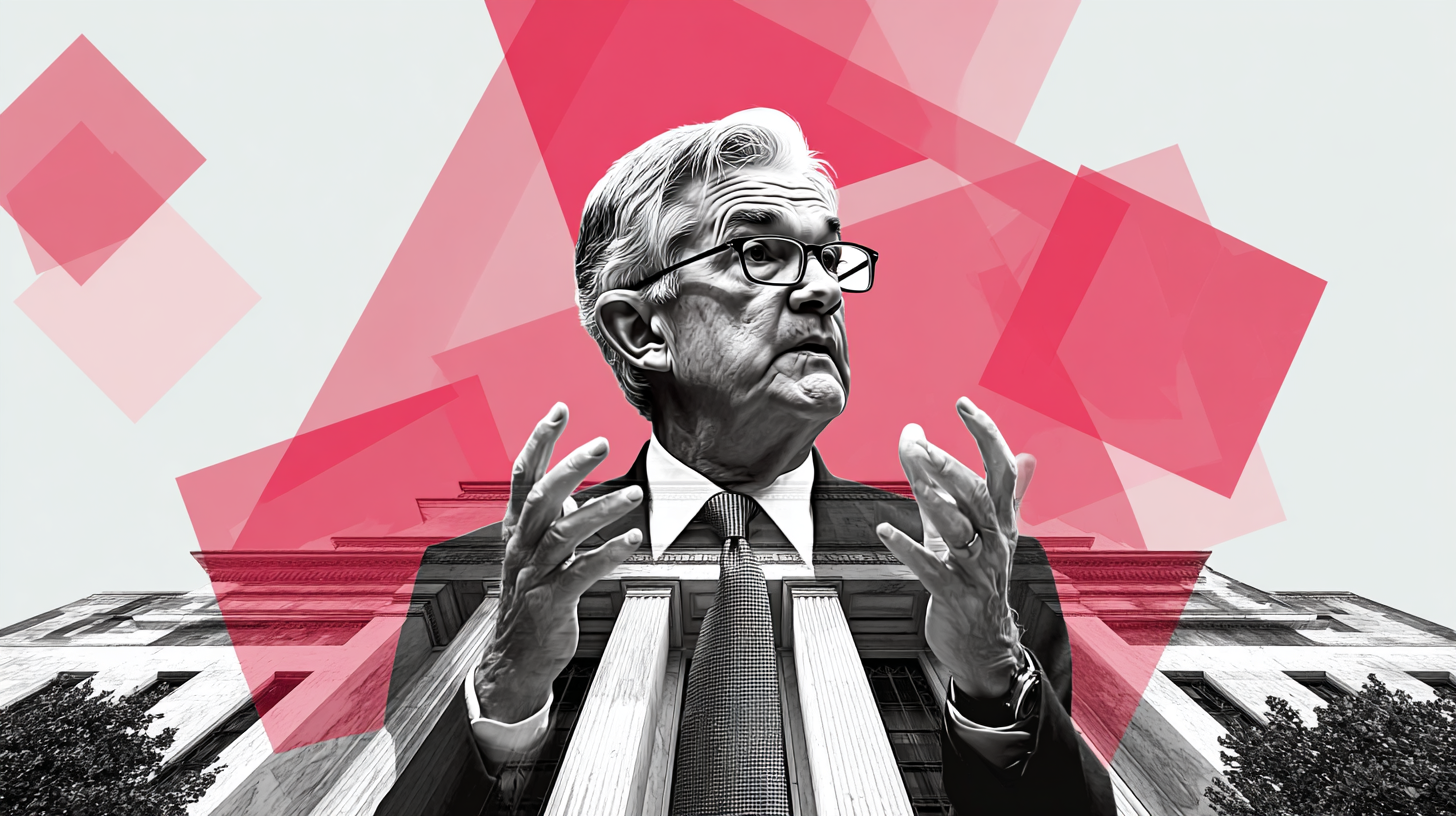
Wednesday marks what is widely expected to be Federal Reserve Chair Jerome Powell’s final policy meeting and press conference at the helm of the central bank — and while the transition has been months in the making, the full implications for markets, particularly small and microcap stocks, are only beginning to come into focus.

Powell’s term as chair officially concludes on May 15, though a lingering question remains: will he stay on as a Fed governor, a role he could hold until 2028? The answer may hinge less on politics and more on unfinished business.

The Department of Justice launched a probe earlier this year into whether Powell misled Congress about cost overruns on renovations to the Fed’s Washington headquarters — a project that has ballooned from an initial $1.9 billion estimate in 2021 to nearly $2.5 billion. Last Friday, the DOJ closed its investigation and transferred the matter to the Fed’s own inspector general. That move cleared the path for Powell’s intended successor, Kevin Warsh, whose Senate confirmation had been blocked by Republican Sen. Thom Tillis of North Carolina until the probe was resolved. Tillis quickly reversed course over the weekend, signaling his support for Warsh’s nomination.

Even so, analysts expect Powell to remain on the Fed’s board until the inspector general’s review reaches a definitive conclusion — a process that could take months. The reasoning is straightforward: Powell has publicly stated he has no intention of stepping down from the board until the investigation is fully and transparently resolved. Some economists argue his continued presence could serve as an institutional anchor during what promises to be a significant shift in how the central bank operates.

That shift is the bigger story — and the one with direct consequences for small and microcap investors.

Warsh, a former Fed governor with Wall Street credentials, has been explicit about his desire for what he calls “regime change” at the Fed. His priorities include reverting to a strict 2% inflation target, abandoning the forward guidance framework that markets have relied on for years, scaling back the Fed’s $6.7 trillion balance sheet, and reducing how frequently Fed officials communicate publicly about policy. He has also declined to commit to holding a press conference after every FOMC meeting — a practice Powell institutionalized.

For the small and microcap universe, this matters enormously. Rate policy is not a distant abstraction for smaller companies — it is a direct line item. Nearly 70% of small-cap companies generate more than 90% of their revenue domestically, making them acutely sensitive to U.S. borrowing costs. Variable rate debt, which is disproportionately common among smaller companies, becomes a margin problem when rate cuts fail to materialize.

Markets had been pricing in multiple cuts through 2026. The CME FedWatch tool now reflects expectations of no more than one cut for the year, and a majority of economists surveyed by Reuters expect rates to remain unchanged through September. If Warsh’s hawkish posture holds after confirmation — and there is little reason to believe it won’t — companies carrying heavy debt loads with near-term refinancing needs face real pressure.

The transition also introduces something arguably more dangerous than high rates: ambiguity. Less frequent communication, no forward guidance, and a new inflation framework all mean investors will be navigating without the signposts they’ve grown accustomed to. For small-cap allocators, that uncertainty translates directly into tighter positioning and a renewed premium on balance sheet quality.

Powell’s exit ends one era. What comes next is still being written — and small-cap investors would be wise to pay close attention

Trump Threatens to Fire Powell, Raising Questions About Fed Independence

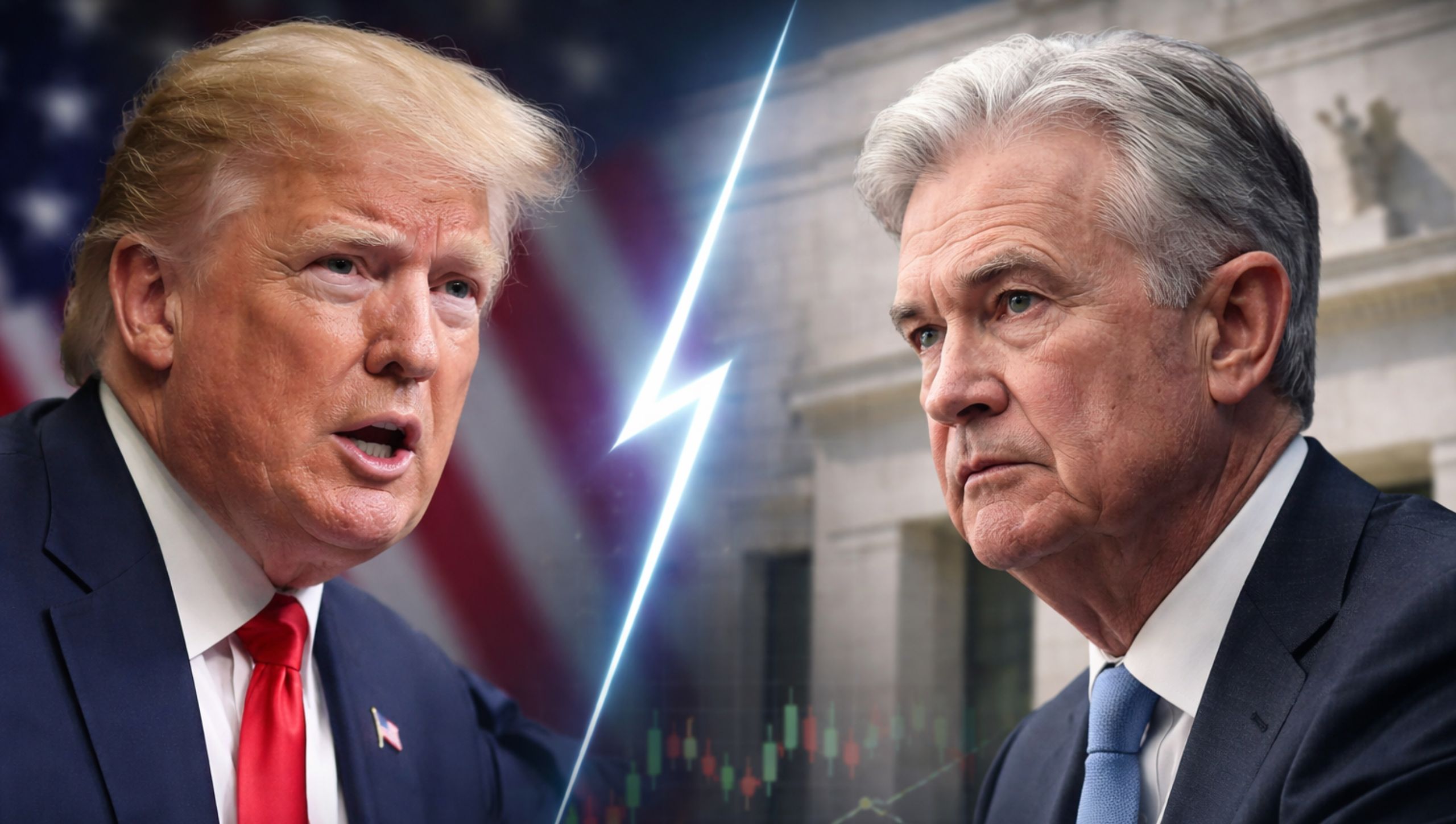
President Donald Trump escalated his criticism of Federal Reserve Chair Jerome Powell on Wednesday, stating he would “have to fire” Powell if he does not step down when his term as Fed Chair expires on May 15.

The remarks intensify tensions between the White House and the Federal Reserve and introduce new uncertainty around the Fed leadership transition, a key issue for investors closely watching interest rates, inflation policy, and central bank independence.

Fed Leadership Transition Faces Uncertainty

While Powell’s term as Chair ends next month, his position as a member of the Federal Reserve Board extends through 2028. If a successor is not confirmed in time, Powell has said he would remain as interim chair (chair pro tem)—a move consistent with historical precedent.

However, Trump’s comments suggest he may attempt to remove Powell outright, potentially setting up a legal and political battle over control of the central bank.

Trump’s preferred nominee, former Fed governor Kevin Warsh, is scheduled to appear before the Senate Banking Committee next week. But his confirmation faces obstacles. Senator Thom Tillis has indicated he will block Warsh’s nomination unless a Justice Department investigation into Powell is dropped, leaving the nomination short of the votes needed to advance.

This raises the risk of a delayed or contested Fed leadership transition, a scenario that could unsettle financial markets.

Can a President Fire the Fed Chair?

The situation highlights a key legal question: Can a president remove a Federal Reserve Chair?

Under the Federal Reserve Act, board members can be removed “for cause,” generally defined as inefficiency, neglect of duty, or malfeasance. However, the law does not clearly address whether policy disagreements—such as disputes over interest rate decisions—qualify as sufficient cause.

Any attempt to remove Powell without clear legal justification would likely face court challenges and could have significant implications for Federal Reserve independence, a cornerstone of U.S. monetary policy.

DOJ Investigation Adds Another Layer

The Trump administration has pointed to a Justice Department investigation into cost overruns tied to the Federal Reserve’s headquarters renovation as justification for increased scrutiny.

Although a federal judge recently invalidated key subpoenas—weakening the probe—the case is expected to continue through appeals. Powell has stated he intends to remain on the Board until the investigation is fully resolved, signaling he is unlikely to step aside voluntarily.

Market Impact: Why Investors Should Pay Attention

For investors, the situation introduces several risks:

  • Monetary policy uncertainty: Leadership instability at the Fed could cloud the outlook for interest rate decisions
  • Market volatility: Treasury yields and equities may react to perceived political pressure on the Fed
  • Credibility risk: Any erosion of Fed independence could impact inflation expectations and increase risk premiums

Markets are particularly sensitive to signals from the Federal Reserve, and any disruption in leadership could amplify volatility across asset classes.

What to Watch

In the coming weeks, investors should monitor:

  • Kevin Warsh’s Senate confirmation process
  • Legal developments surrounding Powell’s status
  • Updates on the DOJ investigation
  • Movements in Treasury yields and rate expectations

Bottom Line

Trump’s threat to fire Powell underscores rising political pressure on the Federal Reserve at a critical moment for monetary policy.

Whether the situation leads to a legal battle or a smooth transition, the outcome will play a key role in shaping interest rate policy, market stability, and investor confidence in the months ahead.

Three Percent and Stuck: What February’s PCE Report Means for Small Cap Investors

February’s Personal Consumption Expenditures (PCE) report, released Thursday, confirmed what many on Wall Street suspected but hoped wasn’t true: inflation remains stubbornly entrenched, and the Federal Reserve has no clear path to cutting interest rates anytime soon. For small and microcap investors, this isn’t just a macro headline — it’s a direct input into valuations, borrowing costs, and growth timelines.

The Fed’s preferred inflation gauge rose 2.8% in February on a headline basis. Core PCE, which strips out food and energy and is the number the Fed actually weighs policy decisions against, came in at 3.0% — exactly where it has been parked for three consecutive months. On a 3-month annualized basis, core inflation is running at 3.7%, nearly double the Fed’s 2% target. The report was delayed from its original March 27 release date due to the government shutdown last fall, making today’s release the first clean read the market has had in months.

The timing is particularly complicated. This data reflects economic conditions that existed before the Iran conflict escalated, before oil prices surged, and before the Strait of Hormuz disruptions began compressing global supply chains. In other words, the inflation picture captured in February’s numbers is arguably the best it’s going to look for a while — and it still isn’t good enough for the Fed to act.

Goods inflation clocked in at 0.84% for the month, a figure economists point to as evidence that tariff pass-throughs are still working their way into consumer prices. That’s the sticky problem: even if geopolitical tensions ease, tariff-driven inflation has its own timeline, and the Fed can’t cut its way around it.

The one silver lining in the report was services inflation, which showed meaningful improvement in February. Services prices have been a persistent headache for central bankers because they typically reflect wage pressures and domestic demand — both harder to control than goods prices. The improvement suggests that underlying inflation may not be structurally broken, even as energy shocks pile on.

The practical read for small and microcap companies is this: the higher-for-longer rate environment is not lifting anytime soon. Small companies carry a disproportionate share of variable-rate debt and are more sensitive to the cost of capital than their large-cap counterparts. When borrowing costs stay elevated, growth initiatives slow, refinancing gets expensive, and M&A activity tightens — all headwinds for the small and microcap universe.

That said, today’s Iran ceasefire news introduces a meaningful counterweight. Oil prices have already begun pulling back, which relieves some of the near-term inflationary pressure the Fed has been bracing for. If the ceasefire holds and energy prices stabilize, the Fed may not need to hike — it just may not be in position to cut either.

Futures market participants have already absorbed this reality, with nearly 90% now expecting the Fed’s target rate to hold at 3.50%–3.75% through September 2026.

For investors focused on smaller companies, the message is clear: fundamentals matter more than ever in this environment. Companies with strong cash flows, manageable debt loads, and pricing power are best positioned to navigate a world where rate relief isn’t coming on anyone’s preferred schedule.

No Cuts, No Ceasefire, No Clarity: The Macro Wall Investors Are Staring Down

The macro environment got more complicated overnight. President Trump’s prime-time address Wednesday signaling fresh US military strikes on Iran within the next two to three weeks sent oil prices surging past $110 a barrel and triggered a broad selloff in US Treasuries — a combination that has real consequences for the small and microcap companies ChannelChek covers every day.

US two-year yields climbed as much as six basis points to 3.86%, while 10-year yields rose as high as 4.38% before trimming some of the move. The dollar strengthened against all its Group-of-10 peers. Global bond markets followed suit, with Australian and New Zealand 10-year yields rising more than 10 basis points and European traders pricing in three quarter-point ECB rate hikes this year.

The Fed Is Now Boxed In

Before the Iran conflict escalated in late February, markets had priced in more than two Federal Reserve rate cuts in 2026. Those expectations have been completely erased. Overnight index swaps now reflect a Fed that stays on hold for the remainder of the year — a meaningful pivot that ripples directly into how investors value growth-oriented, capital-dependent smaller companies.

The inflation data is not helping. The ISM’s gauge of prices paid for manufacturing inputs climbed to 78.3 in March, remaining at its highest level since mid-2022. That number landed just as oil was spiking, reinforcing the concern that energy-driven inflation isn’t transitory — it’s structural for as long as the Strait of Hormuz remains closed or threatened.

Fed Chair Jerome Powell said earlier this week that longer-term inflation expectations appear to be in check, but acknowledged officials are closely monitoring the situation. The market isn’t waiting for clarity. The arm wrestle between inflation fear and growth concern — as Westpac’s Martin Whetton put it — is now the defining tension in fixed income, and it’s not resolving anytime soon.

Why This Matters for Small and Microcap

Small and microcap companies feel rate environment shifts more acutely than large caps for a straightforward reason: they depend more heavily on external financing. When rate cut expectations evaporate and credit conditions tighten, the cost of capital rises and the timeline for profitability gets scrutinized harder. Biotech companies burning cash toward clinical readouts, small industrials refinancing debt, and emerging growth companies looking to raise equity — all of them operate in a tougher environment when the Fed is frozen and bond yields are climbing.

The growth risk is equally significant. Higher oil prices function as a tax on consumers and businesses alike. Money managers at PIMCO and JPMorgan Asset Management have already signaled they’re positioning for an economic slowdown that will eventually drive a bond market rebound — which would suggest yields come back down, but only after a growth scare first. That sequence — inflation now, slowdown later — is historically difficult for smaller companies to navigate.

The Geopolitical Wildcard

What makes this environment particularly hard to trade is the binary nature of the catalyst. A ceasefire announcement could reverse oil prices and Treasury yields in a session. But as M&G Investments’ Andrew Chorlton noted, even a ceasefire is likely to be fragile, and markets may be underestimating the inflationary consequences of a conflict that could continue to flare up unpredictably. The risk premium, he argued, should be higher than where markets are currently pricing it.

For investors focused on small and microcap names, the near-term playbook is one of selectivity — companies with strong balance sheets, near-term catalysts, and limited macro exposure are better positioned to weather the volatility than those dependent on a benign rate environment to execute their growth strategy.

The macro has reasserted itself. Navigate accordingly.

Federal Reserve Holds Rates Steady in March 2026 — One Cut Still on the Table as Economy Shows Resilience

The Federal Reserve held its benchmark interest rate unchanged Wednesday, keeping the federal funds rate in the range of 3.5% to 3.75% as policymakers assess a shifting economic landscape shaped by elevated energy prices, a resilient growth outlook, and ongoing uncertainty tied to the conflict in the Middle East. The decision marks the second consecutive hold this year, with officials maintaining their projection of one rate cut in 2026 — consistent with guidance issued in December.

The vote was split. Fed Governor Stephen Miran dissented in favor of an immediate quarter-point reduction, reflecting the diversity of views inside the central bank as policymakers weigh competing signals from inflation data, labor markets, and geopolitical developments.

For the first time, the Fed formally acknowledged the war in Iran as an economic variable, stating that “the implications of developments in the Middle East for the U.S. economy are uncertain.” The acknowledgment signals that policymakers are actively monitoring the conflict’s impact on energy prices and supply chains as they assess the timing and pace of future policy adjustments.

Inflation forecasts were revised modestly higher as a result. Officials now see headline inflation at 2.7% for 2026, up from a prior estimate of 2.4%, and core inflation — which excludes food and energy — at 2.7% versus the previous 2.5% projection. While inflation remains above the Fed’s 2% target, the central bank’s updated projections also reflect a more optimistic view of overall economic growth, suggesting policymakers see the current environment as manageable rather than alarming.

In a constructive revision, the Fed raised its GDP growth forecast to 2.4% for 2026, up from 2.3% previously, reflecting continued economic momentum. The unemployment rate projection held steady at 4.4% — a level historically consistent with a healthy labor market.

Month-to-month payroll data has been choppy — January posted a gain of 126,000 jobs followed by a decline of 92,000 in February — but the unemployment rate has remained largely stable throughout the swing, which Fed officials noted as a point of continuity. Policymakers are watching incoming data closely before drawing conclusions about the labor market’s direction.

The Fed’s steady-hand approach offers a degree of predictability that markets and businesses can plan around. With one rate cut still projected for 2026, the path toward monetary easing remains intact — even if the timeline is data-dependent. For small and microcap companies, the key takeaway is that the cost of capital environment, while elevated, appears to be stabilizing rather than tightening further.

The breadth of opinion inside the Fed — ranging from no cuts to as many as four this year — reflects genuine debate rather than consensus pessimism, and leaves room for the policy outlook to shift as energy markets and labor data evolve through the year.

Adding another dimension to the Fed’s near-term story: Chair Jerome Powell’s term expires May 15, and his nominated successor Kevin Warsh awaits Senate confirmation. The transition is unfolding against a complex political backdrop, but the Fed’s institutional framework and data-driven decision-making process are expected to remain intact regardless of timing.

The direction of travel on rates is still lower. The question is when.

Iran, Stagflation, and a Frozen Fed: The Triple Threat Driving the S&P 500’s Worst Streak in a Year

The S&P 500 is closing out its third consecutive losing week — the longest such streak in nearly a year — and the forces behind the selloff are not the kind that resolve quickly. A geopolitical shock, deteriorating economic data, and a Federal Reserve with no room to maneuver have converged into a triple threat that is reshaping how investors should be positioning right now.

The index hit an all-time high of 7,002 on January 27, 2026. It has since fallen approximately 4.5%, trading near 6,684 as of Thursday’s close — its lowest level since mid-December. The Dow Jones Industrial Average is tracking for a 1.8% weekly loss, and the Nasdaq Composite has declined roughly 0.9% week-to-date. The S&P 500 is now down 1.54% on the year.

Threat #1: Iran and the Oil Shock

The U.S.-Israeli military conflict with Iran has disrupted Persian Gulf shipping lanes, sending Brent crude above $100 per barrel for the first time since August 2022 and pushing WTI crude near $96. With Iran’s new Supreme Leader signaling the Strait of Hormuz closure should continue as leverage against the West, there is no near-term resolution in sight. Energy costs at these levels feed directly into consumer prices, complicating an inflation fight the Fed had not yet won.

Threat #2: Stagflation Is No Longer a Tail Risk

This morning’s Q4 2025 GDP revision delivered a gut punch to the soft-landing narrative. Economic growth came in at just 0.7% annualized — down sharply from the prior estimate of 1.4% and well below the consensus forecast of 1.5%. That is the weakest quarterly growth reading in years, outside of the pandemic. Meanwhile, core PCE rose 0.4% month-over-month and February CPI held at 2.4% year-over-year. Slow growth paired with rising prices is the textbook definition of stagflation — historically one of the most punishing environments for equity markets. The 1973 OPEC oil crisis offers an uncomfortable parallel, when the S&P 500 fell more than 40% as recession and energy shock collided.

Threat #3: The Fed Has No Good Options

The Federal Open Market Committee meets March 17–18, and futures markets are pricing in just a 4.7% probability of a rate cut, according to CME FedWatch data. The Fed cannot cut into rising inflation driven by an oil shock, and it cannot hike into slowing growth. The result is policy paralysis — and markets hate uncertainty more than bad news. Rate-sensitive equities, particularly high-multiple tech names, are absorbing the most damage.

What the Headline Number Isn’t Telling You

While the cap-weighted S&P 500 is down 1.54% year-to-date, the S&P 500 Equal Weight Index is up 3.16% over the same period. That divergence reveals the selloff for what it is — a concentrated repricing of mega-cap technology, not a broad market collapse. The Russell 2000 small cap index outperformed Thursday, climbing over 1% on a day the Nasdaq posted losses. Energy, defense, financials, and domestically focused small cap names are holding ground while Big Tech reprices.

The macro environment is undeniably difficult. But for investors willing to look past the headline index, the rotation already underway may prove to be one of 2026’s most important opportunities.

February CPI Comes in Tame at 2.4%, But the Calm May Be Short-Lived

The Bureau of Labor Statistics reported this morning that the Consumer Price Index rose 0.3% on a seasonally adjusted basis in February, following a 0.2% gain in January, putting the 12-month inflation rate at 2.4% — unchanged from the prior month and matching Wall Street’s consensus forecast.

Core CPI, which strips out volatile food and energy prices, posted a 0.2% monthly gain and a 2.5% annual rate — both figures in line with forecasts. On the surface, this is a clean report. But the backdrop is anything but.

By the Numbers

Shelter was the largest driver of the monthly increase, rising 0.2%. Food climbed 0.4% for the month and 3.1% over the past year, while energy rose 0.6%. Rent posted its smallest monthly gain since January 2021, rising just 0.1% — a meaningful data point for commercial real estate and housing-related stocks. On the services side, medical care, airline fares, and apparel were among categories posting increases, while used cars and trucks, motor vehicle insurance, and communication costs declined.

Ground beef prices have risen roughly 15% year-over-year, driven by the U.S. cattle supply sitting at multi-decade lows. Coffee prices are up approximately 18% over the same period, largely due to adverse weather conditions among major producers in Vietnam and Brazil. On the other side of the ledger, egg prices fell 3.8% for the month, bringing the annual decline to 42.1%.

The Iran Variable

The February data carries an asterisk: it captures the period before the Iran war broke out in late February, since which oil prices have surged sharply. Average gasoline prices hit $3.50 per gallon as of Monday — their highest level since 2024 — up roughly 19% from $2.94 just two weeks prior.

The downstream risks are significant. A prolonged conflict that inflicts even minor damage to energy infrastructure could push U.S. oil prices to approximately $100 per barrel for the remainder of the year, lifting CPI inflation to an estimated 3.5% by year-end. Gasoline prices in that scenario could approach $5 per gallon in Q2. Analysts also flag that higher diesel costs filter directly into food prices through transportation, and elevated jet fuel will squeeze airline margins heading into peak travel season.

Fed Implications

From the Fed’s perspective, this report likely keeps the central bank on hold as it monitors how prior rate cuts and the current geopolitical tensions shape the economic outlook. Traders are now assigning a near-100% probability that the Fed holds at its March 18 meeting, with the next potential cut not expected until July or September at the earliest.

Moody’s chief economist Mark Zandi noted that he sees no sign inflation is decelerating, calling it “uncomfortably and persistently high” for necessities including electricity, food, apparel, medical care, and housing — and that assessment predates the Middle East escalation.

For small and microcap companies, the implications are layered. Input cost pressures — particularly in food, energy, and transport — will disproportionately affect businesses with thinner margin buffers. If the Iran conflict sustains elevated energy prices into Q2 and Q3, companies in consumer discretionary, logistics, agriculture, and specialty retail will face a more challenging cost environment just as the Fed remains sidelined.

The March CPI report, which will capture the initial shock of surging oil prices, is scheduled for release on April 10.

Fed Holds the Line: Officials Want More Proof Inflation Is Cooling Before Cutting Rates

Minutes from the latest meeting of the Federal Open Market Committee (FOMC) show a central bank increasingly cautious about cutting interest rates further, with most officials signaling they want clearer evidence that inflation is moving sustainably toward their 2% target before easing policy again.

At its Jan. 27–28 meeting, the policy-setting arm of the Federal Reserve voted to hold its benchmark interest rate steady at roughly 3.6%, following three rate cuts late last year. While two officials dissented in favor of another quarter-point reduction, the overwhelming majority agreed that the current rate is close to “neutral” — neither stimulating nor restraining economic growth.

The minutes, released Wednesday, reveal a committee divided into several camps. “Several” participants indicated that additional cuts would likely be appropriate if inflation continues to decline. However, “some” favored holding rates unchanged for an extended period, reflecting concerns that price pressures remain too elevated. A smaller group even expressed openness to signaling that the Fed’s next move could be either a rate cut or a hike, depending on incoming data — a notable shift from prior meetings when further tightening was largely ruled out.

Fed Chair Jerome Powell struck a measured tone following the January meeting, emphasizing that the central bank is “well positioned” to assess how economic conditions evolve before making additional adjustments. Powell pointed to signs of stabilization in the labor market and a still-expanding economy as justification for patience.

Recent economic data appear to reinforce that cautious stance. Consumer prices rose 2.4% in January compared with a year earlier, not far from the Fed’s target. Yet the central bank’s preferred inflation gauge — the personal consumption expenditures (PCE) index — is running closer to 3%, suggesting underlying price pressures remain sticky. Officials made clear in the minutes that they want greater confidence inflation is moving decisively lower before resuming rate cuts.

At the same time, the labor market has shown renewed resilience. Employers added 130,000 jobs in January, the strongest monthly gain in more than a year, while the unemployment rate edged down to 4.3%. Many officials described the job market as stabilizing after some softening in late 2025. Because rate cuts are typically deployed to prevent rising unemployment or stimulate slowing growth, the improving labor backdrop reduces the urgency for immediate action.

The Fed’s decision to stand pat also came despite public pressure from President Donald Trump, who has called for significantly lower rates. Policymakers, however, signaled they remain focused on their dual mandate of price stability and maximum employment rather than political considerations.

Markets are now recalibrating expectations for 2026. Earlier forecasts anticipated multiple rate cuts this year, but the tone of the minutes suggests the path forward will depend heavily on inflation data in the coming months. If price growth stalls above 2%, the Fed may extend its pause. If inflation resumes its downward trend, gradual cuts could still materialize.

For now, the message from the FOMC is clear: the battle against inflation is not yet fully won, and patience — not haste — will guide the next move in U.S. monetary policy.

Trump Nominates Kevin Warsh as Next Federal Reserve Chair, Setting Stage for Policy Shift

President Trump’s nomination of former Federal Reserve governor Kevin Warsh to lead the US central bank marks a pivotal moment for monetary policy, with markets immediately turning their focus to what his leadership could mean for interest rates in 2026 and beyond. While Warsh is viewed as a conventional and credible pick, his appointment could subtly — and eventually materially — shift the Federal Reserve’s policy direction.

If confirmed by the Senate, Warsh would step into a deeply divided Federal Open Market Committee (FOMC). The 19-member body has recently signaled openness to a prolonged pause after delivering three rate cuts last fall, with many policymakers believing those moves sufficiently addressed slowing job growth. Convincing the committee to resume cutting rates will be one of Warsh’s earliest and most consequential challenges.

Economists broadly agree that Warsh is inclined to argue for lower rates, but that persuasion — not authority — will determine outcomes. “Special deference to the chair only goes so far,” said JPMorgan chief economist Michael Feroli, noting that past chairs often succeeded by positioning themselves near the committee’s center rather than pushing an ideological edge. Deutsche Bank’s Matt Luzzetti echoed that view, arguing that further rate cuts are unlikely unless inflation eases materially or the labor market weakens again.

Warsh’s case for lower rates rests on a structural argument: that artificial intelligence will meaningfully boost productivity, suppress inflation, and allow the economy to grow faster without overheating. Like Trump, Warsh rejects the idea that inflation is primarily driven by strong wage growth. Instead, he has consistently blamed excessive government spending and monetary expansion. He also believes tariffs represent one-off price shocks rather than persistent inflationary forces — a view increasingly shared within the Fed.

Still, Warsh’s recent dovish tone contrasts with his long-standing hawkish reputation. Historically, he opposed extended bond-buying programs outside crisis conditions and warned that balance sheet expansion risked distorting markets and fueling inflation. Notably, he did not support a rate cut as recently as September 2024. In more recent remarks, however, Warsh has suggested that shrinking the Fed’s balance sheet could help bring inflation down, creating room for lower policy rates.

That reputation for independence may actually work in Warsh’s favor. Evercore ISI’s Krishna Guha argues that because Warsh is seen as hawkish and credible, he may be better positioned than other contenders to bring the FOMC along for at least two — and possibly three — rate cuts this year if conditions allow. In other words, Warsh may have more room to pivot without undermining the Fed’s inflation-fighting credibility.

President Trump has been careful to publicly respect the Fed’s independence, saying he did not seek a commitment from Warsh to cut rates, even though he believes Warsh favors doing so. That balance — political alignment without overt pressure — will be closely scrutinized by lawmakers during Warsh’s confirmation process, which could face hurdles amid broader tensions surrounding the Fed and ongoing investigations tied to Powell’s tenure.

Looking further ahead, questions remain about how Warsh would respond if productivity gains disappoint or inflation reaccelerates, particularly under loose fiscal policy. Some economists believe his current dovish posture could prove flexible — or temporary — especially after midterm elections and deeper into a second Trump term.

For now, Warsh’s nomination signals continuity with a twist: a Fed chair with crisis experience, institutional credibility, and a growing belief that the economy can sustain lower rates without reigniting inflation. Whether he can translate that belief into consensus may define both his chairmanship and the next phase of US monetary policy.

November Jobs Report Signals Labor Softening—but Leaves the Fed on Hold

The November jobs report offered fresh signs that the U.S. labor market is cooling, but not enough to materially alter the Federal Reserve’s near-term policy outlook. While the data points to slower hiring and a higher unemployment rate, policymakers and economists broadly agree that the figures fall short of triggering an immediate shift toward additional rate cuts.

According to the latest report, the U.S. economy added 64,000 jobs in November, a modest rebound after a net loss of 105,000 jobs in October. At the same time, the unemployment rate rose to 4.6%, its highest level in more than four years. Under normal circumstances, a jump of that magnitude might raise alarms at the Fed. This time, however, the context surrounding the data matters just as much as the headline numbers.

Economists caution that recent employment figures may be distorted by technical and temporary factors, including the lingering effects of the government shutdown that spanned October and part of November. The Labor Department itself flagged higher-than-usual uncertainty in the data, citing lower survey response rates, changes in weighting methodology, and the use of a two-month analysis window instead of a single month. These quirks make it harder to draw firm conclusions about the true underlying trend in the labor market.

A significant portion of the weakness also stems from government employment. Federal payrolls declined sharply as deferred resignations tied to earlier buyout programs finally showed up in official counts. Since peaking earlier in the year, federal employment has fallen by more than a quarter-million jobs. While that has pushed the unemployment rate higher, it does not necessarily reflect broader weakness in private-sector hiring.

At the same time, labor force participation rose in November, suggesting that more people are actively looking for work. That dynamic can temporarily lift the unemployment rate even if the economy is not deteriorating rapidly. In other words, the increase in joblessness may be more about shifting labor supply than collapsing demand.

Federal Reserve Chair Jerome Powell has repeatedly emphasized the need for caution when interpreting recent data. He has noted that both labor and inflation metrics may be distorted, not just volatile, and warned against overreacting to any single report. Some Fed watchers believe monthly payroll growth may be overstated and that underlying job creation could be closer to flat or slightly negative—a scenario consistent with a late-cycle slowdown rather than an outright downturn.

For now, the November report reinforces the Fed’s patient stance. Labor market softness appears real, but there is little evidence that the broader economy has stalled. Inflation trends and upcoming employment data, particularly for December and January, will be critical in determining whether policymakers feel confident enough to resume cutting rates.

In short, November’s jobs data neither forces the Fed’s hand nor closes the door on future easing. It keeps policymakers in wait-and-see mode—alert to downside risks, but not yet convinced that the economy requires immediate additional support.

Fed Beige Book Points to Slower Spending and Hiring Ahead

The Federal Reserve’s latest Beige Book, released Wednesday, paints a picture of an economy losing momentum as 2025 draws to a close. With consumer spending weakening, hiring slowing, and businesses facing persistent cost pressures, the report arrives at a critical moment: just two weeks before the Fed’s next interest rate decision — and during a time when official data remains delayed due to a record-long government shutdown.

The Beige Book, which compiles anecdotal insights from businesses across all 12 Federal Reserve districts, showed that consumer spending declined further during the first half of November. Retailers reported softer foot traffic and more price-sensitive consumers, a sign that household budgets may be tightening again after a relatively steady summer.

At the same time, the US labor market — which has remained resilient for years — is now showing clearer signs of softening. According to the report, employers are scaling back hiring, implementing freezes, and trimming hours. Some firms indicated they were only replacing departing employees rather than adding new roles, while others attributed reduced hiring needs to efficiency gains from artificial intelligence, which is increasingly being used to automate entry-level or repetitive tasks.

Rising health insurance premiums are adding to the strain, increasing labor costs even as companies attempt to limit headcount.

Tariffs and Costs Keep Inflation Sticky, Even as Demand Softens

On the inflation front, the Beige Book noted that tariffs have pushed input costs higher for manufacturers and retailers, though companies vary in how much they pass along to consumers. Some are raising prices selectively based on customer sensitivity, while others feel strong competitive pressure to absorb the costs — squeezing profit margins.

However, the report also showed that prices for some materials have declined due to sluggish demand, delayed tariff implementation, or reduced tariff rates. This mixed environment reflects the broader disinflation trend the Fed has been monitoring closely.

Still, most businesses expect cost pressures to continue, even if they are hesitant to raise prices significantly in the near term.

Why the Beige Book Matters: Rising Odds of a December Rate Cut

With many government economic indicators delayed, the Beige Book is now one of the few timely sources of insight available to the Fed ahead of its December 10 policy meeting. And based on the slowdown in both spending and hiring, investors are increasingly convinced that the central bank will act.

Market expectations for a December rate cut climbed above 85%, rising sharply this week following comments from multiple Fed officials. New York Fed President John Williams said there is “room” for a near-term cut, while San Francisco Fed President Mary Daly and Fed Governor Chris Waller both signaled concern about the softening labor market.

However, not all policymakers agree. Boston Fed President Susan Collins and Kansas City Fed President Jeff Schmid have urged caution, pointing to mixed inflation signals and warning against moving too quickly.

With consumer spending cooling, hiring softening, and inflation pressures lingering, the Fed’s Beige Book suggests an economy that is decelerating — but not collapsing. Whether that slowdown is enough to justify a December rate cut will be decided in less than two weeks, making this one of the most pivotal policy moments of the year.

The Most Unhelpful Jobs Report of the Year Complicates the Fed’s Next Move

The Federal Reserve’s December policy decision has become significantly more complicated following the release of the long-delayed September jobs report. After weeks of uncertainty caused by the government shutdown, economists were hoping the data would offer at least some directional clarity. Instead, the report delivered a contradictory mix of signals that has left markets, analysts, and policymakers struggling to determine whether the Fed’s next move will be a rate cut — or simply holding steady.

On the surface, the headline numbers appeared encouraging. Employers added 119,000 jobs in September, more than double what forecasters had anticipated. In a typical environment, that level of job creation would be considered firm evidence that the labor market still retains momentum.

However, the rest of the report painted a more complicated — and in some ways troubling — picture. The unemployment rate nudged higher to 4.4%, and on an unrounded basis reached 4.44%, inching close to the 4.5% threshold that some Fed officials view as a sign that labor conditions may be softening. Layered on top of that is the fact that this data is nearly two months old. Because of the shutdown, the Labor Department will not release an October report at all, and the November report will not be available until after the Fed meets in mid-December. As a result, policymakers are attempting to make a major policy decision with limited, stale visibility.

Another challenge is the unusually choppy pattern of job creation over the last several months. Hiring dipped into negative territory in June, rebounded in July, contracted again in August after revisions, and then jumped higher in September. This volatility makes it difficult to determine whether the labor market is gradually slowing or simply experiencing temporary fluctuations after several years of rapid post-pandemic recovery.

A significant structural factor shaping recent trends is the slowdown in immigration. With fewer new workers entering the labor force, the “break-even” number of jobs needed to maintain a stable unemployment rate has decreased to an estimated 30,000 to 50,000 per month. Since September’s job gains far exceeded that range, it indicates that demand for labor remains healthier than the rising unemployment rate alone suggests.

Sector-level data also highlights a mixed landscape. Industries such as healthcare and hospitality continue to show notable strength, reflecting persistent consumer demand and structural labor shortages. Meanwhile, other sectors have begun to lose momentum, reinforcing the idea that the labor market is no longer uniformly strong but instead is becoming more uneven.

Overall, the economy has added an average of 76,000 jobs per month so far in 2025 — a pace that aligns with the lower growth environment of a cooling, but still functioning, labor market.

Inside the Fed, opinions remain divided. Some policymakers believe easing rates further is consistent with guiding monetary policy back toward a neutral setting. Others see the recent uptick in unemployment, combined with limited fresh data, as reasons to pause. Financial markets reflect this uncertainty as well, with traders now assigning roughly even odds to a December rate cut.

For now, the September report provides more ambiguity than clarity. Without current data and with mixed signals across key indicators, the Fed enters its next policy meeting navigating perhaps its murkiest environment of the year.