Henkel Bets $1.4 Billion on Science-Backed Hair Care as OLAPLEX Era Ends on Nasdaq

German consumer goods giant Henkel AG is writing one of the largest checks in prestige hair care history, agreeing to acquire OLAPLEX Holdings (NASDAQ: OLPX) for approximately $1.4 billion in a cash deal that values shares at $2.06 apiece — a 55% premium over where the stock closed on March 25.

For small and microcap investors, this transaction is a textbook case study in what a strategic acquirer will pay for a brand with durable IP, a loyal professional channel, and a story of operational recovery.

From Lab Disruptor to Acquisition Target

OLAPLEX launched in 2014 with a singular innovation: Complete Bond Technology, a chemistry-driven approach to repairing hair bonds during and after chemical services. The product found its home in salons first, building a credibility-driven distribution model that competitors struggled to replicate.

Private equity firm Advent International backed the company and took it public, helping scale it from a single-product disruptor into a multi-SKU hair health platform. But OLAPLEX’s post-IPO journey has been rocky. The stock, which once traded well above $20, has languished amid slowing consumer demand, intense competition in the prestige hair segment, and a multi-year transformation program the company undertook to reset its cost structure, marketing engine, and go-to-market model.

That turnaround, while painful for shareholders who held on too long, appears to have made the company an attractive acquisition for Henkel, which recognized the rebuilt infrastructure and brand credibility as assets worth paying a premium for.

What Henkel Gets

Henkel is acquiring more than a brand — it is acquiring distribution leverage. OLAPLEX has established direct-to-consumer channels and specialty retail presence across North America that complement Henkel’s broader international footprint. The deal gives Henkel immediate access to the professional stylist and salon community, a channel both companies serve but through different product lines.

For Henkel, the acquisition represents an accelerated path into the premium science-led hair care category without years of organic brand-building. The company gains OLAPLEX’s product innovation pipeline and its recognition among consumers across demographics and hair types.

The Private Equity Exit

Advent International, which controlled a majority of OLAPLEX’s voting stock, approved the transaction by written consent — effectively sealing the deal without requiring a broader shareholder vote. Advent will fully exit its position at closing, bookending an investment that helped build a globally recognized brand even if the public market returns disappointed many retail investors.

J.P. Morgan Securities is advising OLAPLEX on the transaction, which is expected to close in the second half of 2026, pending regulatory approval.

What This Signals for the Market

The OLAPLEX deal underscores a persistent theme in the consumer sector: global strategics are still willing to pay substantial premiums for brands with defensible science-based positioning and professional channel relationships, even when the public market has long since moved on. For small and microcap investors tracking M&A, OLPX is a reminder that a beaten-down stock with genuine brand equity is not always a broken business — sometimes it is just a business waiting for the right buyer.

OLAPLEX will delist from Nasdaq upon closing.

Resolution Minerals Ltd (RLMLF) – Idaho’s Next Gold and Critical Minerals District


Thursday, March 26, 2026

Mark Reichman, Managing Director, Equity Research Analyst, Natural Resources, Noble Capital Markets, Inc.

Hans Baldau, Associate Analyst, Noble Capital Markets, Inc.

Refer to the full report for the price target, fundamental analysis, and rating.

Initiating coverage with an Outperform. Resolution Minerals Ltd (ASX: RML, OTCQB: RLMLF) is advancing the Horse Heaven Gold–Antimony–Tungsten–Silver Project in Idaho, now covering 14,580 hectares. Following China’s December 2024 ban on antimony exports to the U.S., the country faces a structural supply deficit with no meaningful domestic mining or processing capacity. Resolution is positioned to address this gap through both resource development and intention to build a commercial-scale hydrometallurgical processing facility, aligning the project with U.S. policy priorities around domestic critical mineral supply chains.

Golden Gate. Phase 1 drilling at the Golden Gate Prospect confirmed a fault-controlled Intrusion Related Gold System with indications of meaningful scale. All 14 holes intersected mineralization from surface, including intercepts of 253m at 1.50 g/t Au, 265m at 0.60 g/t Au, and 189m at 1.30 g/t Au, all open at depth, while a second discovery at Golden Gate South expanded the mineralized footprint to more than 1.5km of strike. Importantly, the historical Golden Gate Tungsten Mine, last in production in 1980, is located within Resolution’s property boundary, with management evaluating a restart. A Phase 2 program of up to 45 diamond holes across 13,700 meters commences in early May 2026.


Get the Full Report

Equity Research is available at no cost to Registered users of Channelchek. Not a Member? Click ‘Join’ to join the Channelchek Community. There is no cost to register, and we never collect credit card information.

This Research is provided by Noble Capital Markets, Inc., a FINRA and S.E.C. registered broker-dealer (B/D).

*Analyst certification and important disclosures included in the full report. NOTE: investment decisions should not be based upon the content of this research summary. Proper due diligence is required before making any investment decision. 

GeoVax Labs (GOVX) – MVA Vaccine Makes Progress Toward Phase 3 For Mpox


Thursday, March 26, 2026

Robert LeBoyer, Senior Vice President, Equity Research Analyst, Biotechnology, Noble Capital Markets, Inc.

Refer to the full report for the price target, fundamental analysis, and rating.

Mpox Vaccine Clinical Supplies Expected To Be Ready Soon. GeoVax announced the completion of clinical supply testing of GEO-MVA, its modified vaccinia ankara (MVA) vaccine for Mpox/smallpox. The release of vaccine that can be used in clinical trials is expected in early April. This is an important milestone in preparation for the Phase 3 trial planned for late FY2026.

Preparation for Phase 3 Bridging Study and Commercialization. GeoVax is preparing for an immune bridging study to show GEO-MVA stimulates an immune response that is non-inferior to a commercial Mpox vaccine. The study was designed to meet requirements for the European Medicines Agency’s expedited development pathway for Marketing Authorization.


Get the Full Report

Equity Research is available at no cost to Registered users of Channelchek. Not a Member? Click ‘Join’ to join the Channelchek Community. There is no cost to register, and we never collect credit card information.

This Company Sponsored Research is provided by Noble Capital Markets, Inc., a FINRA and S.E.C. registered broker-dealer (B/D).

*Analyst certification and important disclosures included in the full report. NOTE: investment decisions should not be based upon the content of this research summary. Proper due diligence is required before making any investment decision. 

Cardiff Oncology (CRDF) – KOL Discussion Of Onvansertib Supports Our Outperform Rating


Thursday, March 26, 2026

Robert LeBoyer, Senior Vice President, Equity Research Analyst, Biotechnology, Noble Capital Markets, Inc.

Refer to the full report for the price target, fundamental analysis, and rating.

Cardiff Oncology Held A KOL Discussion. On March 25, Cardiff Oncology held a webcast with two world-renown oncologists with experience in drug development and patient treatment. The discussion began with a review of the Phase 2 data by Dr. Mani Mohindru, the Interim CEO. The discussion centered on aspects of the trial, including the outcome data, practical use, and competitive therapies.

The Discussion Included Significance Of Phase 2 Outcomes. The presentation began with a review of Phase 2 data announced in January 2026, with comments by the KOLs. They pointed to the response rate (RR) of 72.2% and the median progression-free survival (PFS) that has not yet been reached. Importantly, onvansertib did not cause additional toxicities to the combination chemotherapy regimen.


Get the Full Report

Equity Research is available at no cost to Registered users of Channelchek. Not a Member? Click ‘Join’ to join the Channelchek Community. There is no cost to register, and we never collect credit card information.

This Company Sponsored Research is provided by Noble Capital Markets, Inc., a FINRA and S.E.C. registered broker-dealer (B/D).

*Analyst certification and important disclosures included in the full report. NOTE: investment decisions should not be based upon the content of this research summary. Proper due diligence is required before making any investment decision. 

SpaceX Eyes $75 Billion IPO — The Largest in History and What It Means for the Broader Market

SpaceX, Elon Musk’s rocket and satellite giant, is reportedly weighing a fundraising target of approximately $75 billion in its upcoming initial public offering — a figure so staggering it would more than double the previous record holder, Saudi Aramco’s $29 billion listing in 2019. Earlier reports had pegged the target closer to $50 billion, but sources familiar with the matter suggest the company has since discussed raising north of $70 billion with potential investors.

The company is reportedly eyeing a June market debut, with a confidential IPO filing potentially hitting as early as this month. Nothing is finalized, and the timeline could shift, but preparations appear well underway.

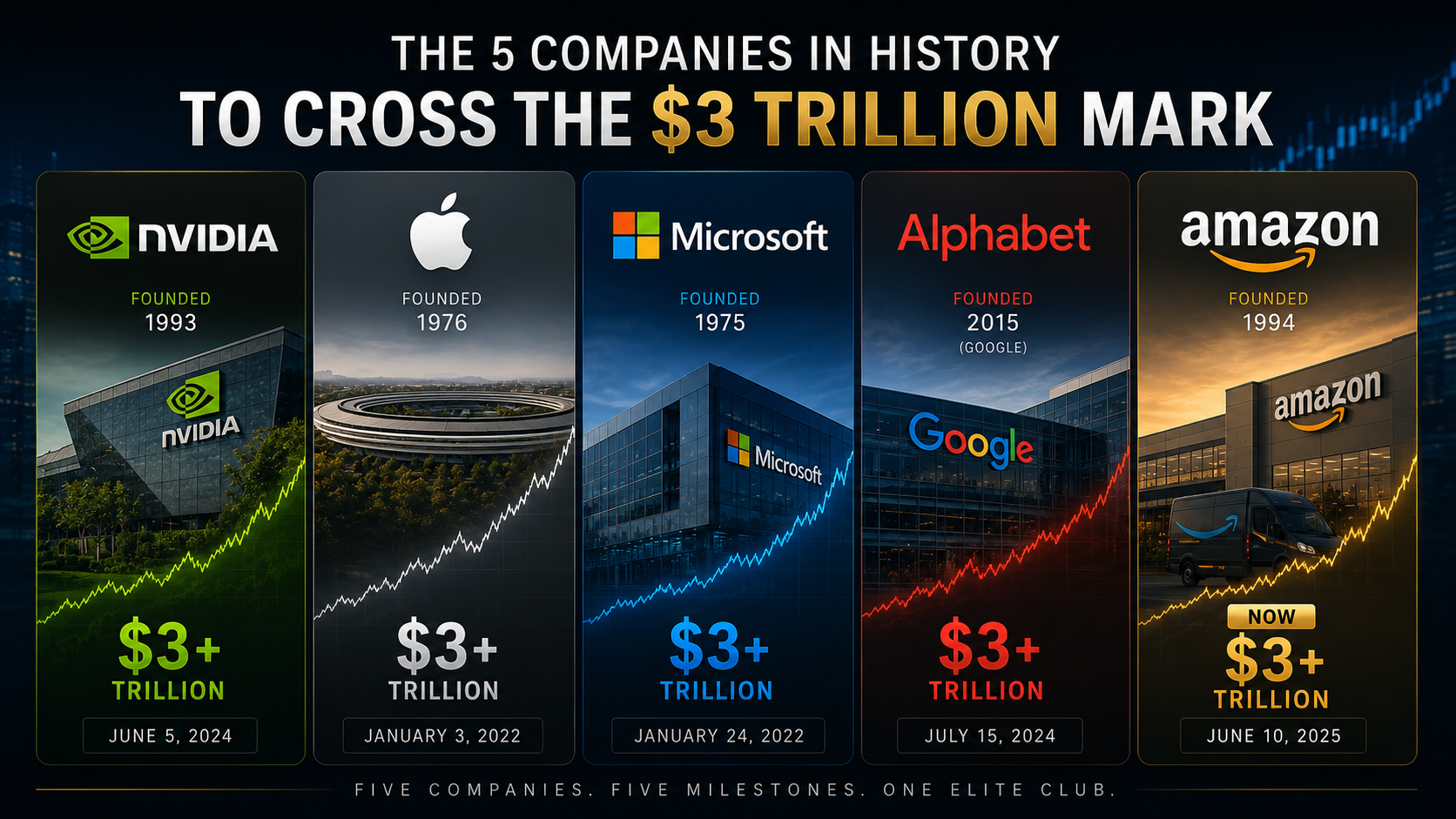
At a projected valuation north of $1.75 trillion, SpaceX would sit comfortably among the most valuable companies on the planet — larger than all but five members of the S&P 500. Only Nvidia, Apple, Alphabet, Microsoft, and Amazon would rank above it. That places SpaceX ahead of Meta Platforms and, notably, Musk’s own Tesla. The company’s footprint expanded significantly after absorbing Musk’s AI startup xAI in a deal that valued the combined entity at $1.25 trillion.

For context, SpaceX isn’t just a rocket company anymore. Starlink, its satellite internet division, has become a legitimate global broadband player with millions of subscribers, a recurring revenue engine that makes the broader SpaceX story far more investable than a pure aerospace play. That commercial backbone is a big reason why the valuation math holds up — at least in the eyes of institutional buyers.

Why This Matters Beyond the Headline

For investors who operate in the small and microcap space, this deal carries real implications even if SpaceX is nowhere near your portfolio.

A transaction of this magnitude will consume enormous amounts of institutional capital. Fund managers allocating to a $75 billion raise are, by necessity, pulling liquidity from somewhere. In environments where mega-cap IPOs dominate investor attention, smaller names often get deprioritized — not because the fundamentals have changed, but because the oxygen in the room gets sucked up by the headline deal.

That dynamic has played out historically around blockbuster listings. The Aramco IPO in 2019, the Rivian offering in 2021, and the SPAC boom all coincided with periods of subdued interest in the lower end of the market cap spectrum. Whether SpaceX follows that pattern will depend heavily on the broader macro environment at the time of listing.

There’s also the sentiment angle. A successful SpaceX IPO — executed cleanly at a $1.75 trillion valuation — could serve as a confidence signal for the broader IPO pipeline, potentially unlocking deals that have been sitting on the sidelines waiting for a favorable window. If the market receives this one well, expect a flood of filings in Q3.

For now, the deal is still taking shape. But make no mistake — when a single IPO threatens to rewrite the record books twice over, the entire investment landscape takes note.

Merck Bets $6.7 Billion on a Former Microcap’s CML Drug — TERN Investors Reap the Reward

Merck (NYSE: MRK) announced Tuesday it has entered into a definitive agreement to acquire Terns Pharmaceuticals (Nasdaq: TERN), a clinical-stage oncology company, for $53.00 per share in cash — representing an approximate equity value of $6.7 billion, or roughly $5.7 billion net of acquired cash. The deal carries a 31% premium to Terns’ 60-day volume-weighted average price and a 42% premium to its 90-day VWAP as of March 24, 2026.

The acquisition is a textbook small-cap-to-acquisition story. Less than 18 months ago, Terns was trading below $2 per share with a market cap well under $200 million. By the end of 2025, the stock had surged more than 770% year-to-date on the back of compelling Phase 1 clinical data. As of Tuesday’s announcement, shareholders who held through the volatility are looking at a $53 payday — a return that underscores exactly why early-stage biotech remains one of the most asymmetric bets in the small and microcap universe.

At the center of this deal is TERN-701, an investigational oral allosteric BCR::ABL1 tyrosine kinase inhibitor (TKI) currently being evaluated in the Phase 1/2 CARDINAL trial for patients with Philadelphia chromosome-positive (Ph+) chronic phase chronic myeloid leukemia (CML). Specifically, the drug targets patients who have already received at least one prior TKI and experienced treatment failure, suboptimal response, or intolerance.

What separates TERN-701 from existing CML therapies is its mechanism and early efficacy signal. The drug is designed to bind to the ABL myristoyl pocket — a distinct binding site from most approved TKIs — giving it the potential to work in patients who have already failed other therapies, including those with difficult resistance mutations like T315I. In clinical data presented through the CARDINAL trial, 64% of efficacy-evaluable patients achieved major molecular response by 24 weeks, with 75% achieving MMR among those treated at doses above 320mg. The safety profile has also been notably clean, with low rates of severe adverse events, minimal blood pressure changes, and low lipase elevation — a meaningful differentiator given the side-effect profiles associated with several competing agents.

The FDA recognized the drug’s potential in March 2024, granting TERN-701 Orphan Drug Designation for the treatment of CML. Merck is now betting that designation translates into a commercially viable, potentially best-in-class therapy within its growing hematology portfolio — which already includes three Phase 3 candidates across leukemias, lymphomas, and myeloproliferative neoplasms.

Merck expects to account for the transaction as an asset acquisition, with the deal expected to close in the second quarter of 2026, pending a successful tender offer and Hart-Scott-Rodino antitrust clearance. The charge will be approximately $5.8 billion, or roughly $2.35 per share, reflected in both Q2 and full-year 2026 results.

For the small and microcap investor community, this deal is more than just a pharma headline. It’s a reminder that the path from sub-$2 clinical-stage company to a multi-billion-dollar buyout target is very much alive — and that the CARDINAL data milestones many overlooked in 2024 were the signals that mattered most.

Ocugen (OCGN) – Raising Price Target After Positive OCU410 Data Reported


Wednesday, March 25, 2026

Robert LeBoyer, Senior Vice President, Equity Research Analyst, Biotechnology, Noble Capital Markets, Inc.

Refer to the full report for the price target, fundamental analysis, and rating.

Top-Line Phase 2 ArMaDa Trial Data Reported. Ocugen reported Phase 2 data for OCU410, its gene therapy for geographic atrophy in dry age-related macular degeneration (GA-dAMD). The data shows clinically meaningful and statistically significant benefit of 31% for treated patients compared with placebo. Based on the trial results, we are including OCU410 revenues in our FY2029 earnings model and raising our price target to $12 per share.

Results Show Preservation of Function and Cell Structure. The primary endpoint showed 31% reduction in lesion growth at the optimal dose (medium) group compared to controls (p< 0.05). A secondary endpoint of photoreceptor cell loss, correlating with visual function, showed a 27% slower rate compared to controls. In addition, 55% of treated patients demonstrated a lesion size reduction of greater than 30% compared with controls.


Get the Full Report

Equity Research is available at no cost to Registered users of Channelchek. Not a Member? Click ‘Join’ to join the Channelchek Community. There is no cost to register, and we never collect credit card information.

This Company Sponsored Research is provided by Noble Capital Markets, Inc., a FINRA and S.E.C. registered broker-dealer (B/D).

*Analyst certification and important disclosures included in the full report. NOTE: investment decisions should not be based upon the content of this research summary. Proper due diligence is required before making any investment decision. 

First Phosphate Corp. (FRSPF) – NRCan Contribution Agreement Signed; Funding Secured


Wednesday, March 25, 2026

Mark Reichman, Managing Director, Equity Research Analyst, Natural Resources, Noble Capital Markets, Inc.

Hans Baldau, Associate Analyst, Noble Capital Markets, Inc.

Refer to the full report for the price target, fundamental analysis, and rating.

Investor webinar. CEO John Passalacqua recently presented to investors via Simone Capital. During the call, Mr. Passalacqua commented on the signed contribution agreement with Natural Resources Canada, the ongoing drill program and future feasibility study, the ADR launch, and the strength of the stock in recent weeks relative to a difficult broader market. Management attributed the stock’s resilience to the quality of the shareholder base, consistent milestone execution, and the visible de-risking effect of government backing.

NRCan contribution agreement signed. First Phosphate has executed a formal agreement with Natural Resources Canada providing up to C$16.7 million in non-repayable government funding under the Global Partnerships Initiative. The structure is a reimbursement model, whereby the company incurs eligible expenditures and receives reimbursement of up to 75% within approximately three months, supporting technical and engineering validation work through 2028. Combined with approximately C$20-C$22 million in cash on hand, we estimate total accessible financial resources of approximately C$36-C$38 million, sufficient to fund the company through drill completion, feasibility study, and final investment decision.


Get the Full Report

Equity Research is available at no cost to Registered users of Channelchek. Not a Member? Click ‘Join’ to join the Channelchek Community. There is no cost to register, and we never collect credit card information.

This Research is provided by Noble Capital Markets, Inc., a FINRA and S.E.C. registered broker-dealer (B/D).

*Analyst certification and important disclosures included in the full report. NOTE: investment decisions should not be based upon the content of this research summary. Proper due diligence is required before making any investment decision. 

Bitcoin Depot (BTM) – Leadership Reset Amid Regulatory Pressure and Revenue Diversification Efforts


Wednesday, March 25, 2026

Patrick McCann, CFA, Research Analyst, Noble Capital Markets, Inc.

Michael Kupinski, Director of Research, Equity Research Analyst, Digital, Media & Technology , Noble Capital Markets, Inc.

Refer to the full report for the price target, fundamental analysis, and rating.

Leadership transition introduces seasoned external operator. The company announced that CEO Scott Buchanan has stepped down effective March 23, 2026, with founder Brandon Mintz stepping down as Executive Chairman and remaining on the Board in an advisory capacity. The Board appointed Alex Holmes as CEO and Chairman. Mr. Holmes brings relevant experience from his tenure as CEO of MoneyGram, particularly in payments infrastructure and regulatory compliance.

Transition comes at a pivotal time for the business. The leadership changes follow a quarter impacted by regulatory headwinds and ahead of a guided 30% to 40% decline in core BTM revenue in 2026. At the same time, the company is beginning to pursue new business initiatives, including its expansion into peer-to-peer betting and merchant cash advances. While the company noted the departures were not due to disagreements, in our view, the timing suggests the Board may be positioning the company for its next phase of execution as it navigates both regulatory pressure and early-stage diversification efforts.


Get the Full Report

Equity Research is available at no cost to Registered users of Channelchek. Not a Member? Click ‘Join’ to join the Channelchek Community. There is no cost to register, and we never collect credit card information.

This Company Sponsored Research is provided by Noble Capital Markets, Inc., a FINRA and S.E.C. registered broker-dealer (B/D).

*Analyst certification and important disclosures included in the full report. NOTE: investment decisions should not be based upon the content of this research summary. Proper due diligence is required before making any investment decision. 

Comstock (LODE) – Review of 2025 and Outlook for 2026


Wednesday, March 25, 2026

Mark Reichman, Managing Director, Equity Research Analyst, Natural Resources, Noble Capital Markets, Inc.

Hans Baldau, Associate Analyst, Noble Capital Markets, Inc.

Refer to the full report for the price target, fundamental analysis, and rating.

A year of repositioning. During 2025, Comstock Inc. repositioned itself around two scalable growth businesses: Comstock Metals, which targets solar panel recycling and critical mineral recovery, and its investment in Bioleum Corporation, which is advancing biomass-based renewable fuels.

Near-term revenue visibility. Comstock Metals represents the most immediate catalyst for value creation. Comstock has validated a zero-landfill solar panel recycling process and completed permitting for its first industry-scale facility in Nevada, with operations expected to commence in the second quarter of 2026. The company has also secured logistics infrastructure and customer agreements across key U.S. regions, reflecting growing demand for end-of-life solar panel processing. Over time, the strategy could include multiple facilities and integrated refining capabilities that target recovery of higher-value metals such as silver.


Get the Full Report

Equity Research is available at no cost to Registered users of Channelchek. Not a Member? Click ‘Join’ to join the Channelchek Community. There is no cost to register, and we never collect credit card information.

This Company Sponsored Research is provided by Noble Capital Markets, Inc., a FINRA and S.E.C. registered broker-dealer (B/D).

*Analyst certification and important disclosures included in the full report. NOTE: investment decisions should not be based upon the content of this research summary. Proper due diligence is required before making any investment decision. 

Circle Stock Craters 20% as Clarity Act’s Stablecoin Yield Language Rattles Crypto Markets

Circle Internet Group (CRCL) suffered its steepest single-session decline since going public on Tuesday, plunging as much as 20% after reports surfaced that the latest draft of the Digital Asset Market Clarity Act contains language that could severely restrict stablecoin yield programs — a business model central to how Circle and its partners generate revenue.

Coinbase (COIN), Circle’s primary distribution partner for its USDC stablecoin, fell roughly 8% in sympathy. The Circle-Coinbase revenue-sharing arrangement is a key reason Coinbase is directly exposed to any regulatory changes affecting USDC economics.

What the Clarity Act Says — and Why It Matters

The latest version of the Clarity Act, shaped by a compromise crafted by Senators Angela Alsobrooks and Thom Tillis, would ban yield payments for simply holding a stablecoin. Industry insiders who got their first look at the revised draft on Monday described the language as overly narrow and unclear, creating significant uncertainty for platforms that have built yield-based products around stablecoins.

The compromise would allow rewards programs tied to a user’s stablecoin activity, but not their balance — a meaningful distinction that would effectively prohibit programs that function like interest-bearing deposit accounts.

This is not a brand-new fight. The banking lobby has pushed hard to restrict stablecoin yield because yield-bearing stablecoins would functionally compete with savings accounts — if a stablecoin issuer offered 4% on a digital dollar balance, consumers have little incentive to park money in a traditional 0.5% checking account. Congress, through the GENIUS Act signed into law last July, already prohibited stablecoin issuers from paying yield directly. The Clarity Act debate is now about whether third-party platforms — like Coinbase — can offer those returns as an intermediary.

The OCC, in its proposed rulemaking to implement the GENIUS Act, suggested that close financial ties between stablecoin issuers and crypto platforms handling their tokens would make it highly likely that any yield paid through an intermediary constitutes an attempt to evade the GENIUS Act’s prohibition. That regulatory posture adds a second layer of pressure on the Circle-Coinbase model even before the Clarity Act is finalized.

Circle’s Recent Run — and the Reversal

The selloff comes after an extraordinary run for Circle shares. The stock rallied approximately 110% from around $60 in late February to a high of roughly $130 just last week, driven by strong quarterly results, explosive USDC circulation growth, and expectations that the Federal Reserve will hold rates steady — a key input since Circle generates the bulk of its revenue from interest earned on the Treasury-backed reserves underpinning USDC.

The company has also been expanding its footprint beyond stablecoin issuance. Last year, Circle launched Arc, a specialized blockchain designed to support global payments, foreign exchange, and tokenized real-world assets using USDC as its native currency — a bid to position itself as a broader fintech infrastructure play.

The Stakes for the Broader Crypto Ecosystem

Though the crypto industry scored a major win when the GENIUS Act became the first major U.S. law to govern a segment of the crypto industry, it was designed as the first step of a two-part policy approach, with the Clarity Act meant to be the more consequential full-fledged framework for digital assets.

Stablecoin yield has become the single largest sticking point standing between the crypto industry and that comprehensive regulatory framework. Until Tuesday’s language leak, markets had been pricing in a favorable resolution. That assumption just took a significant hit.

Banzai’s Bold Bet: Microcap MarTech Player Eyes Revenue-Doubling Acquisition of ConnectAndSell

Banzai International (Nasdaq: BNZI) just made a move that could fundamentally reshape what the microcap marketing technology company looks like by summer — and the numbers tell a striking story.

The Austin-based AI marketing platform announced late last week that it has reached terms to acquire the assets of ConnectAndSell, an AI-powered sales acceleration platform serving B2B organizations across healthcare, financial services, and technology. The deal, structured around a non-binding letter of intent, is expected to close in early Q2 2026, pending a definitive agreement and customary closing conditions.

The strategic rationale is straightforward on paper: Banzai recorded approximately $10.65 million in revenue over the trailing twelve months ending Q3 2025. The ConnectAndSell acquisition is projected to add roughly $15 million in annual revenue — meaning the deal alone would more than double the company’s current revenue run rate if integration goes according to plan. For a company with a market cap hovering around $14 million, that kind of top-line expansion isn’t incremental — it’s transformational.

ConnectAndSell is not a startup. It is an established, profitable business with a track record of generating real revenue across enterprise and mid-market accounts. Its platform is designed to dramatically increase sales team productivity by maximizing time spent in live conversations with qualified decision-makers — a capability that sits at the highest-value stage of the go-to-market funnel. For Banzai, which already helps companies target, engage, and measure marketing outcomes, layering in sales execution capabilities creates an end-to-end revenue platform that few companies at this market cap can claim.

The deal follows Banzai’s acquisition of Superblocks in November 2025, an agentic AI platform for SEO-optimized website development. The pattern is becoming clear: Banzai is pursuing a deliberate build-out strategy, acquiring profitable, AI-native tools that are immediately accretive and strategically complementary rather than chasing speculative moonshots.

Cross-sell opportunity is a core part of the investment thesis here. Banzai’s existing customer base includes more than 140,000 organizations — among them RBC, Dell Technologies, New York Life, and Thermo Fisher Scientific. Introducing ConnectAndSell’s sales acceleration capability to even a fraction of that base could generate meaningful incremental revenue beyond the $15 million headline figure.

Still, investors should keep a few realities in check. The transaction remains at the letter of intent stage — no definitive agreement has been signed, and no purchase price has been disclosed, creating near-term financial transparency uncertainty. Banzai’s stock has also declined roughly 89% over the past year, sitting just below the $1 mark, which reflects a company that has been fighting uphill on the balance sheet even as it executes strategically. Management is scheduled to discuss the proposed acquisition in detail on a conference call March 31, 2026 at 4:30 p.m. Eastern Time, which will be the next critical data point for investors watching this deal develop.

For small and microcap investors, Banzai’s acquisition playbook is worth watching. In a market where platform consolidation is increasingly the path to survival and scale, companies that can string together profitable, AI-powered assets at reasonable valuations may be positioning themselves for an outsized rerating when the market conditions turn. Whether BNZI can execute on that vision is the question the rest of 2026 will answer.

GDEV (GDEV) – Improved Profitability Appears Sustainable


Tuesday, March 24, 2026

Michael Kupinski, Director of Research, Equity Research Analyst, Digital, Media & Technology , Noble Capital Markets, Inc.

Jacob Mutchler, Research Associate, Noble Capital Markets, Inc.

Refer to the full report for the price target, fundamental analysis, and rating.

Solid Q4 results. The company reported Q4 revenue of $90.0 million and adj. EBITDA of $15.0 million. While revenue was modestly below our estimate of $99.0 million, adj. EBITDA was in line with our estimate of $15.1 million. Notably, the strong adj. EBITDA figure was largely driven by more efficient use of marketing spend, which decreased approximately 25% compared to the prior year period.

Key operating metrics. Bookings and monthly paying users (MPU) decreased by 7% and 10%, respectively, compared with the prior year period, but the decrease was expected as the company is focused on the quality of gameplay and retaining high-quality users. Furthermore, the company’s strategy appears to be paying off, as average bookings per paying user (ABPPU) increased from $102 in Q4’24 to $106 in Q4’25.


Get the Full Report

Equity Research is available at no cost to Registered users of Channelchek. Not a Member? Click ‘Join’ to join the Channelchek Community. There is no cost to register, and we never collect credit card information.

This Company Sponsored Research is provided by Noble Capital Markets, Inc., a FINRA and S.E.C. registered broker-dealer (B/D).

*Analyst certification and important disclosures included in the full report. NOTE: investment decisions should not be based upon the content of this research summary. Proper due diligence is required before making any investment decision.