Google Unveils Custom Axion Chips in Cloud Computing Arms Race

In the cloud computing battle among tech titans like Amazon, Microsoft and Google, the latest salvo comes from the internet search giant. Google (GOOG, GOOGL) has unveiled its custom Axion chips based on Arm (ARM) designs to try to reduce costs, boost performance for AI workloads, and cut reliance on outside vendors like Nvidia (NVDA).

The move puts Google in the company of rivals who have rolled out their own in-house processors in recent years. Amazon introduced its Graviton Arm chips in 2018, while Microsoft launched Arm-based chips just last November. Even smaller player Alibaba got into the custom silicon act back in 2021.

The economics have become compelling for the hyperscalers to design their own chips instead of relying on x86 processors from Intel (INTC) and AMD (AMD). Amazon has claimed its Graviton chips can provide up to 40% better price/performance compared to standard x86 instances. Google says its Axion chip offers 30% better performance than the fastest general-purpose Arm cloud VMs and a 50% boost over comparable x86 VMs. The chips also provide around 60% more energy efficiency than x86 instances for certain workloads.

Arm’s instruction set architecture allows for more compact and efficient chip designs compared to the complex x86 architecture. While Arm chips have traditionally been used in smartphones and other mobile devices, the cloud titans are now tapping Arm to power their data center workloads. The parallel computing performance of Arm chips also gives them an edge for AI applications which can leverage massive parallelism.

For Google, the new Axion CPUs are just the latest addition to its in-house chip portfolio. The company has designed its own Tensor Processing Units (TPUs) for years, with the latest Cloud TPU v5P unveiled in December being a powerhouse for AI training and inference. It has partnered with Broadcom (AVGO) to build the TPUs, with Broadcom’s CEO Hock Tan boasting last month that Google had bought “a ton” of chips from them.

Google plans to initially use the Axion CPUs for its internal workloads like the YouTube ads business, BigTable and Spanner databases, and BigQuery analytics before making them available externally. Companies like Snap (SNAP), Datadog, Elastic and OpenX are among the initial customers interested in tapping Google’s Arm silicon.

While Google’s cloud business still lags behind Amazon Web Services and Microsoft Azure, representing just 7.5% cloud infrastructure market share in 2022 compared to 62% for the leaders, every bit of performance and cost advantage helps. Custom Arm chips could give Google Cloud a pricing edge to win over more customers in the relentless cloud wars.

For investors, the Axion chips are worth watching as part of Google’s broader strategy to compete more effectively against Amazon and Microsoft in the rapidly growing cloud computing market. While Google generates over 75% of revenue from advertising currently, cloud is growing faster and is already profitable. Any assets like custom silicon that can help Google grab more cloud market share could pay off for the company and its shareholders over time.

The chip ambitions also have implications for other players in the semiconductor space like Arm, Nvidia, AMD and Intel. As cloud heavyweights increasingly go their own way with custom designs, it potentially limits their future chip demand from traditional providers. Arm could be a bright spot as its instruction set architecture becomes more embedded in data centers. But greater in-house chip efforts cast a cloud over prospects for current data center CPU vendors.

JPMorgan CEO Jamie Dimon Warns of Higher Inflation Risk

In his latest annual letter to shareholders, JPMorgan Chase CEO Jamie Dimon struck a cautious tone about the economic outlook while renewing his criticisms of the stringent regulatory environment facing big banks.

The 67-year-old executive expressed concerns that persistently elevated inflation could prove “stickier” and force interest rates higher than currently expected. He pointed to the significant government spending programs, the Federal Reserve’s efforts to shrink its massive balance sheet, and the potential disruptions to commodity markets from the ongoing Russia-Ukraine war as risks that could keep upward pressure on prices.

Dimon stated JPMorgan is prepared for interest rates to range anywhere from 2% to 8% or even higher levels if needed to tame inflation. This highlights the bank’s caution around “unprecedented forces” impacting the economy that Dimon says warrant a prudent approach.

While the U.S. economy has proven resilient so far, Dimon seems to be bracing JPMorgan and shareholders for a bumpier road ahead marked by elevated price pressures.

The letter also contained Dimon’s latest broadside against the intensifying bank regulation stemming from the 2008 financial crisis and its aftermath. He argued relationships between banks and regulatory agencies like the Federal Reserve “have deteriorated significantly” in recent years and become “increasingly less constructive.”

A particular flashpoint is a proposed new rule that would require banks to hold greater capital buffers as protection against potential losses. Dimon contends the rule would be damaging to market-making activities, hurt the ability of Americans to access mortgages and other loans, and simply push more activity into the less-regulated shadows of the financial system.

He questioned the entire post-crisis rule-making process, arguing it has been unproductive, inefficient, and potentially unsafe by driving more leverage into opaque areas. Dimon even raised the possibility of litigation if regulators refuse to change course on the new capital rule.

The increasingly embattled tone highlights the widening schism between the traditional banking sector and their regulators in Washington over the impacts of stringent new safeguards following the global financial crisis 15 years ago.

On the succession front, JPMorgan acknowledged that one of the board’s top priorities is “enabling an orderly CEO transition” from Dimon in the “medium-term” future. The filing named executives like Jennifer Piepszak and Daniel Pinto as potential candidates to eventually take over from Dimon as CEO once he steps down. Pinto, currently serving as President and COO, is viewed as immediately capable of taking over as sole CEO if a more abrupt transition is needed.

Dimon has been at the helm of JPMorgan since 2005 after joining from the bank’s merger with Bank One. In his letter, the long-tenured CEO reflected on JPMorgan becoming an “endgame winner” among the nation’s largest banks over the past two decades through that deal and others.

The bank also provided an updated estimate that its recent acquisition of the failed First Republic Bank will add closer to $2 billion in annual earnings going forward, above its initial $500 million projection. The accretive deal highlights JPMorgan’s firepower to act as a sector consolidator during times of crisis and instability.

Dimon spent part of his letter defending JPMorgan’s decision to withdraw from the Climate Action 100+ coalition focused on emissions reductions. He stated the bank will make its own “independent decisions” on emissions policies instead of being influenced by the group. Dimon also took aim at proxy advisory firms ISS and Glass Lewis, arguing they too often recommend splitting chair/CEO roles at companies without clear evidence it improves performance or operations.

While expressing pride in JPMorgan’s status as an “endgame winner,” Dimon’s latest letter also served as a defiant rejection of headwinds facing large banks from regulators, climate groups, and other outside forces. The combative leader who helped build JPMorgan into a banking titan is clearly positioning for more battles ahead as the second quarter of 2024 unfolds.

Janet Yellen Signals Potential Tariffs on Chinese Green Energy Exports

U.S. Treasury Secretary Janet Yellen escalated trade tensions with China over its massive subsidies for green industries like electric vehicles, solar panels and batteries. During her recent four-day visit to Beijing, Yellen bluntly warned that the Biden administration “will not accept” American industries being decimated by a flood of cheap Chinese exports – a repeat of the “China shock” that hollowed out U.S. manufacturing in the early 2000s.

At the heart of the dispute are allegations that China has massively overinvested in renewable energy supply chains, building factory capacity far exceeding domestic demand. This excess output is then exported at artificially low prices due to Beijing’s subsidies, undercutting firms in the U.S., Europe and elsewhere.

“Over a decade ago, massive Chinese government support led to below-cost Chinese steel that flooded the global market and decimated industries across the world and in the United States,” Yellen said. “I’ve made it clear that President Biden and I will not accept that reality again.”

While not threatening immediate tariffs or trade actions, the stark warning shows Washington is seriously considering punitive measures if Beijing does not rein in subsidies and overcapacity. Yellen said U.S. concerns are shared by allies like Europe and Japan fearing a glut of unfairly cheap Chinese green tech imports.

For its part, China is pushing back hard. Officials argue the U.S. is unfairly portraying its renewable energy firms as subsidized, understating their innovation. They claim restricting Chinese electric vehicle imports would violate WTO rules and deprive global markets of key climate solutions.

Escalating tensions over green tech subsidies could disrupt trade flows and supply chains for renewable energy developers, electric automakers, battery manufacturers and more across multiple continents. Some key impacts for investors:

Rising Costs: Potential tariffs on Chinese solar panels, wind turbines, EV batteries and other components could increase costs for green energy projects in the U.S. and allied countries, slowing roll-out.

Shifting Competitive Landscape: Non-Chinese exporters of renewable hardware like solar from countries like South Korea, Vietnam or India may benefit from U.S. trade actions against China, increasing overall competition.

Consumer Prices: Green tech price inflation could be passed through to consumers for products like rooftop solar systems, home batteries and EVs if tariffs increase costs.

Strategic Decoupling: If tensions escalate towards a full “decoupling”, it could accelerate efforts by the U.S., Europe and others to secure their supply chains by bringing more critical green industries in-house through domestic investments and subsidies.

Stock Impacts: Depending on how tensions unfold, stocks of firms exposed to U.S.-China green tech trade flows could face volatility and disruptions in both directions. Tariffs would likely create clear winners and losers.

For now, Yellen says new forums for discussions have been created to potentially resolve overcapacity concerns. However, her blunt warnings suggest the U.S. will not hesitate to take tougher actions to protect America’s fledgling renewable energy and electric vehicle industries from alleged unfair Chinese trade practices.

Blowout U.S. Jobs Report Keeps Fed on Hawkish Path, For Now

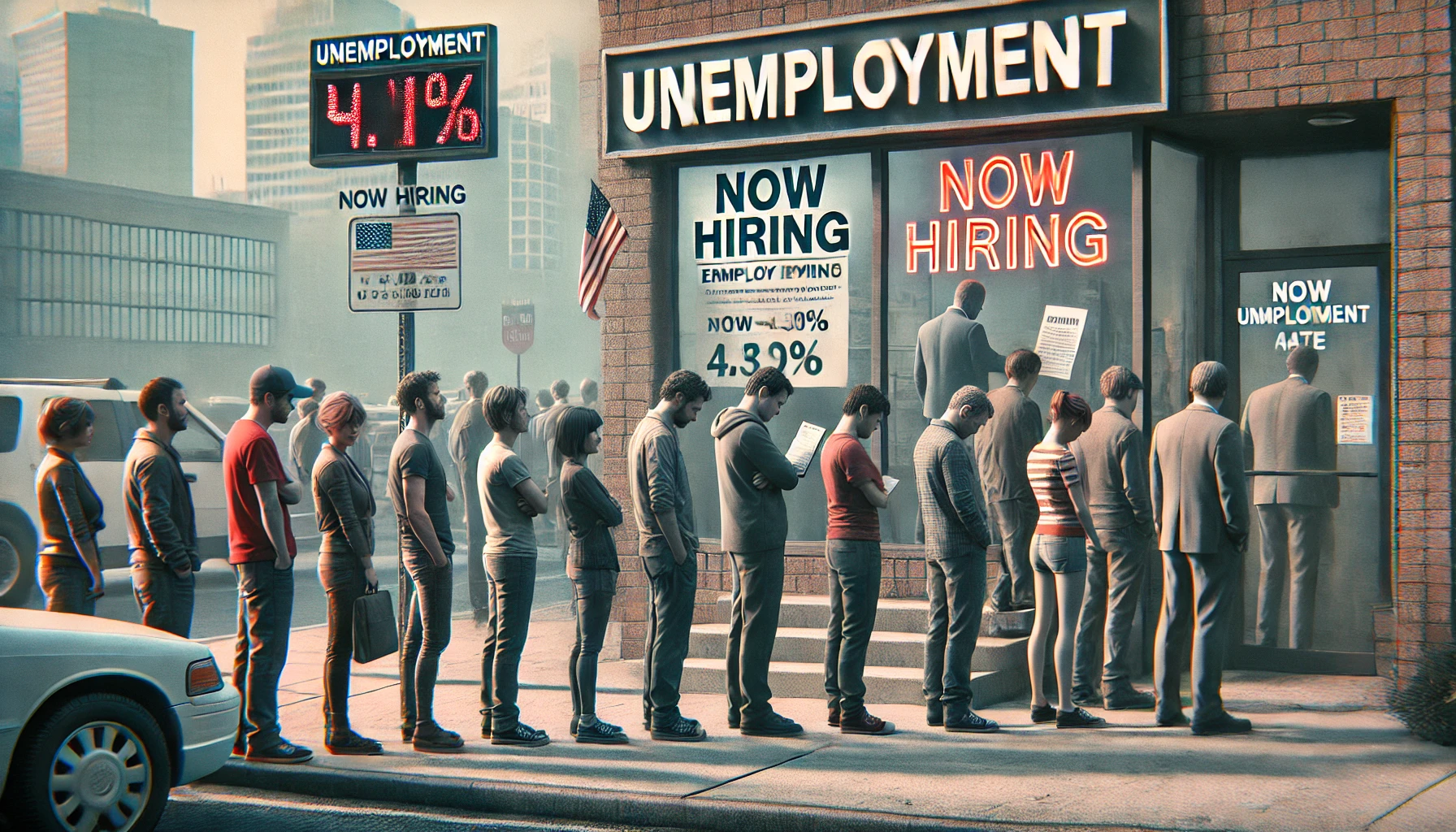
The red-hot U.S. labor market showed no signs of cooling in March, with employers adding a whopping 303,000 new jobs last month while the unemployment rate fell to 3.8%. The much stronger-than-expected employment gains provide further evidence of the economy’s resilience even in the face of the Federal Reserve’s aggressive interest rate hikes over the past year.

The blockbuster jobs number reported by the Bureau of Labor Statistics on Friday handily exceeded economists’ consensus estimate of 214,000. It marked a sizeable acceleration from February’s solid 207,000 job additions and landed squarely above the 203,000 average over the past year.

Details within the report were equally impressive. The labor force participation rate ticked up to 62.7% as more Americans entered the workforce, while average hourly earnings rose a healthy 0.3% over the previous month. On an annualized basis, wage growth cooled slightly to 4.1% but remains elevated compared to pre-pandemic norms.

Investors closely watch employment costs for signs that stubbornly high inflation may be becoming entrenched. If wage pressures remain too hot, it could force the Fed to keep interest rates restrictive for longer as inflation proves difficult to tame.

“The March employment report definitively shows inflation remains a threat, and the Fed’s work is not done yet,” said EconomicGrizzly chief economist Jeremy Hill. “Cooler wage gains are a step in the right direction, but the central bank remains well behind the curve when it comes to getting inflation under control.”

From a markets perspective, the report prompted traders to dial back expectations for an imminent Fed rate cut. Prior to the data, traders were pricing in around a 60% chance of the first rate reduction coming as soon as June. However, those odds fell to 55% following the jobs numbers, signaling many now see cuts being pushed back to late 2024.

Fed chair Jerome Powell sounded relatively hawkish in comments earlier this week, referring to the labor market as “strong but rebalancing” and indicating more progress is needed on inflation before contemplating rate cuts. While the central bank welcomes a gradual softening of labor conditions, an outright collapse is viewed as unnecessarily painful for the economy.

If job gains stay heated but wage growth continues moderating, the Fed may feel emboldened to start cutting rates in the second half of 2024. A resilient labor market accompanied by cooler inflation pressures is the so-called “soft landing” scenario policymakers are aiming for as they attempt to tame inflation without tipping the economy into recession.

Sector details showed broad-based strength in March’s employment figures. Healthcare led the way by adding 72,000 positions, followed by 71,000 new government jobs. The construction industry saw an encouraging 39,000 hires, double its average monthly pace over the past year. Leisure & hospitality and retail also posted healthy employment increases.

The labor market’s persistent strength comes even as overall economic growth appears to be downshifting. GDP rose just 0.9% on an annualized basis in the final quarter of 2023 after expanding 2.6% in Q3, indicating deceleration amid the Fed’s rate hiking campaign.

While consumers have remained largely resilient thanks to a robust labor market, business investment has taken a hit from higher borrowing costs. This divergence could ultimately lead to payroll reductions in corporate America should profits come under further pressure.

For now, however, the U.S. labor force is flexing its muscles even as economic storm clouds gather. How long employment can defy the Fed’s rate hikes remains to be seen, but March’s outsized jobs report should keep policymakers on a hawkish path over the next few months.

Johnson & Johnson Flexes Its M&A Muscle with $12.5 Billion Shockwave Medical Buy

Healthcare giant Johnson & Johnson announced on Friday that it is acquiring Shockwave Medical for a whopping $12.5 billion in cash, in a move that further bolsters its cardiovascular device portfolio. The deal allows J&J to add Shockwave’s innovative intravascular lithotripsy (IVL) system to its offerings.

IVL is a minimally invasive technique that uses sonic pressure waves to crack calcified plaque in arteries prior to inserting stents – similar in concept to how shockwaves are used to break up kidney stones. This novel approach helps improve outcomes for certain challenging arterial calcification cases that traditional treatment can struggle with.

Under the terms of the agreement, J&J will pay $335 per share for Shockwave, representing a 17% premium over the company’s stock price in late March when acquisition rumors first surfaced. The total enterprise value of the transaction is approximately $13.1 billion when including the cash on Shockwave’s balance sheet.

The acquisition comes hot on the heels of J&J’s $16.6 billion purchase of heart pump maker Abiomed last year, as the company doubles down on expanding its cardiovascular capabilities. Analysts see significant opportunity in this space, with RBC estimating the total addressable market for IVL and similar calcified plaque treatments at around $10 billion annually.

For Shockwave, being acquired by the deep-pocketed J&J provides the resources to ramp up commercialization of its breakthrough IVL system, which generated $730 million in sales last year. Meanwhile, the deal aligns with J&J’s strategic efforts to augment its medical device segment amid increasing competitive pressures in its pharmaceutical arm.

The Shockwave acquisition exemplifies a broader trend of large healthcare conglomerates snapping up promising smaller companies and technologies to drive future growth. With organic drug pipelines drying up and patent expirations looming, “big pharma” players are turning to M&A to inject innovation into their product portfolios.

Just last week, pharma giant AbbieVie announced multi-million dollar buyouts of smaller biotech firm Landos. Earlier this year, AstraZeneca shelled out $2.4 billion for oncology innovator Fusion Pharmaceuticals.

For investors interested in identifying the next potential M&A targets in healthcare’s hot growth areas, one upcoming event to mark on the calendar is the Noble Capital Markets Emerging Growth Virtual Healthcare Conference on April 17-18. This two-day virtual investor conference will feature presentations from emerging public and private healthcare companies spanning biotech, medical devices, healthcare IT and services. You can register at no cost for this event here.

The Noble virtual conference provides an ideal opportunity for institutional investors, financial advisors and independent investors alike to gain insights into cutting-edge healthcare innovations that could be tomorrow’s M&A prizes for industry titans like J&J. Presenting companies will span an array of therapeutic areas including oncology, neurology, xenotransplantation and more.

As the Shockwave deal demonstrates, big pharma isn’t shying away from spending big to stay ahead of the healthcare innovation curve. For investors, uncovering the next game-changing therapies and technologies could uncover lucrative future buyout candidates.

Ford Shifts EV Strategy, Delays Electric SUV and Truck Launches

Ford Motor Company has pumped the brakes on its plans to rapidly electrify its vehicle lineup, announcing delays for two hotly anticipated all-electric models – a three-row SUV and a pickup truck. The automaker cited the need to allow more time for consumer demand and new battery technologies to develop further before committing to these capital-intensive vehicle programs.

The multi-row electric SUV initially targeted for production in 2025 at Ford’s Oakville, Canada plant has been pushed back to at least 2027. And the electric pickup previously slated for late 2025 is now not expected until 2026. This recalibrated roadmap represents a significant detour from Ford’s earlier aggressive EV roadmap, and has notable implications both for Ford and the overall electric vehicle market trajectory.

For Ford, the delays allow the company to be more judicious with its investments at a time when EV adoption has been slower and more costly than many projected. Ford lost $4.7 billion on its electric vehicle efforts in 2023 alone. By taking a more measured approach, Ford can hopefully time these program launches better with consumer readiness and technological advancements that could make the vehicles more compelling and profitable.

However, the setbacks also risk Ford falling behind leaders like Tesla, Hyundai/Kia, and Chinese EV makers BYD and Xiaomi in the fierce electric vehicle battle. Both Tesla and Hyundai/Kia outsold Ford’s EV lineup in the first quarter of 2024, while BYD is gearing up to launch its first electric pickup truck to challenge Ford in that key segment.

For investors, Ford’s pulled-back EV plans could be seen as a prudent way to limit the staggering losses in that part of the business for now. But it also injects more uncertainty around Ford’s long-term EV positioning and market share outlook. Competition is intensifying rapidly with new electric offerings from virtually every major automaker, including emerging players like Xiaomi looking to grab a piece of the EV pie.

Tesla maintains a clear lead, but its growth has slowed as rivals have released more compelling electric models across more vehicle segments. If companies like Hyundai, GM, Volkswagen, BYD and others can continue gaining traction, Ford could find itself scrambling if it is late to market with mainstream electric SUV and truck options that are so pivotal to its product mix.

The EV delays underscore the challenging transitions legacy automakers face in balancing investments for the electric future while still deriving most of their profits from sales of internal combustion engine vehicles today. Stock investors seem to be giving Ford the benefit of the doubt for now, with shares trading close to 52-week highs. But delivering on execution with these postponed electric models has become even more crucial for Ford to remain relevant and profitable over the long haul as new EV competitors emerge.

New Highs Across Markets Signal Bull Run For Investors

The stock market is heating up and signaling the return of the bulls, as evidenced by fresh all-time highs in the S&P 500 and a rally across risk assets like Bitcoin and gold. Fueled by booming innovation in artificial intelligence, speculative capital is flowing back into equities in a big way. For investors, it may be time to go hunting for the next big investments.

The S&P 500 broke out to new records this week, finally surpassing the previous highs set back in January 2022 before last year’s punishing bear market. The large-cap index closed at 5233 on Thursday, up over 28% year-to-date. This demonstrates that the decade-plus bull run that began after the 2008 financial crisis may have refreshed legs under it.

The strength comes as AI mania has gripped Wall Street and Main Street. The smash success of OpenAI’s ChatGPT triggered a cascade of investors plowing capital into AI startups and tech giants racing to deploy advanced language models and machine learning systems. Cathie Wood’s Ark Invest funds, which load up on disruptive innovation plays, have surged over 30% in 2023.

Even the traditionally cautious money managers are piling in. Just this week, e-commerce juggernaut Amazon announced a staggering $4 billion investment into AI research firm Anthropic. It shows the FANG giants remain at the vanguard of cutting-edge tech adoption and are more than willing to spend big to stay ahead of the curve.

The AI buzz has spurred a speculative frenzy not seen since the meme stock and SPAC manias of 2021. The heavy inflows, plus robust economic data, have pushed U.S. stock indexes to their most overbought levels since the rally out of the pandemic lows. Technical indicators suggest more volatility and pullbacks could be in store, but the trend remains firmly bullish for now.

The buying spree has spilled over into other risk assets like cryptocurrencies and gold. Bitcoin soared above $70,000 recently to its highest levels ever. The original crypto has rallied over 70% in 2023 as institutions warm back up to the space and the AI buzz rekindles visions of decentralized Web3 applications and business models.

Not to be outdone, gold has surpassed $2,200 per ounce and is trading at levels far greater than what was seen in 2020 during the pandemic turmoil. Bullion is benefiting from growing concerns over persistent inflation and fears the Federal Reserve could push the economy into recession as it keeps raising interest rates aggressively. The yellow metal is increasingly seen as a haven in times of economic and banking system stress.

Combined, the advancing prices and frothy trading action point to the return of the animal spirits last seen at the height of the Robinhood/Reddit meme stock craze from two years ago. Caution is certainly warranted, as downside risk remains with growing chances of an economic hard landing from the Fed’s inflation fight.

But the market often climbs a wall of worry, and the blowout action indicates speculators are back in full force. For investors able to navigate the volatility, this may be an ideal time to put capital to work and research the next big opportunities to ride the bull’s coattails.

As ARK’s Cathie Wood stated, “Given the breakthroughs in AI broadly, we believe we are living in the most profound period of commercial invention ever.” Profound invention tends to create extreme investment returns for those with the foresight to invest early in transformative technologies.

For investors searching for the potential 100-baggers of tomorrow across sectors like AI, quantum computing, biotech, fintech, and cybersecurity, buying dips and dollar-cost averaging into high-conviction positions could pay massive dividends down the road. The market mania may only be just beginning.

Red Hot Labor Market as U.S. Employers Add 184,000 Jobs in March

The U.S. labor market showed no signs of cooling in March, with private employers boosting payrolls by 184,000 last month according to a report by payrolls processor ADP. The stronger-than-expected gain signaled the jobs machine kept humming despite the Federal Reserve’s aggressive interest rate hikes aimed at slowing the economy and conquering inflation.

The 184,000 increase was the largest monthly jobs number since July 2023 and topped economists’ estimates of 148,000. It followed an upwardly revised 155,000 gain in February. The vibrant report sets the stage for the government’s highly anticipated nonfarm payrolls release on Friday, with economists forecasting a still-solid 200,000 jobs were added economy-wide last month.

“March was surprising not just for the pay gains, but the sectors that recorded them,” said Nela Richardson, chief economist at ADP. “Inflation has been cooling, but our data shows pay is heating up in both goods and services.”

Indeed, wage pressures showed little evidence of easing last month. The ADP data showed annual pay increases for those keeping their jobs accelerated to 5.1%, matching the elevated pace from February. Workers switching jobs saw an even bigger 10% year-over-year jump in wages.

The stubborn strength of the labor market and still-elevated pace of wage increases complicates the Federal Reserve’s efforts to tame inflation, which has started to moderate but remains well above the central bank’s 2% target. Fed officials have signaled they likely have more interest rate hikes ahead as they try to dampen hiring and pay growth enough to fully wrestle inflation under control.

“The labor market remains surprisingly resilient despite the Fed’s tightening of financial conditions over the past year,” said Kathy Bostjancic, chief U.S. economist at Oxford Economics. “The strong March ADP gain suggests we’re not out of the woods yet on inflation pressures.”

Job growth in March was fairly broad-based across sectors and company sizes. The leisure and hospitality sector continued to be a standout, adding 63,000 new positions as Americans kept splurging on travel and entertainment. Construction payrolls increased by 33,000, while the trade, transportation and utilities sectors combined to add 29,000 workers.

Hiring was also widespread geographically, with the South leading the way by adding 91,000 new employees. The data showed bigger companies with over 50 workers accounted for most of the overall job gains.

One blemish was the professional and business services sector, which cut payrolls by 8,000 in a potential sign of some pockets of weakness emerging amid higher borrowing costs.

While the ADP report doesn’t always sync perfectly with the government’s more comprehensive employment survey, it adds to recent signs that a long-predicted U.S. economic downturn from the Fed’s inflation-fighting campaign has yet to fully materialize. The labor market has remained extraordinarily buoyant, with job openings still far exceeding the number of unemployed and layoffs staying low.

Economists expect Friday’s jobs report to show the unemployment rate held steady at 3.9% in March. If confirmed, it would mark over a year since joblessness was last below 4%, an extremely tight labor market that has forced many companies to raise wages at an unusually rapid clip in order to attract and retain workers.

With paychecks still climbing at a relatively elevated pace, the Fed worries inflationary pressures could become entrenched in the form of a self-perpetuating wage-price spiral. That fear raises the risk the central bank could opt for even higher interest rates, potentially increasing recession risks.

Biotechs Onconova and Trawsfynydd Merge to Create Traws Pharma

In a deal uniting two biotech companies from opposite coasts, Onconova Therapeutics and Trawsfynydd Therapeutics announced they are combining forces through an all-stock merger. The newly created entity, dubbed Traws Pharma, will have a deep pipeline spanning virology and oncology when it begins trading on the Nasdaq as “TRAW” this Wednesday.

Traws is being launched with an approximately $28 million cash balance after a $14 million private placement investment led by elite life sciences funds OrbiMed and Torrey Pines. The cash provides ample runway as Traws prepares for multiple clinical catalysts in 2024 across its three lead programs.

The combined company will be led by an executive team blending leadership from the previous organizations. Incoming CEO Werner Cautreels, Ph.D., previously headed Trawsfynydd, while Onconova’s Steven Fruchtman, M.D., will serve as President and Chief Scientific Officer of Oncology for Traws.

On the virology side, Traws inherits Trawsfynydd’s advancing pipeline of antiviral candidates for influenza and COVID-19. Viroksavir, a novel cap-dependent endonuclease inhibitor, has completed Phase 1 testing for influenza and is slated to begin Phase 2 trials in the second half of this year. Early data could read out by the first half of 2025.

Travaltrelvir is Trawsfynydd’s oral protease inhibitor targeting COVID-19. A first-in-human Phase 1 study initiated screening in the first quarter, with topline data expected in the second half of 2024. If positive, Traws plans to rapidly advance travaltrelvir into a Phase 2 trial in the second half of 2024 enrolling moderate to severe COVID-19 patients.

From Onconova, Traws gains narazaciclib, a next-generation CDK4/6 inhibitor being evaluated in a Phase 1/2 trial for low-grade endometrioid endometrial cancer (LGEEC). Preclinical data suggests narazaciclib could offer an improved therapeutic window over approved CDK4/6 drugs like palbociclib with potentially fewer bone marrow and GI toxicities.

The merger deal terms entail Trawsfynydd shareholders receiving 75.7% ownership in the combined Traws entity, with Onconova shareholders getting 13.7% and the OrbiMed/Torrey Pines investors getting 10.6%. A key piece allows current Onconova investors to retain a contingent value right (CVR) entitling them to potential future proceeds from narazaciclib.

Traws’ board will blend representation as well, co-led by Executive Chairman Iain Dukes, DPhil from OrbiMed and Nikolay Savchuk, Ph.D. of Torrey Pines, along with continuing Onconova directors.

While delivering upside potential from a fresh pipeline spanning anti-infectives and cancer, the Traws merger does come with a degree of complexity and deal risk. The share issuances require a shareholder vote, which could potentially disrupt the closing if there are any hiccups.

But if the transaction goes through as anticipated, Traws Pharma will emerge as a unique hybrid biotech play. Bolstered by crossover financing, it will seek to advance multiple clinical candidates toward key data inflections that could help unlock their full therapeutic and commercial potential across areas of significant unmet medical need.

Take a moment to take a look at more biotech companies by taking a look at Noble Capital Market’s Senior Research Analyst Robert Leboyer’s coverage list.

Snail (SNAL) – Underlying Trends Appear Favorable


Tuesday, April 02, 2024

Snail is a leading, global independent developer and publisher of interactive digital entertainment for consumers around the world, with a premier portfolio of premium games designed for use on a variety of platforms, including consoles, PCs and mobile devices.

Michael Kupinski, Director of Research, Equity Research Analyst, Digital, Media & Technology , Noble Capital Markets, Inc.

Patrick McCann, CFA, Research Analyst, Noble Capital Markets, Inc.

Refer to the full report for the price target, fundamental analysis, and rating.

Noisy Q4 results. The company reported Q4 revenue of $28.6 million and missed our estimate of $31.6 million. Adj. EBITDA for the quarter was $3.6 million, substantially below our estimate of $12.4 million. Figure #1 Q4 Results illustrates the company’s recent performance. Notably, the results were driven by higher than expected deferred revenue, related to DLC packages included in the sale of ARK: Survival Ascended (ASA). 

Deferred revenue recognition. The deferred ASA revenue will be split evenly across the five DLCS that are included in the game and recognized as the DLCs are released. Three of the DLCs included in ASA will be released in 2024 (Q2, Q3, Q4) with the remaining two expected in 2025. 


Get the Full Report

Equity Research is available at no cost to Registered users of Channelchek. Not a Member? Click ‘Join’ to join the Channelchek Community. There is no cost to register, and we never collect credit card information.

This Company Sponsored Research is provided by Noble Capital Markets, Inc., a FINRA and S.E.C. registered broker-dealer (B/D).

*Analyst certification and important disclosures included in the full report. NOTE: investment decisions should not be based upon the content of this research summary. Proper due diligence is required before making any investment decision. 

AdTheorent (ADTH) – Is A Sweetened Offer Possible?


Tuesday, April 02, 2024

Michael Kupinski, Director of Research, Equity Research Analyst, Digital, Media & Technology , Noble Capital Markets, Inc.

Jacob Mutchler, Research Associate, Noble Capital Markets, Inc.

Refer to the full report for the price target, fundamental analysis, and rating.

Definitive merger agreement. On April 1, 2024, the company announced it has entered into a definitive merger agreement to be acquired by privately held Cadent, LLC, a subsidiary of Novacap, for $324 million. The merger is an all cash transaction at $3.21 per share. Notably, the ADTH shares have increased roughly 160% over the past six months and currently trade slightly above the offering price.

Terms of the agreement. The merger agreement includes a 33-day go-shop period, which allows the company to solicit alternative acquisition proposals until its expiration at 11:59 pm ET on May 4. The agreement includes a termination fee of approximately $11.4 million. Importantly, accepting a superior deal during the go-shop window would lower the termination fee to roughly $6.5 million. Pending shareholder approval, the transaction is expected to be completed by the third quarter of 2024.

Get the Full Report

Equity Research is available at no cost to Registered users of Channelchek. Not a Member? Click ‘Join’ to join the Channelchek Community. There is no cost to register, and we never collect credit card information.

This Company Sponsored Research is provided by Noble Capital Markets, Inc., a FINRA and S.E.C. registered broker-dealer (B/D).

*Analyst certification and important disclosures included in the full report. NOTE: investment decisions should not be based upon the content of this research summary. Proper due diligence is required before making any investment decision. 

Job Market Stays Resilient as Openings Hold Steady

The latest employment data shows the resilience of the US labor market, even as the Federal Reserve remains locked in an inflation battle. The number of job openings across the country was essentially unchanged in February at 8.76 million, according to the Job Openings and Labor Turnover Survey (JOLTS) released by the Labor Department.

While just a slight 0.1% uptick from January’s revised 8.75 million openings, the figure highlights how robust hiring demand remains from employers over a year into the Fed’s interest rate hiking campaign. Job vacancies have been sticky at extremely elevated levels, leaving Fed officials frustrated in their efforts to ease wage growth and inflationary pressures.

“The labor market continues to defy expectations of a meaningful cooling,” said Samantha Gunther, economist at Credence Economics. “With openings still so high, wage growth is likely to remain too strong for the Fed’s liking in the months ahead.”

The JOLTS data precedes this week’s highly anticipated March jobs report, which is forecast to show nonfarm payrolls increased by 230,000 positions. That would mark a fourth straight month of job gains over 200,000, underscoring the employment market’s enduring tightness.

There were some modest signs of a gradual loosening in labor conditions buried within February’s openings figures. Job vacancies fell in sectors like information, healthcare and retail trade. More notably, the overall level of layoffs jumped to 1.8 million, the highest since last April, led by a spike in the leisure and hospitality industry.

“While the bar remains high for calling a turn in the labor cycle, we’re seeing some initial hints of cracks starting to form,” said Ryan Bingham, lead labor economist at ADP. “Higher borrowing costs are clearly starting to bite for certain service-sector businesses.”

The report also showed rates of workers quitting their jobs to pursue other opportunities held steady at 2.2% in February, the lowest since the summer of 2020. The diminished quits rate could indicate employees are feeling less confident about switching roles in a more uncertain economic climate.

Another indicator pointing to some easing was the ratio of available workers to job openings, which slipped to 1.36 from 1.43 in January. While still a very tight ratio favoring employers over job seekers, it marked progress toward better balance after peaking above 2-to-1 last year.

For the Fed, the upshot is likely more patience in leaving interest rates elevated. Chair Jerome Powell reiterated last week that stronger labor market “gives” would be needed to bring down unacceptably high inflation back toward the 2% goal.

With payroll growth expected to remain solid and job openings still extremely elevated, it will take more time before productivity-enhancing labor slack emerges. The latest JOLTS figures suggest that process is underway, however gradual it may prove to be.

Amazon Doubles Down on AI Revolution with $4 Billion Anthropic Investment

The artificial intelligence (AI) revolution is in full swing, and tech giants are racing to secure their footholds in this transformative space. Amazon’s recent $4 billion investment in Anthropic, a leading AI research company, is a bold move that underscores the e-commerce giant’s commitment to staying at the forefront of this technological shift.

The investment, which includes an initial $1.25 billion investment made last September and an additional $2.75 billion announced recently, is part of a broader strategic collaboration between the two companies. This collaboration aims to bring Anthropic’s advanced generative AI technologies, including the powerful Claude AI models, to Amazon’s cloud computing platform, Amazon Web Services (AWS).

The AI revolution is disrupting industries across the board, from healthcare and finance to manufacturing and entertainment. Companies that can harness the power of AI stand to gain a significant competitive advantage, and Amazon recognizes the immense potential of this technology.

By partnering with Anthropic, Amazon is positioning itself as a leading provider of AI solutions for businesses of all sizes. The company’s cloud computing platform, AWS, will serve as the primary cloud provider for Anthropic’s mission-critical workloads, including safety research and future foundation model development.

Moreover, AWS customers will gain access to Anthropic’s advanced AI models, such as the Claude 3 family, which has demonstrated near-human levels of responsiveness, improved accuracy, and new vision capabilities. This partnership promises to unlock exciting opportunities for customers to innovate with generative AI quickly, securely, and responsibly.

The tech sector has been experiencing a remarkable rally driven by the AI boom, and Amazon’s investment in Anthropic is a testament to this trend. As AI continues to reshape industries and create new possibilities, companies that embrace this technology early on are likely to reap significant rewards.

Amazon’s strategic move not only positions the company as a leader in the AI space but also highlights the growing importance of AI in driving innovation and creating value across industries. As the AI revolution continues to unfold, we can expect to see more companies investing heavily in this game-changing technology, shaping the future of how we live, work, and interact with the world around us.