Power Metallic Mines Inc. (PNPNF) – Power Metallic Advances Toward Key Resource Milestone with New High-Grade Results


Wednesday, June 24, 2026

Mark Reichman, Managing Director, Equity Research Analyst, Natural Resources, Noble Capital Markets, Inc.

Refer to the full report for the price target, fundamental analysis, and rating.

Recent drilling results. Power Metallic Mines reported additional assay results from its Winter 2026 drilling program at the Lion Zone, with the results expected to support the company’s initial NI 43-101 Mineral Resource Estimate (MRE), which is scheduled for completion by the end of July. The MRE for both the Lion Zone and the Nisk deposit will provide the foundation for a Preliminary Economic Assessment (PEA) that is expected to begin immediately afterward.

Strong near-surface copper grades. The latest drilling focused on infill holes designed to improve confidence in resource modeling along the western side of the Lion Zone, particularly within a potential future open-pit area. Results continue to demonstrate strong near-surface mineralization, highlighted by Hole PML-26-115, which returned 13.3 meters grading 3.98% copper equivalent (CuEq) beginning just 25 meters below surface, including a higher-grade interval of 3.77 meters grading 9.36% CuEq. Hole PML-26-105 also delivered a strong intercept of 5.26 meters grading 8.45% CuEq at a depth of approximately 140 meters. Both will be included in the upcoming MRE.


Get the Full Report

Equity Research is available at no cost to Registered users of Channelchek. Not a Member? Click ‘Join’ to join the Channelchek Community. There is no cost to register, and we never collect credit card information.

This Research is provided by Noble Capital Markets, Inc., a FINRA and S.E.C. registered broker-dealer (B/D).

*Analyst certification and important disclosures included in the full report. NOTE: investment decisions should not be based upon the content of this research summary. Proper due diligence is required before making any investment decision. 

Boundless Bio Pivots From Cancer to a Rare Genetic Disease in a Reverse Merger With Serapha Bio

In a transaction that illustrates how struggling clinical-stage biotechs are increasingly being repurposed as vehicles for more promising assets, Boundless Bio (Nasdaq: BOLD) announced Tuesday it has entered into a definitive all-stock merger agreement with privately held Serapha Bio. The deal will see Serapha combine with Boundless Bio and effectively take over the public company, pivoting the combined entity away from Boundless’s cancer research and toward Serapha’s gene editing therapy for a serious inherited disease. Boundless Bio shares surged approximately 75% on the news to around $2.50.

Upon completion, the combined company will operate under the name Serapha Bio and is expected to trade on Nasdaq under the new ticker symbol “AATD” — a direct reference to the disease its lead program targets.

The Structure of the Deal

This is a reverse merger, a structure in which a private company merges into a public one to gain a stock market listing without conducting a traditional IPO. The ownership split makes the dynamic clear: pre-merger Boundless Bio stockholders are expected to own approximately 3.7% of the combined company, while pre-merger Serapha stockholders — including investors participating in the concurrent financing — will own approximately 96.3%.

Two features make this transaction particularly notable for shareholders. First, alongside the merger, Serapha is raising $230 million in a concurrent private placement co-led by RTW Investments and RA Capital Management, with participation from a syndicate of top healthcare investors and mutual funds. That level of institutional backing provides the combined company with substantial capital to advance its lead program through clinical development. Second, prior to closing, Boundless Bio expects to declare a cash dividend to its pre-merger stockholders to distribute excess net cash, currently estimated at approximately $44 million to $48 million. That dividend, combined with the stock’s jump, gives existing Boundless holders both an immediate cash return and continued exposure to the new program.

What Serapha Is Actually Developing

Serapha’s lead program, SERP-01, is an investigational in vivo base editing therapy targeting Alpha-1 Antitrypsin Deficiency, a serious inherited genetic disorder that can cause progressive lung and liver disease. The therapy specifically targets the SERPINA1 E342K mutation — known as the PiZZ genotype — which is the most common cause of severe AATD. The company has reported proof-of-concept data demonstrating restoration of serum AAT to normal levels, an encouraging early signal for a disease that currently has limited treatment options.

The asset has an international development backstory. Serapha licensed SERP-01, developed as YOLT-202 in Greater China, from YolTech Therapeutics in June 2026 in exchange for an upfront cash payment and a minority equity stake. Under the agreement, YolTech is eligible to receive regulatory and commercial milestones totaling over $2 billion plus tiered royalties, while retaining development and commercialization rights for the Greater China territory. YolTech has been enrolling AATD patients in an investigator-initiated trial at Renji Hospital in Shanghai.

The Small Cap Biotech Read

For investors tracking the small and microcap biotech space, this transaction reflects a pattern that has become increasingly common in 2026. Clinical-stage companies whose original programs have stalled or been deprioritized are valuable to private biotechs precisely because of what they already possess: a Nasdaq listing, a cash balance, and an existing shareholder base. Rather than navigate the lengthy and uncertain IPO process, a promising private company like Serapha can access public markets, raise institutional capital, and advance its lead asset all in a single coordinated transaction.

The base editing space in particular has attracted significant investor attention as next-generation gene editing technologies move from theoretical promise toward clinical proof of concept. With $230 million in fresh capital, validated early data, and a clear regulatory target in a serious genetic disease, the newly formed Serapha Bio enters the public market positioned to advance one of the more closely watched programs in the in vivo base editing field. The transaction is expected to close in the fourth quarter of 2026, subject to stockholder approval and customary closing conditions.

Release – CVG Is Set to Join the Russell 2000® Index

CVG-Corporate

Research News and Market Data on CVGI

June 23, 2026

NEW ALBANY, Ohio, June 23, 2026 (GLOBE NEWSWIRE) — CVG (NASDAQ: CVGI), a diversified industrial products and services company, announced that it is expected to join the U.S. small-cap Russell 2000® Index and the broad-market Russell 3000® Index as part of the 2026 reconstitution of the Russell U.S. Indexes. The reconstituted indexes will take effect after the U.S. equity markets close on Friday, June 26, 2026.

“We are pleased to be added as a member of the Russell 2000® Index, one of the most widely tracked benchmarks for U.S. small-cap companies,” commented Angie O’Leary, Interim Chief Financial Officer. “As we continue to execute our strategy and optimize operations, we are excited to connect with a wider network of investors.”

Russell indexes are widely used by investment managers and institutional investors for index funds and as benchmarks for active investment strategies. According to data as of the end of June 2025, about $12.2 trillion in assets are benchmarked against the Russell US indexes, which belong to FTSE Russell, the global index provider.

For more information on the Russell 2000® Index and the Russell indexes reconstitution, go to the “Russell Reconstitution” section on the FTSE Russell website.

About CVG

CVG is a global provider of systems, assemblies and components to global commercial vehicle markets and electric vehicle markets. We deliver real solutions to complex design, engineering and manufacturing problems while creating positive change for our customers, industries and communities we serve. Information about the Company and its products is available on the internet at www.cvgrp.com

About FTSE Russell, an LSEG Business

FTSE Russell is a global index leader that provides innovative benchmarking, analytics and data solutions for investors worldwide. FTSE Russell calculates thousands of indexes that measure and benchmark markets and asset classes in more than 70 countries, covering 98% of the investable market globally. FTSE Russell index expertise and products are used extensively by institutional and retail investors globally.

Approximately $21.20 trillion is benchmarked to FTSE Russell indexes. Leading asset owners, asset managers, ETF providers and investment banks choose FTSE Russell indexes to benchmark their investment performance and create ETFs, structured products and index-based derivatives.

A core set of universal principles guides FTSE Russell index design and management: a transparent rules-based methodology is informed by independent committees of leading market participants. FTSE Russell is focused on applying the highest industry standards in index design and governance and embraces the IOSCO Principles. FTSE Russell is also focused on index innovation and customer partnerships as it seeks to enhance the breadth, depth and reach of its offering. 

FTSE Russell is wholly owned by LSEG. 

For more information, visit FTSE Russell.

Forward-Looking Statements

This press release contains forward-looking statements that are subject to risks and uncertainties. These statements often include words such as “believe”, “anticipate”, “plan”, “expect”, “intend”, “will”, “should”, “could”, “would”, “project”, “continue”, “likely”, and similar expressions. In particular, this press release may contain forward-looking statements about the Company’s expectations for future periods with respect to its plans to improve financial results, the future of the Company’s end markets, including, but not limited to, global commercial vehicle markets and electric vehicle markets, changes in the North America Class 8 and Class 5-7 truck build rates, performance of the global construction and agricultural equipment businesses, the Company’s prospects in the global commercial vehicle markets and electric vehicle markets, the Company’s initiatives to address customer needs, organic growth, the Company’s strategic plans and plans to focus on certain segments, competition faced by the Company, volatility in and disruption to the global economic environment including global supply chain constraints, inflation and labor shortages, tariffs and counter-measures, financial covenant compliance, anticipated effects of acquisitions or divestitures, production of new products, plans for capital expenditures, and the Company’s financial position or other financial information. These statements are based on certain assumptions that the Company has made in light of its experience as well as its perspective on historical trends, current conditions, expected future developments and other factors it believes are appropriate under the circumstances. Actual results may differ materially from the anticipated results because of certain risks and uncertainties, including those included in the Company’s filings with the SEC. There can be no assurance that statements made in this press release relating to future events will be achieved. The Company undertakes no obligation to update or revise forward-looking statements to reflect changed assumptions, the occurrence of unanticipated events or changes to future operating results over time. All subsequent written and oral forward-looking statements attributable to the Company or persons acting on behalf of the Company are expressly qualified in their entirety by such cautionary statements.

Investor Relations Contact:
Ross Collins or Nathan Skown
Alpha IR Group
[email protected]                                                                                                                                             

Primary Logo

Source: Commercial Vehicle Group, Inc.

Release – Power Metallic reports New Lion drill intercepts of 13.30 Meters of 3.98% CuEqRec¹ in Hole 26-115 and 5.26 Meters of 8.45% CuEqRec¹ in Hole 26-105 at Lion

Power Metallic Mines Inc. Logo (CNW Group/Power Nickel Inc.)

Research News and Market Data on PNPNF

Power Nickel Inc. 

Jun 23, 2026, 03:00 ET

TORONTO, June 23, 2026 /PRNewswire/ – Power Metallic Mines Inc. (the “Company” or “Power Metallic”(TSXV: PNPN) (OTCBB: PNPNF) (Frankfurt: IVV1) is pleased to provide additional assay results from its Winter 2026 drill program.

Summary

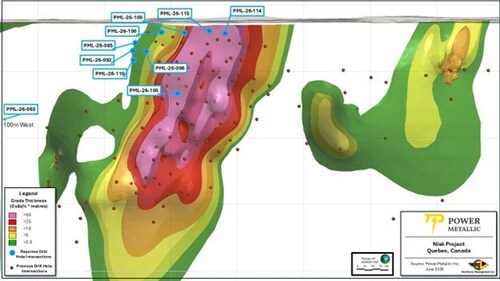
Figure 1 – Lion Zone MRE Drill holes reported in this news release (CNW Group/Power Nickel Inc.)

These additional assays from Power Metallic’s winter 2026 drill program is nearing the completion of winter drill results to be used for the initial NI-43-101 Mineral Resource Estimate (MRE) on Lion. Completion and reporting of the MRE estimates on Lion and the Nisk deposit is scheduled for the end of July. This MRE will form the basis for a Preliminary Economic Assessment (PEA) to begin immediately following the completion of the MRE.

Lion Zone MRE In-fill program

This news release includes drill holes defining the western side of the Lion Zone close to surface (Figure 1). All holes are in preparation for the 2026 Mineral Resource Estimate (MRE). The infill drill holes in this release were drilled to delimit the western side of Lion to increase the confidence of modelling the zone, particularly within the range of a potential future open pit.

In-fill drill holes in the shallow central parts of the deposit continue to report good near surface grades as evidenced by PML-26-115 which intersected high-grade copper near surface with 13.30 m @ 3.98% CuEqRec1 at 25m below surface, and PML-26-105 which intersected 5.26 m @ 8.45% CuEqRec1 at approximately 140m below surface (Table 1 and Figure 1).

Drill holes included in Figure 1 but not in the table of Lion results (Table 1) occur on the western side of Lion, delimiting the western edge for MRE resource modelling. These holes did intersect the favourable mineralized structure, but had low grade assays, including individual assays of up to 0.57% Cu and 1.22 g/t Pd. The fact that these holes are within a few 10s of meters of very high grade intersections is important for the continuing exploration in the Lion area. Understanding that good structure with low grade mineralization in exploratory drilling could indicating potential proximity to higher grades will help vector current and future drilling programs. 

Table 1: Lion Results – Winter 2026
HoleFromToLengthAuAgCuPdPtNiCuEq Rec1
(m)(m)(m)2(g/t)(g/t )( %)(g/t)(g/t)( %)( %)
PML-26-063430.73437.256.520.040.870.050.260.070.100.41
PML-26-105172.22174.101.880.1310.440.370.56
and177.00185.008.000.166.310.240.180.51
and188.74194.005.260.5924.946.101.770.600.428.45
and203.70211.007.300.228.590.820.240.020.031.21
and237.50242.004.500.469.171.670.210.182.51
PML-26-10645.0052.007.000.033.761.921.120.020.212.84
Including47.0049.002.000.0811.656.463.800.030.378.87
PML-26-11421.0025.164.160.3013.280.420.030.78
and39.0041.002.000.221.550.460.260.77
and52.0057.405.400.204.010.450.430.020.020.86
Including54.0055.541.540.5012.741.311.380.050.032.43
PML-26-11527.0040.3013.300.4521.651.683.280.980.043.98
Including35.5339.303.770.7253.694.897.250.740.129.36
1Copper Equivalent Rec Calculation (CuEqRec1)
CuEqRec represents CuEq calculated based on the following metal prices (USD) : 2,360.15 $/oz Au, 27.98 $/oz Ag, 1,215.00 $/oz Pd, 1000.00 $/oz Pt, 4.00 $/lb Cu, 10.00 $/lb Ni and 22.50 $/lb Co., and recovered grades based on recent locked-cycle metallurgical recoveries by SGS Canada Inc (see press release Jan 21, 2006).
2 Reported length is downhole distance; true width based on model projections is estimated as 85% of downhole length

Power Metallic is expecting more assay results from the MRE drilling and regional exploration in the weeks to come.

Qualified Person

Joseph Campbell, P. Geo, VP Exploration at Power Metallic, is the qualified person who has reviewed and approved the technical disclosure contained in this news release.

About Power Metallic Mines Inc.

Power Metallic is a Canadian exploration company focused on advancing the Nisk Project Area (Nisk–Lion–Tiger)—a high–grade Copper–PGE, Nickel, gold and silver system—toward Canada’s next polymetallic mine.

On 1 February 2021, Power Metallic (then Chilean Metals) secured an option to earn up to 80% of the Nisk project from Critical Elements Lithium Corp. (TSX–V: CRE). Following the June 2025 purchase of 313 adjoining claims (~167 km²) from Li–FT Power, the Company now controls ~330 km² and roughly 50 km of prospective basin margins.

Power Metallic is expanding mineralization at the Nisk and Lion discovery zones, evaluating the Tiger target, and exploring the enlarged land package through successive drill programs.

Beyond the Nisk Project Area, Power Metallic indirectly has an interest in significant land packages in British Columbia and Chile, by its 50% share ownership position in Chilean Metals Inc., which were spun out from Power Metallic via a plan of arrangement on February 3, 2025.

It also owns 100% of Power Metallic Arabia which owns 100% interest in the Jabul Baudan exploration license in The Kingdon of Saudi Arabia’s Jabal Said Belt. The property encompasses over 200 square kilometres in an area recognized for its high prospectivity for copper gold and zinc mineralization. The region is known for its massive volcanic sulfide (VMS) deposits, including the world-class Jabal Sayid mine and the promising Umm and Damad deposit.

For further information, readers are encouraged to contact:
Power Metallic Mines Inc.
The Canadian Venture Building
82 Richmond St East, Suite 202
Toronto, ON

Neither the TSX Venture Exchange nor its Regulation Services Provider accepts responsibility for the adequacy or accuracy of this release.

QAQC and Sampling

GeoVector Management Inc (“GeoVector”) is the Consulting company retained to perform the actual drilling program, which includes core logging and sampling of the drill core.

 All core in this news release is either HQ or NQ sized core. Drill core is re-fitted and measured. Geotech on core includes photographs (wet & dry), rock quality index, magnetic susceptibility, conductivity, and recovery estimates. Core is logged for lithology, mineralogy, and structural features, and sample intervals are delineated and tagged.

 Sampled core is mechanically sawn, and half-core is retained for future reference. GeoVector’s QAQC program includes regular insertion of CRM standards, duplicates, and blanks into the sample stream with a stringent review of all results. QAQC and data validation was performed, and no material errors were observed.

All samples were submitted to and analyzed at Activation Laboratories Ltd (“Actlabs”), a commercial laboratory independent of Power Metallic with no interest in the Project. Actlabs is an ISO 9001 and 17025 certified and accredited laboratories. Samples submitted through Actlabs are run through standard preparation methods and analysed using RX-1 (Dry, crush (< 7 kg) up to 80% passing 2 mm, riffle split (250 g) and pulverize (mild steel) to 95% passing 105 μm) preparation methods, and using 1F2 (ICP-OES) and 1C-OES – 4-Acid near total digestion + Gold-Platinum-Palladium analysis and 8-Peroxide ICP-OES, for regular and over detection limit analysis. Pegmatite samples are analyzed using UT7 – Li up to 5%, Rb up to 2% method. Actlabs also undertake their own internal coarse and pulp duplicate analysis to ensure proper sample preparation and equipment calibration.

Cautionary Note Regarding Forward-Looking Statements

This message contains certain statements that may be deemed “forward-looking statements” concerning the Company within the meaning of applicable securities laws. Forward-looking statements are statements that are not historical facts and are generally, but not always, identified by the words “expects,” “plans,” “anticipates,” “believes,” “intends,” “estimates,” “projects,” “potential,” “indicates,” “opportunity,” “possible” and similar expressions, or that events or conditions “will,” “would,” “may,” “could” or “should” occur. Although the Company believes the expectations expressed in such forward-looking statements are based on reasonable assumptions, such statements are not guarantees of future performance, are subject to risks and uncertainties, and actual results or realities may differ materially from those in the forward-looking statements. Such material risks and uncertainties include, but are not limited to, among others; the timing for various drilling plans; the ability to raise sufficient capital to fund its obligations under its property agreements going forward and conduct drilling and exploration; to maintain its mineral tenures and concessions in good standing; to explore and develop its projects; changes in economic conditions or financial markets; the inherent hazards associates with mineral exploration and mining operations; future prices of nickel and other metals; changes in general economic conditions; accuracy of mineral resource and reserve estimates; the potential for new discoveries; the ability of the Company to obtain the necessary permits and consents required to explore, drill and develop the projects and if accepted, to obtain such licenses and approvals in a timely fashion relative to the Company’s plans and business objectives for the applicable project; the general ability of the Company to monetize its mineral resources; and changes in environmental and other laws or regulations that could have an impact on the Company’s operations, compliance with environmental laws and regulations, dependence on key management personnel and general competition in the mining industry.

SOURCE Power Nickel Inc.

Energy Fuels Makes a $1.9 Billion Bet to Build a Western Rare Earth Supply Chain From Mine to Magnet

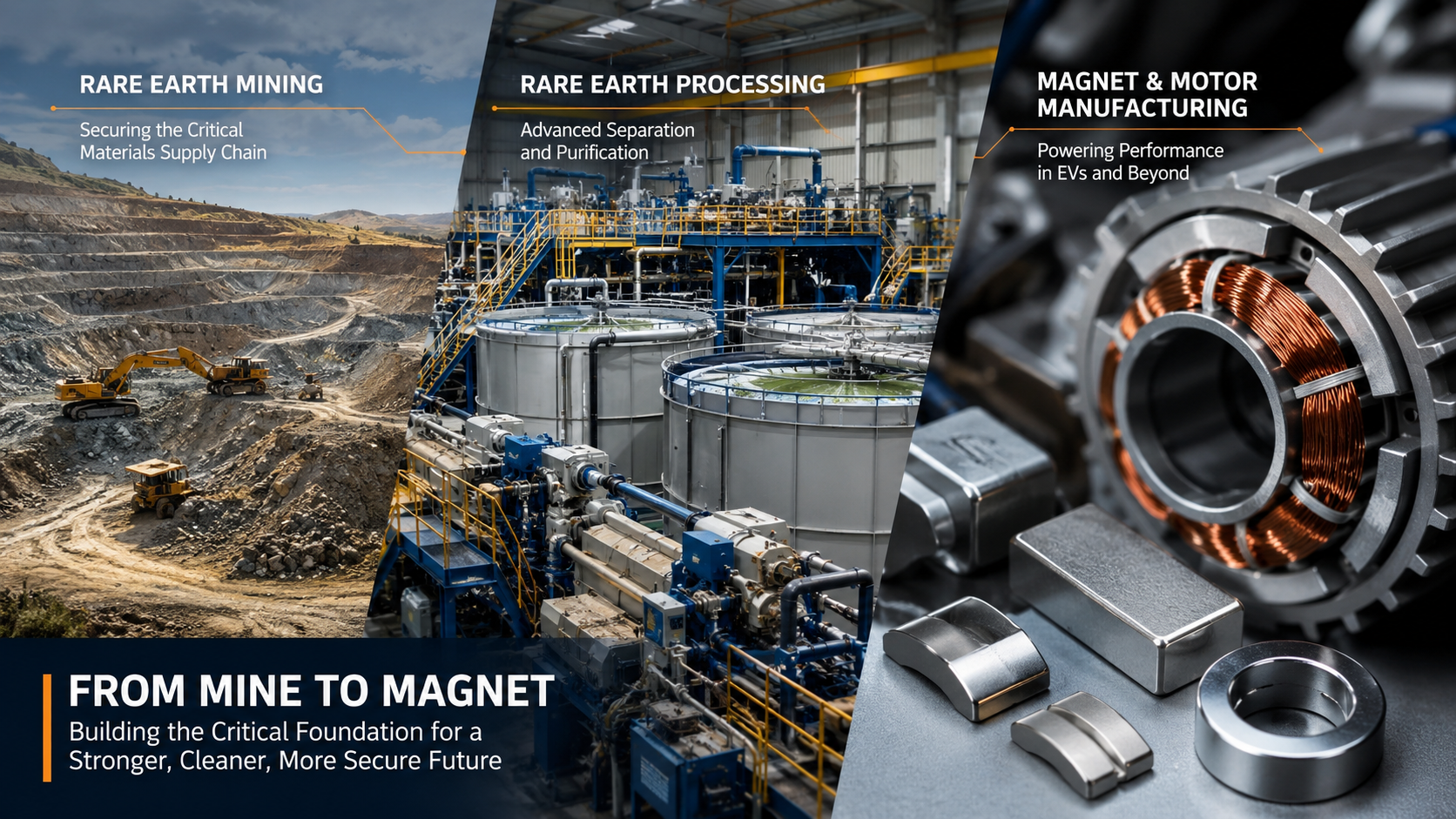
In one of the most strategically significant critical minerals deals of the year, Energy Fuels (NYSE American: UUUU) (TSX: EFR) announced Tuesday it has entered into a definitive agreement to acquire Vacuumschmelze GmbH & Co. KG and its affiliated entities — collectively known as VAC — from private equity firm Ara Partners in a cash-and-stock transaction valued at approximately $1.9 billion. The deal is designed to create a fully integrated rare earth supply chain spanning everything from mining through finished permanent magnet manufacturing, reducing Western dependence on China for materials that are essential to defense, automotive, robotics, and data center applications.

The transaction values VAC at $1.9 billion based on Energy Fuels’ closing share price of $16.12 on June 22, and is structured as $718 million in cash plus 65.853 million newly issued Energy Fuels shares. Energy Fuels will also assume approximately $140 million of VAC’s adjusted net debt. Energy Fuels shares slipped roughly 2% in premarket trading following the announcement, a common reaction when an acquirer issues significant new equity to fund a large deal.

What Energy Fuels Is Acquiring

VAC is not an early-stage company. Headquartered in Hanau, Germany, the business brings more than 100 years of advanced magnetics expertise, over 400 patents, more than 1,000 customers, and manufacturing operations across North America, Europe, and Asia. Its most strategically important asset is a recently commissioned permanent magnet facility in Sumter, South Carolina, which currently has capacity for 2,000 tonnes per year of rare earth permanent magnets and is scalable to 12,000 tonnes per year.

Permanent magnets are the critical end product in the rare earth value chain. They are essential components in electric vehicle motors, wind turbines, defense systems, robotics, and the cooling and power infrastructure inside AI data centers. The overwhelming majority of global permanent magnet production currently takes place in China, which has made supply chain security in this category a top priority for the United States and its allies.

The Mine-to-Magnet Strategy

The strategic logic behind the deal is vertical integration across the entire rare earth value chain. Energy Fuels brings the upstream capabilities — mining, processing, and refining — anchored by its White Mesa Mill in Utah, the only conventional uranium and rare earth processing facility of its kind in the United States. VAC contributes the downstream capabilities of metals and alloy production and finished magnet manufacturing.

Combining the two creates what the company describes as a fully integrated mine-to-magnet platform. Under the plan, rare earth oxides produced at the White Mesa Mill would be converted into metals and alloys at facilities in Korea and the United States, then manufactured into finished permanent magnets at VAC’s Sumter facility and its European operations. The Sumter site is also expected to be fed by rare earth oxides from Energy Fuels’ Donald Project in Australia, which is anticipated to reach a final investment decision in the third quarter of 2026 and be commissioned in 2028.

The Government Backing

The deal does not stand alone. Just last week, Energy Fuels announced it had received conditional US government support to accelerate its growth in rare earths and critical materials, including a $725 million conditional loan from the US Office of Strategic Capital. That federal backing reflects the strategic priority Washington has placed on building domestic and allied critical minerals supply chains, a theme that has run through multiple government interventions in 2026 including stakes in quantum computing companies and rare earth miners.

For investors tracking the critical minerals and rare earth space, the Energy Fuels-VAC combination represents one of the clearest examples yet of a smaller company moving aggressively to build a fully integrated, government-supported alternative to Chinese supply chain dominance. As demand for permanent magnets accelerates across defense, electric vehicles, robotics, and AI infrastructure, control of the full value chain from mine to finished magnet is becoming one of the most strategically valuable positions in the entire materials sector.

Eledon Pharmaceuticals (ELDN) – Eledon Presents Data Update From Phase 2 Trial With Clinical Trial Plans


Tuesday, June 23, 2026

Robert LeBoyer, Senior Vice President, Equity Research Analyst, Biotechnology, Noble Capital Markets, Inc.

Refer to the full report for the price target, fundamental analysis, and rating.

Long-Term Outcomes Favor Tegoprubart. Eledon presented long-term data from its Phase 2 BESTOW trial at the American Transplantation Congress (ATC). The BESTOW trial tested tegoprubart as part of the immunosuppressive regimen for patients receiving kidney transplants. Data from the Open Label Extension study showed consistent improvements in kidney function and a reduction in rejection episodes. Importantly, the side effect profile continues to show significant  improvements over tacrolimus, the standard of care.

Trial Background. The Phase 2 BESTOW trial was a double-blind study testing tegoprubart as an immunosuppressive after kidney transplantation. An active comparator arm included tacrolimus as an immunosuppressive. The primary endpoint of the trial was eGFR (estimated Glomerular Filtration Rate) and BPAR (Biopsy Proven Acute Rejection) episodes. Following the completion of the 12-month course of treatment, patients were given the option to continue in an Open Label Extension (OLE) study.


Get the Full Report

Equity Research is available at no cost to Registered users of Channelchek. Not a Member? Click ‘Join’ to join the Channelchek Community. There is no cost to register, and we never collect credit card information.

This Company Sponsored Research is provided by Noble Capital Markets, Inc., a FINRA and S.E.C. registered broker-dealer (B/D).

*Analyst certification and important disclosures included in the full report. NOTE: investment decisions should not be based upon the content of this research summary. Proper due diligence is required before making any investment decision. 

Markets Reopen Into a Week That Could Decide Whether the Fed Hikes in 2026

US markets returned Monday from the Juneteenth holiday weekend and walked straight into one of the most consequential data weeks of the year. After Federal Reserve Chair Kevin Warsh’s hawkish debut last Wednesday — which saw the central bank hold rates while signaling that nine of 18 officials now project at least one rate hike before year-end — the coming days will deliver the economic readings that determine whether that hike moves from projection to reality. For small and microcap investors, this is the week the second half of 2026 takes shape.

The May PCE Reading Is the Number That Matters

The single most important data point this week arrives Friday with the release of the May Personal Consumption Expenditures price index — the Fed’s preferred inflation gauge. While the Consumer Price Index gets more headlines, PCE is the measure the FOMC actually uses to assess progress toward its 2% target, which makes Friday’s print the most direct evidence yet of whether inflation is cooling or entrenching.

The context heightens the stakes. May CPI came in at 4.2% year over year, the highest in three years, driven heavily by energy costs tied to the now-easing US-Iran conflict. If PCE confirms that inflation pressure, it strengthens the case for the rate hike the dot plot is signaling. If it shows the energy spike was the dominant and possibly peaking driver — with core inflation more contained — it gives the Fed room to hold without tightening further. Either outcome moves Treasury yields, and Treasury yields move small caps.

GDP Revisions Add Another Layer

Before Friday’s inflation data, markets will digest revised first-quarter GDP figures. The revision matters because it recalibrates the growth side of the Fed’s dual mandate. A stronger-than-expected economy gives the committee more justification to tighten without fear of triggering a downturn. A softer reading complicates the hawkish case and raises the specter of stagflation — weak growth paired with stubborn inflation — which is the single most difficult environment for the Fed to navigate and historically the hardest for smaller, rate-sensitive companies to weather.

Earnings Worth Watching

On the corporate side, two bellwether reports land this week. Micron reports quarterly results that will serve as a direct read on AI-driven memory demand, building on the supercycle narrative that has lifted the entire semiconductor space this year. After Broadcom’s recent guidance-driven selloff reset expectations across chip names, Micron’s numbers will test whether the underlying demand story remains intact for the smaller semiconductor and component companies operating downstream of the same AI buildout.

FedEx also reports, and its results function as a broad economic barometer. As a global logistics operator, FedEx’s volume data and forward guidance offer a real-time read on shipping activity, consumer demand, and industrial output — all directly relevant to the domestically focused small caps that make up the Russell 2000.

Why This Week Matters for Small Caps

Small and microcap companies carry disproportionately more variable-rate debt than their large cap counterparts, which means the rate path being shaped this week translates directly into their cost of capital and earnings trajectory. The Russell 2000 has spent 2026 caught between strong underlying fundamentals — historic valuation discounts, improving earnings growth, and domestic revenue exposure — and a punishing rate environment that has capped its performance relative to large caps.

This week’s data will tilt that balance. A benign PCE print and solid GDP would support the case that the Fed can hold rather than hike, removing an overhang that has weighed on smaller companies all year. A hot inflation reading paired with strong growth would validate the hawkish dot plot and extend the higher-for-longer environment further into the future. Either way, by Friday afte

Alan Greenspan, the Most Powerful Central Banker of His Era, Dies at 100

Alan Greenspan, who chaired the Federal Reserve for more than 18 years across four presidential administrations and became the most recognizable central banker in modern history, died Monday at his home in Washington from complications of Parkinson’s disease. He was 100 years old. His death, confirmed by his wife of 29 years, NBC News correspondent Andrea Mitchell, closes the book on a figure whose words and decisions shaped American markets for nearly two decades and whose legacy continues to influence how investors and policymakers think about the role of the Fed today.

Few figures in financial history wielded the kind of market-moving power Greenspan commanded. From his appointment by President Reagan in 1987 through his retirement in 2006, his public remarks were parsed word by word by investors, economists, and lawmakers alike. The deliberate ambiguity of his communication style became so well known it earned its own name — “Fedspeak” — a dialect he later admitted he cultivated intentionally to avoid moving markets before the Fed was ready to act.

The Maestro Years

Greenspan presided over one of the longest economic expansions in US history, a boom stretching from 1991 to 2001, and his tenure coincided with the period economists came to call the “Great Moderation” — a stretch of low inflation, steady growth, and rising markets from the mid-1980s through 2007. He broke with central banking orthodoxy by allowing unemployment to fall to historically low levels without preemptively raising rates, a willingness to “watch and wait” that defined his data-driven approach and helped sustain the expansion of the 1990s.

His most enduring contribution to the financial lexicon came in 1996, when he warned of “irrational exuberance” in asset prices — a phrase that sent immediate shivers through global markets even though the dot-com bubble he alluded to would not burst for another five years. The remark captured the paradox of Greenspan’s influence: a single carefully chosen phrase could move markets around the world, yet his broader policy of accommodation often fueled the very exuberance he cautioned against.

A Complicated Legacy

Greenspan’s reputation, near-mythical at the height of his tenure, was significantly complicated by the events that followed his departure. Critics have pointed to his advocacy for financial sector deregulation and his sustained low-rate policies as contributing factors to the asset bubbles that culminated in the 2007-2009 global financial crisis. In 2008 testimony before lawmakers, Greenspan acknowledged he had mistakenly believed major banks would regulate themselves to protect their own shareholders — a candid admission of a flawed assumption at the heart of the crisis.

As one former senior Fed official observed, the near-deification Greenspan received before the crisis was never fully deserved, and the criticism he absorbed afterward was never fully deserved either. The truth of his legacy sits somewhere in between.

Why It Still Matters for Markets Today

Greenspan’s death arrives at a moment of renewed focus on Federal Reserve independence and communication. New Fed Chair Kevin Warsh, who presided over his first FOMC meeting just last week, has openly advocated for a less communicative, less predictable Fed — a notable departure from the era Greenspan defined, in which markets hung on the chairman’s every utterance. Warsh’s decision to slash the Fed’s post-meeting statement to 130 words and withhold his own dot-plot projection reflects a philosophy that stands in deliberate contrast to the Greenspan model.

For investors, Greenspan’s passing is a reminder of how profoundly central bank leadership shapes market conditions across cycles. The debates that defined his tenure — how much the Fed should intervene, how transparent it should be, how much faith to place in market self-correction — remain unresolved and are once again at the center of monetary policy under new leadership. The Maestro has died, but the questions he raised about the Fed’s proper role have never been more relevant.

Release – EverythingALS to Host NeuroSense in a Community Event Named: PrimeC – Connecting the Dots

Research News and Market Data on NRSN

CAMBRIDGE, Mass., June 22, 2026 /PRNewswire/ — NeuroSense Therapeutics Ltd. (NASDAQ: NRSN) (“NeuroSense”), a late-stage clinical biotechnology company focused on developing disease-modifying treatments for neurodegenerative diseases, today announced that EverythingALS will host a conversation built around a look at emerging data on PrimeC and what it may mean for the science of ALS and the people living with it.

Event details:

Date: June 24, 2026
Time: 7 pm ET
Link for registration: Click Here

The session will be presented by Prof. Jeffrey Rosenfeld, MD, PhD, FAAN, Professor of Neurology and Director of the Neuromuscular ALS/MND Program at Loma Linda University School of Medicine. With more than 30 years caring for people with ALS and leading some of the most extensive multidisciplinary ALS programs in the country, Prof. Rosenfeld brings both the clinical depth and the bedside perspective to walk through what the latest findings show.

He’ll be joined by Alon Ben-Noon, Co-Founder and CEO of NeuroSense Therapeutics, for the conversation that follows.

This is a conversation for people living with ALS, families, caregivers, clinicians, and anyone who wants to understand the latest developments in ALS research.

About NeuroSense

NeuroSense Therapeutics is a late-clinical stage biotechnology company developing novel treatments for severe neurodegenerative diseases, including amyotrophic lateral sclerosis (ALS) and Alzheimer’s disease. The Company’s lead product candidate, PrimeC, is a novel oral therapy designed to target multiple key biological pathways underlying disease progression, including neuroinflammation, oxidative stress and dysregulated iron metabolism.

NeuroSense has generated compelling clinical data from its Phase 2b PARADIGM study in ALS, demonstrating meaningful slowing of disease progression. The Company also reported significant biological activity across multiple biomarkers associated with ALS, including microRNAs, supporting PrimeC’s multi-target mechanism of action. Notably, long-term follow-up data indicated a meaningful survival benefit, representing a potentially important advancement in the treatment of ALS.

NeuroSense has received clearance from the U.S. Food and Drug Administration (FDA) to initiate a pivotal Phase 3 clinical trial (PARAGON) in ALS, which is expected to enroll approximately 300 participants, primarily in the United States.

For additional information, we invite you to visit our website and follow us on LinkedInYouTube and X. Information that may be important to investors may be routinely posted on our website and these social media channels.

About PrimeC

PrimeC, NeuroSense’s lead drug candidate, is a novel extended-release oral formulation composed of a unique fixed-dose combination of two FDA-approved drugs: ciprofloxacin and celecoxib. PrimeC is designed to synergistically target several key mechanisms of ALS and AD, that contribute to neuron degeneration, inflammation, iron accumulation and impaired ribonucleic acid (“RNA”) regulation to potentially inhibit the progression of ALS and AD.

About ALS

Amyotrophic lateral sclerosis (“ALS”) is an incurable neurodegenerative disease that causes complete paralysis and death within 2-5 years from diagnosis. Every year, more than 5,000 people are diagnosed with ALS in the U.S. alone, with an annual disease burden of $1 billion. The number of people living with ALS is expected to grow by 24% by 2040 in the U.S. and EU.

Forward-Looking Statements

This press release contains “forward-looking statements” that are subject to substantial risks and uncertainties. All statements, other than statements of historical fact, contained in this press release are forward-looking statements. Forward-looking statements contained in this press release may be identified by the use of words such as “anticipate,” “believe,” “contemplate,” “could,” “estimate,” “expect,” “intend,” “seek,” “may,” “might,” “plan,” “potential,” “predict,” “project,” “target,” “aim,” “should,” “will” “would,” or the negative of these words or other similar expressions, although not all forward-looking statements contain these words. Forward-looking statements are based on NeuroSense Therapeutics’ current expectations and are subject to inherent uncertainties, risks and assumptions that are difficult to predict. Further, certain forward-looking statements, including statements regarding the planned event, development, regulatory progress and potential commercialization of PrimeC, are based on assumptions as to future events that may not prove to be accurate. The future events and trends may not occur and actual results could differ materially and adversely from those anticipated or implied in the forward looking statements. These risks include the uncertainty regarding the benefits of outcomes and the timing of current and future clinical trials; timing for reporting data, including from the study of PrimeC in Alzheimer’s disease; that the study will not be successful; the ability of NeuroSense to remain listed on Nasdaq; and other risks and uncertainties set forth in NeuroSense’s filings with the Securities and Exchange Commission (SEC). You should not rely on these statements as representing our views in the future. More information about the risks and uncertainties affecting NeuroSense is contained under the heading “Risk Factors” in the Annual Report on Form 20-F filed with the Securities and Exchange Commission on March 31, 2026 and NeuroSense’s subsequent filings with the SEC. Forward-looking statements contained in this announcement are made as of this date, and NeuroSense undertakes no duty to update such information except as required under applicable law.

Logo: https://mma.prnewswire.com/media/1707291/NeuroSense_Therapeutics_Logo.jpg

SOURCE NeuroSense

For further information: For further information: Email: [email protected] | Tel: +972 (0)9 799 6183

Release – Eledon Presents Long-Term Extension Phase 2 BESTOW Results at American Transplant Congress Showing Sustained Higher Kidney Function and Improved Patient-Reported Outcomes with Tegoprubart Compared with Tacrolimus

eledon logo

Research News and Market Data on ELDN

June 22, 2026

PDF Version

Tegoprubart-treated patients maintained higher mean eGFR over time, including a statistically significant approximately 12 mL/min/1.73 m² advantage at month 18 versus tacrolimus (74 vs. 61 mL/min/1.73 m²; p<0.05)

No biopsy-proven acute rejection (BPAR) events were observed in tegoprubart-treated patients after the first six months post-transplant, compared with seven BPAR events (9.4% of tacrolimus-treated patients) reported in the tacrolimus arm

Patient-reported outcomes at 52 weeks favored tegoprubart, with statistically significant improvements versus tacrolimus on two validated measures of symptom burden

Conference call and webcast to be held today at 8:00 a.m. ET

IRVINE, Calif., June 22, 2026 (GLOBE NEWSWIRE) — Eledon Pharmaceuticals, Inc. (“Eledon”) (Nasdaq: ELDN) today announced new long-term data from its Phase 2 BESTOW clinical program evaluating tegoprubart in patients undergoing kidney transplantation, presented in oral and poster presentations at the American Transplant Congress (ATC) taking place June 20-24, 2026, in Boston, Massachusetts. The presentations highlight updated results from the Phase 2 BESTOW trial and new long-term follow-up data from the Phase 2 BESTOW extension study.

“These long-term data further strengthen our belief that tegoprubart has the potential to redefine the standard of care in transplant immunomodulation,” said David-Alexandre C. Gros, M.D., Chief Executive Officer of Eledon. “A statistically significant kidney function benefit at 18 months, no observed BPAR events after six months in tegoprubart-treated patients, favorable long-term safety and tolerability, and improved patient-reported outcomes collectively reinforce tegoprubart’s emerging, differentiated clinical profile as we prepare to advance into Phase 3 development.”

“For kidney transplant recipients, success is measured not only by preventing rejection, but by preserving kidney function and maintaining quality of life over the long term,” said Andrew Adams, M.D., Ph.D., Professor of Surgery and Chief, Division of Transplantation, John S. Najarian Surgical Chair in Clinical Transplantation, Department of Surgery, University of Minnesota. “These data are especially encouraging because tegoprubart was associated with sustained kidney function and improvements in patient-reported measures of symptom burden compared with tacrolimus. Providing an effective alternative to tacrolimus-based immunosuppression remains one of the most important unmet needs in kidney transplantation, particularly because lifelong immunosuppression can affect both long-term graft survival and how patients feel and function every day.”

Efficacy Results

  • Among patients who completed 12 months of treatment in the BESTOW study, 96% (49/51) of tegoprubart-treated patients and 86% (48/56) of tacrolimus-treated patients entered the BESTOW long-term extension study. As of the data cutoff, mean follow-up was 21 months, with: 89 patients followed through 18 months, 20 patients followed through 24 months, and the longest-followed ongoing patient followed for approximately 33 months.
  • Kidney graft function, as assessed by estimated glomerular filtration rate (eGFR), stabilized after the first month of treatment and remained higher in tegoprubart-treated patients than in tacrolimus-treated patients at each reported time point. At month 18, tegoprubart-treated patients demonstrated a statistically significant approximately 12 mL/min/1.73 m² higher mean eGFR compared with tacrolimus-treated patients (74 vs. 61 mL/min/1.73 m²; p<0.05).
  • No biopsy-proven acute rejection (BPAR) events were observed in tegoprubart-treated patients after the first six months of treatment. In the tacrolimus arm, seven of 11 total BPAR events (approximately 64% of BPAR events) occurred after six months, including two events after 12 months: one new case of active antibody-mediated rejection (aAMR) and one recurrent case of active T-cell-mediated rejection with aAMR.
  • Patient-reported outcome measures demonstrated lower symptom burden among tegoprubart-treated patients compared with tacrolimus-treated patients at 52 weeks, with statistically significant improvements on the Modified Transplant Symptom Occurrence and Symptom Distress Scale (MTSOSD-59R; treatment difference: -12.2; 95% CI: -19.7, -4.6; p<0.05) and the KDQOL-36 Symptoms and Problems domain (treatment difference: 5.7; 95% CI: 1.0, 10.5; p<0.05).
  • In an exploratory analysis of patients who experienced rejection post-transplant, those who remained on tegoprubart maintained higher mean eGFR than tacrolimus-treated patients who experienced rejection, with the observed difference increasing from approximately 15 mL/min/1.73 m² at 12 months to approximately 25 mL/min/1.73 m² at 21 months.
  • Long-term follow-up from the Phase 1b study for patients treated at the 20 mg/kg dose of tegoprubart was consistent with the Phase 2 BESTOW results, with no BPAR episodes observed after six months in tegoprubart-treated patients. In the Phase 1b study, long-term data was available for 16 patients; eight patients have been followed through 24 months, and the longest-followed ongoing patient has been on tegoprubart for approximately 3.5 years.

Safety Results

  • In the BESTOW long-term extension study, key central nervous system and kidney-related adverse events were observed more frequently in the tacrolimus arm than in the tegoprubart arm, including headache (12% vs. 2%), extremity pain (10% vs. 0%), fall or loss of balance (6% vs. 0%), and acute kidney injury (6% vs. 2%), respectively.
  • Diarrhea was observed more frequently in the tacrolimus arm than in the tegoprubart arm during long-term follow-up (21% vs. 10%, respectively). This pattern was consistent with the first-year BESTOW results, in which diarrhea was reported in 34% of tacrolimus-treated patients vs. in 22% of tegoprubart-treated patients.
  • No graft loss, no progressive multifocal leukoencephalopathy (PML), no post-transplant lymphoproliferative disorder (PTLD), no BK or CMV nephropathy/disease, and no new malignancies were reported in the BESTOW long-term extension study. No new proteinuria was reported on the tegoprubart arm. One death occurred in the tegoprubart arm and was not attributed to study drug.

Next Steps

Following a successful FDA End-of-Phase 2 meeting, Eledon has established the regulatory framework for its Phase 3 kidney transplantation program and plans to initiate Phase 3 clinical development of tegoprubart in late 2026. The Phase 3 primary endpoint is expected to be non-inferiority versus tacrolimus at 52 weeks on a composite of BPAR, graft loss and death. The Phase 3 study will also incorporate key learnings from the Phase 2 BESTOW trial and ongoing long-term extension study, including evidence of sustained kidney function benefit, favorable rejection outcomes, and improved patient-reported outcomes.

Investor Conference Call Information

Eledon will hold a conference call today, June 22, 2026 at 8:00 a.m. Eastern Time to discuss the long-term data from the Phase 2 BESTOW and the Phase 1b kidney transplant clinical trials, as well as to discuss recently presented data from the on-going islet cell transplant investigator sponsored study. The dial-in numbers are 1-800-717-1738 for domestic callers and 1-646-307-1865 for international callers. The conference ID is 84665. A live webcast of the conference call will be available on the Investor Relations section of the Company’s website at www.eledon.com. The webcast will be archived on the website following the completion of the call.

Full details of the ATC oral presentation are below:

Title: Phase 2 BESTOW Trial: Evaluating Tegoprubart’s Safety and Efficacy in Preventing Kidney Transplant Rejection
Presenter: Andrew Adams, M.D., Ph.D., Professor of Surgery and Chief, Division of Transplantation, John S. Najarian Surgical Chair in Clinical Transplantation, Department of Surgery, University of Minnesota; Executive Medical Director, Solid Organ Transplant Service Line, M Health Fairview
Abstract Publication Number: 585
Session Title: Emerging Discoveries Oral Abstract Session – Kidney: Biomarkers -3
Session Date and Time: Monday, June 22, 2026, from 11:15 a.m. – 12:15 p.m. ET
Session Room: 253BC (Level 2)
Presentation Time: 12:03 p.m. – 12:15 p.m. ET

About Eledon Pharmaceuticals and tegoprubart

Eledon Pharmaceuticals, Inc. is a clinical stage biotechnology company that is developing immune-modulating therapies for the management and treatment of life-threatening conditions. The Company’s lead investigational product is tegoprubart, an anti-CD40L antibody with high affinity for the CD40 Ligand, a well-validated biological target that has broad therapeutic potential. The central role of CD40L signaling in both adaptive and innate immune cell activation and function positions it as an attractive target for non-lymphocyte depleting, immunomodulatory therapeutic intervention. The Company is building upon a deep historical knowledge of anti-CD40 Ligand biology to conduct preclinical and clinical studies in kidney allograft transplantation, xenotransplantation, islet cell transplantation, liver transplantation and amyotrophic lateral sclerosis (ALS). Eledon is headquartered in Irvine, California. For more information, please visit the Company’s website at www.eledon.com.

Follow Eledon Pharmaceuticals on social media: LinkedInX

Forward-Looking Statements

This press release contains forward-looking statements that involve substantial risks and uncertainties. Any statements about the company’s future expectations, plans and prospects, including statements about planned clinical trials, the development of product candidates, expected timing for initiation of future clinical trials, expected timing for receipt of data from clinical trials, the company’s capital resources and ability to finance planned clinical trials, as well as other statements containing the words “believes,” “anticipates,” “plans,” “expects,” “estimates,” “intends,” “predicts,” “projects,” “targets,” “looks forward,” “could,” “may,” and similar expressions, constitute forward-looking statements within the meaning of the Private Securities Litigation Reform Act of 1995. Forward-looking statements are inherently uncertain and are subject to numerous risks and uncertainties, including: our short operating history and shifts in our business strategy; our operating losses since inception; our need for additional funding to develop our lead drug candidate and our ability to secure additional funding on acceptable terms or at all; the impact of issuances of our common stock, including in the possibility of dilution or a decline in our stock price; our ability to successfully develop our product candidates; unfavorable global economic and financial market conditions; the regulatory environment of our business and our ability to obtain required regulatory approvals; results of non-clinical studies and clinical trials, and risks that non-clinical studies or early clinical trials may not be predictive of results of later-stage clinical trials; delays or difficulties in enrollment of patients in clinical trials; our ability to attract and retain our executives and key employees; legislation of the pharmaceutical and healthcare industries; cybersecurity and data privacy risks; the ability of our products to achieve marketing approval; competition in our industry; our ability to obtain insurance coverage; our dependence on contract research organizations; our ability to protect our intellectual property; public health crises; our ability to maintain proper and effective internal control over financial reporting and other risks disclosed in our Annual Report on Form 10-K for the year ended December 31, 2025, filed with the Securities and Exchange Commission on March 19, 2026. Actual results may differ materially from those indicated by such forward-looking statements as a result of various factors. These risks and uncertainties, as well as other risks and uncertainties that could cause the company’s actual results to differ materially from the forward-looking statements contained herein, are discussed in our Annual 10-K, and other filings with the U.S. Securities and Exchange Commission, which can be found at www.sec.gov. Any forward-looking statements contained in this press release speak only as of the date hereof and not of any future date, and the company expressly disclaims any intent to update any forward-looking statements, whether as a result of new information, future events or otherwise.

Investor Contact:

Stephen Jasper
Gilmartin Group
(858) 525 2047
[email protected]

Media Contact:

Jenna Urban
CG Life
(212) 253 8881
[email protected]

Source: Eledon Pharmaceuticals
Resolution Minerals Ltd (RLMLF) – Resolution Joins U.S. Defense Consortium


Monday, June 22, 2026

Mark Reichman, Managing Director, Equity Research Analyst, Natural Resources, Noble Capital Markets, Inc.

Refer to the full report for the price target, fundamental analysis, and rating.

Strengthening its strategic position. Resolution Minerals has been admitted into the U.S. Defense Industrial Base Consortium (DIBC), a Department of Defense-supported network focused on strengthening critical supply chains and industrial capabilities. Membership provides the company with direct access to government agencies, industry partners, research institutions, and funding opportunities that support U.S. national security objectives.

Advancing critical minerals development. The membership aligns closely with Resolution’s strategy to develop domestic sources of antimony and tungsten, two minerals designated as critical to defense, aerospace, energy, and advanced manufacturing industries. The company has already submitted a funding application for its tungsten development plans and is evaluating additional opportunities to advance its antimony initiatives.


Get the Full Report

Equity Research is available at no cost to Registered users of Channelchek. Not a Member? Click ‘Join’ to join the Channelchek Community. There is no cost to register, and we never collect credit card information.

This Research is provided by Noble Capital Markets, Inc., a FINRA and S.E.C. registered broker-dealer (B/D).

*Analyst certification and important disclosures included in the full report. NOTE: investment decisions should not be based upon the content of this research summary. Proper due diligence is required before making any investment decision. 

MAIA Biotechnology (MAIA) – Stream Of Clinical Milestones Reported In June Shows Ateganosine Progress


Monday, June 22, 2026

Robert LeBoyer, Senior Vice President, Equity Research Analyst, Biotechnology, Noble Capital Markets, Inc.

Refer to the full report for the price target, fundamental analysis, and rating.

Strong Progress Reported In Both Clinical Trials. MAIA currently has two clinical trials in progress. Both trials are testing the combination of ateganosine (aka THIO) and the checkpoint inhibitor cemiplimab (Libtayo, from Regeneron) as a third-line treatment for advanced non-small cell lung cancer (NSCLC). During June, MAIA opened two additional clinical sites for Phase 2 and reported strong enrollment progress in Phase 3.

Initial Phase 3 Enrollment Rate Has Been Strong. The Phase 3 THIO-104 trial began treating patients in early December. Within six months, the company opened 34 clinical sites and began treating 29 patients across 6 countries (select European countries, Turkey, Taiwan, and Georgia). THIO-104 has a target enrollment of 300 patients that will be randomized 1:1 to receive either the combination regimen or “investigator’s choice” of standard chemotherapies.


Get the Full Report

Equity Research is available at no cost to Registered users of Channelchek. Not a Member? Click ‘Join’ to join the Channelchek Community. There is no cost to register, and we never collect credit card information.

This Company Sponsored Research is provided by Noble Capital Markets, Inc., a FINRA and S.E.C. registered broker-dealer (B/D).

*Analyst certification and important disclosures included in the full report. NOTE: investment decisions should not be based upon the content of this research summary. Proper due diligence is required before making any investment decision. 

Graham (GHM) – Investor Day Highlights the Future


Monday, June 22, 2026

Joe Gomes, CFA, Managing Director, Equity Research Analyst, Generalist , Noble Capital Markets, Inc.

Refer to the full report for the price target, fundamental analysis, and rating.

Investor Day. Graham management held an Investor Day last Thursday. Although the Company’s history extends back over 90 years, Graham is less than five years into the transformation of a reimagined company. Management went into depth on how the transformed Graham has expanded its capabilities, entered new markets, and positioned itself at the center of extraordinary growth opportunities.

New Markets. Graham has expanded its total addressable market over time, both organically and inorganically, through acquisitions such as Barber-Nichols in 2021, P3 Technologies in 2023, X-Dot in October 2025, and FlackTek in January 2026. The M&A pipeline remains robust, and we believe we could see ongoing transactions every 12-18 months to complement and expand the current product line and markets served.


Get the Full Report

Equity Research is available at no cost to Registered users of Channelchek. Not a Member? Click ‘Join’ to join the Channelchek Community. There is no cost to register, and we never collect credit card information.

This Company Sponsored Research is provided by Noble Capital Markets, Inc., a FINRA and S.E.C. registered broker-dealer (B/D).

*Analyst certification and important disclosures included in the full report. NOTE: investment decisions should not be based upon the content of this research summary. Proper due diligence is required before making any investment decision.