June’s Cool CPI Print Sends Treasuries Rallying and Fed Hike Odds Tumbling

Consumer prices came in far cooler than expected in June, and markets reacted fast. Treasury yields dropped sharply and bets on a July interest rate hike nearly evaporated.

The Consumer Price Index fell 0.4% from May to June, the largest single-month decline since April 2020. On an annual basis, inflation eased to 3.5%. Both figures beat expectations by a wide margin, with forecasts calling for just a 0.1% monthly decline and a 3.8% annual reading.

Falling energy prices did much of the work, as drivers saw real relief at the pump. That’s a sharp reversal from May, when a temporary spike in gas prices tied to conflict in the Middle East had pushed inflation higher.

Core inflation, which strips out volatile food and energy prices, also came in soft. Core prices were flat month-over-month and up 2.6% year-over-year, again below expectations that had priced in a 0.2% monthly gain driven by higher travel and electronics costs.

Bond traders repriced their outlook almost immediately. The two-year Treasury yield, the maturity most sensitive to near-term Fed policy, fell as much as 14 basis points to 4.14%, on pace for its biggest one-day drop since February. Rate-hike expectations for the July Fed meeting, as measured by the swaps market, collapsed from around 40% probability before the report to roughly 20% after.

Market watchers are describing the report as a broad, downside surprise. Fear of a hot print had been building heading into the release, so the miss is being read as bond-friendly and likely to help steepen the yield curve. The growing consensus is that the Fed holds steady rather than moves on rates this month.

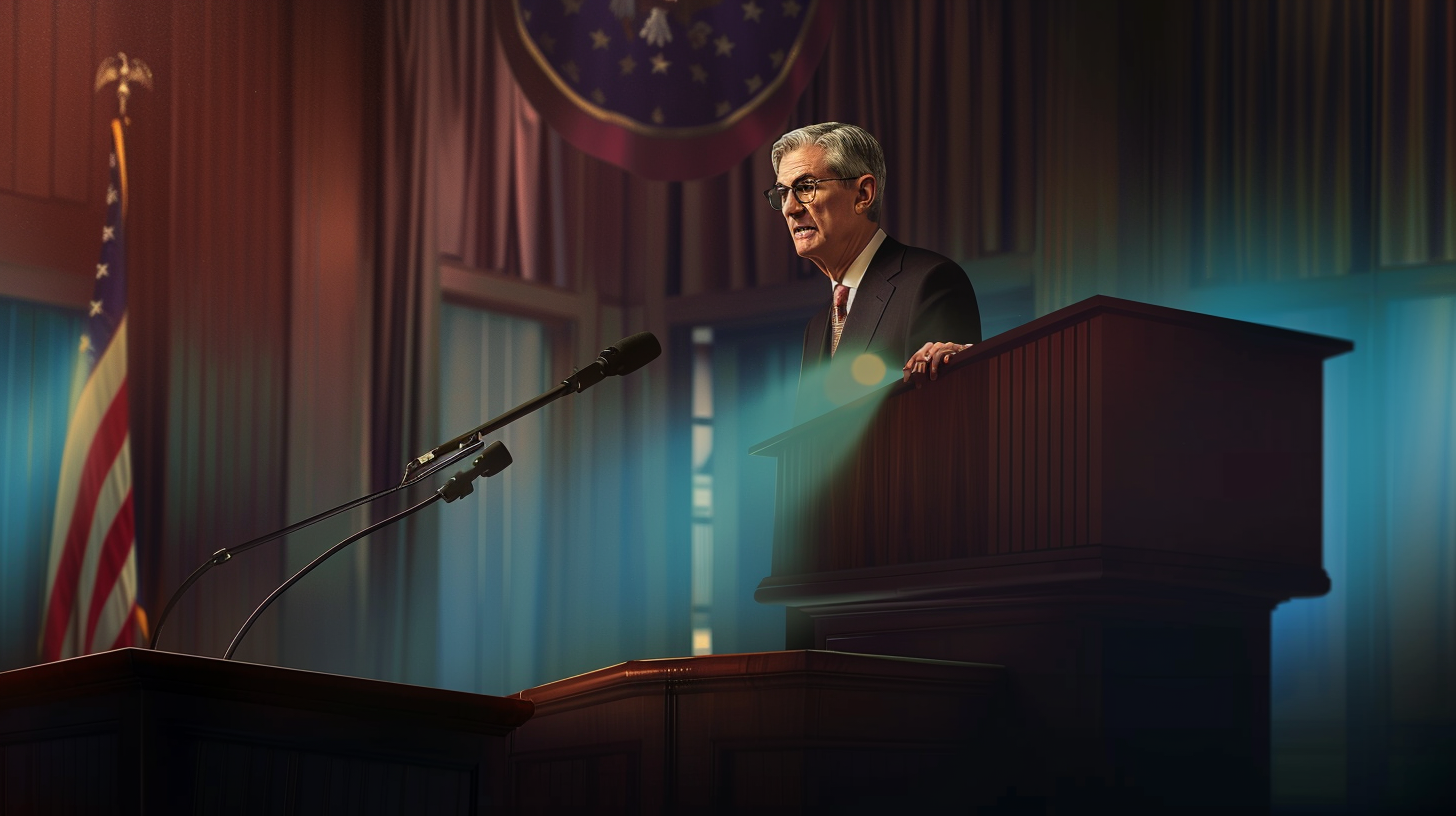
The timing is notable. The report landed just a day before the Fed chair is set to testify before Congress for the first time in his role, with inflation expected to be a central topic. Prepared remarks released ahead of the hearing struck a hawkish tone, emphasizing zero tolerance for persistently high inflation. It’ll be worth watching whether that tone shifts now that the data has moved in the Fed’s favor.

The CPI release also landed alongside a strong batch of bank earnings, with results pointing to a resilient underlying economy even as price pressures ease. That combination matters: a slowdown in inflation paired with weak growth would raise questions about the economy’s health, but paired with solid earnings, it reads instead as a sign that price pressures are normalizing without derailing activity.

It’s also a meaningful shift in narrative after a rough spring. May’s inflation report ran hot, largely because of an energy price spike tied to geopolitical tension, and it left markets bracing for a similarly uncomfortable June number. Instead, energy prices reversed course and gave consumers breathing room, which shows up clearly in both the headline and core figures.

For everyday spending, this kind of pullback tends to show up first at the pump and then gradually filters into other categories, though the core reading suggests broader price pressures outside food and energy are still holding fairly steady rather than reversing outright.

Put together, cooler inflation paired with solid earnings is often the combination markets like best — it eases pressure on the Fed without signaling economic weakness. With rate-hike odds falling and yields pulling back, the setup looks constructive for both bonds and rate-sensitive stocks heading into this week’s testimony and the rest of earnings season. Investors will likely be watching upcoming data closely to see whether June’s cooldown holds or proves to be a one-month blip.

Fed Holds Rates Steady Despite Trump’s Demands for Cuts

Key Points:
– The Federal Reserve held interest rates steady at 4.25%–4.5%, resisting pressure from President Trump to cut.
– Trump’s tariffs and public criticism have added political heat to the Fed’s cautious approach.
– The Fed cited increased uncertainty, persistent inflation, and solid job growth as reasons to hold.

The Federal Reserve left interest rates unchanged on Wednesday, defying calls from President Donald Trump to lower borrowing costs as the U.S. economy faces heightened uncertainty tied to new tariffs and global instability. The decision, which keeps the federal funds rate in a range of 4.25% to 4.5%, marks the third straight meeting where rates have been held steady.

Fed officials voted unanimously, with Chairman Jerome Powell signaling a cautious stance in response to evolving risks. While acknowledging increased economic uncertainty, the central bank maintained that the U.S. economy continues to grow at a “solid pace,” supported by a stable job market.

“In considering the extent and timing of any additional rate changes, the Committee will carefully assess incoming data, the evolving outlook, and the balance of risks,” the Fed said in its post-meeting statement.

Trump’s Pressure Campaign

President Trump has been publicly pressuring the Fed to lower rates, arguing that “preemptive cuts” are necessary to counter the economic drag caused by his administration’s new tariffs. Trump has repeatedly attacked Powell on social media, labeling him a “major loser” and saying his “termination can’t come fast enough,” though he later clarified he does not intend to remove Powell before his term ends in 2026.

The president’s trade policy has injected fresh uncertainty into the economic outlook. A rush to import goods before tariffs kicked in helped trigger a contraction in first-quarter GDP — the first economic decline in three years.

Despite these headwinds, Powell made clear that the Fed’s decisions will be driven by data, not politics. “We’re not reacting to any one voice,” Powell said during his press conference. “Our job is to deliver stable prices and full employment — we’ll adjust policy when the facts warrant it.”

Solid Jobs, Sticky Inflation

April’s jobs report showed continued labor market strength, with low unemployment and steady hiring. Fed officials noted this resilience but flagged rising risks around both inflation and employment in the coming months. Inflation remains “somewhat elevated,” the Fed said, citing recent data showing price growth at 2.6% annually in March and a quarterly rate of 3.5% — both above the Fed’s 2% target.

The Fed’s reluctance to cut rates stems from a desire to avoid reigniting inflation, even as growth slows. “We’re watching carefully,” Powell said. “But we want to be confident that inflation is headed sustainably back to target before making further moves.”

A Balancing Act Ahead

The decision leaves the Fed in a holding pattern, waiting to see how Trump’s aggressive trade policies and political rhetoric play out against a backdrop of uncertain growth. Financial markets are now pricing in a possible rate cut later this year, depending on inflation trends and the depth of any economic slowdown.

As the 2026 presidential race begins to loom and Trump ramps up his campaign, the Fed’s independence may come under even more scrutiny. For now, Powell and his colleagues are standing firm — signaling they won’t be rushed into policy shifts without clear justification.

We Do Not Need to Be in a Hurry: Powell Reiterates Cautious Fed Rate Stance

Key Points:
– Federal Reserve Chair Jerome Powell emphasized that the Fed is in no rush to adjust interest rates, signaling a cautious approach to monetary policy.
– Powell pointed to a strong economy and a balanced job market, reinforcing the need for patience in lowering rates.
– Inflation has eased but remains above the Fed’s 2% target, with upcoming CPI data expected to provide further clarity.

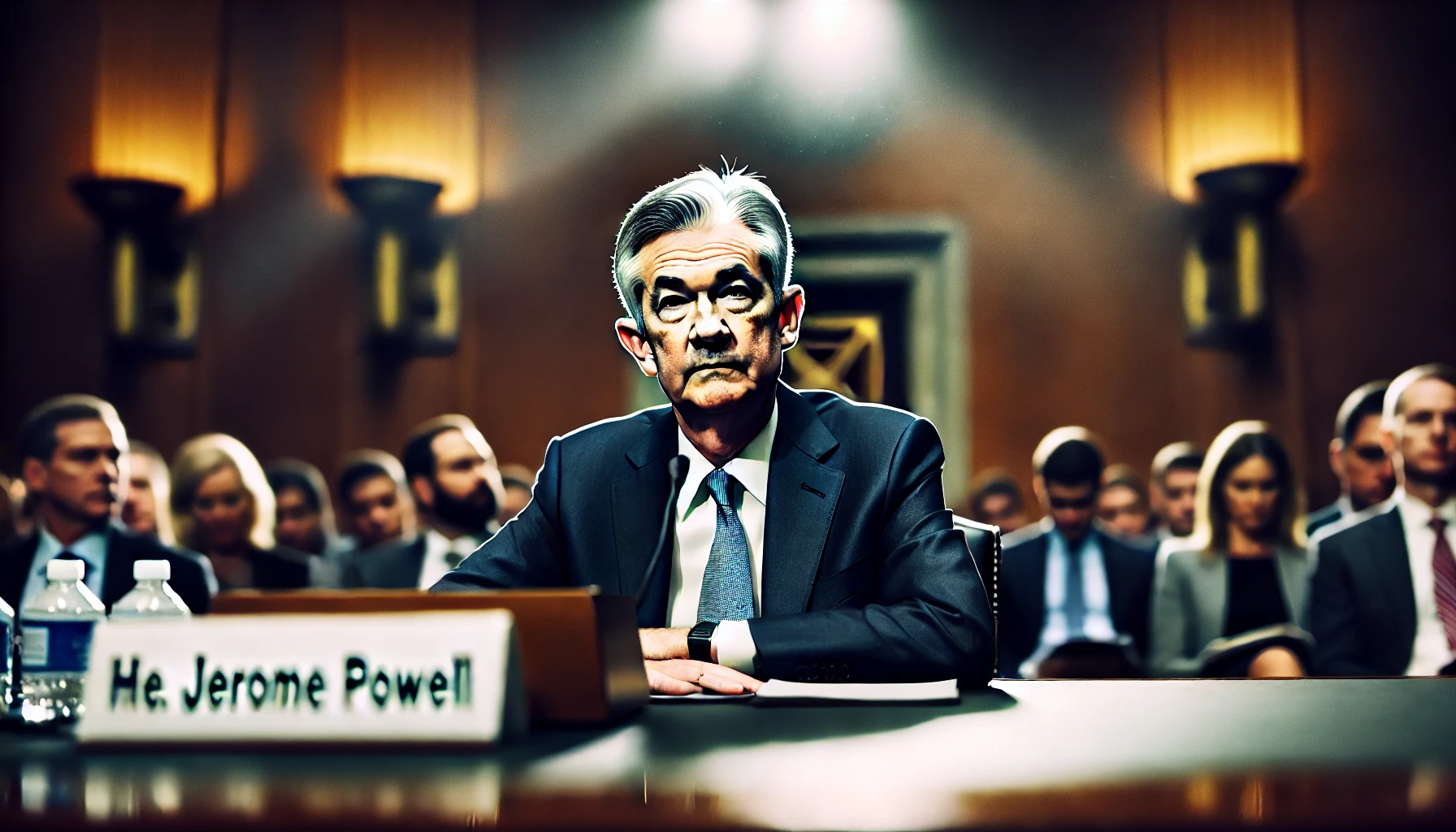
Federal Reserve Chair Jerome Powell reaffirmed the central bank’s cautious stance on interest rate policy in his testimony before the Senate Banking Committee on Tuesday. Powell underscored that with the economy maintaining its strength and policy less restrictive than before, there is no immediate need to lower rates.

“With our policy stance now significantly less restrictive than it had been and the economy remaining strong, we do not need to be in a hurry to adjust our policy stance,” Powell stated in his remarks. He emphasized that the Fed remains committed to ensuring inflation moves sustainably toward its 2% target before considering rate cuts.

Powell’s testimony comes amid ongoing economic uncertainties, including the impact of new trade policies under the Trump administration. While President Trump has criticized the Fed in the past, his administration has recently expressed support for the central bank’s decision to hold rates steady. Treasury Secretary Scott Bessent affirmed that the administration is focused on lowering long-term borrowing costs rather than pressuring the Fed for immediate rate cuts.

The Fed last held rates steady in the 4.25%-4.5% range at its January 29 meeting after implementing three consecutive rate cuts at the end of 2024. Despite the easing of inflationary pressures, Powell noted that the central bank would only reduce rates if inflation showed sustainable declines or if the labor market weakened unexpectedly.

Labor market data remains a key factor in the Fed’s decision-making. The January jobs report showed strong employment figures, with the unemployment rate declining and wages growing more than expected. This resilience in the job market has led many economists to predict that the Fed will not cut rates in the near term.

A closely watched inflation report, the Consumer Price Index (CPI), is set for release on Wednesday. Analysts anticipate core CPI—excluding food and energy—will have risen 3.1% year-over-year in January, slightly lower than December’s 3.2% figure. However, monthly core price increases are expected to tick up to 0.3% from the previous 0.2%, reinforcing the need for further monitoring.

Powell reiterated that while inflation has eased substantially over the past two years, it remains elevated relative to the Fed’s long-term target. He assured lawmakers that the Fed is reviewing its monetary policy strategy but will retain the 2% inflation goal as its benchmark.

As the Fed continues to navigate a complex economic landscape, Powell’s cautious tone suggests that policymakers are willing to keep rates steady for longer to ensure economic stability. Investors and market participants will be closely watching upcoming inflation data and Fed communications for further guidance on the timing of potential rate adjustments.