Weatherford Is Acquiring NCS Multistage — and the Timing Says Everything About Where Oil Field Services Is Heading

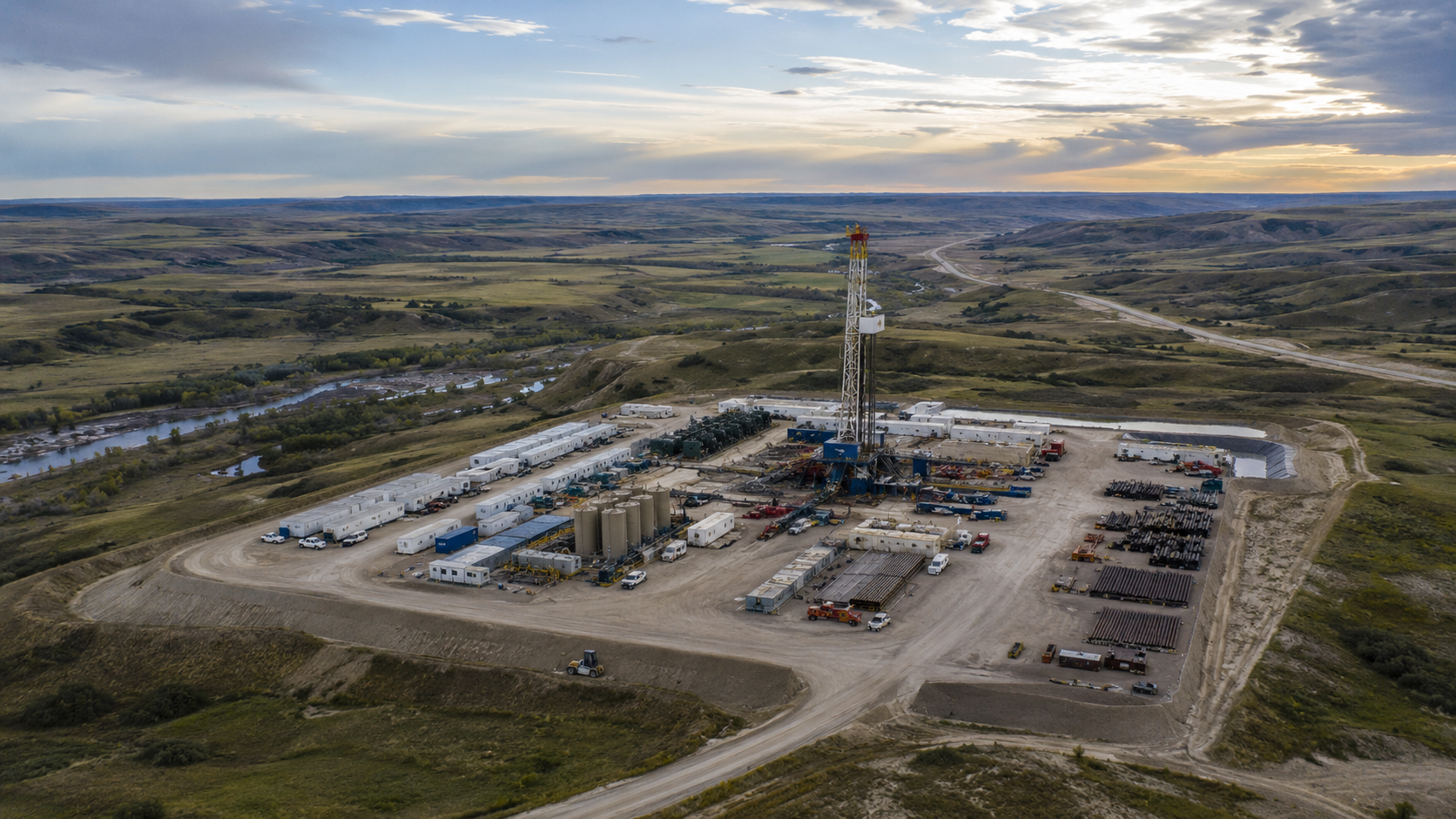
NCS Multistage is not a generalist oilfield services company. It operates in a specific and technically demanding niche: highly engineered products and support services that optimize well construction, completion, and field development strategies — primarily in horizontal wells drilled in unconventional oil and gas formations. Its technology is designed to improve reliability and production performance across the full well lifecycle, from initial completion design through late-stage production optimization and intervention.

The company operates primarily across North American basins and has established a presence in select international markets including the North Sea, the Middle East, and Argentina. That international footprint, while smaller than Weatherford’s, gives the combined company immediate leverage to cross-sell NCS Multistage’s technology into Weatherford’s six-continent global customer base — which is one of the most compelling near-term value creation levers in the deal.

Why This Deal Makes Sense Right Now

Weatherford is making a direct bet on two intersecting trends. The first is the sustained relevance of unconventional resource development. Despite the ongoing shift toward energy transition narratives, horizontal drilling and hydraulic fracturing in unconventional formations remain the backbone of North American oil and gas production. NCS Multistage’s core technology sits squarely in that production stream, and demand for completion optimization tools that improve per-well economics has not softened.

The second trend is consolidation driven economics. Smaller, specialized oilfield technology companies with strong engineering capabilities but limited distribution reach are increasingly attractive acquisition targets for larger platforms that can scale those technologies globally. NCS Multistage had the technology and the reputation. Weatherford has the footprint and the financial capacity to take it international.

Piper Sandler served as financial advisor to NCS Multistage in the transaction.

The Broader Signal for Small Cap Energy Services

For investors tracking the sub-$2 billion oilfield services and energy technology space, the Weatherford-NCS deal continues a pattern worth monitoring. Specialized completion technology, production optimization tools, and unconventional resource services companies have been consistent acquisition targets as larger players look to deepen technical differentiation rather than compete purely on scale.

The Iran conflict has kept oil prices elevated despite recent ceasefire negotiations, and sustained prices above $90 WTI support the capital spending levels that drive demand for exactly the kind of completion technology NCS Multistage provides. In that environment, companies with defensible technology niches and proven field performance records are not staying independent for long.


New High-Pressure Drilling Technology Opens Opportunities in Gulf of Mexico Oil Exploration

The oil industry is abuzz with excitement as groundbreaking high-pressure drilling technology promises to unlock billions of barrels of previously inaccessible crude in the Gulf of Mexico. This development could spell significant opportunities for investors, particularly those interested in small cap companies involved in offshore drilling and related technologies.

Chevron recently announced the successful first oil production from its Anchor project, a deepwater development utilizing innovative high-pressure technology. This $5.7 billion project represents a major technological milestone, as it’s capable of safely operating at pressures up to 20,000 pounds per square inch (psi) – a third higher than any previous well. The implications of this breakthrough are substantial. Analysts estimate that this technology could put up to 5 billion barrels of previously unreachable oil into production globally, with about 2 billion barrels in the U.S. Gulf of Mexico alone. This volume equates to approximately 50 days of current global oil production, highlighting the significance of the advancement.

For small cap investors, this development opens up several potential avenues. Equipment manufacturers like NOV and Dril-Quip, which provided specially designed equipment for the Anchor project, could see increased demand for their high-pressure capable products. Offshore drilling contractors operating advanced drillships, such as Transocean, may benefit from increased activity in ultra-high pressure fields. Smaller exploration and production companies with Gulf of Mexico assets could potentially reassess their portfolios for high-pressure opportunities previously considered uneconomical. Additionally, companies offering specialized services for high-pressure, high-temperature (HPHT) environments may see growing demand.

The new technology is expected to be a significant driver of production growth in the Gulf of Mexico. Wood Mackenzie, a research firm, projects a nearly 30% increase in deepwater output from 2023-2026, potentially reaching 2.7 million barrels of oil equivalent per day. This growth could help return the region to its peak output levels, last seen in 2019. Moreover, the applications of this technology extend beyond the Gulf of Mexico. Similar high-pressure, high-temperature oil fields that could benefit from this technology are found off the coasts of Brazil, Angola, and Nigeria. Brazil, in particular, with its complex offshore environments, is seen as a prime candidate for future application of this technology.

However, investors should be aware of potential risks and challenges. The regulatory environment, including the pace of offshore lease auctions and environmental regulations, can significantly impact future development. Operating in such high-pressure environments carries inherent risks and technical difficulties that companies must navigate. The economic viability of these projects remains dependent on global oil prices, adding an element of market risk. Furthermore, increased offshore drilling activity may face opposition from environmental groups, particularly in light of past disasters like the Deepwater Horizon spill.

Despite these challenges, the advent of this new high-pressure drilling technology represents a significant opportunity for the oil industry and investors alike. While major oil companies will likely lead the charge, savvy small cap investors may find promising opportunities in the ecosystem of companies supporting this technological revolution in offshore drilling. These could include specialized equipment manufacturers, innovative service providers, and smaller E&P companies with strategic Gulf of Mexico assets.

In conclusion, the high-pressure drilling breakthrough in the Gulf of Mexico marks a new chapter in offshore oil exploration. It offers the potential to tap into vast previously unreachable reserves, driving production growth and technological innovation. For small cap investors willing to navigate the complexities and risks of the offshore oil sector, this development could uncover valuable investment opportunities. As always, thorough due diligence is essential when considering investments in this dynamic and complex sector, but for those who choose wisely, the rewards could be substantial.