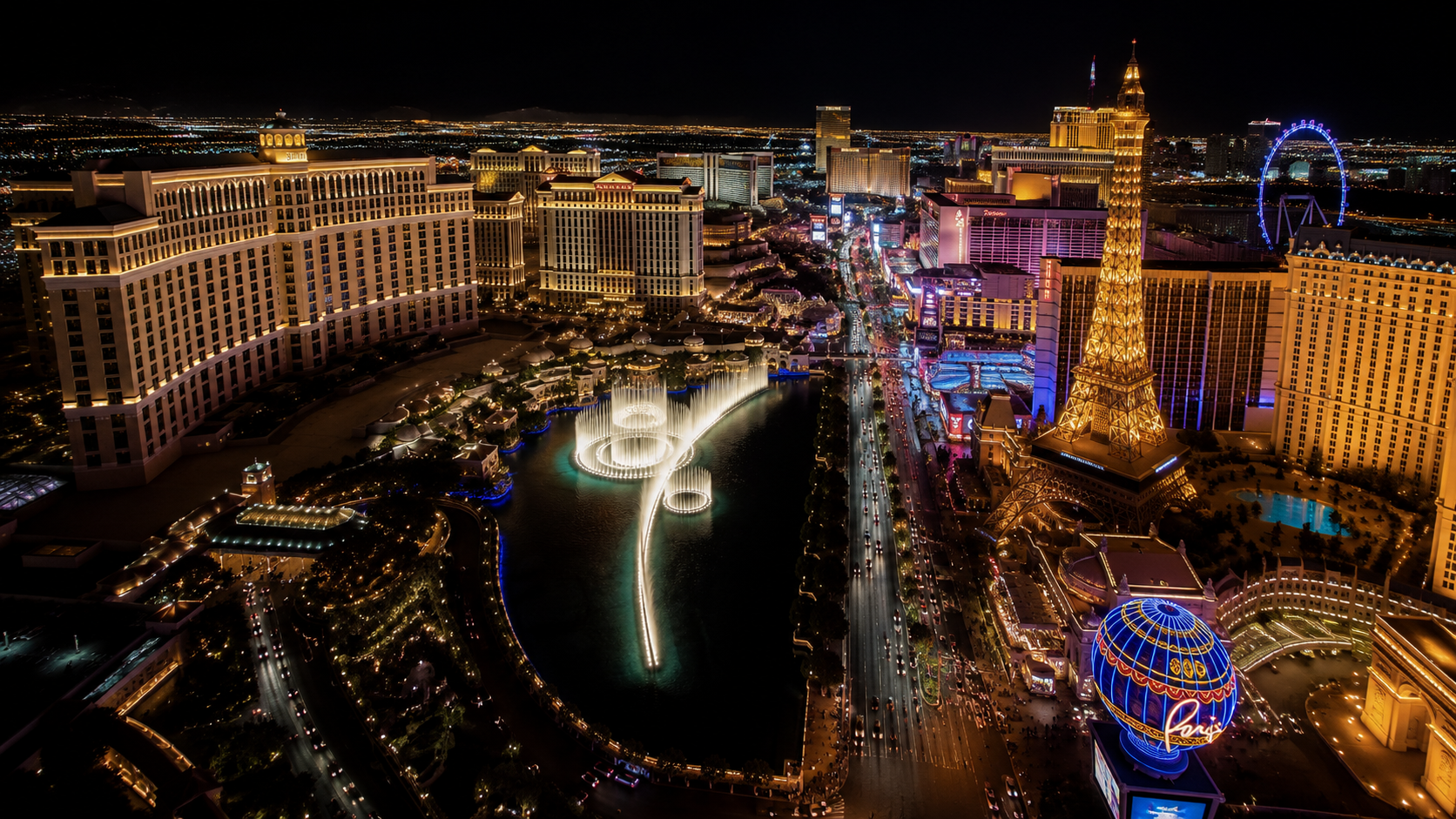
One of the most recognized names in American casino entertainment is leaving the public markets. Caesars Entertainment (Nasdaq: CZR) announced Wednesday it has entered into a definitive agreement to be acquired by Fertitta Entertainment, the private holding company of Houston billionaire Tilman Fertitta, in an all-cash transaction valued at approximately $17.6 billion including the assumption of $11.9 billion in Caesars’ outstanding debt.
Caesars shareholders will receive $31.00 per share in cash, representing a 49% premium to the company’s unaffected share price as of February 25, 2026, the last trading session before deal rumors began circulating. The board of directors unanimously approved the transaction and is recommending shareholders do the same.
Who Is Buying and What They Are Building
Tilman Fertitta is not a name that needs introduction in the hospitality world. His private empire already encompasses the Golden Nugget Hotel and Casino brand with locations across Nevada, New Jersey, Mississippi, Louisiana, and Colorado, the Landry’s restaurant group operating more than 550 outlets including Morton’s The Steakhouse, Del Frisco’s, McCormick and Schmick’s, Mastro’s, and Bubba Gump Shrimp, entertainment venues including the Kemah Boardwalk and multiple aquarium properties, and the NBA’s Houston Rockets. He has built and operated one of the most diversified private hospitality portfolios in the country and has a well-documented track record of acquiring underperforming assets and extracting operational value from them.
Adding Caesars to that portfolio creates a combined entity spanning 60 casino resorts, an online gaming and sports betting platform operating under the Caesars Sportsbook brand, retail sports betting at more than 200 third-party locations through the William Hill brand, and more than 600 total food, beverage, and entertainment outlets. The Caesars Rewards loyalty program, one of the most extensive in the gaming industry, carries through to the combined company.
The deal is not subject to a financing condition and will be funded through a combination of Fertitta equity, assumption of Caesars’ existing debt, and new committed financing arranged by a consortium of 10 banks. The existing Caesars management team, including CEO Tom Reeg, CFO Bret Yunker, and President and COO Anthony Carano, are expected to remain in their roles. The Carano family, which holds approximately 5% of Caesars shares, has agreed to roll a portion of their equity into Fertitta Entertainment rather than taking cash.
A go-shop period runs through July 11, 2026, during which Caesars can solicit and consider competing proposals. There is no assurance a superior bid will or will not emerge before that window closes.
What It Signals for the Broader Gaming and Hospitality Sector
A 49% premium on a company the size of Caesars says something deliberate about where strategic buyers see value in gaming and hospitality right now. Public market valuations across the sector have been compressed by elevated interest rates, lingering consumer spending concerns, and the overhang of heavy debt structures. Private buyers with patient capital and operational expertise are stepping into that gap.
For investors tracking smaller gaming operators, regional casino companies, and independent hospitality names in the sub-$2 billion range, the Fertitta-Caesars deal is a reminder that depressed public valuations do not always reflect underlying asset quality. Consolidation at the top of the industry tends to draw attention to the middle and lower tiers, where the valuation gaps are often even wider.
Upon completion of the transaction, Caesars Entertainment common stock will be delisted from Nasdaq.