Shares of several US-listed companies with exposure to Greenland exploded higher Monday after the United States, Denmark, and Greenland reached an agreement on expanded American security arrangements on the Arctic territory. Greenland Energy surged more than 165% in premarket trading, Greenland Mines climbed over 110%, and Critical Metals Corp rose nearly 30%. The moves reflect genuine excitement about what this agreement could eventually unlock, though the timeline and feasibility of actually extracting Greenland’s mineral wealth remain far less certain than the stock charts suggest.
The framework, announced September 18 and expected to be formally signed this week during the United Nations General Assembly, expands US defense construction rights on the island, granting Washington unilateral authority to build and expand military infrastructure without case-by-case approval from Copenhagen or Nuuk. It also guarantees permanent basing, transit, and overflight rights, while formally restricting adversary nations, specifically China and Russia, from establishing military positions or making what the agreement calls sensitive investments, a provision that appears squarely aimed at critical minerals and mining. Importantly, Greenland’s sovereignty remains fully with the Kingdom of Denmark under the deal, and the agreement still requires parliamentary approval before taking effect, meaning this is a framework, not yet a finalized, binding arrangement.
The strategic logic is straightforward on paper. Greenland sits on substantial untapped reserves of rare earth elements, the materials essential to defense systems, electric vehicles, and advanced electronics, and a security agreement that locks out Chinese and Russian involvement positions the island as a potential Western alternative to China’s current dominance of the global rare earth supply chain, a theme we detailed closely when covering Energy Fuels’ recent mine-to-magnet acquisition earlier this year.
The three companies driving today’s rally each have a distinct claim to that opportunity. Critical Metals Corp is developing the Tanbreez rare earths mine in southern Greenland and already holds a 15-year offtake partnership with magnet manufacturer REalloys covering up to 15% of the project’s future production. Greenland Mines is advancing the Skaergaard project, one of the world’s largest undeveloped palladium, gold, and platinum deposits, alongside a separate neodymium-praseodymium rare earths project. Greenland Energy is pursuing oil and gas exploration rather than rare earths specifically, though it recently delayed its own drilling plans after Greenland’s government issued a formal warning to its joint venture partner over bringing equipment ashore without proper authorization, a reminder that operating in Greenland carries real regulatory friction even with Washington’s backing.
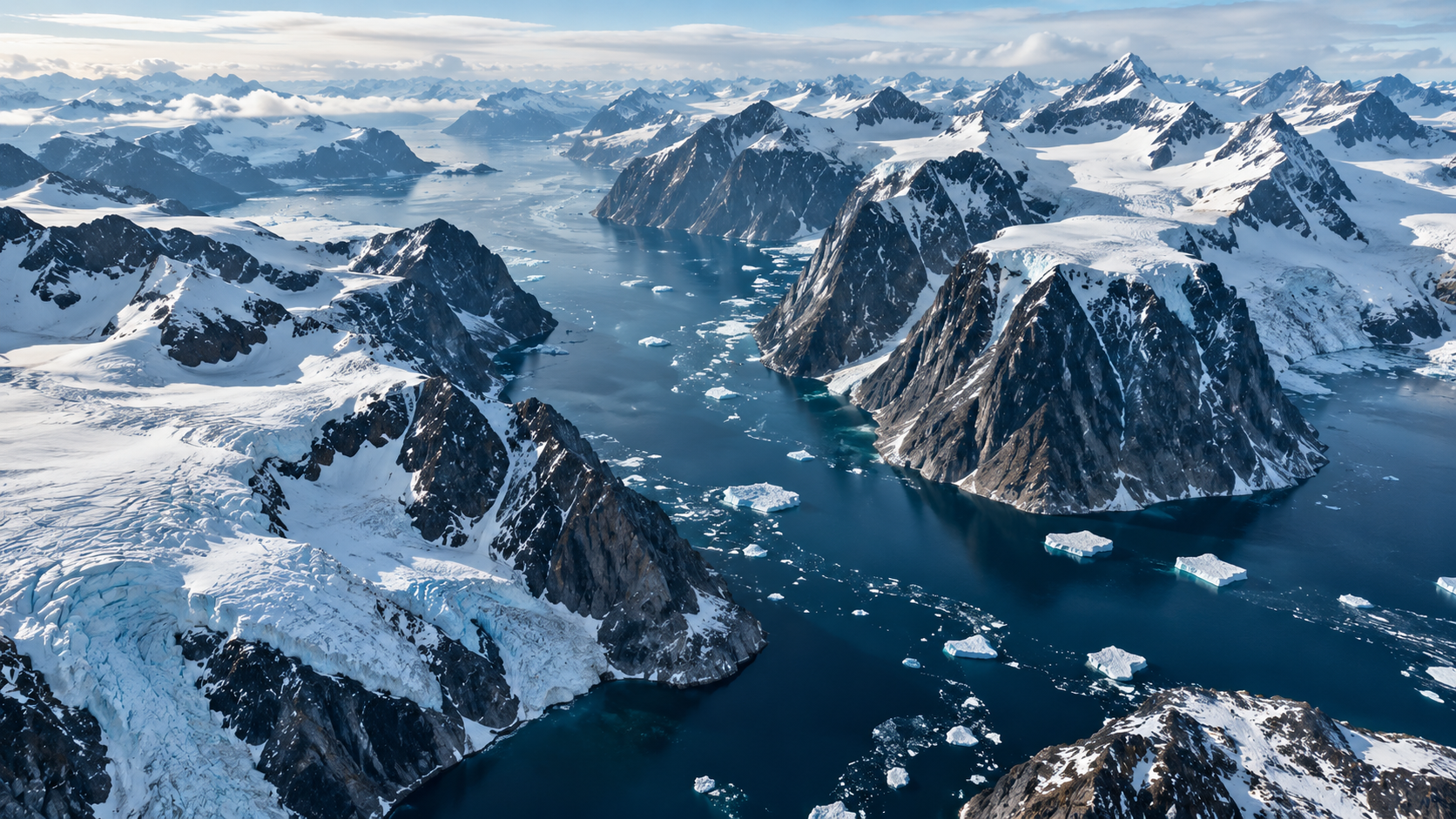
Independent industry analysts have raised serious and specific concerns about how quickly, or whether, any of this translates into actual production. Multiple recent assessments from mining and metals consultancies note that Greenland’s rare earth deposits face unresolved processing economics, significant Arctic infrastructure deficits, no existing non-Chinese separation capacity anywhere on the island, and in some cases genuine radioactive waste concerns tied to the specific mineralogy of these deposits. Outside the capital city of Nuuk, much of Greenland depends on ships, aircraft, and dog sleds for basic transport, and its harsh climate and remoteness substantially raise the cost of any extraction effort. As several analysts have put it, security guarantees may attract Western capital, but they cannot substitute for proven metallurgy, functioning ports, reliable power, skilled labor, and an actual mine-to-magnet supply chain, all of which still need to be built essentially from scratch.
Greenland is not the only place this strategic push is playing out, and investors don’t need direct exposure to the island itself to participate in the broader theme. A wider push toward allied, non-Chinese critical mineral development has been building across North America for the past several years, with junior mining companies in the United States and Canada working to establish domestic and allied supply chains for materials the world currently sources overwhelmingly from China. Companies like Century Lithium Corp and Tectonic Metals Inc, both developing projects in North American jurisdictions, are not connected to today’s Greenland agreement in any way, but they operate in the same strategic category, positioning allied-nation mineral resources as an alternative to Chinese dominance, that is fueling investor enthusiasm for Greenland right now.
For investors, today’s moves are a clear example of a security and geopolitical catalyst driving share prices far ahead of underlying commercial reality. That doesn’t mean the opportunity isn’t real, both the Trump administration’s strategic interest and the individual companies’ project economics could genuinely develop over time. But the gap between a triple-digit percentage stock move today and a functioning rare earth supply chain years from now is substantial, and investors should weigh the extraction and infrastructure challenges just as carefully as the geopolitical tailwind.