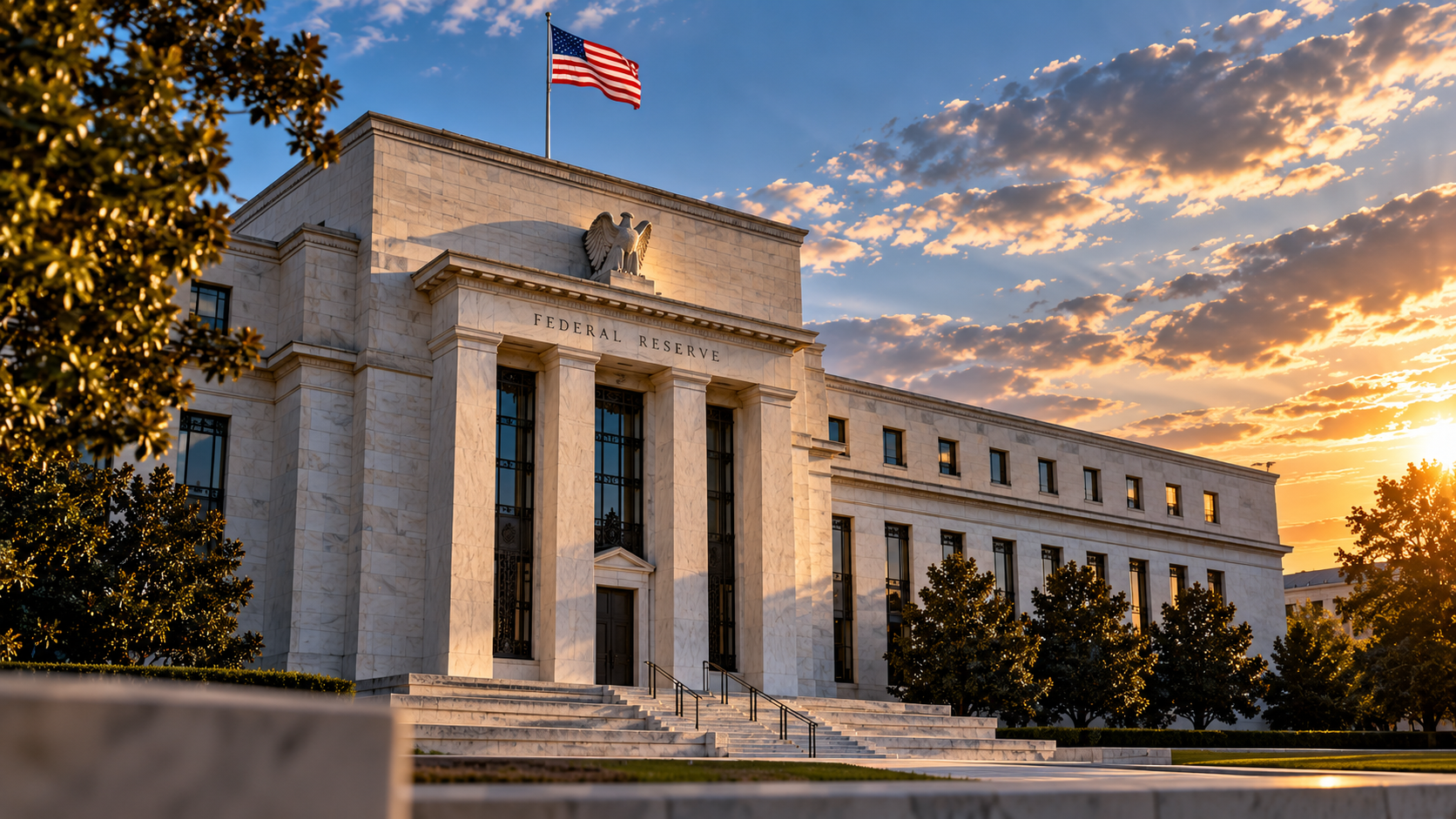
The Federal Reserve faces a closely watched interest rate decision on October 28, 2026, as rising inflation raises questions about whether policymakers will increase borrowing costs again. The announcement comes just six days before the November 3 midterm elections, adding political scrutiny to a decision that could influence stock prices, bond yields, consumer borrowing, and the broader U.S. economy.
The central bank’s upcoming meeting follows September inflation data showing consumer prices increased 3.7% from a year earlier, up from 3.4% in August. With inflation remaining elevated and the Federal Reserve having already raised rates in September, investors are watching for signals about the direction of monetary policy and the potential impact on financial markets.
When Is the Next Federal Reserve Interest Rate Decision?
The Federal Open Market Committee (FOMC) is scheduled to meet October 27–28, with its interest rate decision expected on Wednesday, October 28, at 2 p.m. Eastern Time.
The announcement will be followed by a press conference at 2:30 p.m., when Federal Reserve officials are expected to explain their assessment of inflation, economic growth, and monetary policy.
The meeting follows a September rate increase that brought the federal funds target range to 3.75%–4.00%, marking the central bank’s first increase in more than three years.
Will the Federal Reserve Raise Interest Rates in October?
The possibility of another rate increase has attracted attention following the latest inflation report.
According to the Bureau of Labor Statistics, the Consumer Price Index rose 0.6% in September and 3.7% over the previous 12 months. Core inflation, which excludes food and energy prices, increased 0.3% for the month and 2.6% annually.
The figures suggest that inflation remains a challenge for policymakers attempting to maintain price stability without placing excessive pressure on economic activity.
Financial markets have adjusted expectations in response to the data, although the outcome of the October meeting remains uncertain.
A decision to raise rates would signal continued concern about inflation, while holding rates steady could indicate that policymakers prefer to assess the effects of previous tightening before making additional changes.
Why the Fed’s October Decision Matters Before the Midterm Elections
The October 28 interest rate announcement falls just six days before the November 3 midterm elections, placing monetary policy under heightened political attention.
Interest rate decisions can affect household borrowing costs, mortgage rates, consumer spending, and business investment, making them particularly relevant during an election period.
However, the Federal Reserve operates independently of the political calendar and is responsible for pursuing its congressional mandates of maximum employment and stable prices.
Policymakers must therefore weigh inflation risks and economic conditions regardless of the timing of national elections.
How the Fed Interest Rate Decision Could Affect Stocks and Bonds
Changes in Federal Reserve policy can influence financial markets through borrowing costs, bond yields, and expectations for future corporate earnings.
Higher interest rates generally increase financing expenses for businesses and consumers. They can also place downward pressure on stock valuations, particularly among growth companies whose valuations depend heavily on expected future earnings.
Bond markets are sensitive to changes in interest rate expectations, although yields also reflect inflation forecasts, economic conditions, and investor demand.
A decision to hold rates steady could provide some relief to interest-rate-sensitive sectors, but investors will also examine the Fed’s accompanying statement for indications of future policy changes.
What Higher Interest Rates Mean for Small-Cap Stocks
For small-cap and microcap companies, Federal Reserve interest rate decisions can have significant implications.
Smaller businesses often have fewer financing options than large corporations and may depend more heavily on external capital to support expansion, acquisitions, and research and development.
Higher borrowing costs can make it more expensive to refinance debt or secure funding for new projects.
These pressures may be especially relevant for early-stage biotechnology companies, emerging technology businesses, and other capital-intensive industries.
Conversely, greater stability in interest rates could improve financial planning and potentially support investor confidence, although individual company fundamentals remain important.
What Investors Should Watch After the October Fed Meeting
Beyond the immediate interest rate decision, investors will be watching the Federal Reserve’s commentary for clues about the path of monetary policy through the remainder of 2026.
Key considerations include whether inflation continues to exceed the central bank’s objectives, how employment and economic growth are evolving, and whether additional rate increases may be necessary.
The Fed’s next scheduled policy meeting is December 8–9, providing another opportunity for policymakers to reassess economic conditions.
With inflation concerns persisting and financial markets sensitive to changes in interest rate expectations, the October 28 announcement could be an important catalyst for stocks, bonds, and the broader economic outlook.