Job Openings Dip but Labor Market Remains Strong

The monthly Job Openings and Labor Turnover Survey (JOLTS) report released this week showed job openings decreased slightly to 8.79 million in November. While a decline from October’s total, openings remain historically high, indicating continued labor market strength.

For investors, the data provides evidence that the economy is headed for a soft landing. The Federal Reserve aims to cool inflation by moderating demand and employment growth, without severely damaging the job market. The modest dip in openings suggests its interest rate hikes are having the intended effect.

Openings peaked at 11.9 million in March 2022 as employers struggled to fill vacancies in the tight post-pandemic job market. The ratio of openings to unemployed workers hit nearly 2-to-1. This intense competition for workers drove up wages, contributing to rampant inflation.

Since then, the Fed has rapidly increased borrowing costs to rein in spending and hiring. As a result, job openings have fallen over 25% from peak levels. In November, there were 1.4 openings for every unemployed person, down from 2-to-1 earlier this year.

While hiring also moderated in November, layoffs remained low. This indicates companies are being selective in their hiring rather than resorting to widespread job cuts. Employers added 263,000 jobs in November, underscoring labor market resilience.

With job openings still elevated historically and unemployment at 3.7%, the leverage remains on the side of workers in wage negotiations. But the cooling demand takes pressure off employers to fill roles at any cost.

Markets Welcome Gradual Slowdown

Financial markets have reacted positively to signs of a controlled economic deceleration. Stocks rallied in 2023 amid evidence that inflation was peaking while the job market avoided a precipitous decline.

Moderating job openings support the case for a soft landing. Investors hope further gradual cooling in labor demand will help the Fed tame inflation without triggering a severe downturn.

This optimizes the backdrop for corporate earnings. While companies face margin pressure from elevated wages and input costs, strong consumer spending power has mitigated the impact on revenues so far.

The risk is that the Fed overtightens and causes an excessive pullback in hiring. Another JOLTS report showing a sharper decline in openings would sound alarm bells. But November’s modest drop eases fears.

All eyes are now on the timing of the Fed’s anticipated pivot to interest rate cuts. Markets hope easing begins in mid-2024, while the Fed projects cuts starting later this year. The path of job openings will influence its timeline.

Slower but sustained labor demand enables the central bank to maintain a steady policy course. But an abrupt downward turn would pressure quicker rate cuts to stabilize growth.

Sector Impacts

The cooling job market has varying implications across stock market sectors. Rate-sensitive high-growth firms like technology would benefit most from earlier Fed easing.

Cyclical sectors closely tied to economic growth, like industrials and materials, favor the steady flight path as it sustains activity while containing inflation. Financials also prefer the status quo for now, given the tailwind of higher interest rates.

Meanwhile, sectors struggling with worker shortages and wage pressures welcome moderating openings. Leisure and hospitality saw one of the steepest monthly declines in November after leading last year’s hiring surge.

But the pullback remains measured rather than extreme. This supports a soft landing that preserves economic momentum and corporate earnings strength, even as financial conditions tighten. With the Fed striking a delicate balance so far, investors’ hopes are high for an extended expansion.


Fed Rate Cut Timing in Focus as New Year Kicks Off

As 2024 begins, all eyes are on the Federal Reserve to see when it will pivot towards cutting interest rates from restrictive levels aimed at taming inflation. The Fed’s upcoming policy moves will have major implications for markets and the economy in the new year.

The central bank raised its benchmark federal funds rate sharply in 2023, lifting it from near zero to a range of 5.25-5.5% by December. But with inflation pressures now easing, focus has shifted to when the Fed will begin lowering rates once again.

Markets are betting on cuts starting as early as March, while most economists see cuts beginning around mid-2024. The Fed’s minutes from its December meeting, being released this week, may provide clues about how soon cuts could commence.

Fed Chair Jerome Powell has stressed rate cuts are not yet under discussion. But he noted rates will need to fall before inflation returns to the 2% target, to avoid tightening more than necessary.

Recent data gives the Fed room to trim rates sooner than later. Core PCE inflation rose just 1% annually in November, and has run under 2% over the past six months.

With inflation easing faster than expected while the Fed holds rates steady, policy is getting tighter by default. That raises risks of ‘over-tightening’ and causing an unneeded hit to jobs.

Starting to reduce rates by March could mitigate this risk, some analysts contend. But the Fed also wants to see clear evidence that underlying inflation pressures are abating as it pivots policy.

Upcoming jobs, consumer spending and inflation data will guide rate cut timing. The January employment report and December consumer inflation reading, out in the next few weeks, will be critical.

Markets Expect Aggressive Fed Easing

Rate cut expectations have surged since summer, when markets anticipated rates peaking above 5%. Now futures trading implies the Fed will slash rates by 1.5 percentage points by end-2024.

That’s far more easing than Fed officials projected in December. Their forecast was for rates to decline by only 0.75 point this year.

Such aggressive Fed easing would be welcomed by equity markets. Stocks notched healthy gains in 2023 largely due to improving inflation and expectations for falling interest rates.

Further Fed cuts could spur another rally, as lower rates boost the present value of future corporate earnings. That may help offset risks from still-high inflation, a slowing economy and ongoing geopolitical turmoil.

But the Fed resists moving too swiftly on rates. Quick, large cuts could unintentionally re-stoke inflation if done prematurely. And inflated rate cut hopes could set markets up for disappointment.

Navigating a ‘Soft Landing’ in 2024

The Fed’s overriding priority is to engineer a ‘soft landing’ – where inflation steadily falls without triggering a recession and large-scale job losses.

Achieving this will require skillful calibration of rate moves. Cutting too fast risks entrenching inflation and forcing even harsher tightening later. But moving too slowly could cause an unnecessary downturn.

With Treasury yields falling on rate cut hopes, the Fed also wants to avoid an ‘inverted’ yield curve where short-term yields exceed long-term rates. Prolonged inversions often precede recessions.

For now, policymakers are taking a wait-and-see approach on cuts while reiterating their commitment to containing inflation. But market expectations and incoming data will shape the timing of reductions in the new year.

Global factors add complexity to the Fed’s policy path. While domestic inflation is cooling, price pressures remain stubbornly high in Europe. And China’s reopening may worsen supply chain strains.

Russia’s ongoing war in Ukraine also breeds uncertainty on geopolitics and commodity prices. A flare up could fan inflation and force central banks to tighten despite economic weakness.

With risks abounding at the start of 2024, investors will closely watch the Fed’s next moves. Patience is warranted, but the stage appears set for rate cuts to commence sometime in the next six months barring an unforeseen shock.

China’s BYD Overtakes Tesla in EV Sales as Global Competition Heats Up

The electric vehicle (EV) race is heating up on the global stage. Recent data shows Chinese automaker BYD has overtaken Tesla as the top selling EV maker in the fourth quarter of 2023. BYD sold over 525,000 battery electric vehicles from October to December, surpassing Tesla’s nearly 485,000 deliveries.

This shift signals China’s rising prominence as a major force in the EV industry. With enormous growth potential in the world’s largest auto market, Chinese companies like BYD are positioned to reshape the competitive landscape. Their success has wide-ranging implications for investors across the auto and battery supply chains.

BYD’s meteoric growth is fueled by China’s EV-friendly policies. The government has implemented aggressive targets, mandating that new energy vehicles comprise 20% of sales by 2025 and become mainstream by 2035. China is reaching these goals years ahead of schedule thanks to subsidies and infrastructure spending. New energy vehicle sales exceeded 30% of the market in the first 11 months of 2023.

Tesla still led BYD in total global EV sales for full-year 2023, delivering 1.8 million vehicles versus BYD’s 1.57 million. But BYD is closing the gap rapidly, with sales up 73% last year. The company aims to double its international dealer network in 2023 and boost overseas sales five-fold.

To accommodate this growth, BYD plans to construct its first passenger EV plant in Europe. The facility in Hungary will complement BYD’s existing European bus factory. This international expansion mirrors China’s broader effort to increase exports and take on traditional automakers like Volkswagen and Renault in their home markets.

The intense competition has sparked a price war in China, with Tesla and others slashing costs in 2022 to retain market share. While this boosted sales, it eroded industry profit margins. Surging raw material prices also squeezed margins across the supply chain. Battery-grade lithium carbonate rose over 280% last year.

Take a look at some emerging lithium companies by taking a look at Noble Capital Markets’ Senior Research Analyst Mark Reichman’s coverage list.

Sourcing enough lithium and other battery metals remains a concern. According to Benchmark Mineral Intelligence, demand growth for lithium-ion batteries will require global lithium supply to expand eight-fold by 2030. Companies are racing to secure upstream supplies and lithium producers’ stocks have benefited.

But the launch of new mines takes time. Geopolitical factors may also constrain near-term growth in critical mineral supply from key regions like South America. This supply/demand imbalance poses a risk to the pace of EV adoption worldwide.

Investors will closely watch how BYD navigates these headwinds. Vertically integrated automakers like BYD with control over more battery and mineral assets may have an advantage. But no company is immune from margin compression if prices remain elevated.

Regardless, China’s trajectory toward EV supremacy seems clear. The country boasts advantages in scale, cost, and the supply chain that will be difficult for rivals to replicate. Tesla’s position appears secure as the leading global luxury EV brand. But Chinese automakers are poised to dominate the larger mass-market segments.

For investors, this reshuffled landscape demands a reassessment of portfolio positioning. Companies tied to China’s booming EV ecosystem warrant consideration. However, risks around growth assumptions, valuation, and competitive dynamics in a rapidly evolving industry must be weighed. While the road ahead remains challenging, China has signaled plans to set the pace in the global EV race.

Bitcoin Tops $45K for the First Time Since 2022

The cryptocurrency market is off to a strong start in 2024, led by Bitcoin’s climb back above $45,000 for the first time since April 2022. Bitcoin gained over 150% in 2023, marking its best annual performance since 2020. Analysts say bitcoin’s resurgence is driven by growing optimism that the long wait for a spot bitcoin exchange-traded fund (ETF) may finally end in early 2024.

The Securities and Exchange Commission has rejected numerous proposals for a spot bitcoin ETF over the years, arguing the crypto market is too susceptible to manipulation. But the SEC appears to be warming up to the idea amid maturing crypto regulation and infrastructure. The approval of a spot bitcoin ETF would allow mainstream brokerages to offer crypto exposure to millions of investors for the first time.

Ethereum, the native cryptocurrency of the ethereum blockchain, also rallied to start the year. It gained over 90% in 2023 despite volatility that whipsawed the crypto market. Ethereum has benefited from upgrades to the ethereum network as it transitions to a more energy-efficient proof-of-stake consensus model.

Other layer-1 blockchain tokens like Solana’s SOL, Polygon’s MATIC and Polkadot’s DOT saw steep gains in 2023 as well. The growth of decentralized finance and Web3 applications continues to drive interest in Ethereum rivals.

The upbeat momentum in crypto has also lifted shares of companies with significant digital asset exposure. Crypto exchange Coinbase saw its stock jump in early trading, along with bitcoin holding firm MicroStrategy.

Mining companies like Riot Blockchain and Bit Digital were up sharply as higher bitcoin prices improve profitability for crypto miners. Even crypto-adjacent equities like Tesla, which holds bitcoin on its balance sheet, have outperformed the broader stock market recently.

Macroeconomic trends are also providing tailwinds for the crypto market after a brutal 2022 bear market. The collapse of the Terra/Luna ecosystem, bankruptcies of key industry players like Celsius Network and FTX, and meltdown of algorithmic stablecoins wiped over $2 trillion from the crypto market cap at its lowest point.

But expectations that the Federal Reserve and other central banks could start cutting interest rates in 2024 have renewed appetite for risk assets. Lower rates tend to benefit high-growth, speculative investments. The crypto market meltdown also flushed out excess leverage and speculative frenzy.

With crypto giants like FTX and Alameda Research gone, attention is returning to building and expanding the underlying utility of blockchain networks. The growth of decentralized applications and services like decentralized finance (DeFi), non-fungible tokens (NFTs), metaverse virtual worlds and Web3 remain long-term tailwinds for crypto adoption.

Some analysts predict the crypto market could get an added boost in 2024 from the U.S. presidential elections. Bitcoin’s four-year reward halving schedule has coincided with recent election year performance. If the crypto bull market resumes as 2024 dawns, analysts say the next Bitcoin halving could fuel further growth.

While risks like regulation and security breaches remain, the crypto industry has weathered previous downturns. With fundamentals still favorable for broader blockchain adoption, the crypto market appears ready to leave its 2022 woes behind as it charges into the new year.

Google Settles Lawsuit Over Alleged Secret Tracking – What It Means for Tech

Alphabet’s Google has reached a preliminary settlement in a major class action lawsuit accusing the tech giant of secretly tracking users’ browsing activity, even in “private” mode. The lawsuit alleges Google violated privacy laws by monitoring internet usage through analytics, cookies, and other means without user consent.

While settlement terms are undisclosed, the case spotlighted concerns over data privacy and transparency in the tech industry. As regulators increasingly scrutinize how companies collect and use personal data, lawsuits like this could spur meaningful change across Silicon Valley.

The Potential $5 Billion Settlement Underscores Privacy Risks

Filed by consumers in 2020, the lawsuit sought at least $5 billion in damages for millions of Google users. The plaintiffs alleged Google violated wiretapping and privacy laws by tracking their web activity after they enabled private modes in browsers like Chrome. By collecting data on browsing habits, interests, and sensitive topics searched, Google allegedly created an “unaccountable trove of information” without user permission.

Though Google disputed the claims, the judge rejected the company’s motion to dismiss last August. This allowed the case to move forward, leading to mediation and a preliminary settlement just before the scheduled 2024 trial. The multibillion dollar price tag highlights financial liability over privacy concerns. As data rules tighten worldwide, lawsuits and settlements like this could pressure tech firms to improve data practices.

How Private is Private Browsing? The Murky Line Between Tracking and Targeting

At issue is whether Google made legally binding commitments not to collect user data during private browsing sessions. The plaintiffs argued that policies, privacy settings, and public statements implied limits on tracking activity – which Google then violated behind the scenes. Google may contend that it needed analytics and user data to improve services and target ads.

This speaks to an ongoing debate over data use in the tech industry. Companies like Google and Facebook rely on customer data for ad targeting, which generates immense revenue. However, consumers often don’t realize how much of their activity is monitored and monetized. Laws like Europe’s GDPR require transparency in data collection, aiming to close this gap. As regulators in the U.S. also update privacy rules, pressure for change is growing.

Potential Fallout – Changes to Data Practices or Business Models?

While details remain unannounced, the Google settlement will likely require reforms and possibly oversight to the company’s data practices. Some analysts think damages could reach into the billions given the massive class size. Whether Google also modifies its ad tracking and targeting is less clear but plausible given the liability over those practices.

More broadly, the lawsuit may accelerate shifts in how tech companies handle user data. Increasingly, consumers demand greater transparency and control over their personal information. New laws also dictate stricter consent requirements for tracking users across sites and devices. All this affects the fundamentals of ad-based business models dominant across internet platforms.

Of course, the prime value tech giants derive from users is in data collection and analysis abilities. Reform enforced by lawsuits, regulation, or settlements will cut into this advantage. As data gathering, retention, and usage get reined in over privacy concerns, tech firms lose a key asset. In response, some companies are developing alternative revenue streams based less on collecting personal data and more on subscription services. How far this trend goes depends on how seriously privacy risks are addressed industry-wide.

Looking Ahead – Tech Faces a Reckoning Over Data Ethics

Though appeasing users worried over privacy, the Google settlement also shows how engrained user data is in delivering online products and experiences. Reforming these practices while preserving free, quality services will require balancing competing interests. As U.S. regulators catch up with privacy laws proliferating worldwide, expect thorny debates over this balance.

Lawsuits casting light on data abuses will continue playing a pivotal role in driving change. With landmark suits against tech giants like Google and Facebook working through courts, no company is immune. Protecting user privacy is paramount going forward in the digital economy. How Silicon Valley adapts its business models and justifies its data dependence will shape trust in these powerful platforms. If companies fail to convince consumers their privacy matters, backlash and regulation could fundamentally disrupt the tech sector for years to come.

Oil Heads for First Annual Decline Since 2020 as Oversupply Weighs

Oil prices are on pace to decline around 10% in 2022, which would mark the first annual drop since the pandemic-driven crash of 2020. After a volatile year, bearish sentiment has taken hold in oil markets amid fears that surging production outside OPEC will lead to an oversupplied market.

With the global economy slowing, especially in key consumer China, demand growth is stalling. Meanwhile, output has hit new highs in the United States, Brazil, Guyana and other non-OPEC countries. This perfect storm of sluggish demand and robust non-OPEC supply has tipped the balance into surplus, putting downward pressure on prices.

West Texas Intermediate futures are trading near $72 per barrel, down from over $120 in June. The international Brent benchmark is hovering under $78, having fallen from summertime highs over $130. Despite ongoing risks, including escalating Iran-related tensions in the Middle East, oil is poised to post its first yearly decline since the Covid crisis cratered prices in 2020.

Supply Surge Outside OPEC Upsets Market Balance

Much of the extra crude swamping the market is coming from the United States. American oil output averaged 13.3 million barrels per day last week, a record high. Exceptional production growth is also happening in Brazil, Guyana, Canada and other countries.

The International Energy Agency expects this non-OPEC supply surge to continue, forecasting growth of 1.2 million barrels per day next year. That will more than satisfy the world’s modest demand growth projected at 1.1 million barrels per day in the IEA’s base case scenario.

With non-OPEC, and chiefly U.S. shale, filling demand, OPEC and its allies have lost their traditional grip on balancing the market. Despite cutting output targets substantially, OPEC+ efforts to lift prices seem futile.

Traders anticipate more discipline will be required to bring inventories down. But further significant cuts could simply provide more space for American drillers to increase production, replacing any barrels OPEC removes.

Tepid Demand Outlook Adds to Gloomy Price Forecast

On top of the supply influx, oil bulls are also contending with a deteriorating demand environment. High inflation, rising interest rates, and frequent Covid outbreaks have slowed China’s economy significantly.

With Chinese oil consumption dropping, global demand growth is expected to decelerate in 2024. Major financial institutions like Morgan Stanley see demand expanding at less than 1 million barrels per day. That’s about half the pace forecast for 2023.

Other major economies in Europe and North America are also wobbling, further dampening the demand outlook. Less robust consumption, together with the supply deluge, points to a market remaining oversupplied through next year.

In futures markets, bearish sentiment has sunk in. Both WTI and Brent futures point to prices averaging around $80 per barrel in 2023, barring a major geopolitical disruption. That would cement the first back-to-back years of oil price declines since 2015-2016.

Wildcard Risks – Can Middle East Tensions Shift Momentum?

As oversupply dominates, the greatest upside risk to prices may be conflict-driven outages that take substantial oil capacity offline. Heightened tensions between Iran and the West pose this type of wildcard geopolitical threat.

Recent attacks on oil tankers near the Strait of Hormuz and Arabian Sea occurred after the U.S. killed an Iranian commander. Iran-backed Houthi rebels in Yemen also launched missiles and drones at facilities in Saudi Arabia.

While no significant disruptions have occurred so far, direct hostilities between Iran and the U.S. or its allies could sparks clashes endangering Middle East output. Iran has threatened to blockade the Strait of Hormuz, which handles a fifth of global oil trade. Any major loss of supply through this chokepoint could upend the bearish outlook.

For now, however, the market remains fixated on bulging inventories and the supply free-for-all outside OPEC. As the world undergoes a historic shift in oil production geography, the industry faces a reckoning over whether unchecked growth risks unsustainably low prices. If the supply surge continues outpacing demand, today’s pessimism over prices could last well beyond 2024.

Take a look at more emerging growth energy companies by taking a look at Noble Capital Markets’ Senior Research Analyst Michael Heim’s coverage universe.

Comstock Inc. (LODE) – The Power of Partnership


Friday, December 29, 2023

Comstock (NYSE: LODE) innovates technologies that contribute to global decarbonization and circularity by efficiently converting under-utilized natural resources into renewable fuels and electrification products that contribute to balancing global uses and emissions of carbon. The Company intends to achieve exponential growth and extraordinary financial, natural, and social gains by building, owning, and operating a fleet of advanced carbon neutral extraction and refining facilities, by selling an array of complimentary process solutions and related services, and by licensing selected technologies to qualified strategic partners. To learn more, please visit www.comstock.inc.

Mark Reichman, Managing Director, Equity Research Analyst, Natural Resources, Noble Capital Markets, Inc.

Refer to the full report for the price target, fundamental analysis, and rating.

Comstock executes its first biorefinery commercial agreement. Comstock Fuels Corporation, a wholly owned subsidiary, executed a term sheet with RenFuel K2B AB to advance Comstock’s first commercial biorefinery. The transaction includes an option for Comstock to acquire a majority interest in RenFuel K2B Lignolproduktion AB (the JV), a subsidiary of RenFuel that previously completed preliminary engineering for a new biorefinery using RenFuel’s patented catalytic esterification process to refine lignin from byproducts of paper production into a bio-intermediate for refining into sustainable aviation fuel and renewable diesel in Europe. Comstock and RenFuel are evaluating requirements to include an additional 25,000 tons per year of biorefining capacity based on Comstock’s cellulosic ethanol and Bioleum-derived fuels technologies. The integrated site would represent Comstock’s first Bioleum hub. The transaction is expected to close by January 31, 2024.

Financial terms. Comstock committed to making a strategic $3,000,000 investment in RenFuel that is payable over the next three years for the continued development and commercialization of advanced applications of both companies’ complementary technologies. For more detailed information, we refer investors to Comstock’s filing with the Securities and Exchange Commission.


Get the Full Report

Equity Research is available at no cost to Registered users of Channelchek. Not a Member? Click ‘Join’ to join the Channelchek Community. There is no cost to register, and we never collect credit card information.

This Company Sponsored Research is provided by Noble Capital Markets, Inc., a FINRA and S.E.C. registered broker-dealer (B/D).

*Analyst certification and important disclosures included in the full report. NOTE: investment decisions should not be based upon the content of this research summary. Proper due diligence is required before making any investment decision. 

Stocks See Upbeat End to Tumultuous 2023 as Investors Look to New Year

Major U.S. stock indexes edged higher at the open on Thursday, putting the S&P 500 on the verge of notching its longest weekly winning streak since 2004 and cementing an overall standout year for equities.

The S&P 500 rose 0.2% to kick off the final trading session of the week, hovering near its all-time closing high of 4,796.56. The benchmark index is up over 19% year-to-date and on pace to close out its ninth consecutive week of gains. The last time the S&P 500 posted such an extended weekly rally was back in November 2004.

Powering the upbeat performance is the technology-focused Nasdaq Composite, which has skyrocketed more than 44% in 2023 – its biggest annual gain since 2003. Tech stocks have proven remarkably resilient despite rising interest rates, which tend to especially pressure growth names. On Thursday, the Nasdaq edged up 0.3% to add to its banner year.

The Dow Jones Industrial Average also joined in on the gains, rising 0.2% in early trading thanks to lifts from constituent stocks like Nike and Boeing. The 30-stock index remains on track to gain nearly 7% in 2023, making it one of the rare years in the past decade that the Dow has lagged the broader S&P 500.

While stocks are closing 2023 on an undeniably high note, the road to this point has been bumpy. The first half of the year was dominated by fears of surging inflation and the Federal Reserve’s aggressive policy response. The Fed’s supersized rate hikes aimed at cooling price growth fueled worries that they would ultimately tip the economy into a recession.

The second half brought some relief on inflation and allowed the Fed to moderate its tightening campaign. But economic uncertainties still abound, especially as consumer spending shows signs of weakening and the housing market continues to slide.

That backdrop makes this year-end rally all the more remarkable. It suggests investors are looking past immediate headwinds and betting on the economy’s resilience over the long-term.

The still-strong jobs market is a major pillar supporting optimism. The latest weekly unemployment claims data edged slightly higher but remain near historically low levels. That implies employers are hanging onto workers despite growing recession concerns.

However, other corners of the economy are flashing warnings signs. Pending home sales were unchanged in November and languish around their lowest levels since 2001. Mortgage rates above 7% continue to sideline prospective buyers, pointing to sustained housing market weakness into 2024.

While pockets of weakness exist, the overall economic data suggests a soft landing remains possible, though far from guaranteed. The Fed’s efforts to cool demand without crushing it could pay off, setting the stage for a rebound later next year.

That’s the outcome equity investors seem to be betting on during this year-end rally. Risk appetite remains healthy despite the rocky macro backdrop. And with interest rates climbing and bond yields rising, stocks look relatively more attractive, providing support to multiples.

Of course, the flipside is also possible if inflation proves stubborn and forces more aggressive Fed action. Navigating recession risks make for tricky times ahead.

But for now, Wall Street is focused on capping off 2023 with a flourish. The Nasdaq leading the way signals belief in tech and growth stocks’ durability even if rates keep climbing. And sustained equity inflows suggest cash on the sidelines is being put to work.

As long as the economic data doesn’t deteriorate sharply and corporate profits remain resilient, this stock rally could keep running into 2024. But selectivity will be key, with investors wise to favor quality names with healthy balance sheets in case challenging times emerge.

Salem Media Group (SALM) – A Stronger, More Profitable Company Is Emerging


Thursday, December 28, 2023

Salem Media Group is America’s leading multimedia company specializing in Christian and conservative content, with media properties comprising radio, digital media and book and newsletter publishing. Each day Salem serves a loyal and dedicated audience of listeners and readers numbering in the millions nationally. With its unique programming focus, Salem provides compelling content, fresh commentary and relevant information from some of the most respected figures across the Christian and conservative media landscape.

Michael Kupinski, Director of Research, Equity Research Analyst, Digital, Media & Technology , Noble Capital Markets, Inc.

Jacob Mutchler, Research Associate, Noble Capital Markets, Inc.

Refer to the full report for the price target, fundamental analysis, and rating.

Announces a new credit facility. The company announced that it has a new $26.0 million credit facility with Siena Lending Group, replacing its prior revolver with Wells Fargo Bank. We believe that the new revolver allows some financial flexibility as the company works to close on the sale of its Church Publishing division. 

Likely to largely pay off the revolver. The sale of Salem Church Products business to Gloo, LLC for $30 million has been somewhat delayed, but is still on track to close imminently. In our view, the proceeds from the sale will be used to largely pay off the company’s revolver, providing further financial flexibility. 

Get the Full Report

Equity Research is available at no cost to Registered users of Channelchek. Not a Member? Click ‘Join’ to join the Channelchek Community. There is no cost to register, and we never collect credit card information.

This Company Sponsored Research is provided by Noble Capital Markets, Inc., a FINRA and S.E.C. registered broker-dealer (B/D).

*Analyst certification and important disclosures included in the full report. NOTE: investment decisions should not be based upon the content of this research summary. Proper due diligence is required before making any investment decision. 

Energy Fuels (UUUU) – Energy Fuels signs agreement to secure REE supply


Thursday, December 28, 2023

Energy Fuels is a leading U.S.-based uranium mining company, supplying U3O8 to major nuclear utilities. Energy Fuels also produces vanadium from certain of its projects, as market conditions warrant, and is ramping up commercial-scale production of REE carbonate. Its corporate offices are in Lakewood, Colorado, near Denver, and all its assets and employees are in the United States. Energy Fuels holds three of America’s key uranium production centers: the White Mesa Mill in Utah, the Nichols Ranch in-situ recovery (“ISR”) Project in Wyoming, and the Alta Mesa ISR Project in Texas. The White Mesa Mill is the only conventional uranium mill operating in the U.S. today, has a licensed capacity of over 8 million pounds of U3O8 per year, has the ability to produce vanadium when market conditions warrant, as well as REE carbonate from various uranium-bearing ores. The Nichols Ranch ISR Project is on standby and has a licensed capacity of 2 million pounds of U3O8 per year. The Alta Mesa ISR Project is also on standby and has a licensed capacity of 1.5 million pounds of U3O8 per year. In addition to the above production facilities, Energy Fuels also has one of the largest NI 43-101 compliant uranium resource portfolios in the U.S. and several uranium and uranium/vanadium mining projects on standby and in various stages of permitting and development. The primary trading market for Energy Fuels’ common shares is the NYSE American under the trading symbol “UUUU,” and the Company’s common shares are also listed on the Toronto Stock Exchange under the trading symbol “EFR.” Energy Fuels’ website is www.energyfuels.com.

Michael Heim, Senior Vice President, Equity Research Analyst, Energy & Transportation, Noble Capital Markets, Inc.

Refer to the full report for the price target, fundamental analysis, and rating.

UUUU and Astron Corp. executed a non-binding agreement to develop the Donald Mineral Sands Project. UUUU will contribute US$122 million in cash and $17.5 million in shares for a 49% interest and exclusive offtake for 7,000 (ramping up to 14,000) metric tons of monzanite sand annually. Energy Fuels has struggled to secure monzanite sand supply as it develops Rare Earth Element (REE) separation ability at its White Plains mill operations. The Donald Project is capable of supplying all of UUUU’s projected supply needs beginning in 2026 and supplements a similar size investment project for Energy Fuels in Brazil currently under development. Our models assume monazite supply of 20,000 metric tons in 2027 and beyond. The combined supply projects could mean Energy Fuels could expand REE operations beyond 20,000 tons faster than previously expected.

A MOU is just a MOU but the potential impact on revenues is significant. UUUU has exclusive investment rights through March 1, 2024 but has no assurances that the agreement will become official. Furthermore, the MOU does not indicate any implied supply costs. Management estimates that the monazite will produce 4,000-8,000 tonnes of TREO. The primary element from TREO is Neodymium currently trading around $56/kg or $56 million per 1,000 tonnes. With 850-1,700 tonnes of NdPr expected to be produced, the project could generate $100 million in sales before we start adding in the value of other elements. Margins are tougher to predict. We have assumed margins of 33% based on the operations of other publicly traded REE companies.

Get the Full Report

Equity Research is available at no cost to Registered users of Channelchek. Not a Member? Click ‘Join’ to join the Channelchek Community. There is no cost to register, and we never collect credit card information.

This Company Sponsored Research is provided by Noble Capital Markets, Inc., a FINRA and S.E.C. registered broker-dealer (B/D).

*Analyst certification and important disclosures included in the full report. NOTE: investment decisions should not be based upon the content of this research summary. Proper due diligence is required before making any investment decision. 

Defense Metals Corp. (DFMTF) – Closing In on the Preliminary Feasibility Study


Thursday, December 28, 2023

Defense Metals Corp. is a mineral exploration and development company focused on the acquisition, exploration and development of mineral deposits containing metals and elements commonly used in the electric power market, defense industry, national security sector and in the production of green energy technologies, such as, rare earths magnets used in wind turbines and in permanent magnet motors for electric vehicles. Defense Metals owns 100% of the Wicheeda Rare Earth Element Property located near Prince George, British Columbia, Canada. Defense Metals Corp. trades in Canada under the symbol “DEFN” on the TSX Venture Exchange, in the United States, under “DFMTF” on the OTCQB and in Germany on the Frankfurt Exchange under “35D”.

Mark Reichman, Managing Director, Equity Research Analyst, Natural Resources, Noble Capital Markets, Inc.

Refer to the full report for the price target, fundamental analysis, and rating.

Preliminary feasibility study (PFS) on track for 2Q’24 completion. Defense Metals has completed its 2023 Phase III geotechnical program and collected all requisite geotechnical field data needed to support the Wicheeda Rare Earth Element (REE) Project PFS which is on track for completion during the second quarter of 2024. The geotechnical work was completed by SRK Consulting (Canada) and supported by APEX Geoscience Limited.

Phase II program yielded successful outcomes. The Phase II program yielded successful outcomes, including intersecting significant widths of visibly REE mineralized dolomite carbonatite. Data gathered from the Phase II drilling program highlighted the significant potential to expand the Wicheeda REE Project mineral resource base.

Get the Full Report

Equity Research is available at no cost to Registered users of Channelchek. Not a Member? Click ‘Join’ to join the Channelchek Community. There is no cost to register, and we never collect credit card information.

This Company Sponsored Research is provided by Noble Capital Markets, Inc., a FINRA and S.E.C. registered broker-dealer (B/D).

*Analyst certification and important disclosures included in the full report. NOTE: investment decisions should not be based upon the content of this research summary. Proper due diligence is required before making any investment decision. 

SoftBank Bounces Back: $7.6B T-Mobile Win Boosts Assets After String of Investment Flops

Japanese conglomerate SoftBank Group saw its shares soar 5% this week after announcing it will receive a windfall stake in T-Mobile US worth $7.59 billion. The deal highlights a reversal of fortunes for SoftBank and its founder Masayoshi Son, who has weathered missteps like the WeWork debacle but is now reaping rewards from past telecom investments.

The share acquisition comes through an agreement made during the merger of SoftBank’s US telecom unit Sprint and T-Mobile. With the merger complete and certain conditions met, SoftBank will receive 48.75 million T-Mobile shares, doubling its stake in the mobile carrier from 3.75% to 7.64%.

This is a big win for SoftBank as it substantially increases its portfolio of listed assets. SoftBank has worked to shift towards more conservative investments after facing heavy criticism for pouring money into overvalued late-stage startups like WeWork. The Japanese firm was forced to bail out WeWork after its failed IPO in 2019, leading to billions in losses.

However, the T-Mobile windfall, along with the recent blockbuster IPO of SoftBank-owned chip designer Arm, helps balance the books. It also bumps SoftBank’s internal rate of return on its original Sprint investment to 25.5%, a solid result.

SoftBank Trading at Steep Discount Despite Strong Assets

Even with missteps like WeWork, SoftBank still holds an impressive array of assets from its years of prolific venture investing. Yet the Japanese firm trades at a 45% discount to the value of its holdings, presenting an opportunity for investors.

The influx of liquid T-Mobile shares adds more tangible value compared to some of SoftBank’s private startup investments. Having more listed stocks helps improve SoftBank’s loan-to-value ratio, giving it more marginable equity relative to debt obligations.

This could help narrow the gap between SoftBank’s market capitalization and net asset value. The T-Mobile windfall and Arm IPO shore up SoftBank’s balance sheet with listed assets at a time when the gap between its market cap and value of holdings remains substantial.

Son’s Missteps Bring Scrutiny But Vision Still Intact

While the WeWork bet soured investor perception of SoftBank’s investment strategy, Son has shown he still has an eye for disruption. His early investments in Alibaba and Yahoo! set the stage for his later dominance in late-stage startup funding.

However, the WeWork debacle led Son to pledge increased financial discipline and a shift towards AI-focused companies. Recent wins like the Coupang IPO and rising value of holdings like DoorDash reassure investors that Son still knows how to pick winners early.

SoftBank also stands to benefit from Son’s long-term vision on the potential of AI, having acquired chipmakers like Arm to position itself as a leader in the so-called Information Revolution. As AI comes to dominate technology over the next decade, SoftBank’s early moves could pay off handsomely if Son’s predictions come true.

T-Mobile Deal Highlights Importance of Sprint Merger

While US regulators initially balked at the T-Mobile/Sprint merger over competition concerns, the deal is now paying off for SoftBank. The Japanese firm’s persistence in pursuing the merger exemplifies its long-term approach, as the benefits are now apparent.

The combined T-Mobile/Sprint is now a much stronger competitor versus Verizon and AT&T, going from the 4th largest US wireless carrier to 2nd largest. T-Mobile has aggressively expanded its 5G network and subscriber base since completion of the merger in 2020.

SoftBank also benefited by negotiating the share acquisition as part of the original merger agreement, allowing it to substantially increase its T-Mobile stake down the road at minimal additional cost.

Final Thoughts

The T-Mobile share acquisition highlights a reversal of fortunes for SoftBank after missteps like WeWork resulted in negative headlines and billions in losses. While the firm still trades at a discount to the value of its holdings, the T-Mobile windfall and Arm IPO help increase its listed assets versus debt.

Son’s long-term vision and willingness to make bold bets still drive SoftBank, even if investments like WeWork went sour. With the US telco mission accomplished by enabling the Sprint/T-Mobile merger, SoftBank now has both its legacy telecom investment and new T-Mobile shares paying off. Looking ahead, SoftBank is well-positioned in AI and next-gen chips to ride disruption waves far into the future if Son’s predictions on technology evolution prove prescient.

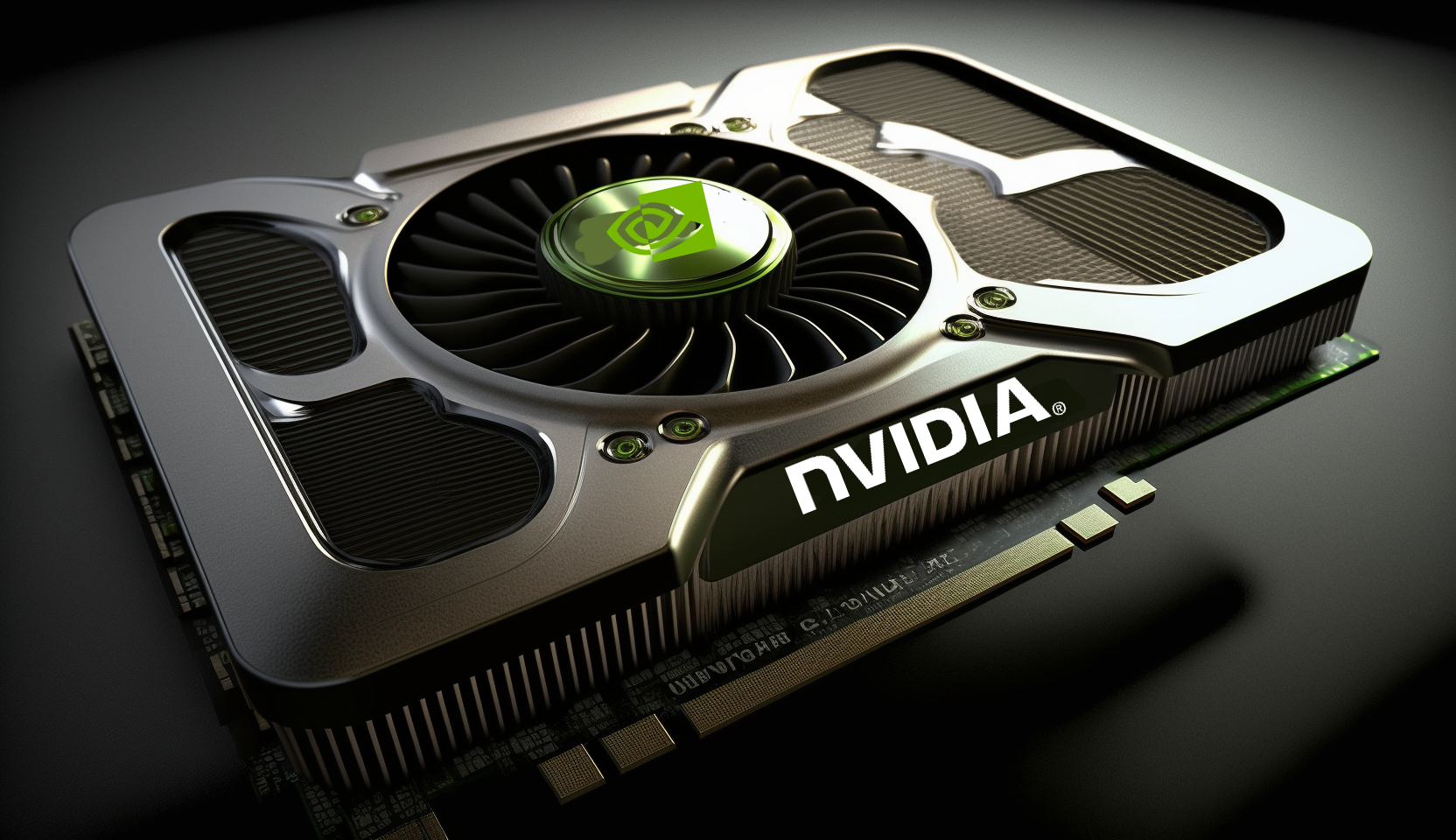
Nvidia Stock Still Has Room to Run in 2024 Despite Massive 200%+ Surge

Nvidia’s share price has skyrocketed over 200% in 2023 alone, but some analysts believe the AI chip maker still has more gas in the tank for 2024. The meteoric rise has pushed Nvidia near trillion-dollar status, leading some to question how much higher the stock can climb. However, bullish analysts argue shares still look attractively priced given massive growth opportunities in AI computing.

Nvidia has emerged as the dominant player in AI chips, which are seeing surging demand from companies developing new generative AI applications. The company’s deals this year with ServiceNow and Snowflake for its H100 chip underscore how major tech firms are racing to leverage Nvidia’s graphics processing units (GPUs) to power natural language systems like ChatGPT.

This voracious appetite for Nvidia’s AI offerings has triggered a wave of earnings upgrades by analysts. Where three months ago Wall Street saw Nvidia earning $10.76 per share this fiscal year, the consensus forecast now stands at $12.29 according to Yahoo Finance data.

Next fiscal year, profits are expected to surge over 67% to $20.50 per share as Nvidia benefits from its pole position in the white-hot AI space. The upgraded outlooks have eased valuation concerns even as Nvidia’s stock price has steadily climbed to nosebleed levels.

Surge Driven by AI Dominance But Valuation Not Overstretched

Nvidia’s trailing P/E ratio now exceeds 65, but analysts note other metrics suggest the stock isn’t overly inflated. For example, Nvidia trades at a PEG ratio of just 0.5 times, indicating potential undervaluation for a hyper-growth company.

Its forward P/E of 24.5 also seems reasonable relative to expected 70%+ earnings growth next year. While far above the market average, analysts argue Nvidia deserves a premium multiple given its AI leadership and firm grasp on the emerging market.

Evercore ISI analyst Matthew Prisco sees a clear path for Nvidia to become the world’s most valuable company, surpassing Apple and Microsoft. But even if that lofty goal isn’t achieved, Prisco notes Nvidia still has ample room for expansion both in revenue and profits for 2024.

Other Catalysts to Drive Growth Despite Stellar Run

Prisco points to Nvidia expanding its customer base beyond AI startups to bigger enterprise players as one growth driver. Increasing production capacity for key AI chips like the H100 is another, which will allow Nvidia to capitalize on the AI boom.

Patrick Moorhead of Moor Insights & Strategy expects the untapped potential in inference AI applications to fuel Nvidia’s next leg higher. This is reminiscent of the machine learning surge that propelled Nvidia’s last massive rally around 2018.

While risks remain like potential profit-taking and Nvidia’s inability to sell advanced AI chips to China, analysts contend the long-term growth story remains solid. Nvidia is firing on all cylinders in perhaps the most disruptive tech space today in AI computing.

With its gaming roots and GPU headstart, Nvidia enjoys a competitive advantage over rivals in the AI chip race. And its platform approach working with developers and marquee customers helps feed an innovation flywheel difficult for challengers to replicate.

Final Thoughts on Nvidia’s Outlook

Nvidia has already achieved meteoric stock gains rarely seen for a mega-cap company. Yet analysts argue its leading position in the AI revolution merits an extended valuation premium despite the triple-digit surge.

Earnings estimates continue marching higher as customers clamor for Nvidia’s AI offerings. While the current P/E is lofty on an absolute basis, growth-adjusted valuations suggest upside remains as Nvidia cements it dominance across AI use cases.

If Nvidia can broaden its customer base, boost production capacity, and capitalize on emerging opportunities like inference AI, shares could continue to charge ahead despite their blistering 2023 rally. With tech titans racing to deploy the next generation of AI, Nvidia looks poised to provide the supercharged semiconductors powering this computing transformation.