Alpayana’s All-Cash Offer for Sierra Metals

Key Points:
– Alpayana offers $1.15/share cash for Sierra Metals in a board-supported bid.
– Sierra Metals’ board recommends shareholders accept the premium offer.
– Experienced Alpayana extends bid deadline to May 12, 2025.

In a development that could significantly impact small and micro-cap mining investors, Sierra Metals Inc. (TSX: SMT) has announced an agreement in principle for an all-cash takeover bid from Alpayana S.A.C. and its Canadian subsidiary, Alpayana Canada Ltd. The offer, priced at CDN $1.15 per common share, represents a board-supported initiative that aims to bring Sierra Metals under the ownership of the experienced Peruvian mining firm.

This agreement marks a potential turning point for Sierra Metals, a Canadian company focused on copper production with additional base and precious metals by-products from its Yauricocha Mine in Peru and Bolivar Mine in Mexico. The all-cash offer provides a clear exit strategy for current shareholders at a defined premium, pending the finalization of a support agreement expected by April 30, 2025.

The CDN $1.15 per share bid has garnered the unanimous support of Sierra Metals’ Board of Directors and a special committee of independent directors. This endorsement is further strengthened by an oral fairness opinion from BMO Capital Markets, Sierra Metals’ financial advisor, which suggests the offer is fair from a financial perspective to the company’s shareholders, subject to certain conditions and limitations. Consequently, the Sierra Metals board will unanimously recommend that shareholders tender their shares to the Supported Bid.

Alpayana’s interest in Sierra Metals comes from a position of financial strength and extensive operational experience. Alpayana is a family-owned, private mining company with over 38 years of experience operating in Peru. Notably, the company boasts annual revenues exceeding US$500 million and is currently debt-free, indicating a robust financial foundation to support this acquisition. Alpayana emphasizes a commitment to sustainable and responsible mining practices, focusing on the well-being of employees, communities, and the environment. Their track record includes successful mergers and acquisitions and a long-term investment perspective.

To facilitate the transaction and provide Sierra Metals shareholders ample time to consider the offer, Alpayana Canada has extended the expiry time of its existing takeover bid to 5:00 p.m. (Toronto time) on May 12, 2025. This extension suggests a commitment from Alpayana to ensure a smooth and considered process for shareholders.

For investors in the small and micro-cap space, this acquisition presents a potential opportunity to realize immediate value on their Sierra Metals holdings. The all-cash nature of the offer removes future market risk associated with the company’s stock. However, for those who believe in Sierra Metals’ long-term growth potential, particularly given its recent discoveries and exploration opportunities in Peru and Mexico, the offer might represent a premature exit.

The coming weeks will be crucial as the support agreement is finalized and Sierra Metals issues an amended Directors’ Circular with further details and its formal recommendation. Investors should carefully review these documents and assess their investment objectives in light of this developing acquisition.

Take a moment to take a look at Noble Capital Markets’ Research Analyst Mark Reichman’s coverage list for more emerging growth industrials and basic industries companies.

Tesla Roars Back Upon New DOT Self-Driving Car Regulations

Key Points:
– Tesla’s stock price jumps significantly following the U.S. Department of Transportation’s new self-driving car regulations.
– The potential entry into the Indian market adds another positive catalyst for the electric vehicle and technology giant.
– CEO Elon Musk’s reduced involvement in the Trump administration is seen as a positive for the brand.

Tesla (TSLA) has seen a dramatic resurgence this week, with its stock price soaring on a wave of positive news, positioning it for a near-20% weekly gain. This rally comes after a challenging period for the electric vehicle (EV) and technology leader, which saw its stock plummet 50% from its December highs to its yearly lows.

The latest spark igniting investor enthusiasm came from the U.S. Department of Transportation (DoT), which unveiled a new framework for self-driving car regulations late Thursday. This framework includes measures to “streamline” reporting requirements for vehicles equipped with automated or driver-assist systems. Transportation Secretary Sean Duffy emphasized the administration’s focus on outpacing China in innovation, stating that the new rules aim to cut red tape and establish a unified national standard that encourages both innovation and safety.

Adding to the positive momentum, the National Highway Traffic Safety Administration (NHTSA) announced an expansion of an existing program. This program, which previously exempted certain foreign-made autonomous vehicles from some review processes to accelerate testing, will now include U.S.-made vehicles. This development is seen as a significant tailwind for Tesla, which has been aggressively pursuing advancements in autonomous driving technology.

During the company’s recent earnings call, CEO Elon Musk reiterated Tesla’s expectation to begin “selling fully autonomous rides in June in Austin.” He further emphasized the company’s long-term vision, stating that “the future of the company is fundamentally based on large-scale autonomous cars and large-scale … numbers of autonomous humanoid robots.” Musk believes that Tesla’s ability to produce truly useful autonomous vehicles and robots at scale and low cost positions the company for “staggering” future value.

Beyond self-driving advancements, Tesla’s stock also received a boost from a Bloomberg report suggesting a potential imminent entry into the Indian market. The report indicated that some customers who had previously placed reservation deposits were receiving refunds, often seen as a precursor to a formal market entry. Tesla acknowledged on its earnings call that it had been “very careful trying to figure out when is the right time” to enter India, given the current tariff structure that could significantly inflate the price of its vehicles. This renewed speculation of entering a potentially massive market like India has clearly excited investors.

Earlier in the week, Tesla’s stock experienced its most significant jump following Elon Musk’s announcement during the earnings call that he would be “significantly” reducing his time spent in the Trump administration, specifically his role leading the Department of Government Efficiency (DOGE). Musk’s involvement in the administration had reportedly weighed on the brand’s perception, particularly in Europe, contributing to slower sales growth in the early part of the year.

Noted Tesla bull Dan Ives of Wedbush Securities described Musk’s step back from his government role as “an off ramp” from a period of “global brand damage” and “political firestorm.” Ives believes this move will allow Musk to refocus on Tesla’s core strengths, particularly autonomous driving and robotics, potentially ushering in a “brighter chapter” for the company.

While this week’s rally has been significant, pushing the stock to its highest level in a month, it’s important to note that Tesla’s stock remains down approximately 30% year-to-date. Ives also cautioned that the “brand damage” caused by Musk’s political involvement “will not go away just by this move” and could have some lasting impact.

Nevertheless, the combination of favorable regulatory developments in the self-driving space, renewed hopes for entry into the Indian market, and a perceived positive shift in Elon Musk’s focus has created a powerful upward momentum for Tesla’s stock, offering a glimmer of hope for investors who have endured a challenging start to 2025.

U.S. Jobless Claims Hold Steady, But Labor Market Appears Stuck in Neutral

Key Points:
– Weekly jobless claims rose to 222,000, staying within a stable range despite wider economic uncertainties.
– The lack of layoffs is encouraging, but economists caution that the labor market appears frozen, with minimal hiring or quitting.
– The Fed is likely to monitor labor dynamics closely as it weighs timing for potential rate cuts.

The U.S. labor market continues to defy expectations of a slowdown—at least on the surface. Initial jobless claims edged up by 6,000 to 222,000 last week, according to data released Thursday by the Labor Department. The slight increase keeps new unemployment claims within the same stable range they’ve occupied for much of 2025, but behind the stability, some economists see signs that the labor market may be losing momentum.

The previous week’s claims were revised slightly upward to 216,000 from the originally reported 215,000. Economists surveyed by The Wall Street Journal had expected new claims to come in at 220,000. Meanwhile, the number of people continuing to receive unemployment benefits—a key measure of longer-term joblessness—fell by 37,000 to 1.84 million for the week ending April 12.

Unadjusted claims, which reflect actual filings without seasonal factors, dropped 11,214 to 209,782. This continued moderation underscores the absence of widespread layoffs, offering some reassurance that the economy remains resilient.

Still, not everyone is convinced the labor market is in good shape. Ellen Zentner, chief U.S. economist at Morgan Stanley, notes that the real story may not be told through jobless claims alone. “We’re not seeing much churn in the labor market,” she said in a CNBC interview. “Workers aren’t quitting, and companies aren’t hiring or firing aggressively either.” This dynamic points to a labor market that’s frozen in place—a phenomenon that can precede softening in employment and wage growth.

Zentner warns that although jobless claims remain low, they no longer reflect a thriving, dynamic job market. Rather, they may be signaling stagnation. In a growing economy, labor turnover is typically higher, with workers moving between jobs and businesses actively competing for talent. The current stillness suggests that companies may be holding off on workforce expansion amid macroeconomic uncertainty, including ongoing tariff disruptions and high interest rates.

These subtle shifts are important as the Federal Reserve continues to evaluate the path of interest rates. With inflation pressures still lingering and mixed signals from consumer spending and business investment, the labor market’s performance will be a key factor in any future Fed decision to cut rates.

So far, Fed Chair Jerome Powell and his colleagues have adopted a wait-and-see approach, emphasizing the need for greater clarity before making policy changes. But if job growth begins to stall while inflation persists, the central bank could find itself walking a narrow tightrope.

For small-cap investors, the lack of hiring may dampen near-term enthusiasm, especially in sectors tied to consumer demand or reliant on workforce expansion. On the other hand, the stability in jobless claims may continue to offer support for companies that are weathering the rate environment with lean operations. With market sentiment currently driven by macro headlines, labor data like today’s report is becoming increasingly critical to gauge future equity trends.

UPS to Acquire Andlauer Healthcare Group for $1.6B, Bolstering Cold Chain Logistics Leadership

Key Points:
– UPS will acquire Canada-based Andlauer Healthcare Group for $1.6B to strengthen cold chain and healthcare logistics capabilities.
– The deal gives UPS deeper access to Canadian markets and expands its global healthcare supply chain footprint.
– AHG’s founder Michael Andlauer will continue to lead operations post-acquisition, helping to integrate and scale services under UPS Healthcare.

UPS is taking a significant leap forward in healthcare logistics with its agreement to acquire Canada-based Andlauer Healthcare Group (AHG) for approximately $1.6 billion USD (CAD $2.2 billion). The deal, set to close in the second half of 2025, marks a strategic expansion of UPS Healthcare’s cold chain capabilities and its broader push to become the global leader in complex healthcare logistics.

Under the terms of the acquisition, AHG shareholders will receive CAD $55.00 per share in cash, a substantial premium that reflects the value of AHG’s specialized supply chain and third-party logistics offerings tailored to the healthcare sector. The transaction is subject to shareholder approval and regulatory clearance but has already secured support from AHG’s controlling shareholder, Michael Andlauer.

This acquisition arrives at a critical moment for healthcare logistics. Demand for temperature-sensitive and high-precision delivery of pharmaceuticals, biologics, and medical devices has grown rapidly in recent years, driven by the rise of advanced therapies, clinical trials, and global vaccine distribution efforts. UPS is positioning itself to meet those demands with a highly integrated global network, now enhanced by AHG’s robust infrastructure and expertise.

AHG brings to the table a coast-to-coast Canadian distribution network, a suite of customized logistics solutions, and proven cold chain transportation capabilities. These services will become part of UPS Healthcare’s expanding footprint, which already boasts over 19 million square feet of cGMP and GDP-compliant distribution space across the globe.

Michael Andlauer, AHG’s founder and CEO, will continue to lead the company following the acquisition, heading UPS Canada Healthcare and helping to guide the integration. “UPS Healthcare and AHG employees share a similar customer and patient-centric culture,” said Andlauer. “Once the transaction is completed, the businesses will offer an even broader set of specialized logistics services to customers throughout Canada.”

Kate Gutmann, EVP and president of International, Healthcare and Supply Chain Solutions at UPS, said the move is aligned with UPS’s mission to be the premier global healthcare logistics provider. “This acquisition marks another important step in our declaration to be the number one complex healthcare logistics and premium international logistics provider in the world,” she said.

The acquisition is also expected to drive growth for UPS by expanding its cold chain capabilities and enhancing services for healthcare customers who require strict temperature control, visibility, and compliance throughout the logistics chain. As UPS builds out its global logistics infrastructure, this move strategically complements earlier investments in technology, infrastructure, and customer-driven healthcare solutions.

For investors in the healthcare logistics and small-cap space, the AHG acquisition underscores growing M&A interest in niche logistics providers with deep industry specialization. It also signals UPS’s continued focus on high-growth, high-margin sectors, and its commitment to staying ahead in the evolving global healthcare ecosystem.

Take a moment to take a look at more emerging growth healthcare companies by taking a look at Noble Capital Markets’ Research Analyst Robert LeBoyer’s coverage list.

New Home Sales Surge in March Despite Mounting Cost Pressures

Key Points:
– New home sales rose 7.4% in March, driven by increased inventory and strong spring demand, especially in the South.
– Tariffs on steel and aluminum are expected to raise construction costs, with builders warning of price hikes later in 2025.
– Mortgage rates near 7% continue to limit affordability, but buyer activity remains resilient due to builder incentives and more supply.

New home sales in the U.S. saw a notable boost in March, as builders responded to seasonal demand with more inventory, despite challenges from rising mortgage rates and looming tariff-related cost hikes. The spring buying season got a lift, with the Census Bureau reporting a 7.4% jump in new home sales to a seasonally adjusted annual rate of 724,000 units — handily beating Bloomberg’s forecast of 685,000.

The increase reflects a strong start to what is typically the busiest time of the year for housing. Supply also played a critical role. Inventory rose to 503,000 new homes for sale at the end of March, the highest level since 2007, giving buyers more options amid a tight resale market. This bump in supply helped spur activity, especially in the South, where sales jumped at the fastest pace in nearly four years. The Midwest also saw gains, while activity declined in the West and Northeast.

The housing market’s momentum comes despite ongoing headwinds. Mortgage rates, which hover near 7%, continue to limit affordability for many buyers. These rates follow the trajectory of the 10-year Treasury yield, which has climbed recently amid investor unease about U.S. fiscal policy and political volatility. President Trump’s tariff policies and recent public threats to replace Federal Reserve Chair Jerome Powell have created further market anxiety, causing bond yields to rise and adding pressure on borrowing costs.

High interest rates aren’t the only affordability hurdle. The average new home sales price rose 1% in March to $497,700, while the median price dropped 7.5% to $403,600. This pricing mix suggests more movement in entry-level housing, likely a response to strong demand from first-time buyers and younger households.

Still, looming tariff pressures threaten to raise construction costs and squeeze builder margins. During a recent earnings call, PulteGroup warned that tariffs could increase construction expenses by about 1% in the back half of 2025, translating to an average of $5,000 more per home. CEO Ryan Marshall said the added costs would impact “every single price point and consumer group,” raising concerns about future pricing flexibility.

Taylor Morrison, another major builder, echoed these concerns, forecasting low single-digit housing cost inflation for the year. The culprit: U.S. tariffs on imported steel and aluminum, which are integral to HVAC systems, cable infrastructure, and other construction materials. These added costs are expected to hit hardest in Q4, as builders begin new projects under higher input prices.

To sustain buyer interest, many builders have leaned on incentives — including mortgage rate buydowns and design upgrades — but the staying power of this strategy remains uncertain. As cost pressures grow and rate cuts remain off the table for now, builders may have to choose between profit margins and affordability.

Despite these challenges, the resilience in March’s new home sales shows that the housing market still has underlying strength. For now, buyers appear willing to move forward when supply meets their needs — even in the face of higher borrowing costs.

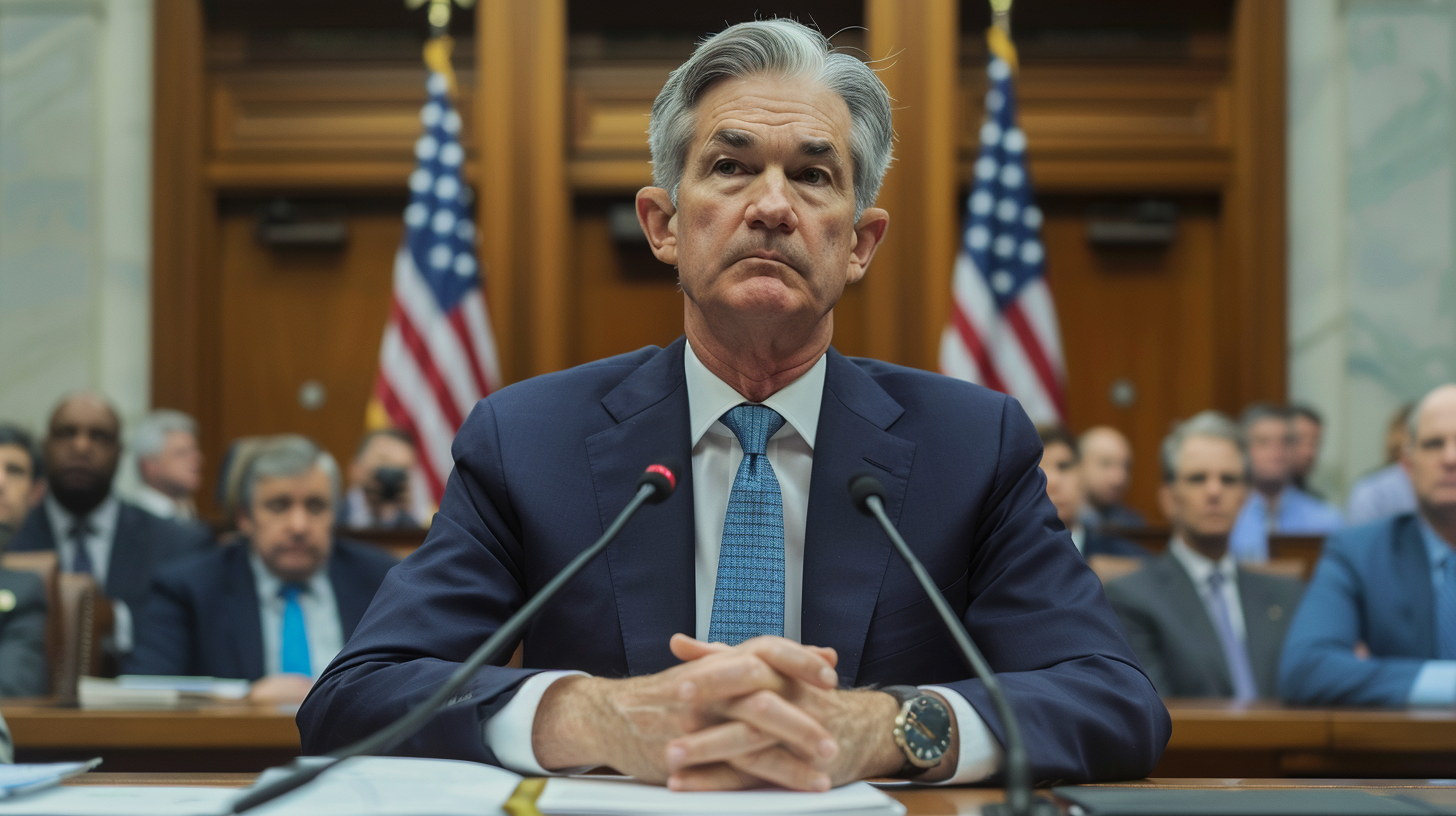
Could Michael Burry Replace Jerome Powell?

Earlier this month, a satirical meme circulated on social media, suggesting that President Donald Trump is considering Michael Burry to replace Jerome Powell as Chair of the Federal Reserve. While clearly intended as a joke, the meme has ignited discussions about the intersection of politics, finance, and the influence of unconventional figures like Burry.​

Michael Burry, renowned for predicting the 2008 housing market crash—a story dramatized in The Big Short—has long been a controversial figure in the investment world. His hedge fund, Scion Asset Management, is known for contrarian bets and a penchant for swimming against the tide of mainstream financial thought.​

President Trump’s strained relationship with Jerome Powell is well-documented. During his first term, Trump frequently criticized Powell’s interest rate decisions, and tensions have reportedly persisted into his second term. The meme, though satirical, taps into real sentiments about potential changes in Federal Reserve leadership.​

Burry’s recent investment moves add another layer to the conversation. According to Scion Asset Management’s Q4 2024 13F filing, Burry has reallocated his portfolio, reducing positions in major Chinese tech companies like Alibaba, Baidu, and JD.com, while increasing investments in healthcare and consumer sectors, including companies like Molina Healthcare and Estee Lauder . This shift indicates a strategic move towards more defensive sectors amid global economic uncertainties.​

The meme’s suggestion of Burry as a potential Fed Chair, while facetious, underscores a broader discourse on the direction of U.S. monetary policy under Trump’s leadership. Burry has been vocal about his concerns regarding inflation and the consequences of prolonged low-interest rates, often expressing skepticism about the Federal Reserve’s strategies.​

While it’s highly improbable that Burry would be appointed to lead the Federal Reserve, the meme reflects a growing appetite for unconventional approaches to economic policy. As the U.S. navigates complex financial challenges, the idea of a maverick investor like Burry at the helm, though unlikely, captures the imagination of a public weary of traditional economic stewardship.​

In the end, the meme serves as a cultural touchstone, highlighting the public’s engagement with economic policy and the figures who influence it. Whether viewed as satire or a commentary on the current state of affairs, it brings to light the dynamic interplay between politics, finance, and public perception in 2025.​

Solar Stocks Surge as US Announces Steep Tariffs on Southeast Asian Panel Imports

Key Points
– US plans tariffs up to 3,521% on solar panel imports from four Southeast Asian nations.
– Domestic solar stocks surged, led by First Solar and Sunnova Energy.
– The move could revive US-based solar manufacturing and reshape the industry.

Solar stocks rallied Tuesday after the US Department of Commerce unveiled plans to impose massive tariffs — as high as 3,521% — on solar panel imports from four Southeast Asian countries. The move sent shares of domestic solar manufacturers sharply higher as investors bet on a wave of renewed demand for American-made panels.

First Solar (FSLR) led the charge, soaring more than 9%, while Sunnova Energy (NOVA) jumped over 12%. Other solar-related names like SolarEdge Technologies (SEDG), Array Technologies (ARRY), and Enphase Energy (ENPH) also posted notable gains. The Invesco Solar ETF (TAN), a barometer for the sector, rose nearly 5% on the day, signaling a broad-based rally.

The proposed duties follow a yearlong investigation into claims that Chinese solar manufacturers were using proxy operations in Southeast Asia to circumvent earlier trade restrictions. The Commerce Department concluded that imports from Cambodia, Malaysia, Thailand, and Vietnam were being “dumped” into the US market — sold at artificially low prices — with the backing of Chinese state subsidies. Companies in Cambodia that failed to cooperate with the probe face the stiffest penalties.

If approved by the International Trade Commission (ITC), the tariffs could reshape the competitive landscape for solar panel manufacturing, providing a significant tailwind for US-based producers. The ITC has until June 2 to determine whether the subsidized imports harmed the domestic solar industry — a key requirement before the Commerce Department can implement the levies.

The decision is a major victory for the American Alliance for Solar Manufacturing, a coalition of US-based producers that pushed for the trade probe. The group has long argued that Chinese-headquartered firms have gamed the system by establishing operations in neighboring countries while continuing to benefit from Chinese subsidies. Advocates say the resulting price suppression has undermined domestic companies and led to job losses across the sector.

For US manufacturers, the announcement caps years of efforts to shift production closer to home — a trend first accelerated by the Biden administration’s Inflation Reduction Act, which offered tax incentives for domestic clean energy development. Companies like Enphase and First Solar have been actively reshoring production. First Solar, for example, opened a new facility in Alabama last year and now boasts a sizable manufacturing footprint in Ohio and Louisiana.

Despite Tuesday’s rally, solar stocks have struggled in 2025. Rising interest rates have increased financing costs for consumers, putting downward pressure on demand. The sector was also rattled by political headwinds following President Trump’s return to the White House and his vocal support for traditional energy. The tariffs, however, may signal a shift — a more nuanced approach to energy independence that could favor domestic solar even under a fossil fuel-friendly administration.

While the solar ETF TAN remains down more than 13% year to date and 27% lower over the past 12 months, the tariff announcement could serve as a turning point. Investors appear to be recalibrating their expectations for the space, betting that the tariff protections will help stabilize margins and renew growth.

If finalized, the tariffs could usher in a new chapter for American solar, one where domestic innovation and manufacturing play a central role in the industry’s expansion.

Bitcoin Breaks Out as Safe-Haven Bet Amid Market Chaos

Key Points
– Bitcoin has rallied nearly 20% in April, diverging from slumping tech stocks.
– The cryptocurrency is trading more like gold amid geopolitical and economic uncertainty.
– ETF inflows and technical levels suggest further upside momentum.

Bitcoin has staged a striking rally in April, jumping nearly 20% from its early-month lows and defying the broader risk-off sentiment that’s gripped traditional markets. As stocks slumped, particularly in tech, and the U.S. dollar weakened under pressure from geopolitical volatility and economic uncertainty, Bitcoin began to chart a different path — one that more closely mirrors gold than growth stocks.

The largest cryptocurrency surged to nearly $90,000 on Tuesday, its highest level since early March, in a move that’s reigniting hopes of a long-awaited decoupling from U.S. tech equities. For most of the past two years, Bitcoin has traded like a highly volatile cousin of the Nasdaq, rising and falling with investor appetite for risk. But as the market landscape shifts under the weight of aggressive tariffs, inflation worries, and political drama in Washington, Bitcoin’s narrative as a “digital store of value” is once again gaining traction.

The turning point appears to have been the fallout from President Donald Trump’s sweeping tariff moves and his pointed attacks on Federal Reserve Chair Jerome Powell. These developments rattled markets and sent investors scrambling for assets perceived to be safe havens. Gold rocketed past $3,500 an ounce — a record — while the dollar slid to a 15-month low. Meanwhile, Bitcoin’s climb has started to mirror gold’s trajectory rather than tech’s slide.

Analysts see this shift as potentially foundational for the crypto space. Augustine Fan, a partner at crypto trading platform SignalPlus, noted that after a year of being labeled a “leveraged Nasdaq proxy,” Bitcoin is finally showing signs of reclaiming its original appeal as an alternative to fiat-based monetary systems. As questions mount over U.S. financial leadership and the credibility of the Fed’s independence, some investors are once again turning to decentralized assets as a hedge against systemic instability.

Adding to the momentum, U.S.-listed Bitcoin ETFs saw $381 million in inflows on Monday — their largest single-day intake since January. That marks a meaningful vote of confidence from institutional investors, who appear to be reallocating from traditional assets into Bitcoin in response to changing macro conditions.

Technical analysts also see room for continued upside. If Bitcoin can sustain levels above $88,800, several market watchers forecast a push toward the $92,000 to $94,000 range. For now, Bitcoin is benefiting from a rare combination of macro catalysts: weaker dollar, shaky central bank leadership, and increasing demand for liquid alternatives to traditional hedges.

For investors in small and micro-cap stocks, Bitcoin’s rise amid market turmoil may offer indirect encouragement. A shift in sentiment toward alternative assets often coincides with a renewed appetite for asymmetric opportunities — and the small-cap space typically sees a resurgence when investors move beyond large-cap safety plays in search of growth. If Bitcoin’s rally proves durable, it could signal a broader re-risking in pockets of the market not tethered to mega-cap tech.

CMOC Acquires Lumina Gold for C$581 Million in All-Cash Deal

Key Points:
– CMOC’s acquisition of Lumina Gold offers shareholders a 71% premium over the 20-day VWAP and a 41% premium over the April 17, 2025 closing price.​
– The acquisition aims to propel the development of the Cangrejos project, one of the largest primary gold deposits globally, with CMOC providing interim financing to support ongoing needs.​
– The deal reflects strong investor confidence in the mining sector, potentially influencing indices like the Russell 2000 and upcoming Russell reconstitution.

Lumina Gold Corp. (TSXV: LUM) has announced a definitive agreement to be acquired by CMOC Singapore Pte. Ltd., a subsidiary of CMOC Group Limited, in a strategic all-cash transaction valued at approximately C$581 million. Under the deal, CMOC will purchase all outstanding Lumina shares at C$1.27 per share — a significant premium that reflects growing interest in high-potential gold projects and underscores the strategic value of Lumina’s flagship asset, the Cangrejos project in Ecuador.

This premium amounts to a 71% increase over Lumina’s 20-day volume-weighted average price (VWAP) and a 41% premium to its closing price on April 17. The all-cash offer, which is not subject to financing conditions, offers immediate liquidity to shareholders and removes future exposure to commodity and execution risks.

Backed by over a decade of exploration and development, Lumina has transformed the Cangrejos project from an undeveloped parcel into one of the largest primary gold deposits in the world. With proven scale and a completed Pre-Feasibility Study in 2023, Cangrejos represents a cornerstone asset for CMOC’s continued expansion into Latin America’s resource-rich regions.

As part of the transaction, CMOC has also committed to interim financing of US$20 million via unsecured convertible notes to support near-term development. The notes carry a 6% annual interest rate and a conversion price of C$1.00 per share — itself an 11% premium to Lumina’s market close at the time of signing.

Lumina’s board of directors unanimously approved the transaction following a recommendation from a special committee of independent directors. Shareholders holding 52.3% of Lumina’s outstanding shares have already entered into support agreements to vote in favor of the acquisition. The board also received a fairness opinion from RBC Capital Markets, affirming that the offer is fair from a financial standpoint.

CEO Marshall Koval expressed confidence in the new ownership, noting, “The Lumina team is excited for the transition of the Cangrejos project to CMOC. We look forward to working with them and our stakeholders to ensure the project’s success.” His optimism reflects not just a major milestone for Lumina but also growing global confidence in strategic resource development.

The transaction still requires regulatory approvals, court sanctioning, and support from two-thirds of Lumina’s shareholders and option/RSU holders at a special meeting. If completed as expected in Q3 2025, Lumina will be delisted from the TSXV and will cease to be a reporting issuer under Canadian securities laws.

For the broader market — especially small-cap mining investors — the deal signals a strong vote of confidence in the long-term value of precious metals. As geopolitical tensions and economic uncertainty drive interest in hard assets, acquisitions like this could draw renewed attention to junior miners with quality assets and strong development pipelines. With the Russell Reconstitution on the horizon, such transactions could also influence index inclusion for mining-focused small caps, giving them greater visibility and institutional exposure.

In the current environment, CMOC’s acquisition of Lumina is more than just a business deal — it’s a strategic alignment that underscores the future of gold exploration and the global appetite for untapped mineral wealth.

Trump’s Powell Threat Rattles Wall Street, Ignites Flight from U.S. Assets

Key Points:
– Stocks and the U.S. dollar dropped as markets reacted to Trump’s threat to remove Fed Chair Jerome Powell.
– Concerns over Fed independence sparked a flight from U.S. assets into gold and foreign bonds.
– Investors fear increased volatility, weakening confidence in the dollar and U.S. monetary policy.

On Monday, April 21, 2025, U.S. financial markets experienced significant volatility following President Donald Trump’s renewed criticism of Federal Reserve Chair Jerome Powell. Trump’s public suggestion that he may attempt to remove Powell has heightened concerns about political interference in monetary policy — a cornerstone of market confidence. The S&P 500 dropped over 1%, while the Bloomberg Dollar Index fell to a 15-month low. Treasury yields jumped, pushing the 10-year above 4.4%, reflecting the market’s unease with rising inflation risk and a potentially less independent Fed.

At the same time, investors poured into safe-haven assets. Gold surged to a record above $3,400 an ounce, while the Swiss franc and Japanese yen rallied. The sharp movements signal not just a knee-jerk reaction to headlines, but deeper anxiety over the future of monetary policy. Analysts have warned that undermining the Fed’s credibility could cause long-term damage to the dollar’s global reserve status and complicate the central bank’s ability to steer the economy during periods of stress.

Markets are now on edge over the prospect of a politicized Federal Reserve. National Economic Council Director Kevin Hassett confirmed that Trump is reviewing the legality of removing Powell — a move seen by many as extreme and historically unprecedented. While legal scholars argue the president lacks the authority to fire the Fed Chair without cause, the noise alone has proven enough to shake investor confidence. Fed officials have maintained a measured tone, but Chicago Fed President Austan Goolsbee warned over the weekend that undermining central bank independence is a dangerous path.

For small and micro-cap investors, the ripple effects are particularly pronounced. These companies typically have tighter margins, higher debt costs, and fewer international buffers than large-cap peers. In a rising rate or inflationary environment — or worse, one with erratic policy signals — smaller firms can see financing dry up and market multiples compress rapidly. Investors focused on this space should be watching both policy headlines and macroeconomic indicators closely, as volatility may linger longer than anticipated.

Adding to market pressure, geopolitical tensions have grown. Reports that Chinese investors are reducing U.S. Treasury holdings in favor of European and Japanese debt point to an early-stage shift in global capital allocation. If trust in U.S. governance continues to erode, further capital outflows could strain markets even more. At the same time, the White House’s ongoing tariff disputes are reshaping trade routes and disrupting sectors from tech to commodities. All of this contributes to an environment where capital seeks safety — and where policymaker credibility is paramount.

This shifting market sentiment could have meaningful implications for small-cap stocks, particularly those tracked by the Russell 2000. As investors rotate away from large-cap tech and U.S. dollar-denominated assets, the Russell’s reconstitution later this year may spotlight high-quality domestic companies with strong fundamentals and less exposure to geopolitical volatility. For savvy investors, this uncertainty could ultimately shine a light on overlooked small-cap opportunities poised to benefit from changing capital flows and renewed interest in U.S.-focused growth stories.

Hemisphere Energy (HMENF) – 2024 Financial Results In line with Expectations, 2025 Outlook


Monday, April 21, 2025

Mark Reichman, Managing Director, Equity Research Analyst, Natural Resources, Noble Capital Markets, Inc.

Hans Baldau, Research Associate, Noble Capital Markets, Inc.

Refer to the full report for the price target, fundamental analysis, and rating.

Full-year 2024 financial results. Hemisphere Energy reported full-year net income and earnings per share of C$33.1 million and C$0.33, respectively, slightly above our estimates of C$32.3 million and C$0.32. The variance is mainly due to stronger oil pricing of $79.48, compared to our estimate of $76.31. Year-over-year, oil and natural gas revenue increased ~18% to C$79.7 million from C$67.7 million. This increase was driven by increased production and more robust pricing of 3,436 barrels of oil equivalent per day (boe/d) and $79.48, respectively, compared to 3,125 boe/d and $74.07. Likewise, adjusted funds flow (AFF) increased 16% in 2024 to C$45.8 million from C$39.4 million in 2023. We had forecast AFF of C$45.4 million.

Updating estimates. Based on lower crude oil price estimates, we are lowering our 2025 net income and earnings per share estimates to C$30.3 million and C$0.29, respectively, from C$37.2 million and C$0.37. Additionally, we are decreasing our adjusted funds flow estimate to C$42.9 million from C$50.6 million. We are maintaining our 2025 average daily production estimate of 3,900 boe/d, an increase of ~14% over 2024.


Get the Full Report

Equity Research is available at no cost to Registered users of Channelchek. Not a Member? Click ‘Join’ to join the Channelchek Community. There is no cost to register, and we never collect credit card information.

This Company Sponsored Research is provided by Noble Capital Markets, Inc., a FINRA and S.E.C. registered broker-dealer (B/D).

*Analyst certification and important disclosures included in the full report. NOTE: investment decisions should not be based upon the content of this research summary. Proper due diligence is required before making any investment decision. 

Aurania Resources (AUIAF) – First Tranche of Private Placement Financing Closed


Monday, April 21, 2025

Mark Reichman, Managing Director, Equity Research Analyst, Natural Resources, Noble Capital Markets, Inc.

Refer to the full report for the price target, fundamental analysis, and rating.

Private placement financing. Aurania Resources Ltd. closed the first tranche of its previously announced non-brokered private placement financing of up to 5,000,000 units at a price of C$0.30 per unit for gross proceeds of up to C$1,500,000. An aggregate of 3,182,899 units were sold under the first tranche for gross proceeds of C$954,869.70. Dr. Keith Barron, CEO and a director, acquired 1,000,000 units under the offering and owns or exercises control over 47,672,635 common shares, 1,752,992 options, and 12,399,135 warrants representing 44.41% and 50.88% of the company’s issued and outstanding common shares on a non-diluted and partially diluted basis, respectively.

Terms of the offering. Each unit is composed of one common share and one common share purchase warrant. Each warrant entitles the holder to purchase one common share at an exercise price of C$0.55 for a period of 24 months following the closing of the first tranche. To accommodate demand, Aurania may increase the size of the offering by up to 25% and expects to close the remaining tranche(s) on or around April 24.


Get the Full Report

Equity Research is available at no cost to Registered users of Channelchek. Not a Member? Click ‘Join’ to join the Channelchek Community. There is no cost to register, and we never collect credit card information.

This Company Sponsored Research is provided by Noble Capital Markets, Inc., a FINRA and S.E.C. registered broker-dealer (B/D).

*Analyst certification and important disclosures included in the full report. NOTE: investment decisions should not be based upon the content of this research summary. Proper due diligence is required before making any investment decision. 

Eli Lilly’s Weight Loss Pill Hits Milestone, Boosts Shares as Pill Nears Market Readiness

Key Points:
– Eli Lilly’s daily obesity pill orforglipron showed strong weight loss and blood sugar control results in its first late-stage diabetes trial.
– The oral treatment, seen as a needle-free rival to Ozempic and Wegovy, positions Lilly to lead the $150B GLP-1 market.

Eli Lilly’s experimental weight-loss pill, orforglipron, has demonstrated promising results in its first late-stage clinical trial involving patients with type 2 diabetes, marking a significant advancement in the treatment of obesity and diabetes. The once-daily oral medication led to substantial weight loss and improved blood sugar control, positioning it as a potential game-changer in the rapidly expanding market for GLP-1 receptor agonists.

In the 40-week trial, patients taking the highest dose of orforglipron experienced an average weight loss of 7.9%, approximately 16 pounds, without reaching a plateau, indicating the possibility of continued weight reduction beyond the study period. Additionally, the drug lowered hemoglobin A1c levels—a key measure of blood sugar—by 1.3% to 1.6% across various doses, compared to a 0.1% reduction in the placebo group.

The safety profile of orforglipron was comparable to existing injectable GLP-1 therapies, with gastrointestinal side effects such as nausea, vomiting, and diarrhea being the most common. These side effects were generally mild to moderate and occurred primarily during the dose-escalation phase. Notably, only about 8% of participants discontinued treatment due to adverse effects, aligning with expectations for this class of drugs.

The trial results have generated significant enthusiasm in the pharmaceutical industry, with Eli Lilly’s shares rising by up to 17% following the announcement. Analysts highlight the convenience of a daily pill over weekly injections, which could enhance patient adherence and broaden the drug’s appeal. Furthermore, as a nonpeptide molecule, orforglipron is easier to manufacture and does not require dietary restrictions, potentially improving accessibility and affordability.

Eli Lilly plans to seek regulatory approval for orforglipron’s use in treating obesity by the end of 2025, with an application for type 2 diabetes treatment anticipated in 2026. The company is conducting seven late-stage studies on the pill, including five focused on diabetes and two on obesity, to support these applications.

If approved, orforglipron would be the first oral GLP-1 receptor agonist for weight loss, offering a needle-free alternative to popular injectable treatments like Ozempic and Wegovy. This innovation could significantly impact the global obesity treatment market, which some analysts project could exceed $150 billion annually by the early 2030s, with oral GLP-1 drugs comprising a substantial portion of that market.

While the initial results are promising, further data on cardiovascular outcomes and long-term safety are awaited to fully assess orforglipron’s potential. Nonetheless, the successful trial marks a pivotal step toward expanding treatment options for individuals with obesity and type 2 diabetes, potentially transforming the landscape of metabolic disease management.