Century Lithium Corp. (CYDVF) – Angel Island Permitting Advances


Thursday, September 10, 2026

Mark Reichman, Managing Director, Equity Research Analyst, Natural Resources, Noble Capital Markets, Inc.

Refer to the full report for the price target, fundamental analysis, and rating.

A major milestone. Century Lithium reached a major permitting milestone at its 100%-owned Angel Island Lithium Project in Nevada with the submission of its Mine Plan of Operations and Nevada Reclamation Permit Application. The Plan of Operations formally defines the proposed project for federal environmental review and moves Angel Island into the National Environmental Policy Act (NEPA) process.

Angel Island lithium project. Angel Island will be a large, long-life surface mine designed to produce battery-grade lithium carbonate on site. Development would be phased from approximately 8,300 tons per day during the first four years to as much as 16,500 tons per day from years five through 40, supported by direct lithium extraction, closed-loop water recycling, and significant power and water infrastructure.


Get the Full Report

Equity Research is available at no cost to Registered users of Channelchek. Not a Member? Click ‘Join’ to join the Channelchek Community. There is no cost to register, and we never collect credit card information.

This Company Sponsored Research is provided by Noble Capital Markets, Inc., a FINRA and S.E.C. registered broker-dealer (B/D).

*Analyst certification and important disclosures included in the full report. NOTE: investment decisions should not be based upon the content of this research summary. Proper due diligence is required before making any investment decision. 

Ocugen (OCGN) – Interim Analysis Report Recommends Continuing Stargardt Phase 2/3 Trial, But Causes Confusion


Thursday, September 10, 2026

Robert LeBoyer, Senior Vice President, Equity Research Analyst, Biotechnology, Noble Capital Markets, Inc.

Refer to the full report for the price target, fundamental analysis, and rating.

The DMC Recommends Continuing The GARDian Trial. Data Monitoring Committee (DMC) has completed its planned interim analysis of the Phase 2/3 GARDian trial of OCU410ST in Stargardt disease. The analysis included 26 patients out of the planned enrollment of about 50, evaluating 16 treated patients and 10 controls. The DMC recommended continuing the trial as planned, with an evaluation of the entire patient population at 8 months after treatment. We believe the disclosure has led to misinterpretation of the recommendation.

The Evaluation Included Just Half The Enrollment In An Orphan-Sized Trial. Stargardt is an Orphan disease with a Phase 2/3 trial based on a small enrollment of about 50 patients. While this helps enrollment, each patient’s data has a larger impact than in larger trials.


Get the Full Report

Equity Research is available at no cost to Registered users of Channelchek. Not a Member? Click ‘Join’ to join the Channelchek Community. There is no cost to register, and we never collect credit card information.

This Company Sponsored Research is provided by Noble Capital Markets, Inc., a FINRA and S.E.C. registered broker-dealer (B/D).

*Analyst certification and important disclosures included in the full report. NOTE: investment decisions should not be based upon the content of this research summary. Proper due diligence is required before making any investment decision. 

Resolution Minerals Ltd (RML) – Nasdaq Listing Expands U.S. Investor Access


Thursday, September 10, 2026

Mark Reichman, Managing Director, Equity Research Analyst, Natural Resources, Noble Capital Markets, Inc.

Refer to the full report for the price target, fundamental analysis, and rating.

Nasdaq listing enhances Resolution’s U.S. market presence. Resolution Minerals’ American Depositary Shares, or ADSs, commenced trading on the Nasdaq Capital Market on September 9, 2026, under the ticker RML. Each ADS represents 200 ordinary Resolution shares, while the ASX remains the company’s primary listing. Resolution did not conduct a U.S. capital raise in connection with the Nasdaq listing.

The listing supports Resolution’s broader U.S. strategy. We expect the Nasdaq listing to increase the company’s visibility among U.S. retail and institutional investors and strengthen its ability to raise capital in the United States. The timing is favorable given heightened U.S. interest in securing domestic supplies of critical minerals, particularly tungsten and antimony.


Get the Full Report

Equity Research is available at no cost to Registered users of Channelchek. Not a Member? Click ‘Join’ to join the Channelchek Community. There is no cost to register, and we never collect credit card information.

This Research is provided by Noble Capital Markets, Inc., a FINRA and S.E.C. registered broker-dealer (B/D).

*Analyst certification and important disclosures included in the full report. NOTE: investment decisions should not be based upon the content of this research summary. Proper due diligence is required before making any investment decision. 

Nasdaq Deepens Push Into Tokenized Stocks With $100 Million Payward Investment

Nasdaq (NASDAQ: NDAQ) announced Thursday that it is expanding its relationship with Payward, the parent company of Kraken, as part of a broader effort to bring tokenized equities into mainstream capital markets infrastructure.

The agreement includes a $100 million investment by Nasdaq Ventures in Payward, continued development of the Nasdaq Equity Token (NET) framework, and a new market-surveillance agreement covering Payward’s trading venues. Nasdaq said it expects NETs to launch in the second quarter of 2027, subject to the necessary regulatory and operational work.

For Nasdaq, the appeal is not simply adding blockchain technology to stock trading. The company is positioning tokenization as a way to make capital markets more continuous, efficient and globally connected while preserving the investor protections, issuer rights and market-integrity standards that underpin traditional exchanges.

What Is a Tokenized Stock?

At its simplest, a tokenized equity is a digital representation of ownership in a company recorded on a blockchain or distributed ledger. The underlying economic exposure can resemble that of a traditional share, but the ownership record and transfer mechanics are handled through blockchain-based infrastructure rather than solely through conventional securities systems.

That distinction matters because tokenization can potentially change how securities are transferred, settled and used as collateral. Proponents argue that blockchain-based securities could support faster settlement, fractional ownership, broader access and more automated handling of functions such as dividends or voting. At the same time, tokenized equities remain securities and still have to operate within applicable regulatory frameworks.

Nasdaq’s approach is particularly notable because it is trying to avoid creating a separate parallel market that sits outside traditional exchange protections. Under its framework, a security could exist in either conventional or tokenized form while preserving the same economic rights and, in Nasdaq’s model, the same issuer protections.

Why Nasdaq Thinks Tokenization Could Improve Markets

One of the biggest potential benefits is settlement efficiency. Today, U.S. equity trades generally settle one business day after execution. Before that settlement occurs, clearing institutions must manage counterparty exposure and require collateral against outstanding obligations. Payward co-CEO Arjun Sethi noted in Thursday’s announcement that more than $2 trillion of stock trades move through the U.S. clearing system each day, with trades netted down by roughly 98% before final settlement.

Moving securities onto blockchain-based rails could reduce the amount of time assets and cash remain in transit between counterparties. In theory, faster or even near-instant settlement could lower collateral requirements, improve capital efficiency and allow investors and institutions to redeploy assets more quickly.

That fits into Nasdaq’s broader vision of always-on market infrastructure — systems capable of moving capital, collateral and securities more continuously across markets instead of being tied entirely to traditional trading and settlement windows. Nasdaq is already moving in that direction elsewhere, including plans to extend trading on the Nasdaq Stock Market toward a 24-hour structure.

Kraken Brings the Crypto Infrastructure

Payward gives Nasdaq an established digital-asset partner. Kraken is one of the largest global cryptocurrency trading platforms, while Payward also operates the infrastructure behind xStocks, a tokenized-equities ecosystem designed to provide blockchain-based exposure to publicly traded stocks.

Earlier this year, Nasdaq and Payward began working together on an equities transformation gateway intended to connect regulated securities infrastructure with digital networks. The goal is to allow tokenized equities to move between traditional, permissioned market systems and blockchain-based environments without stripping away the rights associated with the underlying shares.

Thursday’s $100 million investment deepens that relationship and signals that Nasdaq views the project as more than an experimental blockchain initiative. The companies will now work on the global distribution, trading and post-trade infrastructure needed to support broader adoption of NETs. Payward will also deploy Nasdaq’s surveillance technology across its crypto, equities, tokenized-equities, futures and options venues.

That surveillance agreement is important because one of the central questions surrounding digital-asset markets has been whether blockchain-based trading can offer the same level of transparency and oversight investors expect from regulated securities exchanges. Nasdaq is effectively betting that tokenization will gain broader acceptance if the technology is paired with familiar market controls rather than positioned as a replacement for them.

Tokenization Is Already Moving Into Traditional Finance

The Nasdaq initiative is part of a much larger shift underway across financial markets. Blockchain-based assets were once largely associated with cryptocurrencies, but major financial institutions have increasingly begun experimenting with tokenized versions of traditional assets such as U.S. Treasuries, money-market funds, private credit and securities.

BlackRock’s tokenized U.S. dollar institutional liquidity fund, BUIDL, has been one of the most visible examples. The fund uses blockchain infrastructure to represent ownership interests and facilitate eligible on-chain transfers while continuing to invest primarily in traditional short-term assets such as Treasury bills and repurchase agreements.

The next step is equities. If tokenized stocks can preserve traditional shareholder rights while operating on digital rails, they could potentially allow investors to transfer securities more easily between platforms, use stocks more efficiently as collateral and eventually trade or settle assets across a broader range of hours and jurisdictions.

The Infrastructure May Matter More Than the Token

For investors, it can be tempting to focus on the novelty of owning a stock as a blockchain token. But the more significant change may be happening behind the scenes. Modern equity markets already operate electronically. The potential advantage of tokenization is therefore less about converting a paper certificate into a digital object and more about redesigning the infrastructure used for ownership, settlement, collateral and asset transfers.

Nasdaq’s involvement gives that effort additional credibility because the company already operates some of the core infrastructure underlying global securities markets. Its strategy is not to abandon the existing system, but to create a bridge between conventional capital markets and blockchain-based networks.

If that model works, tokenized equities could gradually become another format in which investors hold and transfer securities rather than an entirely separate asset class.

A 2027 Test for Mainstream Adoption

The planned second-quarter 2027 launch of Nasdaq Equity Tokens will be an important test of whether tokenized equities can move beyond crypto-native platforms and become part of mainstream market infrastructure.

There are still significant challenges. Regulatory requirements remain complex, cybersecurity risks are real, and the industry has not yet settled on common standards for how tokenized securities should move across exchanges, wallets and blockchain networks.

But Nasdaq’s decision to commit $100 million to Payward suggests that one of the world’s largest exchange operators believes the technology has moved beyond the proof-of-concept stage.

The broader question is no longer simply whether stocks can be tokenized. Technically, that has already been demonstrated. The more important question is whether tokenized shares can deliver faster settlement, improved capital efficiency and broader market access without sacrificing the regulatory protections and market integrity investors already expect.

Nasdaq and Payward are now betting that they can.

Swarmer to Acquire Ratel Robotics for Up to $224 Million, Expanding Into Unmanned Ground Systems

Swarmer, Inc. (NASDAQ: SWMR) announced Thursday that it has entered into a definitive agreement to acquire Ratel Robotics, a leading Ukrainian manufacturer of unmanned ground vehicles, in a transaction valued at up to $224 million if all earnout milestones are achieved.

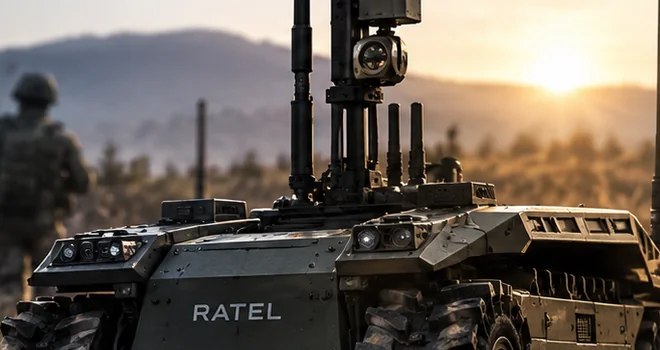
The acquisition would mark Swarmer’s first major deal under Chairman Erik Prince and significantly expand the company beyond autonomous drone software by adding a portfolio of combat-proven ground vehicles already being used in Ukraine for logistics, casualty evacuation, reconnaissance, demining and drone-launch missions.

The consideration will consist of a mix of cash and stock, with closing subject to customary legal, regulatory and shareholder approvals. More than 300 Ratel employees are expected to join Swarmer following the transaction, bringing the combined company to nearly 500 employees. Ratel founder and CEO Taras Ostapchuk is expected to remain in his role and report to Swarmer President and U.S. CEO Alex Fink.

From Drone Software to a Broader Autonomous Platform

Swarmer has built its business around vendor-agnostic autonomy software designed to allow a single operator to control large numbers of unmanned systems in real time. Its technology focuses on swarm coordination, distributed decision-making and integration across multiple unmanned platforms rather than manufacturing individual drones itself.

The company says its systems have supported more than 100,000 real-world combat missions in Ukraine since first being deployed there in April 2024. That operating history has given Swarmer access to large amounts of battlefield telemetry, sensor data and operational feedback that can be used to improve autonomous performance and resilience.

Ratel adds the hardware side of that equation. Its unmanned ground vehicles are designed for missions that place soldiers at particularly high risk, including supply delivery, casualty evacuation, engineering operations, mine clearance and strike support. The company is also expanding into unmanned aerial systems, mobile workshops and solar-powered trailers.

For Swarmer, the strategic logic is to combine its autonomy software with a broader base of battlefield-tested platforms rather than remaining solely at the software layer.

Ratel Brings Scale and Existing Defense Contracts

Ratel is not an early-stage prototype developer. The company has already secured approximately $86 million in contracts this year and is in discussions with multiple NATO countries through the “Build With Ukraine” initiative.

According to Swarmer, Ratel products represented approximately 37% of the 11 billion Ukrainian hryvnia, or roughly $247 million, spent by Ukraine’s Ministry of Defense Procurement Agency on unmanned ground vehicle contracts between January 1 and April 18, 2026.

That installed base is particularly important in a defense market increasingly emphasizing systems that have already been tested in active combat environments. Ratel’s serial Ratel H and Ratel M vehicles carry NATO stock numbers and AQAP 2110 certification, giving the company a foundation for expansion beyond Ukraine.

Ground Robots Are Becoming a Bigger Part of Modern Warfare

The acquisition also reflects a broader shift in defense technology. Ukraine has become one of the world’s most active proving grounds for unmanned systems, with aerial drones receiving much of the attention early in the war. Ground robotics, however, are increasingly being used for missions where sending personnel creates unnecessary risk, including logistics, reconnaissance, casualty evacuation and perimeter support.

That trend fits directly with Swarmer’s view of Ratel’s vehicles as more than standalone ground robots. Management believes UGVs can serve as mobile launch platforms for drones, interceptors and other autonomous assets, creating integrated systems that operate across both ground and air domains.

Consolidation Comes to Ukraine’s Defense-Tech Industry

The transaction may also be significant as an early example of consolidation within Ukraine’s highly fragmented defense-technology sector. The country has developed hundreds of drone and robotics companies during the war, many of which have built products quickly around immediate battlefield requirements. That decentralized ecosystem helped accelerate innovation, but it has also produced a large number of relatively small manufacturers that can face difficulty scaling production, accessing Western capital and selling into larger NATO procurement programs.

Swarmer itself appears to be positioning the transaction as the beginning of a broader platform strategy. Prince has said the company intends to assemble battlefield-tested systems into a more integrated defense-technology offering, suggesting additional acquisitions could eventually follow.

Building an Integrated Autonomous Defense Company

For investors, the acquisition changes the profile of Swarmer in an important way. Until now, the company’s core value proposition has centered on the software layer — providing autonomy, coordination and decision-making capabilities that can work across different unmanned platforms. Ratel would add manufacturing, physical systems, existing government contracts and a sizable workforce operating directly inside Ukraine’s defense ecosystem.

That combination could allow Swarmer to pursue larger integrated programs while continuing to deploy its autonomy technology across third-party systems. Ratel extends that strategy onto the ground.

If the transaction closes and the two companies successfully integrate their technologies, Swarmer would emerge with a much broader portfolio spanning autonomous software, aerial systems and unmanned ground vehicles — all built around technologies that have already been exposed to real-world combat conditions.

For a defense industry increasingly focused on autonomy, interoperability and reducing the number of personnel placed in high-risk environments, that could make the Ratel acquisition more than simply an expansion of Swarmer’s product catalog. It could be an early step toward building a larger, multi-domain autonomous defense platform.

Investors following the broader defense technology sector can also explore Noble Capital Markets coverage of T3 Defense (NASDAQ: DFNS), a defense-focused holding company pursuing growth through acquisitions, and Kratos Defense & Security Solutions (NASDAQ: KTOS), whose portfolio includes unmanned systems and other national security technologies.

Power Metallic Mines Inc. (PNPNF) – High-Grade Lion Maiden Resource with Significant Expansion Potential


Wednesday, September 09, 2026

Mark Reichman, Managing Director, Equity Research Analyst, Natural Resources, Noble Capital Markets, Inc.

Refer to the full report for the price target, fundamental analysis, and rating.

Maiden resource establishes Lion as a high-grade polymetallic deposit. Power Metallic’s inaugural maiden resource estimate (MRE) defined approximately 4.75 million tonnes at roughly 3.9% copper equivalent (CuEq), containing approximately 406 million pounds of CuEq, with more than 85% of the resource classified as Indicated. Importantly, mineralization begins at the surface, with approximately 59% of the current tonnage contained within the conceptual open pit resource, and the underground Indicated resource grading 4.71% CuEq.

Strong metallurgy and favorable infrastructure. Locked-cycle testing achieved copper recoveries above 98% while producing concentrates grading more than 25% copper, alongside strong recoveries for palladium, platinum, gold, and silver. The Lion Zone’s near-surface mineralization and proximity to all-season roads and major Hydro-Québec power infrastructure could support a relatively efficient development scenario, potentially beginning with an open pit before transitioning underground. Power Metallic is now preparing for a preliminary economic assessment (PEA), expected to be released in December 2026, that may include integration of the Nisk resource.


Get the Full Report

Equity Research is available at no cost to Registered users of Channelchek. Not a Member? Click ‘Join’ to join the Channelchek Community. There is no cost to register, and we never collect credit card information.

This Research is provided by Noble Capital Markets, Inc., a FINRA and S.E.C. registered broker-dealer (B/D).

*Analyst certification and important disclosures included in the full report. NOTE: investment decisions should not be based upon the content of this research summary. Proper due diligence is required before making any investment decision. 

Aurania Resources (AUIAF) – Drilling is Underway at the Thor’s Valley Gold Project in Iceland


Wednesday, September 09, 2026

Mark Reichman, Managing Director, Equity Research Analyst, Natural Resources, Noble Capital Markets, Inc.

Refer to the full report for the price target, fundamental analysis, and rating.

Drilling has commenced at Thor’s Valley. Aurania has commenced a six-hole, approximately 770-meter diamond drilling program at the Thor’s Valley gold project in Iceland. The program is expected to take about one month. Five holes will twin historical holes to validate previously reported high-grade intercepts using modern drilling and standards, while a sixth will test a new target associated with surface rock chip boulders grading up to 102 grams per tonne (g/t) gold.

Thor’s Valley has a history of high-grade gold. Historical mining between 1911 and 1924 identified a productive vein approximately one meter wide and at least one kilometer long, with grades ranging from 11 g/t to 315 g/t gold. More recent exploration has reinforced the project’s high-grade characteristics, with 32 holes drilled in 2005 and 2006 returning results of up to 415.4 g/t gold, and another 11 holes completed in 2020 returning grades of up to 113 g/t gold.


Get the Full Report

Equity Research is available at no cost to Registered users of Channelchek. Not a Member? Click ‘Join’ to join the Channelchek Community. There is no cost to register, and we never collect credit card information.

This Company Sponsored Research is provided by Noble Capital Markets, Inc., a FINRA and S.E.C. registered broker-dealer (B/D).

*Analyst certification and important disclosures included in the full report. NOTE: investment decisions should not be based upon the content of this research summary. Proper due diligence is required before making any investment decision. 

Are We Getting Closer to a Scalable Cure for Type 1 Diabetes?

For more than a century, insulin has transformed type 1 diabetes from an almost invariably fatal disease into a manageable chronic condition. Pumps, continuous glucose monitors and automated insulin delivery systems have made that management increasingly sophisticated.

But none replaces what the disease destroys: the insulin-producing cells of the pancreas.

A growing field of biotechnology companies is now trying to do exactly that.

The emerging strategy, known broadly as islet cell replacement therapy, seeks to restore the body’s ability to produce insulin by replacing the pancreatic islet cells lost to type 1 diabetes. Recent clinical results have provided some of the strongest evidence yet that the fundamental concept works. At the same time, advances in stem-cell manufacturing, immune modulation and gene engineering are beginning to address the obstacles that historically prevented islet transplantation from becoming a broadly available treatment for the type 1 diabetes population.

A merger announced Tuesday between Sernova Biotherapeutics (TSX:SVA) and Seraxis Holdings (private) provides the latest example of how the field is evolving. The companies plan to combine to form BetaNova Biotherapeutics, bringing together stem-cell-derived pancreatic islets, scalable manufacturing, an implantable cell-delivery platform and next-generation approaches with and without immune protection.

The transaction comes amid accelerating development across the industry, including programs from Vertex Pharmaceuticals, Sana Biotechnology, Century Therapeutics, Eledon Pharmaceuticals and NewcelX.

Taken together, the activity raises an increasingly serious question: Is type 1 diabetes moving toward a functional cure that can eventually be manufactured at scale?

The Biology Has Already Shown It Can Work

Type 1 diabetes occurs when the immune system destroys the insulin-producing beta cells contained within pancreatic islets. Without those cells, patients must continuously replace the insulin their bodies can no longer produce.

Replacing the missing insulin-producing cells is therefore an unusually direct therapeutic concept.

Traditional islet transplantation has already demonstrated that transplanted cells can restore insulin production. In 2023, the FDA approved Lantidra, a therapy made from pancreatic islets isolated from deceased donors, for a limited group of adults with type 1 diabetes experiencing recurrent severe hypoglycemia despite intensive management.

In clinical studies supporting Lantidra, 21 of 30 treated patients achieved insulin independence for at least one year, including 10 who remained insulin independent for more than five years.

That was an important validation of the biology.

It was not, however, the scalable solution researchers ultimately want.

Donor-derived islets are constrained by the availability of deceased-donor pancreases. Recipients also generally require chronic immunosuppressive drugs to prevent rejection of the transplanted cells, exposing otherwise healthy patients to potentially serious long-term risks.

Those two limitations — cell supply and immune rejection — now define much of the race in type 1 diabetes cell therapy.

Stem Cells Change the Supply Equation

Stem-cell technology potentially solves the first problem.

Instead of relying on donated organs, companies can begin with stem cells capable of reproducing extensively and then differentiate them into pancreatic islet cells. In principle, that creates a renewable manufacturing source capable of producing standardized, off-the-shelf therapies.

There is now meaningful human evidence that those cells can work.

Vertex Pharmaceuticals’ (NASDAQ: VRTX) Zimislecel, formerly known as VX-880, is currently the most advanced stem-cell-derived islet program in the field. In previously reported Phase 1/2 results, all 12 patients receiving a full dose demonstrated engraftment and glucose-responsive insulin production. Ten of the 12 were no longer using exogenous insulin after one year, while all 12 achieved recommended HbA1c and time-in-range targets and experienced no severe hypoglycemic events after Day 90. The results were published in the New England Journal of Medicine.

Vertex is continuing to enroll and dose patients in its Phase 1/2/3 study in 2026.

The importance of that program extends beyond Vertex itself. It has provided clinical evidence that fully differentiated pancreatic islet cells manufactured from stem cells can restore physiological insulin production in humans.

The catch is that Zimislecel still relies on conventional immunosuppression.

That leaves the industry’s second major problem unresolved.

BetaNova Combines the Pieces

That challenge helps explain the rationale behind the newly announced combination of Sernova and Seraxis.

After the merger closes, expected in November, shareholders of each company are expected to own about half of BetaNova. The company also secured commitments for a $10 million financing intended to advance its initial development programs.

Seraxis brings SR-02, an allogeneic stem-cell-derived pancreatic islet product, together with in-house cGMP manufacturing capabilities designed to produce cells at clinical scale.

Sernova contributes its Cell Pouch Bio-hybrid Organ, an implantable and retrievable device designed to provide an environment where therapeutic cells can engraft, vascularize, survive and function. Sernova has already completed patient treatment and follow-up in a Phase 1/2 study using the device with donor-derived pancreatic islets. According to the company, it met all primary and secondary endpoints.

BetaNova intends to combine those technologies.

SR-02 is expected to enter a Phase 1/2 study in the first quarter of 2027 under an FDA-cleared IND, with initial data anticipated by midyear.

A second program, SR-03, takes the strategy one step further by incorporating gene edits intended to allow the transplanted islets to evade immune destruction. BetaNova expects to submit an IND for SR-03 in the second half of 2027.

In other words, the merger brings several of the pieces required for a scalable therapy under one roof: a renewable cell source, controlled manufacturing, a clinically tested implantation platform and an immune-evasion strategy.

Eledon Attacks the Immune Problem From a Different Direction

Not every company believes the cells themselves need to be invisible to the immune system.

Eledon Pharmaceuticals (NASDAQ: ELDN) is developing tegoprubart, an investigational anti-CD40L antibody designed to modulate a critical pathway involved in immune activation.

Results from an investigator-sponsored study at the University of Chicago have attracted particular attention. Twelve patients with type 1 diabetes received donor-derived pancreatic islet transplants while using a tegoprubart-based, calcineurin inhibitor-free immunosuppression regimen.

As of June 2026, all 12 patients had achieved insulin independence, all had HbA1c levels below 6.5%, and none had experienced severe hypoglycemic episodes following transplantation. The patients had entered the study with histories of recurrent severe hypoglycemia.

That study does not solve the supply problem. The islet cells still come from donors, but it may provide another piece of the scalability puzzle: a more favorable way to protect transplanted cells.

Eledon has since moved toward a registrational pathway. On September 3, the company announced that it had submitted an IND for its first company-sponsored study of tegoprubart in patients with type 1 diabetes undergoing islet transplantation.

That same announcement pointed to a broader ambition. Eledon reaffirmed that it remains on track to initiate LEGACY, a global Phase 3 trial of tegoprubart in kidney transplantation, in the fourth quarter of 2026, following a successful End-of-Phase 2 meeting with the FDA. LEGACY is expected to enroll approximately 600 patients, with a primary endpoint of non-inferiority to tacrolimus at 52 weeks on a composite of biopsy-proven acute rejection, graft loss and death. Eledon has also reported first patients dosed with tegoprubart under compassionate-use protocols in highly sensitized kidney transplant recipients and in islet-transplant recipients with calcineurin-related kidney dysfunction, alongside an investigator-initiated tolerance-induction study at Massachusetts General Hospital.

Taken together, that pipeline suggests Eledon is no longer positioning tegoprubart as a single-indication kidney transplant drug. It is increasingly framed as a platform immunosuppressant intended to compete with calcineurin inhibitors as first-line therapy across kidney and islet transplantation alike.

That clinical progress stands out next to how the private market is pricing an earlier-stage rival chasing the same broad opportunity. LifeMine Therapeutics (private) is developing LIFE-001, a calcineurin activation inhibitor aimed at replacing tacrolimus and cyclosporine across transplantation generally, but has not yet begun the Phase 2 kidney or Phase 1b islet studies that would put it on comparable clinical footing with Eledon.

Yet according to PitchBook, LifeMine’s August Series E, led by Milky Way Investments Group with new investors Bezos Expeditions, Gates Frontier and RA Capital Management, closed at a $700 million post-money valuation, roughly three times Eledon’s public market capitalization of approximately $240 million-$250 million. The comparison is not a clean one: LifeMine’s figure prices preferred shares carrying a 1x participating liquidation preference and weighted-average anti-dilution protection, terms that can support a higher headline valuation than a common-equity holder would assign the same business, so it is not directly comparable to Eledon’s common-stock market cap.

Even so, the gap is notable: a private company with no islet-transplant data of its own has been valued well above a Nasdaq-listed company that already has 12-patient investigator-sponsored islet results, a submitted IND for a company-sponsored islet study, and a global Phase 3 kidney trial about to begin. For investors, that disconnect is one lens for weighing whether Eledon’s public valuation fully reflects its clinical progress.

Readers can find equity research coverage on Eledon’s Channelchek research page.

NewcelX Pairs Stem-Derived Islets With Tegoprubart

NewcelX is developing another approach combining a renewable source of islet cells with Eledon’s immune-modulation strategy.

Its lead diabetes candidate, NCEL-101, is an enriched stem-cell-derived islet product generated using the company’s human pluripotent stem-cell platform. NewcelX describes the platform as capable of scalable expansion and controlled differentiation, with the broader objective of producing off-the-shelf allogeneic cell therapies.

Earlier this year, NewcelX and Eledon established a collaboration to develop NCEL-101 in combination with tegoprubart.

In July, NewcelX announced that it had completed a Type B pre-IND meeting with the FDA and received feedback supporting its proposed development pathway toward a first-in-human trial of the combination.

The strategy is notable because it attempts to combine two approaches that have independently accumulated supportive evidence: stem-cell-derived islets as a renewable source of insulin-producing cells and tegoprubart as an alternative immune-protection strategy.

It is still early. NCEL-101 has not yet produced clinical efficacy data in type 1 diabetes.

But if a stem-cell-derived product can reproduce the insulin independence seen with donor islets while using a more tolerable immune regimen, another major barrier to broader treatment could begin to fall.

Sana Is Trying to Remove Immunosuppression Entirely

Sana Biotechnology (NASDAQ: SANA) is taking a different route: engineer the transplanted cells so the immune system does not recognize them as foreign.

Its hypoimmune, or HIP, platform makes genetic modifications intended to allow transplanted cells to evade immune detection.

The company has already obtained an important early human signal.

In an investigator-sponsored study at Uppsala University Hospital, pancreatic islets modified with Sana’s HIP technology were transplanted into a patient with type 1 diabetes without immunosuppressive therapy.

At 14 months, the cells remained detectable and functional, producing C-peptide — evidence that the transplanted beta cells continued to secrete insulin. Sana reported no identified safety issues, and the follow-up findings were subsequently published in the New England Journal of Medicine.

There is an important distinction: this was a single patient, and the treatment has not yet demonstrated the broad insulin independence seen in larger islet-transplant studies.

But scientifically, the finding matters.

It provides early human evidence that genetically modified islet cells may survive and function for more than a year without systemic immunosuppression.

Sana is now translating that technology into SC451, a hypoimmune-modified, stem-cell-derived pancreatic islet therapy intended to combine an expandable cell source with the immune-evasion properties demonstrated by the earlier donor-derived cells. The company has been progressing toxicology, manufacturing transfer and clinical readiness activities toward a Phase 1/2 study.

If successful, that combination would attack both fundamental barriers simultaneously.

Century Is Designing Immune Evasion Into the Product

Century Therapeutics (NASDAQ: IPSC) is pursuing a similar objective through its iPSC platform.

Its lead diabetes program, CNTY-813, is an iPSC-derived islet replacement therapy incorporating Century’s Allo-Evasion technology, which is designed to help transplanted cells avoid immune rejection without requiring conventional immunosuppression.

At the American Diabetes Association’s 2026 Scientific Sessions, Century reported preclinical results showing durable glucose control for more than eight months in animal models, continued insulin secretion under allogeneic immune pressure and successful manufacturing at clinical scale.

Century completed a pre-IND meeting with the FDA and, as of August, remained on track for an IND submission in the fourth quarter of 2026. Initial clinical data are expected in the second half of 2027.

Like BetaNova’s SR-03 and Sana’s SC451, CNTY-813 represents the emerging second generation of the field: not merely replacing beta cells, but engineering the replacement cells around the immune system that destroyed them in the first place.

The Four Problems a Scalable Cure Has to Solve

Together, these programs show why the phrase “cure for type 1 diabetes” needs qualification.

Researchers increasingly use the term functional cure: restoring sufficient natural insulin production to achieve durable glucose control and potentially eliminate exogenous insulin, even though the underlying predisposition toward autoimmune disease may still exist.

The concept itself now has considerably more evidence behind it than it did only a few years ago.

What remains uncertain is whether it can become scalable.

Cell source. There must be enough high-quality insulin-producing cells to treat patients without relying on scarce donor pancreases.

Engraftment and durability. Those cells need an environment where they can receive a blood supply, sense glucose, and keep functioning for years.

Immune protection. The therapy must address both rejection of foreign cells and the autoimmune biology responsible for type 1 diabetes, ideally without requiring lifelong toxic immunosuppression.

Manufacturing. A commercial therapy ultimately must be reproducible, quality-controlled, and economical at a scale far larger than today’s transplantation programs.

Different companies are solving different portions of the equation.

Vertex has produced perhaps the strongest evidence yet that manufactured stem-cell-derived islets can restore insulin independence, but currently requires immunosuppression. Eledon’s results suggest immune modulation may make transplantation considerably more practical. Sana has shown early human evidence of immune-evasive islets functioning without immunosuppression. Century is building immune protection directly into a scalable iPSC-derived product. NewcelX is pairing stem-derived islets with Eledon’s immune-modulation approach.

And with the creation of BetaNova, Sernova and Seraxis are attempting to combine the cells, manufacturing, implantation environment, and immune strategy within a single company.

A Cure Is Not Here Yet — But the Question Has Changed

There are still substantial risks.

Several of the most ambitious programs remain preclinical or have only limited human data. Cell manufacturing is complex. Gene editing can introduce additional safety considerations. Immune-evasion technologies must demonstrate that modified cells remain safe and controllable over long periods. Devices must overcome issues including vascularization and fibrosis. And any therapy intended for otherwise healthy people living successfully with modern insulin technology will face a very high safety bar.

The field has already produced reminders of those challenges. Vertex discontinued development of its VX-264 encapsulated islet program in 2025 after the device approach failed to produce sufficient C-peptide responses, even though it was generally well tolerated.

That result illustrates how difficult it is to solve all of the biological problems at once.

But the larger trajectory is becoming harder to dismiss.

Donor islets have demonstrated that replacing the missing cells can eliminate insulin dependence. Stem-cell-derived islets have now demonstrated the ability to restore physiological insulin function in humans. Improved immunomodulation has produced insulin independence in a growing transplantation cohort. Immune-engineered islets have also survived in a human patient for more than a year without immunosuppressive drugs.

Meanwhile, multiple companies are preparing to move next-generation, scalable cell products into human trials over the coming year.

The question surrounding islet cell therapy is therefore shifting.

It is no longer simply whether transplanted cells can restore insulin production in type 1 diabetes.

Increasingly, the question is whether biotechnology can combine a renewable cell supply, reliable engraftment, and durable immune protection into a therapy that can be produced safely for thousands and eventually perhaps millions of patients. Today’s formation of BetaNova is another bet that the answer could ultimately be yes.

Independence Realty Trust and Centerspace to Merge in $8.1 Billion Apartment REIT Combination

Independence Realty Trust (NYSE: IRT) and Centerspace (NYSE: CSR) announced Wednesday that they have entered into a definitive all-stock merger agreement that will create a significantly larger middle-market apartment REIT with more than 44,000 units across 17 states.
The combined company is expected to have a pro forma equity market capitalization of approximately $5.0 billion and an enterprise value of approximately $8.1 billion. It will retain the Independence Realty Trust name and continue trading on the New York Stock Exchange under the ticker IRT.

Under the terms of the agreement, Centerspace shareholders will receive 3.800 shares of IRT common stock for each Centerspace share they own. Existing IRT shareholders are expected to own approximately 78% of the combined company, while Centerspace shareholders will own roughly 22%. The transaction is expected to close as early as the end of the fourth quarter of 2026, subject to shareholder approvals, lender consents and other customary closing conditions.
A Broader Geographic Footprint

Strategically, the merger brings together two apartment portfolios with complementary geographic exposure.
Independence Realty Trust has historically focused heavily on Sunbelt markets, while Centerspace adds properties across the Midwest and Mountain West. On a combined basis, approximately 58% of pro forma net operating income is expected to come from Sunbelt markets, 27% from the Midwest and 15% from the Mountain West. The combined portfolio will include 163 multifamily communities and 44,354 apartment units.

That diversification is a key part of the transaction rationale. IRT gains additional exposure to markets that management characterizes as lower-volatility, while Centerspace shareholders gain participation in a larger platform with broader access to capital and a more diversified operating base.

The companies said approximately 80% of pro forma NOI will come from markets with top-quartile projected population growth, giving the combined REIT exposure to regions where housing demand is being supported by migration and employment growth.

Scale, Synergies and FFO Accretion

The financial case for the merger centers on scale.

Management expects approximately $24 million of annualized synergies, with full integration anticipated within 12 months of closing. The transaction is also expected to be approximately 5% accretive to IRT’s 2027 Core FFO per share on a leverage-neutral basis.

The larger portfolio is expected to give IRT more opportunities to spread operating costs across a broader asset base, expand technology initiatives and apply its existing value-add renovation program to additional properties. IRT said its renovation program has historically generated returns on investment of approximately 16%, while other initiatives, including Wi-Fi services and additional property-level revenue programs, could be rolled out across the Centerspace portfolio.

The companies also expect the combination to reduce general and administrative costs relative to the size of the portfolio. Pro forma G&A as a percentage of assets is expected to decline by approximately 24% compared with standalone IRT and 57% compared with standalone Centerspace.

Bigger REITs Can Have Capital-Market Advantages

The transaction also reflects a broader theme across the REIT industry: scale can matter well beyond property operations.

The combined company is expected to have approximately $4.8 billion of public float and increased weighting in major real estate and mid-cap benchmarks, including the MSCI US REIT Index, FTSE NAREIT All Equity REITs Index and S&P MidCap 400 Index. Management expects that larger market capitalization and free float to improve trading liquidity and institutional accessibility.

Recent industry coverage has similarly highlighted the push among multifamily REITs to gain scale as operating, financing and technology costs increase. Larger platforms may be better positioned to spread overhead, access capital markets and compete for institutional investors, while also gaining more flexibility in portfolio management.

That dynamic is particularly relevant for middle-market apartment REITs, where individual portfolios may lack the scale of the largest publicly traded multifamily companies but can still benefit significantly from consolidation.

Leadership and Dividend Policy

IRT’s existing management team will lead the combined company. Scott Schaeffer will remain chairman and CEO, while James Sebra will serve as president and CFO. The board will expand to 11 members, including nine directors from IRT and two from Centerspace, and the company will remain headquartered in Philadelphia.

IRT also said it currently expects to maintain its quarterly dividend of $0.18 per share following completion of the merger. Both companies intend to continue paying regular quarterly dividends through closing, with Centerspace expected to pay a prorated stub dividend during the quarter in which the transaction closes.

Building a Larger Middle-Market Apartment Platform

For investors, the deal is less about entering new lines of business than about creating a larger version of an existing multifamily strategy.

IRT remains anchored in the Sunbelt, but the addition of Centerspace broadens the portfolio into Midwest and Mountain West markets that management believes can provide more stable NOI growth and reduce volatility. At the same time, Centerspace properties gain access to IRT’s larger operating platform, renovation program and capital-markets footprint.

That combination of diversification and scale is what makes the transaction notable.

At more than 44,000 apartment units and approximately $8.1 billion in enterprise value, the merger would create a materially larger middle-market residential REIT at a time when public real estate companies are increasingly looking for size, liquidity and operating efficiencies.

If management can deliver the projected synergies and roughly 5% Core FFO accretion, the transaction could demonstrate why consolidation remains an attractive path for apartment REITs seeking to compete more effectively without adding leverage.

Oil Nears $100 as Middle East Conflict Raises New Risks for Global Energy Supply

Oil prices moved back toward the psychologically important $100-per-barrel level Tuesday as escalating conflict across the Middle East raised fresh concerns about the security of global energy supplies. Brent crude briefly traded near $98 after Iran-aligned Houthi militants in Yemen attacked several energy facilities in Saudi Arabia, forcing temporary operational shutdowns at some sites.

The latest move extends a sharp rise in crude prices this month. Oil is now up more than 8% in September as markets respond to renewed U.S.-Iran hostilities, continued disruption around the Strait of Hormuz, and the growing possibility that additional energy infrastructure across the region could come under pressure.

The Saudi attacks matter not only because of the facilities involved, but because they broaden the geography of the conflict. Saudi Arabia has relied heavily on infrastructure outside the Persian Gulf to move oil while shipping through Hormuz remains constrained. Any sustained threat to facilities or transportation routes on the kingdom’s western side could weaken one of the principal alternatives available to keep crude flowing.

Two Critical Energy Routes Are Under Pressure

The Strait of Hormuz remains the central concern. Historically, roughly one-fifth of global petroleum liquids consumption has passed through the waterway, making it the world’s most important oil transit chokepoint. With traffic through Hormuz sharply reduced during the current conflict, producers have increasingly relied on pipelines and alternative export routes to move crude.

That has elevated the importance of the Red Sea and the Bab el-Mandeb Strait, the narrow passage connecting the Red Sea with the Gulf of Aden. Saudi Arabia’s East-West pipeline allows crude produced in the eastern part of the country to reach the Red Sea port of Yanbu without entering Hormuz, while other regional producers have also increased use of alternate routes.

The risk now is that pressure is building around both systems at once. Hormuz remains constrained, while Houthi attacks and renewed fighting in Yemen raise concerns around Saudi energy infrastructure and Red Sea shipping. The result is a narrower margin for error across one of the world’s most important energy-producing regions.

Why Prices Can Move Quickly

Oil markets do not wait for confirmed supply losses before reacting. Prices often move on the possibility that future supply could be disrupted, particularly when spare export capacity is limited and transportation alternatives are already being stretched.

That is especially true in the Middle East. Pipelines operated by Saudi Arabia and the United Arab Emirates can bypass Hormuz, but their combined capacity represents only a fraction of the oil that normally moves through the strait. Other barrels can be rerouted through the Red Sea or around Africa, but those alternatives typically add cost, distance and shipping time.

As a result, even attacks that do not immediately remove large volumes from the market can create a meaningful geopolitical risk premium. Traders are not only evaluating what has already been lost; they are pricing the possibility that additional production, refining capacity or shipping routes could be affected next.

Could Brent Break Above $100?

With Brent already approaching $100, that threshold is increasingly within reach. Goldman Sachs has suggested that prices could rise materially further if Persian Gulf supply remains below pre-conflict levels or if attacks on shipping and energy infrastructure intensify.

There is precedent for rapid price moves when key transit routes come under pressure. Brent climbed sharply earlier this summer as attacks on vessels and restrictions around Hormuz tightened available supply. Whether crude returns to those levels — or moves beyond them — will depend heavily on the duration of the conflict and whether the latest attacks lead to sustained production or export disruptions.

If Saudi operations normalize quickly and regional tensions ease, some of the geopolitical premium currently embedded in crude prices could reverse. If the conflict broadens, however, the supply outlook becomes considerably more difficult.

The Impact Extends Beyond Energy Markets

A sustained move toward or above $100 oil would have consequences well beyond producers and refiners. Higher crude prices filter through transportation, manufacturing, agriculture and consumer goods, making energy costs an important part of the inflation outlook.

That creates a more complicated backdrop for financial markets. Higher oil prices can benefit producers, drilling companies and other energy-linked businesses, but they can also raise operating costs for transportation-heavy industries and put additional pressure on consumers through gasoline, diesel and freight expenses.

For policymakers and investors, the concern is that an extended energy shock could reinforce inflation at a time when markets remain highly sensitive to interest-rate expectations.

What Investors Should Watch Next

The immediate focus will be on whether the Saudi facilities affected by Tuesday’s attacks return to full operation, but the larger issue is whether the geographic scope of the conflict continues to expand.

The global oil system has so far adapted to reduced traffic through Hormuz by shifting barrels through pipelines and alternative routes. That flexibility has helped prevent a much larger supply shock. But if those backup routes themselves become less reliable, the market’s ability to absorb disruption would weaken.

For investors, the key indicators now are tanker traffic through Hormuz and the Red Sea, the extent of damage to Saudi infrastructure, the pace of operational recovery, and whether attacks move closer to additional production, refining or export assets.

Crude remains available, but the cushion protecting global supply is getting thinner. That is why the move toward $100 oil may matter less as a round-number milestone than as a signal that markets are beginning to price in a broader regional energy-security problem.

EverBank and WaFd Strike $3.9 Billion Reverse Merger to Create $75 Billion Regional Bank

EverBank Financial Corp and WaFd, Inc. (NASDAQ: WAFD) announced a $3.9 billion reverse merger Monday that would create a regional banking company with approximately $75 billion in assets and a substantially larger national footprint.

Under the agreement, privately held EverBank Financial Corp will merge into WaFd, with WaFd remaining the publicly traded holding company. Following completion of the transaction, however, WaFd will adopt the EverBank Financial Corp name and begin trading on the Nasdaq under the new ticker symbol EVBK. EverBank will be treated as the accounting acquirer.

The structure effectively provides EverBank and its private investors with a path back to the public markets while giving WaFd shareholders exposure to a significantly larger banking platform.

EverBank investors, including funds managed by Stone Point Capital, Warburg Pincus, Reverence Capital Partners, Sixth Street and Bayview Asset Management, along with TIAA, are expected to own approximately 59.2% of the combined company. Existing WaFd shareholders would own the remaining 40.8%.

Building Scale Across Markets and Banking Channels

The combination brings together two banks with notably different but complementary footprints.

Jacksonville-based EverBank had approximately $46.7 billion in assets and $37.7 billion in deposits as of June 30, with a business built around nationwide digital banking as well as financial centers in California, Florida and New York. Seattle-based WaFd had approximately $27.6 billion in assets and $21.0 billion in deposits, supported by more than 200 branches across nine western states.

Together, the companies are expected to have roughly $75 billion in assets, $58 billion in loans and $59 billion in deposits, with 254 branches across the country.

That combination gives the enlarged bank something each institution currently has less of on its own: EverBank adds a scalable national digital deposit platform and broader commercial lending capabilities, while WaFd contributes a substantial branch network, established commercial relationships and significant commercial real estate lending expertise.

Both institutions have also been shifting their businesses toward commercial banking and away from a heavier historical reliance on residential and consumer lending. Management expects the combination to provide additional opportunities across commercial lending, SBA lending, wealth management and other fee-generating businesses.

A Significant Earnings Boost for WaFd Shareholders

The financial projections are a major component of the transaction.

The companies expect the merger to increase WaFd’s 2027 earnings per share by approximately 29%, while producing a return on tangible common equity of approximately 15% once anticipated cost synergies are fully realized. Management also expects the tangible book value dilution associated with the deal to be earned back in less than two years.

Those figures could be particularly important for investors evaluating the transaction. Bank mergers frequently offer compelling strategic arguments around scale, deposits and geographic expansion, but ultimately depend on whether anticipated cost savings and revenue opportunities translate into improved shareholder returns.

Here, management is putting forward a relatively aggressive near-term earnings-accretion target alongside the strategic benefits of the combination.

EverBank Leadership Takes the Helm

The post-merger management structure also reflects EverBank’s larger economic ownership of the combined institution.

EverBank CEO Greg Seibly will become chief executive officer of the combined company, while current WaFd CEO Brent Beardall will serve as president. EverBank Chairman Robert Radway will chair the combined company.

The new board will have 13 members, including seven directors representing legacy EverBank and six representing legacy WaFd.

Although WaFd is technically the surviving publicly traded holding company, EverBank’s shareholders will hold the majority of the equity and its leadership will occupy several of the most important positions – characteristics that help explain the transaction’s reverse-merger designation.

Another Sign of Consolidation in Regional Banking

The EverBank-WaFd combination also arrives as scale has become increasingly important for regional banks facing higher technology and compliance costs, intense competition for deposits and continued pressure to diversify revenue.

At roughly $75 billion in assets, the combined institution would move into the upper tier of U.S. regional banks while retaining a footprint well below that of the country’s largest money-center institutions. The merger could provide the organization with greater resources to spread technology and operating costs across a larger asset and deposit base while broadening its geographic and product diversification.

The transaction is expected to close in early 2027, subject to regulatory approvals, approval from WaFd shareholders and other customary closing conditions. It is expected to be tax-free to shareholders of both companies.

For WaFd investors, the focus will now turn to whether the companies can deliver the projected 29% earnings accretion and successfully integrate two banking models that, while complementary, have developed around very different geographic and customer footprints. If management can execute on those targets, the reverse merger could transform WaFd from a primarily western regional bank into a considerably larger national banking franchise.

Noble Capital Markets Investor Events

Noble Capital Markets connects emerging growth companies with investors through virtual and in-person equity conferences, scheduled one-on-one meetings, non-deal roadshows and investor networking events.

These events give investors direct access to public company executives while helping participating companies build awareness, communicate their investment stories and develop relationships across Noble’s investor network.

Upcoming Noble Capital Markets Conferences

Presenting-company registration is now open for Noble’s October and December 2026 virtual equity conferences and NobleCon22, Noble’s flagship in-person conference in February 2027.

October 2026 Emerging Growth Virtual Equity Conference

October 1–2, 2026 | Virtual

Noble’s October Emerging Growth Virtual Equity Conference will connect investors with executives from emerging growth companies across a broad range of industries.

The two-day event will feature:

  • Corporate presentations followed by fireside-style Q&A sessions moderated by Noble analysts and bankers
  • Scheduled one-on-one meetings between qualified investors and participating company executives
  • Presenting companies representing a variety of sectors
  • Presentation and Q&A replays available on Channelchek following the conference

Presenting-company registration is now open. Investor registration will open soon.


December 2026 Emerging Growth Virtual Equity Conference

December 15–16, 2026 | Virtual

Noble’s December Emerging Growth Virtual Equity Conference will provide another opportunity for investors to hear directly from public company management teams before the end of the year.

The conference will feature:

  • Half-hour corporate presentation sessions with moderated fireside-style Q&A
  • Scheduled one-on-one meetings with qualified investors
  • Companies from multiple emerging growth sectors
  • On-demand presentation replays hosted on Channelchek after the event

Presenting-company registration is now open. Investor registration will open soon.


NobleCon22

February 23–24, 2027 | Boca Raton, Florida

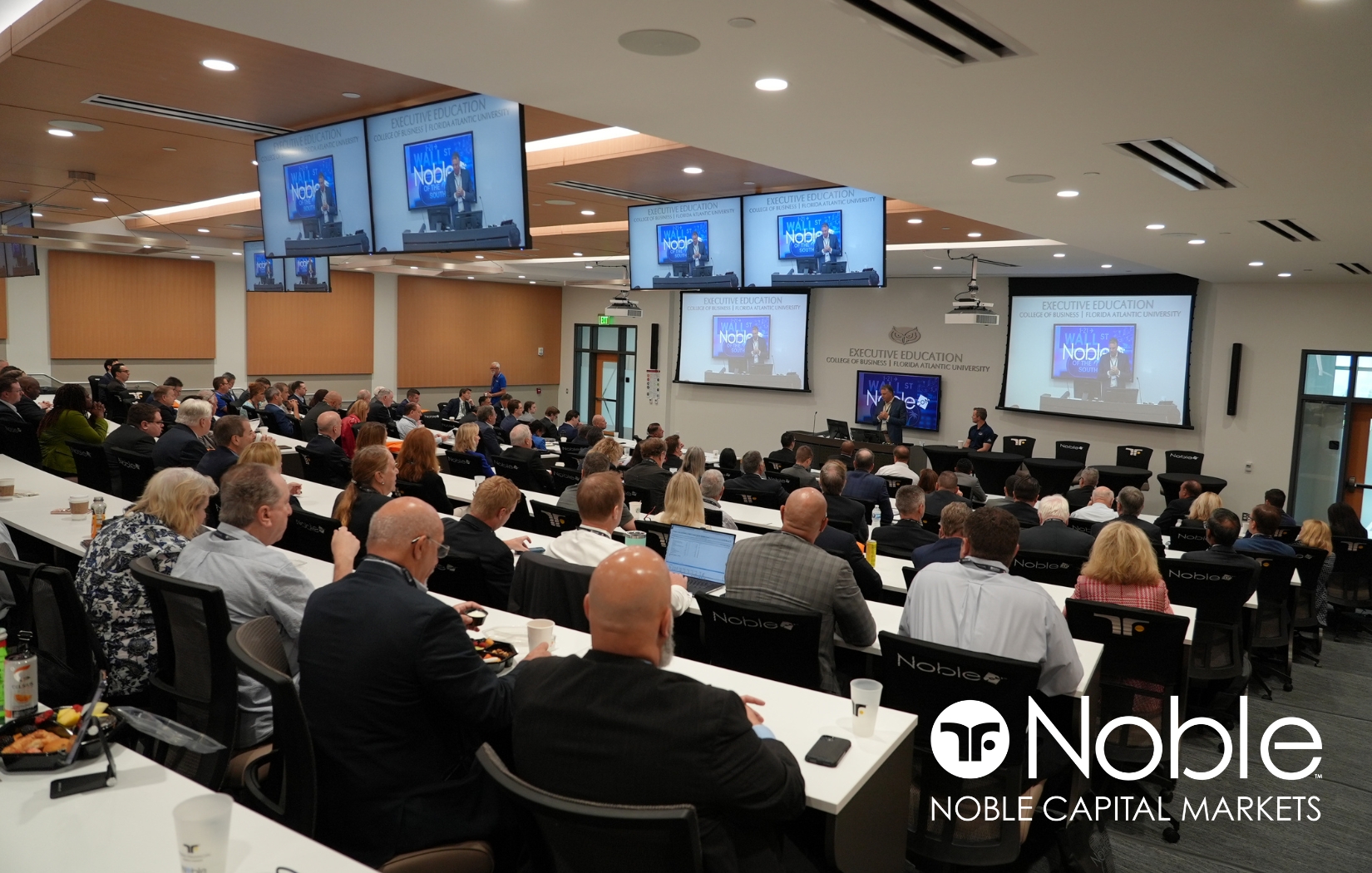
NobleCon22, Noble Capital Markets’ 22nd Annual Emerging Growth Equity Conference, will bring public company executives, institutional investors, family offices, wealth managers, financial advisors and qualified individual investors together at the Florida Atlantic University College of Business Executive Education complex.

The two-day, in-person conference will feature:

  • Four simultaneous corporate presentation tracks
  • Brief company overviews followed by moderated fireside-style Q&A sessions
  • Scheduled one-on-one meetings between qualified investors and C-suite executives
  • Expanded private meeting facilities, including 13 private meeting rooms and 40 meeting tables
  • Direct access to Noble analysts, investment bankers and executives
  • A large-scale evening networking event at The Addison in Boca Raton

NobleCon22 is designed to create meaningful interaction between emerging growth company leadership and investors seeking differentiated investment ideas.

Presenting-company registration is now open.


Watch the 2026 Virtual Conference Replays

Couldn’t attend one of Noble’s earlier 2026 virtual equity conferences live? Replays of participating company presentations and moderated Q&A sessions are available through Channelchek.

Registered Channelchek members can watch management teams discuss their companies, strategies, markets and growth opportunities at no cost.

February 2026 Virtual Equity Conference

Watch presentations and moderated Q&A sessions from companies that participated in Noble’s February 2026 Emerging Growth Virtual Equity Conference.

Watch the February 2026 Conference Replays

June 2026 Virtual Equity Conference

Access the corporate presentations and moderated Q&A sessions from Noble’s June 2026 Emerging Growth Virtual Equity Conference.

Watch the June 2026 Conference Replays


In-Person and Virtual Non-Deal Roadshows

Noble Capital Markets hosts in-person and virtual meetings with executives from companies listed on Channelchek.

Events are held throughout the United States and virtually, giving qualified investors opportunities to speak directly with company management teams in more focused settings.

Roadshow formats may include:

  • Breakfast meetings
  • Luncheons
  • Cocktail receptions
  • Virtual management meetings
  • Scheduled one-on-one meeting days

Investor participation is free, with no obligation to invest. Attendance is subject to qualification and availability, and seating at in-person events may be limited.

👉 Click here to view the calendar and request attendance

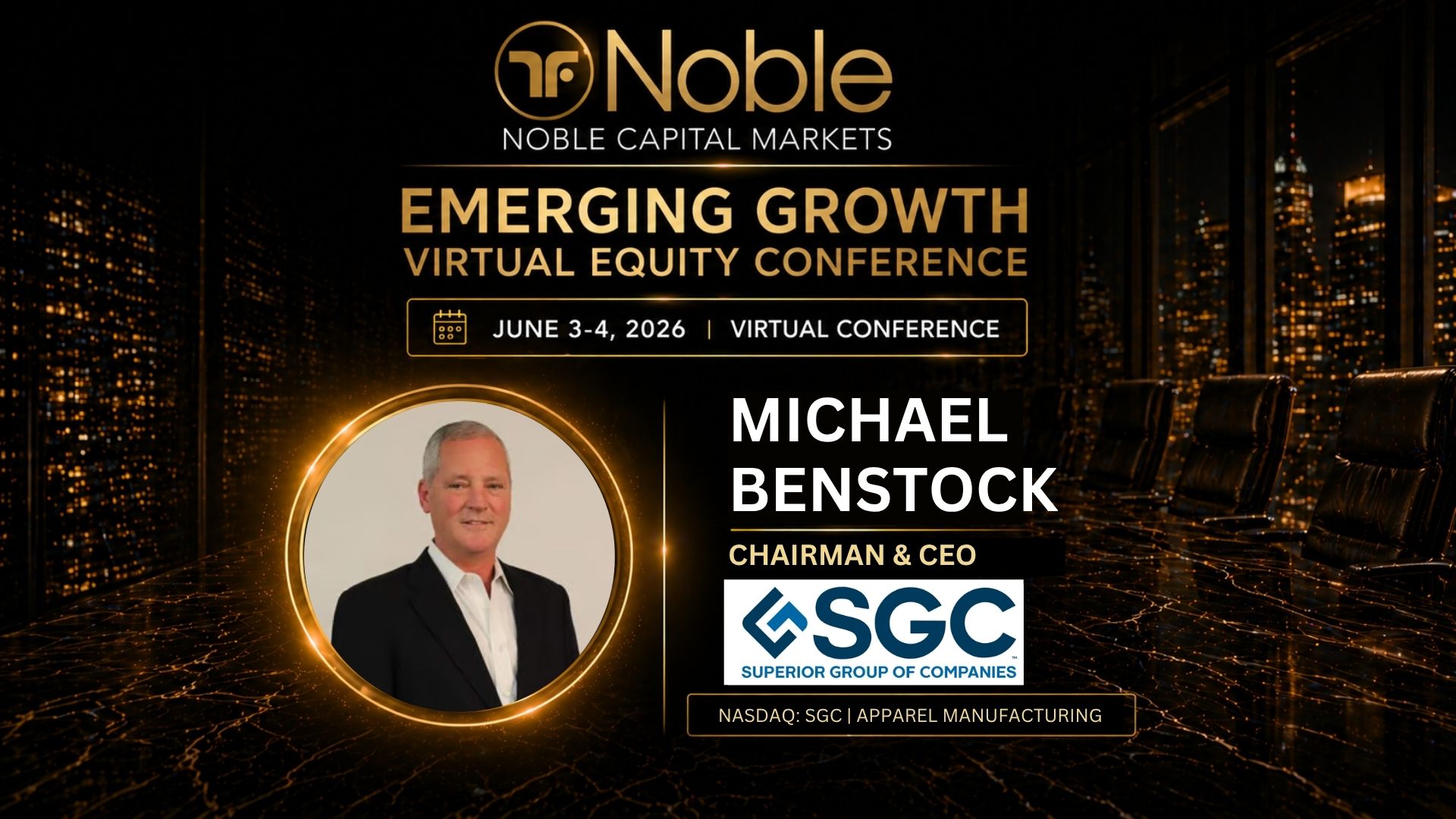
Noble Capital Markets Emerging Growth Virtual Equity Conference – June 2026 – Presenting Company Replays

Participating Companies

June 3 – Presentation Schedule

June 4 – Presentation Schedule

Participating in 1×1 Meetings Only