With the Iran Ceasefire Over and No Talks in Sight, Oil Keeps Climbing

Oil prices were on track for a second consecutive weekly gain Friday, with Brent crude trading near $93.82 a barrel and US benchmark WTI near $86.78, after both benchmarks surged more than 7% and 8% respectively over the prior five sessions, reaching their highest levels since late July. The catalyst is a development that deserves far more attention than it has received: the ceasefire framework we detailed back in June has expired this week, with neither side making any apparent effort to restart formal talks.

President Trump escalated the rhetoric Wednesday evening, threatening what he described as economic warfare and isolation on an unprecedented scale against Tehran, along with consequences for any nation providing what he called a lifeline to Iran. The United Arab Emirates responded by suspending all financial and economic transactions with Iran until further notice, a significant move from a major Gulf oil producer that underscores just how fraught the regional picture has become.

The Physical Supply Picture Remains Severely Constrained

Markets are pricing in continued disruption to output from major regional producers including Saudi Arabia, Iraq, the UAE, and Kuwait, given the inconclusive state of the broader conflict. One analyst covering the region described both sides as dug in without the luxury of time to simply wait each other out, against a backdrop of crude prices grinding steadily higher. The physical reality in the Strait of Hormuz supports that read. Shipping traffic through the waterway registered just nine vessel transits this week, essentially unchanged from the prior day and still far below pre-war norms. Before the conflict began, roughly one-fifth of global oil consumption moved through that single passage.

The war itself, which began February 28 when the US and Israel launched strikes on Iran, has now killed thousands of people and disrupted global energy flows for nearly six months, with Tehran’s blockade of the strait and continued attacks on regional energy infrastructure both still very much active constraints on supply.

For investors tracking small and microcap companies, this is precisely the kind of reversal we flagged as a risk when covering the earlier gas price relief that followed the original ceasefire announcement. Consumer-facing companies in transportation, logistics, and retail that had begun benefiting from falling fuel costs are now facing renewed pressure as crude climbs back toward levels last seen a month ago. Domestic energy producers sit on the opposite side of that trade, with sustained prices above $85 continuing to support favorable economics for independent US operators. With no active diplomatic track currently underway and rhetoric escalating rather than cooling, this is a story worth watching closely rather than assuming will resolve quickly, since the pattern of ceasefire, relief, and renewed escalation has now repeated multiple times since February.

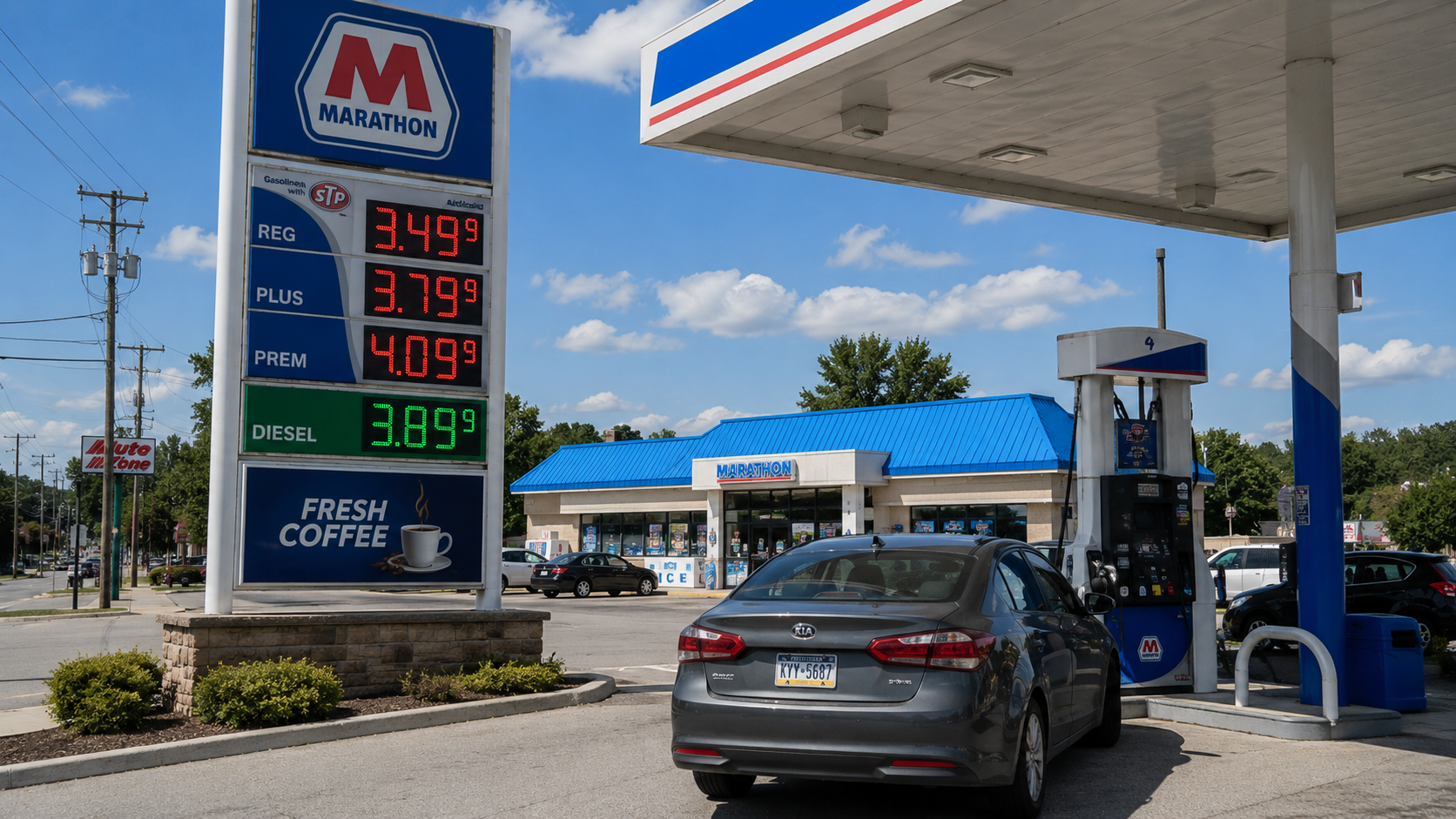
Pump Prices Fall Under $4 Just in Time for Summer Travel Season

The energy shock that defined the spring of 2026 is unwinding, and American consumers are feeling it at the pump just in time for summer. The national average price of regular gasoline fell to $3.99 per gallon Thursday, dropping below the $4 threshold for the first time in months and delivering meaningful relief to households that watched prices climb above $4.50 per gallon only a month ago at the height of the US-Iran conflict.

For the small and microcap companies that spent the spring absorbing elevated fuel costs with limited ability to pass them through, the decline is more than a consumer story. It is the early stage of a margin recovery that could reshape the second half of the year.

What’s Driving the Decline

The catalyst is diplomatic. Following President Trump’s announcement Sunday that Washington and Tehran had agreed to terms on a 60-day memorandum of understanding aimed at ending the three-month conflict and reopening the Strait of Hormuz to commercial traffic, crude oil prices have fallen sharply. Brent crude, the international benchmark, has dropped roughly 13% over the past five trading sessions to trade firmly below $80 per barrel for the first time since the early days of the war. US benchmark WTI crude has fallen even harder, shedding approximately 15% to trade below $75.

The scale of the recovery reflects the scale of the disruption. The shuttering of the Strait of Hormuz removed more than one billion barrels of oil from the global market over three months, creating one of the most severe supply squeezes in years. Gasoline and other crude derivatives, which carry embedded refining costs and are stored in smaller quantities, experienced even more dramatic price swings than crude itself — which is precisely why they are now falling quickly as the supply picture normalizes.

Industry analysts project the national average could head toward $3.70 per gallon in the near term as the Iran agreement takes hold and movement through the strait resumes, with diesel prices expected to fall below $5 per gallon shortly after.

The Small Cap Margin Story

For consumer-facing companies in the sub-$2 billion market cap range, the decline in fuel costs is a direct and measurable tailwind. Throughout the spring, regional trucking companies, last-mile delivery operators, food service businesses, and logistics providers absorbed surging diesel and gasoline costs that compressed already thin operating margins. Unlike large cap peers with hedging programs and pricing power, smaller operators had few options beyond eating the costs or risking demand destruction by raising prices.

That pressure is now reversing. Lower fuel costs flow almost immediately through to the operating expenses of transportation and logistics-dependent companies. Credit card data throughout the spring showed consumers spending an increasing share of their budgets on gasoline while cutting back elsewhere — a dynamic that squeezed discretionary small cap retailers and restaurant operators. As pump prices fall, that discretionary spending capacity returns, potentially benefiting the consumer-facing companies that had been most pressured.

The Caveats Worth Watching

The recovery is not without risk. Gasoline prices remain elevated above prewar levels, and a well-documented market phenomenon often described as “rockets and feathers” means pump prices tend to rise quickly when crude climbs but fall more slowly on the way back down. The timing of the Strait of Hormuz fully reopening remains uncertain, which means oil prices are unlikely to collapse dramatically as summer driving demand builds.

A more immediate threat comes from the weather. Tropical Storm Arthur is expected to impact the US Gulf Coast, home to the nation’s largest refinery complex. With US refineries already running at 97% of capacity according to federal data, any disruption from flooding could squeeze a system operating at its limit and temporarily reverse some of the relief now reaching consumers.

Barring significant storm damage or other disruptions, analysts project national average gasoline prices could fall below $3 per gallon by year-end, with diesel below $4. For the small cap companies that endured the spring squeeze, that would represent a full-circle recovery — and a meaningful tailwind heading into 2027.