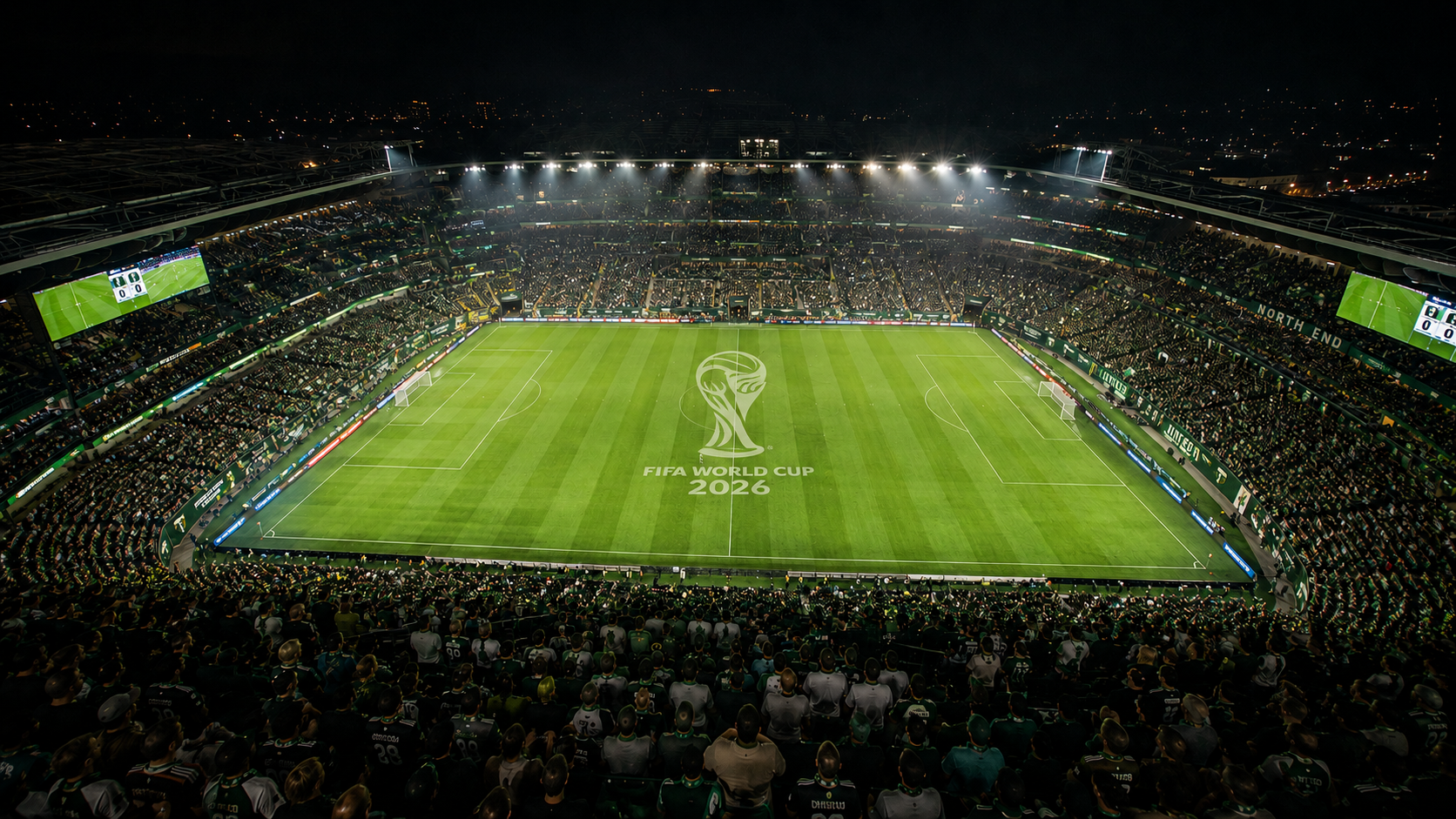
The 2026 FIFA World Cup officially begins today, June 11, and runs through July 19 across 16 cities in the United States, Canada, and Mexico. It is the largest tournament in the competition’s history — 48 teams, 104 matches, a projected global audience of more than 5 billion viewers, and commercial revenues estimated between $11 billion and $13 billion, up roughly 50% from the 2022 edition in Qatar. The United States is hosting 78 of the 104 matches across 11 cities including New York, Los Angeles, Miami, Dallas, Atlanta, Boston, Houston, and Seattle. The last time the US hosted was 1994 — a generation ago, before smartphones, before streaming, and before legal sports betting existed in virtually any American state.
The scale of what has changed in those 32 years is precisely what makes 2026 different from every prior World Cup as an investment event.
For investors, the question is not whether the World Cup generates economic activity. It clearly does. The question is where that activity concentrates — and which publicly traded companies are positioned to capture a meaningful share of it across a six-week window that begins today.
The Sports Betting Opportunity Is Real and Measurable
The single clearest financial beneficiary of a US-hosted World Cup in 2026 is the domestic sports betting industry — and the timing could not be more favorable. Legal sports betting is now available in 38 US states, compared to just three states when the tournament was last held on American soil. Global betting volumes during the tournament are projected to exceed $50 billion, averaging approximately $500 million per match, up sharply from $35 billion recorded during the 2022 World Cup. In-play wagering and parlay products tied to individual match events are expected to drive the majority of that volume growth.
For smaller publicly traded gaming and sports betting companies, a six-week window of record betting activity on 104 matches is a direct near-term revenue catalyst. Rush Street Interactive, one of the smaller publicly traded sportsbook operators, runs BetRivers across multiple US states and stands to benefit directly from elevated match-day wagering volumes. Regional casino operators with integrated sportsbook offerings in host cities are similarly positioned.
Prediction markets represent a newer layer of exposure. Robinhood’s recently launched Rothera exchange already accounted for approximately 10% of the company’s revenue in Q1 2026, making it one of the more direct plays on the prediction market boom that major sporting events historically accelerate.
The Hospitality Picture Is More Complicated
The economic impact projections for hotel and tourism spending are significant on paper — FIFA and the World Trade Organization project $6.4 billion in tourist spending in the US alone, with the accommodation and food sector identified as the primary beneficiary. However, the American Hotel and Lodging Association reported as recently as May that 80% of US host city hotels say bookings are tracking below those projections, citing visa processing barriers and geopolitical headwinds from the ongoing Iran conflict dampening international travel demand.
That gap between projection and reality is a meaningful qualifier for smaller regional hospitality operators in host cities who may have priced in demand that has not fully materialized. The domestic fan spending story remains more reliable than the international tourism story for this particular tournament, and investors tracking consumer-facing companies in host cities should weigh both sides of that equation carefully.
The Longer Arc
Beyond the six-week tournament window, the structural story is more compelling. Multiple research firms have characterized 2026 as soccer’s cultural inflection point in the United States — the moment the sport transitions from niche followership to mainstream commercial relevance in the largest sports economy in the world. Broadcast rights, digital engagement, merchandise, and youth participation spending all have multi-year trajectories that a successful US-hosted World Cup accelerates in ways that outlast the final whistle on July 19.
For companies in sports media, digital fan engagement, sports data and analytics, and gaming technology, that longer arc may ultimately matter more than the tournament itself. The 32-year wait is over. The commercial machine behind it has never been larger.