Transaction Delivers Immediate Value to Shareholders and Takes Industrial Equipment Maker Private
Hillenbrand, Inc. (NYSE: HI) announced it has entered into a definitive agreement to be acquired by an affiliate of Lone Star Funds in an all-cash transaction valued at $32.00 per share, representing an enterprise value of approximately $3.8 billion. The offer price reflects a significant premium to Hillenbrand’s recent trading levels and will provide immediate liquidity to shareholders.
Upon completion, expected by the end of the first quarter of 2026, Hillenbrand will become a privately held company and its shares will cease trading on the New York Stock Exchange. The transaction remains subject to customary closing conditions, including shareholder and regulatory approvals.
Hillenbrand is a global industrial company that designs and manufactures highly engineered processing equipment and solutions through its Advanced Process Solutions and Molding Technology Solutions segments. Over the past three years, the company has transformed its portfolio through acquisitions and divestitures, building a stronger position in the durable plastics, food, and recycling end markets.
“We are pleased to reach this agreement with Lone Star, which delivers immediate and certain cash value to our shareholders at a substantial premium to recent trading,” said Helen Cornell, Chairperson of Hillenbrand’s Board of Directors. “The Board carefully reviewed a range of potential strategic alternatives, including interest from multiple parties, and determined this transaction is in the best interest of Hillenbrand and its shareholders.”
Kim Ryan, President and CEO of Hillenbrand, added, “Over the past several years, we have made tremendous progress transforming into a pure-play industrial company and investing in innovation. Lone Star recognizes this progress and sees a bright future given our strong teams and leading businesses. We look forward to working with Lone Star to enhance our scale and continue driving growth and innovation.”
Lone Star Funds, a Dallas-based private investment firm with over $95 billion in capital commitments across 25 private equity funds since 1995, focuses on complex transactions across private equity, credit, and real estate. The firm cited Hillenbrand’s successful transformation and diversified market presence as key drivers of the acquisition.
The deal follows Hillenbrand’s recent portfolio streamlining efforts, including the sale of its majority interest in the Milacron injection molding and extrusion business to Bain Capital for $287 million and the divestiture of its minority stake in TerraSource Holdings to Astec Industries for approximately $245 million.
Following the transaction, Hillenbrand will continue operating under its existing structure, guided by its purpose to Shape What Matters For Tomorrow™, while leveraging Lone Star’s financial and operational support to expand within high-growth industrial markets.
Move expected to strengthen BioCryst’s presence in hereditary angioedema and sustain double-digit growth trajectory
BioCryst Pharmaceuticals, Inc. (NASDAQ: BCRX) has announced plans to acquire Astria Therapeutics, Inc. (NASDAQ: ATXS) in a cash-and-stock transaction valued at approximately $700 million in enterprise value, or about $920 million in aggregate equity value. The deal is designed to expand BioCryst’s hereditary angioedema (HAE) portfolio and enhance its long-term growth prospects.
Under the terms of the agreement, Astria shareholders will receive $8.55 in cash and 0.59 shares of BioCryst common stock for each Astria share. Based on BioCryst’s 20-day volume-weighted average price of $7.54 as of October 8, 2025, the consideration represents an implied value of $13.00 per Astria share, a 53% premium to Astria’s October 13 closing price and a 71% premium to its 20-day VWAP. The transaction, unanimously approved by both boards, is expected to close in the first quarter of 2026, subject to customary conditions. Upon completion, Astria CEO Jill C. Milne, Ph.D., will join the BioCryst board of directors.
The acquisition adds navenibart, Astria’s late-stage, long-acting monoclonal antibody inhibitor of plasma kallikrein, currently in Phase 3 clinical development for HAE prophylaxis. Navenibart’s extended dosing schedule—every three to six months—could offer patients a more convenient alternative to existing injectable treatments.
“With navenibart, BioCryst gains a perfectly complementary second product candidate that fits seamlessly within our HAE core competency,” said Jon Stonehouse, CEO of BioCryst. “Together with Orladeyo, we can offer patients both oral and injectable options that address diverse needs, while driving sustainable growth and profitability.”
The addition of navenibart positions BioCryst to broaden its presence in the rare-disease market. The company expects top-line data from the pivotal ALPHA-ORBIT trial in early 2027 and projects a commercial opportunity among more than 5,000 patients currently treated with injectable prophylaxis for HAE.
BioCryst will also acquire STAR-0310, Astria’s early-stage program for atopic dermatitis, though it plans to pursue strategic alternatives for that asset. Financially, the company anticipates that the transaction will maintain its non-GAAP profitability and positive cash flow, while providing meaningful synergies and accretion to operating profit in the first full year following navenibart’s expected launch. BioCryst projects Orladeyo sales of $580 million to $600 million in 2025, up 34% year-over-year in 2024, and expects the acquisition to reinforce a double-digit growth trajectory through the next decade.
Deal strengthens BMS’s leadership in cell therapy and adds next-generation RNA platform for in vivo CAR-T development
Bristol Myers Squibb (NYSE: BMY) announced it will acquire Orbital Therapeutics, a privately held biotechnology company pioneering RNA medicines designed to reprogram the immune system in vivo. The $1.5 billion all-cash deal expands BMS’s industry-leading cell therapy portfolio with Orbital’s proprietary RNA technology and its lead preclinical candidate, OTX-201, a next-generation CAR T-cell therapy for autoimmune diseases.
Orbital’s OTX-201 uses circular RNA encoding a CD19-targeted CAR, delivered via lipid nanoparticles (LNPs), to trigger in vivo expression of CAR T-cells — effectively transforming the patient’s own body into a CAR T-cell manufacturing system. This approach could significantly reduce treatment burden and broaden accessibility compared to traditional ex vivo CAR T-cell therapies.
The transaction, subject to customary closing conditions and regulatory review under the Hart-Scott-Rodino Act, marks Bristol Myers Squibb’s first major acquisition of 2025. The company has been seeking to diversify beyond mature blockbusters such as Eliquis and Revlimid, reinforcing investor confidence in its long-term growth trajectory through next-generation therapies.
“This agreement with Bristol Myers Squibb, a recognized leader in global medicine, marks a transformational moment for Orbital and the advancement of RNA medicine,” said Ron Philip, Chief Executive Officer of Orbital Therapeutics. “The promising early data from our lead program underscore the potential of our integrated RNA technologies to deliver simpler, safer, and more accessible treatments.”
“With the acquisition of Orbital Therapeutics and its next-generation RNA platform, we have an incredible opportunity to make CAR T-cell therapy more efficient and accessible to more patients,” added Lynelle B. Hoch, President of BMS’s Cell Therapy Organization.
Orbital’s RNA platform integrates circular and linear RNA engineering, advanced LNP delivery, and AI-driven design to enable programmable RNA therapies that can be tailored to a wide range of diseases. Beyond its autoimmune focus, the technology could have broad applications across oncology and other immune-mediated disorders.
This move positions BMS alongside other major pharmaceutical companies racing to develop in vivo cell therapies. AbbVie acquired Capstan Therapeutics in a $2.1 billion deal in June, Gilead’s Kite Pharma purchased Interius BioTherapeutics for $350 million in August, and AstraZeneca made a $1 billion buyout of EsoBiotec earlier this year.
BMS has been steadily building its cell therapy capabilities since its 2019 acquisition of Celgene, which brought in CAR T programs from bluebird bio and Juno Therapeutics. Earlier this year, it also acquired 2seventy bio for $286 million, consolidating full ownership of Abecma, a CAR T therapy for multiple myeloma.
Founded in 2022 and backed by Arch Venture Partners and other investors, Orbital Therapeutics raised $270 million in 2023 to advance its RNA platform under the leadership of former Spark Therapeutics CEO Ron Philip. The company identified in vivo CAR T-cell therapies as its first clinical focus — a vision that now aligns with BMS’s strategy to drive innovation in autoimmune and cell-based therapies.
Transaction expands Runway’s healthcare and life sciences footprint and strengthens its specialty finance platform
Runway Growth Finance Corp. (Nasdaq: RWAY) announced it has entered into a definitive merger agreement to acquire SWK Holdings Corporation (Nasdaq: SWKH) in a net asset value (“NAV”)-for-NAV transaction valued at approximately $220 million, based on SWK’s June 30, 2025 financials and estimated transaction expenses. The deal combines two specialty finance firms with complementary portfolios and shared focus on non-dilutive, growth-oriented capital solutions.
Under the terms of the agreement, consideration to SWK stockholders will include $75.5 million in Runway Growth shares valued at closing NAV per share and approximately $145 million in cash, subject to final NAV adjustments prior to closing. In addition, Runway Growth Capital LLC, Runway’s external investment adviser and an affiliate of BC Partners Advisors L.P., will contribute $9 million in cash to SWK stockholders, separate from the primary merger consideration.
Strategic Expansion in Healthcare and Life Sciences
The merger significantly enhances Runway’s exposure to the healthcare and life sciences sectors. Upon completion, healthcare investments will comprise approximately 31% of Runway’s portfolio, up from 14% as of June 30, 2025. The combined company will have an estimated $1.3 billion in total assets, providing greater scale, diversification, and a broader investment platform for future growth.
SWK Holdings specializes in providing minimally dilutive financing to small- and mid-sized, commercial-stage healthcare companies through structured debt, royalty monetization, and asset-based transactions. Integrating SWK’s portfolio and experienced life sciences team will expand Runway’s deal sourcing and underwriting capabilities in one of the fastest-growing areas of specialty finance.
Enhanced Financial Profile and Growth Opportunities
Runway expects the transaction to be accretive to net investment income (NII) by the first full quarter post-closing, generating mid-single-digit run-rate NII accretion, while improving dividend coverage and return on equity (ROE). The company also anticipates a pro forma leverage ratio increase, expanding its nominal borrowing capacity and supporting continued risk-adjusted returns.
“This transaction meaningfully advances our strategy to diversify and optimize our portfolio by adding SWK’s high-quality investments in healthcare and life sciences,” said David Spreng, Founder and CEO of Runway Growth Finance. “We’re enhancing our earnings power while reinforcing portfolio strength and positioning for long-term value creation. With the support of BC Partners, we continue to pursue both organic and inorganic growth opportunities as a permanent capital vehicle backed by the $10 billion BC Partners Credit platform.”
A Repeatable Blueprint for Growth
Runway described the merger as a non-dilutive, repeatable model for future transactions within the venture and growth lending ecosystem. The company expects to benefit from both expanded scale and greater market visibility through the issuance of Runway Growth shares to SWK stockholders, broadening its shareholder base and trading liquidity.
Company Overviews
Runway Growth Finance Corp. is a specialty finance company providing flexible debt and structured financing to late- and growth-stage companies seeking an alternative to equity dilution. The company operates as a closed-end investment fund regulated as a business development company (BDC) under the Investment Company Act of 1940 and is externally managed by Runway Growth Capital LLC.
SWK Holdings Corporation is a life sciences-focused specialty finance company that partners with small- and mid-sized healthcare firms to fund the development and commercialization of medical technologies. Its customized financing solutions typically range from $5 million to $25 million and are designed to support long-term value creation while minimizing equity dilution.
Swiss pharmaceutical leader Roche has announced an agreement to acquire clinical-stage biopharmaceutical company 89bio, Inc. in a deal valued at up to $3.5 billion. The acquisition is set to strengthen Roche’s cardiovascular, renal, and metabolism portfolio, particularly its capabilities in treating metabolic dysfunction-associated steatohepatitis (MASH).
Under the terms of the agreement, 89bio shareholders will receive $14.50 per share in cash at closing, along with a non-tradeable contingent value right (CVR) providing up to an additional $6.00 per share contingent on specific milestones. The CVR payments are linked to the commercial success and sales performance of 89bio’s lead candidate, pegozafermin, a novel fibroblast growth factor 21 (FGF21) analog designed for patients with moderate to severe MASH and severe hypertriglyceridemia.
Pegozafermin is currently in Phase 3 clinical trials and is engineered to provide extended biological activity through a proprietary glycoPEGylated technology. The therapy aims to address critical unmet medical needs in liver and cardiometabolic diseases, including patients with advanced fibrosis and compensated cirrhosis. Its potential best-in-disease profile makes it a significant addition to Roche’s portfolio, enhancing the company’s efforts to provide innovative treatment options to patients worldwide.
The contingent payments under the CVR are structured to reward milestone achievements, including the first commercial sale of pegozafermin in F4 MASH cirrhotic patients, and annual global sales thresholds of $3 billion and $4 billion in subsequent years. This structure aligns shareholder incentives with the commercial success of the therapy while reflecting the high growth potential of 89bio’s pipeline.
The acquisition is subject to customary closing conditions, including the tender of a majority of 89bio’s outstanding shares and regulatory approvals. Roche plans to complete the transaction in the fourth quarter of 2025, after which 89bio will become part of Roche’s Pharmaceuticals Division. Until the closing, 89bio will continue to operate independently, maintaining its focus on the development of innovative therapies for liver and cardiometabolic diseases.
Financial advisors for 89bio include Moelis & Company LLC and Centerview Partners LLC, with Gibson, Dunn & Crutcher LLP serving as legal counsel. Citi and Sidley Austin LLP act as Roche’s financial and legal advisors.
The acquisition positions Roche to potentially transform the standard of care for patients with metabolic liver diseases while leveraging 89bio’s advanced clinical pipeline. Analysts view the deal as a strategic move to capture emerging opportunities in high-growth therapeutics, combining 89bio’s innovative platform with Roche’s global development, manufacturing, and commercialization capabilities.
In our previous article, we explored the strategic imperative behind European healthcare and life sciences (HCLS) companies and investors targeting the U.S. middle market. We highlighted the compelling valuations and the U.S.’s enduring role as a global growth and innovation engine. This time, we turn to the “WHAT” and “HOW”—the concrete strategic opportunities that await European acquirers in the dynamic U.S. HCLS landscape. Join us as we delve into the specific avenues through which European firms can unlock substantial value, from accessing the world’s deepest HCLS market to leveraging its unparalleled innovation ecosystems and diverse patient populations.
Accessing the World’s Deepest Market & Robust Growth
The sheer scale of the U.S. HCLS market remains a potent magnet for international capital. Representing over 40% of total global health spending and nearly 50% of global biopharma sales, the U.S. presents an immense operational footprint and growth trajectory rarely matched. For European companies, an acquisition here is more than just an expansion; it’s an immediate leap into the largest, most commercially mature healthcare arena. This article explores the specific, high-value opportunities that may result from European HCLS companies developing the US presence and how they can drive value going forward.
Despite some fluctuations in utilization rates, segments like Medicare Advantage continue to demonstrate robust growth, projected to expand by 5% annually through 2028. This provides a stable, expanding patient base for acquired entities, offering clear pathways for revenue generation and market penetration.
Tap into Dominant Biotech & Biopharma Innovation
The U.S. stands as the undeniable epicenter of biotech and biopharma innovation. Its vibrant ecosystems—think Boston/Cambridge, the San Francisco Bay Area, and the Research Triangle—are veritable hotbeds for pioneering clinical research, robust academic partnerships, and dynamic venture-backed startups. The biotech market alone is projected to grow from $1.74 trillion in 2025 to over $5 trillion by 2034, underscoring its explosive potential.
European acquirers can directly plug into these advanced networks, gaining access to cutting-edge R&D, intellectual property, and a pipeline of groundbreaking therapies. U.S.-based biopharmaceutical companies contribute 55% of global R&D investment, leading advancements in gene editing, mRNA vaccines, and precision medicine. Acquisitions provide a fast-track to these innovations, complementing Europe’s own scientific strengths. Budget related changes to government funding of HCLS research, will only increase the demand for private capital and keep downward pressure on valuations for earlier stage companies in the short term.
Leverage Advanced Digital & AI Integration
The rapid adoption of digital health technologies and artificial intelligence (AI) across the U.S. healthcare system presents another transformative opportunity. The global AI healthcare market is forecast to reach $110.61 billion by 2030, with North America holding the largest share and a high growth rate of 38.6% CAGR from 2025. This momentum translates into practical applications that European companies can acquire.
Over two-thirds of U.S. physicians utilized health AI in 2024, and 79% of healthcare organizations are actively integrating AI into their operations. This widespread adoption, from workflow optimization to predictive analytics and advanced diagnostics (with over 340 FDA-approved AI tools by 2025), offers European buyers a chance to acquire sophisticated digital capabilities, accelerating their own technological evolution and improving efficiency.
Access to Diverse Patient Populations for Clinical Advantage
The United States, with its highly diverse population, serves as an invaluable asset for clinical research and real-world data (RWD) generation. Acquiring a U.S. entity provides immediate access to a broad and varied patient base, crucial for conducting comprehensive clinical trials that reflect real world demographic variations. This diversity is vital for ensuring the safety and efficacy of new treatments across different genetic backgrounds, ages, and ethnicities.
Beyond traditional trials, the U.S. market’s extensive data infrastructure and growing emphasis on RWD allow for more robust post-market surveillance and the development of personalized medicine approaches. European firms can leverage this to refine therapies, expand indications, and accelerate market access.
Gaining A Foothold in a Mature, High-Value Commercial Landscape
An acquisition in the U.S. offers European HCLS companies more than just innovation; it provides immediate entry into a mature, high-value commercial landscape. This includes established distribution networks, robust sales infrastructures, and direct access to a complex yet lucrative multi-payer reimbursement system. While navigating the distinct U.S. market access landscape can be challenging compared to European models, a well-executed acquisition provides a foundational platform from which to optimize commercial strategies and capture significant revenue streams. FDA has served as a quasi-Global Benchmark. U.S. FDA approvals often set the standard for global market entry. Acquisitions and licensing U.S. assets can streamline regulatory pathways in other regions and offer faster times to market utilizing the FDA’s relatively agile regulatory frameworks (e.g., accelerated approval, breakthrough therapy designation).
This integration allows European acquirers to bypass years of organic market development, capitalizing on existing brand recognition, patient relationships, and regulatory approvals. U.S. biotech attracts over 60% of global biotech VC funding, providing acquired firms with greater access to follow-on capital. The U.S. has a mature biotech capital market and companies are acquisition-ready or near IPO-stage, offering clear exit strategies. Companies with US based assets advancing under the FFDA regulatory process are more likely to obtain access to US based biotech VC funding. US VC’s may have a propensity to rely on FDA standards as a benchmark for clinical success globally and access to a robust US commercial market.
Connecting Opportunities: How These Elements Combine for European Buyers
The strategic opportunities in U.S. HCLS are synergistic. For instance, a European biopharma firm might acquire a U.S. biotech startup not only for its innovative pipeline but also for its access to a major U.S. innovation cluster, a diverse patient cohort for future trials, and an existing network for commercialization. This “string-of-pearls” approach—acquiring smaller, specialized companies to build a larger presence—has been a major driver of several recent major deals involving targeted acquisitions that fill specific capability gaps and accelerate growth.
Recent examples, such as Denmark’s Novo Holdings acquiring U.S. CDMO giant Catalent and Swiss Alcon’s acquisition of U.S. medtech firm Lensar, underscore this trend. These deals provide examples of European companies strategically investing in the US to gain manufacturing capabilities, innovative product lines, and direct market access.
Conclusion
The U.S. HCLS market presents unparalleled strategic opportunities for European companies and investors. Beyond the attractive valuations discussed in Article 1, the ability to directly access its vast market scale, dominant innovation ecosystems, advanced digital integration, and diverse patient populations offers a compelling “WHAT” for transatlantic M&A. This is not merely about expansion but about transformative growth and competitive advantage.
In our next article, we will delve into the “HOW” of successful transatlantic M&A, focusing on the critical talent edge and operational synergies necessary for seamless integration and long-term value creation.
About the Authors:
Nathan Caliis a Managing Partner atNoble Capital Marketswith more than 18 years of Capital Markets experience. He has been a lead Managing Director/Head of the Healthcare and Life Sciences Investment Banking and Advisory franchise at NOBLE since 2017 and was previously a sell-side equity analyst for 9 years. Nathan is a Board Member of Precise Bio, a tissue engineering, biomaterials, and cell technologies company, including cardiology, orthopedics, and dermatology. He was previously a board observer of Eledon Pharmaceuticals (ELDN:NASDAQ, f.k.n.a. Anelixis Therapeutics, Inc.), a phase II biotechnology company. Prior to joining NOBLE, Nathan gained investment experience as a portfolio account analyst/manager at Franklin Templeton Investments. Nathan also currently holds series 7, 79, 86, and 87 FINRA designations.
Hinesh Patel, MCMI ChMCis a Partner in CNM LLP’sLos Angeles Office with over 20 years of experience in accounting. He leads and oversees the firm’s Accounting and Transaction Advisory practice. He brings a vast knowledge of US GAAP, technical accounting, and International Financial Reporting Standards (IFRS) reporting requirements to his role at CNM. Hinesh primarily focuses on technical accounting, IPO readiness, SEC reporting, and mergers and acquisitions. Prior to joining CNM, Hinesh worked as a Senior Manager at Deloitte with a primary focus in the technology, manufacturing, consumer business and entertainment industries for both public and private companies. He has assisted various companies through the IPO process and advised on a range of accounting services including technical accounting, financial reporting, and new business processes requirements.
Matthew (Matt) Podowitzis the founder and Principal Consultant ofPathfinder Advisors LLC, bringing experience on 400+ global M&A engagements to his clients. He specializes in the critical operational and technology aspects of M&A transactions, providing due diligence, carve-out, integration, and value creation services. Known for practical, actionable advice derived from extensive hands-on experience with healthcare and life sciences transactions, Matt helps companies, investment banks, and private equity firms navigate complex cross-border HCLS M&A through every step of the transaction lifecycle. Leveraging his perspective as a dual US/EU citizen, he provides seamless support for transactions in both markets. His background includes leadership roles at firms like Ernst & Young, Grant Thornton, and CFGI.
Chris Raphaelyis the Co-Chair ofCozen O’Connor’sHealth Care & Life Sciences Practice where he provides sophisticated transactional and regulatory counsel to an array of health care providers and investors in the health care industry. His practice focuses on mergers, acquisitions, and divestiture transactions for health care clients and the comprehensive regulatory schemes requisite to doing business in the health care space. Chris routinely handles matters involving payer negotiations, payment disputes and contract enforcement, accountable care organizations, management services organization, clinically integrated networks, value based payment arrangements, pharmacy benefit management and third party administrator contracts for self-insured employers, digital health, organizational and governance structures, HIPAA, information privacy and security, tax exemption, Stark Law, fraud and abuse matters, clinical integration, medical staff relations, facility and professional licensing, Pennsylvania’s Medical Marijuana Act, and general compliance. Prior to joining the firm, Chris served as the deputy general counsel to Jefferson Health System and general counsel to the system’s accountable care organization and captive professional liability insurance companies.
The Canadian gold sector is set for a significant shakeup as New Found Gold Corp. announced plans to acquire Maritime Resources Corp. in a deal valued at approximately $292 million. The combination, announced Friday, will establish an emerging multi-asset gold producer in Newfoundland, a Tier 1 jurisdiction that has been attracting rising investor attention in recent years.
Under the arrangement, Maritime shareholders will receive 0.75 of a New Found Gold common share for each Maritime share they hold. The agreement implies a 32% premium to Maritime’s 20-day volume weighted average price as of September 4 and a 56% premium to its closing price before the two companies entered a letter of intent in late July. Following the closing of the transaction, expected in the fourth quarter of 2025, New Found Gold shareholders will own roughly 69% of the combined company, while Maritime shareholders will hold about 31%.
The merger brings together two strategically located projects: New Found Gold’s Queensway project and Maritime’s Hammerdown project. Hammerdown, which has been advancing toward production, is scheduled to ramp up to full output in early 2026, with ore processing set to begin later this year at the Pine Cove mill. The project is expected to produce 50,000 ounces of gold annually at an all-in sustaining cost of $912 per ounce, according to a 2022 feasibility study. Cash flow from Hammerdown is anticipated to help fund Queensway, which recently delivered a positive preliminary economic assessment and is targeting first production in 2027.
For New Found Gold, the acquisition represents a pivotal step in transforming from an exploration-focused company into a producer. The deal secures access to processing facilities such as Pine Cove and the Nugget Pond Hydrometallurgical Plant, while providing a near-term source of cash flow to support Queensway’s development. The company estimates Queensway could generate more than 1.5 million ounces of gold over a 15-year mine life, with a two-phased development plan designed to balance upfront costs with long-term growth.
For Maritime shareholders, the deal offers both an immediate premium and long-term exposure to a larger platform with greater liquidity. Shares of New Found Gold are actively traded on both the TSX Venture Exchange and the NYSE American, averaging about $4 million in daily volume over the past six months. That visibility is expected to give Maritime investors improved market access while allowing them to participate in the upside potential from Queensway’s development and further exploration across a 110-kilometer strike zone.
The boards of both companies have unanimously approved the deal. Maritime directors and senior officers, along with major shareholders representing nearly half of the company’s outstanding shares, have already agreed to vote in favor of the transaction. A shareholder meeting is planned for late October, with court and regulatory approvals still required.
Advisors on the deal include BMO Capital Markets for New Found Gold and SCP Resource Finance and Canaccord Genuity for Maritime. Both sides have received fairness opinions supporting the financial terms of the agreement. If approved, Maritime shares will be delisted from the TSX Venture Exchange shortly after closing.
With Hammerdown moving toward near-term production and Queensway positioned as one of Canada’s most promising new gold projects, the merger highlights the increasing consolidation trend in the sector. Investors seeking exposure to Canadian gold production are likely to watch closely as New Found Gold positions itself as a new mid-tier player with both cash flow and exploration upside.
PNC Financial Services Group has taken another major step in its national expansion strategy, announcing a $4.1 billion agreement to acquire FirstBank Holding Company, a Colorado-based institution with deep community roots and a strong regional presence. The deal, unveiled Monday, will significantly bolster PNC’s operations in two high-growth markets—Colorado and Arizona—while reinforcing its status as one of the nation’s leading banks.
FirstBank, headquartered in Lakewood, Colorado, reported $26.8 billion in assets as of June 30, 2025. The bank operates 95 branches, with a dominant presence in Colorado and an established footprint in Arizona. The combination will more than triple PNC’s branch network in Colorado to 120 locations and instantly make Denver one of PNC’s largest markets nationwide, securing the number one position in both retail deposit share and branch share in the metro area. In Arizona, PNC will expand its presence to over 70 branches, further solidifying its strategy to grow in fast-expanding regions across the western United States.
For PNC Chairman and CEO William S. Demchak, the acquisition is more than a geographic play. It reflects PNC’s strategy of scaling its franchise by blending organic growth with targeted acquisitions. Over the past decade, PNC has consistently delivered double-digit revenue growth in new and acquired markets, aided by substantial investments in branch expansion, marketing, and digital capabilities. “FirstBank is the standout branch banking franchise in Colorado and Arizona,” Demchak said, praising its trusted relationships, strong retail base, and community focus. “It is an ideal partner for PNC as we continue to expand nationally.”
FirstBank’s legacy of community service is central to its appeal. The bank is well known for sponsoring Colorado Gives Day, which has raised over $500 million for local nonprofits. Its community-first model mirrors PNC’s approach, particularly through initiatives like its $85 billion Community Benefits Plan, which supports affordable housing, small businesses, and economic development, and its $500 million Grow Up Great® program, which promotes early childhood education.
Leadership continuity will also play an important role. FirstBank CEO Kevin Classen will assume the role of PNC’s Colorado Regional President and Mountain Territory Executive, overseeing operations in Colorado, Arizona, and Utah. PNC plans to retain all FirstBank branches and staff, ensuring continuity for customers and communities while leveraging PNC’s scale and resources to enhance offerings.
The acquisition, unanimously approved by the boards of both companies, is expected to close in early 2026 pending regulatory approvals. Shareholders of FirstBank will receive consideration in a mix of PNC stock and cash, totaling approximately 13.9 million shares and $1.2 billion. Advisors to the deal include Wells Fargo and Wachtell, Lipton, Rosen & Katz for PNC, and Morgan Stanley, Goldman Sachs, and Sullivan & Cromwell for FirstBank.
For PNC, the acquisition cements its push into high-growth western markets, expanding beyond its strongholds in the Midwest and East. For FirstBank, it marks a new chapter, pairing its community-driven model with the capabilities of a national financial powerhouse. Together, the institutions are poised to reshape the banking landscape in Colorado and Arizona while reinforcing PNC’s growing influence nationwide.
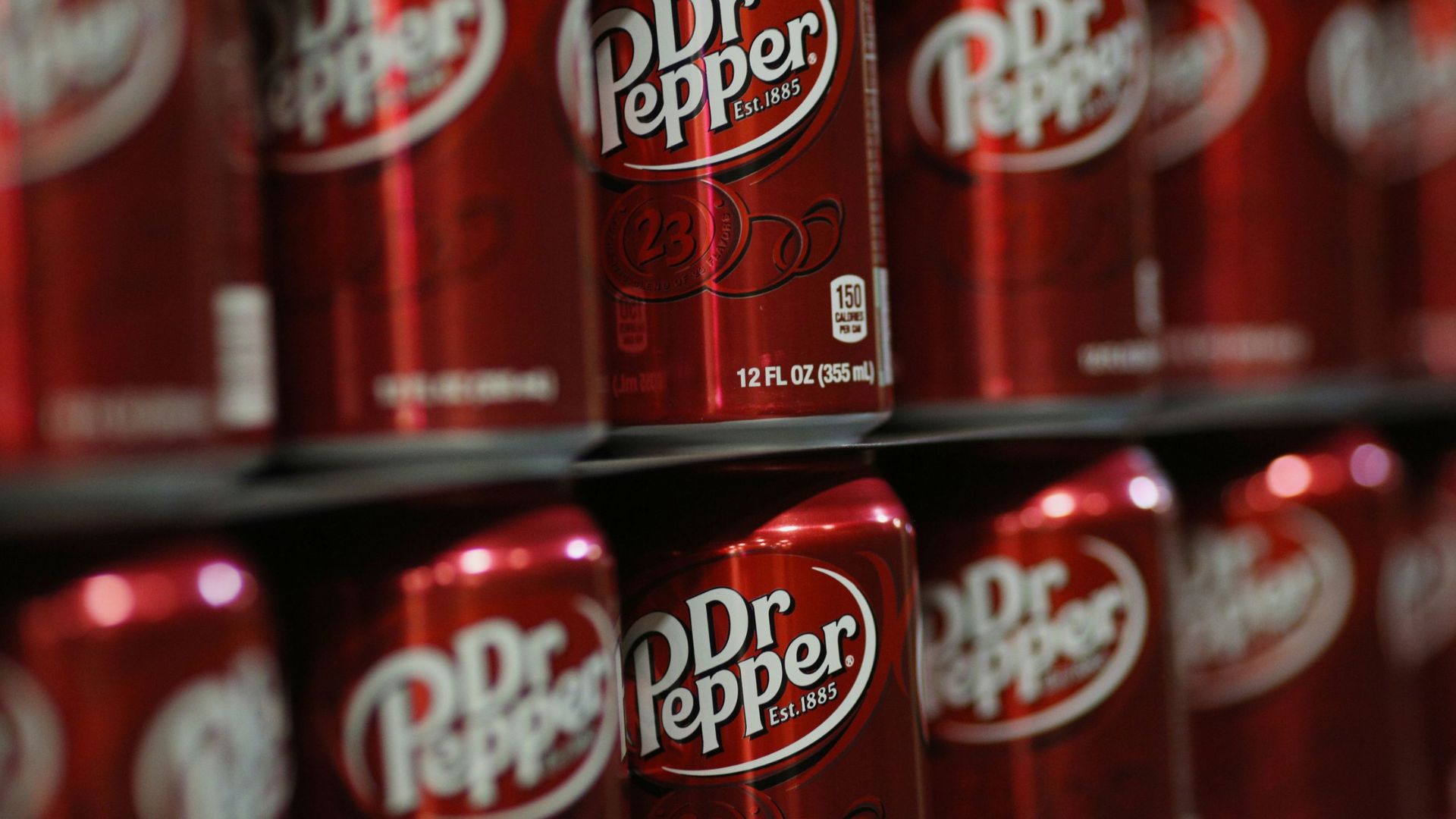
Keurig Dr Pepper announced plans to acquire European coffee powerhouse JDE Peet’s in a landmark $18 billion all-cash deal, signaling a major reshaping of the company’s portfolio. Once finalized, the transaction will split the business into two separate entities: a coffee-focused company combining Keurig’s single-serve pods with JDE Peet’s global coffee brands, and a soft drink company housing iconic beverages such as Dr Pepper, Snapple, and 7UP.
The deal is being framed as a strategic response to shifting consumer trends and mounting pressures in the coffee market. While the beverage segment has remained strong, Keurig Dr Pepper’s coffee business has faced challenges in recent years due to rising coffee bean prices, supply disruptions, and competition from store brands. By separating the two businesses, the company aims to allow each entity to pursue tailored growth strategies suited to their respective markets.
The new coffee company, projected to generate around $16 billion in annual sales, will be headquartered in Burlington, Massachusetts, with international operations managed from Amsterdam. Meanwhile, the beverage business, with roughly $11 billion in annual sales, will operate out of Frisco, Texas. This structural shift allows both companies to focus on specialized operational efficiencies and innovation. Keurig Dr Pepper executives expect that the coffee-focused entity will be better equipped to navigate global commodity pressures, including droughts in major coffee-exporting regions like Brazil and Vietnam, as well as newly imposed U.S. tariffs on Brazilian coffee imports.
JDE Peet’s brings nearly 50 coffee and tea brands from around the world, including France’s L’Or, Germany’s Jacobs coffee, and New Zealand’s Ti Ora tea. The company has demonstrated strong pricing power, with first-half sales rising nearly 20% to just under $6 billion, driven primarily by strategic price increases. Keurig Dr Pepper anticipates leveraging JDE Peet’s international reach and brand diversity to accelerate innovation and expand global market share.
In contrast, Keurig Dr Pepper’s soft drink division has outperformed in recent quarters, with sales rising 10.5% year-over-year to $2.7 billion, fueled by strong demand for flavored beverages. By keeping this segment distinct, management aims to maintain focus on profitable core brands while continuing to pursue growth in emerging beverage trends.
Industry analysts view the transaction as part of a broader trend among major food and beverage companies to realign portfolios. Similar moves in recent years include Kellogg’s spin-off of its snack brands and the acquisition activity by Mars and Ferrero, highlighting the increasing importance of market specialization in maintaining competitiveness.
The deal is expected to close in the first half of 2026, pending shareholder and regulatory approvals. Management changes are also slated: Timothy Cofer, CEO of Keurig Dr Pepper, will lead the beverage business, while CFO Sudhanshu Priyadarshi will oversee the newly formed coffee company. Executives emphasize that the separation will create two highly focused, growth-oriented companies, each with the agility to respond to consumer demand and evolving market conditions.
As consumer habits continue to evolve and commodity prices fluctuate, the split positions Keurig Dr Pepper to optimize value across both the coffee and soft drink markets, potentially unlocking growth and operational efficiencies that were harder to achieve under a unified structure.
In one of the largest utility deals of the year, Black Hills Corp. (NYSE: BKH) and NorthWestern Energy Group, Inc. (Nasdaq: NWE) announced a definitive agreement to merge in an all-stock, tax-free transaction that gives the combined company an enterprise value of roughly $15.4 billion. The boards of both companies approved the deal unanimously, setting the stage for the creation of a new regulated electric and natural gas utility with operations across eight states.
Together, the companies will serve about 2.1 million customers, including more than 700,000 electric customers and 1.4 million natural gas customers. Their combined footprint will stretch across Arkansas, Colorado, Iowa, Kansas, Montana, Nebraska, South Dakota, and Wyoming, supported by nearly 97,000 miles of transmission and distribution lines and close to 3 gigawatts of generation capacity from a mix of thermal, hydro, and wind resources. The companies expect the deal to nearly double their combined rate base to $11.4 billion, providing the scale needed to meet rising energy demand and expand infrastructure for new industries such as data centers.
Management emphasized that the merger would create long-term value for both shareholders and customers. The new utility is projected to deliver annual earnings-per-share growth in the range of 5 to 7 percent, a pace that exceeds what either company had targeted on a standalone basis. Executives also pointed to stronger access to capital, a more balanced regulatory profile, and improved financial flexibility as key benefits of the transaction. Shareholders of Black Hills will own about 56 percent of the merged company, while NorthWestern shareholders will hold the remaining 44 percent.
The combined company will be headquartered in Rapid City, South Dakota, but leadership responsibilities will be shared. NorthWestern’s chief executive Brian Bird will serve as CEO, while Black Hills’ senior vice president and chief utility officer Marne Jones will become chief operating officer. Crystal Lail, currently CFO of NorthWestern, will take the same role in the new company, and Kimberly Nooney, CFO of Black Hills, will become chief integration officer. The board of directors will include six members from Black Hills and five from NorthWestern.
Both companies said they remain committed to safety, reliability, and sustainability, and they plan to continue investing heavily in grid modernization and renewable energy. With more than $7 billion in planned investments between 2025 and 2029, the new entity expects to play a central role in supporting the energy transition while keeping costs manageable for customers.
The merger, which is subject to shareholder approval, regulatory review in several states, and clearance from the Federal Energy Regulatory Commission, is expected to close within 12 to 15 months. If approved, it would establish a premier mid-cap regulated utility with diversified operations, predictable cash flows, and the capacity to pursue growth opportunities across an expanding energy landscape.
WideOpenWest, Inc. (NYSE: WOW), one of the nation’s largest broadband providers, has agreed to a $1.5 billion buyout by DigitalBridge Group, Inc. and Crestview Partners, marking the company’s exit from public markets. Under the agreement, shareholders will receive $5.20 in cash per share — a 63% premium over the most recent closing price and a 37.2% premium from its unaffected value prior to a May 2024 offer.
Crestview, which already owns roughly 37% of WOW!’s outstanding shares, will roll over its stake and partner with DigitalBridge to take the company private. The partnership signals a strategic push to accelerate WOW!’s growth, expand its geographic reach, and invest heavily in advanced broadband infrastructure.
With a footprint spanning 20 markets in the Midwest and Southeast, WOW! passes nearly 2 million homes and businesses, offering internet, TV, and phone services. In recent years, the company has made significant investments in all-fiber networks, including builds in Central Florida and South Carolina. Going private is expected to give the company greater flexibility to pursue such large-scale infrastructure projects without the constraints of quarterly earnings pressures.
The acquisition also underscores broader private-equity interest in U.S. broadband assets, as demand for high-speed internet continues to climb. DigitalBridge, a global investor in digital infrastructure, brings a track record in funding and operating fiber networks, while Crestview’s long-term involvement offers stability and operational experience. Together, the firms intend to strengthen WOW!’s competitive position through technology upgrades, enhanced customer service, and targeted market expansion.
The transaction has been unanimously approved by WOW!’s board following a review by a special committee of independent directors. The process involved evaluating multiple strategic options, with the board concluding that the offer delivered the best value for shareholders.
Completion of the deal is contingent on shareholder and regulatory approvals, with closing anticipated by late 2025 or early 2026. Once finalized, WOW! will be delisted from the New York Stock Exchange and operate as a privately held company.
Advisors to the transaction include Centerview Partners for WOW!’s special committee, with Wachtell, Lipton, Rosen & Katz serving as legal counsel. DigitalBridge and Crestview are being advised by LionTree Advisors, with Morgan Stanley and Goldman Sachs as structuring advisors. Legal counsel is being provided by Simpson Thacher & Bartlett LLP for DigitalBridge and Davis Polk & Wardwell LLP for Crestview.
For customers, the shift to private ownership is expected to be seamless, with no disruption to services. However, both ownership groups have signaled a strong commitment to expanding network capacity, enhancing speed and reliability, and introducing new offerings designed to meet the evolving needs of both residential and business users.
Key Points: – NiCE acquires Cognigy for $955M, aiming to unify conversational and agentic AI into its CXone Mpower platform. – The deal strengthens enterprise AI offerings amid growing demand for automated, multilingual, and real-time customer service. – Middle market tech and AI solution providers may see rising interest as companies seek scalable, AI-first platforms.
In a bold $955 million move that signals where the future of enterprise customer experience is headed, NiCE has announced the acquisition of Cognigy, a leader in conversational and agentic AI. With completion expected in Q4 2025, this acquisition could significantly reshape how enterprises approach customer service automation in an increasingly AI-centric world.
While broader markets remain focused on tech behemoths, NiCE’s acquisition is a reminder that innovation often comes from the middle tier—where agility meets ambition. The integration of Cognigy’s platform into NiCE’s CXone Mpower cloud system represents a significant leap in unifying front and back-office operations through AI. For companies in the small to mid-cap space, this is a signal worth watching.
Amid legal hurdles and compliance uncertainties surrounding generative AI, NiCE is steering into a niche that is rapidly evolving—agentic AI. These systems go beyond chatbots, offering autonomous agents capable of making real-time decisions, learning from interactions, and supporting human agents across more than 100 languages. This capability can dramatically improve the efficiency of customer-facing teams while preserving the nuance that customer relationships require.
For investors looking at enterprise tech from a middle-market lens, this deal aligns with key themes: the rising value of AI-powered operational tools, increased demand for multilingual and global customer engagement, and the long-term trend of digital-first infrastructure in traditional sectors.
The opportunity here isn’t just about NiCE’s expansion—it’s about what it signals for the broader CX and AI ecosystem. As mid-sized companies continue to digitize customer service operations, acquisitions like this underscore how mission-critical platforms are becoming central to business continuity and differentiation.
With heavyweights like Gartner and Forrester already recognizing NiCE as a category leader, this deal could further solidify its position. Meanwhile, Cognigy’s established client base—including brands like Lufthansa, DHL, and Toyota—adds global credibility and momentum.
For small and micro-cap investors, this may present a ripple effect: increased demand for specialized AI services, rising valuations for scalable automation platforms, and new acquisition interest in the CX tech sector. As AI continues its march into every corner of business, the middle market is proving to be not just reactive, but a proactive player in shaping its future.
Key Points: – ARCHIMED to acquire ZimVie Inc. for $19/share, nearly doubling its 90-day average price. – The $730M deal will take ZimVie private, accelerating its dental technology growth. – Positive signal for middle market healthcare investors as valuations rebound.
In a strategic move that underscores growing momentum in middle-market healthcare, ZimVie Inc. (Nasdaq: ZIMV), a leader in dental implant technology, has entered into a definitive agreement to be acquired by healthcare-focused investment firm ARCHIMED. The all-cash transaction values ZimVie at approximately $730 million, or $19.00 per share — nearly double its 90-day volume-weighted average price of $9.57.
For ZimVie shareholders, the nearly 99% premium represents a compelling exit, especially as the company faced headwinds in public markets. The deal will take the Florida-based firm private, offering it the strategic flexibility and financial backing often difficult to realize under the scrutiny of quarterly earnings and shareholder pressure.
The acquisition is expected to close by the end of 2025, pending regulatory and shareholder approvals. Until then, ZimVie will continue to operate independently.
ZimVie has carved out a niche in the global dental implant market, developing and delivering a comprehensive portfolio of restoration products and digital workflow solutions. Its global footprint and innovation in oral health make it a prime example of a middle-market firm with strong fundamentals and potential for accelerated growth under private ownership.
ARCHIMED’s interest aligns with a broader trend: private equity firms are showing renewed appetite for small and mid-cap healthcare players that have proven tech, scalable platforms, and room for international expansion. ARCHIMED, which manages €8 billion across its healthcare-focused funds, has a track record of guiding companies through global scaling, M&A, and innovation cycles.
While this deal removes a promising small-cap from public investor reach, it also sends a positive signal to investors looking to identify the next undervalued gem. ZimVie’s valuation leap shows that quality middle-market healthcare firms can still command significant premiums — and that smart capital is actively hunting in this space.
Notably, ZimVie has entered a 40-day “go-shop” period, during which it can solicit competing bids. Though there’s no guarantee of a superior proposal, this opens the door for additional interest, potentially raising the final sale price — a factor for investors still holding shares.
As healthcare innovation continues to be a resilient sector, especially in medtech and dental care, this deal could be a bellwether. Middle market investors may find increasing value in companies that combine specialized solutions with long-term demand — especially before they’re targeted by institutional buyers.