Mortgage Rates Hit 7.4%, the Highest in Nearly Three Years

The average 30-year fixed mortgage rate reached 7.4% this week, according to Freddie Mac survey data through Wednesday, up from 7.28% a week earlier and the highest level in nearly three years. Other measures are higher still. Mortgage News Daily calculated 7.59% as of Wednesday, the Mortgage Bankers Association reported a 7.49% average for the week through Friday, and Zillow data showed a 7.52% rate on a 30-year purchase loan today.

The climb has been steady. Freddie Mac’s 30-year average was 6.65% in late August, which means borrowing costs have risen by roughly three-quarters of a percentage point in about seven weeks. The average crossed 7% in late September for the first time in nearly three years and has kept climbing. On a $400,000 loan, a 7.4% rate means principal and interest of roughly $2,770 a month, about $290 more than at the 6.3% level of a year ago.

Mortgage rates are following bond yields higher as investors worry about government spending, inflation tied to the Iran war, and ongoing economic growth. The 10-year Treasury yield has hovered around 5.3% this week, retreating slightly after briefly touching its highest level since 2002. That link to long-term yields explains why mortgage rates have kept rising even as expectations for another Fed hike in October have faded, since home loan costs track the bond market more closely than the Fed’s policy rate.

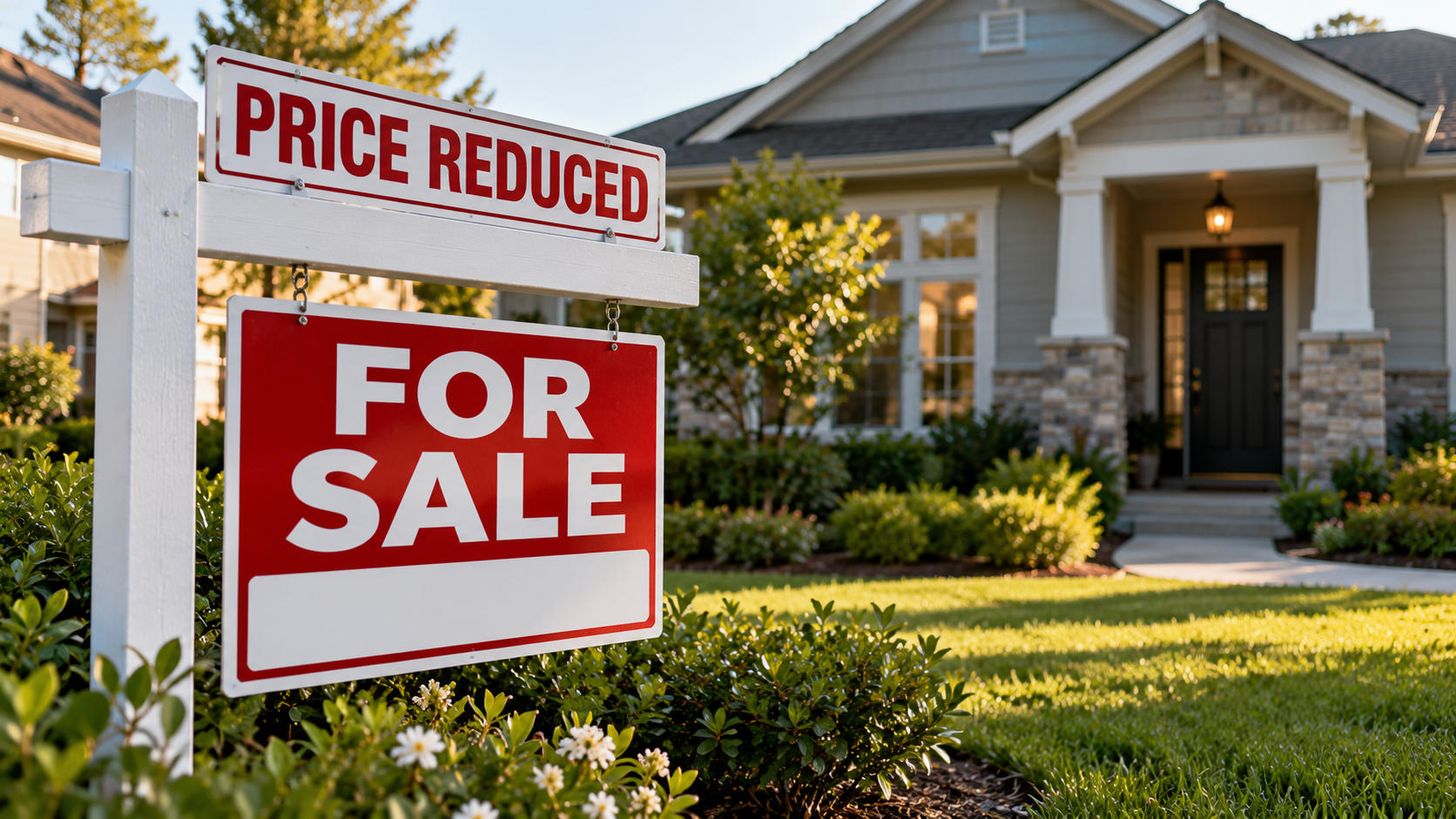
The housing market is showing the strain. One housing economist said the higher rates have unsettled the market, noting that pending home sales fell from a year earlier in both August and September, before rates even crossed 7%, and that sellers are cutting prices at a pace not seen in four years. Higher rates reduce what buyers can afford, which pushes sellers to lower prices to attract them, and it keeps many existing homeowners with lower-rate loans from listing at all.

Refinancing is not offering much of an escape either. Zillow data put the average 30-year refinance rate at 7.41% today and the 15-year at 6.76%, while 15-year purchase loans averaged 6.70%. For buyers weighing alternatives, a 5/1 adjustable-rate mortgage averaged 7.13%, only modestly below the 30-year fixed, which limits the appeal of taking on adjustable-rate risk.

Several upcoming data points will show whether rates are close to a peak: next week’s Freddie Mac survey, the September inflation report, and the Fed’s October 27 and 28 meeting, where futures see only a small chance of another hike.

For small and microcap investors, the mortgage market is a useful read on how long-term rates are feeding into the real economy. Housing-linked businesses, from builders and building products suppliers to real estate services and home improvement retailers, are typically among the first to feel higher borrowing costs, and smaller companies with less pricing power and more floating-rate debt feel it more acutely. Mortgage-related financial companies face the same pressure through lower loan volumes. Because long yields, not the Fed, are driving this move, relief is likely to depend on easing concerns about deficits and inflation rather than on the central bank pausing.

Mortgage Refinance Boom Takes Hold as Weekly Demand Surges 20%

Key Points:
– Refinancing applications surged 20% in one week amid declining mortgage rates.
– Mortgage rates fell to 6.13%, the lowest in two years, driving demand.
– The refinance share of mortgage applications reached 55.7% of total demand.

Mortgage refinance activity has seen a significant surge as homeowners across the United States rush to take advantage of falling interest rates. According to the Mortgage Bankers Association (MBA), applications to refinance home loans soared by 20% last week compared to the previous week, driven by the continuous decline in mortgage rates. This marks a stunning 175% increase in refinance demand from the same time last year.

The average contract interest rate for 30-year fixed-rate mortgages with conforming loan balances ($766,550 or less) dropped to 6.13% from 6.15%. Though the change may seem small, the cumulative effect of eight straight weeks of declining rates is pushing homeowners to seize the opportunity for potential savings. Joel Kan, vice president and deputy chief economist at MBA, highlighted this ongoing trend: “The 30-year fixed rate decreased for the eighth straight week to 6.13%, while the FHA rate decreased to 5.99%, breaking the psychologically important 6% level.”

Refinance applications now make up 55.7% of all mortgage applications, showcasing how appealing the current rates are for homeowners. However, while the percentage rise is significant, the overall level of refinancing activity remains modest when compared to previous refinancing waves. The ongoing economic environment, combined with seasonal slowdowns in homebuying, has contributed to this pattern.

Despite the seasonal slowdown, mortgage applications to purchase homes rose just 1% over the last week, demonstrating that homebuyers are still facing challenges like high home prices and limited inventory. These factors have kept the pace of new home purchases relatively stable, with purchase applications only 2% higher than the same week last year.

One interesting takeaway from the latest data is that average loan sizes for both refinancing and home purchases have reached record highs. The overall average loan size hit $413,100 last week, the largest in the survey’s history. This reflects both the continued rise in home values and the larger loan amounts that homeowners are seeking, particularly in high-cost markets.

Looking ahead, mortgage rates have not seen significant movement at the start of this week. However, they may react as more pressing economic data, such as jobs reports and inflation numbers, are released in the coming weeks. Any developments in the broader economic outlook could influence the future path of mortgage rates, either stabilizing them or prompting further fluctuations.

For now, homeowners who have yet to take advantage of the current low rates are eyeing the market closely, as more savings could be realized with additional rate cuts. With mortgage rates remaining near their lowest levels in two years, the refinancing boom may continue to gain traction, especially if the Federal Reserve implements further rate cuts to counter slowing economic growth.