The Emerging Biotech Sector: A Bright Spot for Investors

The biotechnology sector has seen a flurry of activity recently, with major drugmakers looking to acquire smaller biotech firms to boost their pipelines. According to a recent Bloomberg News report, French pharmaceutical giant Sanofi is in talks to acquire Mirati Therapeutics, a clinical-stage biotech focused on developing novel cancer treatments.

While negotiations are still ongoing, this potential deal highlights the enormous value being seen in emerging biotech firms like Mirati that are pioneering cutting-edge medicines. Mirati’s lead drug candidate is a treatment for non-small cell lung cancer, one of the most common and deadly forms of cancer.

Other pharma giants have also inked deals to tap into biotech innovation. Earlier this month, cancer drug developer Immunome merged with Morphimmune. And Eli Lilly recently completed its acquisition of POINT Biopharma for $1.4 billion.

These mergers and acquisitions underscore the biotech sector’s immense growth prospects. With novel approaches to treating cancer, genetic diseases, and other unmet medical needs, biotechs have become hotbeds for innovation. And major drugmakers are increasingly looking to tap into these scientific advancements through strategic deals.

For investors, the busy M&A environment highlights the potential windfalls in identifying and investing in promising biotech firms early on. While risky, buying shares in companies with disruptive technologies before they are on Big Pharma’s radar can result in exponential returns.

With science rapidly advancing, the coming decades are likely to see huge leaps in biomedical innovations. The recent wave of pharma-biotech mergers shows large drugmakers recognize the future potential of biotech. Savvy investors who spot these opportunities stand to profit as more biotech firms are snatched up or grow into full-fledged pharmaceutical leaders themselves.

Take look at other emerging biotechnology companies by taking a look at Noble Capital Market’s Senior Research Analyst Robert LeBoyer’s coverage list.

The Promise of Biotech

Biotechnology represents an exciting new frontier in drug development. Unlike traditional pharmaceuticals derived from chemical compounds, biotech drugs utilize living organisms and biological molecules to treat disease.

Some key innovations driving growth in biotech include:

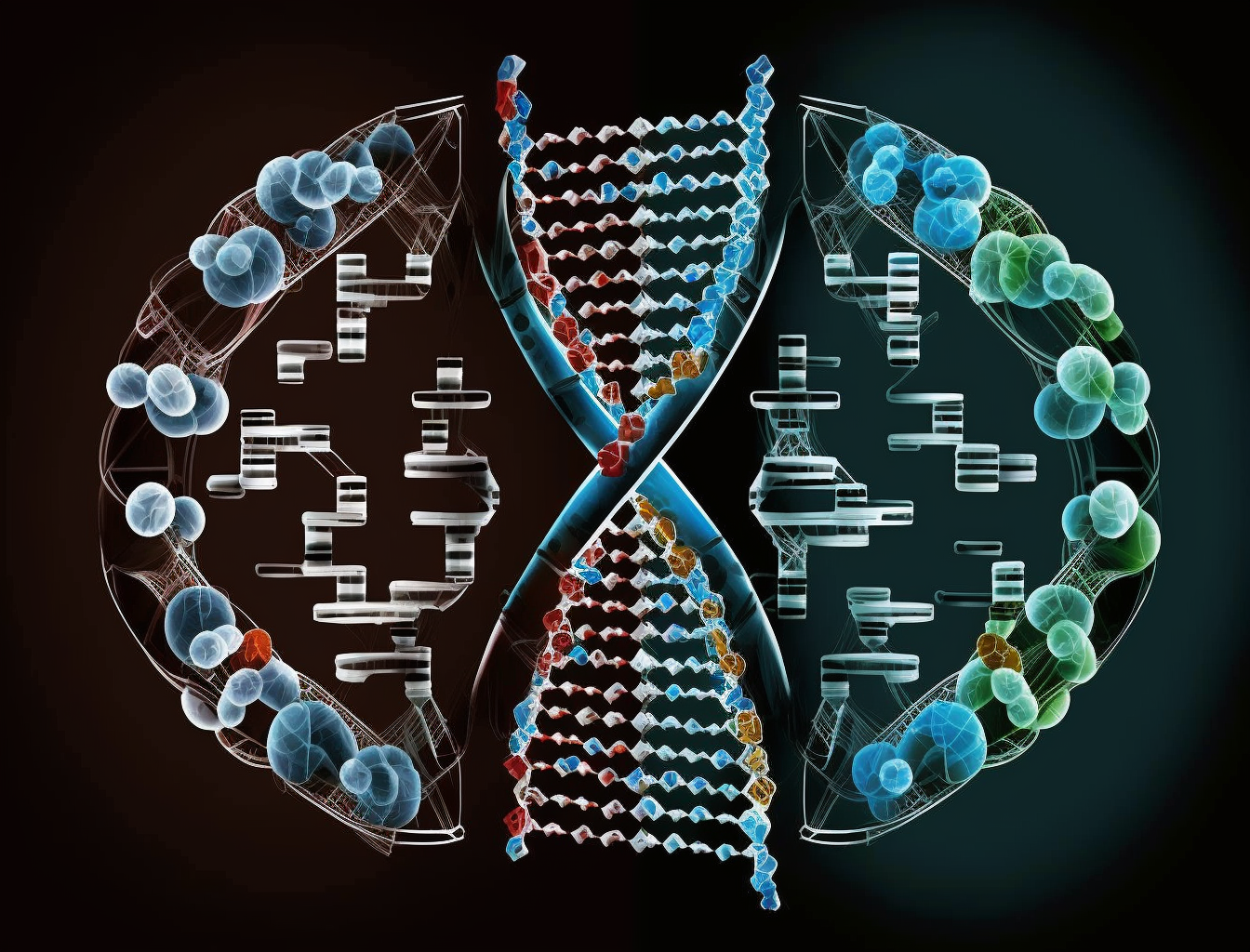
  • Gene therapy – Altering genes to treat genetic conditions. Gene editing tools like CRISPR have made gene therapy more precise and scalable.
  • Cell therapy – Using modified human cells as treatments, such as CAR T-cell therapy for blood cancers.
  • RNA interference – Silencing specific genes by blocking mRNA translation through RNAi mechanisms.
  • Monoclonal antibodies – Targeted antibodies cloned from immune cells are blockbuster therapies for cancer, autoimmunity, and more.
  • Vaccines – Novel vaccine platforms like mRNA vaccines are enabling rapid development of new vaccines.

These advanced technologies promise to revolutionize medicine and usher in an era of personalized, precision medicine. The possibilities span from regenerative medicine to reversing aging. For investors, biotech represents enormous growth potential.

Biotech Deal Frenzy

Given the vast promise of biotech, it is no surprise that pharmaceutical giants have been scooping up biotech firms at a fierce clip. Small promising biotechs are prime targets for acquisition.

Big Pharma companies like Sanofi, Merck, and Bristol-Myers need to refill drying pipelines. Revenue-generating biotech drugs can also help offset losses from older medications losing patent protection.

For the acquiring company, buying a biotech with an innovative drug candidate eliminates the risks and costs of developing a new medicine from scratch. And the more established resources and expertise of a pharma giant can help push novel therapies through late-stage trials and regulatory approvals.

Meanwhile, being acquired provides biotech startups with an influx of funds and resources to continue advancing their pipeline. It also offers a lucrative exit for early investors.

As the healthcare needs of the global population increase, larger pharmaceutical companies will likely continue acquiring emerging biotechs to remain competitive. This M&A frenzy shows no signs of slowing down.

Investment Opportunities

For investors, the busy biotech M&A environment provides exciting opportunities to profit. Here are some tips:

  • Seek out early-stage biotechs with promising technologies before they become acquisition targets. The ideal scenario is investing pre-IPO.
  • Focus on firms with advanced clinical pipelines addressing urgent unmet needs like cancer, rare diseases, neurodegeneration, etc.
  • Evaluate the strength of a biotech’s intellectual property and licensing agreements for its core technology.
  • Assess the management team’s experience in drug development and commercialization.
  • Consider biotechs focused on next-gen platforms like gene editing, cell therapy, RNAi, etc which are garnering lots of interest.
  • Be prepared to hold for longer time horizons and have a higher risk tolerance. Clinical trials have high failure rates.

For investors comfortable with risk, the payoffs for spotting the next potential biotech star could be immense as entire new markets for cutting-edge medicines continue to emerge.

Kyowa Kirin Bets on Gene Therapy With $477M Orchard Therapeutics Acquisition

Japan-based pharma Kyowa Kirin has agreed to acquire gene therapy specialist Orchard Therapeutics in a deal worth up to $477.6 million. The buyout aims to strengthen Kyowa Kirin’s emerging presence in the high-potential genetic medicine field.

Under the terms, Kyowa Kirin will pay $16 per Orchard ADS in cash upfront, representing a 144% premium to Orchard’s recent share price. Orchard shareholders will also receive a contingent value right worth an additional $1 per ADS if certain regulatory milestones are met.

The total potential payout values the deal at $477.6 million. Kyowa Kirin expects the acquisition to close in Q1 2024 pending approvals.

Orchard focuses on developing therapies using genetically modified hematopoietic stem cells (HSCs) taken from patients themselves. Its treatments aim to correct the underlying genetic cause of diseases in a single administration.

The company’s lead asset is Libmeldy, approved in Europe for treating a rare metabolic disorder called MLD. It also has two other programs for pediatric neurological conditions in late-stage testing.

Beyond the commercial and near-term pipeline assets, Kyowa Kirin gains Orchard’s HSC gene therapy platform. This technology can be leveraged to develop new treatments for diseases in Kyowa Kirin’s wheelhouse like oncology, autoimmune disorders, and others.

Kyowa Kirin has made gene and cell therapy a priority as part of its vision to deliver transformative new medicines. Orchard’s proven development capabilities and leadership position in HSC gene therapy make it an ideal fit for this strategy.

The high premium paid reflects Orchard’s status as a pioneer in the burgeoning field of genetic medicine. The deal provides Kyowa Kirin immediate scale and expertise in leveraging gene therapy.

Kyowa Kirin also gains commercial infrastructure to support the global launch of Libmeldy. The FDA is currently reviewing Libmeldy for approval in the U.S. with a decision date in March 2024.

Orchard’s two other clinical programs in development also address rare pediatric neurological disorders with immense unmet need. Additional earlier stage preclinical assets add further upside to the pipeline.

The deal continues biotech industry consolidation as large players acquire innovators to reinforce their drug development pipelines. The competition among pharmas for gene therapy assets has intensified as the field matures.

For Orchard investors, the buyout represents a significant premium after a long stretch of the stock languishing. But with cash running low, the company faced challenges transitioning its pipeline programs to commercial status alone.

The deal provides ample resources to continue advancing Orchard’s mission of tackling rare genetic diseases. Kyowa Kirin expects to hit $1 billion in sales from the MLD treatment alone if approved in the U.S.

Gene therapy has disrupted drug development over the past decade with its potential to deliver curative, lifelong treatment through a single administration. As technology improves, dealmaking and R&D in the space continues gaining steam.

Kyowa Kirin is the latest pharma to bet big on gene therapy’s possibilities. If it can successfully harness Orchard’s specialized platform and assets, the deal may pave the way to developing life-changing genetic medicines while delivering solid returns to shareholders.

Standard BioTools and SomaLogic to Merge, Creating $1B Life Sciences Tools Leader

Standard BioTools and SomaLogic have announced plans to unite through an all-stock merger aimed at creating a diversified life sciences tools platform with over $1 billion in equity value. The deal brings together technologies, expertise and customer bases across genomics, proteomics and other omics fields.

Standard BioTools provides genomic analysis tools catering to academic and clinical research settings. SomaLogic specializes in proteomics technology that profiles proteins for biopharmaceutical drug discovery. Their complementary offerings provide scale, synergies, and cross-selling opportunities.

Under the merger agreement, SomaLogic shareholders will receive 1.11 shares of Standard BioTools stock for each SomaLogic share they own. This values SomaLogic at over $370 million based on recent Standard BioTools share prices.

The combined company expects to generate $80 million in cost synergies by 2026 through optimization of its integrated operations. It will also hold over $500 million in cash to fund growth initiatives and new product development.

Standard BioTools CEO Michael Egholm touted SomaLogic’s proteomics capabilities as an ideal fit to accelerate his company’s strategy in the over $100 billion life science tools industry. The deal diversifies Standard BioTools’ portfolio beyond genomics while leveraging its global commercial infrastructure.

SomaLogic provides proteomic analysis that reveals functional expressions of genes, filling a key gap left by genomics. Its SOMAscan platform uses aptamer-based technology to measure thousands of proteins in biological samples.

Take a moment to take a look other biotech companies by looking at Noble Capital Markets’ Senior Research Analyst Robert LeBoyer’s coverage list.

The technology has become an industry leader in enabling biopharma researchers to identify and validate new drug targets. SomaLogic has relationships with nine of the ten largest pharma companies along with partnerships like its recently launched proteogenomics offering with Illumina.

Standard BioTools plans to tap into these biopharma relationships to cross-sell its genomic analysis tools. Meanwhile, SomaLogic can leverage Standard BioTools’ strong presence selling to academic labs. The combined customer base spans nearly all major end markets.

SomaLogic interim CEO Adam Taich called the merger an opportunity to better serve translational and clinical research customers while creating shareholder value. The healthy $500 million cash position provides ample capital to fund the commercial ramp.

Standard BioTools increased its 2023 revenue outlook to $100-105 million following the merger news. SomaLogic maintained its full-year guidance of $80-84 million. Together, the combined entity expects to generate over $180 million this year.

The boards of both companies have unanimously approved the transaction. Major shareholders holding around 16% of Standard BioTools stock and 1% of SomaLogic have also committed support through voting agreements.

The deal is expected to close in the first quarter of 2024 after securing shareholder and antitrust regulatory approvals. The combined company will operate under the Standard BioTools name and stock ticker, with dual headquarters in South San Francisco and Boulder, Colorado.

Standard BioTools has undergone major changes after a period of underperformance, divesting its sequencing business earlier this year. The merger with SomaLogic continues its strategic shift toward life science research tools.

Together, the companies aim to accelerate development of new diagnostics and precision medicines through their multi-omics technology. Providing genomics, proteomics and other readouts on disease samples provides deeper insights to researchers.

With scale, synergies, ample resources, and multi-pronged revenue opportunities, the combined Standard BioTools and SomaLogic expects to occupy a strengthened position in the competitive life science tools space. Their integration marks the continued consolidation in the industry amid rising demand for omics-based research capabilities.

Release – Ocugen To Present at The 2023 Cell & Gene Meeting On The Mesa

Research News and Market Data on OCGN

October 4, 2023

PDF Version

MALVERN, Pa., Oct. 04, 2023 (GLOBE NEWSWIRE) — Ocugen, Inc. (Ocugen or the Company) (NASDAQ: OCGN), a biotechnology company focused on discovering, developing, and commercializing novel gene and cell therapies, biologics, and vaccines, today announced that Dr. Shankar Musunuri, Chairman, Chief Executive Officer and Co-Founder of Ocugen will present at the 2023 Cell & Gene Meeting on the Mesa being held October 10-12, 2023 in Carlsbad, CA at the Park Hyatt Aviara Resort.

Dr. Musunuri will provide an overview of Ocugen’s clinical development programs, including the business strategy across its unique gene and cell therapy platforms, anticipated milestones, and more detail about the Company’s recent positive Phase 1/2 OCU400 data results.

Details of the presentation are as follows:

Event:2023 Cell & Gene Meeting on the Mesa
Date & Time:October 11, 2023 at 5:15 PM, PDT
Location:Park Hyatt Aviara Resort, Carlsbad, CA, Aseptic Technologies Ballroom

“The Cell & Gene Meeting on the Mesa convenes leading industry professionals confronting major scientific, logistic, policy, and economic questions in cell and gene therapy,” said Dr. Musunuri. “I am pleased to join this impressive group and share the latest gene therapy news from Ocugen—compelling positive results from our Phase 1/2 trial of OCU400 for the treatment of retinitis pigmentosa (RP) and Leber congenital amaurosis (LCA)—as well as our progress toward initiating the Phase 3 trial for the Company’s novel cell therapy product candidate for cartilage repair in the second half of 2024.”

Virtual attendance is available, which includes a livestream of Ocugen’s presentation and on-demand viewing of all conference sessions. Please visit https://meetingonthemesa.com for full information including registration.

About Ocugen, Inc. 
Ocugen, Inc. is a biotechnology company focused on discovering, developing, and commercializing novel gene and cell therapies, biologics, and vaccines that improve health and offer hope for patients across the globe. We are making an impact on patients’ lives through courageous innovation—forging new scientific paths that harness our unique intellectual and human capital. Our breakthrough modifier gene therapy platform has the potential to treat multiple retinal diseases with a single product, and we are advancing research in infectious diseases to support public health and orthopedic diseases to address unmet medical needs. Discover more at www.ocugen.com and follow us on Twitter and LinkedIn.

Forward-Looking Statements 
This press release contains forward-looking statements within the meaning of The Private Securities Litigation Reform Act of 1995, which are subject to risks and uncertainties. We may, in some cases, use terms such as “predicts,” “believes,” “potential,” “proposed,” “continue,” “estimates,” “anticipates,” “expects,” “plans,” “intends,” “may,” “could,” “might,” “will,” “should,” or other words that convey uncertainty of future events or outcomes to identify these forward-looking statements. Such statements are subject to numerous important factors, risks, and uncertainties that may cause actual events or results to differ materially from our current expectations. These and other risks and uncertainties are more fully described in our periodic filings with the Securities and Exchange Commission (SEC), including the risk factors described in the section entitled “Risk Factors” in the quarterly and annual reports that we file with the SEC. Any forward-looking statements that we make in this press release speak only as of the date of this press release. Except as required by law, we assume no obligation to update forward-looking statements contained in this press release whether as a result of new information, future events, or otherwise, after the date of this press release. 

Contact: 
Tiffany Hamilton 
Head of Communications 
[email protected] 

Cancer Drug Developer Immunome To Merge With Morphimmune in Quest For Targeted Therapies

Immunome, a clinical-stage biotech developing novel antibody drugs for cancer, plans to merge with private peer Morphimmune in an all-stock deal. The combined company will unite complementary technology platforms with the goal of creating best-in-class targeted oncology therapies.

Morphimmune brings its proprietary Targeted Effector platform designed to selectively deliver anti-cancer payloads directly to tumor cells. Immunome contributes its human memory B cell interrogation platform that can identify novel antibodies against disease-associated antigens.

The merged entity, which will operate under the Immunome name, intends to submit 3 IND applications within 18 months after the transaction closes. The deal is expected to be completed by the end of 2023.

Leading the charge as new Immunome CEO will be current Morphimmune chief Clay Siegall, an industry veteran who previously founded and led Seattle Genetics for over two decades. Siegall built Seagen into a multi-billion cancer drug company on the back of its antibody-drug conjugate (ADC) technology.

His experience commercializing ADCs, which similarly target treatments directly to tumors, is highly relevant. Siegall called the merger “the first step in establishing a preeminent oncology company.”

The transaction will also bring in $125 million via a concurrent private placement from healthcare institutional investors. Participants include Enavate Sciences, EcoR1 Capital, Redmile Group, and Janus Henderson.

The fresh funding will support advancement of Immunome’s lead asset, a novel IL-38 targeting antibody. It originates from the company’s memory B cell interrogation platform, which sorts through patient blood samples to uncover new therapeutic candidates.

From Morphimmune, a potent TLR7 agonist and radioligand therapy are currently in preclinical testing. The TLR7 program stimulates the immune system against cancer cells when targeted via Morphimmune’s effector platform. The radioligand directly delivers cell-killing radiation.

Siegall highlighted the productive synergy between Morphimmune’s delivery technology and Immunome’s antibody generation engine. The combined company will be able to pursue a wider array of novel targets across multiple therapeutic modalities.

For investors, the merger and additional capital provide Immunome with a deeper pipeline and strengthened financial footing. The $125 million infusion should fund operations well into 2024 even with increased R&D activity.

The more diversified targeted therapy portfolio also helps mitigate risk, with programs based on different mechanisms of action. This provides more shots on goal for achieving clinical success and advancing partnership opportunities.

However, Immunome stock initially fell on news of the deal, indicating some investors were unimpressed by the initial progress made since its August 2020 IPO. The cash position was also becoming strained, likely necessitating the additional financing.

But the opportunity to start fresh under industry ace Siegall may give the story new appeal. His track record of building shareholder value and delivering oncology drugs could reinvigorate Immunome.

The merger puts all the pieces in place to become a fully integrated cancer therapy player. Immunome now has platform technology, industry expertise, development capabilities and a strengthened balance sheet.

Execution will be key, but Siegall’s involvement is about as good as it gets in terms of leadership. For long-term investors, Immunome may offer an intriguing backdoor into the vision of one of biotech’s most accomplished CEOs.

Lilly Makes $1.4 Billion Bet on Radioactive Cancer Drugs with POINT Biopharma Acquisition

Pharmaceutical giant Eli Lilly is expanding its cancer treatment portfolio into a promising new area by acquiring POINT Biopharma, a company developing radioactive drugs that precisely target tumors, for $1.4 billion.

POINT specializes in radioligand therapies, an emerging approach to cancer treatment that uses radioactive particles linked to molecules that bind to receptors on cancer cells. This enables the radiation to selectively kill tumors while limiting damage to healthy tissue.

Lilly is paying $12.50 per share in cash for POINT, an 87% premium over the stock’s latest closing price. The deal will give Lilly control of POINT’s pipeline of radioligand therapy candidates, which includes two late-stage experimental drugs.

One drug, PNT20021, targets prostate cancer tumors by binding to a protein called PSMA. Study data expected later this year will show whether it extends the lives of men with metastatic castration-resistant prostate cancer.

The other late-stage drug, PNT20031, homes in on neuroendocrine tumor cells via their somatostatin receptors. It may provide a new option for patients with advanced gastroenteropancreatic neuroendocrine tumors.

Take a look at PDS Biotechnology, a clinical stage immunotherapy company developing a growing pipeline of targeted cancer and infectious disease immunotherapies.

Beyond these lead programs, POINT has several earlier stage radioligands in development for cancers of the breast, lung, and brain. Lilly gains full access to progress these toward human testing.

The deal also gives Lilly two specialized facilities Point has built to produce and research radioligands. Manufacturing the drugs involves linking medical radioisotopes like actinium-225 to the targeting molecules, which requires nuclear expertise.

Jacob Van Naarden, head of Lilly’s oncology division, touted the promise of radioligands to safely destroy cancer while avoiding the side effects of traditional chemo. “We are excited by the potential of this emerging modality,” he said.

Lilly has been growing its cancer treatment business in recent years through deals for other firms’ drug candidates and technologies. The POINT acquisition similarly expands Lilly’s footprint into an area well-suited for precision medicine.

The U.S. Food and Drug Administration has already approved over a half dozen radioligand therapies from Lilly competitors like Novartis. Their success is driving a surge of investment and deal-making in the radiopharmaceutical field.

But analyst Geoffrey Porges of SVB Securities thinks Lilly overpaid for POINT. “We believe the valuation fails to reflect the very high risks inherent in drug development,” he wrote in a note to investors.

Porges added that Lilly may need to invest over $2 billion more to fully develop POINT’s pipeline over the next 5-7 years, with no certainty the drugs will pan out.

Lilly expects the acquisition to close by the end of 2023 after gaining required antitrust and regulatory approvals. The majority of POINT shareholders also must tender their shares as part of the agreement.

The deal marks Lilly’s second major oncology purchase in 2022. It paid $1.1 billion earlier in the year access to cancer drug candidates from China’s Zymeworks. With POINT, Lilly is now positioned as a leader across multiple next-wave approaches in the high-stakes race to develop better cancer treatments.

Bruker Pays $108 Million to Acquire Single-Cell Biology Firm PhenomeX

Life science tools provider Bruker Corporation is expanding into the hot field of single-cell analysis through the acquisition of PhenomeX in an all-cash deal valued at around $108 million. Bruker aims to complement its existing microscopy and proteomics businesses by adding PhenomeX’s platforms for studying gene and protein expression in individual cells.

PhenomeX itself was formed just this year through the merger of two prior companies, Berkeley Lights and IsoPlexis. The combined entity offers instruments, software, and reagents to examine the genotype and phenotype of single cells in high throughput.

This enables researchers to link specific cellular traits to underlying genetics and molecular characteristics. It provides a valuable window into cell function relevant to disease as well as development of new therapies.

Bruker cited antibody discovery, cell line engineering, and cell and gene therapy as prime application areas that are fueling rapid growth in the single-cell analysis market. The company pointed to the over 400 systems PhenomeX already has installed at customers as evidence of strong demand.

PhenomeX’s key technology is its Beacon Optofluidic System, which can assess the behavior of tens of thousands of individual cells in parallel while keeping them alive for further genomic analysis. The IsoLight and IsoSpark systems complement this by measuring protein expression in each cell.

Bruker views the acquisition as a launching point into the single-cell biology space, which it called a natural adjacency to its existing fluorescence microscopy offerings. The company has begun expanding beyond its core analytical instrumentation business into faster-growth life science markets.

But some analysts questioned the hefty valuation Bruker paid, amounting to a 90% premium over PhenomeX’s stock price prior to the merger announcement of its predecessor companies. While the technology is cutting-edge, PhenomeX remains an early-stage business posting minimal revenue.

Bruker may need to invest significantly more over years to fully commercialize PhenomeX’s products and turn it into a growth contributor. But the opportunity to lead a new market niche ultimately justified the price.

Take a moment to take a look at other biotech companies by looking at Noble Capital Markets Senior Research Analyst Robert LeBoyer’s coverage list.

Single-cell analysis has become one of the hottest areas within the life sciences amid the precision medicine revolution. Researchers are realizing individual cells often differ genetically and behave differently even within the same tissue sample. Analyzing them as a group obscures key insights.

By examining each cell’s genotype and phenotypic traits individually, links can be drawn to implicate specific genes in cellular functions relevant to diseases like cancer. This enables more targeted drug discovery.

The market is still in its early days but is on a steep growth trajectory as biopharma companies incorporate single-cell capabilities into their R&D. Bruker already enjoys strong relationships through its existing product lines and now gains a foothold to capitalize.

Meanwhile, gaining Bruker’s global commercial infrastructure and resources provides a major boost to PhenomeX, which was formed through the merger of two startups. Having an established industry leader backing its technology and lowering R&D risks strengthens its prospects.

For Bruker investors, the purchase expands the company’s total addressable market by billions in the coming years. While not yet profitable, PhenomeX offers a bridge into a complementary fast-growing segment aligned with Bruker’s strengths.

The deal is the largest in Bruker’s recent spate of acquisitions to reshape itself beyond analytical tools into a more diversified life sciences player. It mirrors consolidation in the broader market as major instrumentation firms seek more exposure to biopharma and cell-based research markets.

If Bruker can successfully integrate and scale up PhenomeX’s platform, the $108 million price tag may prove to be a bargain entry point into the booming single-cell analysis space.

Release – PDS Biotech Announces Interim 24-Month Survival Rate of 74% in Immune Checkpoint Inhibitor Naïve Head and Neck Cancer Patients Treated with PDS0101 in Combination with KEYTRUDA® (pembrolizumab)

Research News and Market Data on PDSB

  • Interim VERSATILE-002 data for the first-line treatment of recurrent or metastatic head and neck cancer patients who were immune checkpoint inhibitor (ICI) naïve; published 24-month survival rate of less than 30% for approved ICI1.
  • Received feedback from US Food and Drug Administration (FDA) on the Company’s amended Investigational New Drug (IND) application allowing initiation of VERSATILE-003 Phase 3 trial in the fourth quarter of 2023.
  • 12-month overall survival (OS) rate of 56% in ICI refractory patients; published median 12-month OS rate of 17% with no salvage chemotherapy following tumor progression on ICI (ICI Refractory)2*.
  • Well tolerated with no patients having Grade 4 or 5 combination treatment-related adverse events.
  • Interim VERSATILE-002 data and VERSATILE-003 Phase 3 trial design to be discussed during Key Opinion Leader (KOL) Roundtable today at 8:00 a.m. EDT.

PRINCETON, N.J., Oct. 03, 2023 (GLOBE NEWSWIRE) — PDS Biotechnology Corporation (Nasdaq: PDSB) (PDS Biotech or the Company), a clinical-stage immunotherapy company developing a growing pipeline of targeted cancer immunotherapies and infectious disease vaccines based on the Company’s proprietary T cell activating platforms, today announced updated interim data based on an August 2nd cut off from the VERSATILE-002 Phase 2 clinical trial evaluating PDS0101 in combination with Merck’s anti-PD-1 therapy, KEYTRUDA® (pembrolizumab), in patients with unresectable, recurrent, or metastatic HPV16-positive head and neck squamous cell carcinoma (HNSCC). VERSATILE-002 is investigating two patient populations whose cancer has returned or spread – ICI naïve and ICI refractory. The ICI naïve group had not responded to standard-of-care treatments but had not yet been treated with an ICI. The ICI refractory group included patients who had not responded to multiple prior treatments, including ICI therapy. Data presented at ASCO was based on a January 13th cut off.

“The updated interim data from our VERSATILE-002 clinical trial further validates the potential of PDS0101 when combined with KEYTRUDA® to address the urgent need for more effective therapies that are well tolerated and allow advanced recurrent and metastatic HPV16-positive head and neck cancer patients to live significantly longer lives than current approaches,” said Frank Bedu-Addo, PhD, President and Chief Executive Officer of PDS Biotech. “Following feedback from the FDA, we look forward to evaluating this promising combination treatment in the VERSATILE-003 Phase 3 clinical trial, which we expect to initiate in the fourth quarter of 2023. VERSATILE-003 will investigate the efficacy and safety of PDS0101 combined with KEYTRUDA® compared to KEYTRUDA® monotherapy in ICI-naïve patients with recurrent or metastatic HPV16-positive HNSCC. The primary endpoint for the study will be overall survival.”

VERSATILE-002: ICI Naïve

Highlights of the interim data from the ICI naïve cohort include:

  • 24-month overall survival (OS) rate is 74%; published 24-month survival rate of less than 30% for approved ICI1.
  • 12-month OS rate is 80%; published results of 30-50% with approved ICIs1.
  • Tumor shrinkage seen in 60% (31/52) of patients.
  • Confirmed overall response rate (ORR) is 27% (14/52) to date.
  • Median progression-free survival (PFS) is 8.1 months to date; published results of 2-3 months PFS with approved ICIs1.
  • 13% (8/62) of patients experienced Grade 3 treatment-related adverse events (TRAE) and 0% (0/62) experienced Grade 4 or 5 TRAE; published results report 13-17% Grade 3-5 TRAE with approved ICI monotherapy1.
  • 60% (33/55) of patients have CPS score of 1-19 (who generally have a weaker response to KEYTRUDA®), and 40% (22/55) have CPS score >20 (who generally have a higher response to KEYTRUDA®).

VERSATILE-002: ICI Refractory

The goal of this ICI refractory cohort was to confirm and to better understand the role of PDS0101 in prolonging the survival of advanced HPV16-positive head and neck cancer patients who received PDS0101 in combination with KEYTRUDA®. This analysis is also intended to provide insight to the contribution of PDS0101 to overall survival in the National Cancer Institute-led study evaluating the combination of PDS0101, PDS0301 (antibody conjugated IL12), and an ICI.

Highlights of the interim data from the ICI refractory cohort include:

  • The 12-month OS rate is 56%. The published median 12-month OS rate is 17% with no salvage chemotherapy following tumor progression on ICI (ICI Refractory)2*.
  • 0% (0/21) confirmed ORR suggests that PDS0101’s impact on survival does not appear to be dependent on tumor shrinkage.
  • 4% (1/25) of patients experienced Grade 3 TRAE and 0% (0/21) patients experienced Grade 4 and 5 TRAE.

“We are pleased with the OS results and knowledge gained from the ICI refractory cohort of VERSATILE-002. In agreement with our Data Monitoring Committee (DMC), we will not progress to stage 2 of this cohort in VERSATILE-002. As previously announced, we have no plans to further develop this combination for ICI refractory patients,” said Lauren V. Wood, MD, Chief Medical Officer of PDS Biotech. “PDS0101 appears to immunologically alter the patient’s tumor microenvironment to promote survival. This important data will help inform our development plans for PDS0101.”

Key Opinion Leader Roundtable
Today, Tuesday, October 3, 2023, from 8:00 – 9:00 AM EDT, the Company will host a Key Opinion Leader (KOL) Roundtable on Addressing Current and Future Treatments for Recurrent/Metastatic Human Papillomavirus (HPV)-Positive Head and Neck Squamous Cell Carcinoma (HNSCC) and the Potential Application of PDS0101, including a discussion of the interim data from the VERSATILE-002 trial.

A live webcast of the event will be available online in the Investor Relations section of the Company’s website at https://www.pdsbiotech.com/index.php/investors. A replay will be available for 90 days following the webcast.

1*Ferris R.L., Nivolumab for Recurrent Squamous-Cell Carcinoma of the Head and Neck; N Engl J Med 2016; 375:1856-1867; Burtness B et al., Pembrolizumab alone or with chemotherapy versus cetuximab with chemotherapy for recurrent or metastatic squamous cell carcinoma of the head and neck (KEYNOTE- 048): a randomized, open-label phase 3 study; Lancet 2019; 394(10212):1915-1928. *No control or comparative studies have been conducted between immune checkpoint inhibitors and PDS0101.
https://www.opdivo.com/head-and-neck-cancer
https://www.keytruda.com/head-and-neck-cancer/keytruda-clinical-trials/
2Bila M, Van Dessel J, Smeets M, Vander Poorten V, Nuyts S, Meulemans J, Clement PM. A Retrospective Analysis of a Cohort of Patients Treated With Immune Checkpoint Blockade in Recurrent/Metastatic Head and Neck Cancer. Front Oncol. 2022 Jan 27;12:761428. doi: 10.3389/fonc.2022.761428. PMID: 35155226; PMCID: PMC8828639. *No controlled or comparative studies have been conducted between PDS0101 and no salvage chemotherapy.

About PDS0101
PDS0101, PDS Biotech’s lead candidate, is a novel investigational human papillomavirus (HPV)-targeted immunotherapy that stimulates a potent targeted T cell attack against HPV-positive cancers. PDS0101 is given by subcutaneous injection alone or in combination with other immunotherapies and cancer treatments. In a Phase 1 study of PDS0101 in monotherapy, the treatment demonstrated the ability to generate multifunctional HPV16-targeted CD8 and CD4 T cells with minimal toxicity. Interim data suggests PDS0101 generates clinically active immune responses, and the combination of PDS0101 with other treatments can demonstrate significant disease control by reducing or shrinking tumors, delaying disease progression and/or prolonging survival. The combination of PDS0101 with other treatments does not appear to compound the toxicity of other agents.

About VERSATILE-002
VERSATILE-002 is a single-arm Phase 2 trial evaluating the safety and efficacy of PDS0101, an HPV16-targeted investigational T cell-activating immunotherapy that leverages PDS Biotech’s proprietary Versamune® technology, in combination with Merck’s anti-PD-1 therapy, KEYTRUDA® (pembrolizumab).The combination is being evaluated in immune checkpoint inhibitor (ICI)-naïve and ICI-refractory patients with recurrent/metastatic HPV16-positive head and neck squamous cell carcinoma (HNSCC) and was granted Fast Track designation by the Food and Drug Administration in June 2022.

About VERSATILE-003
The VERSATILE-003 Phase 3 clinical trial is a randomized, active comparator-controlled study designed to investigate the safety and efficacy of PDS0101 combined with KEYTRUDA® compared to KEYTRUDA® monotherapy in ICI-naïve patients with recurrent or metastatic HPV16-positive HNSCC. The primary efficacy endpoint for VERSATILE-003 is overall survival. The Phase 3 study is expected to involve approximately 90-100 clinical sites globally.

About PDS Biotechnology
PDS Biotech is a clinical-stage immunotherapy company developing a growing pipeline of targeted cancer and infectious disease immunotherapies based on our proprietary Versamune®, Versamune® plus PDS0301, and Infectimune® T cell-activating platforms. We believe our targeted immunotherapies have the potential to overcome the limitations of current immunotherapy approaches through the activation of the right type, quantity and potency of T cells. To date, our lead Versamune® clinical candidate, PDS0101, has demonstrated the ability to reduce and shrink tumors and stabilize disease in combination with approved and investigational therapeutics in patients with a broad range of HPV16-associated cancers in multiple Phase 2 clinical trials and will be advancing into a Phase 3 clinical trial in combination with KEYTRUDA® for the treatment of recurrent/metastatic HPV16-positive head and neck cancer in 2023. Our Infectimune® based vaccines have also demonstrated the potential to induce not only robust and durable neutralizing antibody responses, but also powerful T cell responses, including long-lasting memory T cell responses in pre-clinical studies to date. To learn more, please visit www.pdsbiotech.com or follow us on Twitter at @PDSBiotech.

Forward Looking Statements
This communication contains forward-looking statements (including within the meaning of Section 21E of the United States Securities Exchange Act of 1934, as amended, and Section 27A of the United States Securities Act of 1933, as amended) concerning PDS Biotechnology Corporation (the “Company”) and other matters. These statements may discuss goals, intentions and expectations as to future plans, trends, events, results of operations or financial condition, or otherwise, based on current beliefs of the Company’s management, as well as assumptions made by, and information currently available to, management. Forward-looking statements generally include statements that are predictive in nature and depend upon or refer to future events or conditions, and include words such as “may,” “will,” “should,” “would,” “expect,” “anticipate,” “plan,” “likely,” “believe,” “estimate,” “project,” “intend,” “forecast,” “guidance”, “outlook” and other similar expressions among others. Forward-looking statements are based on current beliefs and assumptions that are subject to risks and uncertainties and are not guarantees of future performance. Actual results could differ materially from those contained in any forward-looking statement as a result of various factors, including, without limitation: the Company’s ability to protect its intellectual property rights; the Company’s anticipated capital requirements, including the Company’s anticipated cash runway and the Company’s current expectations regarding its plans for future equity financings; the Company’s dependence on additional financing to fund its operations and complete the development and commercialization of its product candidates, and the risks that raising such additional capital may restrict the Company’s operations or require the Company to relinquish rights to the Company’s technologies or product candidates; the Company’s limited operating history in the Company’s current line of business, which makes it difficult to evaluate the Company’s prospects, the Company’s business plan or the likelihood of the Company’s successful implementation of such business plan; the timing for the Company or its partners to initiate the planned clinical trials for PDS0101, PDS0203 and other Versamune® and Infectimune® based product candidates; the future success of such trials; the successful implementation of the Company’s research and development programs and collaborations, including any collaboration studies concerning PDS0101, PDS0203 and other Versamune® and Infectimune® based product candidates and the Company’s interpretation of the results and findings of such programs and collaborations and whether such results are sufficient to support the future success of the Company’s product candidates; the success, timing and cost of the Company’s ongoing clinical trials and anticipated clinical trials for the Company’s current product candidates, including statements regarding the timing of initiation, pace of enrollment and completion of the trials (including the Company’s ability to fully fund its disclosed clinical trials, which assumes no material changes to the Company’s currently projected expenses), futility analyses, presentations at conferences and data reported in an abstract, and receipt of interim or preliminary results (including, without limitation, any preclinical results or data), which are not necessarily indicative of the final results of the Company’s ongoing clinical trials; any Company statements about its understanding of product candidates mechanisms of action and interpretation of preclinical and early clinical results from its clinical development programs and any collaboration studies; and other factors, including legislative, regulatory, political and economic developments not within the Company’s control. The foregoing review of important factors that could cause actual events to differ from expectations should not be construed as exhaustive and should be read in conjunction with statements that are included herein and elsewhere, including the other risks, uncertainties, and other factors described under “Risk Factors,” “Management’s Discussion and Analysis of Financial Condition and Results of Operations” and elsewhere in the documents we file with the U.S. Securities and Exchange Commission. The forward-looking statements are made only as of the date of this press release and, except as required by applicable law, the Company undertakes no obligation to revise or update any forward-looking statement, or to make any other forward-looking statements, whether as a result of new information, future events or otherwise. 

Versamune® and Infectimune® are registered trademarks of PDS Biotechnology Corporation. KEYTRUDA® is a registered trademark of Merck Sharp and Dohme LLC, a subsidiary of Merck & Co., Inc., Rahway, N.J., USA.

Investor Contact:
Rich Cockrell
CG Capital
Phone: +1 (404) 736-3838
Email: [email protected]

Media Contact:
Gina Cestari
6 Degrees
Phone: +1 (917) 797-7904
Email: [email protected]

Investors Take Interest in MAIA Biotechnology as FDA Clears Path for Cancer Drug Trial

Shares of MAIA Biotechnology were trading higher Tuesday after the company announced that the FDA has cleared its application to test its experimental cancer therapy THIO in patients in the United States.

MAIA Biotech is developing THIO as a novel immunotherapy approach for advanced non-small cell lung cancer (NSCLC). With FDA clearance of its Investigational New Drug (IND) application, the company can now include U.S. cancer patients in its ongoing mid-stage trial evaluating THIO’s safety and efficacy.

This regulatory win is driving investor enthusiasm and higher trading volume for MAIA stock today.

About MAIA Biotech and THIO

MAIA Biotech is a clinical-stage immunotherapy company aiming to improve cancer treatment by targeting telomeres. Telomeres play an important role in cancer cell survival and resistance to standard therapies.

The company’s lead therapy THIO represents a first-in-class telomere-targeting agent for NSCLC. Early preclinical research indicates THIO can induce cancer cell death and stimulate anti-tumor immune responses.

MAIA is positioning THIO as a second or third line of treatment for NSCLC patients who have stopped responding to initial immunotherapy. The company sees THIO’s novel approach as a way to improve outcomes in this hard-to-treat population.

Phase 2 Trial Details

THIO is currently being tested in a Phase 2 clinical trial involving sites across Europe, Asia Pacific, and now with FDA clearance, the United States.

The trial is evaluating THIO in combination with the PD-1 checkpoint inhibitor Libtayo in advanced NSCLC patients. Researchers want to see if giving THIO first to “prime” the immune system, followed by Libtayo, can enhance and prolong the immune response against cancer cells.

The primary goal is assessing THIO’s safety and antitumor activity based on overall response rates. Secondary goals include evaluating biomarkers and overall survival. The trial expects to enroll approximately 90 patients total.

Next Steps for MAIA

While still early stage, the FDA clearance represents an important milestone for MAIA as it works to expand THIO’s potential reach. Being able to include U.S. sites should support faster enrollment and generate data from a larger, more diverse patient population.

Positive Phase 2 results would support advancing to a pivotal Phase 3 study, which the company hopes could lead to regulatory approval. MAIA sees a multi-billion dollar market opportunity in later-line NSCLC treatment.

The company is also exploring THIO’s potential in other cancer types like melanoma, prostate cancer, and multiple myeloma.

Why Investors are Excited

FDA clearance of THIO’s IND removes a key regulatory hurdle for MAIA. Being able to test the therapy in the major U.S. market is critical for the smaller biotech company.

Today’s stock move reflects investors’ increased confidence in THIO’s outlook and MAIA’s ability to execute on development plans. If the Phase 2 trial goes well, it would further validate THIO’s novel approach and cancer-fighting potential.

While still highly speculative given the early stage, MAIA represents an intriguing immunotherapy play for investors interested in emerging approaches for hard-to-treat cancers. The company’s focus on telomere biology and unique combination strategy with Libtayo differentiate it from other biotechs.

MAIA stock could continue to be volatile in the months ahead as Phase 2 data approaches. But the FDA clearance has put a spotlight on this previously lesser known name. For investors open to some risk, MAIA may be a cancer immunotherapy stock to have on the radar.

Take a look at more research on MAIA Biotechnology by Noble Capital Markets Senior Research Analyst Robert LeBoyer.

Biotech Poised for a Powerful Comeback

After a fallow period, signs point to the biotech sector regaining its prior momentum. Several factors indicate a pending return to rapid growth and prolific innovation for biotech companies. This prospective resurgence could replicate the boom years of the 1980s and 1990s.

The first driver is scientific advancements that open new possibilities. CRISPR gene editing has revolutionized biotech, allowing cheaper and easier manipulation of genetic code. This enables creation of novel treatments and cures previously out of reach. Other breakthroughs like mRNA vaccines have proven the ability to rapidly develop radically new therapeutic approaches.

Vast amounts of genomic data generated in recent decades have also unlocked new understandings of biologically rooted diseases. By identifying key genetic drivers, drug targets can be validated to produce higher success rates in clinical trials. Failed drug candidates have historically been a major drag on biotech.

Substantial investment capital is also lining up behind biotech again after the sector fell out of favor. While biotech IPOs dropped sharply in 2022, venture funding actually rose to its second highest level ever at $32 billion. Investor appetite remains strong, especially for companies with promising new platforms.

Large cash piles among pharmaceutical giants could further bolster biotech. Big pharma companies have routinely turned to buying biotech firms to fill product pipelines. With major players like Pfizer and Merck holding over $25 billion in deployable cash reserves, expect more dealmaking ahead.

Take a look at several emerging growth biotech companies by looking at Noble Capital Market’s Senior Research Analyst Robert LeBoyer’s coverage list.

Regulatory incentives additionally sweeten the proposition of getting back into biotech. The FDA is actively supporting development in areas like gene therapy, rare diseases, and certain cancers through its pilot programs and priority reviews. This guidance can derisk investments.

The maturing ecosystem around biotech also fuels its potential rebound. Experienced veteran executives can now be tapped to steer startups. Clustering in hubs like Boston and San Francisco persists to provide concentration of talent, capital, and resources.

While risks like high failure rates remain, the ingredients are aligning for biotech’s next generation. Comparisons to the internet boom of the late 1990s resonate, with biotech representing a similar pivotal platform shift. The world’s demographics also underpin demand for new therapies – aging populations in developed nations will drive need.

This fertile environment parallels periods that produced prior biotech booms. In the late 1970s and 80s, the industry arose virtually from scratch around pioneering companies like Genentech and Amgen. The advent of genetic engineering allowed creation of the first biologic drugs.

Another surge came through the 90s as enabling technologies like high throughput screening scaled up the drug discovery process. The mapping of the human genome unleashed another wave of possibilities.

Today’s scientific advances pose an even greater leap, allowing drug development and treatment paradigms hardly imaginable just decades ago. The bounds of human understanding keep expanding.

The stars are aligning for biotech 2.0, an evolution building on past successes but catalyzed by new potentials. It promises to usher in an era of curative therapies, genomic precision, and accelerated innovation. The post-pandemic landscape offers the ideal springboard for this biotech revival.

With therapeutic bottlenecks getting cleared, investor interest rekindling, and confidence restored, expect biotech to reclaim its prior growth trajectory. The lessons of past booms were well learned, leaving companies better positioned to capitalize. Weapons to fight disease grow more powerful by the month.

The public expects and demands new treatments for pressing needs, from cancer to neurological conditions. Demographics favor biotech’s prospects as populations age. An energized ecosystem stands ready to nourish exciting science from lab to market.

The pieces are in place for biotech liftoff. As science unlocks new horizons, investor insight aligns with public health demands, fueling momentum. Biotech’s foundational role in driving modern medical progress is poised to only accelerate. The cycle of innovation spins up again.

Release – PDS Biotech Announces PDS0101 Combined with Chemoradiotherapy Associated with Rapid Decline in Circulating Tumor DNA (ctDNA/cfDNA)

Research News and Market Data on PDSB

  • Study evaluated levels of circulating cell-free HPV DNA (cfDNA) in patients with locally advanced cervical cancer in the IMMUNOCERV Phase 2 clinical trial and patients receiving standard of care (SOC) treatment
  • Patients treated with PDS0101 had greater clearance of cfDNA as compared to those treated with SOC (at week 5, 91.7% vs. 53.1%, P=0.0179)
  • Data presented during oral presentation at ASTRO 2023 Annual Meeting

PRINCETON, N.J., Oct. 02, 2023 (GLOBE NEWSWIRE) — PDS Biotechnology Corporation (Nasdaq: PDSB) (PDS Biotech or the Company), a clinical-stage immunotherapy company developing a growing pipeline of targeted cancer immunotherapies and infectious disease vaccines based on the Company’s proprietary T cell activating platforms, today announced data demonstrating lead candidate PDS0101 in combination with standard-of-care (SOC) chemoradiotherapy (CRT) was associated with a rapid decline in human papillomavirus (HPV) circulating cell-free DNA (cfHPV-DNA), a potential predictive biomarker of treatment response. The data from the IMMUNOCERV Phase 2 clinical trial were featured in an oral presentation by Aaron Seo, MD, PhD, of The University of Texas MD Anderson Cancer Center, at the American Society for Radiation Oncology (ASTRO 2023) Annual Meeting in San Diego, CA.

The IMMUNOCERV Phase 2 trial is investigating PDS0101 in combination with SOC CRT in the treatment of cervical cancer patients with large tumors over 5 cm in size and/or cancer that has spread to the lymph nodes. HPV is the primary cause of cervical cancer with over 99% caused by HPV infection, and cfHPV-DNA can be detected in the blood of patients with cervical cancer. HPV type 16 (HPV16) is the most prominent subtype associated with cervical cancer. The study presented at ASTRO 2023 evaluated the relationship between the levels of circulating cfHPV-DNA and the extent of disease, clinical staging, and treatment response in patients with HPV-positive cervical cancer. 

“We are encouraged by this data from the IMMUNOCERV trial, which highlight the potential of PDS0101 to positively impact cfDNA, an emerging biomarker of clinical response in cervical and other HPV-related cancers,” said Lauren V. Wood, MD, Chief Medical Officer of PDS Biotech. “The findings complement previously presented IMMUNOCERV data which suggested PDS0101 promotes the induction of multifunctional CD8 killer T cells that were associated with declines in circulating tumor DNA and a clinical response with greater than 60% tumor shrinkage at mid-point evaluation in 100% of high-risk cervical cancer patients on the trial. We look forward to continuing to address the unmet needs of patients suffering from HPV-positive cancers such as cervical cancer.”

Sixty-one patients with cervical cancer were included in the analysis either as part of a SOC treatment banking protocol (n=44) or as part of the IMMUNOCERV Phase 2 clinical trial combining PDS0101 with SOC (n=17). Longitudinal plasma samples were collected from each patient at baseline, during weeks 1, 3, and 5, and at 3-4 months after CRT.

In the study, HPV16 was detected in 59% of tumors and 70% of cfDNA. The median cfDNA at baseline was 28.15 copies/mL, with a range of 0 to 206,030 copies/mL.

The presentation at ASTRO 2023 highlighted the following data:

  • Earlier and greater proportion of cfDNA clearance with PDS0101 plus chemoradiation (CRT) vs. SOC CRT alone (81.3% clearance after 3 weeks vs. 30.3% with SOC (p=0.0018), and 91.7% of clearance at 5 weeks vs. 53.1% with SOC (p=0.0179)
  • Baseline cfDNA levels correlated with the International Federation of Gynecology and Obstetrics (FIGO) stage and lymph node involvement; 100% of patients treated with PDS0101 had cancer that had spread to the lymph nodes

“HPV16 cfDNA represents a novel biomarker with the potential to help oncologists make more informed treatment decisions for their patients with HPV16-positive cancers. This early data are encouraging, and we will continue to evaluate patients to determine any potential correlations between cfDNA clearance and clinical outcomes. Further analysis of cfDNA kinetics could provide valuable information on the relationship between cfDNA levels, treatment response, and ongoing clinical outcomes,” said study principal investigator Ann Klopp, MD, PhD, Professor of Radiation Oncology at MD Anderson. “I look forward to the continued evaluation of PDS0101 in combination with standard-of-care chemoradiotherapy.”

About Versamune®
Versamune® is a novel investigational T cell activating platform which effectively stimulates a precise immune system response to a cancer-specific protein. Versamune® based investigational immunotherapies promote a potent targeted T cell attack against cancers expressing the protein. They are given by subcutaneous injection and can be combined with standard of care treatments. Clinical data suggest that Versamune® based investigational immunotherapies, such as PDS0101, demonstrate meaningful disease control by reducing and shrinking tumors, delaying disease progression and/or prolonging survival. Versamune® based immunotherapies have demonstrated minimal toxicity to date that may allow them to be safely combined with other treatments. We believe Versamune® based investigational immunotherapies represent a transformative treatment approach for cancer patients to provide improved efficacy, safety and tolerability.

About PDS0101
PDS0101, PDS Biotech’s lead candidate, is a novel investigational human papillomavirus (HPV)-targeted immunotherapy that stimulates a potent targeted T cell attack against HPV-positive cancers. PDS0101 is given by subcutaneous injection alone or in combination with other immunotherapies and cancer treatments. In a Phase 1 study of PDS0101 in monotherapy, the treatment demonstrated the ability to generate multifunctional HPV16-targeted CD8 and CD4 T cells with minimal toxicity. Interim data suggests PDS0101 generates clinically active immune responses, and the combination of PDS0101 with other treatments can demonstrate significant disease control by reducing or shrinking tumors, delaying disease progression and/or prolonging survival. The combination of PDS0101 with other treatments does not appear to compound the toxicity of other agents.

About PDS Biotechnology
PDS Biotech is a clinical-stage immunotherapy company developing a growing pipeline of targeted cancer and infectious disease immunotherapies based on our proprietary Versamune®, Versamune® plus PDS0301, and Infectimune® T cell-activating platforms. We believe our targeted immunotherapies have the potential to overcome the limitations of current immunotherapy approaches through the activation of the right type, quantity and potency of T cells. To date, our lead Versamune® clinical candidate, PDS0101, has demonstrated the ability to reduce and shrink tumors and stabilize disease in combination with approved and investigational therapeutics in patients with a broad range of HPV16-associated cancers in multiple Phase 2 clinical trials and will be advancing into a Phase 3 clinical trial in combination with KEYTRUDA® for the treatment of recurrent/metastatic HPV16-positive head and neck cancer in 2023. Our Infectimune® based vaccines have also demonstrated the potential to induce not only robust and durable neutralizing antibody responses, but also powerful T cell responses, including long-lasting memory T cell responses in pre-clinical studies to date. To learn more, please visit www.pdsbiotech.com or follow us on Twitter at @PDSBiotech.

Forward Looking Statements
This communication contains forward-looking statements (including within the meaning of Section 21E of the United States Securities Exchange Act of 1934, as amended, and Section 27A of the United States Securities Act of 1933, as amended) concerning PDS Biotechnology Corporation (the “Company”) and other matters. These statements may discuss goals, intentions and expectations as to future plans, trends, events, results of operations or financial condition, or otherwise, based on current beliefs of the Company’s management, as well as assumptions made by, and information currently available to, management. Forward-looking statements generally include statements that are predictive in nature and depend upon or refer to future events or conditions, and include words such as “may,” “will,” “should,” “would,” “expect,” “anticipate,” “plan,” “likely,” “believe,” “estimate,” “project,” “intend,” “forecast,” “guidance”, “outlook” and other similar expressions among others. Forward-looking statements are based on current beliefs and assumptions that are subject to risks and uncertainties and are not guarantees of future performance. Actual results could differ materially from those contained in any forward-looking statement as a result of various factors, including, without limitation: the Company’s ability to protect its intellectual property rights; the Company’s anticipated capital requirements, including the Company’s anticipated cash runway and the Company’s current expectations regarding its plans for future equity financings; the Company’s dependence on additional financing to fund its operations and complete the development and commercialization of its product candidates, and the risks that raising such additional capital may restrict the Company’s operations or require the Company to relinquish rights to the Company’s technologies or product candidates; the Company’s limited operating history in the Company’s current line of business, which makes it difficult to evaluate the Company’s prospects, the Company’s business plan or the likelihood of the Company’s successful implementation of such business plan; the timing for the Company or its partners to initiate the planned clinical trials for PDS0101, PDS0203 and other Versamune® and Infectimune® based product candidates; the future success of such trials; the successful implementation of the Company’s research and development programs and collaborations, including any collaboration studies concerning PDS0101, PDS0203 and other Versamune® and Infectimune® based product candidates and the Company’s interpretation of the results and findings of such programs and collaborations and whether such results are sufficient to support the future success of the Company’s product candidates; the success, timing and cost of the Company’s ongoing clinical trials and anticipated clinical trials for the Company’s current product candidates, including statements regarding the timing of initiation, pace of enrollment and completion of the trials (including the Company’s ability to fully fund its disclosed clinical trials, which assumes no material changes to the Company’s currently projected expenses), futility analyses, presentations at conferences and data reported in an abstract, and receipt of interim or preliminary results (including, without limitation, any preclinical results or data), which are not necessarily indicative of the final results of the Company’s ongoing clinical trials; any Company statements about its understanding of product candidates mechanisms of action and interpretation of preclinical and early clinical results from its clinical development programs and any collaboration studies; and other factors, including legislative, regulatory, political and economic developments not within the Company’s control. The foregoing review of important factors that could cause actual events to differ from expectations should not be construed as exhaustive and should be read in conjunction with statements that are included herein and elsewhere, including the other risks, uncertainties, and other factors described under “Risk Factors,” “Management’s Discussion and Analysis of Financial Condition and Results of Operations” and elsewhere in the documents we file with the U.S. Securities and Exchange Commission. The forward-looking statements are made only as of the date of this press release and, except as required by applicable law, the Company undertakes no obligation to revise or update any forward-looking statement, or to make any other forward-looking statements, whether as a result of new information, future events or otherwise. 

Versamune® and Infectimune® are registered trademarks of PDS Biotechnology Corporation. KEYTRUDA® is a registered trademark of Merck Sharp and Dohme LLC, a subsidiary of Merck & Co., Inc., Rahway, N.J., USA.

Investor Contact:
Rich Cockrell
CG Capital
Phone: +1 (404) 736-3838
Email: [email protected]

Media Contact:
Gina Cestari
6 Degrees
Phone: +1 (917) 797-7904
Email: [email protected]

Release – Eledon Pharmaceuticals Appoints Kidney Transplant Specialist Dr. Allan Douglas Kirk to Board of Directors

Research News and Market Data on ELDN

IRVINE, Calif., Oct. 02, 2023 (GLOBE NEWSWIRE) — Eledon Pharmaceuticals, Inc. (“Eledon”) (NASDAQ: ELDN) today announced the appointment of Allan Douglas Kirk, M.D., Ph.D., to its Board of Directors. Dr. Kirk is internationally recognized for his work in organ transplantation, with a specialized focus on kidney transplants and transplant immunology. He is currently Chairman of the Department of Surgery and Surgeon-in-Chief at Duke University School of Medicine. He is also the David C. Sabiston, Jr. Professor of Surgery, a Professor of Integrative Immunobiology, and a Professor of Pediatrics at Duke.

“We are pleased to have Dr. Kirk join our Board of Directors at a pivotal time at the company following initiation of our Phase 2 BESTOW trial evaluating tegoprubart for the prevention of organ rejection in patients receiving a kidney transplant,” said David-Alexandre C. Gros, M.D., Eledon Chief Executive Officer. “Dr. Kirk’s renowned expertise in the field of organ transplantation, including kidney transplantation, will be incredibly valuable as we advance tegoprubart in clinical development on our mission to fulfill an urgent unmet need for the thousands of patients in need of an organ transplant. I look forward to working closely together.”

“Organ transplantation remains an area of significant unmet need – a need that is often overlooked or underrecognized – and my decades of research have been driven by my desire to improve immunosuppression regimens for transplant patients. Transplant recipients deserve new treatment options with better efficacy and fewer side-effects to help protect their transplanted organs,” said Dr. Kirk. “I am proud to join the Eledon team on their mission to bring patients a novel treatment option that has the potential to transform immunosuppression and improve the lives of patients.”

Dr. Kirk served as the inaugural Chief of the Transplantation Branch for the National Institute of Diabetes and Digestive and Kidney Diseases and has been a principal investigator for multiple clinical trials, including the first-in-human experience with novel immunosuppressive agents. Dr. Kirk has helped pioneer the use of co-stimulation pathway blockade to prevent organ rejection in transplant patients. He has a special interest in immune management of transplant recipients, including therapies that influence T cell co-stimulation pathways and adjuvant therapies that facilitate co-stimulation blockade to prevent the rejection of transplanted organs without undue suppression of protective immunity. His research is directed toward understanding transplant rejection and translating this understanding into improved therapies for transplant recipients. He has co-authored hundreds of peer-reviewed journal publications.

Dr. Kirk is a member of the Duke Transplant Center and is a core faculty member of the Duke Innovation & Entrepreneurship program. He also previously served as Editor-in-Chief for the American Journal of Transplantation. Dr. Kirk earned an M.D. from Duke University School of Medicine, a Ph.D. from Duke University and a B.S. from Old Dominion University.

About Eledon Pharmaceuticals and tegoprubart (formerly AT-1501)

Eledon Pharmaceuticals is a clinical stage biotechnology company with immunology expertise that is developing therapies to protect and prevent rejection of transplanted organs, as well as to treat amyotrophic lateral sclerosis (ALS). The Company’s lead compound in development is tegoprubart, an anti-CD40L antibody with high affinity for CD40 Ligand (also called “CD154”), a well-validated biological target with broad therapeutic potential. Eledon is headquartered in Irvine, California. For more information, please visit the company’s website at www.eledon.com.

Follow Eledon Pharmaceuticals on social media: LinkedInTwitter

Forward-Looking Statements

This press release contains forward-looking statements that involve substantial risks and uncertainties. Any statements about planned clinical trials and the Company’s other future expectations, plans and prospects, as well as other statements containing the words “believes,” “anticipates,” “plans,” “expects,” “estimates,” “intends,” “predicts,” “projects,” “targets,” “looks forward,” “could,” “may,” and similar expressions, constitute forward-looking statements within the meaning of the Private Securities Litigation Reform Act of 1995. Forward-looking statements are inherently uncertain and are subject to numerous risks and uncertainties, including: risks relating to the safety and efficacy of our drug candidates; risks relating to clinical development timelines, including interactions with regulators and clinical sides, as well as patient enrollment; risks relating to costs of clinical trials and the sufficiency of the company’s capital resources to fund planned clinical trials; and risks associated with the impact of the ongoing coronavirus pandemic. Actual results may differ materially from those indicated by such forward-looking statements as a result of various factors. These risks and uncertainties, as well as other risks and uncertainties that could cause the company’s actual results to differ significantly from the forward-looking statements contained herein, are discussed in our quarterly 10-Q, annual 10-K, and other filings with the U.S. Securities and Exchange Commission, which can be found at www.sec.gov. Any forward-looking statements contained in this press release speak only as of the date hereof and not of any future date, and the company expressly disclaims any intent to update any forward-looking statements, whether as a result of new information, future events or otherwise.

Investor Contact:

Stephen Jasper
Gilmartin Group
(858) 525 2047
[email protected]

Media Contact:

Jenna Urban
Berry & Company Public Relations
(212) 253 8881
[email protected]

Source: Eledon Pharmaceuticals

Cocrystal Pharma (COCP) – CDI-988 Begins Phase 1a/b Clinical Trial


Monday, October 02, 2023

Cocrystal Pharma, Inc. is a clinical-stage biotechnology company discovering and developing novel antiviral therapeutics that target the replication process of influenza viruses, coronaviruses (including SARS-CoV-2), hepatitis C viruses and noroviruses. Cocrystal employs unique structure-based technologies and Nobel Prize-winning expertise to create first- and best-in-class antiviral drugs. For further information about Cocrystal, please visit www.cocrystalpharma.com.

Robert LeBoyer, Senior Vice President, Equity Research Analyst, Biotechnology, Noble Capital Markets, Inc.

Refer to the full report for the price target, fundamental analysis, and rating.

CDI-988 Begins Clinical Studies. Cocrystal announced that CDI-988 has begun Phase 1a/b studies, meeting our expected timeframe. CDI-988 is a 3CL protease inhibitor that interferes with an enzyme early in the viral lifecycle, stopping a virus from reproducing. This early action contrasts with other approaches that seek to kill the virus after it reaches the bloodstream. The study objective is to establish safety, dosing, and pharmacokinetics for design of a Phase 2 study.

Phase 1a/b Study Will Test Ascending Dose Cohorts. The study will have a Phase 1a single ascending-dose stage (SAD) in which patients receive a single administration of CDI-988. As safety is established for each dose, subsequent groups receive higher doses. The Phase 1b stage will have multiple administrations of CDI-988 at ascending doses (MAD). Since CDI-988 is an orally administered vaccine, pharmacokinetic data will include the effect of food drug adsorption. The results of the study will be used to design Phase 2 studies in both norovirus, a frequent cause of acute gastroenteritis, and COVID-19.


Get the Full Report

Equity Research is available at no cost to Registered users of Channelchek. Not a Member? Click ‘Join’ to join the Channelchek Community. There is no cost to register, and we never collect credit card information.

This Company Sponsored Research is provided by Noble Capital Markets, Inc., a FINRA and S.E.C. registered broker-dealer (B/D).

*Analyst certification and important disclosures included in the full report. NOTE: investment decisions should not be based upon the content of this research summary. Proper due diligence is required before making any investment decision.