A wave of multibillion dollar buyouts has swept the beaten-down biotech sector in recent months, marking a potential turning point for an industry hammered throughout 2022 – 2023.
With valuations of public companies still depressed, flush private investors have stepped up acquisitions of promising drug developers to bolster pipelines for the long-term. And in a bullish sign for the strategic direction of the space, therapeutics targeting high unmet needs and novel modalities remain key areas of focus amid dealmaking.
Market observers viewed the unsolicited, $58 per share bid as a credible benchmark of intrinsic value vigilantly researched by a strategic acquirer. Immediately in the deal aftermath, similar development-stage oncology names rallied sharply as traders priced in new takeout probabilities.
In fact, suitors moved swiftly to capitalize on improved biotech sentiment, with Horizon Therapeutics agreeing to a $26.4 billion around the same time. The transaction marked 2023’s largest healthcare buyout, further reinforcing peak valuations remain attainable for commercial-stage rare disease names.
Scaling Up to Compete in Gene Therapy
Gene therapy remains one especially alluring area for dealmaking despite lofty price tags. These ultra-rare disease medicines come with cure potential that commands premium sales and reimbursement pricing power.
Recognizing the imperative to bulk up gene therapy capabilities, Pfizer ponied up $5.4 billion to reinforce its genetic medicines pipeline through the acquisition of French outfit Vivet Therapeutics. The move added Vivet’s promising gene therapy for Wilson disease, along with manufacturing strengths across multiple delivery mechanisms.
And gene editing pioneer Sangamo Therapeutics is selling off its cell therapy assets to Sanofi for $700 million as it refocuses efforts around in vivo gene insertion. The deal hands Sanofi disruptive cell therapy technology utilizing precisely engineered zinc fingers to correct disease-causing mutations.
Analysts say more buyouts centered on next-gen platforms are likely on the horizon as drug developers vie for leadership in areas forecast to reshape therapeutic spaces.
Private Capital Eagerly Steps in to Back Innovation
Beyond M&A from strategic acquirers, private equity firms have swooped in to capitalize on depressed biotech valuations. The robust dry powder levels built up during the boom years leave private investors eager to allocate while achieving advantageous cost bases.
Among notable deals, Angel Pond Capital teamed up with life science investor OrbiMed to take gene therapy biotech Generate Biomedicines private for $478 million. The transaction represented a 130% premium to ensure locking up Generate’s base editing technologies believed to be capable of correcting over 75% of known point mutations.
In cybersecurity and enterprise software, sponsor-led take privates had utterly dominated deal flow in 2022. But order books are now once again filling up with biotech buyouts from special purpose acquisition vehicles, highlighting a normalization in deal dynamics after last year’s freeze-out from rate-sensitive private market valuations.
Market Recovery Taking Shape
The fresh upswing in biotech M&A follows a wave of dip buying from some the world’s largest asset managers in shares of industry leaders like Vertex Pharmaceuticals and Regeneron Pharmaceuticals. Warren Buffett’s Berkshire Hathaway has been particularly aggressive stepping in to purchase stakes in key biopharma bluechips.
Meanwhile, the fund-raising backdrop continues improving for earlier stage biotechs as well after deal activity all but shuttered for much of 2023. Multiple debt offerings and venture rounds have successfully priced in recent months, ensuring the all-important continuity of innovation cycling.
With fundamentals stabilizing and access to capital normalizing, the environment for biopharma dealmaking has markedly improved. Expect the momentum to carry through 2024 as drug developers position through M&A for the next, post-pandemic leg higher while private capital readily supports compelling technologies at discounted prices. The long-term health of the biotech ecosystem depends on transactions advancing today’s high-potential assets, and the industry appears to have emerged from its lull ready to strike the necessary deals.
Medical device maker Integra LifeSciences announced today it will purchase Acclarent, a leader in ear, nose and throat (ENT) technologies, from Johnson & Johnson’s Ethicon division for $275 million upfront plus future regulatory milestones. The deal values Acclarent at approximately 2.5 times sales, with the company generating $110 million in revenues during 2022.
For Integra, the acquisition provides an opportunity to significantly expand its footprint beyond neurosurgery and establish the company as a major player in the attractive ENT specialty devices segment. The global ENT market is projected to grow at a 5-6% clip annually, adding an estimated $1 billion in addressable market opportunity for Integra.
Acclarent brings to Integra pioneered balloon dilation platforms for treating chronic sinusitis as well as novel treatments for Eustachian tube dilations. Its flagship products are the only FDA-approved stents for maintaining sinus openings after surgery. Acclarent also provides image guidance systems to assist surgeons with minimally invasive procedures.
The company maintains strong brand awareness and deep clinical relationships after rebuilding its commercial presence following a period of declining sales between 2017-2020.
Integra management sees substantial room for additional share gains in ENT given Acclarent’s leadership in balloon dilation and the generally fragmented supplier landscape in ENT today. The global sinus dilation devices market alone is projected to reach $3.5 billion by 2030, providing a sizable growth pipeline for Acclarent’s portfolio.
Strategic and Financial Benefits
The acquisition furthers Integra’s strategy to complement its legacy strength in neurosurgery with scaled positions across faster-growth clinical applications adjacent to its core.
Integra aims to replicate its #1 share in dural repair for neuro procedures by becoming one of few dominant players in ENT. The company believes the combination of its commercial infrastructure and Acclarent’s innovative portfolio can support above-market growth for the foreseeable future.
Financially, Acclarent is being acquired at an attractive upfront valuation of 2.5 times sales. Integra management expects the deal will be immediately accretive to earnings per share after closing.
Acclarent generated gross margins in line with Integra’s overall company average in 2022, providing opportunities for further margin expansion from operating leverage as the business scales.
The transaction also comes at a time when medtech valuations have declined from their pandemic peaks, enabling Integra to obtain Acclarent at what it believes to be an opportunistic price.
Cultural and Portfolio Fit
Integra CEO Jan De Witte highlighted the cultural alignment between both organizations and focus on restoring patient lives as key rationales behind the deal.
De Witte said, “Acclarent’s culture of pioneering technologies aligns with Integra’s legacy of innovation to transform care and restore patients’ lives. We are looking forward to welcoming the Acclarent employees to the Integra team. Together, we can make a profound impact on the future of ENT and neurosurgery.”
Acclarent will operate as part of Integra’s $1.3 billion Codman Specialty Surgical division focused on neurosurgery. Integra sees substantial opportunities for its neurosurgery and ENT sales teams to collaborate on treating certain brain tumors by leveraging skull base surgical approaches.
Integra also gains access to a robust ENT product development pipeline, including next-generation surgical staplers, powered sinus surgery technologies, and potential new indications for Acclarent’s balloon dilation platforms.
Acclarent’s R&D and regulatory expertise will help accelerate Integra’s internal efforts to bring new generations of minimally invasive surgery products to market.
Smooth Post-Close Integration
Integra expects to retain Acclarent’s entire workforce as part of ensuring a smooth organizational transition after the deal closes. The company aims to operate Acclarent as an independent business unit during the near-term while integrating back-office functions.
Manufacturing operations will continue to be outsourced to third parties and Integra anticipates no supply chain disruptions to Acclarent’s product availability.
The transaction is projected to close by the second quarter of 2024, subject to customary antitrust and regulatory clearances globally. Transition services agreements will provide additional support for up to four years following deal closure.
By maintaining continuity of strategy, personnel and manufacturing, Integra hopes to achieve targeted revenue and cost synergies from the integration of Acclarent, while continuing its above-market growth trajectory in the ENT segment. The addition of Acclarent’s portfolio and innovative roadmap makes this transaction an important step forward in Integra’s strategy to complement leadership in neurosurgery with scaled positions in some of medtech’s most attractive and fastest-growing markets.
MALVERN, Pa., Dec. 13, 2023 (GLOBE NEWSWIRE) — Ocugen, Inc. (“Ocugen” or the “Company”) (NASDAQ: OCGN), a biotechnology company focused on discovering, developing, and commercializing novel gene and cell therapies, biologics, and vaccines, today announced that the first patient has been dosed in the ArMaDa Phase 1/2 clinical trial of OCU410 (AAV-RORA), a modifier gene therapy product candidate being developed for dry AMD (dAMD).
“OCU410, our first-in-class modifier gene therapy for dAMD, addresses gaps among other therapies available and in development for dAMD as a potential one-time treatment for life,” said Dr. Shankar Musunuri, Chairman, CEO and Co-Founder of Ocugen. “We are very pleased to continue advancing our ophthalmic gene therapy pipeline, which remains the Company’s primary focus.”
This Phase 1/2 trial will assess the safety and efficacy of OCU410 for geographic atrophy (GA) secondary to dAMD and will be conducted in two phases. Phase 1 is a multicenter, open-label, dose-ranging study. Phase 2 is a randomized expansion phase in which subjects will be randomized in a 1:1:1 ratio to either one of two OCU410 dose groups or to an untreated control group.
OCU410 is a potential curative therapy with a single sub-retinal injection that targets multiple pathways causing dAMD, including lipid metabolism, inflammation, oxidative stress, and complement activation. Currently, the other therapeutic options available target only complement activation and require approximately 6-12 intravitreal injections annually.
“Breaking new ground in the pursuit of vision restoration, our pioneering modifier gene therapy candidate, OCU410, achieves another major milestone by dosing a GA patient in a Phase 1/2 clinical trial,” said Arun Upadhyay, PhD, Chief Scientific Officer, Head of R&D at Ocugen. “OCU410 offers hope for those battling GA that are faced with limited treatment options and the real prospect of ultimately losing their vision.”
“There remains a great unmet need for novel durable and effective treatments for GA, which remains one of the most common causes of vision loss globally,” said Benjamin Bakall, MD, PhD, director of clinical research at Associated Retina Consultants (ARC) and clinical assistant professor at University of Arizona, College of Medicine – Phoenix. “I am excited that we performed the first surgery with this novel therapeutic approach—designed to restore homeostasis and slow disease progression following a single treatment—at ARC in Phoenix, AZ, with the surgical team led by Dr. Mark Kwong, medical director of ARC.”
The first surgery was successful in delivering the new gene underneath the retina; the light sensitive nerve tissue lining the inside of the eye.
About dAMD and GA dAMD affects approximately 10 million Americans and more than 266 million people worldwide. It is characterized by the thinning of the macula. The macula is the part of the retina responsible for clear vision in one’s direct line of sight.
dAMD involves the slow deterioration of the retina with submacular drusen (small white or yellow dots on the retina), atrophy, loss of macular function and central vision impairment. dAMD accounts for 85-90% of the total AMD population.
GA, an advanced form of dry age-related macular degeneration, affects approximately 1 million people in the United States alone. About OCU410 OCU410 utilizes an AAV delivery platform for the retinal delivery of the RORA (RAR Related Orphan Receptor A) gene. The RORA protein plays an important role in lipid metabolism, reducing lipofuscin deposits and oxidative stress, and demonstrates an anti-inflammatory role in-vitro and in-vivo (animal model) studies. These results demonstrate the ability for OCU410 to target multiple pathways linked with dAMD pathophysiology. Ocugen is developing AAV-RORA as a one-time gene therapy for the treatment of GA. Currently, the other therapeutic options available target only complement activation and require approximately 6-12 intravitreal injections annually.
About Ocugen, Inc. Ocugen, Inc. is a biotechnology company focused on discovering, developing, and commercializing novel gene and cell therapies, biologics, and vaccines that improve health and offer hope for patients across the globe. We are making an impact on patient’s lives through courageous innovation—forging new scientific paths that harness our unique intellectual and human capital. Our breakthrough modifier gene therapy platform has the potential to treat multiple retinal diseases with a single product, and we are advancing research in infectious diseases to support public health and orthopedic diseases to address unmet medical needs. Discover more at www.ocugen.com and follow us on X and LinkedIn.
About Associated Retina Consultants Associated Retina Consultants is the largest independent retina practice in the state of Arizona, taking part in groundbreaking clinical trials to bring new treatments for the benefit of patients with diseases affecting the retina. In addition to collaborating with Ocugen on the OCU410 clinical trial, in October 2023, Associated Retina Consultants—with a surgical team led by Dr. Mark Kwong—performed gene therapy with OCU400 on a pediatric CEP290 patient. This was the first retinal gene therapy of its kind performed on a child in Arizona.
Forward-Looking Statements This press release contains forward-looking statements within the meaning of The Private Securities Litigation Reform Act of 1995, which are subject to risks and uncertainties. We may, in some cases, use terms such as “predicts,” “believes,” “potential,” “proposed,” “continue,” “estimates,” “anticipates,” “expects,” “plans,” “intends,” “may,” “could,” “might,” “will,” “should,” or other words that convey uncertainty of future events or outcomes to identify these forward-looking statements. Such statements are subject to numerous important factors, risks, and uncertainties that may cause actual events or results to differ materially from our current expectations. These and other risks and uncertainties are more fully described in our periodic filings with the Securities and Exchange Commission (SEC), including the risk factors described in the section entitled “Risk Factors” in the quarterly and annual reports that we file with the SEC. Any forward-looking statements that we make in this press release speak only as of the date of this press release. Except as required by law, we assume no obligation to update forward-looking statements contained in this press release whether as a result of new information, future events, or otherwise, after the date of this press release.
Pharma giant AstraZeneca (AZN) announced Monday that it will purchase clinical-stage biotech Icosavax (ICVX) for up to $1.1 billion to augment its pipeline of vaccines targeting respiratory illnesses. Specifically, AstraZeneca aims to leverage Icosavax’s innovative virus-like particle (VLP) platform to develop a first-in-class combination vaccine against respiratory syncytial virus (RSV) and human metapneumovirus (hMPV).
Icosavax’s novel VLP technology promises stronger efficacy, fewer side effects, and more durable protection than traditional vaccines – a potential game changer. And the biotech’s lead asset IVX-A12 delivered stellar phase 2 results earlier this year, prompting AstraZeneca to make this big bet on the future of infectious disease prevention.
Transformational Vaccine Approach
At the heart of this deal lies Icosavax’s VLP platform that engineers tiny proteins to mimic the structure of viruses and trigger a robust immune response. Think of VLPs as a sneaky way to train the body to fight off viruses without exposing it to any actual viral particles.
And the data so far indicates VLPs induce broader, more durable protection against infection than conventional vaccines. For example, the VLP approach is behind the extremely efficacious human papillomavirus and hepatitis B virus vaccines on the market today.
Icosavax builds on this proven concept with computationally designed VLPs targeting the unique antigens of RSV and hMPV. So AstraZeneca clearly coveted access to this next-generation technology that could change the way we immunize populations against common illness.
Expedited Path for Lead Asset
Central to the deal is Icosavax’s IVX-A12, a combo VLP vaccine to prevent RSV and hMPV, which both cause severe respiratory infection in the elderly and immunocompromised. IVX-A12 demonstrated outstanding immunogenicity – triggering enduring antibody responses – along with a clean safety profile in trials so far.
In fact, the vaccine’s phase 2 results were strong enough for the FDA to award IVX-A12 Fast Track designation. This promises an expedited path to approval given the high unmet need: there are no approved vaccines for older adults against these widespread, often dangerous pathogens.
So AstraZeneca leapfrogs development by 3-4 years via this acquisition rather than advancing an early-stage candidate itself. As part of a big pharma, IVX-A12 now has the resources for rapid phase 3 trials and submission for emergency use authorization potentially next year.
Aligns with Growth Strategy
Importantly, this deal fits squarely with AstraZeneca’s strategy of strengthening its portfolio in areas of high unmet need. As Executive VP Iskra Reic highlighted, adding IVX-A12 distinguishes AstraZeneca’s late-stage pipeline in preventative infectious disease treatments.
While the company already markets FluMist for influenza, a next-gen offering like IVX-A12 that could supplant outdated RSV vaccines or ineffective hMPV options would be a true differentiator. It also complements AstraZeneca’s leading COVID-19 antibody cocktail for immunocompromised patients unable to mount their own response.
Beyond the tech and pipeline boost, Icosavax also brings its experienced team and manufacturing capabilities to scale up production in anticipation of launch.
Investor Implications
Turning to the transaction itself, AstraZeneca’s upfront $15 per share offer in cash reflects a 43% premium to Icosavax’s December 9 close before rumors leaked. Including the $5 per share milestone payment, the total value exceeds $1 billion for a 91% premium.
Of course the back half requires IVX-A12 to gain approval and hit $750 million in sales, so some risk is baked in. But given peak revenue estimates exceeding $2 billion, this seems doable over 5-10 years post-launch.
Investors should watch for completion of the tender offer expected in Q1 2024. Passing majority shareholder approval should be straightforward with such a compelling premium. Then it becomes about execution – advancing IVX-A12 rapidly through late-stage trials.
Ultimately though, AstraZeneca makes a well-timed bet on revolutionary vaccine science that could elevate its infectious disease segment to new heights. And Icosavax investors get to participate in this next chapter via an up to 91% buyout windfall. Once again, merger mania in biopharma looks set to pay off handsomely.
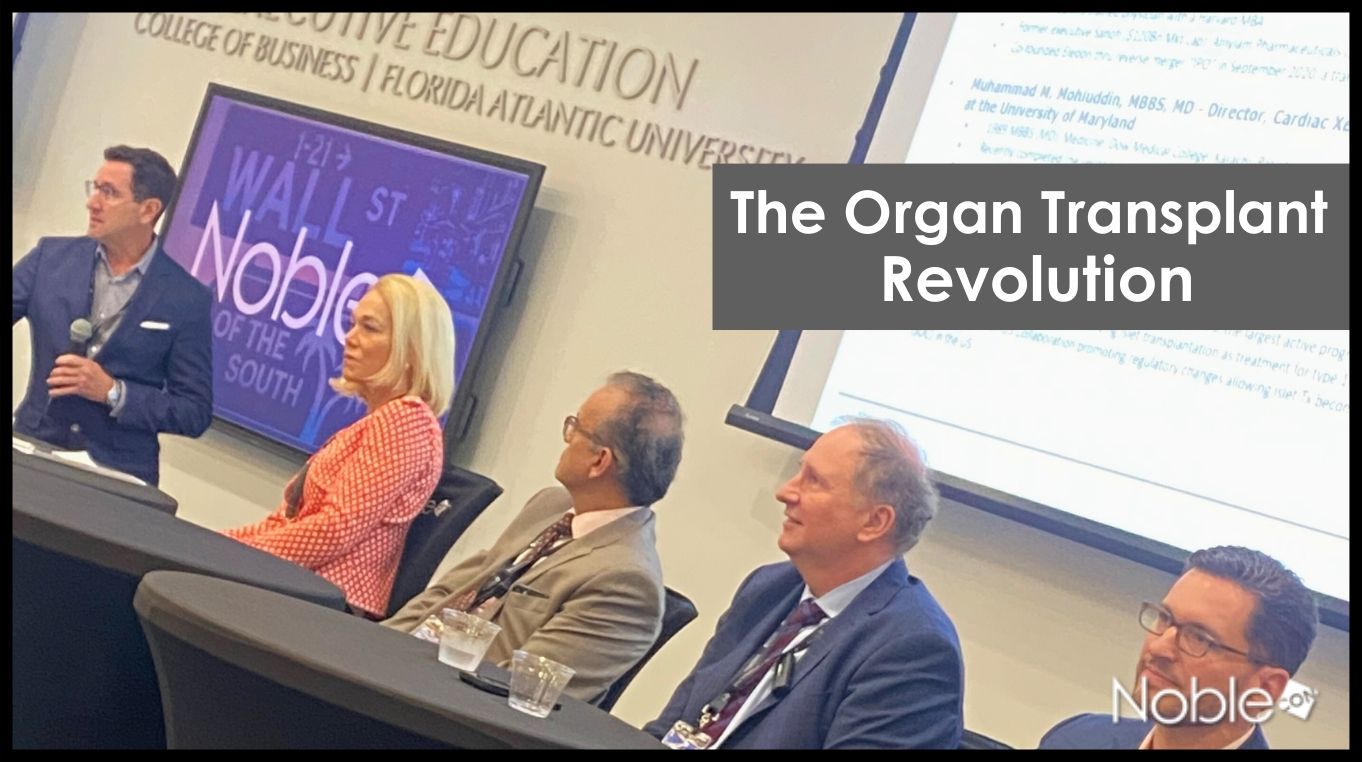
The NobleCon19 panel discussion moderated by Nathan Cali, investment banker at Noble Capital Markets, on organ transplantation featured prominent figures in the field, including Dr. Karin Hehenberger, an organ transplant patient and founder of Lyfebulb, Dr. David Alexandre Gros, CEO of Eledon Pharmaceuticals, Dr. Muhammed Mohiuddin, director of the cardiac xenotransplantation program at the University of Maryland, and Dr. Pietr Witoski, surgery director of pancreatic and islet tranplant program at the University of Chicago. The discussion delved into their experiences, challenges in the organ transplant landscape, and revolutionary advancements, especially focusing on the concept of xenotransplantation.
Organ transplantation has come a remarkably long way since the first successful procedures in the 1950s and 60s. Yet there remain significant unmet needs and opportunities to further improve patient outcomes, quality of life, and access to these lifesaving procedures. At a presentation during NobleCon19, a panel of experts explored some of the latest breakthroughs and remaining challenges in areas ranging from immunosuppression to cross-species transplantation.
A Complex Treatment Paradigm
As patient-turned-advocate Dr. Karin Hehenberger related from personal experience, undergoing an organ transplant and living with a graft is filled with difficulties. The trauma of the surgery itself and needing immune-suppressing drugs just to avoid rejection deliver blows to physical health and mental wellbeing. This begins with a harrowing wait for a matching donor organ, continues through post-operative complications like infections, and extends for the rest of one’s life.
The panelists agreed the pressure on patients could be significantly reduced through innovation. More targeted immunosuppressants without harmful side effects would greatly improve quality of life after transplant surgery. Some emerging drug candidates like Eledon Pharmaceuticals Tegoprubart show early signs of progress on this front. There is also a global shortage of donor organs trailing far behind demand; new sources through xenotransplantation or regenerative medicine techniques could help resolve this shortage.
“We need a community where transplanted patients can come together, generate data, and advocate for change,” urged Dr. Hehenberger.
The valuable role of patient communities mirrors the interdisciplinary cooperation needed among the surgeons, specialists, social workers, and other caregivers that make organ transplantation successful. As Dr. Hehhenberger explained, the assessment process for transplant eligibility spans physical health, mental fitness, medication compliance, accessible transportation, and financial support. It is complex care with little margin for error.
An Evolving Market Landscape
Currently, the organ transplant market racks up over $5 billion in value each year and continues expanding at a steady pace. Much of this activity centers specifically around kidney transplants, where surgical innovations and public policy initiatives keep pushing the boundaries. As Dr. DA Gros noted, there are now a quarter million Americans living with a functioning kidney graft – proof of concept for an underappreciated treatment paradigm.
And yet, the surface has barely been scratched in terms of serving potential patients. Over half a million more remain tethered to dialysis as a stand-in for natural kidney function, with 125,000 added to this group annually in the U.S. alone. Dialysis generates its own burdens: decreased workplace productivity, infection risks, lower quality of life. From both humanitarian and financial viewpoints, empowering wider transition from dialysis to transplantation promises tremendous upside.
Experts on the panel targeted improved education around organ transplant options as a key opportunity. Many patients lack full information about the benefits transplant procedures can offer, or they confront social stigmas against this route. Policy revisions to widen access and increase support for lower-income patient communities could have an outsized impact as well.
Meanwhile, the business of organ transplantation continuously evolves. Major pharma companies like Bristol Meyers Squib remain heavily invested, yet a series of smaller players also drive momentum through novel immuno-therapy products. Audience members were encouraged to track firms like Aelix and Tacus for the next wave of clinical updates that will shape standard of care.
Pioneering the Future
Homing in on the future, speakers keyed in on barriers still to be conquered in transplantation medicine. While kidney procedures serve as a beachhead, there is a pressing need to expand reliable methods across more organ types while lengthening graft duration at the same time. This is no small task.
It will require rethinking conventional assumptions for a field that has relied predominantly on broad immune suppression since its inception. Some emerging biotech pipelines target specific T and B cell pathways implicated in chronic organ rejection, attempting to avoid toxicity associated with generalized immunosuppression. Early data hints at improved longevity for liver and heart grafts, but longer studies are still needed.
An even more radical solution highlighted by multiple panelists is the concept of xenotransplantation: introducing organs from other species like pigs into human patients. Recent demonstrations of human-pig heart and skin grafts saw patients survive months post-procedure compared to an anticipated span of days or weeks. The results electrified the transplant community given implications for essentially eliminating organ supply constraints.
That said, experts admit there are hurdles left to address before clinical adoption. Ethical quandaries exist around genetically modifying donor animals and infectious disease transmission risks from one species to another. Questions also persist about which immune pathways necessitate targeting for prolonged graft survival and how to refine the anti-rejection pharmaceutical regimens employed.
Signs point to countries with more flexible regulatory regimes as the likely springboards for refining xenotransplant methods and technology in the shorter-term. Yet the longer-term promise seems resoundingly clear. “If allowed, we will solve the organ shortage problem,” declared surgeon Dr. Peter Witoski when asked about outlook for the field.
A Call to Action
In closing the panel presentation, speakers underscored a sense of guarded optimism balanced with persistent unmet needs in transplantation medicine today. Limitations around donor organ supply and chronic graft failure continue exacting a real human toll, even if raw statistics showcase a steady rise in life-saving procedures overall.
It will take coordinated effort from policy makers, researchers, clinicians, investors and patient advocates to push new discoveries over the finish line – where they can impact the maximum number of lives. Key questions around optimal business models for novel therapeutics, data transparency, and equitable access are unlikely to solve themselves.
Yet the convergence of breakthrough technologies and innovative platforms for generating evidence, educating stakeholders and disseminating insights points toward a sea change for what the future may hold in this vital area of healthcare. The experts and audience members left the discussion around organ transplantation feeling energized to play their respective parts in driving that change.
BOTHELL, Wash., Nov. 27, 2023 (GLOBE NEWSWIRE) — Cocrystal Pharma, Inc. (Nasdaq: COCP) (“Cocrystal” or the “Company”) announces that James Martin, Chief Financial Officer and Co-Chief Executive Officer, will present a Company overview at Noble Capital Markets’ 19th Annual Emerging Growth Equity Conference on Monday, December 4 at 1:30 p.m. Eastern time. The conference is being held December 3-5 at the College of Business Executive Education Building at Florida Atlantic University in Boca Raton, Fla.
“The coming year promises to be highly eventful with data expected from several of our antiviral development programs,” said Mr. Martin. “We are actively enrolling subjects in a Phase 1 clinical trial with our oral potent pan-coronavirus and pan-norovirus protease inhibitor CDI-988. With a Phase 2a human challenge clinical trial of our oral PB2 inhibitor CC-42344 for the treatment of pandemic and seasonal influenza A, we are on track to begin dosing subjects in the very near term. We look forward to keeping our shareholders updated and sharing near-term milestones at NobleCon 19 and future investment conferences.”
A webcast of the Cocrystal presentation will be available beginning December 5 on the Company’s website and will be archived for 90 days following the event.
About Cocrystal Pharma, Inc. Cocrystal Pharma, Inc. is a clinical-stage biotechnology company discovering and developing novel antiviral therapeutics that target the replication process of influenza viruses, coronaviruses (including SARS-CoV-2) noroviruses and hepatitis C viruses. Cocrystal employs unique structure-based technologies and Nobel Prize-winning expertise to create first- and best-in-class antiviral drugs. For further information about Cocrystal, please visit www.cocrystalpharma.com.
Cautionary Note Regarding Forward-Looking Statements This press release contains forward-looking statements within the meaning of the Private Securities Litigation Reform Act of 1995, including statements regarding the initiation and expected data from the Company’s antiviral development programs for CC-42344 as a product candidate for oral treatment of influenza A and CC-988 for oral treatment of coronavirus and norovirus. The words “believe,” “may,” “estimate,” “continue,” “anticipate,” “intend,” “should,” “plan,” “could,” “target,” “potential,” “is likely,” “will,” “expect” and similar expressions, as they relate to us, are intended to identify forward-looking statements. We have based these forward-looking statements largely on our current expectations and projections about future events. Some or all of the events anticipated by these forward-looking statements may not occur. Important factors that could cause actual results to differ from those in the forward-looking statements include, but are not limited to, risks relating to the manufacturing and research delays arising from labor shortages and other factors, the ability of our Clinical Research Organization partners to recruit volunteers for, and to proceed with, clinical trials, and general risks arising from or involved in conducting clinical studies for CC-988 and CC-42344, including the results of such studies. Further information on our risk factors is contained in our filings with the SEC, including our Annual Report on Form 10-K for the year ended December 31, 2022. Any forward-looking statement made by us herein speaks only as of the date on which it is made. Factors or events that could cause our actual results to differ may emerge from time to time, and it is not possible for us to predict all of them. We undertake no obligation to publicly update any forward-looking statement, whether as a result of new information, future developments or otherwise, except as may be required by law.
Pharmaceutical giant Merck announced Tuesday that it will acquire Caraway Therapeutics, a preclinical biotech company pursuing novel approaches to treating genetically defined neurodegenerative and rare diseases. The deal reflects Merck’s ongoing commitment to developing much-needed disease-modifying therapies for progressive brain conditions.
Under the agreement, Merck will make an upfront payment to obtain Caraway, followed by additional milestone payments contingent upon the progress of certain Caraway pipeline assets. Though financial terms were not disclosed, the total potential consideration could reach up to $610 million.
“Caraway’s multidisciplinary approach has yielded important progress in evaluating novel mechanisms of modulation of lysosomal function with potential for the treatment of progressive neurodegenerative diseases,” said George Addona, Merck’s head of discovery. “We look forward to applying our expertise to build upon this work with the goal of developing much needed disease-modifying therapies for these conditions.”
Unlike symptomatic treatments, disease-modifying therapies aim to directly impact underlying disease processes and ultimately alter the course of a condition’s progression. This has remained an elusive goal for brain diseases like Alzheimer’s and Parkinson’s.
Caraway’s work targets dysfunctions in cellular “recycling” processes that clear toxic materials from the brain. Its treatments stimulate lysosomes, which act as cell disposal units, to boost their activity. Researchers believe a boost in waste clearance could counter neurodegeneration.
Merck has been an investor in Caraway since 2018 through its venture capital arm MRL Ventures Fund. Now, by folding Caraway’s team and portfolio into its research labs, Merck aims to leverage its considerable drug development capabilities to advance lysosomal modulation treatments for neurodegeneration.
“This is a testament to the hard work and dedication of the Caraway team and our mission to develop therapeutics with the potential to alter the progression of devastating neurodegenerative diseases and help patients,” said Caraway CEO Martin D. Williams in a statement. “This acquisition leverages Merck’s industry-leading research and development capabilities to help further advance our discovery and preclinical programs.”
Alongside Merck, Caraway has been backed by several high-profile life sciences investors including SV Health Investors, AbbVie Ventures, Amgen Ventures, and Eisai Innovation.
An Urgent Need for Better Brain Treatments
Currently available medications can only manage symptoms for a period of time for Alzheimer’s, Parkinson’s, and related neurodegenerative diseases. None treat underlying pathologies or substantially slow worsening cognition and functionality.
Alzheimer’s alone impacts more than 6 million Americans and the prevalence is expected to triple in the next 30 years if no new treatments emerge. Experts have emphasized the urgent need for innovations.
Major players in the pharmaceutical industry have confronted disappointed late-stage clinical trial results among proposed Alzheimer’s treatments over the past decade, suffering high-profile setbacks.
Yet Merck’s buy-in suggests promise still exists in Caraway’s early-stage lysosomal modulation approach, even though treatments haven’t advanced to human testing yet. Merck aims to apply its extensive expertise to push potential therapies over the finish line where others have stumbled before.
Continuing a Neuroscience Focus
Alongside this deal, Merck continues to expand its research across neurodegenerative diseases in other ways. Thus far in 2023, Merck has also entered into research collaborations to pursue non-amyloid targets for Alzheimer’s and chiral chemistry for better brain penetrance among compounds targeting neurological conditions.
“The alignment with Caraway’s innovative science and focus on elucidating disease-modifying neurotherapeutics dovetails nicely with our ongoing work,” said Addona.
Overall, Merck’s acquisition of Caraway signals both increasing momentum around emerging theories of neurodegeneration—like waste clearance’s role—and a formidable commitment by the pharma organization to translating the latest science into paradigm-shifting treatments for patients.
Q32 Bio, a clinical-stage biotech developing treatments for autoimmune and inflammatory diseases, announced it has entered into a definitive agreement to merge with Homology Medicines in an all-stock deal. The combined company will operate under the Q32 Bio name and focus on progressing Q32’s pipeline of novel immunomodulators.
Q32 is developing bempikibart (ADX-914), an anti-IL-7Rα antibody, as well as ADX-097, a tissue-targeted complement inhibitor. The merger will provide Q32 with access to public markets and additional capital to support the advancement of these programs through upcoming milestones.
Under the terms of the agreement, Homology Medicines shareholders will receive 25% ownership in the combined company, with Q32 shareholders owning 75%. The Board of Directors will consist of seven members from Q32 Bio and two from Homology Medicines. The companies expect the transaction to close in Q1 2024.
Regaining Worldwide Rights to Lead Candidate Bempikibart
Concurrent with the merger announcement, Q32 revealed that it has re-acquired full worldwide rights to bempikibart from Amgen. Q32 originally licensed bempikibart from Amgen in 2021 after the pharma giant took it through Phase 1 trials.
Bempikibart blocks signaling mediated by IL-7 and TSLP to modulate T cell-driven inflammation. It is currently being evaluated in two Phase 2 studies in atopic dermatitis and alopecia areata, with topline results expected in the second half of 2024.
Regaining full rights to bempikibart provides Q32 with greater control over the program’s development and commercial potential. The merger and additional funding will support pivotal studies to bring bempikibart to market.
Advancing Complement Inhibitor ADX-097 into the Clinic
In addition to bempikibart, Q32 is developing ADX-097 as an innovative approach to inhibiting complement activation for autoimmune and inflammatory disorders. Excessive complement activation is implicated in diseases like ANCA-associated vasculitis, IgA nephropathy, and NMOSD.
Unlike current complement drugs that cause systemic inhibition, ADX-097 is engineered to potently inhibit complement only in targeted tissues. This allows greater on-target activity with potentially improved safety.
Q32 recently completed a Phase 1 trial of ADX-097, demonstrating a favorable tolerability and immunogenicity profile. The company will now advance ADX-097 into Phase 2 testing, with initial proof-of-concept data expected by end of 2024 and topline results from two trials in 2H 2025.
Strengthening Financial Position to Reach Critical Milestones
To support its pipeline advancement, Q32 has secured a $42 million private placement in conjunction with the proposed merger. New and existing investors participated, including OrbiMed, Bristol Myers Squibb, Sanofi Ventures and others.
This additional capital will fund operations through several key milestones:
Phase 2 data for bempikibart in atopic dermatitis and alopecia areata in 2H 2024
Initial Phase 2 proof-of-concept data for ADX-097 by end of 2024
Topline Phase 2 results for ADX-097 in 2H 2025
The combined company is expected to have approximately $115 million in cash at closing, providing runway into mid-2026. This strengthened financial position will enable Q32 to reach meaningful catalysts for its lead programs.
Experienced Leadership to Drive Clinical Development
The combined immunology-focused company will be led by the Q32 Bio executive team, including:
Jodie Morrison, CEO
Shelia Violette, PhD, Founder and CSO
Jason Campagna, MD, PhD, CMO
Saul Fink, PhD, CTO
Maria Marzilli, MPH, EVP of Corporate Strategy & Operations
David Appugliese, JD, SVP, Head of People
Q32’s management has extensive experience leading R&D, corporate strategy, and operations at companies like Editas Medicine, Bioverativ, and Ironwood Pharmaceuticals.
Ms. Morrison commented, “The proposed merger with Homology Medicines and concurrent private placement is expected to provide Q32 Bio with the capital to drive development of our autoimmune and inflammatory pipeline through multiple clinical milestones. We look forward to delivering Phase 2 data for bempikibart and ADX-097 that could support the advancement of these programs toward commercialization.”
The transaction will provide Q32 Bio with the financial capacity and public listing to further advance its pipeline of novel immunology therapies for patients with autoimmune and inflammatory diseases. Shareholders of both companies will have the opportunity to realize future value if the combined pipeline progresses as planned.
Single-Dose Protection Demonstrated Against Multiple SARS-CoV-2 Variants
Atlanta, GA, November 14, 2023 – GeoVax Labs, Inc. (Nasdaq: GOVX), a biotechnology company developing immunotherapies and vaccines against cancers and infectious diseases, today announced the presentation of preclinical vaccine efficacy data for GEO-CM02, a multi-antigen investigational SARS-CoV-2 vaccine. The data were presented during the Vaccines Summit 2023 conference, being held in Boston, MA on November 13-15, 2023. The presentation, titled “MVA-vectored multi-antigen COVID-19 vaccines induce protective immunity against SARS-CoV-2 variants spanning Alpha to Omicron in preclinical animal models,” was delivered by Mukesh Kumar, PhD, Associate Professor, Department of Biology, Georgia State University.
“We are thrilled to continue to demonstrate the robust efficacy profile of GEO-CM02 with the presentation of preclinical data at this year’s Vaccine Summit,” said David Dodd, GeoVax’s Chairman and CEO. “Together, these data indicate that immunization with the multi-antigen GEO-CM02 vaccine can protect against severe disease and death induced by SARS-CoV-2 infection and regardless of the variant. Along with a demonstrated safety profile, we believe GEO-CM02 has potential as a transformative universal coronavirus vaccine.”
First-generation SARS-CoV-2 vaccines based on the spike (S) protein have demonstrated that they induce neutralizing antibodies, providing effective, albeit short-term levels of immune protection. Unfortunately, with the existing authorized vaccines, efficacy is disrupted by emerging variants that contribute to neutralizing antibody evasion, requiring continuous updating and booster doses. To address this limitation, GeoVax is currently evaluating its dual antigen COVID-19 vaccine, GEO-CM04S1 in three Phase 2 clinical trials. GEO-CM04S1 encodes for both the spike (S) and nucleocapsid (N) antigens of SARS-CoV-2 and is specifically designed to induce both antibody and T cell responses to those parts of the virus less likely to mutate over time. The more broadly functional engagement of the immune system is designed to protect against severe disease caused by continually emerging variants of COVID-19. Vaccines of this format should not require frequent and repeated modification or updating. Moreover, GEO-CM04S1 is being developed specifically as a COVID-19 vaccine in support of patients with compromised immune systems, for whom the current authorized vaccines appear inadequate in providing protective immunity.
GEO-CM02 is a multi-antigen SARS-CoV-2 vaccine, based on the S, membrane (M), and envelope (E) proteins, which are designed to also engage both the humoral (antibody) and cellular (T-cell) arms of the immune system and to broaden both the function and specificity, potentially as a universal coronavirus vaccine. Efficacy of this investigational vaccine was tested using the industry standard, lethal hACE2 transgenic mouse model.
Data highlights from the Vaccine Summit 2023 presentation are as follows:
The GEO-CM02 vaccine induced immune responses that were efficacious against the original Wuhan strain and BA.1 Omicron variant with a single dose.
Animals were protected prior to the detection of neutralizing antibodies, likely indicating a critical T-cell contribution.
GEO-CM02 significantly reduced or eliminated inflammation and immunopathology in the lungs of vaccinated animals.
The data generated in the GEO-CM02 studies validate GeoVax’s hypothesis that vaccines designed to induce both antibodies and T-cells to multiple viral structural proteins can address the issue of viral variation and escape from the immune system. GEO-CM02 is based on GeoVax’s MVA viral vector platform, which supports the presentation of multiple vaccine antigens to the immune system in a single dose.
GeoVax’s more advanced, next-generation COVID-19 vaccine, GEO-CM04S1, is being evaluated in three ongoing Phase 2 clinical trials:
As a primary vaccine in immunocompromised patients (with hematologic cancers receiving cell transplants or CAR-T therapy). ClinicalTrials.gov Identifier: NCT04977024. GeoVax recently announced clinical site expansion for this trial.
As a booster vaccine in immunocompromised patients with chronic lymphocytic leukemia (CLL), a recognized high-risk group for whom current mRNA vaccines and monoclonal antibody (MAb) therapies appear inadequate relative to providing protective immunity. ClinicalTrials.gov Identifier: NCT05672355.
As a booster vaccine for healthy patients who have previously received the Pfizer or Moderna mRNA vaccine. gov Identifier: NCT04639466. GeoVax recently announced that this trial has fully enrolled.
About GeoVax
GeoVax Labs, Inc. is a clinical-stage biotechnology company developing novel therapies and vaccines for solid tumor cancers and many of the world’s most threatening infectious diseases. The company’s lead program in oncology is a novel oncolytic solid tumor gene-directed therapy, Gedeptin®, presently in a multicenter Phase 1/2 clinical trial for advanced head and neck cancers. GeoVax’s lead infectious disease candidate is GEO-CM04S1, a next-generation COVID-19 vaccine targeting high-risk immunocompromised patient populations. Currently in three Phase 2 clinical trials, GEO-CM04S1 is being evaluated as a primary vaccine for immunocompromised patients such as those suffering from hematologic cancers and other patient populations for whom the current authorized COVID-19 vaccines are insufficient, and as a booster vaccine in patients with chronic lymphocytic leukemia (CLL). In addition, GEO-CM04S1 is in a Phase 2 clinical trial evaluating the vaccine as a more robust, durable COVID-19 booster among healthy patients who previously received the mRNA vaccines. GeoVax has a leadership team who have driven significant value creation across multiple life science companies over the past several decades. For more information, visit our website: www.geovax.com.
Forward-Looking Statements
This release contains forward-looking statements regarding GeoVax’s business plans. The words “believe,” “look forward to,” “may,” “estimate,” “continue,” “anticipate,” “intend,” “should,” “plan,” “could,” “target,” “potential,” “is likely,” “will,” “expect” and similar expressions, as they relate to us, are intended to identify forward-looking statements. We have based these forward-looking statements largely on our current expectations and projections about future events and financial trends that we believe may affect our financial condition, results of operations, business strategy and financial needs. Actual results may differ materially from those included in these statements due to a variety of factors, including whether: GeoVax is able to obtain acceptable results from ongoing or future clinical trials of its investigational products, GeoVax’s immuno-oncology products and preventative vaccines can provoke the desired responses, and those products or vaccines can be used effectively, GeoVax’s viral vector technology adequately amplifies immune responses to cancer antigens, GeoVax can develop and manufacture its immuno-oncology products and preventative vaccines with the desired characteristics in a timely manner, GeoVax’s immuno-oncology products and preventative vaccines will be safe for human use, GeoVax’s vaccines will effectively prevent targeted infections in humans, GeoVax’s immuno-oncology products and preventative vaccines will receive regulatory approvals necessary to be licensed and marketed, GeoVax raises required capital to complete development, there is development of competitive products that may be more effective or easier to use than GeoVax’s products, GeoVax will be able to enter into favorable manufacturing and distribution agreements, and other factors, over which GeoVax has no control.
Further information on our risk factors is contained in our periodic reports on Form 10-Q and Form 10-K that we have filed and will file with the SEC. Any forward-looking statement made by us herein speaks only as of the date on which it is made. Factors or events that could cause our actual results to differ may emerge from time to time, and it is not possible for us to predict all of them. We undertake no obligation to publicly update any forward-looking statement, whether as a result of new information, future developments or otherwise, except as may be required by law.
Cocrystal Pharma, Inc. is a clinical-stage biotechnology company discovering and developing novel antiviral therapeutics that target the replication process of influenza viruses, coronaviruses (including SARS-CoV-2), hepatitis C viruses and noroviruses. Cocrystal employs unique structure-based technologies and Nobel Prize-winning expertise to create first- and best-in-class antiviral drugs. For further information about Cocrystal, please visit www.cocrystalpharma.com.
Robert LeBoyer, Senior Vice President, Equity Research Analyst, Biotechnology, Noble Capital Markets, Inc.
Refer to the full report for the price target, fundamental analysis, and rating.
3Q23 Reported. Cocrystal reported a 3Q23 loss of $4.2 million or $(0.41) per share. The loss included a reversal of a 2Q22 legal charge of $1.6 million after a verdict was overturned by an Appeals Court and money returned to the company. During 3Q23, clinical progress included the start of the Phase 1 trial testing CDI-988 in pan-coronavirus and pan-norovirus trials, and authorization to begin a Phase 2a human challenge study in influenza A.
CC-42344 To Start Clinical Trials Shortly. Cocrystal has received authorization from the UK’s MHRA (Medicines and Healthcare Regulatory Agency) to begin Phase 2a testing CC-42344, its orally administered protease inhibitor for influenza A. This placebo-controlled trial will administer a pharmaceutically prepared dose of influenza virus to infect healthy volunteers with, then test the safety and immunologic measurements of CC-42344 against the virus. Separately, Dr. Sam Lee, President and Co-CEO is scheduled to make a presentation at the World Vaccine Congress West Coast on the development of CC-42344 on November 28.
Equity Research is available at no cost to Registered users of Channelchek. Not a Member? Click ‘Join’ to join the Channelchek Community. There is no cost to register, and we never collect credit card information.
This Company Sponsored Research is provided by Noble Capital Markets, Inc., a FINRA and S.E.C. registered broker-dealer (B/D).
*Analyst certification and important disclosures included in the full report. NOTE: investment decisions should not be based upon the content of this research summary. Proper due diligence is required before making any investment decision.
Enrollment underway in Phase 1 trial with novel protease inhibitor CDI-988, the first potential dual coronavirus-norovirus oral antiviral
Dosing expected to begin later this year in Phase 2a human challenge trial with oral CC-42344 for the treatment of pandemic and seasonal influenza A
Phase 1 trial with inhaled CC-42344 expected to begin in the first half of 2024
BOTHELL, Wash., Nov. 13, 2023 (GLOBE NEWSWIRE) — Cocrystal Pharma, Inc. (Nasdaq: COCP) (Cocrystal or the Company) reports financial results for the three and nine months ended September 30, 2023, and provides updates on its antiviral pipeline, upcoming milestones and business activities.
“We are making excellent progress in the clinical development of potent antivirals that address some of the world’s leading viral diseases,” said Sam Lee, Ph.D., President and co-CEO of Cocrystal. “With our novel oral PB2 inhibitor CC-42344 for the treatment of pandemic and seasonal influenza A, we expect to dose the first subjects in a Phase 2a human challenge study before year-end. We also are on track to begin a Phase 1 healthy volunteer trial in the first half of 2024 with inhaled CC-42344 as a potential therapeutic and prophylactic treatment for influenza A.
“Enrollment is underway in a Phase 1 trial with our first-in-class pan-coronavirus and pan-norovirus protease inhibitor CDI-988,” added Dr. Lee. “This oral potent antiviral candidate could reduce severity and death from pandemic outbreaks of highly contagious viral infections. CDI-988 has shown activity against multiple coronavirus and norovirus strains, including the genogroup II, genotype 4 (GII.4) norovirus strain, which is responsible for major norovirus outbreaks. With no approved treatments or vaccines, norovirus represents a significant unmet medical need.”
“With three clinical-stage antiviral programs in high-value unmet medical indications, the coming year promises to be active and potentially transformational for Cocrystal,” said James Martin, CFO and co-CEO. “I’m pleased to report that under our cost-efficient business model, we believe our current cash position is sufficient to fund planned operations beyond the next 12 months.”
Antiviral Product Pipeline Overview
We are developing therapeutics that inhibit the viral replication function of RNA viruses that cause acute and chronic diseases. Our drug-discovery process focuses on the highly conserved regions of the viral enzymes and inhibitor-enzyme interactions at the atomic level. By designing and selecting antiviral drug candidates that interrupt the viral replication process and have specific binding characteristics, we seek to develop drugs that are effective against the virus and mutants of the virus, and also have reduced off-target interactions that may cause undesirable side effects. Our drug discovery process differs from traditional, empirical medicinal chemistry approaches that often require iterative high-throughput compound screening and lengthy hit-to-lead processes.
Influenza Programs
Influenza is a severe respiratory illness caused by the influenza A or B virus that results in disease outbreaks mainly during the winter months. Influenza is a major global health threat that may become more challenging to treat in the future due to the emergence of highly pathogenic avian influenza viruses and resistance to approved influenza antivirals.
Our novel oral PB2 inhibitor CC-42344 has shown excellent in vitro antiviral activity against influenza A strains including pandemic and seasonal strains, as well as strains that are resistant to Tamiflu® and Xofluza®.
In March 2022 we initiated enrollment in a randomized, double-controlled, dose-escalating Phase 1 trial to evaluate the safety, tolerability and pharmacokinetics (PK) of orally administered CC-42344 in healthy adults.
In July 2022 we reported PK results from the single-ascending dose portion of the trial that support once-daily dosing.
In December 2022 we reported favorable safety and tolerability results from the CC-42344 Phase 1 trial.
In October 2023 we announced authorization from the United Kingdom Medicines and Healthcare Products Regulatory Agency to conduct a Phase 2a human challenge trial and we expect to begin treating influenza-infected subjects in this trial during the fourth quarter of 2023.
Preclinical development is underway with inhaled CC-42344 as a potential therapeutic treatment and prophylaxis for influenza A. We expect to begin a Phase 1 clinical trial with inhaled CC-42344 in Australia in the first half of 2024.
Pandemic and Seasonal Influenza A/B Program
In January 2019 we entered into an Exclusive License and Research Collaboration Agreement with Merck Sharp & Dohme Corp. (Merck) to discover and develop certain proprietary influenza antiviral agents that are effective against influenza A and B strains. This agreement includes milestone payments of up to $156 million plus royalties on sales of products discovered under the agreement.
In January 2021 we announced completion of all research obligations under the agreement, making Merck solely responsible for further preclinical and clinical development of these compounds.
In early 2023 Merck notified us of its intent to continue development of the compounds discovered under this agreement and of their filing on behalf of both companies of multiple U.S. and international patent applications associated with these compounds. Merck continues to be responsible for managing the patents.
COVID-19 and Other Coronavirus Programs
By targeting viral replication enzymes and protease, we believe it is possible to develop effective treatments for all diseases caused by coronaviruses including COVID-19, Severe Acute Respiratory Syndrome (SARS) and Middle East Respiratory Syndrome (MERS). Our main SARS-CoV-2 protease inhibitors showed potent in vitro pan-viral activity against common human coronaviruses, rhinoviruses and respiratory enteroviruses that cause the common cold, as well as against noroviruses that can cause symptoms of acute gastroenteritis. Driven by the anticipated emergence of new COVID-19 variants, the global COVID-19 therapeutics market is estimated to exceed $16 billion by the end of 2031.
Oral Protease Inhibitor CDI-988
In October 2022 we announced the selection of CDI-988 as our lead candidate for development as a potential oral treatment for SARS-CoV-2. Designed and developed using our proprietary structure-based drug discovery platform technology, CDI-988 targets a highly conserved region in the active site of SARS-CoV-2 3CL (main) protease required for viral RNA replication.
CDI-988 exhibited superior in vitro potency against SARS-CoV-2 with activity maintained against variants of concern, and demonstrated a safety profile and PK properties that support once-daily dosing.
In May 2023 we announced approval of our application to the Australian regulatory agency for a planned randomized, double-blind, placebo-controlled Phase 1 trial to evaluate the safety, tolerability and PK of oral CDI-988 in healthy volunteers.
In September 2023 we dosed the first subject in the CDI-988 Phase 1 trial.
Intranasal/Pulmonary Protease Inhibitor CDI-45205
CDI-45205 is our novel SARS-CoV-2 3CL (main) protease inhibitor and was among the broad-spectrum viral protease inhibitors we obtained from Kansas State University Research Foundation (KSURF) under an exclusive license agreement announced in April 2020. We believe the protease inhibitors obtained from KSURF have the ability to convert the inactive SARS-CoV-2 polymerase replication enzymes into an active form.
CDI-45205 and several analogs showed potent in vitro activity against the main SARS-CoV-2 variants, surpassing the activity observed with the original Wuhan strain of the virus.
CDI-45205 delivered via intraperitoneal injection demonstrated good bioavailability in mouse and rat PK studies, and no cytotoxicity against a variety of human cell lines. CDI-45205 also demonstrated a strong synergistic effect with the FDA-approved COVID-19 medicine remdesivir.
In January 2022 we received guidance from the FDA regarding further preclinical and clinical development of CDI-45205.
Norovirus Program
Norovirus is a highly contagious infection and is the most common cause of acute gastroenteritis, accounting for nearly one in five cases. According to the Centers for Disease Control and Prevention (CDC), an estimated 685 million cases and an estimated 200,000 deaths are attributed to norovirus each year worldwide, with an estimated societal cost of $60 billion.
In August 2023 we announced our selection of the novel broad-spectrum 3CL protease inhibitor CDI-988 as our lead potential oral treatment for norovirus. CDI-988 is being evaluated in a first-in-human trial in healthy volunteers in Australia. The CDI-988 trial is expected to serve as a Phase 1 trial for both our norovirus and our coronavirus programs.
In September 2023 we dosed the first subject in our dual norovirus-coronavirus oral CDI-988 Phase 1 trial.
Third Quarter Financial Results
Research and development (R&D) expenses for the third quarter of 2023 were $4.2 million, compared with $3.9 million for the third quarter of 2022. The increase was primarily due to the influenza CC-42344 product candidate moving into a Phase 2a clinical trial and the ongoing Phase 1 clinical trial of CDI-988 for norovirus-coronavirus. General and administrative (G&A) expenses for the third quarters of 2023 and 2022 were relatively stable at $1.8 million.
During the third quarter of 2023, the Company received a $1.6 million refund from the registry of the court reflecting the recovery of funds following a successful appeal in the Company’s litigation with an insurer, which created a positive impact by reducing operating expenses by that amount.
Total other income, net for the third quarter of 2023 was $0.3 million, which was primarily related to interest earned on cash in bank accounts. This compared with minimal other expense, net for the third quarter of 2022.
The net loss for the third quarter of 2023 was $4.2 million, or $0.41 per share, compared with the net loss for the third quarter of 2022 of $5.7 million, or $0.70 per share.
Nine Month Financial Results
R&D expenses for the nine months ended September 30, 2023 were $10.9 million, compared with $9.1 million for the nine months ended September 30, 2022, with the increase primarily due to clinical advancement of our Influenza A and norovirus-coronavirus programs. G&A expenses for the first nine months of 2023 were $4.6 million, compared with $4.5 million for the first nine months of 2022.
During the first nine months of 2023, the Company received a $1.6 million refund from the registry of the court, as noted above. The Company obtained a summary judgment during the second quarter of 2022 and accounted for a potential $1.6 million adverse award by expensing the same amount during the first nine months of 2022.
During the first nine months of 2022, the Company recorded a $19.1 million non-cash goodwill impairment. There was no comparable impairment charge during the first nine months of 2023.
Total other income, net for the first nine months of 2023 was $0.4 million, compared with minimal other expense, net for the first nine months of 2022.
The net loss for the nine months ended September 30, 2023 was $13.5 million, or $1.43 per share. The net loss for the nine months ended September 30, 2022 was $34.3 million, or $4.23 per share, and reflected the litigation expense and non-cash impairment charge described above.
Cocrystal reported unrestricted cash as of September 30, 2023 of $29.7 million, compared with $37.1 million as of December 31, 2022. Net cash used in operating activities for the first nine months of 2023 was $11.3 million, compared to $16.5 million for the first nine months of 2022. The Company had working capital of $30.3 million and 10.2 million common shares outstanding as of September 30, 2023.
About Cocrystal Pharma, Inc.
Cocrystal Pharma, Inc. is a clinical-stage biotechnology company discovering and developing novel antiviral therapeutics that target the replication process of influenza viruses, coronaviruses (including SARS-CoV-2), noroviruses and hepatitis C viruses. Cocrystal employs unique structure-based technologies and Nobel Prize-winning expertise to create first- and best-in-class antiviral drugs. For further information about Cocrystal, please visit www.cocrystalpharma.com.
This press release contains forward-looking statements within the meaning of the Private Securities Litigation Reform Act of 1995, including statements regarding our plans for the future development of preclinical and clinical drug candidates, our expectations regarding future characteristics of the product candidates we develop, the expected time of achieving certain value-driving milestones in our programs, including, preparation, commencement and advancement of clinical studies for certain product candidates in 2023 and beyond, the viability and efficacy of potential treatments for diseases our product candidates are designed to treat, expectations for the markets for certain therapeutics, our ability to execute our clinical and regulatory goals and deploy regulatory guidance towards future studies, the expected sufficiency of our cash balance to advance our programs and fund our planned operations, and our liquidity. The words “believe,” “may,” “estimate,” “continue,” “anticipate,” “intend,” “should,” “plan,” “could,” “target,” “potential,” “is likely,” “will,” “expect” and similar expressions, as they relate to us, are intended to identify forward-looking statements. We have based these forward-looking statements largely on our current expectations and projections about future events. Some or all of the events anticipated by these forward-looking statements may not occur. Important factors that could cause actual results to differ from those in the forward-looking statements include, but are not limited to, the risks and uncertainties arising from interest rate increases in response to inflation, uncertainty in the financial markets, the possibility of a recession and geopolitical conflict in Ukraine and Israel on our Company, our collaboration partners, and on the U.S., UK, Australia and global economies, including manufacturing and research delays arising from raw materials and labor shortages, supply chain disruptions and other business interruptions on our ability to proceed with studies as well as similar problems with our vendors and our current and any future clinical research organization (CROs) and contract manufacturing organizations (CMOs), the ability of our CROs to recruit volunteers for, and to proceed with, clinical studies, our reliance on Merck for further development in the influenza A/B program under the license and collaboration agreement, our and our collaboration partners’ technology and software performing as expected, financial difficulties experienced by certain partners, the results of any current and future preclinical and clinical trials, general risks arising from clinical trials, receipt of regulatory approvals, regulatory changes, development of effective treatments and/or vaccines by competitors, including as part of the programs financed by the U.S. government, potential mutations in a virus we are targeting that may result in variants that are resistant to a product candidate we develop, and the outcome of the ongoing litigation with the insurance company. Further information on our risk factors is contained in our filings with the SEC, including our Annual Report on Form 10-K for the year ended December 31, 2022. Any forward-looking statement made by us herein speaks only as of the date on which it is made. Factors or events that could cause our actual results to differ may emerge from time to time, and it is not possible for us to predict all of them. We undertake no obligation to publicly update any forward-looking statement, whether as a result of new information, future developments or otherwise, except as may be required by law.
Media Contact: JQA Partners Jules Abraham 917-885-7378 [email protected]
Financial Tables to follow
COCRYSTAL PHARMA, INC.
CONSOLIDATED BALANCE SHEETS (in thousands)
September 30, 2023
December 31, 2022
(unaudited)
Assets
Current assets:
Cash
$
29,738
$
37,144
Restricted cash
75
75
Tax credit receivable
550
716
Prepaid expenses and other current assets
1,842
2,243
Total current assets
32,205
40,178
Property and equipment, net
252
342
Deposits
46
46
Operating lease right-of-use assets, net (including $57 and $99 respectively, to related party)
111
274
Total assets
$
32,614
$
40,840
Liabilities and stockholders’ equity
Current liabilities:
Accounts payable and accrued expenses
$
1,806
$
976
Current maturities of finance lease liabilities
–
7
Current maturities of operating lease liabilities (including $57 and $59 respectively, to related party)
118
233
Total current liabilities
1,924
1,216
Long-term liabilities:
Operating lease liabilities (including $0 and $42 respectively, to related party)
–
57
Total liabilities
1,924
1,273
Commitments and contingencies
Stockholders’ equity:
Common stock, $0.001 par value 150,000 shares authorized as of September 30, 2023, and December 31, 2022; 10,174 and 8,143 shares issued and outstanding as of September 30, 2023 and December 31, 2022
10
8
Additional paid-in capital
342,130
337,489
Accumulated deficit
(311,450
)
(297,930
)
Total stockholders’ equity
30,690
39,567
Total liabilities and stockholders’ equity
$
32,614
$
40,840
COCRYSTAL PHARMA, INC.
CONSOLIDATED STATEMENTS OF OPERATIONS (unaudited) (in thousands, except per share data)
https://www.ysbiopharm.comSector(s): Healthcare Industry: Biotechnology Full Time Employees: 865 Key Executives Name Title Pay Exercised Year Born Dr. Hui Shao Pres, CEO & Exec. Director N/A N/A 1969 Ms. Chunyuan Wu Chief Financial Officer
Gregory Aurand, Senior Vice President, Equity Research Analyst, Healthcare Services & Medical Devices, Noble Capital Markets, Inc.
Refer to the full report for the price target, fundamental analysis, and rating.
PIKA Immunomodulating Platform. The novel PIKA technology has the capability to target and accelerate the immune response in a wide variety of vaccines and immuno-oncology therapeutics. PIKA activates and enhances the body’s immune response, increasing the effectiveness of vaccines. In immuno-oncology, with its multiple modes of action able to induce the production of multiple tumor-inhibitory cytokines and tumor cell apoptosis, PIKA could be applied to broad-spectrum anti-tumor activity in cancers.
Significant Opportunities in Anti-Viral and Immuno-Oncology Markets. There are large unmet needs in Africa, Southeast Asia and China, among other parts of the world, in rabies, hepatitis B and cancers. The Asia-Pacific region is expected to have the highest growth rate in the world with higher levels of utilization of immunotherapies, driven by low vaccine penetration, increasing cancer prevalence, and improving patient awareness and disposable income.
Equity Research is available at no cost to Registered users of Channelchek. Not a Member? Click ‘Join’ to join the Channelchek Community. There is no cost to register, and we never collect credit card information.
This Company Sponsored Research is provided by Noble Capital Markets, Inc., a FINRA and S.E.C. registered broker-dealer (B/D).
*Analyst certification and important disclosures included in the full report. NOTE: investment decisions should not be based upon the content of this research summary. Proper due diligence is required before making any investment decision.
MALVERN, Pa., Nov. 10, 2023 (GLOBE NEWSWIRE) — Ocugen, Inc. (“Ocugen” or the “Company”) (NASDAQ: OCGN), a biotechnology company focused on discovering, developing, and commercializing novel gene and cell therapies, biologics, and vaccines, today announced that the first patient has been dosed in its Phase 1/2 GARDian clinical trial for OCU410ST (AAV5-hRORA)—a modifier gene therapy candidate being developed for Stargardt disease, a rare genetically inherited disease that directly affects the retina, often resulting in slow progressive vision loss in children and adults.
“There is a significant unmet medical need for the approximate 35,000 patients in the U.S. living with Stargardt disease,” said Dr. Shankar Musunuri, Chairman, CEO and Co-Founder of Ocugen. “It is critical to our mission to develop innovative treatments for inherited retinal diseases and this milestone is an important step in bringing our novel modifier gene therapies to people who desperately need them.”
This Phase 1/2 trial will assess the safety of unilateral subretinal administration of OCU410ST in subjects with Stargardt Disease and will be conducted in two phases. Phase 1 is a multicenter, open-label, dose ranging study. Phase 2 is a randomized, outcome accessor-blinded, dose-expansion study in which adult and pediatric subjects will be randomized in a 1:1:1 ratio to either one of two OCU410ST dose groups or to an untreated control group.
OCU410ST utilizes an AAV delivery platform for the retinal delivery of the RORA (RAR Related Orphan Receptor A) gene. It represents Ocugen’s modifier gene therapy approach, which is based on Nuclear Hormone Receptor (NHR) RORA that regulates pathway links to Stargardt disease such as lipofuscin formation, oxidative stress, compliment formation, inflammation, and cell survival networks.
“It is important and exciting to pursue novel therapies for untreatable blinding diseases,” said Charles Wykoff, MD, PhD, Director of Research, Retina Consultants of Texas. “Initiation of this trial program investigating a new mechanism of action for the treatment of Stargardt disease is inspiring and brings hope to patients and families.”
About Stargardt Disease
Stargardt disease is a genetic eye disorder that causes retinal degeneration and vision loss. Stargardt disease is the most common form of inherited macular degeneration. The progressive vision loss associated with Stargardt disease is caused by the degeneration of photoreceptor cells in the central portion of the retina called the macula.
Decreased central vision due to loss of photoreceptors in the macula is the hallmark of Stargardt disease. Some peripheral vision is usually preserved. Stargardt disease typically develops during childhood or adolescence, but the age of onset and rate of progression can vary. The retinal pigment epithelium (RPE), a layer of cells supporting photoreceptors, is also affected in people with Stargardt disease.
About Ocugen, Inc. Ocugen, Inc. is a biotechnology company focused on discovering, developing, and commercializing novel gene and cell therapies, biologics, and vaccines that improve health and offer hope for patients across the globe. We are making an impact on patients’ lives through courageous innovation—forging new scientific paths that harness our unique intellectual and human capital. Our breakthrough modifier gene therapy platform has the potential to treat multiple retinal diseases with a single product, and we are advancing research in infectious diseases to support public health and orthopedic diseases to address unmet medical needs. Discover more at www.ocugen.com and follow us on X and LinkedIn.
Forward-Looking Statements This press release contains forward-looking statements within the meaning of The Private Securities Litigation Reform Act of 1995, which are subject to risks and uncertainties. We may, in some cases, use terms such as “predicts,” “believes,” “potential,” “proposed,” “continue,” “estimates,” “anticipates,” “expects,” “plans,” “intends,” “may,” “could,” “might,” “will,” “should,” or other words that convey uncertainty of future events or outcomes to identify these forward-looking statements. Such statements are subject to numerous important factors, risks, and uncertainties that may cause actual events or results to differ materially from our current expectations. These and other risks and uncertainties are more fully described in our periodic filings with the Securities and Exchange Commission (SEC), including the risk factors described in the section entitled “Risk Factors” in the quarterly and annual reports that we file with the SEC. Any forward-looking statements that we make in this press release speak only as of the date of this press release. Except as required by law, we assume no obligation to update forward-looking statements contained in this press release whether as a result of new information, future events, or otherwise, after the date of this press release.