
|
|
|
Heron Therapeutics CEO Barry Quart & President John Poyhonen deliver a formal corporate overview, followed by a Q & A session moderated by Noble Capital Markets Senior Healthcare Services & Medical Devices Analyst Gregory Aurand. Return to the Investor Forum Event Page
Heron Therapeutics, Inc. is a commercial-stage biotechnology company focused on improving the lives of patients by developing best-in-class treatments to address some of the most important unmet patient needs. Our advanced science, patented technologies, and innovative approach to drug discovery and development have allowed us to create and commercialize a portfolio of products that aim to advance the standard-of-care for acute care and oncology patients. For more information, visit www.herontx.com. |
Category: Health
electroCore (ECOR) – New Developments in Pain Management – a NobleCon Online Investor Event
|
|
|
electroCore CEO Daniel Goldberger delivers a formal corporate overview, followed by a Q & A session moderated by Noble Capital Markets Senior Healthcare Services & Medical Devices Analyst Gregory Aurand. Return to the Investor Forum Event Page
electroCore, Inc. is a commercial stage bioelectronic medicine company dedicated to improving patient outcomes through its non-invasive vagus nerve stimulation therapy platform, initially focused on the treatment of multiple conditions in neurology. The company’s current indications are the preventive treatment of cluster headache and migraine and the acute treatment of migraine and episodic cluster headache. |
New Developments in Pain Management – a NobleCon Online Investor Event


New Developments in Pain Management – a NobleCon Online Investor Event
Event Main Page
Each video link below will be live at the scheduled presentation time (all times are EDT). Investor Forum presentations are available to registered Channelchek users. Click below to register for Channelchek – at no cost.
Register for Channechek to gain access to the Investor Forum
View the Official Investor Forum Book Here
 Watch the Replay (VRPX) |
 Watch the Replay (MDXHF) |
 Watch the Replay (BXRX) |
 Watch the Replay (BIEL) |
 Watch the Replay (HRTX) |
 Watch the Replay (ECOR) |
Related Content on Channelchek:
 Pain Management Market to Grow to $81.9 Billion by 2026
|
 Nobel Prize: How Chili Peppers Helped Researchers Uncover How Humans Feel Pain
|
ProMIS Neurosciences Announces Special Shareholder Meeting

ProMIS Neurosciences Announces Special Shareholder Meeting
TORONTO, Ontario and CAMBRIDGE, Mass. – October 7, 2021 – ProMIS Neurosciences Inc. (TSX: PMN) (OTCQB: ARFXF) (the “Company”), a biotechnology company focused on the discovery and development of antibody therapeutics targeting toxic oligomers implicated in the development of neurodegenerative diseases, is pleased to announce that it will hold a special general meeting of shareholders (the “Special Meeting”) on December 1, 2021. The Company has set October 18, 2021, as the record date for the Special Meeting.
The purpose of the Special Meeting is to ask shareholders to grant the Board of Directors (the “Board”) the authority, exercisable in the Board’s discretion, to consolidate (or reverse split) the Company’s issued and outstanding common shares in furtherance of a potential listing of the Company’s shares on a stock exchange in the United States. The full particulars of the special business will be set out in the management information circular for the Special Meeting, which will be mailed to shareholders and filed on SEDAR after the record date.
“With the recent closing of our successful financing, our lead program PMN310 is presently on track to complete all of the work necessary to file an IND in the second half of 2022 as well as initiate Phase 1 clinical trials soon thereafter,” stated Eugene Williams, the Company’s Executive Chairman. “We believe a listing on a stock exchange in the United States, which should provide greater liquidity for our shareholders, should also provide greater access to capital to help expedite the development of our potential therapies and the process of obtaining clinical validation of such potential therapies.”
At the Special Meeting, the shareholders will be specifically asked to consider, and if deemed advisable, pass a special resolution authorizing the Board to determine, at its discretion, to file articles of amendment to consolidate the common shares of the Company at a consolidation ratio within the range to be specified in the proxy materials. Subject to shareholder approval, the Board intends to proceed with a share consolidation in furtherance of a listing of the Company’s shares on a stock exchange in the United States but there can be no assurances that any such listing will occur following shareholder approval, a share consolidation or otherwise. Further, there is no assurance that the Company will meet the quantitative or qualitative requirements to list on a stock exchange in the United States. Finally, notwithstanding approval of the resolution by shareholders, the Board will retain the discretion to elect not to proceed with the share consolidation.
Any authority proposed to be granted to the Board to consolidate the shares is conditional upon the prior approval of the Toronto Stock Exchange.
About ProMIS Neurosciences
ProMIS Neurosciences, Inc. is a development stage biotechnology company focused on discovering and developing antibody therapeutics selectively targeting toxic oligomers implicated in the development and progression of neurodegenerative diseases, in particular Alzheimer’s disease (AD), amyotrophic lateral sclerosis (ALS) and Parkinson’s disease (PD). The Company’s proprietary target discovery engine is based on the use of two complementary techniques. The Company applies its thermodynamic, computational discovery platform—ProMI and Collective Coordinates—to predict novel targets, known as Disease Specific Epitopes, on the molecular surface of misfolded proteins. Using this unique approach, the Company is developing novel antibody therapeutics for AD, ALS and PD. ProMIS is headquartered in Toronto, Ontario, with offices in Cambridge, Massachusetts. ProMIS is listed on the Toronto Stock Exchange under the symbol PMN, and on the OTCQB Venture Market under the symbol ARFXF.
For further information about ProMIS Neurosciences, please consult the Company’s website at: www.promisneurosciences.com
For Investor Relations please contact:
Alpine Equity Advisors Nicholas Rigopulos, President [email protected] Tel. 617 901-0785
The Toronto Stock Exchange has not reviewed and does not accept responsibility for the adequacy or accuracy of this news release.
This news release contains certain “forward-looking statements” within the meaning of such statements under applicable securities law. Forward-looking statements are frequently characterized by words such as “anticipates”, “plan”, “continue”, “expect”, “project”, “intend”, “believe”, “anticipate”, “estimate”, “may”, “will”, “potential”, “proposed”, “positioned” and other similar words, or statements that certain events or conditions “may” or “will” occur including, but not limited to, statements related to the intent of the Company to pursue a potential listing of its common shares on a stock exchange in the United States and the potential benefits to the Company and its shareholders related to such a listing, the Company conducting a share consolidation in furtherance of a potential listing of its common shares on a stock exchange in the United States and the potential timing for the filing of an IND and the commencement of clinical trials related to the Company’s lead program PMN310. Readers are cautioned that forward-looking statements are based on certain assumptions and are subject to known and unknown risks and uncertainties (both general and specific) that contribute to the possibility that the future events or circumstances contemplated by such forward-looking information will not occur. Such risks and uncertainties with respect to the forward-looking statements contained in this news release include, but are not limited to, the Company obtaining shareholder and Toronto Stock Exchange approval for a consolidation of its common shares, the Company’s ability to generally meet the quantitative and qualitative requirements to list its common shares on a stock exchange in the United States, the trading volumes in the Company’s common shares increasing as a result of a listing on a stock exchange in the United States, the Company’s ability to access capital improving as a result of a listing on a stock exchange in the United States, and the Company obtaining the necessary regulatory approvals and satisfying the other requirements to file an IND and commence its clinical trials related to its lead program PMN310 soon thereafter. Readers should also refer to the risk factors set forth in the Company’s continuous disclosure documents available at SEDAR (www.sedar.com). There can be no assurance that the plans, intentions or expectations upon which forward-looking statements are based will be realized. Actual results may differ, and the difference may be material and adverse to the Company and its shareholders. Therefore, readers should not place undue reliance upon such forward-looking statements. The Company does not intend, and does not assume any obligation, to update these forward-looking statements in order to reflect events or circumstances that may arise after the date of this news release except as required by applicable law or regulatory requirements.
Release – Cocrystal Pharma Receives Australian Regulatory Clearance to Initiate Phase 1 Study of CC-42344 for the Treatment of Pandemic and Seasonal Influenza

Cocrystal Pharma Receives Australian Regulatory Clearance to Initiate Phase 1 Study of CC-42344 for the Treatment of Pandemic and Seasonal Influenza
BOTHELL, Wash., Oct. 06, 2021 (GLOBE NEWSWIRE) — Cocrystal Pharma, Inc. (Nasdaq: COCP) (“Cocrystal” or the “Company”), a clinical-stage biotechnology company discovering and developing novel antiviral therapeutics that target the replication machinery of coronaviruses, influenza, hepatitis C viruses and noroviruses, announces receipt of clearance from an Australian Human Research Ethics Committee (HREC) to initiate a Phase 1 trial with its orally administered PB2 inhibitor CC-42344 for the treatment of pandemic and seasonal influenza A.
The Phase 1 randomized, double-blind, placebo-controlled study is expected to enroll 56 healthy volunteers at a single site in Australia. The study is designed to assess the safety, tolerability and pharmacokinetics of CC-42344.
CC-42344 binds to a highly conserved PB2 site of influenza polymerase complex and exhibits a novel mechanism of action that inhibits viral replication. In preclinical testing, CC-42344 demonstrated excellent antiviral activity against influenza A strains, including avian pandemic strains and Tamiflu® and Xofluza®-resistant strains, as well as favorable pharmacokinetic and drug-resistance profiles.
“The need for a novel, broad-spectrum, oral antiviral for pandemic and seasonal influenza A is clear as current approved influenza treatments are partially effective and are prone to viral resistance,” said Sam Lee, Ph.D., Cocrystal’s President and co-interim CEO. “We discovered CC-43244 using our proprietary structure-based drug discovery platform technologies. CC-43244 is specifically designed to be effective against pandemic and seasonal influenza A strains and emerging avian influenza viruses.”
“Our decision to conduct the Phase 1 trial in Australia was due to favorable regulatory policies and a clinical trial environment that aligns with our strategy for rapid, cost-efficient and high-quality clinical development,” added James Martin, Cocrystal’s CFO and co-interim CEO. “We are delighted to begin our first clinical study with CC-42344 as a treatment for this major global health concern.”
The World Health Organization (WHO) estimate there are approximately 1 billion cases of influenza annually worldwide, resulting in 3 million to 5 million cases of severe illness and 290,000 to 650,000 deaths. The Center for Disease Control (CDC) estimates that since 2010 influenza has resulted in 9 million to 45 million illnesses in the U.S. annually, resulting in 140,000 to 810,000 hospitalizations and 12,000 to 61,000 deaths.
About Cocrystal Pharma, Inc.
Cocrystal Pharma, Inc. is a clinical-stage biotechnology company discovering and developing novel antiviral therapeutics that target the replication process of coronaviruses (including SARS-CoV-2), influenza viruses, hepatitis C virus and noroviruses. Cocrystal employs unique structure-based technologies and Nobel Prize-winning expertise to create first- and best-in-class antiviral drugs. For further information about Cocrystal, please visit www.cocrystalpharma.com.
Cautionary Note Regarding Forward-Looking Statements
This press release contains forward-looking statements within the meaning of the Private Securities Litigation Reform Act of 1995, including statements regarding conducting the Phase 1 study of CC-42344 in Australia and our strategy with respect to clinical development. The words “believe,” “may,” “estimate,” “continue,” “anticipate,” “intend,” “should,” “plan,” “could,” “target,” “potential,” “is likely,” “will,” “expect” and similar expressions, as they relate to us, are intended to identify forward-looking statements. We have based these forward-looking statements largely on our current expectations and projections about future events. Some or all of the events anticipated by these forward-looking statements may not occur. Important factors that could cause actual results to differ from those in the forward-looking statements include, but are not limited to, the risks and uncertainties arising from the impact of the COVID-19 pandemic on the national and global economy, on our collaboration partners, CROs, CMOs, and on our Company, including raw material and test animal shortages and other supply chain disruptions, the ability of our CROs to recruit volunteers for, and to proceed with, clinical trials, possible delays resulting from the lockdowns in Australia, potential delays related to the manufacturing of the drug for the study, the results of clinical trials, general risks arising from clinical trials, receipt of regulatory approvals, regulatory changes, and development of effective treatments and/or vaccines by competitors, including as part of the programs financed by the U.S. government. Further information on our risk factors is contained in our filings with the SEC, including our Annual Report on Form 10-K for the year ended December 31, 2020. Any forward-looking statement made by us herein speaks only as of the date on which it is made. Factors or events that could cause our actual results to differ may emerge from time to time, and it is not possible for us to predict all of them. We undertake no obligation to publicly update any forward-looking statement, whether as a result of new information, future developments or otherwise, except as may be required by law.
Investor Contact:
LHA Investor Relations
Jody Cain
310-691-7100
[email protected]
Source: Cocrystal Pharma, Inc.
Release – PDS Biotechnology Welcomes Matthew Hill as Chief Financial Officer

PDS Biotechnology Welcomes Matthew Hill as Chief Financial Officer
FLORHAM PARK, N.J., Oct. 06, 2021 (GLOBE NEWSWIRE) — PDS Biotechnology Corporation (Nasdaq: PDSB), a clinical-stage immunotherapy company developing novel cancer therapies based on the Company’s proprietary Versamune® T-cell activating technology, today announced that Matthew Hill will join PDS Biotech as its Chief Financial Officer (CFO) effective as of October 18, 2021, to lead the company’s financial strategy through its next phase of growth.
Mr. Hill brings more than 25 years of experience in finance and operational leadership roles for life science companies. He is joining PDS Biotech after spending the last several years at Strata Skin Sciences (Nasdaq: SSKN) as their Chief Financial Officer, where he led the financial vision and strategy for the medical device company. Prior to joining Strata Skin Sciences, he held CFO roles at several companies, including Velcera prior to its acquisition by the Perrigo Company, and EP Medsystems prior to its acquisition by St. Jude Medical, where he also served as the VP of Operations. Mr. Hill holds a Bachelor of Science in accounting from Lehigh University.
“Given the promise of the Versamune® platform in oncology, I’m excited to bring my experience with life science companies to PDS Biotech’s next chapter. PDS has achieved significant milestones in the last year and I am energized to contribute my expertise and leadership to direct PDS Biotech’s financial strategy to facilitate its next phase of growth,” said Hill.
“We are focused on developing and commercializing novel and more effective treatments for cancer,” said PDS Biotech President and CEO Dr. Frank Bedu-Addo. “Matt’s extensive experience with growth-stage healthcare and life science companies will provide PDS Biotech with solid financial leadership and I look forward to working closely with Matt to fulfill the promise demonstrated thus far of bringing novel oncology products to the market.”
Mr. Hill will replace Seth Van Voorhees in the role of CFO. Dr. Bedu-Addo continued, “On behalf of our board of directors, we would like to thank Seth for his service to the company and wish him continued success in his future endeavors.”
About PDS Biotechnology
PDS Biotech is a clinical-stage immunotherapy company developing a growing pipeline of cancer immunotherapies based on the Company’s proprietary Versamune® T-cell activating technology platform. Our Versamune®-based products have demonstrated the potential to overcome the limitations of current immunotherapy by inducing in vivo, large quantities of high-quality, highly potent polyfunctional tumor specific CD4+ helper and CD8+ killer T-cells. PDS Biotech has developed multiple therapies, based on combinations of Versamune® and disease-specific antigens, designed to train the immune system to better recognize diseased cells and effectively attack and destroy them. The company’s pipeline products address various cancers including breast, colon, lung, prostate and ovarian cancers. To learn more, please visit www.pdsbiotech.com or follow us on Twitter at @PDSBiotech.
Forward Looking Statements
This communication contains forward-looking statements (including within the meaning of Section 21E of the United States Securities Exchange Act of 1934, as amended, and Section 27A of the United States Securities Act of 1933, as amended) concerning PDS Biotechnology Corporation (the “Company”) and other matters. These statements may discuss goals, intentions and expectations as to future plans, trends, events, results of operations or financial condition, or otherwise, based on current beliefs of the Company’s management, as well as assumptions made by, and information currently available to, management. Forward-looking statements generally include statements that are predictive in nature and depend upon or refer to future events or conditions, and include words such as “may,” “will,” “should,” “would,” “expect,” “anticipate,” “plan,” “likely,” “believe,” “estimate,” “project,” “intend,” “forecast,” “guidance”, “outlook” and other similar expressions among others. Forward-looking statements are based on current beliefs and assumptions that are subject to risks and uncertainties and are not guarantees of future performance. Actual results could differ materially from those contained in any forward-looking statement as a result of various factors, including, without limitation: the Company’s ability to protect its intellectual property rights; the Company’s anticipated capital requirements, including the Company’s anticipated cash runway and the Company’s current expectations regarding its plans for future equity financings; the Company’s dependence on additional financing to fund its operations and complete the development and commercialization of its product candidates, and the risks that raising such additional capital may restrict the Company’s operations or require the Company to relinquish rights to the Company’s technologies or product candidates; the Company’s limited operating history in the Company’s current line of business, which makes it difficult to evaluate the Company’s prospects, the Company’s business plan or the likelihood of the Company’s successful implementation of such business plan; the timing for the Company or its partners to initiate the planned clinical trials for PDS0101, PDS0203 and other Versamune® based products; the future success of such trials; the successful implementation of the Company’s research and development programs and collaborations, including any collaboration studies concerning PDS0101, PDS0203 and other Versamune® based products and the Company’s or monitoring committees’ or other third parties’ interpretation of the results and findings of such programs and collaborations and whether such results are sufficient to support the future success of the Company’s product candidates; the success, timing and cost of the Company’s ongoing clinical trials and anticipated clinical trials for the Company’s current product candidates, including statements regarding the timing of initiation, pace of enrollment, significance of milestones, and completion of the trials (including our ability to fully fund our disclosed clinical trials, which assumes no material changes to our currently projected expenses), futility analyses, presentations at conferences and data reported in an abstract, and receipt of interim results, which are not necessarily indicative of the final results of the Company’s ongoing clinical trials; any Company statements about its understanding of product candidates mechanisms of action and interpretation of preclinical and early clinical results from its clinical development programs and any collaboration studies; the acceptance by the market of the Company’s product candidates, if approved; the timing of and the Company’s ability to obtain and maintain U.S. Food and Drug Administration or other regulatory authority approval of, or other action with respect to, the Company’s product candidates; and other factors, including legislative, regulatory, political and economic developments not within the Company’s control, including unforeseen circumstances or other disruptions to normal business operations arising from or related to COVID-19. The foregoing review of important factors that could cause actual events to differ from expectations should not be construed as exhaustive and should be read in conjunction with statements that are included herein and elsewhere, including the risk factors included in the Company’s annual and periodic reports filed with the SEC. The forward-looking statements are made only as of the date of this press release and, except as required by applicable law, the Company undertakes no obligation to revise or update any forward-looking statement, or to make any other forward-looking statements, whether as a result of new information, future events or otherwise.
Media & Investor Relations Contact:
Deanne Randolph
PDS Biotech
Phone: +1 (908) 517-3613
Email: [email protected]
Rich Cockrell
CG Capital
Phone: +1 (404) 736-3838
Email: [email protected]
Nobel Prize Winners’ Discovery has Implications for Pain Treatments

Image Credit: Pixabay (Pexels)

Nobel Prize: How Chili Peppers Helped Researchers Uncover How Humans Feel Pain
Think about how often we feel a touch, or sense temperature. Perhaps it’s the warmth we feel when we hold a coffee cup or the comfort we feel when hugging a loved one – these sensations are integral to our everyday lives and how we interact with our world. These sensations are all part of our somatosensory system, which is responsible for many different sensations – including temperature, touch, body position and movement, pain and itch. Some might say that the combined effects of our somatosensory system are the very essence of what it is to connect to the world around us and to experience it.
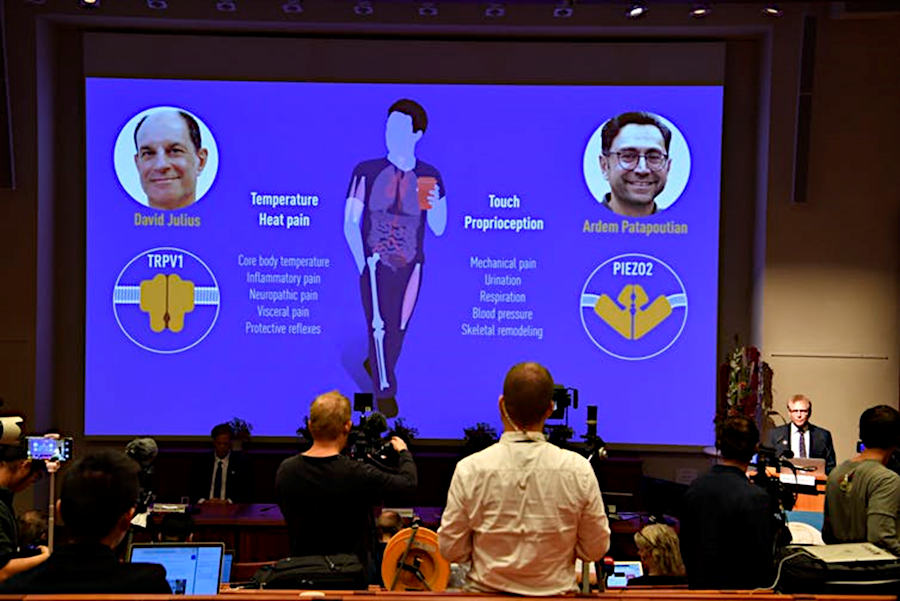
But until the late 1990s, little was known about how the body actually senses temperature and pressure. This is why the 2021 Nobel prize in physiology or medicine was jointly awarded to David Julius and Ardem Patapoutian, whose independent research uncovered the receptors which allow us to sense touch and temperature.
|
This article was republished with permission from The Conversation, a news site dedicated to sharing ideas from academic experts. It represents the research-based findings and thoughts of Francis McGlone, Professor in Neuroscience, Liverpool John Moores University |
The discoveries made by Julius and Patapoutian help solve questions many people have been asking for years – showing us how these stimuli are converted into nerve signals at a molecular level. These discoveries may also have important implications for developing treatments for a variety of different conditions, including chronic pain, in the future.

A Bit of Spice
Both researchers began working on this topic in the 1990s but were looking at it in different ways. Julius and his colleagues at the University of California were looking at a rather unconventional compound known as capsaicin, which is the chemical that causes the burning sensation we feel when we touch or eat chili peppers. While researchers already knew capsaicin activated nerve cells that caused pain sensations, Julius sought to uncover which sensors in the nerve endings actually respond to the heat from this compound.
Using lab-grown neurons – humans nerve cells – Julius and his team created a library of millions of DNA strands that corresponded to genes in the sensory neurons that react to pain, heat, and touch. This eventually led them to identify a single gene that was responsible for making cells sensitive to capsaicin. The gene allows cells to build a protein called TRPV1 which leads to these receptors perceiving the heat from capsaicin as painful.
This was the first of many more temperature-sensing receptors Julius and his lab discovered. Using menthol, Julius identified TRPM8, a receptor shown to be activated by cold. He also used the chemical found in wasabi to identify TRPA1, which is triggered by pain. Julius’s TRPV1 discovery was a breakthrough that allowed further research into how temperature induces electrical signals in the nervous system.
Their discoveries may lead to new treatments for managing pain.
Patapoutian, from the Scripps Research Institute in California, uncovered the mechanisms which underpin our sense of touch. Patapoutian’s research first began when he and his team identified a type of cell that gave off an electrical signal when it was poked with a micropipette. But to understand more about these pressure-sensitive cells, Patapoutian and his team first needed to identify which receptor was responsible.
They started with 72 candidate genes, inactivating them one by one until they found that the single gene responsible for creating the protein which responds to pressure on cell membranes – known as Piezo1. This discovery then led them to find a second gene, called Piezo2, which functions similarly.
This decades-long search now means researchers understand the mechanisms underpinning our sense of touch. Piezo1 and Piezo2 both work to initiate an electrical signal that travels between cells and to the brain when our skin or internal organs are touched or feel pressure.
The Importance of These Senses
Mammals are the only organisms that have the ability to generate and maintain our internal body temperature. If our blood temperature falls below 27? we’re in critical condition. It’s essential for survival to be able to sense temperature changes in our environment in order to maintain our core body temperature. It tells us that we should put a coat on if it’s cold outside, or not to touch a hot stove door so we don’t get hurt.
Julius’s discovery of the temperature-sensitive receptors in our nerves means we now know how changes in our environment’s temperature is detected. Discovering both the receptors that detect heat – TRPV1 – and cold – TRPM8 – now means we may have targets for drugs to treat inflammation, itch, pain, and cold allodynia (increased sensitivity to cold temperatures).
Our sense of touch is also extremely important to us for a number of reasons – not least of which is because it allows us to enjoy a hug. Being able to detect a mechanical stimulus – the sense we call touch – is important to every tissue and cell in our body. It means that the body can monitor blood flow, a full stomach, or when our bladder is full.
Patapoutian’s research means that we now understand which receptors allow us to sense touch, which could have many implications for future treatments. Researchers are already targeting the proteins Patapoutian discovered for the treatment of pain conditions.
Suggested Reading:
Opportunities in the Rapidly Growing Pain Management Sector
|
 Stem Cells Role in the Anti-Aging Business
|
 Therapeutic Research Advanced by Stem Cell Science
|
 Improving Mortality Rates Through Genetic Research
|
Stay up to date. Follow us:

|
PDS Biotechnology Welcomes Matthew Hill as Chief Financial Officer
PDS Biotechnology Welcomes Matthew Hill as Chief Financial Officer
FLORHAM PARK, N.J., Oct. 06, 2021 (GLOBE NEWSWIRE) — PDS Biotechnology Corporation (Nasdaq: PDSB), a clinical-stage immunotherapy company developing novel cancer therapies based on the Company’s proprietary Versamune® T-cell activating technology, today announced that Matthew Hill will join PDS Biotech as its Chief Financial Officer (CFO) effective as of October 18, 2021, to lead the company’s financial strategy through its next phase of growth.
Mr. Hill brings more than 25 years of experience in finance and operational leadership roles for life science companies. He is joining PDS Biotech after spending the last several years at Strata Skin Sciences (Nasdaq: SSKN) as their Chief Financial Officer, where he led the financial vision and strategy for the medical device company. Prior to joining Strata Skin Sciences, he held CFO roles at several companies, including Velcera prior to its acquisition by the Perrigo Company, and EP Medsystems prior to its acquisition by St. Jude Medical, where he also served as the VP of Operations. Mr. Hill holds a Bachelor of Science in accounting from Lehigh University.
“Given the promise of the Versamune® platform in oncology, I’m excited to bring my experience with life science companies to PDS Biotech’s next chapter. PDS has achieved significant milestones in the last year and I am energized to contribute my expertise and leadership to direct PDS Biotech’s financial strategy to facilitate its next phase of growth,” said Hill.
“We are focused on developing and commercializing novel and more effective treatments for cancer,” said PDS Biotech President and CEO Dr. Frank Bedu-Addo. “Matt’s extensive experience with growth-stage healthcare and life science companies will provide PDS Biotech with solid financial leadership and I look forward to working closely with Matt to fulfill the promise demonstrated thus far of bringing novel oncology products to the market.”
Mr. Hill will replace Seth Van Voorhees in the role of CFO. Dr. Bedu-Addo continued, “On behalf of our board of directors, we would like to thank Seth for his service to the company and wish him continued success in his future endeavors.”
About PDS Biotechnology
PDS Biotech is a clinical-stage immunotherapy company developing a growing pipeline of cancer immunotherapies based on the Company’s proprietary Versamune® T-cell activating technology platform. Our Versamune®-based products have demonstrated the potential to overcome the limitations of current immunotherapy by inducing in vivo, large quantities of high-quality, highly potent polyfunctional tumor specific CD4+ helper and CD8+ killer T-cells. PDS Biotech has developed multiple therapies, based on combinations of Versamune® and disease-specific antigens, designed to train the immune system to better recognize diseased cells and effectively attack and destroy them. The company’s pipeline products address various cancers including breast, colon, lung, prostate and ovarian cancers. To learn more, please visit www.pdsbiotech.com or follow us on Twitter at @PDSBiotech.
Forward Looking Statements
This communication contains forward-looking statements (including within the meaning of Section 21E of the United States Securities Exchange Act of 1934, as amended, and Section 27A of the United States Securities Act of 1933, as amended) concerning PDS Biotechnology Corporation (the “Company”) and other matters. These statements may discuss goals, intentions and expectations as to future plans, trends, events, results of operations or financial condition, or otherwise, based on current beliefs of the Company’s management, as well as assumptions made by, and information currently available to, management. Forward-looking statements generally include statements that are predictive in nature and depend upon or refer to future events or conditions, and include words such as “may,” “will,” “should,” “would,” “expect,” “anticipate,” “plan,” “likely,” “believe,” “estimate,” “project,” “intend,” “forecast,” “guidance”, “outlook” and other similar expressions among others. Forward-looking statements are based on current beliefs and assumptions that are subject to risks and uncertainties and are not guarantees of future performance. Actual results could differ materially from those contained in any forward-looking statement as a result of various factors, including, without limitation: the Company’s ability to protect its intellectual property rights; the Company’s anticipated capital requirements, including the Company’s anticipated cash runway and the Company’s current expectations regarding its plans for future equity financings; the Company’s dependence on additional financing to fund its operations and complete the development and commercialization of its product candidates, and the risks that raising such additional capital may restrict the Company’s operations or require the Company to relinquish rights to the Company’s technologies or product candidates; the Company’s limited operating history in the Company’s current line of business, which makes it difficult to evaluate the Company’s prospects, the Company’s business plan or the likelihood of the Company’s successful implementation of such business plan; the timing for the Company or its partners to initiate the planned clinical trials for PDS0101, PDS0203 and other Versamune® based products; the future success of such trials; the successful implementation of the Company’s research and development programs and collaborations, including any collaboration studies concerning PDS0101, PDS0203 and other Versamune® based products and the Company’s or monitoring committees’ or other third parties’ interpretation of the results and findings of such programs and collaborations and whether such results are sufficient to support the future success of the Company’s product candidates; the success, timing and cost of the Company’s ongoing clinical trials and anticipated clinical trials for the Company’s current product candidates, including statements regarding the timing of initiation, pace of enrollment, significance of milestones, and completion of the trials (including our ability to fully fund our disclosed clinical trials, which assumes no material changes to our currently projected expenses), futility analyses, presentations at conferences and data reported in an abstract, and receipt of interim results, which are not necessarily indicative of the final results of the Company’s ongoing clinical trials; any Company statements about its understanding of product candidates mechanisms of action and interpretation of preclinical and early clinical results from its clinical development programs and any collaboration studies; the acceptance by the market of the Company’s product candidates, if approved; the timing of and the Company’s ability to obtain and maintain U.S. Food and Drug Administration or other regulatory authority approval of, or other action with respect to, the Company’s product candidates; and other factors, including legislative, regulatory, political and economic developments not within the Company’s control, including unforeseen circumstances or other disruptions to normal business operations arising from or related to COVID-19. The foregoing review of important factors that could cause actual events to differ from expectations should not be construed as exhaustive and should be read in conjunction with statements that are included herein and elsewhere, including the risk factors included in the Company’s annual and periodic reports filed with the SEC. The forward-looking statements are made only as of the date of this press release and, except as required by applicable law, the Company undertakes no obligation to revise or update any forward-looking statement, or to make any other forward-looking statements, whether as a result of new information, future events or otherwise.
Media & Investor Relations Contact:
Deanne Randolph
PDS Biotech
Phone: +1 (908) 517-3613
Email: [email protected]
Rich Cockrell
CG Capital
Phone: +1 (404) 736-3838
Email: [email protected]
Cocrystal Pharma Receives Australian Regulatory Clearance to Initiate Phase 1 Study of CC-42344 for the Treatment of Pandemic and Seasonal Influenza
Cocrystal Pharma Receives Australian Regulatory Clearance to Initiate Phase 1 Study of CC-42344 for the Treatment of Pandemic and Seasonal Influenza
BOTHELL, Wash., Oct. 06, 2021 (GLOBE NEWSWIRE) — Cocrystal Pharma, Inc. (Nasdaq: COCP) (“Cocrystal” or the “Company”), a clinical-stage biotechnology company discovering and developing novel antiviral therapeutics that target the replication machinery of coronaviruses, influenza, hepatitis C viruses and noroviruses, announces receipt of clearance from an Australian Human Research Ethics Committee (HREC) to initiate a Phase 1 trial with its orally administered PB2 inhibitor CC-42344 for the treatment of pandemic and seasonal influenza A.
The Phase 1 randomized, double-blind, placebo-controlled study is expected to enroll 56 healthy volunteers at a single site in Australia. The study is designed to assess the safety, tolerability and pharmacokinetics of CC-42344.
CC-42344 binds to a highly conserved PB2 site of influenza polymerase complex and exhibits a novel mechanism of action that inhibits viral replication. In preclinical testing, CC-42344 demonstrated excellent antiviral activity against influenza A strains, including avian pandemic strains and Tamiflu® and Xofluza®-resistant strains, as well as favorable pharmacokinetic and drug-resistance profiles.
“The need for a novel, broad-spectrum, oral antiviral for pandemic and seasonal influenza A is clear as current approved influenza treatments are partially effective and are prone to viral resistance,” said Sam Lee, Ph.D., Cocrystal’s President and co-interim CEO. “We discovered CC-43244 using our proprietary structure-based drug discovery platform technologies. CC-43244 is specifically designed to be effective against pandemic and seasonal influenza A strains and emerging avian influenza viruses.”
“Our decision to conduct the Phase 1 trial in Australia was due to favorable regulatory policies and a clinical trial environment that aligns with our strategy for rapid, cost-efficient and high-quality clinical development,” added James Martin, Cocrystal’s CFO and co-interim CEO. “We are delighted to begin our first clinical study with CC-42344 as a treatment for this major global health concern.”
The World Health Organization (WHO) estimate there are approximately 1 billion cases of influenza annually worldwide, resulting in 3 million to 5 million cases of severe illness and 290,000 to 650,000 deaths. The Center for Disease Control (CDC) estimates that since 2010 influenza has resulted in 9 million to 45 million illnesses in the U.S. annually, resulting in 140,000 to 810,000 hospitalizations and 12,000 to 61,000 deaths.
About Cocrystal Pharma, Inc.
Cocrystal Pharma, Inc. is a clinical-stage biotechnology company discovering and developing novel antiviral therapeutics that target the replication process of coronaviruses (including SARS-CoV-2), influenza viruses, hepatitis C virus and noroviruses. Cocrystal employs unique structure-based technologies and Nobel Prize-winning expertise to create first- and best-in-class antiviral drugs. For further information about Cocrystal, please visit www.cocrystalpharma.com.
Cautionary Note Regarding Forward-Looking Statements
This press release contains forward-looking statements within the meaning of the Private Securities Litigation Reform Act of 1995, including statements regarding conducting the Phase 1 study of CC-42344 in Australia and our strategy with respect to clinical development. The words “believe,” “may,” “estimate,” “continue,” “anticipate,” “intend,” “should,” “plan,” “could,” “target,” “potential,” “is likely,” “will,” “expect” and similar expressions, as they relate to us, are intended to identify forward-looking statements. We have based these forward-looking statements largely on our current expectations and projections about future events. Some or all of the events anticipated by these forward-looking statements may not occur. Important factors that could cause actual results to differ from those in the forward-looking statements include, but are not limited to, the risks and uncertainties arising from the impact of the COVID-19 pandemic on the national and global economy, on our collaboration partners, CROs, CMOs, and on our Company, including raw material and test animal shortages and other supply chain disruptions, the ability of our CROs to recruit volunteers for, and to proceed with, clinical trials, possible delays resulting from the lockdowns in Australia, potential delays related to the manufacturing of the drug for the study, the results of clinical trials, general risks arising from clinical trials, receipt of regulatory approvals, regulatory changes, and development of effective treatments and/or vaccines by competitors, including as part of the programs financed by the U.S. government. Further information on our risk factors is contained in our filings with the SEC, including our Annual Report on Form 10-K for the year ended December 31, 2020. Any forward-looking statement made by us herein speaks only as of the date on which it is made. Factors or events that could cause our actual results to differ may emerge from time to time, and it is not possible for us to predict all of them. We undertake no obligation to publicly update any forward-looking statement, whether as a result of new information, future developments or otherwise, except as may be required by law.
Investor Contact:
LHA Investor Relations
Jody Cain
310-691-7100
[email protected]
Source: Cocrystal Pharma, Inc.
Release – Avivagen to Hold Webcast to Discuss Landmark Deal with AB Vista

Avivagen to Hold Webcast to Discuss Landmark Deal with AB Vista
- AB Vista becomes the exclusive distribution partner for OxC-beta™ for poultry, swine, ruminants (dairy and beef) and aquaculture uses in the United States, Brazil and Thailand
- Webcast to take place Wednesday, October 6th, 2021, at 10:30 a.m. EST
Ottawa, ON /Business Wire/ October 4, 2021/ Avivagen Inc. (TSXV:VIV, OTCQB:VIVXF) (“Avivagen”), a life sciences corporation focused on developing and commercializing products for livestock, companion animal and human applications that safely enhances feed intake and supports immune function, thereby supporting general health and performance, is pleased to announce it will be holding a webcast on Wednesday, October 6th at 10:30 A.M. EST to discuss its recent sales agreement with AB Vista that was announced on Friday, October 1, 2021.
The webcast will commence with remarks by Avivagen CEO Kym Anthony, followed by a Q & A session. To access the live webcast, visit this link to the event. Please pre-register questions with Investor Relations ahead of time. Following the live webcast, an archived version of the call will be available on Avivagen’s website.
About Avivagen
Avivagen is a life sciences corporation focused on developing and commercializing products for livestock, companion animal and human applications that, by safely supporting immune function, promote general health and performance. It is a public corporation traded on the TSX Venture Exchange under the symbol VIV and is headquartered in Ottawa, Canada, based in partnership facilities of the National Research Council of Canada. For more information, visit www.avivagen.com. The contents of the website are expressly not incorporated by reference in this press release.
About OxC-beta™ Technology and OxC-beta™ Livestock
Avivagen’s OxC-beta™ technology is derived from Avivagen discoveries about beta-carotene and other carotenoids, compounds that give certain fruits and vegetables their bright colours. Through support of immune function the technology provides a non-antibiotic means of promoting health and growth. OxC-beta™ Livestock is a proprietary product shown to be an effective and economic alternative to the antibiotics commonly added to livestock feeds. The product is currently available for sale in the United States, Philippines, Mexico, Taiwan, New Zealand, Thailand, Brazil, Australia, and Malaysia.
Avivagen’s OxC-beta™ Livestock product is safe, effective and could fulfill the global mandate to remove all in-feed antibiotics as growth promoters. Numerous international livestock trials with poultry and swine using OxC-beta™ Livestock have proven that the product performs as well as, and, sometimes, in some aspects, better than in-feed antibiotics.
For more information: Avivagen Inc.
Drew Basek
Director of Investor Relations
100 Sussex Drive, Ottawa, Ontario, Canada K1A 0R6 Phone: 416-540-0733
E-mail: [email protected]
Kym Anthony
Chief Executive Officer
100 Sussex Drive, Ottawa, Ontario, Canada K1A 0R6 Head Office Phone: 613-949-8164
Website: www.avivagen.com
Copyright © 2021 Avivagen Inc. OxC-beta™ is a trademark of Avivagen Inc.
Release – PDS Biotech Enrolls First Stage of Checkpoint Inhibitor Naive Patient Arm of Phase 2 Clinical Trial in Advanced HPV-16 Positive Head and Neck Cancer
PDS Biotech Enrolls First Stage of Checkpoint Inhibitor Naïve Patient Arm of Phase 2 Clinical Trial in Advanced HPV-16 Positive Head and Neck Cancer
FLORHAM PARK, N.J., Oct. 04, 2021 (GLOBE NEWSWIRE) — PDS Biotechnology Corporation (Nasdaq: PDSB), a clinical-stage immunotherapy company developing novel cancer therapies based on the Company’s proprietary Versamune® T-cell activating technology, today announced the completion of enrollment for the first stage of the checkpoint inhibitor naïve arm of its VERSATILE-002 Phase 2 study for the treatment of recurrent and/or metastatic human papillomavirus (HPV16)-associated head and neck cancer. 90% of HPV-associated head and neck cancers are reported to be caused by HPV16 as reported by a study published in the Journal of Clinical Medicine.
VERSATILE-002 is studying two groups of HPV16-positive head and neck cancer patients whose cancer has returned or spread. The first group has not been previously treated with a checkpoint inhibitor (CPI naïve). The second group of patients have failed multiple treatments including checkpoint inhibitor therapy (CPI refractory). As specified in the clinical trial design, objective response is measured by radiographic tumor responses according to RECIST 1.1 (tumor reduction of 30% or more). If objective response is achieved among at least four of the first 17 patients in the CPI naïve arm, this will trigger advancement to the second stage of the study arm and enrollment of the planned 54 patients in the CPI naïve arm. The trial is being conducted in collaboration with Merck & Co.
“Completion of enrollment among checkpoint inhibitor naïve patients in this first stage of our VERSATILE-002 Phase 2 study in the CPI naïve arm is an important milestone, and we would like to thank the patients for their participation in this clinical trial,” said Dr. Lauren V. Wood, Chief Medical Officer of PDS Biotech. “Through their involvement, together with site Investigators and study staff, this trial will help us better understand the potential contribution that PDS0101 may have in improving the lives of patients with advanced head and neck cancer.”
Dr. Jared Weiss, Section Chief of Thoracic and Head and Neck Oncology at the University of North Carolina at Chapel Hill School of Medicine and Lineberger Comprehensive Cancer Center, is serving as the Lead Principal Investigator of VERSATILE-002. Patients interested in enrolling in this clinical study should email [email protected] or visit the website at http://pdsbiotech.com/VERSATILE-002 to learn more.
About PDS Biotechnology
PDS Biotech is a clinical-stage immunotherapy company developing a growing pipeline of cancer immunotherapies based on the Company’s proprietary Versamune® T-cell activating technology platform. Our Versamune®-based products have demonstrated the potential to overcome the limitations of current immunotherapy by inducing in vivo, large quantities of high-quality, highly potent polyfunctional tumor specific CD4+ helper and CD8+ killer T-cells. PDS Biotech has developed multiple therapies, based on combinations of Versamune® and disease-specific antigens, designed to train the immune system to better recognize diseased cells and effectively attack and destroy them. The company’s pipeline products address various cancers including breast, colon, lung, prostate and ovarian cancers. To learn more, please visit www.pdsbiotech.com or follow us on Twitter at @PDSBiotech.
About PDS0101
PDS Biotech’s lead candidate, PDS0101, combines the utility of the Versamune® platform with targeted antigens in HPV-expressing cancers. In partnership with Merck & Co., PDS Biotech is evaluating a combination of PDS0101 and KEYTRUDA® in a Phase 2 study in first-line treatment of recurrent or metastatic head and neck cancer. PDS Biotech is also conducting two additional Phase 2 studies in advanced HPV-associated cancers and advanced localized cervical cancer with the National Cancer Institute (NCI) and The University of Texas MD Anderson Cancer Center, respectively.
Forward Looking Statements
This communication contains forward-looking statements (including within the meaning of Section 21E of the United States Securities Exchange Act of 1934, as amended, and Section 27A of the United States Securities Act of 1933, as amended) concerning PDS Biotechnology Corporation (the “Company”) and other matters. These statements may discuss goals, intentions and expectations as to future plans, trends, events, results of operations or financial condition, or otherwise, based on current beliefs of the Company’s management, as well as assumptions made by, and information currently available to, management. Forward-looking statements generally include statements that are predictive in nature and depend upon or refer to future events or conditions, and include words such as “may,” “will,” “should,” “would,” “expect,” “anticipate,” “plan,” “likely,” “believe,” “estimate,” “project,” “intend,” “forecast,” “guidance”, “outlook” and other similar expressions among others. Forward-looking statements are based on current beliefs and assumptions that are subject to risks and uncertainties and are not guarantees of future performance. Actual results could differ materially from those contained in any forward-looking statement as a result of various factors, including, without limitation: the Company’s ability to protect its intellectual property rights; the Company’s anticipated capital requirements, including the Company’s anticipated cash runway and the Company’s current expectations regarding its plans for future equity financings; the Company’s dependence on additional financing to fund its operations and complete the development and commercialization of its product candidates, and the risks that raising such additional capital may restrict the Company’s operations or require the Company to relinquish rights to the Company’s technologies or product candidates; the Company’s limited operating history in the Company’s current line of business, which makes it difficult to evaluate the Company’s prospects, the Company’s business plan or the likelihood of the Company’s successful implementation of such business plan; the timing for the Company or its partners to initiate the planned clinical trials for PDS0101, PDS0203 and other Versamune® based products; the future success of such trials; the successful implementation of the Company’s research and development programs and collaborations, including any collaboration studies concerning PDS0101, PDS0203 and other Versamune® based products and the Company’s or monitoring committees’ or other third parties’ interpretation of the results and findings of such programs and collaborations and whether such results are sufficient to support the future success of the Company’s product candidates; the success, timing and cost of the Company’s ongoing clinical trials and anticipated clinical trials for the Company’s current product candidates, including statements regarding the timing of initiation, pace of enrollment, significance of milestones, and completion of the trials (including our ability to fully fund our disclosed clinical trials, which assumes no material changes to our currently projected expenses), futility analyses, presentations at conferences and data reported in an abstract, and receipt of interim results, which are not necessarily indicative of the final results of the Company’s ongoing clinical trials; any Company statements about its understanding of product candidates mechanisms of action and interpretation of preclinical and early clinical results from its clinical development programs and any collaboration studies; the acceptance by the market of the Company’s product candidates, if approved; the timing of and the Company’s ability to obtain and maintain U.S. Food and Drug Administration or other regulatory authority approval of, or other action with respect to, the Company’s product candidates; and other factors, including legislative, regulatory, political and economic developments not within the Company’s control, including unforeseen circumstances or other disruptions to normal business operations arising from or related to COVID-19. The foregoing review of important factors that could cause actual events to differ from expectations should not be construed as exhaustive and should be read in conjunction with statements that are included herein and elsewhere, including the risk factors included in the Company’s annual and periodic reports filed with the SEC. The forward-looking statements are made only as of the date of this press release and, except as required by applicable law, the Company undertakes no obligation to revise or update any forward-looking statement, or to make any other forward-looking statements, whether as a result of new information, future events or otherwise.
Media & Investor Relations Contact:
Deanne Randolph
PDS Biotech
Phone: +1 (908) 517-3613
Email: [email protected]
Rich Cockrell
CG Capital
Phone: +1 (404) 736-3838
Email: [email protected]
PDS Biotech Enrolls First Stage of Checkpoint Inhibitor Naïve Patient Arm of Phase 2 Clinical Trial in Advanced HPV-16 Positive Head and Neck Cancer
PDS Biotech Enrolls First Stage of Checkpoint Inhibitor Naïve Patient Arm of Phase 2 Clinical Trial in Advanced HPV-16 Positive Head and Neck Cancer
FLORHAM PARK, N.J., Oct. 04, 2021 (GLOBE NEWSWIRE) — PDS Biotechnology Corporation (Nasdaq: PDSB), a clinical-stage immunotherapy company developing novel cancer therapies based on the Company’s proprietary Versamune® T-cell activating technology, today announced the completion of enrollment for the first stage of the checkpoint inhibitor naïve arm of its VERSATILE-002 Phase 2 study for the treatment of recurrent and/or metastatic human papillomavirus (HPV16)-associated head and neck cancer. 90% of HPV-associated head and neck cancers are reported to be caused by HPV16 as reported by a study published in the Journal of Clinical Medicine.
VERSATILE-002 is studying two groups of HPV16-positive head and neck cancer patients whose cancer has returned or spread. The first group has not been previously treated with a checkpoint inhibitor (CPI naïve). The second group of patients have failed multiple treatments including checkpoint inhibitor therapy (CPI refractory). As specified in the clinical trial design, objective response is measured by radiographic tumor responses according to RECIST 1.1 (tumor reduction of 30% or more). If objective response is achieved among at least four of the first 17 patients in the CPI naïve arm, this will trigger advancement to the second stage of the study arm and enrollment of the planned 54 patients in the CPI naïve arm. The trial is being conducted in collaboration with Merck & Co.
“Completion of enrollment among checkpoint inhibitor naïve patients in this first stage of our VERSATILE-002 Phase 2 study in the CPI naïve arm is an important milestone, and we would like to thank the patients for their participation in this clinical trial,” said Dr. Lauren V. Wood, Chief Medical Officer of PDS Biotech. “Through their involvement, together with site Investigators and study staff, this trial will help us better understand the potential contribution that PDS0101 may have in improving the lives of patients with advanced head and neck cancer.”
Dr. Jared Weiss, Section Chief of Thoracic and Head and Neck Oncology at the University of North Carolina at Chapel Hill School of Medicine and Lineberger Comprehensive Cancer Center, is serving as the Lead Principal Investigator of VERSATILE-002. Patients interested in enrolling in this clinical study should email [email protected] or visit the website at http://pdsbiotech.com/VERSATILE-002 to learn more.
About PDS Biotechnology
PDS Biotech is a clinical-stage immunotherapy company developing a growing pipeline of cancer immunotherapies based on the Company’s proprietary Versamune® T-cell activating technology platform. Our Versamune®-based products have demonstrated the potential to overcome the limitations of current immunotherapy by inducing in vivo, large quantities of high-quality, highly potent polyfunctional tumor specific CD4+ helper and CD8+ killer T-cells. PDS Biotech has developed multiple therapies, based on combinations of Versamune® and disease-specific antigens, designed to train the immune system to better recognize diseased cells and effectively attack and destroy them. The company’s pipeline products address various cancers including breast, colon, lung, prostate and ovarian cancers. To learn more, please visit www.pdsbiotech.com or follow us on Twitter at @PDSBiotech.
About PDS0101
PDS Biotech’s lead candidate, PDS0101, combines the utility of the Versamune® platform with targeted antigens in HPV-expressing cancers. In partnership with Merck & Co., PDS Biotech is evaluating a combination of PDS0101 and KEYTRUDA® in a Phase 2 study in first-line treatment of recurrent or metastatic head and neck cancer. PDS Biotech is also conducting two additional Phase 2 studies in advanced HPV-associated cancers and advanced localized cervical cancer with the National Cancer Institute (NCI) and The University of Texas MD Anderson Cancer Center, respectively.
Forward Looking Statements
This communication contains forward-looking statements (including within the meaning of Section 21E of the United States Securities Exchange Act of 1934, as amended, and Section 27A of the United States Securities Act of 1933, as amended) concerning PDS Biotechnology Corporation (the “Company”) and other matters. These statements may discuss goals, intentions and expectations as to future plans, trends, events, results of operations or financial condition, or otherwise, based on current beliefs of the Company’s management, as well as assumptions made by, and information currently available to, management. Forward-looking statements generally include statements that are predictive in nature and depend upon or refer to future events or conditions, and include words such as “may,” “will,” “should,” “would,” “expect,” “anticipate,” “plan,” “likely,” “believe,” “estimate,” “project,” “intend,” “forecast,” “guidance”, “outlook” and other similar expressions among others. Forward-looking statements are based on current beliefs and assumptions that are subject to risks and uncertainties and are not guarantees of future performance. Actual results could differ materially from those contained in any forward-looking statement as a result of various factors, including, without limitation: the Company’s ability to protect its intellectual property rights; the Company’s anticipated capital requirements, including the Company’s anticipated cash runway and the Company’s current expectations regarding its plans for future equity financings; the Company’s dependence on additional financing to fund its operations and complete the development and commercialization of its product candidates, and the risks that raising such additional capital may restrict the Company’s operations or require the Company to relinquish rights to the Company’s technologies or product candidates; the Company’s limited operating history in the Company’s current line of business, which makes it difficult to evaluate the Company’s prospects, the Company’s business plan or the likelihood of the Company’s successful implementation of such business plan; the timing for the Company or its partners to initiate the planned clinical trials for PDS0101, PDS0203 and other Versamune® based products; the future success of such trials; the successful implementation of the Company’s research and development programs and collaborations, including any collaboration studies concerning PDS0101, PDS0203 and other Versamune® based products and the Company’s or monitoring committees’ or other third parties’ interpretation of the results and findings of such programs and collaborations and whether such results are sufficient to support the future success of the Company’s product candidates; the success, timing and cost of the Company’s ongoing clinical trials and anticipated clinical trials for the Company’s current product candidates, including statements regarding the timing of initiation, pace of enrollment, significance of milestones, and completion of the trials (including our ability to fully fund our disclosed clinical trials, which assumes no material changes to our currently projected expenses), futility analyses, presentations at conferences and data reported in an abstract, and receipt of interim results, which are not necessarily indicative of the final results of the Company’s ongoing clinical trials; any Company statements about its understanding of product candidates mechanisms of action and interpretation of preclinical and early clinical results from its clinical development programs and any collaboration studies; the acceptance by the market of the Company’s product candidates, if approved; the timing of and the Company’s ability to obtain and maintain U.S. Food and Drug Administration or other regulatory authority approval of, or other action with respect to, the Company’s product candidates; and other factors, including legislative, regulatory, political and economic developments not within the Company’s control, including unforeseen circumstances or other disruptions to normal business operations arising from or related to COVID-19. The foregoing review of important factors that could cause actual events to differ from expectations should not be construed as exhaustive and should be read in conjunction with statements that are included herein and elsewhere, including the risk factors included in the Company’s annual and periodic reports filed with the SEC. The forward-looking statements are made only as of the date of this press release and, except as required by applicable law, the Company undertakes no obligation to revise or update any forward-looking statement, or to make any other forward-looking statements, whether as a result of new information, future events or otherwise.
Media & Investor Relations Contact:
Deanne Randolph
PDS Biotech
Phone: +1 (908) 517-3613
Email: [email protected]
Rich Cockrell
CG Capital
Phone: +1 (404) 736-3838
Email: [email protected]
Avivagen to Hold Webcast to Discuss Landmark Deal with AB Vista
Avivagen to Hold Webcast to Discuss Landmark Deal with AB Vista
- AB Vista becomes the exclusive distribution partner for OxC-beta™ for poultry, swine, ruminants (dairy and beef) and aquaculture uses in the United States, Brazil and Thailand
- Webcast to take place Wednesday, October 6th, 2021, at 10:30 a.m. EST
Ottawa, ON /Business Wire/ October 4, 2021/ Avivagen Inc. (TSXV:VIV, OTCQB:VIVXF) (“Avivagen”), a life sciences corporation focused on developing and commercializing products for livestock, companion animal and human applications that safely enhances feed intake and supports immune function, thereby supporting general health and performance, is pleased to announce it will be holding a webcast on Wednesday, October 6th at 10:30 A.M. EST to discuss its recent sales agreement with AB Vista that was announced on Friday, October 1, 2021.
The webcast will commence with remarks by Avivagen CEO Kym Anthony, followed by a Q & A session. To access the live webcast, visit this link to the event. Please pre-register questions with Investor Relations ahead of time. Following the live webcast, an archived version of the call will be available on Avivagen’s website.
About Avivagen
Avivagen is a life sciences corporation focused on developing and commercializing products for livestock, companion animal and human applications that, by safely supporting immune function, promote general health and performance. It is a public corporation traded on the TSX Venture Exchange under the symbol VIV and is headquartered in Ottawa, Canada, based in partnership facilities of the National Research Council of Canada. For more information, visit www.avivagen.com. The contents of the website are expressly not incorporated by reference in this press release.
About OxC-beta™ Technology and OxC-beta™ Livestock
Avivagen’s OxC-beta™ technology is derived from Avivagen discoveries about beta-carotene and other carotenoids, compounds that give certain fruits and vegetables their bright colours. Through support of immune function the technology provides a non-antibiotic means of promoting health and growth. OxC-beta™ Livestock is a proprietary product shown to be an effective and economic alternative to the antibiotics commonly added to livestock feeds. The product is currently available for sale in the United States, Philippines, Mexico, Taiwan, New Zealand, Thailand, Brazil, Australia, and Malaysia.
Avivagen’s OxC-beta™ Livestock product is safe, effective and could fulfill the global mandate to remove all in-feed antibiotics as growth promoters. Numerous international livestock trials with poultry and swine using OxC-beta™ Livestock have proven that the product performs as well as, and, sometimes, in some aspects, better than in-feed antibiotics.
For more information: Avivagen Inc.
Drew Basek
Director of Investor Relations
100 Sussex Drive, Ottawa, Ontario, Canada K1A 0R6 Phone: 416-540-0733
E-mail: [email protected]
Kym Anthony
Chief Executive Officer
100 Sussex Drive, Ottawa, Ontario, Canada K1A 0R6 Head Office Phone: 613-949-8164
Website: www.avivagen.com
Copyright © 2021 Avivagen Inc. OxC-beta™ is a trademark of Avivagen Inc.