The NFL and Big Companies are Changing Their Thinking on Marijuana


The NFL is Providing Funds for a Marijuana Study Related to Injured Athlete Use

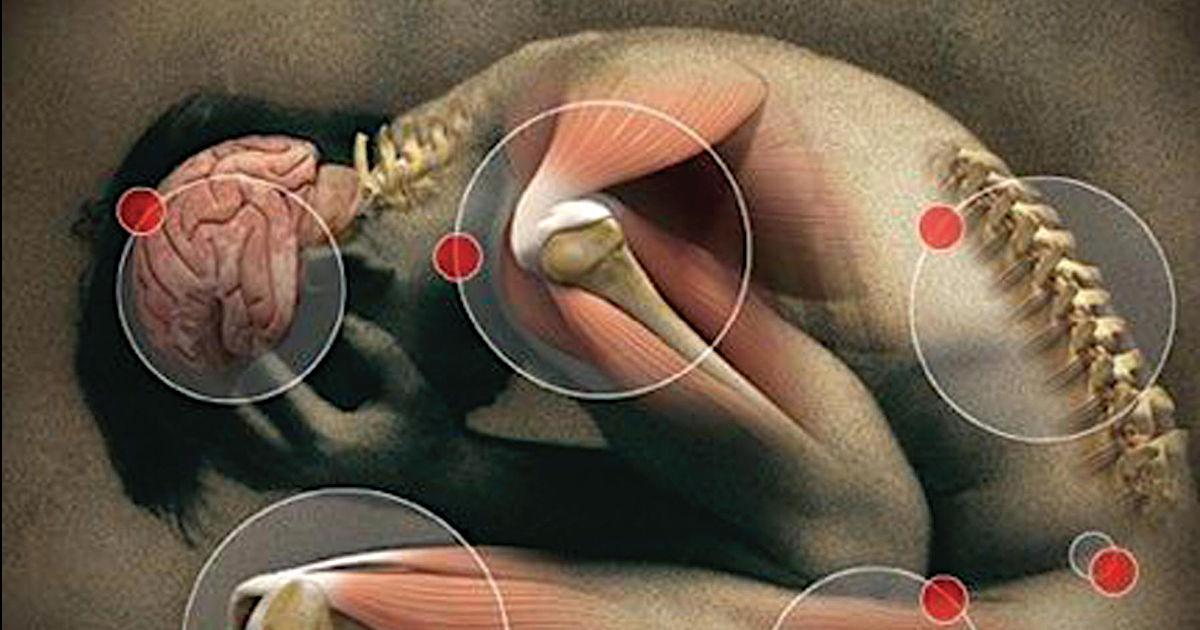
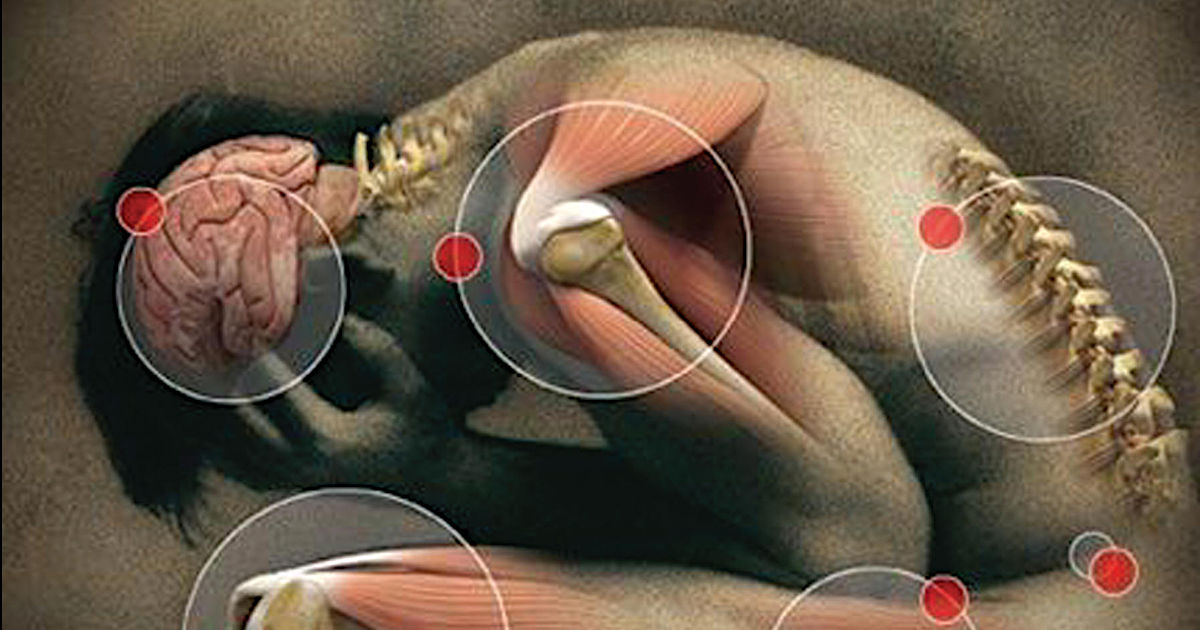
The National Football League’s (NFL) Pain Management Committee along with the NFL Players Association announced they’d be providing $1 million to help fund research of cannabinoids for pain management, last week.

This step represents further movement in the NFL’s stance toward exploring the use of marijuana products by professional football players. According to the NFL website, some players have maintained that it is safer for them to use marijuana to treat pain than to take prescription medication.


Pivot on Thinking

In the past, the NFL would suspend players if they tested positive for using cannabis products multiple times. Last year’s collective bargaining agreement between the league and the players union ended this policy. Now the NFL is determined to learn more about how safe marijuana and CBD are and whether they provide pain relief, especially if they can be a potential alternative to opioids.

The league expects to fund up to five grants to winners of an RFP process.  Dr. Kevin Hill, who is the co-chair of the NFL’s Pain Management Committee, and Director of Addiction Psychiatry at Beth Israel Deaconess Medical Center is also the author of Marijuana: The Unbiased Truth about the World’s Most Popular Weed. Hill wants to be cautious.  According to the NFL, he believes that right now, the level of interest in the use of medical marijuana far exceeds the level of evidence available.

Dr. Hill said that the committee had heard mixed results from players about using marijuana to treat pain. Hill said that there is some indication that using medical marijuana and CBD to treat pain may be riskier than most people realize and that the doses necessary to address pain may create risk for liver toxicity and interactions with other medications.

Dr. Allen Sills, the NFL’s Chief Medical Officer, said “There is a need for better information, better science,” Sills wants it clear that using cannabis and CBD to treat pain impact performance in elite athletes is beneficial. The goal of funding this research is to provide more informed guidance before allowing or disallowing any particular treatment related to CBD or other cannabinoids.


Take-Away

The NFL announcement to provide funding for studies into the true impact, benefits, and drawbacks of cannabis use by its players is a high-profile announcement within the cannabis industry. Regardless of the outcome of the studies, the NFL’s interest is a noticeable pivot in direction and can be perceived as a nod to the legitimacy of cannabis products for pain management.

In a related announcement this month, Amazon stated they will no longer test most job applicants for marijuana use. This growing trend toward legitimizing the once-taboo plant bodes well for cannabis companies in their uphill climb toward a more widespread embrace of their products.

Suggested Reading:

The Technological Invasion in Cannabis Cultivation

Will Federal Law Regarding Cannabis be Changed?


Cannabis Customers Served by Ice Cream Truck Model

The Future of Cannabis Crosses Many Industries


https://www.nfl.com/news/nfl-nflpa-will-provide-funding-for-research-into-pain-treatment-including-medica

https://www.npr.org/2021/06/02/1002409858/amazon-wont-test-jobseekers-for-marijuana


Virtual Road Show Series – Wednesday June 16 @ 1:00pm EDT

Join Stem Holdings CEO Adam Berk for this exclusive corporate presentation, followed by a Q & A session moderated by Joe Gomes, Noble’s senior research analyst, featuring questions taken from the audience. Registration is free and open to all investors, at any level.

Register Now  |  View All Upcoming Road Shows


Stay up to date. Follow us:


Stay up to date. Follow us:

Debate Concerning Biogen’s Alzheimer’s Drug Approval


Image Credit: Rik Williams (Flickr)


Biogen’s Alzheimer’s Drug Approval from a Pharmacists Perspective


The Food and Drug Administration set off a firestorm of debate when it approved a new drug, aducanumab, for Alzheimer’s disease via an accelerated approval pathway. This decision ignored the recommendation of the FDA’s external advisory panel to reject the drug.

The FDA grants accelerated approvals for drugs to treat serious illnesses for which there are no known, or at least very few, treatments. The type of data used to support accelerated approvals is very different from the typical benchmark safety and efficacy data required for approval. As a pharmacist and researcher, I have documented several reasons drug research conducted in a laboratory environment differs substantially from what is ultimately seen in people. The challenge lies in striking a balance between taking the time to ensure a treatment works and meeting urgent patient need.


Using a Different Standard

The FDA created an accelerated approval pathway for drugs treating serious diseases for which many patients feel a desperate need for more options. This has included treatment for advanced-stage cancer, multiple sclerosis and HIV, among others.

When considering accelerated approval, the agency examines a drug’s efficacy using what’s called a “surrogate endpoint.” While most drug trials measure success based on clinical endpoints that determine whether a drug helps people feel better or live longer, like reducing heart attacks or strokes, surrogate endpoints measure biomarkers that suggest potential clinical benefit. These surrogate endpoints are viable substitutes for hard clinical endpoints because they’re proven to be directly linked to the desired clinical outcomes. For example, the clinical endpoints of reducing heart attacks and strokes could use reduced blood pressure and low-density lipoprotein (LDL) cholesterol as surrogate endpoints.

While many hypotheses on the correct surrogate endpoints to treat certain diseases have panned out, several others have been shown to be off-base or only partially correct. A great example is homocysteine, an amino acid once thought to be a driver of cardiovascular diseases which since has been shown to be a marker of disease only. People with elevated levels of homocysteine are more likely to have cardiovascular disease, but lowering levels doesn’t make heart attacks and strokes less likely to occur. All those who rushed the science and purchased dietary supplements to lower their homocysteine were flushing their money down the drain.


Testing the Amyloid Beta Hypothesis

Though the effect of aducanumab, the Alzheimer’s drug developed by biotechnology company Biogen, on hard clinical endpoints are lackluster, it has been shown to reduce the formation of amyloid beta plaques in patients with early-stage Alzheimer’s. Amyloid beta denotes proteins that clump together to form plaques commonly seen in patients with Alzheimer’s. It’s been hypothesized that these plaques drive the signs and symptoms of Alzheimer’s. Animal models have shown that interfering with amyloid beta plaque formation could lead to improvements in functioning.

Amyloid beta plaques are hypothesized to trigger the neurodegenerative processes of Alzheimer’s disease. The Alzheimer’s Disease Education and Referral (ADEAR) Center, NIH/Wikimedia Commons

The data linking amyloid beta plaques to hard clinical endpoints is not a slam-dunk. Unlike hypertension and elevated LDL cholesterol, which has been proved to be linked to cardiovascular events, amyloid beta has not seen such definitive results.

Two large clinical trials assessing aducanumab have been conducted, one that started with a higher dose and one that started with a lower dose that was later increased. Both trials were stopped early, and the lower-dose trial found no benefits. The higher-dose trial found modest benefits in maintaining mental functioning, but the trial did not have enough patients to show that these benefits were due to the drug and not to chance. After the fact, the researchers combined data from patients who received high-dose aducanumab in both trials and found an improvement in mental functioning. However, many experts running clinical trials bristle at combining trial outcomes like this: These after-the-fact analyses have been shown in some circumstances to not pan out in the future.

Other initially promising experimental drugs targeting amyloid beta for Alzheimer’s also fell short in reducing hard clinical endpoints in their clinical trials. After one of these drugs, solanezumab, failed to achieve study aims, additional data analysis post-trial suggested it might be effective in a select population with mild Alzheimer’s. Researchers conducted an additional large clinical trial focusing on that subpopulation, but again failed to demonstrate significant benefits. No one knows if aducanumab will find significant benefits when the new clinical trial completes or if it will fail as solanezumab did.

If amyloid beta turns out to be simply a marker and not a cause of Alzheimer’s, it will be a costly mistake: Aducanumab is estimated to cost over US$56,000 a year.


Was the FDA’s Ruling a Mistake?

Over 6 million Americans now have Alzheimer’s disease, and deaths from Alzheimer’s have risen over 145% over the past 20 years. Alzheimer’s disease not only robs individuals of their autonomy but also places a huge burden on family members and the U.S. economy: $355 billion is spent annually on caring for people with Alzheimer’s. Current FDA-approved treatments are only modestly effective at controlling disease symptoms, and none target a possible underlying cause.

The accelerated approval pathway allows patients with early-stage Alzheimer’s to access aducanumab while a larger and more definitive clinical trial is conducted. Biogen says it hopes to have the clinical trial completed by 2030. If the study does not find reductions in the hard clinical endpoints, the drug will be withdrawn.

If aducanumab is ultimately found to be effective, many patients with early-stage Alzheimer’s will reap the benefits in reductions in hospitalizations, doctor visits, nursing home costs and societal burden.

If aducanumab is found to be ineffective, however, Medicare, insurers and patients will have spent tens of millions of dollars on a drug that not only did not work but also exposed patients to adverse events, including the risk of bleeding in the brain.


Should Physicians Prescribe Aducanumab, and Should Insurers Pay for It?

For patients in the earlier stages of Alzheimer’s disease, there is reason to try aducanumab based on the current clinical trial data and the lack of alternatives. But in advanced disease, it is unlikely that aducanumab or any drug targeting amyloid beta will provide benefits.

In a cost-effectiveness assessment of aducanumab, the Institute for Clinical and Economic Review, an independent organization assessing the value of medical treatments, suggested an annual price range from $8,300 to $23,000. This is a far cry from the $56,000 a year the company is expecting to charge, and that doesn’t account for the thousands of dollars in additional testing required to reduce the risk of brain swelling and bleeding.

The annual cost of the drug will likely greatly exceed the cost savings in other areas like reduced doctor visits and hospitalizations. Until further results are released, such high costs could lead private insurers to not cover or charge higher copays for the drug. Given the average age of those with Alzheimer’s disease, however, most people receiving aducanumab will be eligible for Medicare and will most likely be covered. Whether the drug will actually treat the disease – the biggest issue in question – remains uncertain.


Let us all hope that the FDA’s gamble pays off.

This article
was republished with permission from 
The Conversation, a news site dedicated to sharing ideas from academic experts.  Written by:
C. Michael White Distinguished Professor and Head of the Department of Pharmacy Practice, University of Connecticut


Suggested Reading:

Pros and Cons of FDA Funded in Part by Companies

Cells that can be Made From Stem Cells


Therapeutic Discovery Advanced by Stem Cell Science

The Case for Investing in Regenerative Medicine


Stay up to date. Follow us:


Stay up to date. Follow us:

Debate Concerning Biogens Alzheimers Drug Approval


Image Credit: Rik Williams (Flickr)


Biogen’s Alzheimer’s Drug Approval from a Pharmacists Perspective


The Food and Drug Administration set off a firestorm of debate when it approved a new drug, aducanumab, for Alzheimer’s disease via an accelerated approval pathway. This decision ignored the recommendation of the FDA’s external advisory panel to reject the drug.

The FDA grants accelerated approvals for drugs to treat serious illnesses for which there are no known, or at least very few, treatments. The type of data used to support accelerated approvals is very different from the typical benchmark safety and efficacy data required for approval. As a pharmacist and researcher, I have documented several reasons drug research conducted in a laboratory environment differs substantially from what is ultimately seen in people. The challenge lies in striking a balance between taking the time to ensure a treatment works and meeting urgent patient need.


Using a Different Standard

The FDA created an accelerated approval pathway for drugs treating serious diseases for which many patients feel a desperate need for more options. This has included treatment for advanced-stage cancer, multiple sclerosis and HIV, among others.

When considering accelerated approval, the agency examines a drug’s efficacy using what’s called a “surrogate endpoint.” While most drug trials measure success based on clinical endpoints that determine whether a drug helps people feel better or live longer, like reducing heart attacks or strokes, surrogate endpoints measure biomarkers that suggest potential clinical benefit. These surrogate endpoints are viable substitutes for hard clinical endpoints because they’re proven to be directly linked to the desired clinical outcomes. For example, the clinical endpoints of reducing heart attacks and strokes could use reduced blood pressure and low-density lipoprotein (LDL) cholesterol as surrogate endpoints.

While many hypotheses on the correct surrogate endpoints to treat certain diseases have panned out, several others have been shown to be off-base or only partially correct. A great example is homocysteine, an amino acid once thought to be a driver of cardiovascular diseases which since has been shown to be a marker of disease only. People with elevated levels of homocysteine are more likely to have cardiovascular disease, but lowering levels doesn’t make heart attacks and strokes less likely to occur. All those who rushed the science and purchased dietary supplements to lower their homocysteine were flushing their money down the drain.


Testing the Amyloid Beta Hypothesis

Though the effect of aducanumab, the Alzheimer’s drug developed by biotechnology company Biogen, on hard clinical endpoints are lackluster, it has been shown to reduce the formation of amyloid beta plaques in patients with early-stage Alzheimer’s. Amyloid beta denotes proteins that clump together to form plaques commonly seen in patients with Alzheimer’s. It’s been hypothesized that these plaques drive the signs and symptoms of Alzheimer’s. Animal models have shown that interfering with amyloid beta plaque formation could lead to improvements in functioning.

Amyloid beta plaques are hypothesized to trigger the neurodegenerative processes of Alzheimer’s disease. The Alzheimer’s Disease Education and Referral (ADEAR) Center, NIH/Wikimedia Commons

The data linking amyloid beta plaques to hard clinical endpoints is not a slam-dunk. Unlike hypertension and elevated LDL cholesterol, which has been proved to be linked to cardiovascular events, amyloid beta has not seen such definitive results.

Two large clinical trials assessing aducanumab have been conducted, one that started with a higher dose and one that started with a lower dose that was later increased. Both trials were stopped early, and the lower-dose trial found no benefits. The higher-dose trial found modest benefits in maintaining mental functioning, but the trial did not have enough patients to show that these benefits were due to the drug and not to chance. After the fact, the researchers combined data from patients who received high-dose aducanumab in both trials and found an improvement in mental functioning. However, many experts running clinical trials bristle at combining trial outcomes like this: These after-the-fact analyses have been shown in some circumstances to not pan out in the future.

Other initially promising experimental drugs targeting amyloid beta for Alzheimer’s also fell short in reducing hard clinical endpoints in their clinical trials. After one of these drugs, solanezumab, failed to achieve study aims, additional data analysis post-trial suggested it might be effective in a select population with mild Alzheimer’s. Researchers conducted an additional large clinical trial focusing on that subpopulation, but again failed to demonstrate significant benefits. No one knows if aducanumab will find significant benefits when the new clinical trial completes or if it will fail as solanezumab did.

If amyloid beta turns out to be simply a marker and not a cause of Alzheimer’s, it will be a costly mistake: Aducanumab is estimated to cost over US$56,000 a year.


Was the FDA’s Ruling a Mistake?

Over 6 million Americans now have Alzheimer’s disease, and deaths from Alzheimer’s have risen over 145% over the past 20 years. Alzheimer’s disease not only robs individuals of their autonomy but also places a huge burden on family members and the U.S. economy: $355 billion is spent annually on caring for people with Alzheimer’s. Current FDA-approved treatments are only modestly effective at controlling disease symptoms, and none target a possible underlying cause.

The accelerated approval pathway allows patients with early-stage Alzheimer’s to access aducanumab while a larger and more definitive clinical trial is conducted. Biogen says it hopes to have the clinical trial completed by 2030. If the study does not find reductions in the hard clinical endpoints, the drug will be withdrawn.

If aducanumab is ultimately found to be effective, many patients with early-stage Alzheimer’s will reap the benefits in reductions in hospitalizations, doctor visits, nursing home costs and societal burden.

If aducanumab is found to be ineffective, however, Medicare, insurers and patients will have spent tens of millions of dollars on a drug that not only did not work but also exposed patients to adverse events, including the risk of bleeding in the brain.


Should Physicians Prescribe Aducanumab, and Should Insurers Pay for It?

For patients in the earlier stages of Alzheimer’s disease, there is reason to try aducanumab based on the current clinical trial data and the lack of alternatives. But in advanced disease, it is unlikely that aducanumab or any drug targeting amyloid beta will provide benefits.

In a cost-effectiveness assessment of aducanumab, the Institute for Clinical and Economic Review, an independent organization assessing the value of medical treatments, suggested an annual price range from $8,300 to $23,000. This is a far cry from the $56,000 a year the company is expecting to charge, and that doesn’t account for the thousands of dollars in additional testing required to reduce the risk of brain swelling and bleeding.

The annual cost of the drug will likely greatly exceed the cost savings in other areas like reduced doctor visits and hospitalizations. Until further results are released, such high costs could lead private insurers to not cover or charge higher copays for the drug. Given the average age of those with Alzheimer’s disease, however, most people receiving aducanumab will be eligible for Medicare and will most likely be covered. Whether the drug will actually treat the disease – the biggest issue in question – remains uncertain.


Let us all hope that the FDA’s gamble pays off.

This article
was republished with permission from 
The Conversation, a news site dedicated to sharing ideas from academic experts.  Written by:
C. Michael White Distinguished Professor and Head of the Department of Pharmacy Practice, University of Connecticut


Suggested Reading:

Pros and Cons of FDA Funded in Part by Companies

Cells that can be Made From Stem Cells


Therapeutic Discovery Advanced by Stem Cell Science

The Case for Investing in Regenerative Medicine


Stay up to date. Follow us:


Stay up to date. Follow us:

A Discussion with Regenerative Medicine Foundation Executive Director Bernard Siegel


An Interview with the Founder and Executive Director of the Regenerative Medicine Foundation


Next week the Regenerative Medicine Foundation (RMF) will be holding its annual World Stem Cell Summit. As it has each year for the past decade and a half, this year’s 16th World Stem Cell Summit (WSCS) will bring us all a step closer to solutions to health problems that had once seemed insurmountable. At the heart of this great event is Bernard Siegel (Bernie), Founder of the WSCS and Executive Director of the Regenerative Medicine Foundation. This year’s summit will be held virtually from June 14-18. Noble Capital Markets, along with Channelchek, are Platinum sponsors of the 2021 WSCS. This allowed me the opportunity and good fortune to be able to sit with Bernie and ask a few questions to help enhance the understanding of regenerative medicine, the World Stem Cell Summit, and Bernie Siegel himself.


Channelchek (PH):

Bernie, you were an attorney; how did you did move from a non-medical background to one where you’re at the forefront and even the spokesperson for stem cell research.


Bernie Siegal:

I did come into the field entirely outside of the realm of science, policy, and regulation. I was a practicing lawyer, but through my entire life have been interested in a lot of topics. I’ve always been a reader, and one of the topics I read a lot on is science, including the life sciences industry policy and politics.  I came to realize this field is so different, so helpful, and so innovative – it can possibly create treatments for chronic diseases with no available cures, this resonated with me.

The actual turning point was when I survived cancer and decided I should do what I want including only taking cases I wanted to and allow myself to pursue other ventures that I might find interesting.

I got involved in this field and wound up taking a well-known case involving a religious sect claiming to have delivered a cloned baby. The case had national attention, and I wound up testifying before Congress and the National Academy of Science.  Then excessively interviewed on news shows aired across the country. So much attention and noise surrounded the case that George W. Bush was President and brought up and denounced human cloning in his 2003 State of the Union address. He did this the day before my case went for arraignment.

I quickly became viewed by the science world as the only person standing up for legitimate science, and they were helping me.  It became an extremely serious matter, I was doing it to establish a legal principle. By the time the case was done my life was turned upside down.


Channelchek (PH):

Some of the pushback on this science has been the use of embryonic cells. Is this still a hurdle?


Bernie Siegel:

Suppose the surplus in the embryos from IVF is being tossed as medical waste where they could be used for research and something good can come from it. In that case, it is a philosophical question and a political issue for those opposed to embryonic research.

The thing is, today, regenerative medicine has ways of creating very potent stem cells that can turn into any type of tissue in the body without destroying an embryo.  Adult pluripotent cells can be used to create cells that will differentiate into other human tissue.  This was discovered by a Japanese doctor by the name of Shinya Yamanaka who won the Nobel Prize in 2012 for his work.

Yamanaka was able to take a human skin cell and apply viral vectors and transform it into a pluripotent cell that could be used to create any kind of tissue of the donor. This was a breakthrough in that duplicate cells could be made without the moral quandary of using embryonic tissue.


Channelchek (PH):

Your foundation supports study in a field that barely existed at the turn of the millennium. Aside from your well-publicized case, as an outsider, how have you been able to build it into such a deep network and strong force?


Bernie Siegel:

During the 30 days, I was held up to intense media scrutiny and held under a microscope with the cloning case showed me what I was capable of and caused me to think I could do even more with my life than I was. I’m still a member of the Florida Bar, but I gave up the actual practice of law to do this full time, it became a calling if you will.

When I built the organization, I built it first by recruiting some of the top scientists. Their names and their reputations allowed me to kick the doors more open to the biotechnology industry, major players in Washington, and the medical philanthropy world.

There is a method to building a movement.


Channelchek (PH):

Who Benefits Most from Going to the Stem Cell Summit?


Bernie Siegel: Who doesn’t? This is the key; a patient with a family member suffering from ALS never encounters a scientist that may be working in a lab with human cells. With the Summit, a patient can interact with the scientist. The scientist feels motivated, the patient becomes more of an advocate, the patient goes to the government and says “we need more funding for this.” The patient or family member meets with groups specific to a condition important to them that can benefit from this research.  Clinicians can go and see the emerging promise in the field to understand what medical solutions are coming down the road that will change their medical practice. An insurance company will understand they will be reimbursing a new medical treatment. An investor or philanthropist is going to find out how these great medical institutions are translating their research into business opportunities that will become the future of medicine and how they all work together.

Understand, a tissue engineer might not be aware of everything in microscopy; someone who is working in microscopy may not have gathered what is going on in machine learning or AI. All of the enabling technologies in the field are at the Summit this creates energy in the field and interest from government leaders. The FDA and representatives from the NIH are there. We also have the international side with a whole segment of the Japanese Society for Regenerative Medicine the largest society in the world.  This isn’t just a scientific meeting; investors and media are also there to see what clinical implications are why the public should be excited. This is of interest to everyone, I know this because I see it every day.


More Information

The World Stem Cell Summit is a project of the nonprofit Regenerative Medicine Foundation (RMF). They’ve built the strongest, most comprehensive global network for regenerative medicine in the U.S. This annual event unites the world’s leading researchers, medical centers, universities, labs, businesses, investors, funders, policymakers, experts in law, regulation and ethics, medical philanthropies, and patient organizations all meet next week.

Information on presenting companies can be found here.

The World Stem Cell Summit website can be found at this link.

For a copy of the Noble Capital Markets press release, go here.


The Investor Forum at the World Stem Cell Summit – Presenting Companies

The Investor Forum at the World Stem Cell Summit
June 17, 2021

View the Investor Forum Presentations Here

View the Official Investor Forum Book Here

The following companies are scheduled to take part in the Investor Forum at the World Stem Cell Summit – June 17, 2021. The event will be broadcast on the World Stem Cell Summit Website, as well as on Channelchek.com. Each presentation will feature a 20-minute formal corporate overview, followed by a 20 minute Q & A session moderated by a Noble Capital Markets equity research representative.

Register for Channechek to gain access to the Investor Forum

Register for the full World Stem Cell Summit


Click the logos for more information on the presenting companies


Avalon GloboCare (AVCO)
 

Caladrius Biosciences (CLBS)
 

Celularity
 

ImmCelz / Creative Medical Technology Holdings (CELZ)
 

ExoProTher
 

GID BIO
 

HealthLynked (HLYK)
 

Longeveron (LGVN)
 

Mesoblast (MESO)
 

Ocugen to pursue a BLA path in the US for its COVID-19 vaccine candidate


Ocugen to pursue a BLA path in the US for its COVID-19 vaccine candidate


  • Company intends to work with the FDA towards filing a Biologics License Application (BLA) in the US
  • Company to engage with Health Canada to seek authorization under Interim Order for use in Canada

MALVERN, Pa., June 10, 2021 (GLOBE NEWSWIRE) — Ocugen, Inc. (NASDAQ: OCGN) (Company), a biopharmaceutical company focused on discovering, developing, and commercializing gene therapies to cure blindness diseases and developing a vaccine to save lives from COVID-19, today announced that upon recommendation from the U.S. Food and Drug Administration (FDA), it will pursue submission of a biologics license application (BLA) for its COVID-19 vaccine candidate, COVAXIN™. The Company will no longer pursue an Emergency Use Authorization (EUA) for COVAXIN™.

The FDA provided feedback to Ocugen regarding the Master File the Company had previously submitted and recommended that Ocugen pursue a BLA submission instead of an EUA application for its vaccine candidate and requested additional information and data. Ocugen is in discussions with the FDA to understand the additional information required to support a BLA submission. The Company anticipates that data from an additional clinical trial will be required to support the submission.

“Although we were close to finalizing our EUA application for submission, we received a recommendation from the FDA to pursue a BLA path. While this will extend our timelines, we are committed to bringing COVAXIN™ to the US. This differentiated vaccine is a critical tool to include in our national arsenal given its potential to address the SARS-CoV-2 variants, including the delta variant, and given the unknowns about what will be needed to protect US population in the long term,” said Dr. Shankar Musunuri, Chairman of the Board, Chief Executive Officer, and Co-founder of Ocugen.

Ocugen recently announced that it secured exclusive rights to commercialize COVAXIN™ in Canada and has initiated discussions with Health Canada for regulatory approval. The Company will pursue expedited authorization for COVAXIN™ under the Interim Order Respecting the Importation, Sale and Advertising of Drugs for Use in Relation to COVID-19 in Canada.

“In clinical trials to date, the emerging safety profile of COVAXIN™ is supportive of it being generally well tolerated with a good safety profile, with Ministry of Health and Family Welfare of Republic of India reporting no potential thromboembolic events following the administration of over 6.7 million doses of COVAXIN™ in that country,” said Dr. Bruce Forrest, Acting Chief Medical Officer and member of the vaccine scientific advisory board of Ocugen.

About COVAXIN

COVAXIN™, India’s COVID-19 vaccine by Bharat Biotech, is developed in collaboration with the Indian Council of Medical Research (ICMR) – National Institute of Virology (NIV). COVAXIN™ is a highly purified and inactivated vaccine that is manufactured using a vero cell manufacturing platform. This platform has an excellent safety track record of more than 300 million doses of various vaccines supplied. Based on a traditional vaccine platform that has a long-established safety profile, COVAXIN™ continues to show strong results in all the studies conducted to date including a vaccine efficacy rate of 78% overall efficacy and 100% in severe COVID-19 disease, including hospitalizations, in second interim results of Bharat Biotech’s Phase 3 clinical trial.

In addition to generating strong immune response against multiple antigens, COVAXIN has been shown to generate memory T cell responses, for its multiple epitopes, indicating longevity and a rapid antibody response to future infections. With published data demonstrating a safety profile superior to published safety data from separate studies for several other vaccines, COVAXIN™ is packaged in multi-dose vials that can be stored at 2-8?C.

COVAXIN™ studies show potential effectiveness against three key variants of SARS-CoV-2. Scientists at the Indian Council of Medical Research (ICMR)-National Institute of Virology, using an in-vitro plaque reduction neutralization assay, have found that COVAXIN-vaccinated sera effectively neutralized the Brazil variant of SARS-CoV-2, B.1.128.2, the alpha variant, B.1.1.7, which was first identified in the United Kingdom, as well as the delta variant, B.1.617, which was first identified in India. These studies suggest that COVAXIN vaccination may be effective against multiple SARS-CoV-2 variants.

Based on the more than 30 million doses supplied in India and other countries, COVAXIN™ has an excellent safety record. COVAXIN™ is currently being administered under emergency use authorizations in 13 countries, and applications for emergency use authorization are pending in more than 60 additional countries.

About Ocugen, Inc.

Ocugen, Inc. is a biopharmaceutical company focused on discovering, developing, and commercializing gene therapies to cure blindness diseases and developing a vaccine to save lives from COVID-19. Our breakthrough modifier gene therapy platform has the potential to treat multiple retinal diseases with one drug – “one to many” and our novel biologic product candidate aims to offer better therapy to patients with underserved diseases such as wet age-related macular degeneration, diabetic macular edema, and diabetic retinopathy. We are co-developing Bharat Biotech’s COVAXIN™ vaccine candidate for COVID-19 in the U.S. and Canadian markets. For more information, please visit http://ocugen.com/

Cautionary Note on Forward-Looking Statements

This press release contains forward-looking statements within the meaning of The Private Securities Litigation Reform Act of 1995, which are subject to risks and uncertainties. We may, in some cases, use terms such as “predicts,” “believes,” “potential,” “proposed,” “continue,” “estimates,” “anticipates,” “expects,” “plans,” “intends,” “may,” “could,” “might,” “will,” “should” or other words that convey uncertainty of future events or outcomes to identify these forward-looking statements. Such forward-looking statements include information about qualitative assessments of available data, potential benefits, expectations for clinical trials, and anticipated timing of clinical trial readouts and regulatory submissions. This information involves risks and uncertainties that could cause actual results to differ materially from those expressed or implied by such statements. Risks and uncertainties include, among other things, the uncertainties inherent in research and development, including the ability to meet anticipated clinical endpoints, commencement and/or completion dates for clinical trials, regulatory submission dates, regulatory approval dates and/or launch dates, as well as risks associated with preliminary and interim data (including the interim data from Bharat Biotech’s Phase 3 trial in India referred to in this press release), including the possibility of unfavorable new clinical trial data and further analyses of existing clinical trial data; the risk that the results of in-vitro studies will not be duplicated in human clinical trials; the risk that clinical trial data are subject to differing interpretations and assessments, including during the peer review/publication process, in the scientific community generally, and by regulatory authorities; whether and when data from Bharat Biotech’s clinical trials will be published in scientific journal publications and, if so, when and with what modifications; whether we will be able to provide the U.S. Food and Drug Administration (FDA) with sufficient additional information regarding the design of and results from preclinical and clinical studies of COVAXIN, which have been conducted by Bharat Biotech in India in order for those trials to support a biologics license application (BLA), the size, scope, timing and outcome of any additional trials or studies that we may be required to conduct to support a BLA; any additional chemistry, manufacturing and controls information that we may be required to submit the timing of our BLA filing; whether and when an application for authorization under interim order for emergency use will be filed in Canada; whether and when any such applications may be approved by Health Canada; whether developments with respect to COVID-19 pandemic will affect the regulatory pathway available for vaccines in the United States, Canada or other jurisdictions; market demand for COVAXIN in the United States or Canada; decisions by the FDA or Health Canada impacting labeling, manufacturing processes, safety and/or other matters that could affect the availability or commercial potential of COVAXIN in the United States or Canada, including development of products or therapies by other companies. These and other risks and uncertainties are more fully described in our periodic filings with the Securities and Exchange Commission (SEC), including the risk factors described in the section entitled “Risk Factors” in the quarterly and annual reports that we file with the SEC. Any forward-looking statements that we make in this press release speak only as of the date of this press release. Except as required by law, we assume no obligation to update forward-looking statements contained in this press release whether as a result of new information, future events or otherwise, after the date of this press release.

Ocugen Contact:
Ocugen, Inc.
Sanjay Subramanian
CFO and Head of Corp. Dev.
[email protected]

Media Contact:
LaVoieHealthScience
Sharon Correia
[email protected]617-865-0038

Ocugen Inc. Announces Michael Shine as Senior Vice President, Commercial


Ocugen Inc. Announces Michael Shine as Senior Vice President, Commercial


MALVERN, Pa., June 10, 2021 (GLOBE NEWSWIRE) — Ocugen, Inc. (NASDAQ: OCGN), a biopharmaceutical company focused on discovering, developing, and commercializing gene therapies to cure blindness diseases and developing a vaccine to save lives from COVID-19, today announced that Michael Shine will be joining Ocugen as Senior Vice President, Commercial.

Michael Shine is a pharmaceutical and biotechnology executive with nearly 35 years of industry experience. Over the course of his career, Mr. Shine has held leadership positions within large pharmaceutical companies, including Novapharm Therapeutics, Colgate Oral Pharmaceutical, and Pfizer Vaccines (formerly Wyeth). He also served as Chief Marketing Officer with Thomas Reuters and spent more than eight years in the start-up pharmaceutical space.

“We are thrilled to welcome Mike to the Ocugen team as we take steps towards readiness for potential commercialization of COVAXIN in the US and Canada. As an established marketing and sales biopharma leader, Mike’s experience and commercial expertise will be instrumental to our market launches for Ocugen’s vaccine and ophthalmologic product pipelines, in each case if approved,” said Dr. Shankar Musunuri, Chairman of the Board, Chief Executive Officer, and Co-founder of Ocugen.

Mr. Shine led the successful commercial launch of the global $6 billion Prevnar vaccine franchise while with Pfizer Vaccines (formerly Wyeth). Mr. Shine was responsible for the development of innovative strategies for Prevenar’s inclusion in national immunization programs in key markets, driving sales in excess of $2 billion. Mr. Shine holds a Master of Business Administration from Villanova University, and a Bachelor of Science in business administration from the University of Scranton.  

About Ocugen, Inc.
Ocugen, Inc. is a biopharmaceutical company focused on discovering, developing, and commercializing gene therapies to cure blindness diseases and developing a vaccine to save lives from COVID-19. Our breakthrough modifier gene therapy platform has the potential to treat multiple retinal diseases with one drug – “one to many” and our novel biologic product candidate aims to offer better therapy to patients with underserved diseases such as wet age-related macular degeneration, diabetic macular edema, and diabetic retinopathy. We are co-developing Bharat Biotech’s COVAXIN™ vaccine candidate for COVID-19 in the US market. For more information, please visit http://ocugen.com/

Cautionary Note on Forward-Looking Statements

This press release contains forward-looking statements within the meaning of The Private Securities Litigation Reform Act of 1995, which are subject to risks and uncertainties. We may, in some cases, use terms such as “predicts,” “believes,” “potential,” “proposed,” “continue,” “estimates,” “anticipates,” “expects,” “plans,” “intends,” “may,” “could,” “might,” “will,” “should” or other words that convey uncertainty of future events or outcomes to identify these forward-looking statements. Such forward-looking statements include information about qualitative assessments of available data, potential benefits, expectations for clinical trials, and anticipated timing of clinical trial readouts and regulatory submissions. This information involves risks and uncertainties that could cause actual results to differ materially from those expressed or implied by such statements. Risks and uncertainties include, among other things, the uncertainties inherent in research and development, including the ability to meet anticipated clinical endpoints, commencement and/or completion dates for clinical trials, regulatory submission dates, regulatory approval dates and/or launch dates, as well as risks associated with preliminary and interim data (including the interim data from Bharat Biotech’s Phase 3 trial in India), including the possibility of unfavorable new clinical trial data and further analyses of existing clinical trial data; the risk that the results of in-vitro studies will not be duplicated in human clinical trials; the risk that clinical trial data are subject to differing interpretations and assessments, including during the peer review/publication process, in the scientific community generally, and by regulatory authorities; whether and when data from Bharat Biotech’s clinical trials will be published in scientific journal publications and, if so, when and with what modifications; whether we will be able to provide the U.S. Food and Drug Administration (FDA) with sufficient additional information regarding the design of and results from preclinical and clinical studies of COVAXIN, which have been conducted by Bharat Biotech in India in order for those trials to support a biologics license application (BLA), the size, scope, timing and outcome of any additional trials or studies that we may be required to conduct to support a BLA; any additional chemistry, manufacturing and controls information that we may be required to submit; the timing of our BLA filing; whether and when an application for authorization under interim order for emergency use will be filed in Canada; whether and when any such applications may be approved by Health Canada; whether developments with respect to COVID-19 pandemic will affect the regulatory pathway available for vaccines in the United States, Canada or other jurisdictions; market demand for COVAXIN in the United States or Canada; decisions by the FDA or Health Canada impacting labeling, manufacturing processes, safety and/or other matters that could affect the availability or commercial potential of COVAXIN in the United States or Canada, including development of products or therapies by other companies. These and other risks and uncertainties are more fully described in our periodic filings with the Securities and Exchange Commission (SEC), including the risk factors described in the section entitled “Risk Factors” in the quarterly and annual reports that we file with the SEC. Any forward-looking statements that we make in this press release speak only as of the date of this press release. Except as required by law, we assume no obligation to update forward-looking statements contained in this press release whether as a result of new information, future events or otherwise, after the date of this press release.

Ocugen Contact:
Ocugen, Inc.
Sanjay Subramanian
Chief Financial Officer and Head of Corporate Development
[email protected]

Media Contact:
LaVoieHealthScience
Sharon Correia
[email protected]

Onconova Therapeutics (ONTX) – Looking Forward to Upcoming Clinical Milestones

Thursday, June 10, 2021

Onconova Therapeutics (ONTX)
Looking Forward to Upcoming Clinical Milestones

Onconova Therapeutics Inc is a clinical-stage biopharmaceutical company operating in the US. It focuses on discovering and developing novel small molecule product candidates primarily to treat cancer. The company has created a library of targeted agents designed to work against cellular pathways important to cancer cells. Its product candidates are Single-agent IV rigosertib, Oral rigosertib + azacitidine, IV Briciclib, Recilisib, and ON 123300. The key product candidate Rigosertib is a small molecule which blocks cellular signaling by targeting RAS effector pathways.

Robert LeBoyer, Senior Research Analyst, Noble Capital Markets, Inc.

Refer to the full report for the price target, fundamental analysis, and rating.

    Developing drugs to stop the signals that lead to tumor cell growth.  Onconova has two drugs in clinical testing, ON 123300 and rigosertib, which target pathways between the cell surface and DNA transcription. These drugs are in clinical trials for both cancers affecting large populations and an orphan tumor. We are maintaining our Outperform rating with a split-adjusted price target of $11 per share.

    Clinical trials are progressing.  ON 123300 is a multi-kinase inhibitor in development to stop signals in the cell nucleus that lead to cancer cell proliferation. A Phase 1 dose-escalation trial has opened in the US, and a trial in China has dosed its third cohort. Selection of dosing for a Phase 2 clinical trial is expected in 2H21 …


This Company Sponsored Research is provided by Noble Capital Markets, Inc., a FINRA and S.E.C. registered broker-dealer (B/D).

*Analyst certification and important disclosures included in the full report. NOTE: investment decisions should not be based upon the content of this research summary.  Proper due diligence is required before making any investment decision. 

Release – Ocugen Inc. Announces Michael Shine as Senior Vice President Commercial


Ocugen Inc. Announces Michael Shine as Senior Vice President, Commercial


MALVERN, Pa., June 10, 2021 (GLOBE NEWSWIRE) — Ocugen, Inc. (NASDAQ: OCGN), a biopharmaceutical company focused on discovering, developing, and commercializing gene therapies to cure blindness diseases and developing a vaccine to save lives from COVID-19, today announced that Michael Shine will be joining Ocugen as Senior Vice President, Commercial.

Michael Shine is a pharmaceutical and biotechnology executive with nearly 35 years of industry experience. Over the course of his career, Mr. Shine has held leadership positions within large pharmaceutical companies, including Novapharm Therapeutics, Colgate Oral Pharmaceutical, and Pfizer Vaccines (formerly Wyeth). He also served as Chief Marketing Officer with Thomas Reuters and spent more than eight years in the start-up pharmaceutical space.

“We are thrilled to welcome Mike to the Ocugen team as we take steps towards readiness for potential commercialization of COVAXIN in the US and Canada. As an established marketing and sales biopharma leader, Mike’s experience and commercial expertise will be instrumental to our market launches for Ocugen’s vaccine and ophthalmologic product pipelines, in each case if approved,” said Dr. Shankar Musunuri, Chairman of the Board, Chief Executive Officer, and Co-founder of Ocugen.

Mr. Shine led the successful commercial launch of the global $6 billion Prevnar vaccine franchise while with Pfizer Vaccines (formerly Wyeth). Mr. Shine was responsible for the development of innovative strategies for Prevenar’s inclusion in national immunization programs in key markets, driving sales in excess of $2 billion. Mr. Shine holds a Master of Business Administration from Villanova University, and a Bachelor of Science in business administration from the University of Scranton.  

About Ocugen, Inc.
Ocugen, Inc. is a biopharmaceutical company focused on discovering, developing, and commercializing gene therapies to cure blindness diseases and developing a vaccine to save lives from COVID-19. Our breakthrough modifier gene therapy platform has the potential to treat multiple retinal diseases with one drug – “one to many” and our novel biologic product candidate aims to offer better therapy to patients with underserved diseases such as wet age-related macular degeneration, diabetic macular edema, and diabetic retinopathy. We are co-developing Bharat Biotech’s COVAXIN™ vaccine candidate for COVID-19 in the US market. For more information, please visit http://ocugen.com/

Cautionary Note on Forward-Looking Statements

This press release contains forward-looking statements within the meaning of The Private Securities Litigation Reform Act of 1995, which are subject to risks and uncertainties. We may, in some cases, use terms such as “predicts,” “believes,” “potential,” “proposed,” “continue,” “estimates,” “anticipates,” “expects,” “plans,” “intends,” “may,” “could,” “might,” “will,” “should” or other words that convey uncertainty of future events or outcomes to identify these forward-looking statements. Such forward-looking statements include information about qualitative assessments of available data, potential benefits, expectations for clinical trials, and anticipated timing of clinical trial readouts and regulatory submissions. This information involves risks and uncertainties that could cause actual results to differ materially from those expressed or implied by such statements. Risks and uncertainties include, among other things, the uncertainties inherent in research and development, including the ability to meet anticipated clinical endpoints, commencement and/or completion dates for clinical trials, regulatory submission dates, regulatory approval dates and/or launch dates, as well as risks associated with preliminary and interim data (including the interim data from Bharat Biotech’s Phase 3 trial in India), including the possibility of unfavorable new clinical trial data and further analyses of existing clinical trial data; the risk that the results of in-vitro studies will not be duplicated in human clinical trials; the risk that clinical trial data are subject to differing interpretations and assessments, including during the peer review/publication process, in the scientific community generally, and by regulatory authorities; whether and when data from Bharat Biotech’s clinical trials will be published in scientific journal publications and, if so, when and with what modifications; whether we will be able to provide the U.S. Food and Drug Administration (FDA) with sufficient additional information regarding the design of and results from preclinical and clinical studies of COVAXIN, which have been conducted by Bharat Biotech in India in order for those trials to support a biologics license application (BLA), the size, scope, timing and outcome of any additional trials or studies that we may be required to conduct to support a BLA; any additional chemistry, manufacturing and controls information that we may be required to submit; the timing of our BLA filing; whether and when an application for authorization under interim order for emergency use will be filed in Canada; whether and when any such applications may be approved by Health Canada; whether developments with respect to COVID-19 pandemic will affect the regulatory pathway available for vaccines in the United States, Canada or other jurisdictions; market demand for COVAXIN in the United States or Canada; decisions by the FDA or Health Canada impacting labeling, manufacturing processes, safety and/or other matters that could affect the availability or commercial potential of COVAXIN in the United States or Canada, including development of products or therapies by other companies. These and other risks and uncertainties are more fully described in our periodic filings with the Securities and Exchange Commission (SEC), including the risk factors described in the section entitled “Risk Factors” in the quarterly and annual reports that we file with the SEC. Any forward-looking statements that we make in this press release speak only as of the date of this press release. Except as required by law, we assume no obligation to update forward-looking statements contained in this press release whether as a result of new information, future events or otherwise, after the date of this press release.

Ocugen Contact:
Ocugen, Inc.
Sanjay Subramanian
Chief Financial Officer and Head of Corporate Development
[email protected]

Media Contact:
LaVoieHealthScience
Sharon Correia
[email protected]

Release – Ocugen to pursue a BLA path in the US for its COVID-19 vaccine candidate


Ocugen to pursue a BLA path in the US for its COVID-19 vaccine candidate


  • Company intends to work with the FDA towards filing a Biologics License Application (BLA) in the US
  • Company to engage with Health Canada to seek authorization under Interim Order for use in Canada

MALVERN, Pa., June 10, 2021 (GLOBE NEWSWIRE) — Ocugen, Inc. (NASDAQ: OCGN) (Company), a biopharmaceutical company focused on discovering, developing, and commercializing gene therapies to cure blindness diseases and developing a vaccine to save lives from COVID-19, today announced that upon recommendation from the U.S. Food and Drug Administration (FDA), it will pursue submission of a biologics license application (BLA) for its COVID-19 vaccine candidate, COVAXIN™. The Company will no longer pursue an Emergency Use Authorization (EUA) for COVAXIN™.

The FDA provided feedback to Ocugen regarding the Master File the Company had previously submitted and recommended that Ocugen pursue a BLA submission instead of an EUA application for its vaccine candidate and requested additional information and data. Ocugen is in discussions with the FDA to understand the additional information required to support a BLA submission. The Company anticipates that data from an additional clinical trial will be required to support the submission.

“Although we were close to finalizing our EUA application for submission, we received a recommendation from the FDA to pursue a BLA path. While this will extend our timelines, we are committed to bringing COVAXIN™ to the US. This differentiated vaccine is a critical tool to include in our national arsenal given its potential to address the SARS-CoV-2 variants, including the delta variant, and given the unknowns about what will be needed to protect US population in the long term,” said Dr. Shankar Musunuri, Chairman of the Board, Chief Executive Officer, and Co-founder of Ocugen.

Ocugen recently announced that it secured exclusive rights to commercialize COVAXIN™ in Canada and has initiated discussions with Health Canada for regulatory approval. The Company will pursue expedited authorization for COVAXIN™ under the Interim Order Respecting the Importation, Sale and Advertising of Drugs for Use in Relation to COVID-19 in Canada.

“In clinical trials to date, the emerging safety profile of COVAXIN™ is supportive of it being generally well tolerated with a good safety profile, with Ministry of Health and Family Welfare of Republic of India reporting no potential thromboembolic events following the administration of over 6.7 million doses of COVAXIN™ in that country,” said Dr. Bruce Forrest, Acting Chief Medical Officer and member of the vaccine scientific advisory board of Ocugen.

About COVAXIN

COVAXIN™, India’s COVID-19 vaccine by Bharat Biotech, is developed in collaboration with the Indian Council of Medical Research (ICMR) – National Institute of Virology (NIV). COVAXIN™ is a highly purified and inactivated vaccine that is manufactured using a vero cell manufacturing platform. This platform has an excellent safety track record of more than 300 million doses of various vaccines supplied. Based on a traditional vaccine platform that has a long-established safety profile, COVAXIN™ continues to show strong results in all the studies conducted to date including a vaccine efficacy rate of 78% overall efficacy and 100% in severe COVID-19 disease, including hospitalizations, in second interim results of Bharat Biotech’s Phase 3 clinical trial.

In addition to generating strong immune response against multiple antigens, COVAXIN has been shown to generate memory T cell responses, for its multiple epitopes, indicating longevity and a rapid antibody response to future infections. With published data demonstrating a safety profile superior to published safety data from separate studies for several other vaccines, COVAXIN™ is packaged in multi-dose vials that can be stored at 2-8?C.

COVAXIN™ studies show potential effectiveness against three key variants of SARS-CoV-2. Scientists at the Indian Council of Medical Research (ICMR)-National Institute of Virology, using an in-vitro plaque reduction neutralization assay, have found that COVAXIN-vaccinated sera effectively neutralized the Brazil variant of SARS-CoV-2, B.1.128.2, the alpha variant, B.1.1.7, which was first identified in the United Kingdom, as well as the delta variant, B.1.617, which was first identified in India. These studies suggest that COVAXIN vaccination may be effective against multiple SARS-CoV-2 variants.

Based on the more than 30 million doses supplied in India and other countries, COVAXIN™ has an excellent safety record. COVAXIN™ is currently being administered under emergency use authorizations in 13 countries, and applications for emergency use authorization are pending in more than 60 additional countries.

About Ocugen, Inc.

Ocugen, Inc. is a biopharmaceutical company focused on discovering, developing, and commercializing gene therapies to cure blindness diseases and developing a vaccine to save lives from COVID-19. Our breakthrough modifier gene therapy platform has the potential to treat multiple retinal diseases with one drug – “one to many” and our novel biologic product candidate aims to offer better therapy to patients with underserved diseases such as wet age-related macular degeneration, diabetic macular edema, and diabetic retinopathy. We are co-developing Bharat Biotech’s COVAXIN™ vaccine candidate for COVID-19 in the U.S. and Canadian markets. For more information, please visit http://ocugen.com/

Cautionary Note on Forward-Looking Statements

This press release contains forward-looking statements within the meaning of The Private Securities Litigation Reform Act of 1995, which are subject to risks and uncertainties. We may, in some cases, use terms such as “predicts,” “believes,” “potential,” “proposed,” “continue,” “estimates,” “anticipates,” “expects,” “plans,” “intends,” “may,” “could,” “might,” “will,” “should” or other words that convey uncertainty of future events or outcomes to identify these forward-looking statements. Such forward-looking statements include information about qualitative assessments of available data, potential benefits, expectations for clinical trials, and anticipated timing of clinical trial readouts and regulatory submissions. This information involves risks and uncertainties that could cause actual results to differ materially from those expressed or implied by such statements. Risks and uncertainties include, among other things, the uncertainties inherent in research and development, including the ability to meet anticipated clinical endpoints, commencement and/or completion dates for clinical trials, regulatory submission dates, regulatory approval dates and/or launch dates, as well as risks associated with preliminary and interim data (including the interim data from Bharat Biotech’s Phase 3 trial in India referred to in this press release), including the possibility of unfavorable new clinical trial data and further analyses of existing clinical trial data; the risk that the results of in-vitro studies will not be duplicated in human clinical trials; the risk that clinical trial data are subject to differing interpretations and assessments, including during the peer review/publication process, in the scientific community generally, and by regulatory authorities; whether and when data from Bharat Biotech’s clinical trials will be published in scientific journal publications and, if so, when and with what modifications; whether we will be able to provide the U.S. Food and Drug Administration (FDA) with sufficient additional information regarding the design of and results from preclinical and clinical studies of COVAXIN, which have been conducted by Bharat Biotech in India in order for those trials to support a biologics license application (BLA), the size, scope, timing and outcome of any additional trials or studies that we may be required to conduct to support a BLA; any additional chemistry, manufacturing and controls information that we may be required to submit the timing of our BLA filing; whether and when an application for authorization under interim order for emergency use will be filed in Canada; whether and when any such applications may be approved by Health Canada; whether developments with respect to COVID-19 pandemic will affect the regulatory pathway available for vaccines in the United States, Canada or other jurisdictions; market demand for COVAXIN in the United States or Canada; decisions by the FDA or Health Canada impacting labeling, manufacturing processes, safety and/or other matters that could affect the availability or commercial potential of COVAXIN in the United States or Canada, including development of products or therapies by other companies. These and other risks and uncertainties are more fully described in our periodic filings with the Securities and Exchange Commission (SEC), including the risk factors described in the section entitled “Risk Factors” in the quarterly and annual reports that we file with the SEC. Any forward-looking statements that we make in this press release speak only as of the date of this press release. Except as required by law, we assume no obligation to update forward-looking statements contained in this press release whether as a result of new information, future events or otherwise, after the date of this press release.

Ocugen Contact:
Ocugen, Inc.
Sanjay Subramanian
CFO and Head of Corp. Dev.
[email protected]

Media Contact:
LaVoieHealthScience
Sharon Correia
[email protected]617-865-0038

Stem Cell and Regenerative Medicine Action Award Honorees to be Recognized During Virtual World Stem Cell Summit, June 18, 2021


Stem Cell and Regenerative Medicine Action Award Honorees to be Recognized During Virtual World Stem Cell Summit, June 18, 2021


2021 Honorees include NFL Alumni Health, the Klein Family (Bob, Danielle and Rob), Feng Zhang, PhD and the Global Immunization Action Network Team (GIANT) and Joseph P. Vacanti, MD.

On June 18, 2021 at 7:00 PM EDT, Regenerative Medicine Foundation (RMF) will broadcast the Stem Cell and Regenerative Medicine Action Awards as part of the virtual 16th annual World Stem Cell Summit (WSCS) and Wake Forest Institute for Regenerative Medicine and RMF’s Regenerative Medicine Essentials Course, June 14-18.

Bernard Siegel, Executive Director of RMF said, “Through the Action Awards, outstanding individuals and organizations are recognized for their devotion to improving health and developing cures through advocacy, innovation, leadership, education and inspiration. This year’s honorees are truly an inspiration who have made remarkable contributions to the field. Notable achievements made even more impressive, under the cloud of the global pandemic.”

Meet the 2021 honorees:

Advocacy Award: NFL Alumni Health
Founded in 1967 by a small group of successful retired NFL players, NFL Alumni Association (NFL Alumni) is one of the oldest and well-respected retired player organizations in professional sports. More than 15,000 former NFL players are connected with NFL Alumni. In 2020, NFL Alumni launched NFL Alumni Health to expand its efforts to improve the health and wellness of NFL Alumni members, as well as the general community, through informational resources, programs, and services, in line with its mission which includes “Caring for Kids,” “Caring for our Own,” and “Caring for the Community.” NFL Alumni Health activities include its collaboration with CDC to raise awareness of the benefits of getting vaccinated against COVID-19. NFL Alumni Health has also launched a program to educate its membership—and the public—about the potential benefits of regenerative medicine and cell-based therapies, and the questions patients should be asking as they seek out safe, effective and approved treatments. The very future of contact sports in America might depend upon the long-term treatment of our heroes of the gridiron and NFL Alumni Health leads the way.

Leadership & Advocacy Award: Bob Klein, Danielle Klein, Rob Klein
A new multi-billion dollar California ballot initiative to fund stem cell research for better treatments and cures for chronic diseases and illnesses was on the ballot in 2020. All the pundits said it couldn’t be done; it just wasn’t the time. Against all odds, and during a world altering pandemic, Proposition 14 not only qualified for the November ballot; but, it was passed, authorizing $5.5 billion in new funding for the continued operation of the California Institute for Regenerative Medicine (CIRM). The California agency’s research funding had already led to over 90 clinical trials, and 3,000 peer reviewed published discoveries. However, its funding had been exhausted, leaving highly promising research without the support needed to make it through vital stages of basic research, therapy development, and clinical trials, so that this research will fulfill its principal purpose of benefiting the patients that so desperately need the therapies that will result.

The entire Klein family provided essential leadership. Bob, Danielle and Rob Klein are a family of patient advocates who have made it their mission to ensure funding for stem cell and genetic therapy research remains a priority. Bob and Danielle served as Co-Chairs, and Rob served as the President of the campaign. Prop 14 would have never passed without their tenacity and devotion to the cause. They credit the initiative’s passage, in large part, to endorsement from over 100 patient advocacy groups, and a dedicated campaign team fighting for better treatments and cures for their families and loved ones.

Pathfinder Award: Feng Zhang, PhD
Feng Zhang is a molecular biologist who has developed novel molecular technologies for studying the brain. He pioneered the development of CRISPR-cas9 as a genome editing tool and has substantially expanded the use of new CRISPR tools, including RNA-targeting CRISPR-Cas13 systems and CRISPR-associated transposon systems, which can be used for gene insertion. One day, CRISPR might be harnessed to treat and possibly cure debilitating medical conditions such as Sickle Cell Anemia, Duchenne Muscular Dystrophy, Huntington’s Disease, HIV and cancers. Zhang is currently a core institute member of the Broad Institute of MIT and Harvard, as well as an investigator at the McGovern Institute for Brain Research at MIT, the James and Patricia Poitras Professor of Neuroscience at MIT, and a professor at MIT, with joint appointments in the departments of Brain and Cognitive Sciences and Biological Engineering. Zhang is also an investigator at the Howard Hughes Medical Institute.

Education Award: Global Immunization Action Network Team (GIANT)
The Global Immunization Action Network Team (GIANT) works to improve global public health outcomes by combating vaccine hesitancy through effective, sensitive, science-based communication and education. Throughout the COVID-19 pandemic, their extraordinary team has provided important, credible and factual information for people and communities to embrace immunization with trust and confidence. Without health literacy, public health will fail. GIANT presents a novel and timely topic to the World Stem Cell Summit agenda, Health Literacy: Stem Cell Science, Vaccine Development & Confidence in the Age of the Covid Pandemic and Infodemic.

Lifetime Achievement Award: Joseph P. Vacanti, MD
Dr. Joseph Vacanti is Surgeon-in-Chief and Chief of Pediatric Surgery at Mass General Hospital for Children. He is also Director of the Pediatric Transplant Program and co-director of the MGH Center for Regenerative Medicine. He has been active in clinical innovation and research in the field of regenerative medicine for more than three decades. Dr. Vacanti continues to study the creation of artificial organs using a biodegradable polymer scaffold to develop and shape tissue. Dr. Vacanti was a founding co-president of the Tissue Engineering Regenerative Medicine International Society (TERMIS). RMF recognizes his lifetime of dedication and genius.

Media Contact:
Joseph Dawson
Communications Director
Regenerative Medicine Foundation
joseph@regmedfoundation

Helius Medical Technologies, Inc. to Participate in Noble Capital Markets’ Virtual Road Show Series


Helius Medical Technologies, Inc. to Participate in Noble Capital Markets’ Virtual Road Show Series


NEWTOWN, Pa., June 08, 2021 (GLOBE NEWSWIRE) — Helius Medical Technologies, Inc. (Nasdaq:HSDT) (TSX:HSM:CA), (“Helius” or the “Company”), a neurotech company focused on neurological wellness, today announced its participation in Noble Capital Markets’ Virtual Road Show Series, presented by Channelchek, which is scheduled for Thursday, June 10, 2021.

The event will feature a corporate presentation followed by a Q&A session proctored by Noble Capital Markets’ Senior Research Analyst, Joe Gomes, featuring questions submitted by the audience.

The live webcast of the event is scheduled for June 10, 2021, at 1:00 p.m. Eastern. Register for the webcast here. A recording will be available on Channelchek and under the ‘Events’ section of the Helius Medical Technologies investor relations website at https://heliusmedical.com/index.php/investor-relations/events/upcoming-events.

About
Helius Medical Technologies, Inc.

Helius Medical Technologies is a neurotech company focused on neurological wellness. The Company’s purpose is to develop, license and acquire unique and non-invasive platform technologies that amplify the brain’s ability to heal itself. The Company’s first commercial product is the Portable Neuromodulation Stimulator (PoNS
TM). For more information, visit www.heliusmedical.com.

About the PoNSTM Device and PoNS TreatmentTM

The Portable Neuromodulation Stimulator (PoNSTM) is an innovative non-surgical device, inclusive of a controller and mouthpiece, which delivers electrical stimulation to the surface of the tongue to provide treatment of gait deficit. The PoNS device is indicated for use in the United States as a short term treatment of gait deficit due to mild-to-moderate symptoms from multiple sclerosis (“MS”) and is to be used as an adjunct to a supervised therapeutic exercise program in patients 22 years of age and over by prescription only. It is authorized for sale in Canada as a class II, non-implantable, medical device intended as a short term treatment (14 weeks) of gait deficit due to mild and moderate symptoms from MS, and chronic balance deficit due to mild-to-moderate traumatic brain injury (“mmTBI”) and is to be used in conjunction with physical therapy. The PoNSTM is an investigational medical device in the European Union (“EU”) and Australia (“AUS”). It is currently under premarket review by the AUS Therapeutic Goods Administration.

Investor Relations Contact:

Westwicke Partners on behalf of Helius Medical Technologies, Inc.
Jack Powell, Vice President
[email protected]

Acceptance of Psychedelics for Wellness and Recreation


Tatiana Bulyonkova (Flickr)


From Trippy Drugs to Therapeutic Aids – How Psychedelics Got Their Groove Back


For many years, drugs such as LSD, psilocybin and Dimethyltryptamine (DMT) were viewed only as highly dangerous drugs. However, in recent years they have had a bit of rebrand. Now they’re believed by some to have the power to heal, to reconnect us with nature – even resolve political tensions.

Use of these drugs is on the rise. At the start of the pandemic in 2020, the UK Home Office released data showing a 230% rise in confiscations of LSD compared to the previous year. The pandemic itself might be changing drug preferences. Almost half of those using magic mushrooms reported using more during the pandemic according to a recent survey.

The changing view of psychedelics can in part be attributed to the renewed interest in their potential to treat mental health problems such as depression. Between the early 1950s and 1970s, there was a great deal of interest in the use of LSD in the treatment for a wide range of conditions, including alcohol use disorders, schizophrenia, childhood autism and “sexual dysfunction”.

Despite some promising findings, a lack of scientific rigor and wider political and cultural pressures meant that almost all research ended in America in the late 1960s, although it has continued in Europe.


This work has now started up again to a limited extent. As demonstrated with medicinal cannabis, emphasising the therapeutic potential of a drug can help shift attitudes towards it. In recent years, as research activity has increased, media attention has moved from the risks associated with psychedelics to their potential benefits. This has helped reshape attitudes towards this group of drugs.


Mind Altering

The gradual rebrand of psychedelics, from dangerous to therapeutic, has been bolstered by a booming wellbeing industry. An increasing number of people are looking for ways they can extend the mind, body and soul. This has led to a rise in companies selling herbal remedies (as seen with the popularity of turmeric touted as “nature’s-wonder drug”) and now even psychedelics.

Before the pandemic, psychedelic tourism was a growing niche of wellbeing. One popular strand was ayahuasca retreats in South America, which attracted thousands of wealthy customers keen to explore their psyche.

Ayahuasca has been used in traditional healing and spiritual practices for generations by South American indigenous populations. The potent brew contains DMT, the active ingredient that produces a powerful psychedelic experience. For a few thousand pounds, travelers can engage in this practice and claim these celebrity-endorsed rituals as their own to address their physical, psychological, and spiritual maladies.

While some are seeking spiritual awakening, others are using psychedelics to boost brain function.

Microdosing psychedelics, which involves taking small doses of the drug, has also grown in popularity. The aim is to enhance cognitive performance without the disruption of a full-blown experience. People who engage in the practice claim it makes them more productive, creative, and focused. The practice has been enthusiastically reported and promoted in media, despite little evidence of its effectiveness.

This has also helped reshape the image of psychedelics, with a focus on benefits – including savings to healthcare services – rather than the risk of harm. Access to psychedelics has never been easier via the internet and dark web markets.

Likewise, the recent decision by legislators in the US to reduce penalties for possession of small quantities of magic mushrooms reflects the view that these substances are potentially therapeutic, distinct from many other controlled drugs that are discussed in relation to the harms that they can potentially cause.


Big Business

Private industry, sensing a shift in attitudes and seeing there are profits to be made from legal cannabis in the US, are now setting their sights on psychedelics.

New companies have started up, supported by experienced investors and tech billionaires and advised by leading psychedelic researchers. The initial focus has been on patenting new techniques for synthesizing psychedelic drugs and establishing private medical clinics and therapies to distinguish medical uses from “recreational”.

But as with cannabis, over the long term, as attitudes continue to shift, big money is also likely to be made in non-medical and wellness markets.

While we’re unlikely to see psilocybin hummus on our shelves, “wellness” is a trillion-dollar global industry. Whether that’s home microdosing kits, spiritual retreats, or “therapies” for people feeling lost and without direction, where there’s a disposable income, there’s a psychedelics company with an answer.


This article was republished with permission
from 
The Conversation, a news site dedicated to sharing
ideas from academic experts.  Written by
Ian Hamilton Associate Professor of Addiction., University of York and
Harry Sumnall, Professor in Substance Use, Liverpool John Moores University


Suggested Reading:

Cannabis Customers Served by Ice Cream Truck Delivery Model

The Anti-Aging and Rejuvenating Properties of Stem Cells


Are Investors Getting Even More than They Bargained for with the Pershing Square SPAC?

What Companies are Involved in Space Flight?


Stay up to date. Follow us:


Stay up to date. Follow us: