Trump Pardons Binance Founder Changpeng Zhao, Reigniting Debate Over Crypto Regulation

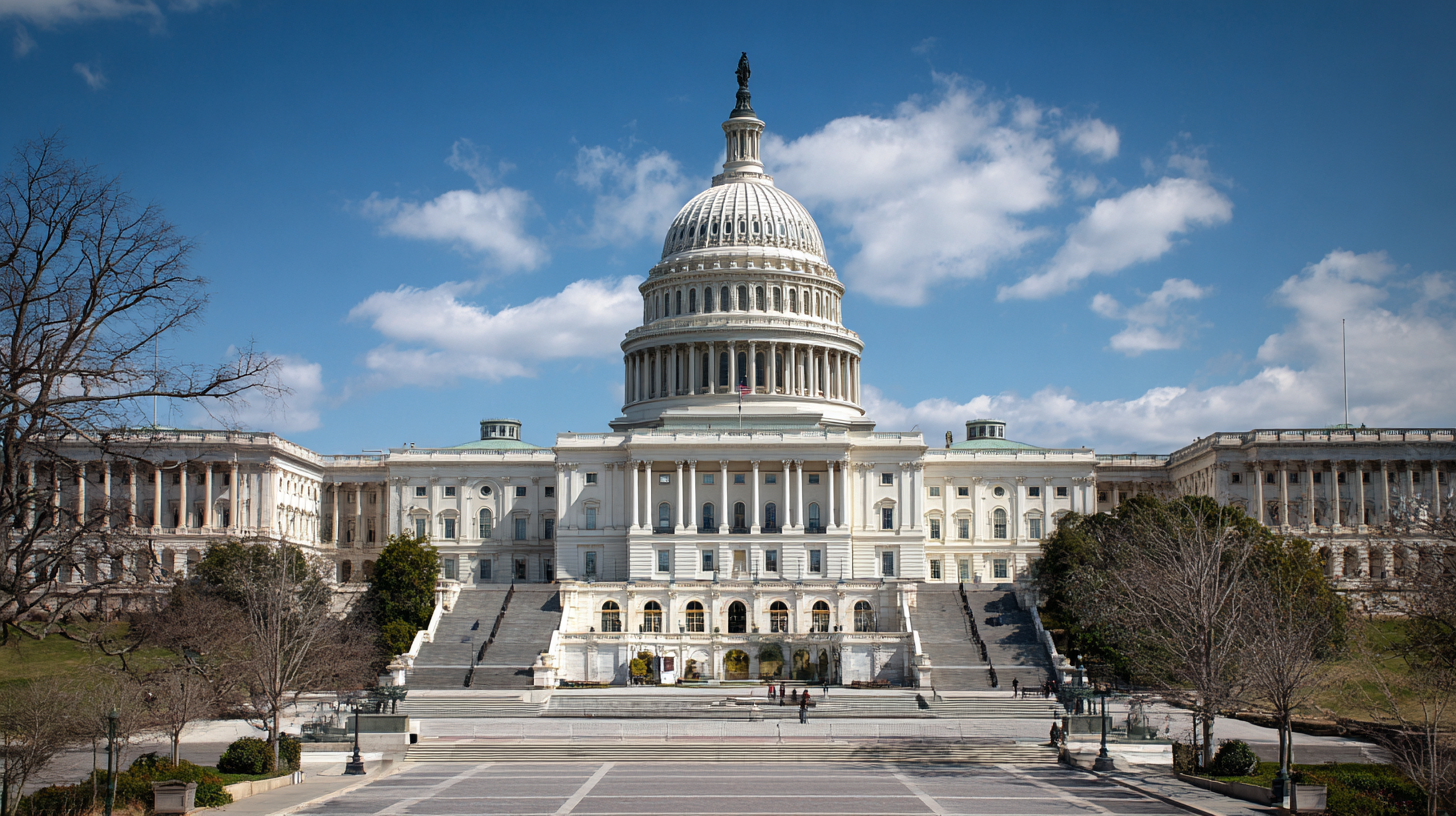
Former President Donald Trump has issued a full pardon for Binance founder Changpeng “CZ” Zhao, closing one of the most closely watched cases in cryptocurrency history and sparking new debate over the direction of U.S. digital asset policy.

Zhao, who had pleaded guilty in 2023 to charges related to money laundering violations during his tenure as CEO of Binance, had been serving a short prison sentence following a landmark $4.3 billion settlement between the crypto exchange and the U.S. Department of Justice. Prosecutors had originally pushed for a multi-year sentence, arguing that Binance’s compliance failures allowed illicit transactions to move through its platform.

The White House described the decision as an effort to correct what it viewed as excessive enforcement against the cryptocurrency sector under the previous administration. Officials suggested that the case against Zhao reflected a broader pattern of hostility toward digital assets that, in their view, discouraged innovation and weakened the United States’ position as a global technology leader.

Zhao’s return to public life is expected to have wide-ranging implications for the crypto industry. Supporters see the pardon as a signal that Washington may adopt a more constructive stance toward blockchain and decentralized finance. Others view it as a politically charged move that raises questions about the growing influence of wealthy crypto figures in U.S. policymaking.

The timing of the pardon has drawn particular attention because of reports linking a Trump-affiliated cryptocurrency venture to trading infrastructure associated with Binance. The project, which reportedly generated billions of dollars in value after the 2024 election, has fueled speculation that Zhao’s reinstatement could strengthen ties between political and corporate crypto interests.

In financial markets, the decision was interpreted as a potential boost for sentiment across the digital asset sector. Traders and fund managers see the move as a possible preview of lighter regulation and renewed growth momentum in an industry that has faced years of uncertainty. Some analysts noted that restoring a high-profile figure like Zhao could accelerate investment in U.S.-based blockchain initiatives, particularly if the administration follows through with policies aimed at promoting innovation and capital formation.

Critics, however, argue that the pardon undermines confidence in fair and consistent regulation. Lawmakers who have long pressed for stricter oversight of cryptocurrency markets warned that leniency toward industry executives could set a troubling precedent, encouraging future violations by major exchanges.

Despite the controversy, the decision underscores the shifting balance of power in Washington as digital assets become a more prominent component of the economy. With Zhao now free to re-enter the industry, Binance and the broader crypto market may find new momentum — though questions about transparency, accountability, and influence are likely to persist.

The pardon not only revives one of crypto’s most influential figures but also signals that the United States may be entering a new era of engagement with digital finance — one defined as much by political calculation as by innovation.

Falling Mortgage Rates Lift U.S. Home Sales — But Prices Remain Stubbornly High

The U.S. housing market gained momentum in September as falling mortgage rates helped drive home sales to their strongest level in seven months. Despite the uptick, prices remain elevated, reflecting the persistent challenges of limited supply and strong demand.

Sales of previously owned homes rose 1.5% from August to a seasonally adjusted annual rate of 4.06 million units, according to the National Association of Realtors. Although slightly below analysts’ expectations, sales were still more than 4% higher than a year earlier, signaling steady improvement in buyer activity.

The increase came as mortgage rates eased during the summer. The average rate on a 30-year fixed loan declined from 6.67% at the start of July to 6.17% by the end of September, making home purchases slightly more affordable for prospective buyers. Improved affordability, combined with rising confidence in the housing market, has encouraged more buyers to return despite lingering concerns about high costs.

Inventory levels also improved modestly, rising 14% from a year ago to 1.55 million homes for sale. However, supply remains below pre-pandemic norms, and at the current sales pace, the market still leans toward sellers. Many homeowners remain financially stable and see little urgency to sell, keeping distressed listings to a minimum.

Prices continued their steady climb in September. The median existing home price reached $415,200, up 2.1% from the previous year and marking the 27th consecutive month of annual gains. Home values are now more than 50% higher than before the pandemic began, underscoring how resilient pricing has remained even in the face of higher borrowing costs over the past two years.

Much of the current growth is being led by the upper end of the market. Sales of homes priced above $1 million jumped roughly 20% from last year, supported by a rise in luxury listings and affluent buyers taking advantage of more favorable borrowing conditions. In contrast, lower-priced homes under $100,000 saw only modest increases, constrained by affordability barriers and limited availability.

First-time buyers are beginning to reappear, accounting for 30% of September transactions compared with 26% a year ago. Lower rates and a modest increase in available homes are helping younger buyers re-engage, although many remain priced out of major metro areas. Roughly 30% of all transactions were completed in cash, highlighting the continued presence of investors and high-net-worth buyers in the market.

Homes are also taking slightly longer to sell, with properties remaining on the market for an average of 33 days compared with 28 a year ago. This may reflect both higher asking prices and a more measured pace among buyers evaluating their options.

Overall, the latest data suggests that easing mortgage rates are breathing some life back into the housing market. However, until supply improves meaningfully and price growth slows, affordability will remain a significant obstacle for many households hoping to buy a home.

The Oncology Institute, Inc. (TOI) – Highlights From Noble’s Virtual Conference


Thursday, October 23, 2025

TOI is an oncology practice management company that provides administrative services to oncology clinics. These clinics provide cancer care to a population of approximately 1.9 million patients. Services include cancer care, pharmacy and dispensary services, clinical trials, and services associated with oncology care. The company employs nearly 120 clinicians and over 700 teammates at over 70 clinic locations.

Robert LeBoyer, Senior Vice President, Equity Research Analyst, Biotechnology, Noble Capital Markets, Inc.

Refer to the full report for the price target, fundamental analysis, and rating.

TOI Is Addressing The Unsustainable Cost Trend In Oncology. The Oncology Institute manages medical clinics that have improved outcomes and patient satisfaction while reducing the cost of cancer treatment. Dr. Daniel Virnich, CEO, and Rob Carter, CFO, highlighted the benefits of the company’s hybrid model of employed physicians and contracted independent community oncologists. The video of the company’s presentation may be viewed here

Differentiated Competitive Advantage. TOI distinguishes itself from competitors in the value-based oncology field through its ownership of clinical assets (employed physicians and clinics). This provides greater control over care delivery compared to pure utilization management firms (such as Evolent’s New Century Health) or care navigation models (such as Thyme Care). This control enables higher compliance with value-based prescribing pathways, better integration of ancillary services, and more predictable and significant cost savings for payers.


Get the Full Report

Equity Research is available at no cost to Registered users of Channelchek. Not a Member? Click ‘Join’ to join the Channelchek Community. There is no cost to register, and we never collect credit card information.

This Company Sponsored Research is provided by Noble Capital Markets, Inc., a FINRA and S.E.C. registered broker-dealer (B/D).

*Analyst certification and important disclosures included in the full report. NOTE: investment decisions should not be based upon the content of this research summary. Proper due diligence is required before making any investment decision. 

Superior Group of Companies (SGC) – Looking Beyond The Third Quarter


Thursday, October 23, 2025

Michael Kupinski, Director of Research, Equity Research Analyst, Digital, Media & Technology , Noble Capital Markets, Inc.

Jacob Mutchler, Research Associate, Noble Capital Markets, Inc.

Refer to the full report for the price target, fundamental analysis, and rating.

Q3 Preview. We expect that there will be some impact on the third quarter from the “pull forward” in Branded Product revenue into the second quarter as consumers reacted ahead of possible trade policy changes. As such, we are modestly lowering our Q3 revenue and earnings expectations, highlighted in Figure #1 Q3 Revisions. 

Largest variance. The largest adjustment to our Q3 revenue estimate is in Branded Products, revised from $89.8 million to $85.0 million. In our view, this segment offers one of the largest upside surprise potential in Q4, which could benefit from an improving macro economy. 


Get the Full Report

Equity Research is available at no cost to Registered users of Channelchek. Not a Member? Click ‘Join’ to join the Channelchek Community. There is no cost to register, and we never collect credit card information.

This Company Sponsored Research is provided by Noble Capital Markets, Inc., a FINRA and S.E.C. registered broker-dealer (B/D).

*Analyst certification and important disclosures included in the full report. NOTE: investment decisions should not be based upon the content of this research summary. Proper due diligence is required before making any investment decision. 

Nutriband (NTRB) – Highlights From Noble’s Virtual Conference


Thursday, October 23, 2025

Robert LeBoyer, Senior Vice President, Equity Research Analyst, Biotechnology, Noble Capital Markets, Inc.

Refer to the full report for the price target, fundamental analysis, and rating.

Nutriband Is Developing Transdermal Abuse-Deterrent Technologies. Nutriband has developed abuse-deterrent technology for dermal patch drug delivery. Serguei Melnik, Interim CEO, and Irina Gram, Director, highlighted the company’s platform, known as AVERSA, and its focus on patches containing FDA-approved drugs. The presentation may be viewed here.

Lead Product & Market Opportunity. The lead product, AVERSA Fentanyl, is an abuse-deterrent fentanyl patch. Upon approval, the FDA could mandate such technology for all fentanyl patches, the same way it required opioid pills to have abuse-deterrents. Market analysis by Advanced Health projects annual sales of $200 million for the branded AVERSA Fentanyl. If the abuse-resistant patch were mandated and replaced generic patches, sales could reach $800 million. A patch  with improved safety and abuse-deterrence could reverse the decline in fentanyl prescriptions caused by reluctance to prescribe a drug with known abuse potential.


Get the Full Report

Equity Research is available at no cost to Registered users of Channelchek. Not a Member? Click ‘Join’ to join the Channelchek Community. There is no cost to register, and we never collect credit card information.

This Company Sponsored Research is provided by Noble Capital Markets, Inc., a FINRA and S.E.C. registered broker-dealer (B/D).

*Analyst certification and important disclosures included in the full report. NOTE: investment decisions should not be based upon the content of this research summary. Proper due diligence is required before making any investment decision. 

Hemisphere Energy (HMENF) – Adjusting Our Third Quarter and Full Year 2025 Estimates


Thursday, October 23, 2025

Mark Reichman, Managing Director, Equity Research Analyst, Natural Resources, Noble Capital Markets, Inc.

Hans Baldau, Associate Analyst, Noble Capital Markets, Inc.

Refer to the full report for the price target, fundamental analysis, and rating.

Third quarter estimate update. We have trimmed our third-quarter revenue and net income estimates to C$21.6 million and C$6.9 million, respectively, from C$23.5 million and C$7.5 million. Additionally, we have lowered our adjusted funds flow (AFF) and AFF per share estimates to C$10.0 million and C$0.10, respectively, from C$10.7 million and C$0.11.

Full-year estimate changes. For the full year 2025, we project revenues and net income of C$93.7 million and C$27.4 million, respectively, compared to our previous estimates of C$97.7 million and C$29.6 million. Moreover, we have lowered our AFF and AFF per share estimates to C$41.0 million and C$0.41, respectively, from C$43.3 million and C$0.43.


Get the Full Report

Equity Research is available at no cost to Registered users of Channelchek. Not a Member? Click ‘Join’ to join the Channelchek Community. There is no cost to register, and we never collect credit card information.

This Company Sponsored Research is provided by Noble Capital Markets, Inc., a FINRA and S.E.C. registered broker-dealer (B/D).

*Analyst certification and important disclosures included in the full report. NOTE: investment decisions should not be based upon the content of this research summary. Proper due diligence is required before making any investment decision. 

Cocrystal Pharma (COCP) – Highlights From Noble’s Virtual Conference


Thursday, October 23, 2025

Cocrystal Pharma, Inc. is a clinical-stage biotechnology company discovering and developing novel antiviral therapeutics that target the replication process of influenza viruses, coronaviruses (including SARS-CoV-2), hepatitis C viruses and noroviruses. Cocrystal employs unique structure-based technologies and Nobel Prize-winning expertise to create first- and best-in-class antiviral drugs. For further information about Cocrystal, please visit www.cocrystalpharma.com.

Robert LeBoyer, Senior Vice President, Equity Research Analyst, Biotechnology, Noble Capital Markets, Inc.

Refer to the full report for the price target, fundamental analysis, and rating.

Proprietary Technology & Drug Design. James Martin, Chief Financial Officer and Co-CEO, participated in Noble’s Virtual Emerging Growth Conference on October 8th & 9th. The discussion focused on the company’s core technology to design antiviral compounds that bind to highly conserved, essential areas of the viral replication machinery, as well as progress updates on the product pipeline.The full video may be viewed here.

Lead Program & Near-Term Catalyst In Norovirus. The company’s most advanced program is CDI-988, an oral drug for norovirus. This lead indication was chosen strategically because there are no approved vaccines or therapeutics for norovirus. The market is significant, with a stated $60 billion annual market opportunity.


Get the Full Report

Equity Research is available at no cost to Registered users of Channelchek. Not a Member? Click ‘Join’ to join the Channelchek Community. There is no cost to register, and we never collect credit card information.

This Company Sponsored Research is provided by Noble Capital Markets, Inc., a FINRA and S.E.C. registered broker-dealer (B/D).

*Analyst certification and important disclosures included in the full report. NOTE: investment decisions should not be based upon the content of this research summary. Proper due diligence is required before making any investment decision. 

Gold and Bitcoin Slide as the “Debasement Trade” Falters

Gold and Bitcoin, two assets long seen as safe havens in times of economic uncertainty, suffered steep declines this week, signaling a setback for the so-called “debasement trade.” On Wednesday, gold futures dropped more than five percent—the steepest single-day fall in over a decade—and extended losses by another one percent to around $4,060 per troy ounce. Bitcoin mirrored this weakness, plunging over three percent to trade just above $108,000 after staging a short-lived rebound earlier in the week.

The “debasement trade” refers to a strategy in which investors move money out of fiat currencies and government bonds and into “hard assets” such as gold, silver, and digital currencies. The concept hinges on fears that excessive fiscal spending, rising global debt, and accommodative central bank policies will erode the long-term purchasing power of major currencies—analogous to historic “debasement” when rulers diluted precious-metal coins to stretch resources. Essentially, it reflects investors’ desire to preserve value amid the perception that monetary and fiscal policy are inflating away real wealth.

For much of 2025, this trade propelled gold and Bitcoin to record highs as investors sought shelter from currency risk and persistent inflation. Gold rose over 65% year-to-date before this week’s sharp pullback, its rally supported by central bank buying and investor skepticism over government debt levels. Bitcoin, which climbed about 15% in the same period, benefited from similar narratives linking decentralized assets to long-term protection from currency erosion.

This week’s reversal, however, underscores shifting market sentiment. A stronger U.S. dollar, stabilizing geopolitical conditions, and profit-taking from heavily leveraged positions triggered a broad liquidation across both asset classes. The retreat in gold prices also weighed on mining equities and exchange-traded funds, signaling that speculative capital had overextended itself following months of relentless inflows.

Despite the sell-off, some strategists maintain that the underlying argument for the debasement trade endures. Inflation remains elevated, and major economies—including the United States and members of the eurozone—continue to operate under large fiscal deficits. These structural conditions sustain long-term concerns over fiat currency stability, though near-term volatility may temper enthusiasm. Analysts expect gold to find support in the $3,900–$4,000 range, while Bitcoin’s next key psychological level remains near $100,000.

What distinguishes this moment is the synchronized correction across both traditional and digital safe-haven assets. Their decline highlights the limitations of purely inflation-hedge strategies in an environment where tighter liquidity and the resurgence of the dollar can erase months of speculative gains almost overnight.

While the “debasement trade” is far from over, its stumble this week serves as a reminder that no hedge is immune to sentiment swings in global markets. In the evolving battle between inflation anxiety and monetary tightening, investors are being forced to reassess what truly qualifies as a reliable store of value in the modern economy.

Alkermes Announces Strategic $2.1 Billion Agreement to Acquire Avadel Pharmaceuticals

On October 22, 2025, Alkermes plc (Nasdaq: ALKS) and Avadel Pharmaceuticals plc (Nasdaq: AVDL) announced a definitive merger agreement reflecting a major shift in the sleep medicine sector and the broader biopharmaceutical industry. The all-cash transaction, valued at up to $20 per Avadel share, comprises an $18.50 cash payment plus a contingent value right (CVR) for an additional $1.50 per share linked to final FDA approval of LUMRYZ™ for idiopathic hypersomnia. This structure represents a transaction value of approximately $2.1 billion and a 38% premium to Avadel’s three-month average share price, indicating strong confidence in Avadel’s commercial prospects.

The acquisition marks Alkermes’ strategic expansion into the sleep medicine market—a key area of growth for the company. With this move, Alkermes augments its existing neuroscience and rare disease franchise by adding Avadel’s FDA-approved LUMRYZ™ (sodium oxybate), a once-at-bedtime treatment for cataplexy or excessive daytime sleepiness in narcoleptic patients aged seven and older. LUMRYZ™ distinguishes itself as the market’s only once-nightly oxybate, offering significant convenience and competitive advantage over the twice-nightly alternative. Since its 2023 launch, LUMRYZ™ has experienced rapid adoption, with over 3,100 patients on therapy as of June 2025 and new patient starts outpacing competitors more than two-to-one. Net revenues are projected between $265–275 million for 2025, backed by a U.S. narcolepsy market of over 50,000 eligible patients.

Alkermes’ acquisition is expected to be immediately accretive to earnings and profit margins, providing the scale and financial strength to accelerate both commercial and clinical development programs. For Alkermes, the deal offers a robust foundation to support its late-stage developmental pipeline, specifically its orexin 2 receptor agonist candidates—alixorexton, ALKS 4510 and ALKS 7290—for narcolepsy and idiopathic hypersomnia. The combined company harnesses both organizations’ commercial expertise and operational infrastructure, streamlining R&D and driving cost synergies.

Leadership at both Alkermes and Avadel have expressed optimism about the transaction. Alkermes’ CEO Richard Pops described the acquisition as “a pivotal step” in the company’s evolution—a move that bolsters Alkermes’ entry into sleep medicine as it prepares to advance alixorexton into phase 3 trials. Avadel’s CEO, Greg Divis, characterized the merger as a validation of Avadel’s strategy, highlighting the differentiated value of LUMRYZ™ and the company’s dedication to sleep disorder patients.

Under the transaction’s terms, Alkermes will fund the acquisition with cash on hand and new debt, subject to regulatory and shareholder approvals. Both boards have unanimously approved the deal, targeting a closing date in the first quarter of 2026. Financial and legal advising teams include J.P. Morgan, Morgan Stanley, Goldman Sachs, Paul Weiss, and Cleary Gottlieb.

With this acquisition, Alkermes solidifies its position as a leader in neurological and sleep disorder treatments, accelerating the pace of innovation in a space with significant unmet patient needs. The combined organization is set to pursue further label expansions for LUMRYZ™, bring new therapies to market, and deliver increased value to shareholders and patients alike.

The landmark agreement between Alkermes and Avadel Pharmaceuticals underscores the accelerating consolidation trend within the life sciences sector, where innovative therapies and commercial scale are driving strategic acquisitions. The addition of LUMRYZ™ to Alkermes’ portfolio not only diversifies its product base but strengthens its market position in a segment characterized by high unmet medical need and strong growth potential.

Alkermes’ entry into the sleep medicine market will leverage Avadel’s proven commercial infrastructure and rare disease expertise, enabling more efficient launches and access for future products. The transaction also sets the stage for Alkermes to explore global expansion opportunities for LUMRYZ™ and other pipeline assets, while supporting additional indications such as idiopathic hypersomnia and leveraging Avadel’s salt-free, once-at-bedtime oxybate candidate.

As the two organizations integrate, operational synergies are expected to improve profitability and streamline R&D processes for advancing both existing therapies and new clinical programs. The merger, backed by reputable financial advisors and committed financing, represents a pivotal moment for stakeholders, positioning Alkermes as an emerging leader in neurology and sleep disorder therapeutics with a stronger foundation for future innovation and patient impact.

Trump Administration’s Pharma Policy Shift: A New Landscape for Small Cap Biotechs

The evolving relationship between the Trump administration and major pharmaceutical giants like Pfizer and Eli Lilly is reshaping the U.S. biotech and pharmaceutical sectors in unexpected ways. As President Trump’s approach to drug pricing and distribution intensifies, investors are watching closely to see whether these changes will threaten Big Pharma’s profit margins—or set the stage for a new era of growth for smaller, more innovative companies.

One of the most notable policy shifts has been the Trump administration’s overt encouragement—or at least acceptance—of large pharmaceutical firms selling directly to consumers. This “TrumpRx” strategy is a radical departure from the conventional system involving intermediaries and pharmacy benefit managers. On one hand, such a model could potentially drive efficiency and lower costs for some patients. On the other hand, it stirs up considerable uncertainty about how much profit large firms like Pfizer and Eli Lilly can preserve in an environment where pricing pressure and regulatory scrutiny are rising.

For investors focused on the biotech sector, the uncertain impact on Big Pharma profits is neither an all-out negative nor a clear positive. Recent developments, including public negotiations between the Trump administration and pharmaceutical leaders, have left markets feeling neutral in their outlook. There’s a sense that the sector may finally be heading into a period of relative stability after years of headlines about aggressive price controls and disruptive policy threats.

But questions linger: If legislative and regulatory changes ultimately compress profit margins for giants like Pfizer and Eli Lilly, how much will these incumbents be willing to invest in breakthrough innovation? Big Pharma’s research budgets have long been a cornerstone of biotech progress, underwriting everything from gene therapies to next-generation cancer drugs. If these resources dwindle, will smaller players have to pick up the slack—or could this shift clear the runway for young, ambitious biotech companies to rise?

Some analysts argue that a direct-to-consumer environment and tighter financial discipline for industry leaders could empower small and mid-cap biotech firms. Unlike their larger rivals, these companies are often leaner, faster-moving, and more reliant on outside partnerships and licensing deals to bring new therapies to market. With Big Pharma potentially becoming more selective in its investments, nimble startups may find themselves with new opportunities to innovate, collaborate, and even become acquisition targets.

Ultimately, the Trump administration’s evolving stance toward pharmaceutical profits and the direct selling model may serve as a stabilizing force in the sector—at least in the short term. Investors will need to monitor how major policy decisions translate to bottom-line impacts, R&D spending, and future innovation. While uncertainty remains, the potential for small-cap biotech firms to thrive in the coming years has rarely looked more compelling. For patient investors, this environment could prove fertile ground for discovering the next generation of biotech trailblazers.

Take a moment to take a look at some emerging growth biotechnology companies by taking a look at Noble Capital Markets Research Analyst Robert LeBoyer’s coverage list.

Century Lithium Corp. (CYDVF) – Angel Island’s Commercial Appeal Grows with Lithium Hydroxide Production


Tuesday, October 21, 2025

Mark Reichman, Managing Director, Equity Research Analyst, Natural Resources, Noble Capital Markets, Inc.

Hans Baldau, Associate Analyst, Noble Capital Markets, Inc.

Refer to the full report for the price target, fundamental analysis, and rating.

Century produces high-purity lithium hydroxide. Century Lithium produced its first samples of lithium hydroxide from lithium carbonate derived from Angel Island’s lithium claystone deposit and treated at its demonstration plant using the company’s patent-pending alkaline leach and direct lithium extraction (DLE) process. Century had previously focused on making lithium carbonate. By producing high-purity lithium hydroxide, Century has demonstrated an ability to produce another major lithium product for the domestic market.

Pursuing a direct lithium conversion process. Lithium hydroxide samples were produced onsite in a batch process using conventional liming conversion with calcium hydroxide to produce lithium hydroxide with a purity level of 99.5% or greater. Century is pursuing a direct lithium conversion (DLC) process to produce lithium hydroxide directly from lithium chloride solution, which would bypass producing lithium carbonate in an intermediate stage to simplify the process and reduce energy consumption and operating costs.


Get the Full Report

Equity Research is available at no cost to Registered users of Channelchek. Not a Member? Click ‘Join’ to join the Channelchek Community. There is no cost to register, and we never collect credit card information.

This Company Sponsored Research is provided by Noble Capital Markets, Inc., a FINRA and S.E.C. registered broker-dealer (B/D).

*Analyst certification and important disclosures included in the full report. NOTE: investment decisions should not be based upon the content of this research summary. Proper due diligence is required before making any investment decision. 

Twin Hospitality (TWNP) – A High-Growth, Asset Light Restaurant Franchisor


Tuesday, October 21, 2025

Joe Gomes, CFA, Managing Director, Equity Research Analyst, Generalist , Noble Capital Markets, Inc.

Refer to the full report for the price target, fundamental analysis, and rating.

Initiation. We are initiating equity research coverage on Twin Hospitality Group with an Outperform rating and $10 price target. Twin Hospitality is a franchisor and operator of two specialty casual dining restaurant concepts: Twin Peaks and Smokey Bones. The Company is a high-growth, asset light restaurant franchisor with a compelling franchisee value proposition, in our view. On January 29, 2025, parent company FAT Brands distributed approximately 5% of Twin Hospitality Class A shares to FAT Brands shareholders, bringing Twin Hospitality public.

A Premium Sports Bar Leader. Twin Hospitality currently operates approximately 115 Twin Peaks locations, consisting of 35 Company-owned and 80 franchised units. Twin Peaks offers a differentiated sports bar experience, from the lodge experience, to its signature 28-degree draft beer, a made-from-scratch menu, always-on wall-to-wall TVs, to the Twin Peaks Ambassadors, every customer receives an experience differentiated from the competition.


Get the Full Report

Equity Research is available at no cost to Registered users of Channelchek. Not a Member? Click ‘Join’ to join the Channelchek Community. There is no cost to register, and we never collect credit card information.

This Company Sponsored Research is provided by Noble Capital Markets, Inc., a FINRA and S.E.C. registered broker-dealer (B/D).

*Analyst certification and important disclosures included in the full report. NOTE: investment decisions should not be based upon the content of this research summary. Proper due diligence is required before making any investment decision. 

Graham (GHM) – A Tuck In Acquisition


Tuesday, October 21, 2025

Graham Corporation designs, manufactures and sells critical equipment for the energy, defense and chemical/petrochemical industries. The Company designs and manufactures custom-engineered ejectors, vacuum pumping systems, surface condensers and vacuum systems. It is a nuclear code accredited fabrication and specialty machining company. It supplies components used inside reactor vessels and outside containment vessels of nuclear power facilities. Its equipment is found in applications, such as metal refining, pulp and paper processing, water heating, refrigeration, desalination, food processing, pharmaceutical, heating, ventilating and air conditioning. For the defense industry, its equipment is used in nuclear propulsion power systems for the United States Navy. The Company’s products are used in a range of industrial process applications in energy markets, including petroleum refining, defense, chemical and petrochemical processing, power generation/alternative energy and other.

Joe Gomes, CFA, Managing Director, Equity Research Analyst, Generalist , Noble Capital Markets, Inc.

Refer to the full report for the price target, fundamental analysis, and rating.

An Acquisition. Yesterday, after the market close, Graham announced the acquisition of certain specified assets of Xdot Bearing Technologies (“Xdot”), a specialized consulting, design, and engineering firm focused on foil bearing technology. While the acquisition price was not revealed, Graham noted Xdot has annual sales of approximately $1 million and is expected to be slightly accretive to the Company’s fiscal year 2026 GAAP net income.

Xdot. Xdot has developed and patented a breakthrough foil bearing design that delivers superior performance while lowering development and production costs. Xdot’s products are complementary to the existing product portfolio of Graham’s Barber-Nichols (BN) subsidiary and will expand capabilities within BN. Notably, Dr. Erik Swanson, Founder, President, and Chief Engineer of Xdot is a world renowned expert in foil bearing analysis, application, and fabrication and will join the BN team upon closing.


Get the Full Report

Equity Research is available at no cost to Registered users of Channelchek. Not a Member? Click ‘Join’ to join the Channelchek Community. There is no cost to register, and we never collect credit card information.

This Company Sponsored Research is provided by Noble Capital Markets, Inc., a FINRA and S.E.C. registered broker-dealer (B/D).

*Analyst certification and important disclosures included in the full report. NOTE: investment decisions should not be based upon the content of this research summary. Proper due diligence is required before making any investment decision.