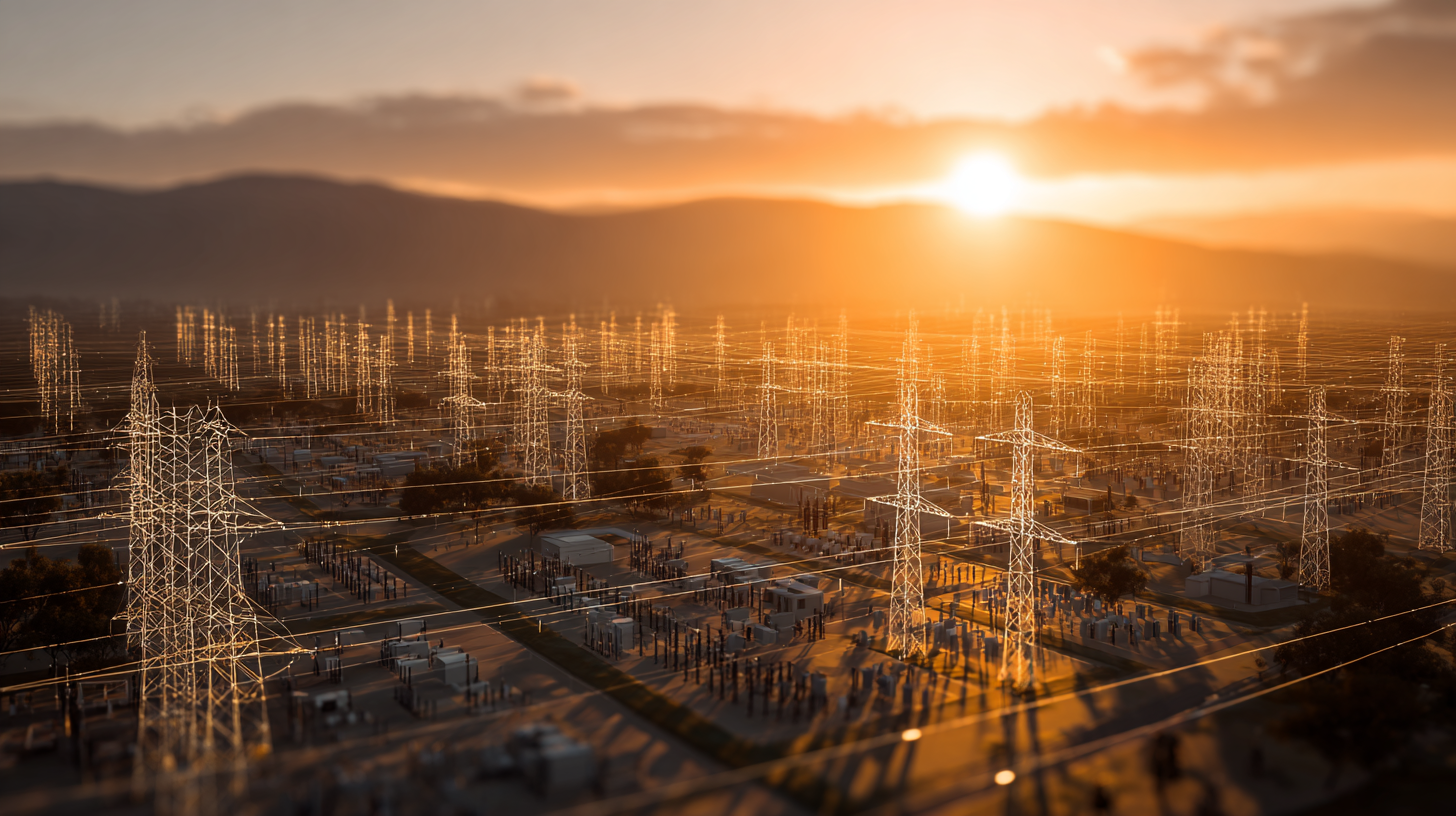
The World’s Largest Utility Is Being Built to Power the AI Boom

The artificial intelligence boom just claimed its biggest infrastructure deal yet — and it has nothing to do with chips or software. NextEra Energy announced Monday it will acquire Virginia-based Dominion Energy in an all-stock transaction valued at approximately $66.8 billion, creating the world’s largest regulated electric utility by market capitalization and marking one of the most significant utility mergers in a generation.

The deal values Dominion at $75.97 per share — a roughly 23% premium to its last close — structured as an exchange of 0.8138 NextEra shares for each outstanding Dominion share. Dominion stock jumped nearly 15% on the announcement. NextEra shares slipped about 2% as investors digested the scale of the acquisition. The combined entity will carry a market cap of approximately $249 billion and an enterprise value of $420 billion, making it the third-largest company in the US energy sector behind only ExxonMobil and Chevron. The transaction is expected to close within 12 to 18 months.

Why This Deal Happened Now

The answer is straightforward: AI is consuming electricity at a pace the existing power grid was never built to handle. Dominion is the utility responsible for powering Northern Virginia’s “Data Center Alley” — the world’s largest concentration of data centers — with roughly 51 gigawatts of contracted data center capacity already on the books. Its customer list reads like a who’s who of hyperscale computing: Alphabet, Amazon, Microsoft, Meta, Equinix, CoreWeave, and CyrusOne all depend on Dominion’s grid.

Across both companies’ service territories, data centers proposing to connect to the combined grid represent approximately 130 gigawatts of future electricity demand. To put that in perspective, one gigawatt powers roughly 750,000 homes. NextEra’s CEO framed the acquisition plainly: electricity demand is rising faster now than it has in decades, and scale is the only way to meet it. The company plans to build more than 30 dedicated data center hubs across the US as part of its post-merger strategy.

Power prices nationally have already climbed roughly 40% over the past five years, with the sharpest increases concentrated in AI-heavy states including Virginia, Maryland, and Pennsylvania — the exact markets this merger is designed to dominate.

What It Means for Smaller Energy Players

A merger of this magnitude reshapes competitive dynamics across the entire energy infrastructure ecosystem, and the ripple effects reach well into the small and microcap space. The buildout required to serve 130 gigawatts of incremental data center demand cannot be executed solely through internal resources — it requires a network of suppliers, contractors, and technology providers operating at every layer of the grid.

Companies involved in grid modernization, high-voltage transformer manufacturing, power management systems, substation equipment, and renewable energy development are all positioned to benefit from the infrastructure spending surge that a combined NextEra-Dominion will need to execute. Many of the companies operating in these niches sit well below the $2 billion market cap threshold.

Independent power producers and smaller regional renewable developers face a more complex picture — a utility giant with NextEra’s capital base and Dominion’s existing relationships creates a formidable competitor for new generation contracts. But for those on the supply side of the infrastructure buildout, the pipeline just got significantly larger.

The AI energy trade is no longer a theme. It is the defining structural force reshaping American power markets — and Monday’s deal is the clearest evidence yet of just how seriously the biggest players are taking it.

Amazon to Invest Over $500 Million in Small Modular Nuclear Reactors for Clean Energy

Key Points:
– Amazon Web Services (AWS) partners with Dominion Energy to explore small modular nuclear reactors (SMRs) in Virginia, investing over $500 million.
– The SMRs aim to provide essential clean energy to AWS data centers, supporting its expansion into generative AI.
– Amazon joins other tech giants like Google and Microsoft in utilizing nuclear power to meet rising energy demands while pursuing net-zero carbon goals.

Amazon Web Services (AWS) has announced a groundbreaking investment of more than $500 million to develop small modular nuclear reactors (SMRs), a move that signifies a robust commitment to clean energy and sustainable operations. The deal, made in partnership with Dominion Energy, will focus on constructing an SMR facility near Dominion’s existing North Anna nuclear power station in Virginia. This strategic investment aligns with Amazon’s broader goals to achieve net-zero carbon emissions while meeting the increasing energy demands of its expanding cloud computing services.

The SMR technology represents an advanced approach to nuclear energy, characterized by its smaller footprint, which allows for construction closer to energy demand centers like data centers. SMRs offer faster construction timelines compared to traditional nuclear reactors, enabling them to come online more quickly. With the surge in demand for data processing driven by generative AI, AWS anticipates significant increases in its power needs. According to Matthew Garman, CEO of AWS, “We see the need for gigawatts of power in the coming years, and there’s not going to be enough wind and solar projects to be able to meet the needs, and so nuclear is a great opportunity.”

Virginia, known as a hub for data centers, hosts nearly half of the nation’s facilities. The growing demand for electricity in the region has put immense pressure on local utilities. Dominion Energy serves approximately 3,500 megawatts from 452 data centers across its service territory, with projections indicating an 85% increase in power demand over the next 15 years. The new SMR facility is expected to provide at least 300 megawatts of power to help alleviate this demand.

Amazon’s investment is part of a larger trend among major tech companies to integrate nuclear power into their energy strategies. Other industry leaders, such as Google and Microsoft, have similarly announced plans to utilize SMR technology to fuel their operations. Google’s recent deal with Kairos Power and Microsoft’s revival of the Three Mile Island site for energy highlight the growing recognition of nuclear energy as a viable solution to meet escalating power needs while adhering to sustainability commitments.

In addition to its partnership with Dominion Energy, AWS is also collaborating with Energy Northwest in Washington state to develop four SMRs, with the option for more. These reactors will directly supply energy to the grid, benefiting both Amazon’s operations and the broader electricity market. The development is crucial for reinforcing the grid’s capacity and reliability, especially as more data centers come online.

The U.S. government has shown strong support for the development of nuclear energy, with Secretary of Energy Jennifer Granholm announcing $900 million in new funding for projects aimed at deploying more SMRs. This backing underscores the Biden administration’s commitment to transitioning to cleaner energy sources while enhancing energy security.

As the global energy landscape evolves, Amazon’s substantial investment in small modular nuclear reactors positions the company at the forefront of the clean energy movement, setting a precedent for how tech giants can leverage innovative solutions to meet their growing energy demands sustainably. The successful implementation of these SMRs could pave the way for a new era of energy production that not only supports corporate growth but also aligns with the urgent need for a transition to a low-carbon economy.