Archer Aviation (Nasdaq: ACHR) and Joby Aviation (NYSE: JOBY) are both racing toward the same electric air taxi future, but their second quarter results, reported within days of each other, reveal two fundamentally different strategies for surviving the long and expensive road to commercial service. Joby posted stronger near-term revenue. Archer made a move that pulls it directly into the defense and unmanned systems market.
Joby reported $38.6 million in second quarter revenue, up from $24.6 million the prior quarter, and raised its full-year 2026 revenue forecast to a range of $115 million to $125 million. Much of that growth came from Blade, Joby’s helicopter charter business, which generated $36.2 million in revenue with seat sales up more than 50% year over year. The company still posted a net loss of $245.4 million for the quarter.
Archer reported just $5 million in revenue, though that figure was up 213% from the prior quarter and came in above estimates. Operating expenses reached $284.2 million, and the company posted a net loss of $263.2 million. Archer holds approximately $1.56 billion in cash and investments, compared to roughly $2.3 billion for Joby.
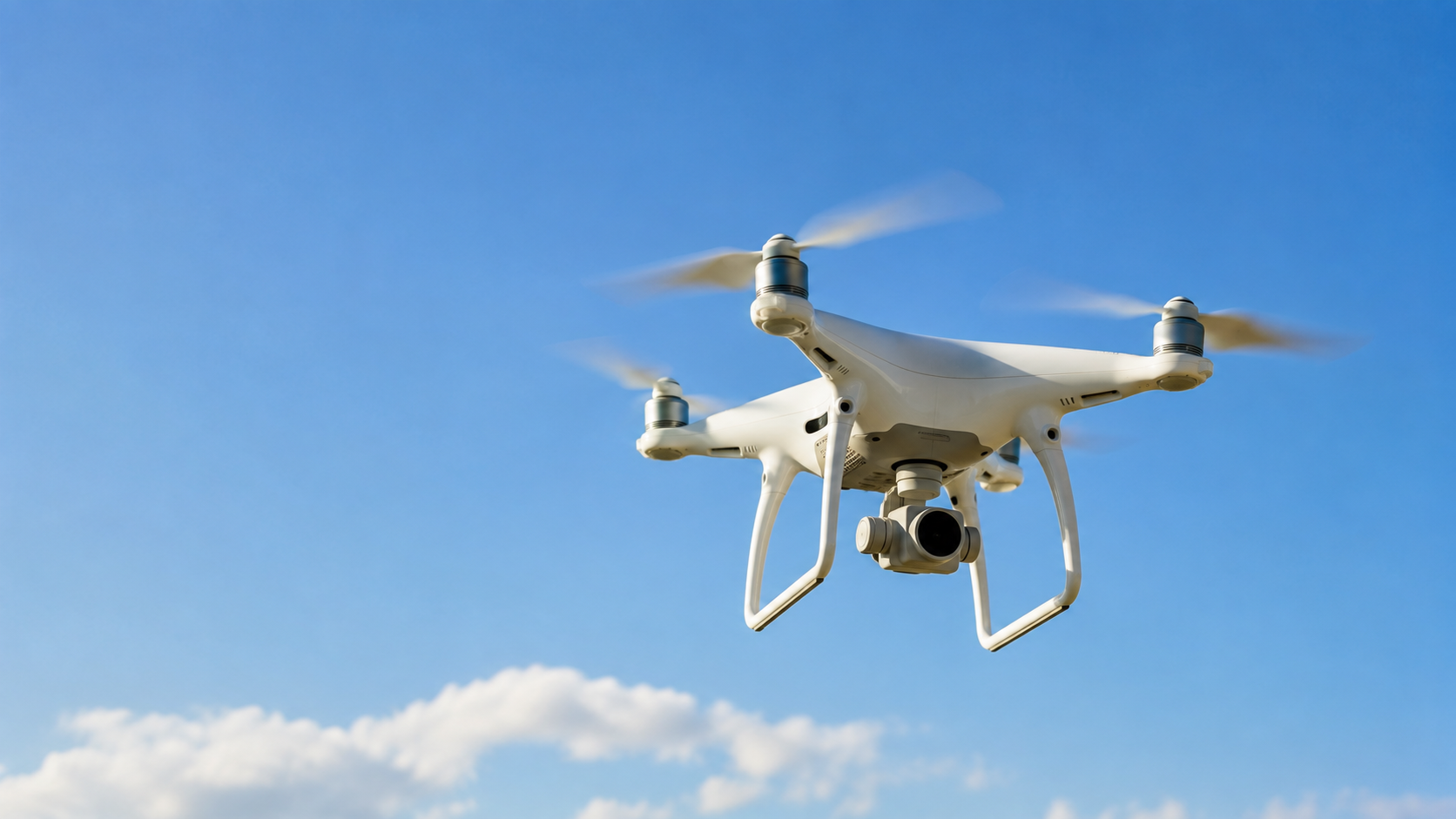
The more consequential development from Archer’s quarter had little to do with air taxis directly. Archer agreed to acquire three aerospace and defense businesses from Boeing in exchange for Boeing shares, a deal that immediately broadens Archer’s business well beyond passenger eVTOL aircraft. The acquired businesses include Wisk Aero, which develops autonomous electric vertical takeoff and landing aircraft, SkyGrid, which builds technology to safely manage autonomous aircraft operations, and Insitu, a maker of unmanned aircraft used primarily for surveillance and defense applications.
Combined, these three businesses bring nearly 2 million flight hours of real-world data to Archer, along with technology feeding directly into Archer’s ZEE AI platform, which integrates light, air-traffic, weather, terrain, and aircraft data to improve flight safety and efficiency. In effect, Archer is transforming from a single-product air taxi company into a broader aerospace, defense, and autonomy platform, with unmanned aircraft and drone technology now sitting at the center of that expansion.
Why the Drone Angle Matters Right Now
This deal lands at a moment when military and commercial demand for unmanned aircraft systems is accelerating sharply, driven by ongoing conflicts that have pushed defense procurement toward drone technology at a pace not seen in years. Insitu’s surveillance and defense-focused unmanned aircraft slot directly into that demand environment, giving Archer exposure to a growth market that operates on an entirely different timeline and revenue model than commercial passenger certification.
That broader drone sector tailwind extends well beyond large defense primes and newly diversified companies like Archer. Smaller, specialized defense technology companies are positioned to benefit from the same military modernization push, including names like T3 Defense, which operates in the unmanned systems and defense technology space that is seeing exactly this kind of accelerated government and commercial investment.
Despite their diverging strategies, both Archer and Joby remain a considerable distance from full FAA commercial certification for piloted eVTOL passenger service. Archer’s Midnight aircraft has completed Phase 3 of the FAA’s four-step certification process, while Joby currently has five aircraft flying and 12 more in production, aided by a manufacturing partnership with Toyota. Both companies plan to begin limited eIPP pilot flights in Texas later this year as a bridge toward full commercial operations.
For investors tracking the broader unmanned aircraft and defense technology space, Archer’s pivot illustrates a theme playing out across the sector this year. Companies with exposure to drone and autonomous flight technology, whether through diversification like Archer’s Boeing deal or through smaller, more focused defense technology platforms, are tapping into a genuinely different and arguably more near-term demand environment than the still-unproven commercial air taxi market both companies are ultimately chasing.