Stratasys Acquires MarkForged for $42.5 Million in All-Cash Deal Targeting Defense and Aerospace 3D Printing Growth

Stratasys Ltd. (Nasdaq: SSYS), a Minnesota and Israel-based leader in additive manufacturing solutions, announced Wednesday it has entered into a definitive agreement to acquire MarkForged, Inc. in an all-cash transaction valued at $42.5 million, subject to customary adjustments. MarkForged is currently a wholly owned subsidiary of Nano Dimension (Nasdaq: NNDM), which will retain MarkForged’s Metal Binder Jetting product line as part of the deal structure. The transaction is expected to close in the second half of 2026, subject to regulatory approvals and customary closing conditions.

At $42.5 million for a business that generated approximately $70 million in revenue in 2025, the transaction reflects an implied revenue multiple of roughly 0.6 times trailing sales. Stratasys expects the deal to be accretive to gross margins and generate positive adjusted EBITDA contribution within the first year following close, though actual results may differ from these forward-looking projections.

What Stratasys Is Acquiring

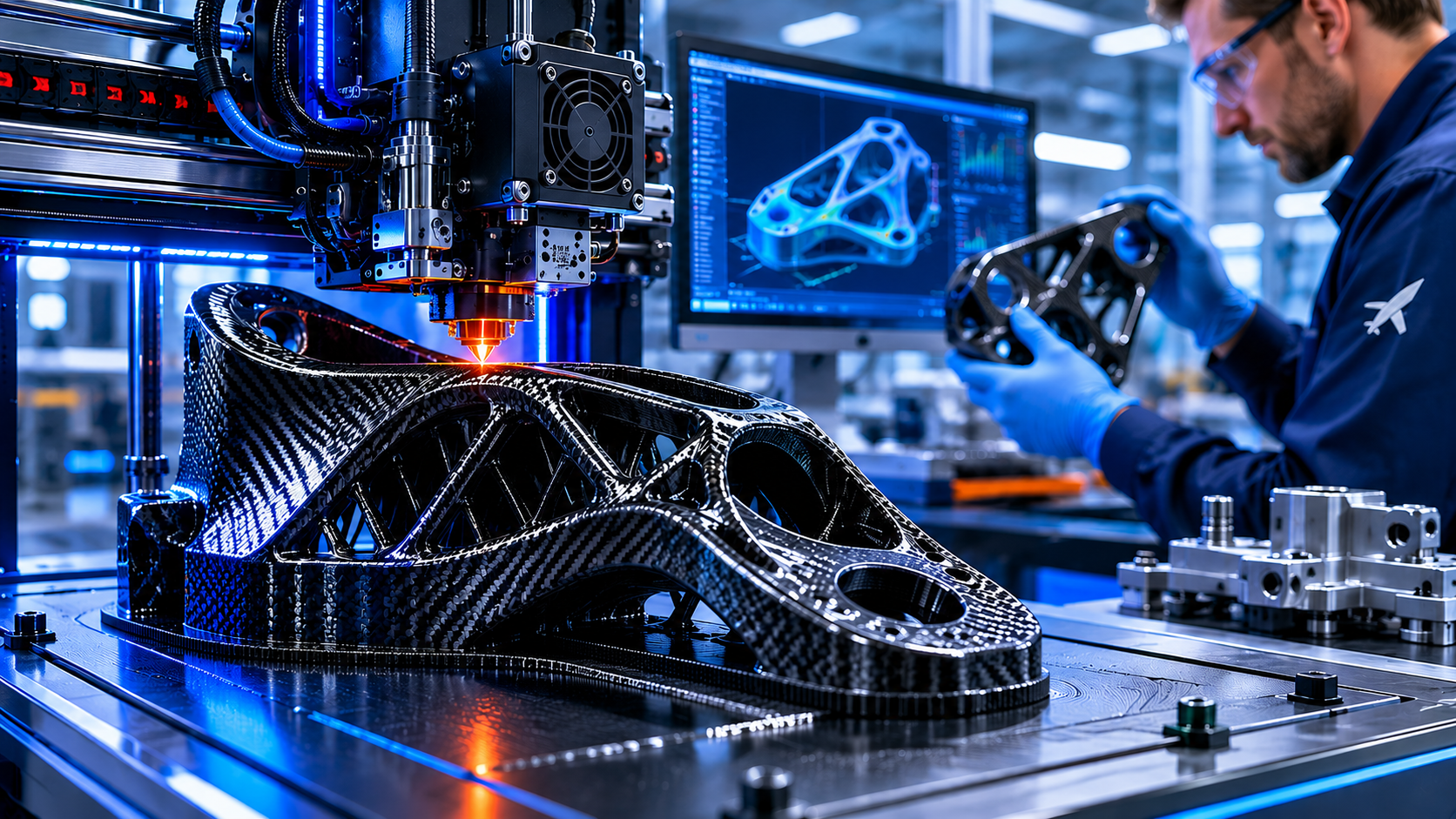
MarkForged built its core technology around Continuous Carbon Fiber Fused Filament Fabrication, a manufacturing approach that enables production of parts that are lighter and stronger than traditional alternatives. Its integrated platform, the Digital Forge, combines 3D printing hardware, proprietary high-performance materials, and a software ecosystem that includes simulation, part management, and automated print optimization designed with security and compliance requirements in mind.

The acquisition adds a broad portfolio of high-performance polymer and metal filaments to Stratasys’ existing materials capabilities, expanding the combined company’s addressable market across aerospace, defense, automotive, and industrial production verticals. MarkForged’s partner and reseller network is also expected to generate cross-selling opportunities across both companies’ existing customer bases.

The Industry Context

The additive manufacturing sector has been undergoing consolidation as demand for production-grade 3D printing grows in defense and aerospace applications. Government agencies including the Air Force Research Laboratory, DARPA, and the Space Force have expanded procurement of components produced through additive manufacturing for tooling, fixtures, ground support equipment, and select production parts.

Supply chain resilience has emerged as a structural driver of this demand. The ability to produce certified, production-ready components digitally on demand reduces dependence on traditional global supply chains, a priority that has gained urgency across both commercial and defense manufacturing environments since 2020. Stratasys positions this acquisition as a response to that demand shift, strengthening its capabilities in sectors where performance, reliability, and manufacturing agility are operational requirements.

Key Risks to Monitor

As with any acquisition, execution risk exists. The successful integration of MarkForged’s operations, technology, and personnel into Stratasys is not guaranteed. Stratasys is itself a small cap company operating in a competitive and evolving technology sector. The additive manufacturing market continues to face headwinds including longer-than-anticipated enterprise adoption cycles, pricing pressure from emerging competitors, and macroeconomic factors that can compress capital equipment budgets at customer organizations. The projected synergies and EBITDA accretion within the first year are forward-looking estimates and may not materialize as projected.

Stratasys has indicated it will update its financial guidance following the closing of the transaction.
Nano Dimension to Acquire Desktop Metal: A Game-Changer in Additive Manufacturing

The additive manufacturing landscape is set for a seismic shift as Nano Dimension Ltd. (Nasdaq: NNDM) announces its plans to acquire Desktop Metal, Inc. (NYSE: DM) in an all-cash transaction. This merger, expected to close in Q4 2024, promises to create a powerhouse in the 3D printing industry, offering investors a unique opportunity to capitalize on the burgeoning trend of digital manufacturing.

Under the terms of the agreement, Nano Dimension will purchase all outstanding shares of Desktop Metal for $5.50 per share, valuing the company at approximately $183 million. This represents a 27.3% premium to Desktop Metal’s closing price on July 2, 2024. However, investors should be aware that the final price could potentially decrease to $4.07 per share, reducing the total consideration to $135 million, depending on transaction expenses and other factors outlined in the agreement.

The strategic rationale behind this merger is compelling. By combining two complementary product portfolios, the new entity aims to create a comprehensive offering across metal, electronics, casting, polymer, micro-polymer, and ceramics applications. This broader product range is expected to accelerate the industry’s transition from prototyping to mass production, a key growth driver in the additive manufacturing sector.

The merger will also deepen the companies’ penetration in key end markets such as automotive, aerospace/defense, industrial, and medical. The combined entity will serve an impressive roster of blue-chip customers, including Amazon, Tesla, NASA, and the US Army, positioning it at the forefront of industry innovation and adoption.

From a financial perspective, the merged company is projected to have 2023 combined revenue of $246 million, with a notable 28% generated from recurring revenue streams. This recurring revenue component is particularly attractive to investors, as it provides more stable and predictable cash flows. Moreover, the deal is expected to generate over $30 million in run-rate synergies over the next few years, in addition to previously announced cost savings from each organization.

Post-merger, the combined entity is expected to boast a strong cash position of approximately $665 million (or $680 million at the reduced price scenario), providing ample resources for future growth initiatives and R&D investments. This financial strength, coupled with an installed base of over 8,000 systems, positions the new company to capitalize on significant opportunities in services and consumables, further enhancing its recurring revenue potential.

The merger positions the new company as a leader in the rapidly evolving additive manufacturing industry, particularly in the transition from prototyping to high-volume production. Investors should take note of the company’s focus on high-tech, premium margin solutions, which could lead to improved profitability in the long term. The diverse product portfolio and expanded customer base also provide some insulation against industry-specific risks.

However, potential investors should be aware of the challenges that come with such a significant merger. Integration risks, including the consolidation of operations across multiple geographies, could impact short-term performance. Additionally, the transaction is subject to approval by Desktop Metal’s stockholders and regulatory authorities, which introduces some uncertainty. The additive manufacturing industry is also highly competitive and rapidly evolving, which may require continuous innovation and investment to maintain market position.

For investors interested in the additive manufacturing sector and M&A activity, this deal offers an attractive entry point into a potentially transformative merger. The combined company’s strong financial position, diverse product offering, and focus on high-growth areas of digital manufacturing make it a compelling investment proposition. However, as with any merger, investors should closely monitor the integration process and the company’s ability to realize projected synergies. The potential for price adjustments also warrants attention, as it could impact the overall value of the deal.

In conclusion, the Nano Dimension-Desktop Metal merger represents a significant consolidation in the additive manufacturing industry, creating a well-capitalized leader with a comprehensive product portfolio. For investors willing to navigate the inherent risks of M&A transactions, this deal could offer substantial long-term value as the additive manufacturing industry continues its growth trajectory, potentially reshaping the future of manufacturing across multiple sectors.