Wall Street woke up Wednesday to more of what it’s gotten all week: record highs, falling oil, and a fragile peace headline out of the Middle East. The financial press will lead with the Dow. The more useful question for anyone investing below the mega-cap tier is what cheaper crude actually does to small caps.
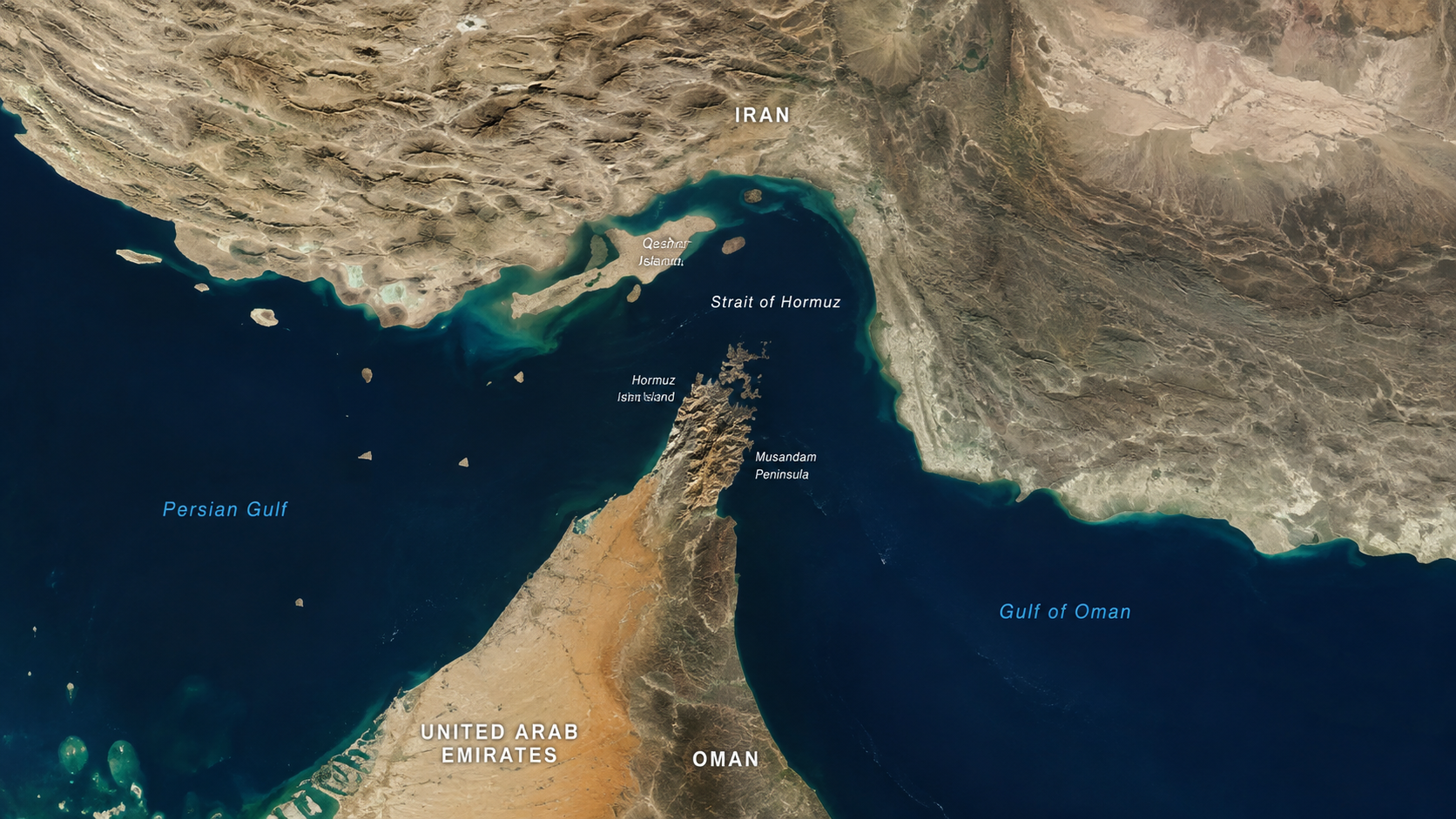
Start with the setup. After a searing rally that pushed the S&P 500 and Dow to record closes Tuesday, US futures steadied Wednesday morning. Oil fell for a third straight session — Brent slipped near $78 and WTI dropped under $75 — on growing hope that the Strait of Hormuz, the chokepoint for roughly a fifth of the world’s oil, could reopen. Qatar said a US–Iran proposal has been drafted, and Iran is reportedly weighing whether to let European navies clear mines from the waterway. Asia cheered it overnight, with South Korea’s KOSPI jumping 4%. Gold pushed higher, the VIX stayed calm, and Russell 2000 futures held firm.
Here’s why small-cap investors should care more than the headline suggests.
Small companies are the most exposed to the price of energy — and the most helped when it falls. They’re overwhelmingly domestic, they run thinner margins, and they lack the global hedging desks and pricing power of the mega-caps. When crude drops, the input-cost relief flows straight to the bottom line of small-cap industrials, transports, manufacturers, and consumer names. Cheaper oil is, in effect, a stealth margin boost for the exact companies that live closest to the edge on the income statement.
There’s a second-order effect that matters even more. Lower oil feeds disinflation, disinflation keeps the Fed’s rate-cut path alive, and small caps are the single most rate-sensitive corner of the market. Pair that with this week’s soft ADP jobs number and you get a macro mix that has historically favored the little guys.
Now the honest other side, because it cuts both ways. Energy is a meaningful slice of the Russell 2000, and cheaper crude squeezes small-cap exploration and production names hard. If your small-cap exposure leans toward oil and gas, this is a headwind, not a tailwind. The net effect depends entirely on what you own.
Step back, though, and the direction of travel is the story. The rally is finally broadening beyond the handful of AI mega-caps that carried it for two years — the Russell is joining the record run, not watching from the sidelines. A de-risking geopolitical backdrop, falling oil, and an easing Fed is the kind of trifecta that tends to reward the laggards. For two years, small caps have been the laggard.
One caveat to keep front and center: this peace is fragile, and a single headline could send oil right back up. Don’t build a thesis on a diplomatic maybe. But watch the setup. While everyone fixates on the Dow printing another record, the more interesting move may be one rung down the market-cap ladder — where the companies most helped by cheap oil and cheap money have been overlooked the longest.