Esports Entertainment Group, Inc. (GMBL) – Odds On Favorite

Tuesday, May 18, 2021

Esports Entertainment Group, Inc. (GMBL)
Odds On Favorite

Esports Entertainment Group Inc is a development-stage online gambling company focused purely on esports. The company’s principal business operations include design, develop and test wagering systems.

Michael Kupinski, Director of Research, Noble Capital Markets, Inc.

Refer to the full report for the price target, fundamental analysis, and rating.

    Better-than-expected Q3 results. Total company revenues of $5.4 million was 10% better than our $4.9 million estimate, which benefited from one month of Lucky Dino, a $2.3 million revenue contribution in the quarter. Gross profit margins were surprisingly strong at 57% versus our 44% estimate, which accounted for gross profit to be 45% above our estimate. Adjusted EBITDA was a loss of $2.1 million, which was roughly $1 million better than our $3.1 million loss estimate.

    Favorable operating momentum.  The company reiterated its guidance for $18 million in fiscal 2021 revenue and $70 million for full fiscal year 2022. This implies $10 million in fiscal Q4 2021 revenue, in line with our estimates. Notably, the company anticipates that its new burn rate has decreased from $900,000 per month to $600,000 per month, better than our Q4 2021 expectation of $700,000 …


This Company Sponsored Research is provided by Noble Capital Markets, Inc., a FINRA and S.E.C. registered broker-dealer (B/D).

*Analyst certification and important disclosures included in the full report. NOTE: investment decisions should not be based upon the content of this research summary.  Proper due diligence is required before making any investment decision. 

Release – Stem Holdings dba Driven By Stem Reports Record Gross Revenue of $12.4 Million for CY21 First Quarter Results


Stem Holdings d/b/a Driven By Stem Reports Record Gross Revenue of $12.4 Million for CY21 First Quarter Results


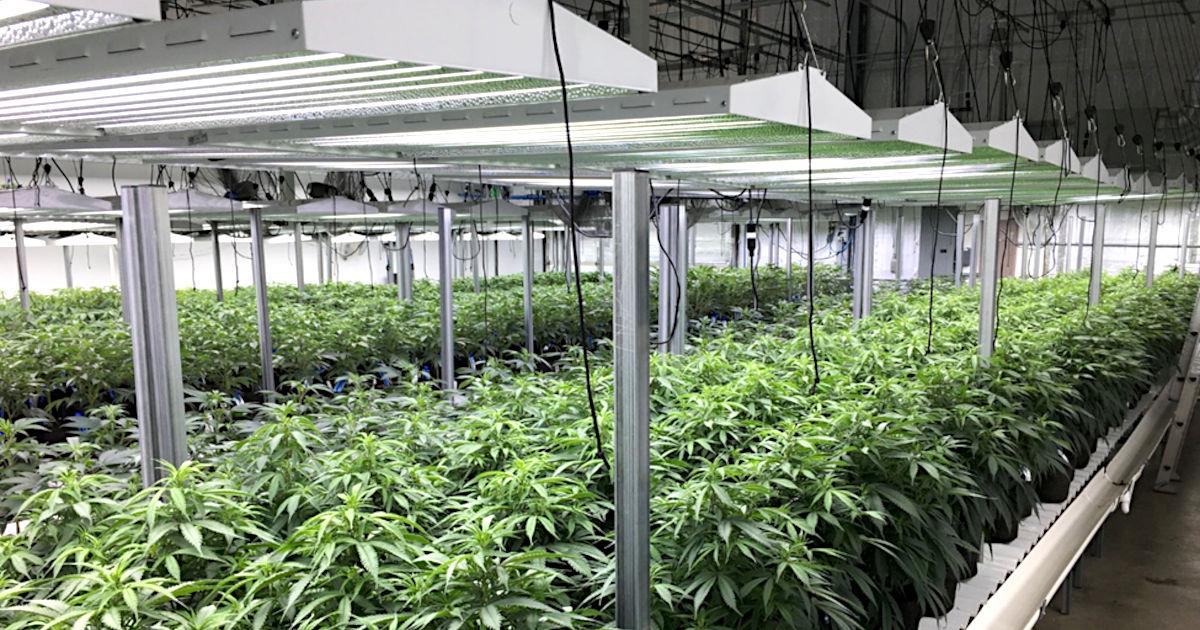
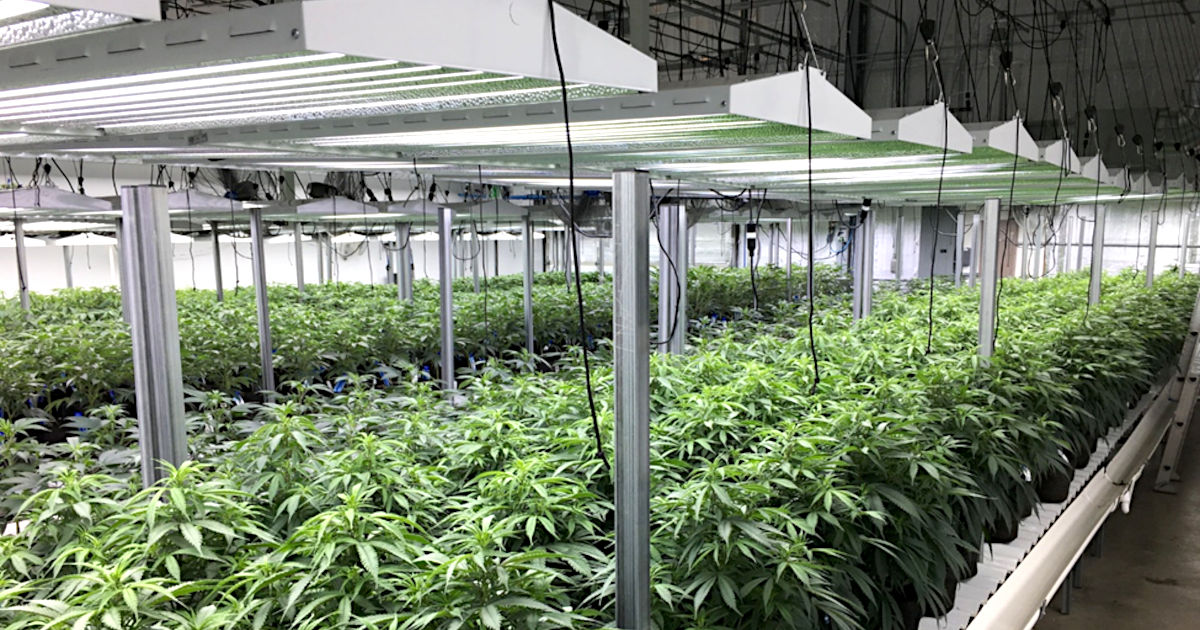
BOCA RATON, Fla.May 18, 2021 /PRNewswire/ — Stem Holdings, Inc., d/b/a Driven By Stem (“Stem” or the “Company”), a leading omnichannel, vertically-integrated cannabis branded products and technology company with state-of-the-art cultivation, processing, extraction, retail, distribution, and delivery-as-a-service (DaaS) operations throughout the United States, today reported its financial results for the first calendar quarter ended March 31, 2021.

Highlights for the quarter ended March 31, 2021:

  • Gross revenue increased to a record $12.4 million from $2.7 million for the three months ended March 31, 2020.
  • Gross profit increase of 269% to $2.7 million as compared to $0.73 million for the comparable period in the previous year.
  • Retail gross revenue comps +49.5% vs. 2020, with 2,614 transactions in one day on 4-20, the annual celebration day for cannabis.
  • Budee™ DaaS revenues increased vs. three months ended March 31, 2020 in California and is poised to launch in Oregon in May, followed by Michigan in September.
  • Cultivation yields increased 7.8% vs. three months ended March 31, 2020, and our retail footprint for our brands increased by 32%.
  • Adjusted EBITDA of $1.7 million an increase from ($5.8 million) for the three months ended March 31, 2020 reflects ongoing operational improvements.
  • Subsequent to the quarter end, the Company closed on a C$10.3 million public offering, previously announced December 14, 2020, led by Canaccord Genuity.

Operational Updates

  • Budee delivery is poised to launch in Oregon in May 2021.
  • New retail dispensary to open in September 2021 in Michigan.
  • With retail opening in MichiganBudee DaaS will launch for expanded state-wide market footprint by Labor Day, its third delivery state.
  • Launch of Yerba Buena brand cannabis flower in California, the first expansion market for the brand.

Management Commentary 
“Our record sales and the beginning of the successful integration of Driven Deliveries Inc. (“Driven”) has positioned us for greater growth as we expand the footprint of our retail, delivery, and branded product operations in high-growth markets,” stated Adam Berk, CEO of the Company. “Full integration and streamlined execution and expansion of Driven’s technology will continue over the next six months, to be completed by the end of 2021. We are leveraging our combined strength by simultaneously increasing market share of our own retail operations, as well as our branded products,” he continued. “Our plans for expansion in Michigan both at retail and with Budee delivery by Labor Day, as well as our ongoing efforts in New York, bode well for accretive growth throughout 2021. We are excited about our progress and driving synergies for continued growth in 2022.”

Mr. Berk continued, “We have continued to strengthen our balance sheet and to add strong management talent to our team to ensure that we can manage our ‘Farm-to-Home‘ strategy in all current and expanded markets. We also continue to improve gross margin and cash conversion as we continue to support our initiatives building shareholder value.”

Financing
On April 23, 2021, the Company closed a C$10.3 million public offering announced in December 2020 (the Offering”), of units of the Company (the “Units”) at a price of $.55 per Unit.  Each Unit was comprised of one share of common stock of the Company and one share purchase warrant of the Company (a “Warrant”). Each Warrant is exercisable at an exercise price of C$0.68 until April 23, 2023. The Offering was led by Canaccord Genuity Corp. The offering included a short-form prospectus and an effective S-1.

Expansion of Consumer Packaged Goods Business

  • The Company’s Yerba Buena brand was launched in California, the first of our expansion markets for this top-shelf Oregon brand. It rapidly became the second-highest selling brand on our Budee platform covering 92% of consumers in the state, as well as at our Foothill Health and Wellness dispensary in Shingle Spring, CA.
  • The Cannavore brand of edibles expanded from its original line of Salted Caramel Chews to new flavors for the holidays including the launching of Irish Cream on St. Patrick’s Day, and experienced gains in our distribution channels for those dispensaries carrying TJ’s Gardens and Yerba Buena flower. The brand will be launching a new line of calorie-free, zero-refined sugar THC-infused gummies later in June which are unique to the market, meeting demand for alternative candies to high-calorie, sugary products. They are gluten-free, vegan, and suitable for diabetics with a low glycemic index and are all natural.

Retail Business Development

  • Comparable dispensary sales growth for the quarter was 49.5% vs. 2020, reaching a record of 2,614 transactions on 4-20, the annual celebration day for cannabis.
  • The Company increased its retail footprint for its brands in other dispensaries by 32% as it drives market share in Oregon and Nevada. Additional distribution white space remains to further accelerate growth.
  • Our Budee delivery business grew in the quarter vs. the three months ended March 31, 2020. This success includes adding over a dozen best-in-class brands in California during the quarter to enthuse consumers and increase on-line activation. This includes Premium Vape from Red, White and Bloom brands (CSE: RWB) (OTC: RWBYF); Caliva Flower, Deli Prerolls, Fund Uncle Prerolls, Yummi Karma, and Rehab by Yummi, and Chill Chocolates from The Parent Co. (NEO: GRAM.U) (OTCQX: GRAMF); Chong’s Cannabis; Dosist Pens, Tablets and Edibles; Kushy Punch Gummies; Loudpack Farms, and as mentioned, the Company’s Yerba Buena™ flower.

The Company continues its plans for accretive new product innovation with a queue of innovative products scheduled for launch throughout 2021. 

About Stem Holdings, Inc.
Stem is a leading omnichannel, vertically-integrated cannabis branded products and technology company with state-of-the-art cultivation, processing, extraction, retail, distribution, and delivery-as-a-service (DaaS) operations throughout the United States . Stem’s family of award-winning brands includes TJ’s Gardens, TravisxJames, and Yerba Buena flower and extracts; Cannavore™ edible confections; Doseology™ a CBD mass-market brand launching in 2021; as well as DaaS brands Budee and Ganjarunner through the acquisition of Driven Deliveries. Budee and Ganjarunner e-commerce platforms provide direct-to consumer proprietary logistics and an omnichannel UX (user experience)/CX (customer experience).

Forward-Looking Statements 
This press release contains forward-looking statements and information that are based on the beliefs of management and reflect the Company’s current expectations.  When used in this press release, the words “estimate”, “project”, “belief”, “anticipate”, “intend”, “expect”, “plan”, “predict”, “may” or “should” and the negative of these words or such variations thereon or comparable terminology are intended to identify forward-looking statements and information. The forward-looking statements and information in this press release includes information relating to: (i) the implementation of the Company’s business plan; (ii) the expansion of Stem’s brands and products into other markets; (iii) expected improvements to productivity; (iv) the expected launch of new brands and products by Stem; and (v) expected full integration of Driven into the business of Stem. 

By their nature, forward-looking statements involve known and unknown risks, uncertainties and other factors which may cause our actual results, performance or achievements, or other future events, to be materially different from any future results, performance or achievements expressed or implied by such forward-looking statements.  Such factors include, among others, the following risks: risks associated with the implementation of the Company’s business plan and matters relating thereto, risks associated with the cannabis industry, competition, regulatory change, the need for additional financing, reliance on key personnel, the potential for conflicts of interest among certain officers or directors, insurance, intellectual property and reliable supply chains; and risks related to the Company and its business generally. Forward-looking statements are made based on management’s beliefs, estimates and opinions on the date that statements are made, and the Company undertakes no obligation to update forward-looking statements if these beliefs, estimates and opinions or other circumstances should change.  Investors are cautioned against attributing undue certainty to forward-looking statements.

Non-GAAP Measures
This news release contains references to certain measures that are not defined under a body of generally accepted accounting principles for publicly accountable entities in the United States, which is commonly referred to as “GAAP” or “U.S. GAAP”. For this purpose, a non-GAAP financial measure is generally defined as one that purports to measure historical or future financial performance, financial position or cash flows but excludes or includes amounts that would not be so adjusted in the most comparable GAAP measure. These non-GAAP measures are not recognized measures under GAAP, do not have a standardized meaning prescribed by GAAP and are therefore unlikely to be comparable to similar measures presented by other companies. Rather, these measures are provided as additional information to complement GAAP measures by providing further understanding of the Company’s results of operations from management’s perspective. Accordingly, they should not be considered in isolation nor as a substitute for analysis of the Company’s financial information reported under U.S. GAAP.

The Company uses non-GAAP measures, including adjusted EBITDA to provide investors with supplemental measures of its operating performance and thus highlight trends in its core business that may not otherwise be apparent when relying solely on GAAP measures. The Company believes that investors, securities analysts and other interested parties frequently use non-GAAP measures in the evaluation of issuers. Management also uses non-GAAP measures in order to facilitate operating performance comparisons from period to period and assess the Company’s ability to meet its future debt service, capital expenditure and working capital requirements.

The term “adjusted EBITDA” consists of net (loss) income and excludes interest, taxes, depreciation, amortization, share-based compensation, impairment of assets, acquisition costs, legal settlement costs, restructuring charges, and adjustments for fair value of biological assets, warrant liabilities, and stock appreciation rights. The most directly comparable measure to adjusted EBITDA calculated in accordance with GAAP is net (loss) income.

For further information, please contact:
Media Contact: 
Mauria Betts 
STEM HOLDINGS, INC. 
[email protected] 971.319.0303

Investor Contact: 
Valter Pinto / Elizabeth Barker 
[email protected] 
212.896.1254 / 212-896-1203 

SOURCE Stem Holdings, Inc.

Schwazze (SHWZ) – Laying the Groundwork Solid First Quarter

Monday, May 17, 2021

Schwazze (SHWZ)
Laying the Groundwork; Solid First Quarter

Medicine Man Technologies, Inc. is now operating under its new trade name, Schwazze. Schwazze is executing its strategy to become a leading vertically integrated cannabis holding company with a portfolio consisting of top-tier licensed brands spanning cultivation, extraction, infused-product manufacturing, dispensary operations, consulting, and a nutrient line. Schwazze leadership includes Colorado cannabis leaders with proven expertise in product and business development as well as top-tier executives from Fortune 500 companies. As a leading platform for vertical integration, Schwazze is strengthening the operational efficiency of the cannabis industry in Colorado and beyond, promoting sustainable growth and increased access to capital, while delivering best-quality service and products to the end consumer. The corporate entity continues to be named Medicine Man Technologies, Inc.

Joe Gomes, Senior Research Analyst, Noble Capital Markets, Inc.

Refer to the full report for the price target, fundamental analysis, and rating.

    1Q21 Results. Revenue totaled $19.3 million, up from $3.2 million last year, driven by the acquisitions. Pro forma revenue was estimated at $26.8 million. Adjusted EBITDA for the quarter was $5.8 million. Schwazze recorded a net loss of $3.6 million, or $0.09 per share compared to a loss of $1.4 million, or $0.03 per share, last year. Schwazze also reported positive CFFO of $1.7 million, up from a loss of $2.5 million last year.

    Operating Metrics Improving.  Same store sales of the thirteen Star Buds dispensaries when compared to last year, prior to taking ownership of the assets, were $18.8M up 38%. Average basket size was $58.79, up 19.5%, and recorded customer visits were 319,800, up 15.8%. GM increased to 37.5% from 32.9% last year and was 48.9% after adjusting for a one-time purchase accounting charge …


This Company Sponsored Research is provided by Noble Capital Markets, Inc., a FINRA and S.E.C. registered broker-dealer (B/D).

*Analyst certification and important disclosures included in the full report. NOTE: investment decisions should not be based upon the content of this research summary.  Proper due diligence is required before making any investment decision. 

Will Federal Law Surrounding Cannabis be Changed?


image credit: Elsa Olofsson (Flickr)


Federal Law Questions Still Loom for the Cannabis Industry


Marijuana or non-hemp cannabis is still federally classified as a Schedule I drug under the Controlled Substances Act. Since 1970, federal laws have contended that cannabis has no medical use and a high potential for abuse. Even today, cultivating, distributing, and possessing marijuana is still a violation of federal drug laws. What does this mean for the cannabis industry, investors in cannabis companies, and those states that have rewritten their state laws to include medical and/or recreational marijuana?


DEA Position

The Drug Enforcement Administration (DEA) oversees the enforcement of federal marijuana laws. The DEA doesn’t write laws, they just enforce them.  With more states legalizing medical and recreational use, the federal laws concerning cannabis have been given a backseat by the DEA. This “looking the other way” has only occurred within the past few years. As states changed their marijuana laws, the DEA pursued federal enforcement actions against medical marijuana cultivators and distributors. These enforcements were upheld by the United States Supreme Court’s decision in Gonzales v. Raich, which held that even businesses that were fully compliant with state regulations risked prosecution for federal offenses. The court’s ruling on the matter makes it clear the DEA, under federal law, has the authority to prosecute cannabis businesses. The DEA has not been doing so.


Source:
DEA.gov


With even more states rewriting their laws to allow marijuana (Arizona, New York, New Jersey) they do so knowing, they are in direct conflict with the overriding federal statutes. This places a number of parties in awkward positions. These groups include medical and recreational users. They also include related businesses from sellers of seed to growers to those that distribute the products. The situation also strains the rights or freedoms of states to make their own laws and the federal government to enforce clear statutes.  The banking system, on which most industries depend for resources, has not risked adding cannabis to the businesses they serve.


Perfectly Unclear Guidance

The federal government has incrementally been moving toward non-intervention in states. Back in 2009, the Obama administration instructed federal prosecutors to look at not pursuing the prosecution of individuals who distributed marijuana as long as they did so in accordance with state medical marijuana laws. This directive is known as the “Cole Memo.”

In August 2013, the U.S. Department of Justice announced an update to their marijuana enforcement policy. It stated that although marijuana remains illegal federally, the Department of Justice expected states that have legalized marijuana to create “strong, state-based enforcement efforts. With this announcement, they said they will defer the right to challenge their legalization laws at this time.” It should not be ignored that the  Department of Justice also said that it reserved the right to challenge states any time it felt it appropriate.  In 2018, the murky legal field became less assured as former Attorney General Jeff Sessions issued a Marijuana Enforcement Memorandum that rescinded the Cole Memo (under Obama) and permitted federal prosecutors to determine the way in which to prioritize enforcement of federal marijuana laws. Attorney General Sessions instructed U.S. Attorneys to “weigh all relevant considerations, including federal law enforcement priorities set by the Attorney General, the seriousness of the crime, the deterrent effect of criminal prosecution, and the cumulative impact of particular crimes on the community.”


Questions Loom the Cannabis Industry

The ongoing state of uncertainty, knowing that federal law, as written, is quite clear, while state laws may be permissive, it’s also a quagmire for young cannabis businesses. Compliance with regulations and the forced use of cash as banks won’t allow their fintech solutions at dispensaries is a strain on the entire industry.

To address the uncertainty in what most presume will eventually fall on the side of federal legalization, a bill to protect banks that service state-legal cannabis businesses from being penalized under federal regulations was reintroduced in the Senate in April. A third of the 100 Senators have signed on as cosponsors. This follows a refiling of the Secure and Fair Enforcement (SAFE) Banking Act in the House. That bill passed with bipartisan support in 2019 as a standalone bill and again as part of two COVID-19 relief bills. The House bill has more than 100 members listed as cosponsors.


SAFE Banking

The SAFE Banking Act would allow financial institutions to service cannabis businesses without the fear of federal penalties. Banks and credit unions would no longer fear doing business with the growing industry. This should create a strong tailwind for those doing business, particularly retailers.


Take-Away

The movement toward “normalizing” the businesses of medical and recreational marijuana appears to be moving forward. One large sticking point is that it is not legal under federal law and is still classified as a Schedule I illegal substance.

There is a high level of support from lawmakers that are working to make life easier for businesses in legal states; however, there is nothing on the docket in the immediate future that would prevent marijuana companies or users from being federal outlaws.


Suggested Reading:

Cannabis Customers Served by “Ice Cream Truck” Delivery Model

Medical Cannabis Stock Performance vs. Recreational Company Performance


The Future of Cannabis Crosses Many Industries

Stem Holdings, Inc. CEO, Adam Berk – C-Suite


Schwazze (SHWZ) Virtual Road Show – Today May 17 @ 1:00pm EDT

Join Schwazze CEO Justin Dye and CFO Nancy Huber for this exclusive corporate presentation, followed by a Q & A session moderated by Joe Gomes, Noble’s senior research analyst, featuring questions taken from the audience. Registration is free and open to all investors, at any level.

Register Now  |  View All Upcoming Road Shows


Sources:

https://www.congress.gov/bill/116th-congress/house-bill/1595/text

https://www.fennemorelaw.com/insights

DEA.gov

https://www.justice.gov/opa/pr/justice-department-issues-memo-marijuana-enforcement

https://www.fennemorelaw.com/insights

Stay up to date. Follow us:


Stay up to date. Follow us:

Cannabis Customers Served by the Ice Cream Truck Delivery Model


image credit: Pexels/Cottonbro


Delivery as a Service Business Model is Serving Marijuana Customers


The “stay at home” mindset that was adopted over the past year has forever altered the way in which we work, visit with others, and shop. It was necessary to embrace other options for a while. But, even when the temporary lifestyle changes we made became no longer necessary, many of the alternatives continue to be common methods of doing business, visiting others, and buying goods.


Delivery as a Service

Ecommerce was particularly relied upon by those that might otherwise have run to the store for clothes, home furnishings, electronic upgrades, etc. Curbside Pick-up saw a massive increase in new customers and adoption by many businesses that had never considered it.

As part of this larger shift in consumer buying methods, the delivery as a service (DaaS) business has grown dramatically. DaaS consumers are now getting on-demand delivery of everything from groceries to prepared meals, liquor, and anything else that a retailer can provide in this way. It’s a great add-on service for anyone who sells retail products, home goods, groceries, prepared food, even alcohol. Today, even traditional sellers such as Apple, Walmart, Publix Supermarkets, and 7-11 are offering delivery options to their customers. The convenience will keep customers using the services long after there are any pandemic-related restrictions. In fact, the practice is expected to grow.


DaaS and Cannabis

Over the past few years, cannabis has been quickly losing its stigma. CBD oil is legal in all 50 states, medical marijuana is legal in 36 states, and recreational use is permitted in 17 of the 50 U.S. states. This growth in usage and acceptance has been taking the once illicit product and taken it more mainstream and overt.

Companies involved in cannabis products know that the potential growth of the industry is huge, and also that competition to survive and thrive as the industry matures requires adopting successful methods proven by other industries. This has come to include local delivery with cars standing-by and stocked with product, and also pick-and-pack orders from retailers.

STEM Holdings (DBA, Driven by STEM, ticker STMH) is involved in the cultivation and retail sale of marijuana. As part of their multichannel approach to sales, they have built a “farm to home” model. The CEO of Driven by STEM, Adam Berk, met virtually with Noble Capital Markets Senior Analyst, Joe Gomes, for a C-Suite interview released this week. Adam discussed his company, the impact of Covid, a recent acquisition, and plans to expand the company’s AI informed “ice cream truck” model of delivery.

In the recorded interview, the STEM Holdings CEO was asked about their acquisition of a cannabis delivery service and what the plans are for their non-brick and mortar retail outlets. Adam explained that “Easy, convenient accessible ecommerce delivery makes sense whether your buying toothpaste, toilet paper, or cannabis.” Berk discussed this portion of their business model by saying,”…it’s important to be an omnichannel retailer, it’s important to make delivery to homes. Buy behavior has completely changed for every consumer, and we just don’t see that going back.”


Take-Away

The Stem Holding C-Suite interview offers insight into how technology is changing how consumers select and receive products and how individuals can be better served – DaaS is not going to disappear. The discussion, of course, also covers the cannabis industry and how Stem is finding new ways to better their product and the customer experience, it’s well worth watching.

You can view the entire video by clicking on the first link below.


Suggested Content:

Stem Holdings, Inc. CEO, Adam Berk – C-Suite

Medicine Man Technologies, Inc. CEO Justin Dye


Artificial Intelligence Investment Opportunities

Medical Cannabis Companies vs. Recreational Cannabis


Sources:

https://www.sciencedirect.com/science/article/pii/S2352146520303641#:~:text=Delivery%20as%20a%20Service%20(DaaS,in%20the%20on%2Ddemand%20economy.&text=It%20contributes%20to%20a%20future%20scenario%20of%20urban%20logistics%20business%20models.

https://www.channelchek.com/channelcast-detail/220


Schwazze (SHWZ) Virtual Road Show – Monday May 17 @ 1:00pm EDT

Join Schwazze CEO Justin Dye and CFO Nancy Huber for this exclusive corporate presentation, followed by a Q & A session moderated by Joe Gomes, Noble’s senior research analyst, featuring questions taken from the audience. Registration is free and open to all investors, at any level.

Register Now  |  View All Upcoming Road Shows


Stay up to date. Follow us:


Stay up to date. Follow us:

FAT Brands Inc. (FAT) – Momentum Continues to Build

Thursday, May 13, 2021

FAT Brands Inc. (FAT)
Momentum Continues to Build

FAT Brands Inc is a multi-brand restaurant franchising company. It develops, markets, and acquires predominantly fast casual restaurant concepts. The company provides turkey burgers, chicken Sandwiches, chicken tenders, burgers, ribs, wrap sandwiches, and others. Its brand portfolio comprises Fatburger, Buffalo’s Cafe and Express, and Ponderosa and Bonanza. The company’s overall footprint covers nearly 32 countries. Fatburger generates maximum revenue for the company.

Joe Gomes, Senior Research Analyst, Noble Capital Markets, Inc.

Refer to the full report for the price target, fundamental analysis, and rating.

    1Q21 Results. Fat Brands reported 1Q21 revenue of $6.6 million, compared to $4.4 million in 1Q20. The increased revenue was driven by royalties, which rose to $4.9 million in the quarter from $3.3 million in 1Q20. Cost and expenses were impacted by increased compensation and legal expenses, which combined with higher interest expense, resulted in a reported loss for the quarter of $2.4 million, or $0.20 per share, compared to a loss of $2.4, or $0.20 per share last year. We had projected revenue of $6.75 million and a net loss of $675,000, or $0.06 per share.

    Sales Trends Improving.  The first quarter saw a continuation of improving sales trends off COVID lows. System-wide sales were $114.4 million in the quarter, up from $47.7 million in 2Q20, and $84.9 million in 1Q20. Average weekly sales hit nearly $19 million for the month of April, up from $18.1 million in March and $8.7 million in the year ago April. Third party delivery sales rose 70% in 1Q21 …


This Company Sponsored Research is provided by Noble Capital Markets, Inc., a FINRA and S.E.C. registered broker-dealer (B/D).

*Analyst certification and important disclosures included in the full report. NOTE: investment decisions should not be based upon the content of this research summary.  Proper due diligence is required before making any investment decision. 

Release – PLBY Group Reports First Quarter 2021 Financial Results


PLBY Group Reports First Quarter 2021 Financial Results

First Quarter 2021 Revenue Up 34% Year-Over-Year to $42.7 Million

LOS ANGELES, May 12, 2021 (GLOBE NEWSWIRE) — PLBY Group, Inc. (NASDAQ: PLBY) (“PLBY Group” or the “Company”), a leading pleasure and leisure lifestyle company and owner of Playboy, one of the most recognizable and iconic brands in the world, today provided financial results for the first quarter ended March 31, 2021.

Ben Kohn, Chief Executive Officer of PLBY Group, stated, “Our strong first quarter financial performance reflects the exciting growth potential of our direct-to-consumer business, which experienced triple digit revenue growth year-over-year as we successfully increased merchandising, cross-selling, and influencer marketing programs. I’m especially pleased with our results considering we continue to experience short-term, industry-wide supply chain disruptions leading to out-of-stocks on select items.”

Mr. Kohn continued, “We’re also thrilled by the recent performance of our first NFT art drop, a symbol of the infinite product experiences we can build off the back of our iconic flagship brand and rich archive. We are in the early innings of unlocking the tremendous potential of our intellectual property and global fan base and remain focused on investing today in opportunities to drive superior long-term growth and deliver substantial long-term value for our shareholders.”

First
Quarter 2021 Financial Highlights

  • Revenue grew 34% year-over-year to $42.7 million, driven by 114% growth in direct-to-consumer revenue in the comparable period.
  • Net loss was $5.0 million, largely due to a $13.8 million year-over-year increase in selling and administrative expenses as the Company incurred $6.3 million of non-recurring items related to the closing of its recent business combination, including a $2.7 million increase in stock-based compensation expense. Additionally, the Company had increased costs related to M&A transaction expenses, ongoing costs attributable to acquired businesses, and expenses associated with being a newly public company.
  • Adjusted EBITDA was $6.7 million and was burdened by an additional $1.5 million of one-time expenses related to M&A transaction expenses, severance, and COVID testing at the Company’s fulfillment center, none of which were added back to arrive at adjusted EBITDA.

Webcast
Details

The Company will host a webcast at 5:00 p.m. Eastern Time on May 12, 2021 to discuss first quarter 2021 results. Participants may access the live webcast on the PLBY Group, Inc. Investor Relations website at https://www.plbygroup.com/investors.

About
PLBY Group, Inc.

PLBY Group connects consumers around the world with products, services, and experiences to help them look good, feel good, and have fun. PLBY Group serves consumers in four major categories: Sexual Wellness, Style & Apparel, Gaming & Lifestyle, and Beauty & Grooming. PLBY Group’s flagship consumer brand, Playboy, is one of the most recognizable, iconic brands in the world, driving billions of dollars in consumer spending annually across 180 countries. Learn more at http://www.plbygroup.com.

Forward-Looking
Statements

This press release includes “forward-looking statements” within the meaning of the “safe harbor” provisions of the United States Private Securities Litigation Reform Act of 1995. The Company’s actual results may differ from their expectations, estimates, and projections and, consequently, you should not rely on these forward-looking statements as predictions of future events. Words such as “expect,” “estimate,” “project,” “budget,” “forecast,” “anticipate,” “intend,” “plan,” “may,” “will,” “could,” “should,” “believes,” “predicts,” “potential,” “continue,” and similar expressions (or the negative versions of such words or expressions) are intended to identify such forward-looking statements. These forward-looking statements include, without limitation, the Company’s expectations with respect to future performance, growth plans and anticipated financial impacts of the business combination and the Lovers acquisition.

These forward-looking statements involve significant risks and uncertainties that could cause the actual results to differ materially from those discussed in the forward-looking statements. Factors that may cause such differences include, but are not limited to: (1) the impact of COVID-19 pandemic on the Company’s business; (2) the inability to maintain the listing of the Company’s shares of common stock on Nasdaq; (3) the risk that the business combination, recent acquisitions or any proposed transactions disrupt the Company’s current plans and operations, including the risk that the Company does not complete any such proposed transactions or achieve the expected benefit from them; (4) the ability to recognize the anticipated benefits of the business combination, which may be affected by, among other things, competition, the ability of the Company to grow and manage growth profitably, and retain its key employees; (5) costs related to the business combination; (6) changes in applicable laws or regulations; (7) the possibility that the Company may be adversely affected by other economic, business, and/or competitive factors; (8) risks relating to the uncertainty of the projected financial information of the Company; (9) risks related to the organic and inorganic growth of the Company’s business and the timing of expected business milestones; and (10) other risks and uncertainties indicated from time to time in the Company’s annual report on Form 10-K, including those under “Risk Factors” therein, and in the Company’s other filings with the Securities and Exchange Commission. The Company cautions that the foregoing list of factors is not exclusive, and readers should not place undue reliance upon any forward-looking statements, which speak only as of the date which they were made. The Company does not undertake any obligation to update or revise any forward-looking statements to reflect any change in its expectations or any change in events, conditions, or circumstances on which any such statement is based.

Contact:
Investors: 
[email protected]
Media: 
[email protected]

Driven By Stem (STMH)(STEM:CA) – To Present at Canaccord Genuity’s Annual Global Cannabis Virtual Conference on May 11th


Stem Holdings to Present at Canaccord Genuity’s Annual Global Cannabis Virtual Conference on May 11th


BOCA RATON, Fla.May 10, 2021 /PRNewswire/ — Stem Holdings, Inc. d/b/a Driven by Stem  (OTCQX: STMH CSE:STEM) (the “Company” or “Stem“), the first multi-state, vertically integrated Farm-to-Home (F2H) cultivation and technology omnichannel cannabis company featuring a proprietary Delivery-as-a-Service (DaaS) marketplace platform, today announced that Adam Berk, Chief Executive Officer, is scheduled to present virtually at the 2021 Canaccord Genuity Virtual Cannabis Conference, on Tuesday, May 11th at 10:00 a.m. ET.

Canaccord Genuity’s Annual Global Cannabis Conference is an investor-focused virtual event that engages a global network of leading players in the cannabis industry. The conference will be held via webcast and a presentation link will be provided on the Company’s website or at this link.

For more information or to schedule a one-on-one meeting with Stem Holdings, please contact KCSA Strategic Communications at [email protected].

About Stem Holdings, Inc.
Stem is a leading omnichannel, vertically-integrated cannabis branded products and technology company with state-of-the-art cultivation, processing, extraction, retail, distribution, and delivery-as-a-service (DaaS) operations throughout the United States. Stem’s family of award-winning brands includes TJ’s Gardens, TravisxJames, and Yerba Buena flower and extracts; Cannavore edible confections; Doseology, a CBD mass-market brand launching in 2021; as well as DaaS brands Budee and Ganjarunner through the acquisition of Driven Deliveries. Budee and Ganjarunner e-commerce platforms provide direct-to consumer proprietary logistics and an omnichannel UX (user experience)/CX (customer experience).

For further information, please contact:
Media Contact: 
Mauria Betts 
STEM HOLDINGS, INC. 
[email protected]  
971.319.0303

Investor Contact: 
KCSA Strategic Communications 
Valter Pinto or Elizabeth Barker 
+1 212-896-1254 or +1 212-896-1203
[email protected]

SOURCE Stem Holdings, Inc.

Release – Driven By Stem (STMH)(STEM:CA) – To Present at Canaccord Genuity’s Annual Global Cannabis Virtual Conference on May 11th


Stem Holdings to Present at Canaccord Genuity’s Annual Global Cannabis Virtual Conference on May 11th


BOCA RATON, Fla.May 10, 2021 /PRNewswire/ — Stem Holdings, Inc. d/b/a Driven by Stem  (OTCQX: STMH CSE:STEM) (the “Company” or “Stem“), the first multi-state, vertically integrated Farm-to-Home (F2H) cultivation and technology omnichannel cannabis company featuring a proprietary Delivery-as-a-Service (DaaS) marketplace platform, today announced that Adam Berk, Chief Executive Officer, is scheduled to present virtually at the 2021 Canaccord Genuity Virtual Cannabis Conference, on Tuesday, May 11th at 10:00 a.m. ET.

Canaccord Genuity’s Annual Global Cannabis Conference is an investor-focused virtual event that engages a global network of leading players in the cannabis industry. The conference will be held via webcast and a presentation link will be provided on the Company’s website or at this link.

For more information or to schedule a one-on-one meeting with Stem Holdings, please contact KCSA Strategic Communications at [email protected].

About Stem Holdings, Inc.
Stem is a leading omnichannel, vertically-integrated cannabis branded products and technology company with state-of-the-art cultivation, processing, extraction, retail, distribution, and delivery-as-a-service (DaaS) operations throughout the United States. Stem’s family of award-winning brands includes TJ’s Gardens, TravisxJames, and Yerba Buena flower and extracts; Cannavore edible confections; Doseology, a CBD mass-market brand launching in 2021; as well as DaaS brands Budee and Ganjarunner through the acquisition of Driven Deliveries. Budee and Ganjarunner e-commerce platforms provide direct-to consumer proprietary logistics and an omnichannel UX (user experience)/CX (customer experience).

For further information, please contact:
Media Contact: 
Mauria Betts 
STEM HOLDINGS, INC. 
[email protected]  
971.319.0303

Investor Contact: 
KCSA Strategic Communications 
Valter Pinto or Elizabeth Barker 
+1 212-896-1254 or +1 212-896-1203
[email protected]

SOURCE Stem Holdings, Inc.

Will the tide keep rolling in for beach stocks


Will the Tide Keep Rolling in for BEACH Stocks?


While the froth on FAANG stocks may have receded a bit over last year, BEACH stocks have experienced tremendous appreciation. The BEACH industries include Bookings, Entertainment,
Airlines, Cruises, and Hotels.

They may not have all fully recovered after the pandemic selloff last year, but the sun is starting to shine for them, and they’ve become hot.

Whether they’ll keep making waves depends on many factors, but there is certainly potential for further growth.

The infographic below shows just how much some of these grown from mid-March last year to Mid-March this year.


An article in Channelchek this week titled Investing in Leisure Post Pandemic provides even more updated information with some stocks to look at that are not mentioned above.

Will the Tide Keep Rolling in for BEACH Stocks?


Will the Tide Keep Rolling in for BEACH Stocks?


While the froth on FAANG stocks may have receded a bit over last year, BEACH stocks have experienced tremendous appreciation. The BEACH industries include Bookings, Entertainment,
Airlines, Cruises, and Hotels.

They may not have all fully recovered after the pandemic selloff last year, but the sun is starting to shine for them, and they’ve become hot.

Whether they’ll keep making waves depends on many factors, but there is certainly potential for further growth.

The infographic below shows just how much some of these grown from mid-March last year to Mid-March this year.


An article in Channelchek this week titled Investing in Leisure Post Pandemic provides even more updated information with some stocks to look at that are not mentioned above.

Investing in Leisure Post Pandemic


Companies Beginning to Benefit from Increased Leisure Spending


Businesses involved in providing leisure and entertainment are starting to benefit from the rebound in Americans getting out and treating themselves. This means many companies that were hardest hit by the reaction to Covid-19 are now set to be the winners as borders open, travel picks up, and people who have saved all year not going out are ready to spend.


Money to Spend

“We have had a lot of repressed spending. Money is just sitting in accounts ready to be spent, which will benefit the market on a whole,” says Jeremy Siegel, Professor of Finance at the Wharton School of the University of Pennsylvania. Not only are people looking to begin to experience the company of others, trips to the store, and live entertainment, the sharp increase in the money supply of household savings is likely to soon be unleashed in the travel and leisure sector.

Stay-home stocks like Zoom, Netflix, and Amazon reached their peak valuations in recent months and have been lagging behind the broader market since November 2020. There has been increased gravitation from these companies to those that benefit from recreation; this is in anticipation of what is likely to be explosive traffic for businesses that have been idle.


“Going Out” Stocks

The time for going-out stocks has arrived with the vaccine rollouts – the travel and leisure sector is set for a comeback. Companies in the airline, theater, and hospitality industries are still seeing traffic at below pre-pandemic levels; this could soon change sales over this time last year may break records in terms of increases.


Below are companies poised to benefit from the trend to increased leisure activity:

Full House Resorts, Inc. (FLL) develops, owns, operates and manages casinos and related hospitality and entertainment facilities in regional U.S. markets. Based in Las Vegas, the company operates five casino facilities. Each of its gaming properties reflects a unique atmosphere reflecting the region of the country where it is located. The stock recently traded at $9.47, a 150% increase from the start of the year.   

FAT Brands, Inc. (FAT) owns nine restaurant brands: Fatburger, Johnny Rockets, Buffalo’s Cafe, Buffalo’s Express, Ponderosa and Bonanza Steakhouses, Hurricane Grill & Wings, Elevation Burger, and Yalla Mediterranean. The company also franchises over 700 units worldwide. Restaurant groups that had seen dips over the past year are seeing a resurgence as vaccinated diners increasingly go out to eat, their stocks are beginning to anticipate even more customers. FAT Brands began the year at $5.66 and recently traded at $9.48 a 67.50% increase year-to-date.

Basset Furniture Industries, Inc. (BSET), is one of the oldest furniture manufacturers in Virginia. The company is known for its distinctly American styles and durable, attractive products. Consumers quarantined in their homes have had plenty of time to reimagine their living and working spaces, so furniture sales continue to soar, particularly for direct-to-consumer (DTC) and ready-to-assemble (RTA) products. A generational swing in furniture sales, where younger Millennials and Gen Z buyers that are comfortable with large online purchases, led to a 12% increase in first-time online buyers. Benefitting from these ongoing trends, Basset saw a 186% jump in their stock valuation, starting the year at $19.17 and currently trading at $35.68. A return of in-person shopping activity would help enhance sales.

Esports Entertainment Group (GMBL) is an expanding company in the rapidly growing esports and gaming industry. The company also has its own online betting platform, further capturing the market of sports enthusiasts and bettors. Amid lockdowns and stadium closures, virtual sporting events and online gaming tournaments drove the company’s growth. The stock’s value shot up in February 2020, just as people were subject to stay-at-home orders and curfews. The sector continues to evolve in 2021 and is set to help redefine modern sporting entertainment. Shares of the company started off at $6.75 in January 2021 and have gone up to $11.97, nearly doubling their value in just 4 months.

Travel Zoo (TZOO) is an online company that vets and publishes travel and entertainment deals from more than 2,000 businesses including restaurants and spas. It currently boasts 28 million members in North America, Europe, and Asia Pacific and has 25 offices around the world. The platform allows members to benefit from TravelZoo partnering with travel and leisure companies to give consumers access to vacation packages, trips and experiential travel packages. The stock has seen a nearly 200% jump just this year, closing at $8.71 in January 2021 and more recently at $16.99.


Take-Away

Annual spending on leisure activities was already seeing a rise before the pandemic. Despite having experienced a nightmarish past year, the travel and leisure sector is set to rebound in full force. With a rise in savings, consumers are now itching to get out and get away as lockdowns lift and travel restrictions ease.


About the Author:

Laila Jiwani is a freelance writer specializing in topics related to social finance and international economic trends. Currently based in Dallas, Texas, she is an Erasmus Mundus Joint Master’s Graduate and has worked for economic development organizations in the U.S., Morocco, Kenya, Pakistan and
Kyrgyzstan.


Suggested Content:

Bassett Furniture C-Suite Interview w/Rob Spilman, CEO

Esports Entertainment Group C-Suite Interview w/Grant Johnson, CEO


Fat Brands Inc. Virtual Road Show

More Frequent Travel Could Be the Actual Aftermath of the Pandemic


Sources:


https://www.bloomberg.com/news/articles/2021-02-20/a-year-after-covid-crash-pandemic-losers-are-the-new-winners

https://www.forbes.com/sites/forbesmoneyteam/2020/12/07/money-2021-a-post-pandemic-playbook/?sh=58a603455b95


Stay up to date. Follow us:


Stay up to date. Follow us:

Peloton and Other Expensive Product Recalls


Ten Largest Product Recalls, Plus Peloton


As inconvenient as recalls are to consumers, they create financial, brand, and public relations challenges for the company producing the product. When orchestrated well, product recalls have had the effect of helping the company continue being successful. When executed poorly, they have wound up costing the company its existence and even placed executives in prison. Yesterday, Peloton recalled every treadmill it has ever sold in the U.S. The reasons are sad and should be treated with care. Leading up to their announcement, the company is likely to have developed a plan to try and keep the brand strong and perhaps even springboard forward from the increased notoriety.

The following are ten other recalls that have had the highest upfront costs to the company.


Tylenol Recall

1982, $100 million

There have been nine larger recalls since the Tylenol recall in 1982. However, Johnson & Johnson’s Tylenol recall is perhaps the most significant. It’s known as “the recall that started them all,” and it set the standard for the way companies should handle themselves when they find themselves in the spotlight and a likely recall situation. It is also responsible for much of the safety packaging used today.

An event of malicious product tampering that has yet to be solved, caused seven people in the Chicago area to die after taking Extra-Strength Tylenol laced with cyanide. After it was discovered how they died, J&J spent more than $100 million to recall 31 million bottles of its best-selling product. Johnson and Johnson’s quick and decisive steps are credited with saving the Tylenol brand. J&J’s stock price fell initially; however it fully recovered within two months.


Peanut Corp. of America’s Salmonella Outbreak

2009, $1 billion

Peanut Corp. of America was an “under the radar” peanut processor in Georgia that supplied major brands such as Kellogg and ConAgra. They had a massive salmonella outbreak at their processing facility, which resulted in the contamination of thousands of their peanut products. This led to the death of nine people and caused hundreds to become ill. Over 3,913 different products from almost 400 other companies had to be recalled, additionally the salmonella issue caused consumers to avoid peanut butter. This mistrust drove down industry-wide sales by 25%.

An executive of PCA was sentenced to 28 years in prison for his role and Peanut Corp. declared bankruptcy and went out of business. In addition to the losses incurred by PCA, the Georgia Peanut Commission has estimated that peanut producers lost approximately $1 billion from lost production and sales, even though their products were not contaminated.


Toyota’s Floor Mats

2010, $3.2 billion

Floor mats cost Toyota dearly as they were forced to recall 8.1 million vehicles because of the potential for gas pedals to get stuck in floor mats; the problem caused acceleration and other problems. The design flaw is believed to have caused 89 deaths.

In 2010, Toyota’s cost of the recall was approximately $2 billion. Four years later, the company paid a $1.2 billion fine to avoid prosecution from the DOJ for covering up the faulty floor mat issues and other safety problems.


Pfizer Bextra

2005$3.3 billion

The FDA told pharmaceutical giant Pfizer to pull Bextra, an arthritis painkiller, off the market because of heart risks and “life-threatening” skin reactions. At the time, Bextra was providing annual sales of $1.3 billion for the company. Pfizer settled civil and criminal allegations that it had illegally marketed Bextra in 2009. The $2.3 billion payout was the highest health-care fraud settlement and the largest criminal fine of any kind at the time. Overall, the recall has cost Pfizer at least $3.3 billion.


General Motors’ Ignition Switch Recall

2014, $4.1 billion

In 2014, General Motors was required to recall 30.4 million cars because they had faulty ignition switches that could, without warning,  shut down the engine, this then disabled the power steering, brakes, and airbags. The ignition problem was linked to 124 deaths and far more injuries. GM stock fell about 15% in 2014 while the overall market gained more than 11%.  


Samsung’s Galaxy Note Recall

2016, $5.3 billion

The phone to own five years ago by the world’s largest smartphone maker was discontinued and recalled.  This was after a few high-end Galaxy Note 7 phones bursted into flames. Within only two months of the products launch, the U.S. Consumer Products Safety Commission received 96 reports of overheated batteries and fires. Samsung was forced to recall 2.5 million smartphones it had just sold.


Firestone and Ford

2000, $5.6 billion

Bridgestone’s Firestone Tire and Rubber Company was severely deflated and almost out of business after defective tires installed on Ford pickups and SUVs were said to have caused 271 deaths and more than 800 injuries in the U.S.

Firestone recalled 6.5 million tires, Ford recalled and replaced 13 million. The recall cost Firestone $2 billion while Ford laid out $3 billion. Additionally, Ford faced $600 million in lawsuits. Firestone survived, but the 100-year relationship with Ford went flat.


Merck Vioxx

2004$8.9 billion

In 1999 Merck’s Vioxx was considered to be a breakthrough medication for arthritis pain. Five years later, Merck was forced to pull the drug from the market after studies revealed Vioxx greatly increased the risk of fatal heart attacks and strokes. At the time, 20 million Americans had already taken the prescription medication. 140,000 American heart attacks in the U.S. and 88,000 deaths were estimated to have been caused by the drug.

The pharmaceutical giant settled a class-action lawsuit for $4.85 billion in 2007 and agreed to a $950 million settlement with the DOJ in 2011. A shareholders’ lawsuit was settled for $830 million.


Volkswagen’s Diesel Engine Emissions
Fraud

2015, $18.3 billion

Customers and shareholders were both impacted when Volkswagen was caught cheating on diesel emissions tests. The company had designed software that caused its turbocharged diesel engines to show they fell within required emission standards when tested. The reality was, the engines emitted pollutants up to 40 times greater than the levels permitted under U.S. standards.

Volkswagen recalled 11 million vehicles around the world and was forced to set aside more than $18 billion to cover costs. Shares of Volkswagen recovered in two years.


Takata Air Bags

$24 billion and Growing

This recall did not work out well for Takata or their investors. In 2008 the safety item put in virtually every new car made on the planet was recalled. This has become the largest recall in history in terms of costs.  Roughly 42 million vehicles were recalled in order to replace 56 million Takata airbags that could explode and hurl metal shrapnel at vehicle occupants. The Takata product caused serious injuries and 16 deaths in the United States. Regulators estimate it could take until 2023 to recall and fix every vehicle with a faulty Takata airbag.

The high cost of the recall forced Takata into bankruptcy. In 2017, the Department of Justice announced Takata would pay a $1 billion criminal penalty that included $975 million for restitution and a $25 million fine. The restitution was split into an $850 million fund for automakers that were left with recall and repair costs and a $125 million fund for consumers who were physically injured and had not already reached a settlement. On top of that, U.S. states attorney general accused Takata of concealing safety problems and failing to report the safety defects. In 2018, Takata paid $650 million to settle complaints.


Peleton Announcement

Yesterday Peloton announced they had come to an agreement with the Consumer Product Safety Commission to protect consumers. The two separate voluntary recalls of Peloton’s Tread+ and Tread treadmills came after a child died after being pulled under one of their treadmills. As many as 70 other injuries have been reported. Owners of these two products are urged by Peloton to immediately stop using them and contact the company for a full refund or “other remedy.”

Peloton, which had traded at $36.25 a year ago, became a popular investment as pandemic lockdowns caused people to buy home exercise equipment and drive up sales. The stock traded as high as 157.80 in mid-January of this year. After the recall announcement, Peloton fell 14.50% to $82.62 during regular trading on May 5, 2021.


Suggested Reading:

NFTs Explained

Understanding the Class Action Lawsuit Against Robinhood


Will Robinhood be Charged with Gamification?

Can Brokers Level the Playing Field for Individual Investors?


Virtual Road Show Series – TODAY @ 1:00pm EDT

Join Ayala Pharmaceuticals CEO and CFO Yossi Maimon for this exclusive corporate presentation, followed by a Q & A session moderated by Robert LeBoyer, Noble’s senior research analyst, featuring questions taken from the audience. Registration is free and open to all investors, at any level.

Register Now  |  View All Upcoming Road Shows


Sources:

https://www.onepeloton.com/press/articles/tread-and-tread-recall
https://www.kiplinger.com/slideshow/investing/t052-s000-10-biggest-product-recalls-of-all-time/index.html

Stay up to date. Follow us:


Stay up to date. Follow us: