Viking Cruises Makes a Splash with $1.5 Billion IPO

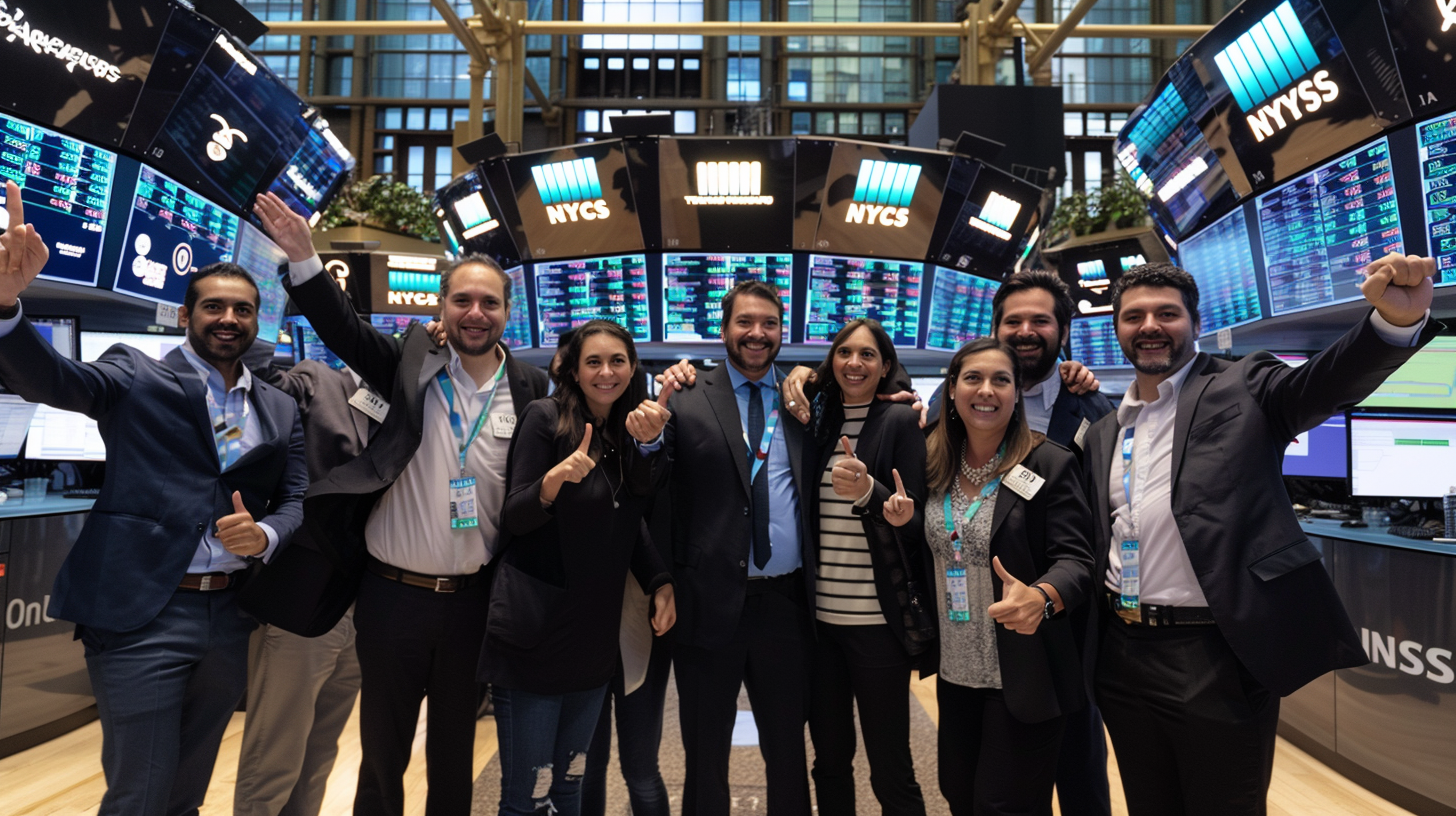
Viking Cruises, the leading provider of destination-focused river and ocean cruises, hit the open waters of the public markets today in a blockbuster $1.5 billion initial public offering on the New York Stock Exchange. The Los Angeles-based company and its shareholders offered a total of 64,041,668 ordinary shares at $24 apiece, with the potential for an additional $230 million in proceeds if underwriters exercise their over-allotment option in full.

The long-awaited IPO marks a major milestone for Viking, which was founded in 1997 by Norwegian entrepreneurs Torstein Hagen and his daughter Karine. From its humble beginnings operating modest river cruises along the Russian waterways, the company has grown into a heavyweight of the cruise industry known for its culturally immersive voyages that appeal to intellectually curious travelers.

“This is an incredibly exciting day for Viking as we embark on our next chapter as a public company,” said Torstein Hagen, Viking’s Chairman. “The proceeds from this offering will enable us to further our commitment to creating exceptional destination-focused experiences for our guests.”

While Viking raised $264 million from its portion of the IPO shares, the lion’s share came from long-time investors like private equity firms TPG, Genting Group, and AAMCF who cashed out $1.27 billion worth of their stakes. Viking did not receive any proceeds from shares sold by these selling shareholders.

The offering was hot with investors, getting upsized by 8 million shares due to high demand. Viking’s $6.0 billion market cap and profitable business model operating a fleet of 63 river vessels and 8 ocean ships made it an attractive catch amidst the choppy conditions facing many travel companies.

Now trading under the catchy “VIK” ticker, the IPO was led by heavyweight investment banks BofA Securities and J.P. Morgan acting as lead underwriters. They were joined by a syndicate including UBS, Wells Fargo, HSBC, Morgan Stanley and seven other co-managers.

Viking has ambitious plans for the growth capital. The company intends to use the $264 million net proceeds to fund additional cruise ships and travel experiences, invest in sales and marketing, and accelerate expansion into new markets. Up next are the launches of Viking’s highly-anticipated expedition cruises to the Arctic and Antarctic scheduled for 2025.

The IPO caps off a remarkable rise for the company from its modest beginnings over 25 years ago. Thanks to its unique vision of combining a curated curriculum of educational content with Scandinavian design and cuisine, Viking has cultivated a loyal community whom they fondly refer to as “The Thinking Person.”

With the winds of the public markets now at its back, Viking’s next voyage looks bound for its status as the world’s largest and leading small-ship cruise line. As Torstein Hagen says, “We will remain driven by our mandate of creating culturally enriching experiences that allow our guests to explore the world in comfort.”

Boundless Bio $100M IPO to Advance Novel Cancer Therapies

Boundless Bio, a biotech company pioneering a new approach to treating cancer, made its public debut on the Nasdaq stock exchange today in a $100 million initial public offering. The Cambridge, Massachusetts company is the latest biotech firm to go public in 2024 after last year’s IPO drought, pricing its shares at $16 each under the ticker symbol “BOLD.”

The $100 million capital raise will provide a major boost to Boundless Bio’s pipeline of experimental cancer therapies that target extrachromosomal DNA (ecDNA), double-stranded DNA molecules that exist outside of chromosomes and can contain amplified oncogenes driving tumor growth.

“EcDNA represents an exciting new frontier in cancer biology and a promising opportunity for therapeutic intervention,” said Zachary Hartman, CEO of Boundless Bio. “With this successful IPO, we are now well-capitalized to advance our novel ecDNA-targeted candidates through clinical trials and hopefully translate this cutting-edge science into meaningful treatments for patients.”

Leading the way for Boundless is BBI-355, the company’s most advanced program that inhibits checkpoint kinase 1, an enzyme involved in ecDNA replication and transcription. BBI-355 is currently being evaluated in the Phase 1/2 POTENTIATE study, with initial data from up to 90 patients expected in the second half of this year.

Not far behind is BBI-825, an oral ribonucleotide reductase inhibitor that targets a different mechanism related to ecDNA biology. This second clinical candidate entered Phase 1/2 testing just last month in the STARMAP trial, with early results anticipated in late 2025.

In addition to developing therapeutics, a portion of the $100 million IPO proceeds will fund Boundless Bio’s efforts to create a diagnostic test called ECHO to detect ecDNA levels in cancer patients’ tumors. The company believes this could enable more precise treatment by identifying patients most likely to respond to ecDNA-targeted therapies.

The successful Nasdaq listing bucks the trend of a biotech IPO market that was essentially frozen in 2023 amid volatile market conditions. But investor sentiment appears to have rebounded in 2024, with Boundless Bio becoming the seventh biotech to go public so far this year.

“This is an incredibly promising time for Boundless Bio and for companies working on novel modalities that could reshape cancer treatment,” said Tricia Lorida, a biotech analyst at SVB Securities. “While ecDNA therapies are still at an early stage, there is certainly excitement around targeting these unique DNA drivers of tumor growth and genomic instability.”

Boundless Bio’s IPO was led by Goldman Sachs, Guggenheim Securities, Piper Sandler, and Leerink Partners as joint book-running managers. The company granted underwriters a 30-day option to purchase up to an additional 937,500 shares at the IPO price, which could raise the total deal proceeds to $115 million if exercised in full.

With the $100 million-plus capital infusion, Boundless Bio is well-positioned to advance its pioneering work in the emerging field of ecDNA biology as the company aims to unlock new therapeutic options for cancer patients. The successful IPO marks an ambitious first step, but much will ride on the clinical data readouts expected over the next couple of years.

The successful $100 million IPO by Boundless Bio could pave the way for more biotech companies to tap the public markets in 2024 as investor appetite appears to be returning. After a dismal 2023 that saw very few biotechs go public, the new year has brought a flurry of IPO activity, with Boundless Bio becoming the seventh biotech to debut on the Nasdaq. Other drug developers waiting in the wings may seize the opportunity to join the IPO queue if market conditions remain favorable. An opening of the IPO window would provide a crucial capital infusion for biotech firms to continue advancing their R&D programs amid a challenging funding environment. While clinical data will ultimately determine the fates of these newly public companies, a reinvigorated IPO market bodes well for biotech innovation lingering in the pipeline.

Trump’s Truth Social Debut: A High-Stakes Gamble for Bullish Investors

Donald Trump’s social media platform Truth Social hit the public markets with a bang, surging over 30% on its first day of trading and ballooning the former president’s stake in the company to over $5 billion. However, the staggering valuation and volatility highlight both the risks and potential rewards for investors looking to capitalize on Truth Social’s polarizing popularity.

Trading under the appropriate ticker DJT, Truth Social’s parent company managed to achieve a peak market capitalization around $9 billion despite the fledgling business having under $5 million in sales over the prior year. The massive $6.8 billion opening valuation put Truth Social on par with well-established companies like U.S. Steel and Skechers.

This eye-popping disconnect from financial fundamentals echoes the frenzied trading in meme stocks like GameStop that has gripped markets in recent years. In Truth Social’s case, the dramatic stock rise seems fueled largely by Trump’s devoted base of supporters, who have banded together to push up the shares.

For investors who bought in early, those efforts have paid off handsomely – at least on paper. However, cashing in those gains won’t be easy for Trump himself or others with a major stake. Stocks that go public through deals like Truth Social’s typically prohibit insider sales for 6 months.

Trump and the seven-member Truth Social board, stacked with allies like his son Don Jr., certainly have incentive to allow some profits to be taken off the table soon. Any signal of insider selling could severely dent the company’s lofty stock price if shareholders perceive waning confidence.

Therein lies one of the biggest risks surrounding an investment in Truth Social – the potential for exceedingly high volatility driven by speculation rather than business performance. If Trump’s devoted base sours on the company’s prospects, a spiral could ensue.

On the other hand, the frenzied first day demonstrated how Trump’s mere involvement and ability to marshal his base can supercharge an investment thesis, at least in the short term.

Additionally, Trump may receive tens of millions of extra shares if the sky-high valuation holds up in the coming weeks. This would further concentrate his influence over the company’s future.

For risk-tolerant investors, there’s also the potential that Truth Social could eventually disrupt incumbent social media platforms and transform into a financially viable business at scale. Though it has struggled against larger rivals thus far, Trump’s massive following of over 90 million combined on X and Facebook could provide a springboard.

From a trading perspective, Truth Social’s arrival has already juiced options volumes to potentially record levels. Traders loaded up on bullish call options betting on shares surging to $80 or $90 in a sign of the speculative frenzy around the stock.

Ultimately, while Truth Social’s jaw-dropping debut minted a new billionaire out of Trump, it has set the stage for a gladiator battle between bullish and bearish investors. With both immense risks and rewards, Truth Social is shaping up as the ultimate “investor Rorschach test” based on one’s convictions around Trump and his ability to create a viable media business.

Reddit’s Soaring IPO: From Online Forums to $9.5 Billion Company

The internet forum that helped launch the meme stock frenzy is now a multi-billion dollar public company itself. Reddit, the hugely popular online community made up of thousands of niche message boards, had a blockbuster stock market debut on Thursday.

Shares of Reddit, trading under the ticker RDDT on the New York Stock Exchange, skyrocketed 48% to close at $50.44, giving the company a lofty valuation of $9.5 billion. The explosive first day performance continues the hot streak for newly public tech companies in 2024 and underscores insatiable investor demand for businesses involved with artificial intelligence.

Reddit priced its initial public offering on Wednesday at $34 per share, raising around $750 million in the process with the company itself collecting $519 million. That IPO price was already at the top end of the expected range amid high demand, valuing Reddit at $6.5 billion on an exit from the private markets.

The robust valuation is a major achievement for Reddit, which was founded nearly 20 years ago in 2005 by the entrepreneur duo of Alexis Ohanian and current CEO Steve Huffman. For years, the site with its stark design and freewheeling discussion forums operated on a shoestring budget.

But Reddit’s popularity and influence exploded in recent years, fueled by the rise of viral meme culture and Internet subcultures. The company reported $804 million in revenue for 2023, up 20% from the prior year, as it started more aggressively monetizing the engaged audiences on its platform through advertising and other services.

While still unprofitable with a $90.8 million net loss last year, Reddit is now setting itself up as a major media and technology player by going public. It is the first major social platform to hit the public markets since Pinterest’s IPO in 2019.

“This is a huge milestone for Reddit and the team,” said CEO Steve Huffman, speaking to CNBC from the NYSE trading floor on the company’s debut day. “Our people and our community have built an internet culture that is now being embraced by the world.”

Reddit’s successful IPO provides an exit for some of the company’s longtime venture capital investors and big corporate backers like Tencent and Condé Nast’s parent company. But Huffman said Reddit also allocated a portion of shares in the IPO for its most devoted users and volunteer moderators who help run the site’s myriad discussion boards.

“The people make Reddit what it is,” said Huffman. “This is a chance for our most passionate folks to own a piece of that.”

Looking ahead, Reddit sees big growth potential in data licensing, particularly providing user content to artificial intelligence companies to train their language models and other software. The company revealed it has already inked data deals worth over $200 million in the next few years.

However, Reddit is facing a probe from the Federal Trade Commission over its practices of selling user data to AI firms. Regulators are examining whether proper disclosure was made to users about how their posts and comments would be monetized.

Privacy and safety issues are nothing new for Reddit, which has had to crackdown on toxic content and hate speech proliferating across its unruly message board communities. Huffman acknowledged those challenges, including the role Reddit played at the center of the meme stock mania that sent shares of GameStop and AMC soaring in bizarre market frenzies in 2021.

But as evidenced by its IPO haul, Reddit has still managed to attract both users and investors by providing an online home for all sorts of niche interests and subcultures to flourish – whether that’s stocks, cryptocurrencies, sports, hobbies, activism or adult content. And Reddit sees plenty of runway for growth by continuing to serve as the internet’s open marketplace of ideas.

“There are so many people around the world looking for their communities,” said Huffman. “We provide that, and we’re just getting started.”

Reddit Embarks on New Chapter With Wall Street Debut

Reddit, the popular online platform founded in 2005, has filed for an initial public offering (IPO) and plans to list on the New York Stock Exchange under the ticker symbol “RDDT.” This will be the first major social media IPO since 2019. Reddit is currently majority owned by publisher Advance Publications, with Chinese tech giant Tencent and OpenAI CEO Sam Altman also holding significant stakes.

In an unconventional move, Reddit plans to reserve some shares for its top content creators and moderators, based on their “karma” scores. This reflects Reddit’s community-driven ethos and desire to reward loyal users. However, it raises questions around equitable access for average retail investors.

With over 52 million daily active users, Reddit has grown into one of the world’s largest online communities. Its success has been built on a decentralized model where users create and manage individual forums called “subreddits.” This allows niche interests to flourish but also gives rise to controversial content.

Reddit came under fire during the 2021 GameStop trading frenzy, when its WallStreetBets forum helped drive a massive short squeeze. This demonstrated Reddit’s influence but also put the company under regulatory scrutiny. More recently, new monetization efforts like increased advertising and data licensing deals have sparked backlash among users.

The IPO comes amid a tech downturn that has battered advertising revenue. Reddit is not yet profitable, posting a $90 million net loss over the last three months of 2023. Going public will provide capital for growth but also increase pressure to boost monetization and content moderation.

Key challenges for Reddit’s leadership will be balancing community values with investors’ profit expectations. Allowing controversial content has been integral to Reddit’s appeal, but this could jeopardize advertising deals. The IPO is a milestone for Reddit, reflecting its cultural significance, but keeping its identity intact while becoming financially sustainable will be critical.

Overall, the offering is a test of whether an ad-based platform predicated on decentralized, user-generated content can thrive as a public company. Reddit’s IPO will be watched closely by tech investors and observers worldwide. Its success or failure could shape the future trajectory of social platforms.

GC Oncology’s $380M IPO Kickstarts 2024 Biotech Market

The New Year has kicked off with a bang in biotech, as CG Oncology has completed the first initial public offering in the space for 2024. The cancer-focused biotech raised a whopping $380 million in its IPO on the Nasdaq, sailing past its initial target range of $181 million.

CG Oncology priced its shares at $19 apiece, above the $16-18 range it had set ahead of the IPO. The impressive deal is being viewed by many analysts and investors as a positive indicator that the biotech IPO market is rebounding in 2024 after a relatively slow 2023.

The robust demand for CG Oncology stock reflects renewed optimism and openness to investing in early-stage biotech companies, especially those with innovative science and strong leadership teams.

CG Oncology is developing a novel oncolytic virus therapy known as cretostimogene grenadenorepvec for the treatment of non-muscle invasive bladder cancer. Oncolytic viruses represent an exciting new approach in cancer treatment, wherein specially engineered viruses are able to infect and destroy cancer cells directly while also stimulating anti-tumor immune responses.

Cretostimogene grenadenorepvec is an adenovirus that has been engineered to replicate selectively in bladder cancer cells and stimulate the immune system by expressing granulocyte-macrophage colony-stimulating factor (GM-CSF). Early stage clinical data have shown promising signs of efficacy.

The company plans to use the IPO proceeds to fund a Phase 3 clinical trial of its lead candidate as well as earlier stage pipeline programs. Success in the Phase 3 study could support regulatory approval and commercialization.

CG Oncology was founded in 2018 by a veteran team of biotech entrepreneurs and scientists. The company pursued a pre-IPO crossover financing round in 2022, enabling it to build momentum heading into its public debut.

The IPO success places CG Oncology in a strong position to advance its pipeline. With the influx of capital, the company will be able to aggressively pursue its clinical development plans without relying heavily on external partners.

Moreover, the validation and visibility provided by being a public company can potentially help CG Oncology forge productive collaborations and access additional funding in the future.

Looking ahead, the positive investor response to CG Oncology seems likely to pave the way for more biotech IPOs in 2024. A robust IPO market provides fuel for innovation and discoveries that can transform patient lives.

The biotech sector sputtered in 2022, with only around 20 IPOs completed versus more than 50 in 2021. However, sentiment appears to be shifting, perhaps signaling sunnier days ahead.

In addition to favorable market conditions, biotech companies pursuing IPOs seem to be taking valuable lessons from 2022 by tightening focus on fundamentals like drug efficacy and visibility on clinical milestones.

Other than CG Oncology, a host of biotechs have already filed with SEC intentions to go public in 2024, spanning exciting areas like gene therapy, neurology, and synthetic biology.

With fresh capital and investor enthusiasm, the next generation of biotech companies can pursue ambitious goals to develop innovative medicines. More early-stage companies may also gain the funding needed to initiate or advance clinical trials.

CG Oncology’s big IPO pop reflects the right combination of cutting-edge science, unmet medical need, and strong leadership. This formula will likely be replicated by other emerging biotech stars in the making.

In all, the successful CG Oncology IPO kicks off 2024 as a promising year for biotech funding, innovation, and progress against once intractable diseases. Investors and industry observers will be tracking the IPO market closely through the year for signs of sustained momentum. If the appetite for compelling biotech stories persists, it could drive a much-needed renaissance helping to unlock new medical frontiers.

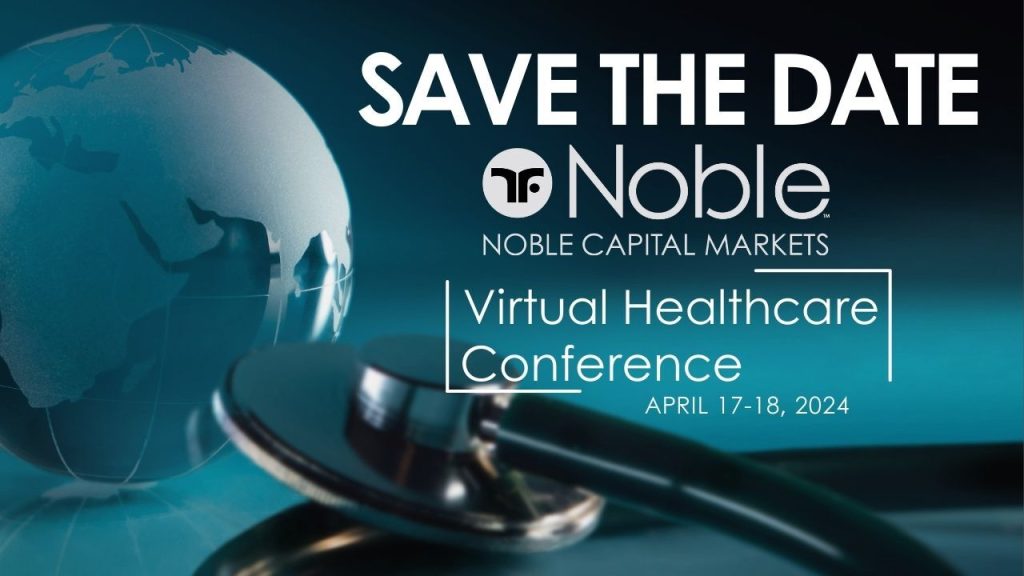
Mark your calendars! Don’t miss Noble Capital Markets’ Emerging Growth Virtual Healthcare Equity Conference April 17-18. This exclusive virtual event connects investors with 50 leading public biotech, healthcare services, and medical device companies.
Presenting company slots are available.

Shein Files Confidentially for U.S. IPO, Seeks to Capture Investor Interest

Chinese fast fashion juggernaut Shein has filed confidentially for an initial public offering in the U.S., positioning itself to become one of the most highly-anticipated public debuts. As Shein aims to expand its global empire and enormous valuation, the company will need to convince investors it can overcome mounting controversies.

Currently privately held with an estimated $66 billion valuation, Shein is seeking to capitalize on surging investor appetite for ecommerce platforms. By targeting Gen Z and millennial shoppers with on-trend fast fashion at rock-bottom prices, Shein has experienced explosive growth. The company could start trading publicly in the U.S. as early as 2024 if it gains regulatory approval.

Shein Hopes to Captivate Ecommerce Investors

As a digital-only retailer with minimal storefronts, Shein epitomizes many of today’s leading ecommerce firms. With targeted influencer marketing and constantly updated inventory, Shein has won over young consumers across the globe. Revenues reached nearly $16 billion in 2021, making Shein one of the largest fashion retailers based on sales.

This rapid ascent has drawn comparisons to platforms like Pinduoduo and Meituan in China. Shein hopes investors will value it similarly and overlook the controversies it has battled along the way. Skeptics, however, point to lingering risks that could limit Shein’s appeal.

Mounting Concerns Create Obstacles for Shein’s IPO

While Shein has taken steps to revamp public perception, the company faces no shortage of detractors. Lawmakers across the political spectrum have raised alarms over Shein’s supply chain and environmental harms.

Accused of using labor from China’s Xinjiang region linked to human rights abuses, Shein must convince regulators it complies with ethical sourcing standards. The shadowy leadership of founder and CEO Sky Xu also clashes with typical corporate governance. As other Chinese firms face heightened scrutiny and even delisting threats in the U.S., Shein’s close China ties could hamper its reception.

Alongside these issues, fast fashion business models face growing backlash for fueling waste and pollution. Though unlikely to vanish overnight, changing consumer preferences add uncertainty to the sector’s outlook.

Betting on Shein’s Growth Trajectory

While risks abound, Shein’s blockbuster financials may simply be too impressive for investors to ignore. Early in its life as a public firm, revenue expansion and user growth will remain the key metrics to watch.

As a veteran of the ultra-fast fashion space, Shein has proven adept at riding waves of consumer demand. The recent downturn for stocks like Farfetch and Revolve point to lingering appetite for digital fashion platforms. Though controversies cast a shadow, for risk-tolerant investors, getting in early with Shein could bring substantial rewards.

Klaviyo Shares Jump 23% in NYSE Debut, Providing Another Tech IPO Opportunity

Shares of marketing software firm Klaviyo jumped 23% in their trading debut Wednesday on the New York Stock Exchange. The successful initial public offering provides investors a rare opportunity to buy into a high-growth U.S. tech startup following a nearly two-year IPO drought.

Klaviyo priced its shares at $30 each, raising $345 million and valuing the company at over $9 billion on a fully diluted basis. The listing comes just a day after grocery delivery service Instacart went public on the Nasdaq after cutting its valuation target. Investor appetite for unprofitable technology names has waned in recent years amid rising interest rates.

But demand for Klaviyo shares was strong right out of the gate. For investors, IPOs provide a chance to gain exposure to emerging, innovative companies before they are available on public markets. Companies utilize IPOs to raise cash for growth and operating expenses.

Klaviyo reported revenue jumped 51% last quarter to $165 million, as its marketing automation software is now used by over 130,000 customers. The company swung to a $11 million profit last quarter after losing money a year earlier.

This transition to profitability is an attractive quality for investors who have soured on money-losing technology firms in the current environment. One major backer providing strong IPO demand is e-commerce platform Shopify, which owns around 11% of Klaviyo’s shares.

Klaviyo gets approximately 78% of its annual recurring revenue from customers who also use Shopify, indicating close ties between the two tech firms. Shopify invested $100 million into Klaviyo last year.

The marketing software provider enables companies to store customer data and build profiles to target marketing campaigns across email, text messaging, social media, and other channels. It initially focused on e-commerce companies but is now seeing growing traction in other sectors like restaurants, travel, and entertainment.

Tech IPOs ground to a halt in 2022, as surging inflation led the Federal Reserve to aggressively raise interest rates, sparking volatility and a flight from risk assets. Klaviyo is the first notable U.S. venture-backed software IPO since HashiCorp and Samsara debuted in December 2021.

The offering provides investors hungry for exposure to high-growth tech the chance to buy into a next-generation software vendor. U.S. tech IPOs slowed to their lowest level in over a decade last year. If strong demand for Klaviyo shares continues, it could open the door for more tech IPOs in 2023.

Companies that only recently considered going public may once again pursue IPOs after Klaviyo’s success. The IPO window for unprofitable tech names appeared shut, but Klaviyo’s ability to raise over $340 million shows investors still have appetite for rapidly growing software vendors.

Looking ahead, the pipeline for tech IPOs includes names like Reddit, Databricks and Discord. But many may delay plans or explore direct listings to avoid leaving money on the table like Instacart. If markets grow choppy again, Klaviyo’s offering window could close as quickly as it opened.

For now, its strong first day of trading is a boon for both the company and tech investors. Early buyers are already sitting on sizable gains from an asset class that struggled last year. If the tech IPO market thaws, it would provide investors access to the high-growth innovators driving the future.

Instacart Shares Surge 40% in Strong Nasdaq Debut

Instacart experienced a red-hot debut on the public markets as shares soared 40% in its first day of trading. The grocery delivery pioneer opened at $42 per share on the Nasdaq exchange, well above its IPO price of $30.

The opening trade valued Instacart at nearly $14 billion, up from the $10 billion valuation set by its IPO pricing on Monday. Demand from investors seeking exposure to the future of grocery commerce drove the shares sharply higher out of the gate.

Trading volume was heavy early on, with over 18 million shares changing hands in the first 30 minutes. The stock traded as high as $47.57 at its peak, showcasing strong appetite for the newly minted public company.

Instacart (CART) raised $420 million through the IPO by selling 14.1 million shares, representing just 8% of its total outstanding shares. Existing shareholders also sold 7.9 million shares in the offering for liquidity.

The blockbuster debut delivered significant returns for IPO participants during a volatile time for tech stocks. But Instacart’s valuation remains below the $39 billion mark it reached at the height of pandemic demand in 2021, reflecting more measured recent tech valuations.

Still, the strong first day pop is a promising sign for Instacart as it embarks on the public market journey. The company priced its offering conservatively to allow room for an impressive inaugural rally.

The offering adds Instacart to the ranks of publicly traded ecommerce innovators disrupting traditional retail models. It joins the likes of DoorDash, Uber, and Amazon in leveraging technology to unlock the potential of online grocery delivery.

Instacart is at the forefront of transforming the $1 trillion grocery industry through its on-demand digital marketplace. Its platform connects customers with personal shoppers who handle orders from partner grocers and deliver items in as fast as an hour.

Take a look at 1-800-Flowers.com, a leading ecommerce business platform that features an all-star family of brands.

Founded in 2012 by an Amazon veteran, Instacart was early to recognize the coming wave of grocery ecommerce. The company scaled rapidly when the pandemic accelerated adoption of online ordering and delivery.

Instacart seized its first-mover advantage to emerge as a leader in the space. It has partnered with prominent national, regional, and local grocers to build a retail network covering over 85% of U.S. households.

The company aligned with shifting consumer preferences for convenience and digital experiences. Busy lifestyles and smartphone ubiquity make grocery delivery a killer app of modern ecommerce.

Instacart smartly invested to expand services like fast unstaffed delivery and self-service pickup. Its Instacart Ads platform also lets brands promote products through sponsored listings.

The company rapidly grew revenue to over $7 billion in 2021 during the pandemic-driven surge. More recently it has focused on boosting profitability as demand normalizes post-Covid.

Instacart generated $14 billion in gross merchandise volume in 2021. Its net revenue neared $2 billion, doubling from 2020. But losses have narrowed dramatically since the company turned EBITDA positive last year.

As the first major tech IPO of 2023, Instacart’s trading provides a blueprint for startups and venture investors awaiting public debuts this year. The initial reception indicates persistent investor appetite for innovative tech names with strong growth narratives.

The blockbuster debut opens an exciting new chapter for Instacart and the future of digital grocery. Its first trading day validated Instacart’s pioneering business model and resilient growth prospects.

Cancer Immunotherapy Developer Calidi Goes Public Via SPAC Merger

Calidi Biotherapeutics has completed its merger with special purpose acquisition company First Light Acquisition Group (FLAG), debuting as a publicly traded cancer immunotherapy company. The combined entity, now named Calidi Biotherapeutics, Inc., will commence trading on the NYSE American under ticker symbols “CLDI” and “CLDI WS” on September 13.

The merger provides Calidi with gross proceeds of approximately $28 million before expenses and debt repayments. This consists of $25 million raised in a concurrent private offering, $1 million in cash from FLAG’s trust, and $2 million in PIPE and non-redemption agreements.

Founded in 2014, Calidi is developing first-in-class immunotherapies using allogeneic stem cells to deliver targeted cancer treatments. The SPAC deal enables the company to continue advancing its pipeline as a publicly listed firm.

Calidi’s lead candidates CLD-101 and CLD-201 leverage proprietary platforms called NeuroNova and SuperNova. Both utilize allogeneic stem cells loaded with oncolytic viruses that directly infect and kill tumor cells.

CLD-101, which employs neural stem cells, is currently in a Phase 1 trial for recurrent high-grade glioma brain tumors. Interim data is expected in 2024. CLD-201 uses mesenchymal stem cells to treat advanced solid tumors, with a Phase 1/2 study slated for 2024.

Take a moment to take a look at PDS Biotechnology, a clinical-stage immunotherapy company developing a growing pipeline of targeted cancer and infectious disease immunotherapies.

According to Calidi CEO Allan Camaisa, the IPO “will allow us to push the boundaries of cell-based virotherapies and continue to research novel ways to eradicate cancer.”

SPACs have become an increasingly popular alternative to traditional IPOs in the biotech sector. Also known as “blank check companies”, SPACs raise capital through an IPO and then merge with a private entity to take it public. This allows the operating company to avoid some of the uncertainty associated with a traditional public debut.

First Light Acquisition Group, led by CEO Tom Vecchiolla, raised $172.5 million in its own IPO in May 2021. The team then sought a merger target that could benefit from the injection of public capital. They ultimately settled on clinical-stage Calidi and its novel immunotherapy approach.

In addition to the SPAC proceeds, Calidi has secured a $10 million forward purchase agreement from several institutional investors. It also intends to execute a $50 million purchase agreement with Lincoln Park Capital Fund.

Between its strengthened balance sheet and non-dilutive financing options, Calidi believes it now has the runway to advance its programs into 2025 without need for further equity funding.

According to Vecchiolla, “We are excited to see Calidi continue to grow as they transition into a public company and look forward to their clinical pursuit of new treatment options for patients everywhere in need.”

The merger completes Calidi’s transformation into a publicly traded company. With shares soon to start trading on the NYSE American under ticker “CLDI”, the company is poised to continue developing its promising immunotherapy candidates for cancer patients in need of new treatment options.

Two Small Cap Biotechs Neumora and RayzeBio File for $200M+ Nasdaq IPOs

Neumora and RayzeBio, two emerging small cap biotech companies, filed on Monday for initial public offerings (IPOs) on the Nasdaq exchange. The firms are seeking to raise over $200 million each through their stock market debuts.

Neumora, a neuroscience startup, plans to offer 14.7 million shares priced between $16-18 to raise around $227 million under the ticker symbol NMRA. RayzeBio, a radiopharmaceuticals developer, aims to raise about $206 million by offering 13.2 million shares priced at $16-18 per share and trading as RYZB.

As small cap biotechs in earlier stages of development, Neumora and RayzeBio are seen as riskier investments than large cap pharmaceutical firms. However, both companies have drugs in late-stage pipelines and will use their IPO proceeds to fund Phase 3 clinical trials.

Neumora’s lead candidate is a depression drug called navacaprant, while RayzeBio is focused on advancing its radioligand therapy RYZ101 for rare tumors through Phase 3. Their ability to progress their pipelines with capital from the IPOs could improve their growth prospects as public companies.

The biotech IPO market has been tepid so far in 2023, making the environment challenging for small cap biotech listings. But Neumora and RayzeBio’s offerings may provide a test for investor appetite for new issues in the sector. Strong demand could reopen the IPO window for other young biotechs seeking to raise growth capital this year.

Take a look at other small cap companies in the biotech sector by exploring Robert LeBoyer’s coverage list.

Instacart Aims for $9.3 Billion Valuation in Upcoming IPO

Online grocery delivery firm Instacart is gearing up to go public and has set the terms for its initial public offering (IPO). In a regulatory filing on Monday, Instacart outlined plans to raise around $616 million through the offering of 22 million shares priced between $26 and $28 each.

The IPO would give Instacart a fully diluted valuation of up to $9.3 billion. This is below earlier estimates of a $40 billion valuation, indicating moderating growth expectations. Nonetheless, the offering could still mark one of the largest public listings this year amid a freeze on IPOs over the past year due to market volatility.

Founded in 2012, San Francisco-based Instacart has established itself as a leading online grocery platform in the U.S. It partners with grocers and retailers to deliver items to customers’ doors in as little as an hour. Instacart competes in a crowded space against entrenched firms like Walmart and Amazon as well as delivery apps like DoorDash and GoPuff.

Take a moment to look at 1-800 Flowers.com, a leading e-commerce business platform that delivers gifts designed to help inspire customers to give more, connect more, and build more relationships.

Instacart plans to sell 14.1 million newly issued shares in the IPO, with the remainder offered by existing shareholders. Multiple prominent investors have committed to buying shares in the offering, including PepsiCo, which is investing $175 million, and Norges Bank Investment Management, Norway’s sovereign wealth fund.

Proceeds from the IPO will provide funding for Instacart to invest in areas like technology, fulfillment, and advertising as it aims to turn a profit. The company posted revenues of $1.8 billion in 2020 but has yet to become profitable.

The upcoming listing will test investor appetite for high-growth tech IPOs after a yearlong freeze. Instacart’s debut performance will depend on prevailing market sentiment closer to its trading date. But a successful IPO could boost Instacart’s brand and validate its status as a leading next-generation grocery platform.

SoftBank’s Arm Aims for $52 Billion Valuation in Landmark US IPO

SoftBank Group’s Arm is gearing up for its highly-anticipated initial public offering (IPO), with ambitions to secure a valuation exceeding $52 billion. In an announcement made on Tuesday, the renowned chip designer unveiled plans to issue 95.5 million American depository shares, priced between $47 and $51 each, with a target of raising up to $4.87 billion at the upper end of this range.

While this valuation marks a decline from the $64 billion that SoftBank paid last month to acquire the remaining 25% stake in Arm from its $100 billion Vision Fund, it still surpasses the abandoned $40 billion sale of Arm to Nvidia Corp, which fell through last year due to opposition from antitrust regulators.

Arm, headquartered in Cambridge, England, holds a dominant position in the global technology landscape, powering over 99% of the world’s smartphones. Its innovative designs are also integral to a wide array of devices, spanning from tablets and laptops to servers and automobiles. Notably, Arm maintains a substantial presence in the United States.

Expected to be the largest IPO in the United States this year, Arm’s public offering carries significant weight as a litmus test for an IPO market grappling with challenges such as rising interest rates and geopolitical tensions stemming from the Ukraine conflict.

Despite these obstacles, investors are likely to welcome Arm’s IPO with open arms. The company boasts profitability and a remarkable history of technological innovation. Furthermore, Arm’s designs play a pivotal role in advancing emerging technologies like artificial intelligence and the metaverse.

For SoftBank, this IPO represents a major triumph. The Japanese conglomerate has been under pressure to enhance its investment returns, and while the sale of Arm would have been a monumental windfall, the IPO is a noteworthy achievement in its own right.

The success of Arm’s IPO hinges on several key factors:

1. IPO Market Conditions: The strength of the overall IPO market will play a vital role in determining Arm’s success.

2. Investor Appetite for Tech Stocks: As a technology company, Arm’s fate will be closely tied to investor sentiment towards tech stocks.

3. Valuation of Arm: The company’s valuation must be attractive to prospective investors.

4. Demand for Arm’s Shares: The level of demand for Arm’s shares will significantly impact the outcome.

If Arm’s IPO prevails, it could usher in a new era for the IPO market, potentially inspiring other startups to pursue public offerings. This success story would also bolster SoftBank’s financial standing and burnish its reputation as a savvy investor. Moreover, the technology industry would reap the rewards of heightened visibility and liquidity associated with Arm’s shares.

However, should Arm’s IPO falter, it could stymie the company’s growth prospects due to a lack of capital infusion. SoftBank would bear the financial brunt, and its reputation as an investor might suffer. Additionally, the technology sector would miss out on the potential benefits of Arm’s IPO.

In conclusion, Arm’s IPO is a watershed moment poised to leave an indelible mark on the company, SoftBank, and the technology sector at large. Its success will pivot on a complex interplay of factors, but if it prospers, it promises significant advantages for all stakeholders involved.