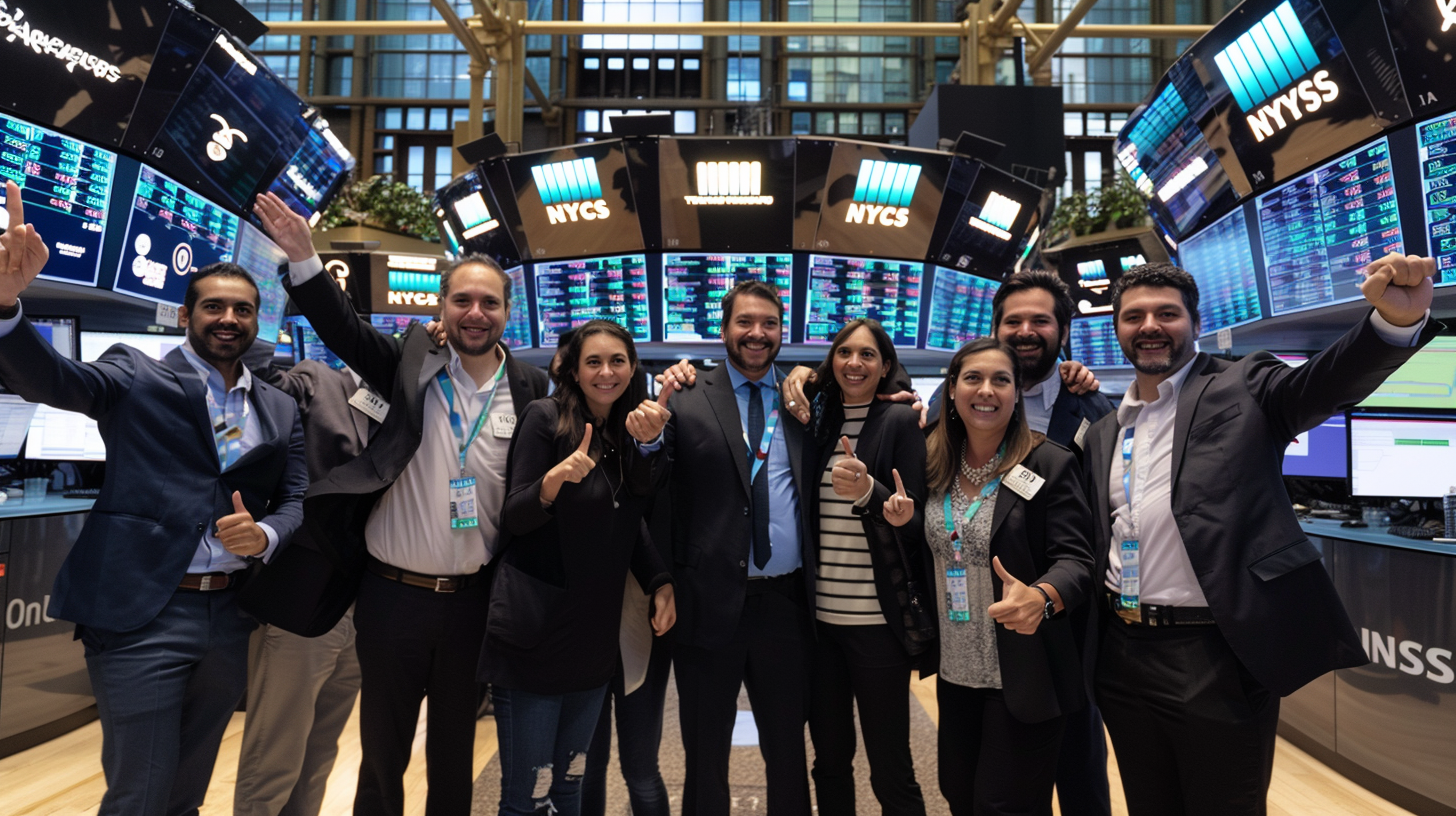
SpaceX Eyes $75 Billion IPO — The Largest in History and What It Means for the Broader Market

SpaceX, Elon Musk’s rocket and satellite giant, is reportedly weighing a fundraising target of approximately $75 billion in its upcoming initial public offering — a figure so staggering it would more than double the previous record holder, Saudi Aramco’s $29 billion listing in 2019. Earlier reports had pegged the target closer to $50 billion, but sources familiar with the matter suggest the company has since discussed raising north of $70 billion with potential investors.

The company is reportedly eyeing a June market debut, with a confidential IPO filing potentially hitting as early as this month. Nothing is finalized, and the timeline could shift, but preparations appear well underway.

At a projected valuation north of $1.75 trillion, SpaceX would sit comfortably among the most valuable companies on the planet — larger than all but five members of the S&P 500. Only Nvidia, Apple, Alphabet, Microsoft, and Amazon would rank above it. That places SpaceX ahead of Meta Platforms and, notably, Musk’s own Tesla. The company’s footprint expanded significantly after absorbing Musk’s AI startup xAI in a deal that valued the combined entity at $1.25 trillion.

For context, SpaceX isn’t just a rocket company anymore. Starlink, its satellite internet division, has become a legitimate global broadband player with millions of subscribers, a recurring revenue engine that makes the broader SpaceX story far more investable than a pure aerospace play. That commercial backbone is a big reason why the valuation math holds up — at least in the eyes of institutional buyers.

Why This Matters Beyond the Headline

For investors who operate in the small and microcap space, this deal carries real implications even if SpaceX is nowhere near your portfolio.

A transaction of this magnitude will consume enormous amounts of institutional capital. Fund managers allocating to a $75 billion raise are, by necessity, pulling liquidity from somewhere. In environments where mega-cap IPOs dominate investor attention, smaller names often get deprioritized — not because the fundamentals have changed, but because the oxygen in the room gets sucked up by the headline deal.

That dynamic has played out historically around blockbuster listings. The Aramco IPO in 2019, the Rivian offering in 2021, and the SPAC boom all coincided with periods of subdued interest in the lower end of the market cap spectrum. Whether SpaceX follows that pattern will depend heavily on the broader macro environment at the time of listing.

There’s also the sentiment angle. A successful SpaceX IPO — executed cleanly at a $1.75 trillion valuation — could serve as a confidence signal for the broader IPO pipeline, potentially unlocking deals that have been sitting on the sidelines waiting for a favorable window. If the market receives this one well, expect a flood of filings in Q3.

For now, the deal is still taking shape. But make no mistake — when a single IPO threatens to rewrite the record books twice over, the entire investment landscape takes note.
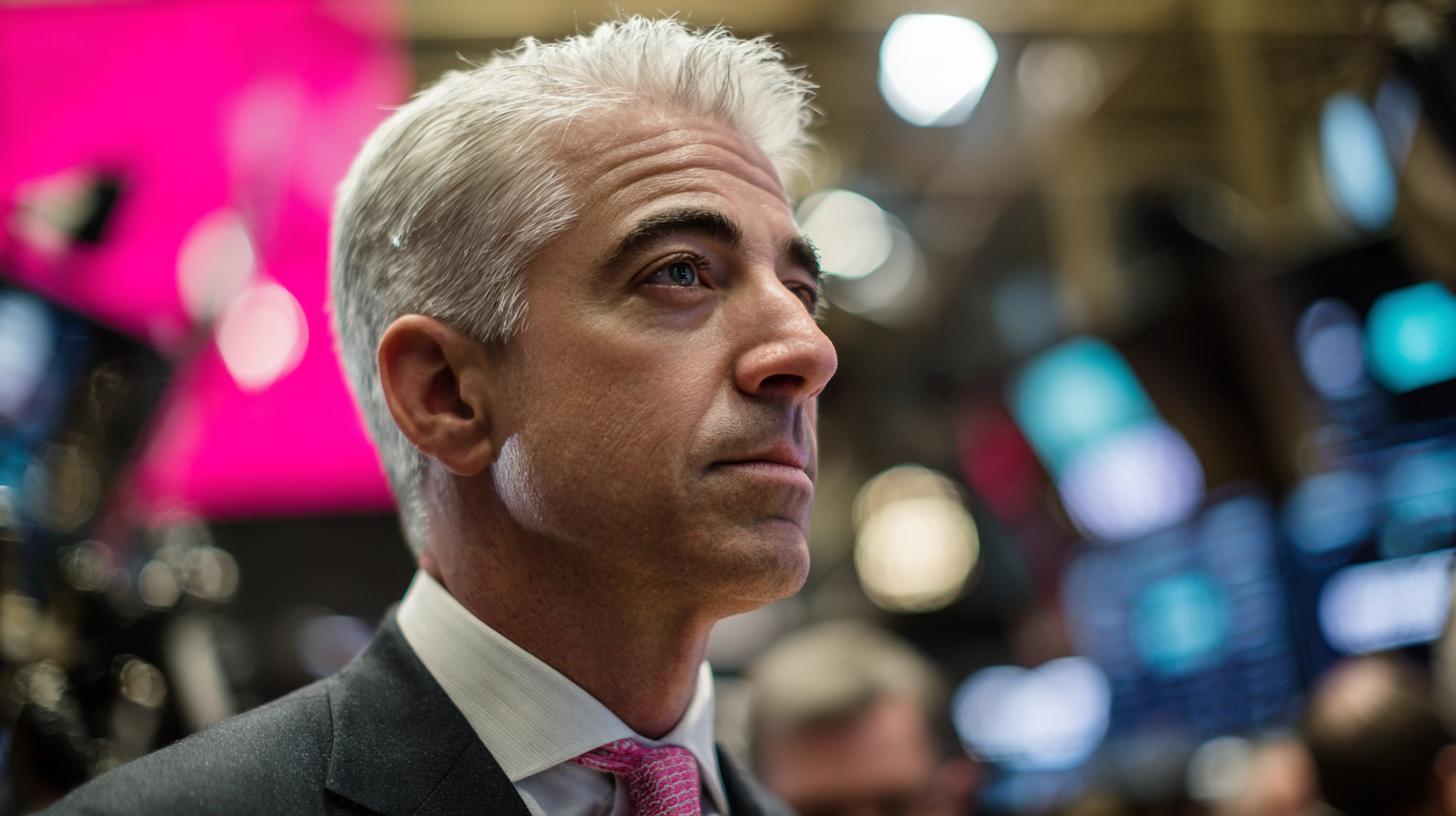

Ackman Returns to IPO Market With Ambitious Pershing Square Offering

Billionaire investor Bill Ackman is once again turning to public markets to expand his investment platform, unveiling plans for a combined offering that could raise as much as $10 billion. The deal would bring a new closed-end fund, Pershing Square USA Ltd., to the New York Stock Exchange while also giving investors equity exposure to Pershing Square Inc., the hedge fund management firm behind the strategy.

The structure of the proposed IPO is designed to give investors exposure to both the investment vehicle and the management company. Under the filing with the U.S. Securities and Exchange Commission, investors who purchase shares in the Pershing Square USA closed-end fund will also receive shares in Pershing Square Inc. For every 100 shares purchased in the fund at $50 per share, investors will receive 20 shares in the management company at no additional cost.

The combined offering aims to raise between $5 billion and $10 billion, positioning it as one of the more notable capital markets transactions of the year. If successful, the deal would further expand Pershing Square’s access to permanent capital and broaden its base of public-market investors.

Pershing Square has built its reputation around concentrated investments in a limited number of companies, often paired with activist engagement. The firm currently manages approximately $30.7 billion in assets, with about $20.7 billion representing fee-paying capital as of the end of 2025.

The IPO also reflects Ackman’s longer-term vision of creating a publicly traded investment platform similar in structure to Berkshire Hathaway, allowing investors to participate in the firm’s long-term investment strategy through publicly listed securities.

The strategy arrives at a time of heightened market volatility driven by geopolitical tensions, inflation concerns, and shifting global economic conditions. For investment firms that rely on long-term value-oriented strategies, volatile markets can create opportunities to acquire companies at lower valuations.

Pershing Square USA is expected to focus on acquiring significant stakes in a relatively small group of businesses, continuing the firm’s long-standing investment philosophy of concentrated positions. The firm’s core funds have historically held large stakes in companies such as Alphabet, Chipotle Mexican Grill, and Brookfield.

Part of the capital being raised in the offering will come from a previously secured private placement totaling roughly $2.8 billion. Those funds were committed by institutional investors including family offices, pension funds, and insurance companies. Participants in the private placement are expected to receive additional shares in the management company compared to public investors.

Once the transaction is completed, Pershing Square Inc. and Pershing Square USA are expected to trade as separate publicly listed entities. The closed-end fund will list on the New York Stock Exchange under the ticker symbol PSUS, while the asset management company is expected to trade under the ticker PS.

Unlike traditional mutual funds, closed-end funds issue a fixed number of shares that trade on an exchange. Because of this structure, the market price of the shares can trade at a premium or discount to the value of the underlying portfolio holdings.

Pershing Square already operates a similar structure through Pershing Square Holdings Ltd., its London-listed closed-end fund, which manages more than $17 billion in assets but currently trades at a discount to its net asset value.

Major investment banks including Citigroup, UBS, Bank of America, Jefferies, and Wells Fargo are leading the underwriting for the IPO.

The offering represents Ackman’s latest effort to expand Pershing Square’s reach in public markets while building a larger permanent capital base to support its long-term investment strategy.

Elon Musk’s Boldest Bet Yet: How SpaceX Became the Lifeline That Turned xAI Into a $1.25 Trillion Giant

Elon Musk has never been shy about bending corporate structure to his will, but his latest move may be the most audacious of his career. By merging SpaceX with xAI, Musk has created a $1.25 trillion private colossus, instantly making it the most valuable private company in history — and rescuing a cash-hungry AI venture in the process.

The deal folds Musk’s dominant rocket maker, his lossmaking artificial intelligence startup xAI, and the social media platform X into a single vertically integrated entity. Musk framed the merger as a necessary step toward launching data centers into orbit, building factories on the Moon, and ultimately colonizing Mars. Supporters see visionary logic. Critics see financial engineering on a historic scale.

At the heart of the transaction is SpaceX’s balance sheet. The company, now marked up to a $1 trillion valuation, generates roughly $16 billion in annual revenue, driven by its near-monopoly on commercial rocket launches and the rapid expansion of its Starlink satellite broadband business. That steady cash flow and investor confidence gave Musk the leverage to absorb xAI, which reportedly burns around $1 billion per month as it races to build advanced AI models and massive data centers.

Under the terms of the deal, SpaceX will acquire xAI for $250 billion, matching the valuation implied by a recent funding round. xAI shareholders will receive SpaceX stock at roughly a seven-to-one exchange ratio, with the combined entity priced at $527 per share. Investors were briefed on hurried calls, with many reportedly blindsided by both the speed and the scale of the merger.

The strategic rationale is straightforward: AI’s biggest bottlenecks are energy, compute, and data — areas where Musk already has deep assets. SpaceX provides launch capability and satellite infrastructure, Starlink delivers global connectivity, X contributes a vast real-time data stream, and xAI supplies the models. In theory, the combination creates a self-reinforcing ecosystem few competitors can match.

Yet the risks are just as real. xAI’s revenues remain in the low hundreds of millions, far behind rivals like OpenAI, Google, and Anthropic. Folding such a capital-intensive, lossmaking business into SpaceX complicates a planned June IPO, which could raise as much as $50 billion. Existing SpaceX shareholders will be diluted as the company issues new shares to fund the acquisition — a move that has unsettled some long-term investors.

Still, Musk has a long track record of forcing through controversial deals. His 2016 acquisition of SolarCity using Tesla stock faced years of litigation, yet ultimately rewarded shareholders who stayed the course. Many investors believe this is another example of Musk using his control, credibility, and cult-like investor loyalty to move faster than governance norms would typically allow.

The broader market implication is clear: Musk is racing to position his empire at the center of the AI arms race, even if it means rewriting the rules of valuation along the way. Whether this $1.25 trillion gamble proves visionary or reckless will depend on whether xAI can convert ambition into revenue — before investor patience runs out.

Beta Bionics Unveils $112.5 Million IPO Terms, Pioneers Autonomous Insulin Delivery Technology

Key Points:
– Beta Bionics’ iLet Bionic Pancreas is the first FDA-approved device to autonomously determine insulin doses using adaptive algorithms.
– The company plans to raise $112.5 million by offering 7.5 million shares at a price range of $14-$16, achieving a potential market cap of $577.35 million.
– Beta Bionics is part of a surge in biotech IPOs, reflecting investor confidence in transformative medical technologies.

Beta Bionics, the California-based innovator behind the iLet Bionic Pancreas, disclosed plans for a $112.5 million IPO, marking a pivotal moment in healthcare technology. The IPO terms, filed on January 22, 2025, outline the offering of 7.5 million shares priced between $14.00 and $16.00. At the midpoint of $15.00 per share, the company would achieve a market cap of approximately $577.35 million. Trading is set to commence on January 30, 2025, under the proposed ticker symbol “BBNX” on the NASDAQ.

The iLet Bionic Pancreas represents a groundbreaking advancement in diabetes management, being the first FDA-approved insulin delivery device to use adaptive closed-loop algorithms. This innovation enables the device to autonomously determine every insulin dose without requiring users to count carbohydrates, offering a significant improvement in the quality of life for individuals with Type 1 diabetes (T1D).

T1D affects approximately 1.8 million people in the U.S., all of whom rely on daily insulin replacement. The iLet system, cleared by the FDA for patients aged six and older in May 2023, targets this market with a vision to transform diabetes care. Despite its groundbreaking potential, Beta Bionics is currently unprofitable, reporting a net loss of $55.4 million on $53.1 million in revenue for the 12 months ending September 30, 2024.

The IPO, led by BofA Securities, Piper Sandler, Leerink, and Stifel, will provide the funding necessary for Beta Bionics to expand commercialization efforts and further develop its innovative technology. This initiative positions the company at the forefront of the intersection between healthcare and technology, emphasizing the growing demand for automated and personalized solutions in chronic disease management.

Beta Bionics’ IPO is part of a broader trend highlighting the growing prominence of biotech companies in public markets. With the rapid advancements in medical technology and increasing regulatory approvals, the biotech sector has emerged as a key driver of innovation. Biotech IPOs have gained momentum, reflecting strong investor interest in companies addressing critical healthcare needs with cutting-edge solutions.

In particular, biotech firms are increasingly leveraging public funding to accelerate the development and distribution of transformative therapies and devices. The promise of addressing unmet medical needs, coupled with advancements in artificial intelligence and biotechnology, has fueled optimism in the sector. Companies like Beta Bionics exemplify how public markets can empower medical innovation to scale, potentially improving millions of lives.

Investors are drawn to biotech IPOs not only for their market potential but also for their societal impact, as these companies strive to tackle some of the world’s most pressing healthcare challenges. Beta Bionics’ iLet device is a prime example of this trend, offering a glimpse into the future of automated, patient-centric care.

Take a moment to take a look at more emerging growth healthcare companies by taking a look at Noble Capital Markets’ Research Analyst Robert LeBoyer’s coverage list.

Pony AI Set for $4.48 Billion Valuation in U.S. IPO as Autonomous Vehicle Industry Booms

Key Points
– Pony AI targets a $4.48 billion valuation in its U.S. IPO, offering 15 million ADSs priced between $11 and $13 each.
– Revenues surged 85.5% to $39.5 million in the first nine months of 2024, driven by robotaxi and robotruck services.
– IPO proceeds will fund market expansion, R&D, and strategic investments, solidifying its position in the autonomous vehicle market.

Pony AI Inc., a trailblazer in autonomous vehicle technology, is preparing for its much-anticipated U.S. IPO with plans to offer 15 million American depositary shares (ADSs). Priced between $11 and $13 per share, the IPO could value the company at $4.48 billion if priced at the upper range, according to recent regulatory filings.

Founded in 2016, Pony AI has rapidly established itself as a key player in the autonomous vehicle sector, offering cutting-edge robotaxi and robotruck services. With unique driverless service licenses in major Chinese cities and strategic partnerships, the company is poised to make a significant impact in the global market.

Pony AI intends to list its ADSs on the Nasdaq under the ticker symbol “PONY.” At the mid-point of its estimated offering price, the IPO is expected to generate net proceeds of $159.8 million, with an additional $153.4 million from private placements. If full over-allotments are exercised, the company could raise as much as $184.9 million. These funds will be allocated to research and development, market expansion, and strategic investments, further bolstering its growth trajectory.

The company’s financial performance underscores its growth potential. Total revenues for the nine months ending September 30, 2024, surged 85.5% to $39.5 million. This growth was driven by a remarkable 422% increase in robotaxi service revenues, which reached $4.7 million due to expanded fare-charging operations in China and engineering projects in South Korea. Meanwhile, robotruck services contributed $27.4 million, reflecting fleet expansion and higher mileage operations through its logistics division, Cyantron.

The IPO comes amid a broader surge in interest in autonomous vehicles, with competitors like WeRide Inc. already capitalizing on market enthusiasm. WeRide, another Chinese autonomous vehicle startup, recently completed its U.S. IPO, raising up to $458.5 million with full over-allotments. The company’s shares, trading under the ticker “WRD,” highlight the growing investor appetite for innovation in autonomous mobility.

As Pony AI gears up for its Nasdaq debut, the company is well-positioned to ride the wave of advancements in autonomous technology. With a robust business model, impressive growth metrics, and strategic plans for expansion, Pony AI’s IPO marks a pivotal moment for the autonomous vehicle sector and the future of transportation innovation.

Sonnet BioTherapeutics Announces $5 Million Offering and Surge in Trading Volume

Key Points:
– Sonnet BioTherapeutics priced a $5 million public offering to fund research and trials.
– The offering sparked a significant increase in Sonnet’s trading volume.
– Sonnet advances its FHAB platform with promising cancer treatments like SON-1411 and SON-1010.

Sonnet BioTherapeutics (NASDAQ: SONN), a clinical-stage biotech company specializing in oncology-focused immunotherapies, has priced a $5.0 million underwritten public offering. The offering includes 1,111,111 shares of common stock, each sold with one common warrant for the purchase of an additional two shares, at a combined price of $4.50 per share. This offering is set to close on or around November 7, 2024, and is expected to generate gross proceeds of approximately $5.0 million before underwriting discounts and commissions.

The proceeds from this offering are intended to fund Sonnet’s ongoing research and development, clinical trials, working capital, and liability repayments, advancing the company’s mission to develop novel biologic therapies for cancer treatment. While the offering is an exciting opportunity for the company to secure necessary funding, it also brings with it potential risks, including the possibility of shareholder dilution through the issuance of new shares and warrants.

Notably, Sonnet’s share price has seen increased volatility today, with trading volume significantly surging. This rise in trading activity follows the announcement of the offering and its anticipated closure. As is often the case with at-the-market offerings under Nasdaq rules, the pricing of the shares could pressure the stock value in the short term. However, investors may also be reacting positively to the financial backing that will enable Sonnet to accelerate the clinical development of its promising drug pipeline.

Sonnet is known for its proprietary FHAB (Fully Human Albumin Binding) platform, which enables the development of biologic drugs designed to target tumor and lymphatic tissues more efficiently. This technology utilizes a human single-chain antibody fragment (scFv) to hitch a ride on human serum albumin, guiding the drug directly to the target tissue for improved therapeutic effectiveness. The FHAB platform is adaptable, enabling the creation of a wide range of therapeutic candidates, including cytokines, peptides, antibodies, and vaccines.

One of Sonnet’s leading therapeutic candidates is SON-1411, a novel bifunctional fusion protein designed to enhance the efficacy of the immune response against cancer. SON-1411 combines IL-18BPR (a receptor that binds IL-18) with IL-12 and is linked to the FHAB platform. This innovative approach is aimed at overcoming limitations observed in previous IL-18-based therapies, which suffered from poor efficacy due to the presence of IL-18 binding protein (IL-18BP) in the tumor microenvironment. By modifying the IL-18 domain, SON-1411 seeks to bypass this issue and enhance the therapeutic potential of IL-18 in cancer treatment.

In addition to SON-1411, Sonnet is also advancing SON-1010, an IL-12-FHAB fusion protein, through clinical trials for solid tumors and ovarian cancer. The company is evaluating SON-1010 in collaboration with Roche, in combination with the immune checkpoint inhibitor atezolizumab, for the treatment of platinum-resistant ovarian cancer. Moreover, Sonnet is working on SON-1210, a combination of IL-12-FHAB and IL-15, for the treatment of solid tumors like pancreatic cancer.

Despite the potential dilution concerns stemming from the offering, the announcement underscores the company’s strategic commitment to advancing its promising drug candidates. As Sonnet BioTherapeutics progresses through clinical trials and secures additional funding, the surge in trading volume today suggests strong market interest in the company’s future prospects. The funding from the offering will be crucial in supporting Sonnet’s clinical trials and advancing the company’s vision of delivering targeted, effective treatments for cancer patients.

WeRide Raises $440.5 Million in US IPO and Private Placement, Eyes Nasdaq Listing

Key Points:
– Chinese autonomous vehicle company WeRide raised $440.5 million through a U.S. IPO and private placement.
– WeRide is valued at over $4 billion and begins trading on the Nasdaq, signaling improved investor sentiment in Chinese tech IPOs.
– The autonomous driving sector faces challenges, particularly in robotaxi safety and regulatory barriers.

WeRide, a prominent Chinese self-driving technology company, has successfully raised a combined $440.5 million through its initial public offering (IPO) in the United States and a private placement. The Guangzhou-based firm sold 7.74 million American Depositary Shares (ADS) at $15.50 each, reaching the lower end of its targeted range and securing roughly $120 million from the IPO. In addition, WeRide raised $320.5 million through a concurrent private placement, valuing the company at over $4 billion. Trading on the Nasdaq is expected to start later today, marking a significant milestone for WeRide and a notable increase in Chinese company IPO activity on American exchanges.

The interest in U.S.-listed Chinese IPOs has seen a resurgence after years of regulatory uncertainty that culminated in the delisting of ride-hailing giant Didi Global following scrutiny by Chinese regulators. Recent easing of regulatory barriers by Beijing, paired with a resolution on audit access between the U.S. and China in 2022, has allowed for renewed activity. The reopening of the U.S. IPO market has also been welcomed by tech startups that faced a downturn over the past two years due to cash burn concerns and volatile valuations. With investor sentiment improving, WeRide’s successful listing follows the IPO of EV manufacturer Zeekr earlier in the year and could pave the way for additional Chinese tech companies to pursue U.S. listings. Autonomous vehicle firm Pony AI, backed by Toyota, is one such company with its Nasdaq filing earlier this month.

WeRide’s operations include testing and commercial trials of autonomous taxis, buses, vans, and street sweepers across 30 cities in seven countries. As robotaxi technology continues to evolve, analysts note that establishing widespread autonomous taxi services may still require years of technological refinement to meet safety and reliability standards. Accidents involving autonomous vehicles remain a primary concern, as challenges such as adverse weather, complex intersections, and unexpected pedestrian behavior still pose obstacles to self-driving technology. Despite these hurdles, China has taken a more proactive stance on authorizing self-driving trials compared to the U.S., allowing firms like WeRide greater flexibility for experimentation and commercialization within their domestic market.

WeRide’s expansion into the U.S. market, however, may be influenced by a proposed regulation from the Biden administration that seeks to limit Chinese software and hardware in American-connected and autonomous vehicles due to national security concerns. Such regulatory measures may shape the future landscape of cross-border collaboration in autonomous technology. However, companies remain optimistic that continued advancements in the sector will transform urban transportation. Notably, Tesla has recently revealed its own robotaxi and robovan concept as the competition within the EV and autonomous vehicle industries intensifies.

The underwriters for WeRide’s IPO include major players Morgan Stanley, J.P. Morgan, and China International Capital Corp. With proceeds potentially reaching $458.5 million if underwriters exercise options for additional shares, WeRide’s public listing aims to bolster its financial base for continued development and expansion, setting it on a path toward establishing a robust presence in the global autonomous driving market.

Platinum Equity’s Ingram Micro Valued at $6 Billion as Shares Surge in NYSE Debut

Key Points:
– Ingram Micro’s shares jumped 15% in its NYSE debut, pushing the company’s valuation to $6 billion.
– The IPO raised $409.2 million, with shares priced at $22, exceeding market expectations as they opened at $25.28.
– Ingram is investing heavily in cloud services and digital transformation, positioning itself for growth as AI-driven consumer electronics expand.

Ingram Micro, one of the world’s largest technology distributors, made a strong return to public markets on Thursday, achieving a valuation of $6 billion after its shares surged 15% on the New York Stock Exchange (NYSE). The company’s shares opened for trading at $25.28 apiece, exceeding the initial public offering (IPO) price of $22 per share. This solid market debut signals strong investor demand, marking a successful IPO for Ingram and its private-equity owner, Platinum Equity.

The IPO raised $409.2 million through the sale of 18.6 million shares, valuing Ingram at $5.18 billion at the time of pricing. The offering priced within the targeted range of $20 to $23 per share, reflecting investor confidence as U.S. stock markets continue to hover near record highs. Analysts believe the positive investor sentiment, coupled with the easing of election-related uncertainties and potential interest rate cuts next year, will encourage more companies to move forward with IPOs in the coming months.

Ingram Micro is well-positioned to capitalize on the anticipated global upgrade cycle in consumer electronics, driven by increasing demand for artificial intelligence (AI) features in a wide range of products, from smartphones to household appliances. The company distributes a broad portfolio of IT products, including Apple’s iPhone, Cisco’s network equipment, and solutions from big-tech giants like Microsoft and Nvidia.

Paul Bay, Ingram Micro’s CEO, emphasized the company’s forward-looking strategy in an interview with Reuters. “One of those things we’ve done, and we continue to do under Platinum … is investing ahead of the curve,” Bay said. He highlighted that Ingram has invested over $600 million into its cloud business, accelerating its focus on advanced solutions, specialty services, and digital capabilities.

The company’s history has seen several ownership changes. Ingram originally went public in 1996 and traded on the NYSE until 2016, when it was acquired by Chinese conglomerate HNA Group for $6 billion. Platinum Equity purchased Ingram Micro in a $7.2 billion deal in 2020, and it remains the company’s controlling shareholder. With this IPO, Ingram returns to the public market under the ownership of Platinum Equity, benefiting from its support and resources while continuing to grow in key technology segments.

The offering was managed by a syndicate of major Wall Street investment banks, reflecting the high-profile nature of Ingram’s return to the NYSE. As the company continues to expand its cloud business and build out digital competencies, investors appear confident in its ability to maintain its leadership in the technology distribution sector.

Ingram Micro’s strong debut on the stock exchange showcases both its current market strength and the optimistic outlook investors have for the tech sector, especially as AI integration becomes increasingly prevalent across consumer electronics. The company’s continued focus on innovation and strategic investments should position it well for future growth in a rapidly evolving industry.

Biotech IPOs Raise $700 Million, Led by MBX Biosciences, Bicara Therapeutics, and Zenas BioPharma

Key Points:
– MBX Biosciences raised $163.2 million, focusing on metabolic and endocrine disorders.
– Bicara Therapeutics and Zenas BioPharma raised $315M and $225M, respectively.
– These IPOs reflect renewed investor interest in biotech amid a sluggish broader market.

In a significant boost to the biotech IPO market, three emerging biotech companies—MBX Biosciences, Bicara Therapeutics, and Zenas BioPharma—collectively raised over $700 million through initial public offerings (IPOs). This surge in biotech IPOs, after a quiet summer, underscores the sector’s ability to attract investor attention despite broader market challenges.

MBX Biosciences successfully raised $163.2 million by pricing 10.2 million shares at $16 each, the high end of its expected range. MBX is developing peptide-based therapies for treating metabolic and endocrine disorders, including its lead candidate, MBX 2109, which targets chronic hypoparathyroidism. The company is also developing a preclinical therapy, MBX 4291, aimed at treating obesity by mimicking the effects of gut hormones GLP-1 and GIP. These advances in weight-loss therapies have garnered significant investor interest, especially as obesity treatments like Eli Lilly’s Zepbound and Novo Nordisk’s Wegovy continue to show potential for reducing risks such as stroke and heart attacks.

Another notable IPO, Bicara Therapeutics, raised $315 million, positioning itself as the third-largest biotech IPO of the year. Bicara is focused on developing bifunctional antibody drugs for treating cancers, including head and neck cancers. With plans to launch a late-stage trial alongside Merck’s Keytruda, Bicara is well-positioned to explore treatments for other solid tumors as well.

Zenas BioPharma raised $225 million through its IPO and is gaining traction in the immunology space. Zenas is developing a dual-targeting antibody currently in Phase 3 testing for treating IgG4-related diseases and anemia. With potential applications for multiple sclerosis and lupus, the company is riding a wave of enthusiasm for immune therapies, contributing to its successful public offering.

These IPOs reflect a growing interest in later-stage biotech companies, with all three firms advancing drugs already in human testing. The renewed confidence in the sector could also signal more biotech IPOs on the horizon, particularly as companies look to capitalize on robust investor demand for novel therapies in metabolic diseases, cancer, and immunology.

In a market that has been challenging for biotech firms, these successful IPOs highlight the resilience of companies with strong pipelines and innovative approaches to medical treatment. With MBX Biosciences set to trade under the symbol “MBX” on the Nasdaq Global Select Market, investors are closely watching the sector, hopeful that this uptick in activity is a sign of better things to come for biotech in 2025.

Take a moment to take a look at Noble Capital Markets Senior Research Analyst Robert LeBoyer’s coverage list of emerging growth biotechnology companies.

Lineage’s $4.4 Billion IPO: A Cold Storage Giant’s Sizzling Market Debut

Key Points:
– Lineage, the world’s largest temperature-controlled warehouse REIT, goes public with a $4.4 billion IPO
– Shares rise up to 5% on first day of trading under ticker “LINE”
– Largest IPO since Arm’s $4.8 billion listing in September 2023
– Company’s success driven by aggressive acquisition strategy, with 116 acquisitions to date

In a landmark event for the 2024 stock market, Lineage, the global leader in temperature-controlled warehousing, made its public debut on the Nasdaq Stock Market. The company’s initial public offering (IPO) raised an impressive $4.4 billion, marking it as the largest public offering since chip designer Arm’s $4.8 billion listing in September 2023.

Lineage’s shares, trading under the ticker symbol “LINE,” saw an encouraging start, rising by as much as 5% during their first day of trading. The company priced 57 million shares at $78 each, near the top of its initial $70 to $82 target range. This pricing implies a valuation of over $18 billion for the cold storage giant.

The successful IPO is a testament to Lineage’s remarkable growth strategy and its critical role in the global food supply chain. Starting from a single warehouse, Lineage has expanded its operations through an aggressive acquisition approach, completing 116 acquisitions to date. This strategy has transformed Lineage into a global powerhouse with over 480 facilities across North America, Europe, and the Asia-Pacific region, boasting a total capacity of approximately 2.9 billion cubic feet.

Adam Forste, co-founder and co-executive chairman of Lineage, highlighted the company’s unique growth trajectory on CNBC’s “Squawk Box” just before trading began. “We started with one warehouse and we’ve done 116 acquisitions to turn Lineage into what it is today,” Forste explained. He also noted that many families who sold their companies to Lineage rolled their equity into the larger entity, creating a network of stakeholders celebrating the IPO together.

Lineage’s business model addresses a critical global issue: food waste in the supply chain. With an estimated $600 billion worth of food going to waste during or just after harvest, Lineage’s temperature-controlled storage facilities play a crucial role in reducing this waste and its associated environmental impact. Food waste currently accounts for about 11% of the world’s emissions, making it a significant contributor to climate change.

The company’s successful market debut comes at a time when IPOs have been relatively scarce, making Lineage’s offering particularly noteworthy. It’s more than twice the size of cruise operator Viking Holdings’ IPO in May, further emphasizing the scale of this public offering.

Lineage’s strong market reception also reflects investor confidence in the cold storage sector, which has seen increased demand due to changing consumer habits and the growth of online grocery shopping. The company’s global network of cold-storage facilities positions it well to capitalize on these trends and continue its expansion.

The IPO was underwritten by a group of major financial institutions, including Morgan Stanley, Goldman Sachs, Bank of America, J.P. Morgan, and Wells Fargo, further underscoring the significance of this offering.

As Lineage begins its journey as a public company, investors and industry observers will be watching closely to see how this cold storage giant navigates the challenges and opportunities of the public market. With its strong market position, proven growth strategy, and critical role in the global food supply chain, Lineage’s future looks promising as it embarks on this new chapter in its corporate history.

Pershing Square USA Launches Highly Anticipated IPO Roadshow

In a move that has captured the attention of Wall Street and investors alike, Pershing Square USA, Ltd. (PSUS) has announced the launch of its initial public offering (IPO) roadshow. This development marks a significant milestone for the closed-end investment management company, which is set to make its debut on the New York Stock Exchange under the ticker symbol “PSUS”.

The IPO, expected to be priced at $50.00 per share, is generating considerable buzz in financial circles. PSUS, which will be advised by the renowned Pershing Square Capital Management, L.P. following the IPO, is poised to offer investors a unique opportunity to tap into the expertise of one of Wall Street’s most prominent investment firms.

Pershing Square Capital Management, led by billionaire investor Bill Ackman, has a track record of high-profile investments and activist campaigns. The launch of PSUS as a publicly traded entity represents a new chapter for the firm, potentially offering retail investors access to strategies previously available only to institutional and high-net-worth individuals.

The IPO is backed by an impressive lineup of underwriters, including global financial powerhouses such as Citigroup, UBS Investment Bank, BofA Securities, and Jefferies acting as global coordinators and bookrunners. This strong support from major financial institutions underscores the significance of the offering and the confidence in PSUS’s potential.

Additionally, the inclusion of a diverse group of co-managers, including several minority-owned firms, reflects a commitment to broadening participation in significant Wall Street transactions. This approach aligns with growing industry efforts to promote diversity and inclusion in financial markets.

While the exact size of the offering has not been disclosed, the involvement of numerous heavyweight financial institutions suggests that it could be substantial. The proceeds from the IPO will be used to fund PSUS’s investment activities, in line with its stated objective and policies.

Investors and market watchers will be keenly observing how PSUS performs post-IPO, particularly given the current economic climate characterized by high inflation and rising interest rates. The success of this offering could signal continued appetite for innovative investment vehicles, even in challenging market conditions.

It’s important to note that the IPO is subject to market conditions and regulatory approval. The SEC is currently reviewing the registration statement, and the offering will only proceed once this process is complete. Potential investors are advised to carefully review the prospectus, which contains detailed information about the company’s strategy, risks, and financial position.

The launch of PSUS on the public markets could have broader implications for the investment management industry. If successful, it may inspire other prominent hedge funds and investment firms to consider similar structures, potentially democratizing access to sophisticated investment strategies.

However, investors should approach with caution. While the Pershing Square name carries significant weight in investment circles, past performance does not guarantee future results. The closed-end structure of PSUS also means that its shares could trade at a premium or discount to its net asset value, adding another layer of complexity for investors to consider.

As the roadshow begins, all eyes will be on PSUS and the reception it receives from institutional investors. The success of this IPO could set the tone for similar offerings in the future and potentially reshape how retail investors access alternative investment strategies.

The Pershing Square USA IPO represents a significant event in the financial world, offering both opportunities and challenges for investors. As always, potential participants are encouraged to conduct thorough due diligence and consider their individual financial situations before making any investment decisions.

Healthcare AI Trailblazer Tempus Goes Public in $410 Million Offering

The artificial intelligence revolution is rapidly expanding into new industries and sectors. While AI has already transformed fields like consumer technology and autonomous vehicles, one area holding immense potential for disruption is healthcare. A new public company, Tempus AI, is looking to capitalize on this opportunity at the intersection of artificial intelligence and precision medicine.

Tempus, based in Chicago, priced its initial public offering on Thursday, raising $410.7 million by selling 11.1 million shares at $37 each. With this successful IPO, the AI healthcare company now carries a fully diluted market valuation around $8 billion as a newly minted public enterprise. Tempus also granted underwriters a 30-day option to purchase an additional 1.665 million shares.

The sizeable offering highlights immense investor demand for companies leveraging artificial intelligence to solve major challenges across different domains. AI and machine learning firms have seen warm receptions on the public markets over the last couple of years as the powerful capabilities of these technologies have become more apparent and applicable.

However, Tempus represents one of the first opportunities for public investors to gain exposure to the rapidly evolving field of AI-driven precision medicine and healthcare applications. The company aims to use artificial intelligence models to provide decision support tools that enable doctors to offer more personalized care tailored specifically to each patient’s condition and circumstances.

Underpinning Tempus’ AI healthcare platform is its multimodal database containing a massive repository of data aggregated from healthcare providers across the country. This includes molecular data, medical images, electronic records, and treatment information across millions of patient lives for major disease areas like cancer, diabetes, neurological disorders and more.

Tempus deploys proprietary artificial intelligence models that ingest and learn patterns from this immense, constantly updating dataset. These AI models can then provide personalized analysis and therapeutic recommendations to physicians treating patients. On the life sciences side, pharmaceutical companies pay to access Tempus’ data and AI capabilities to aid in drug discovery and development of new therapies.

The core premise is that Tempus’ operating system for precision medicine becomes smarter and more powerful with every new data point added. This sets up a virtuous learning cycle where the AI models help enable better patient outcomes, leading to more data to further enhance the predictive prowess of the AI over time.

While still a relatively small company generating around $100 million in revenue for 2023, Tempus has grand ambitions to help usher in an era of AI-augmented healthcare. The company envisions its technology empowering doctors to defeat deadly diseases through intelligent, data-driven treatment strategies precisely tailored to each individual patient’s unique molecular profile.

Tempus’ successful public offering provides a major cash influx to fund investments and growth initiatives as it aims to cement itself as a pioneer in the burgeoning field of AI healthcare applications. For investors seeking exposure to AI’s transformative potential across sectors, the newly public Tempus may offer an intriguing option to capitalize on precision medicine powered by artificial intelligence.

Only time will tell if Tempus can fully deliver on its bold vision. But the company’s lucrative public debut underscores big expectations that AI could play a pivotal role in ushering healthcare into a new technologically-advanced frontier of personalized patient care and therapeutic development in the years ahead.

Take a moment to take a look at more emerging growth healthcare investment ideas on display at the Noble Capital Markets Emerging Growth Virtual Healthcare Equity Conference.

Zeekr’s $5B Blockbuster IPO Heats Up the Chinese EV Battleground

The electric vehicle revolution continues full-throttle, with Chinese luxury upstart Zeekr making a bold $5.1 billion debut on U.S. public markets this week. In an oversubscribed IPO that priced at the top of its indicated range, the Geely-backed marque has staked an immediate claim as a formidable new contender vying for a slice of the world’s largest EV market.

For investors, Zeekr’s sizzling public premiere throws fresh gas on the opportunities — and risks — of betting on China’s increasingly crowded field of ambitious EV trailblazers. While backing the next disruptive Tesla remains a tantalizing prospect, the playing field has rapidly evolved into a multi-player battlefield where winners and losers will be harshly divisive.

Zeekr certainly checks many of the boxes that have catalyzed the staggering valuations already assigned to Chinese EV leaders like Nio, XPeng, and Li Auto. It boasts sleek vehicle designs, advanced proprietary technologies, and a promising initial sales ramp located at the epicenter of the global EV transformation underway.

The company’s $441 million capital raise provides ample fuel for scaling up manufacturing, developing future products, expanding sales and marketing reach, and potentially complementing its luxury sedan and SUV lineup with additional high-end models. An early valuation of over $5 billion reflects lofty aspirations and embeds expectations for exponential growth in the years ahead.

But it also invites intense scrutiny as Zeekr contends with automotive stalwarts like BYD and upstarts like Nio, along with a rising EV tide from Detroit’s revered marques and European juggernauts. Even perceived victories on sales metrics can prove ephemeral. Just this week, reports indicated Zeekr may have overtaken Tesla for EV deliveries in its home province only to see the more veteran American rival surge back ahead in ensuing days.

With so many players rushing toward electrification, from startups to multi-national conglomerates, successfully navigating the terrain demands more than just leading technologies or early sales momentum. Forging an indelible brand identity, sustainable competitive advantages, and durable customer loyalty could ultimately separate the sector’s long-term winners from its bevy of also-rans.

For Chinese EV entrants like Zeekr, carving out meaningful market share is only step one. Generating consistent profitability and free cash flows will be critical for delivering on the premium valuations embedded in frothy public offerings. So far, even category leaders have struggled to stem losses and burned through billions in pursuing aggressive growth and vertical integration strategies.

Investors bullish on Zeekr’s potential need to weigh the company’s limited operating history and scant financial resources compared to deep-pocketed incumbents and well-capitalized rivals that have amassed years of EV production experience and built extensive supply chains and global sales footprints.

There’s also escalating geopolitical overhang to consider following recent trade tensions and economic maneuverings that elevate risks for indirect Chinese investment exposures. Plenty of speculators have been burned before chasing overheated IPOs at record valuations, only to see shares plummet amid misaligned expectations and deteriorating macroeconomic crosswinds.

Still, for intrepid investors with sky-high conviction in China’s ability to continue dominating EV production value chains, Zeekr’s early innings positioning as a luxe vertical disruptor could allow for savvy entry points. The company hits all the checkboxes that have fueled explosive growth stories in the past, from brash ambitions to cutting-edge technologies to heavyweight strategic backers.

Over the long haul, investor returns in the EV space will ultimately hinge on identifying the handful of players positioned to endure the coming shakeout and cement permanent towerholds. For risk-tolerant portfolios able to withstand volatility, Zeekr’s high-flying market entrance marks a milestone in automotive’s most pivotal technological transition in over a century.

Whether this latest entrant can thrive — or get quickly upended — remains speculative. But the feeding frenzy greeting its arrival underscores insatiable market enthusiasm for staking a claim in the Great EV Migration shaping up on both sides of the Pacific. As this white-hot battlefield heats up, investors must carefully separate the true disruptors reshaping mobility from the litany of overvaluated upstarts soon to be stranded along the road to electrification.