Rocket Lab Is Up 70% This Year and Just Hit an All-Time High. The SpaceX IPO Hasn’t Even Happened Yet.

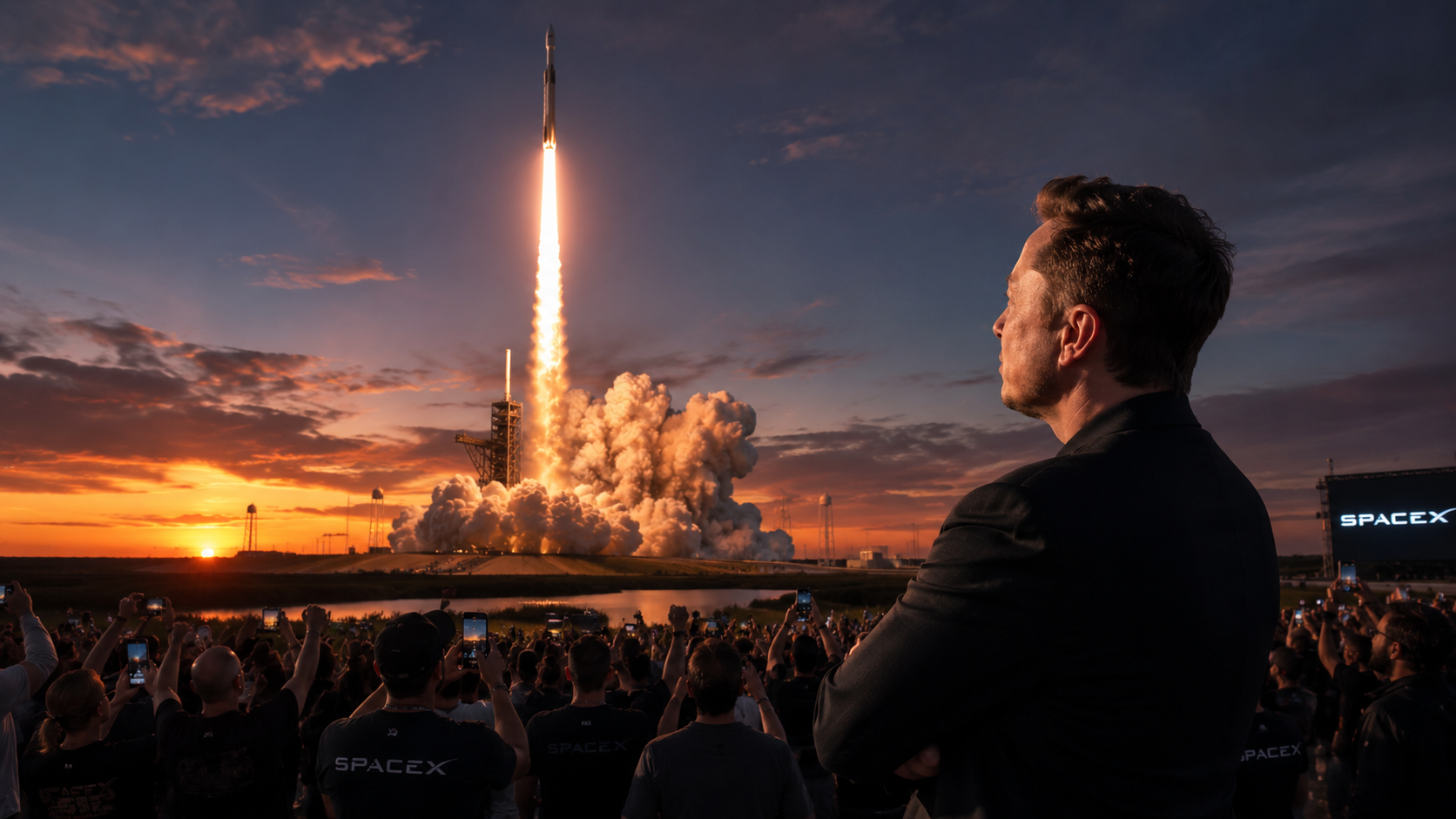
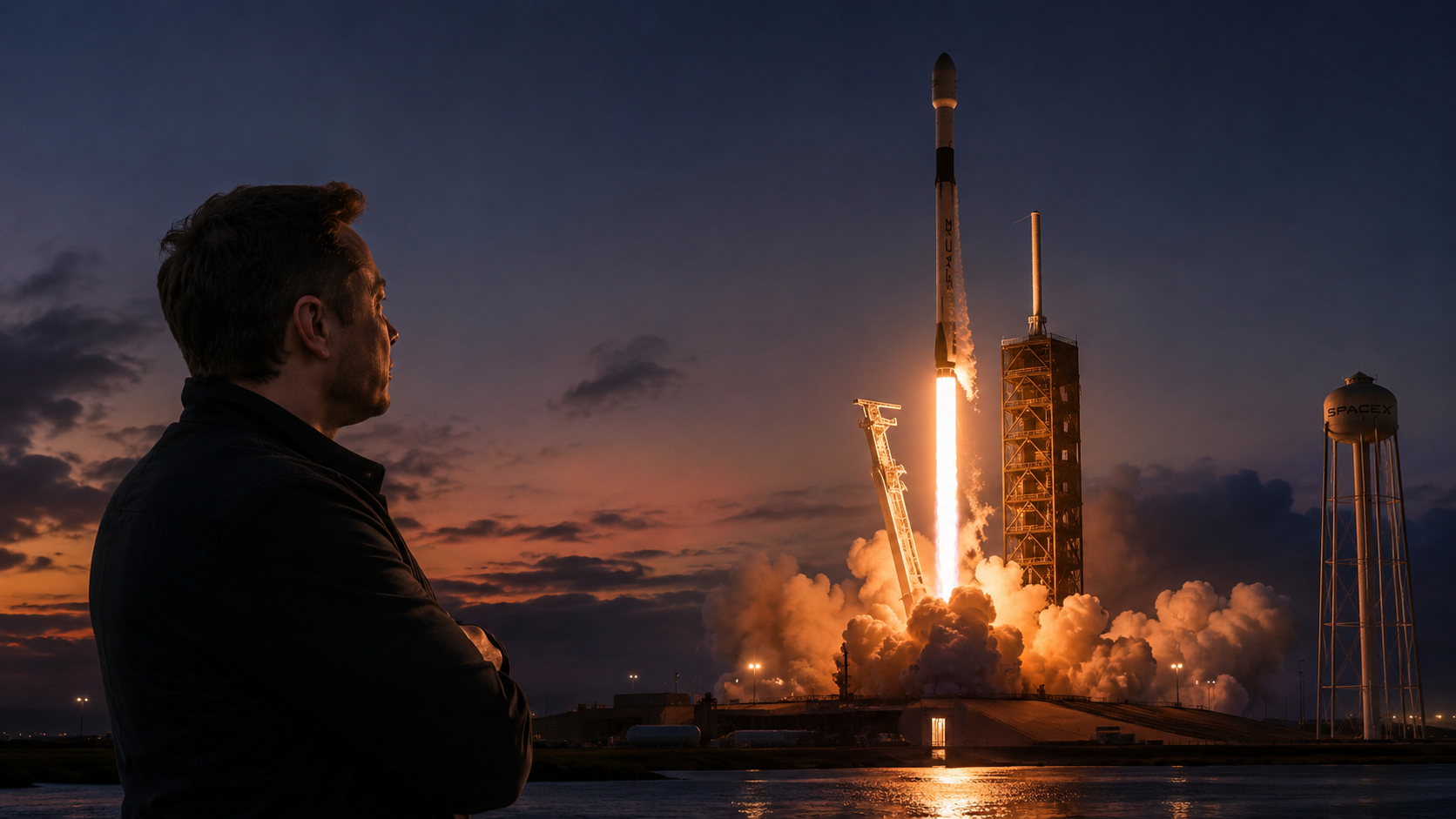
Rocket Lab USA (Nasdaq: RKLB) extended one of the more remarkable two-day runs in the commercial space sector on Monday, adding another 14% gain on top of Friday’s 30% surge following a blowout first quarter earnings report. The back-to-back move pushed shares to a new all-time high and left the stock up 70% on the year — a return that reflects both the strength of the company’s underlying business and a wave of investor enthusiasm for the commercial space sector being driven by the looming SpaceX IPO.

The earnings report that ignited Friday’s move was genuinely strong across every metric that matters for a company at Rocket Lab’s stage. First quarter revenue came in at $200.3 million, a 63.5% year-over-year increase, on a loss per share of $0.07 — a penny better than analyst expectations. Second quarter guidance was set at $232.5 million at the midpoint, approximately 12% above what the Street had modeled. For a company still burning cash as it scales toward profitability, the combination of accelerating revenue growth and a beat-and-raise quarter is exactly what investors needed to see.

The backlog figures are where the story gets particularly compelling. Total backlog reached $2.2 billion — up 20% in a single quarter and up 108% year-over-year. CEO Peter Beck disclosed that Rocket Lab booked 31 Electron and HASTE rocket missions during Q1, the most ever signed in a single quarter, bringing total launches in backlog across those programs to more than 70. The company also signed five new dedicated launches for Neutron, its larger next-generation rocket currently in development. A backlog growing at three-digit rates year-over-year is not a company running out of demand — it is a company struggling to build supply fast enough to meet it.

The business wins extend well beyond launch contracts. Rocket Lab was selected alongside defense contractor RTX to support the Department of Defense’s Space Based Interceptor program — providing both launch and satellite technology as part of President Trump’s Golden Dome missile defense initiative. That contract positions Rocket Lab squarely in the defense-space convergence that has been one of the most significant and durable spending tailwinds in the sector. The company also announced plans to acquire Motiv Space Systems, a robotics firm whose technology has been deployed on NASA Mars rover missions — a move that adds in-space robotics capabilities to Rocket Lab’s already expanding portfolio.

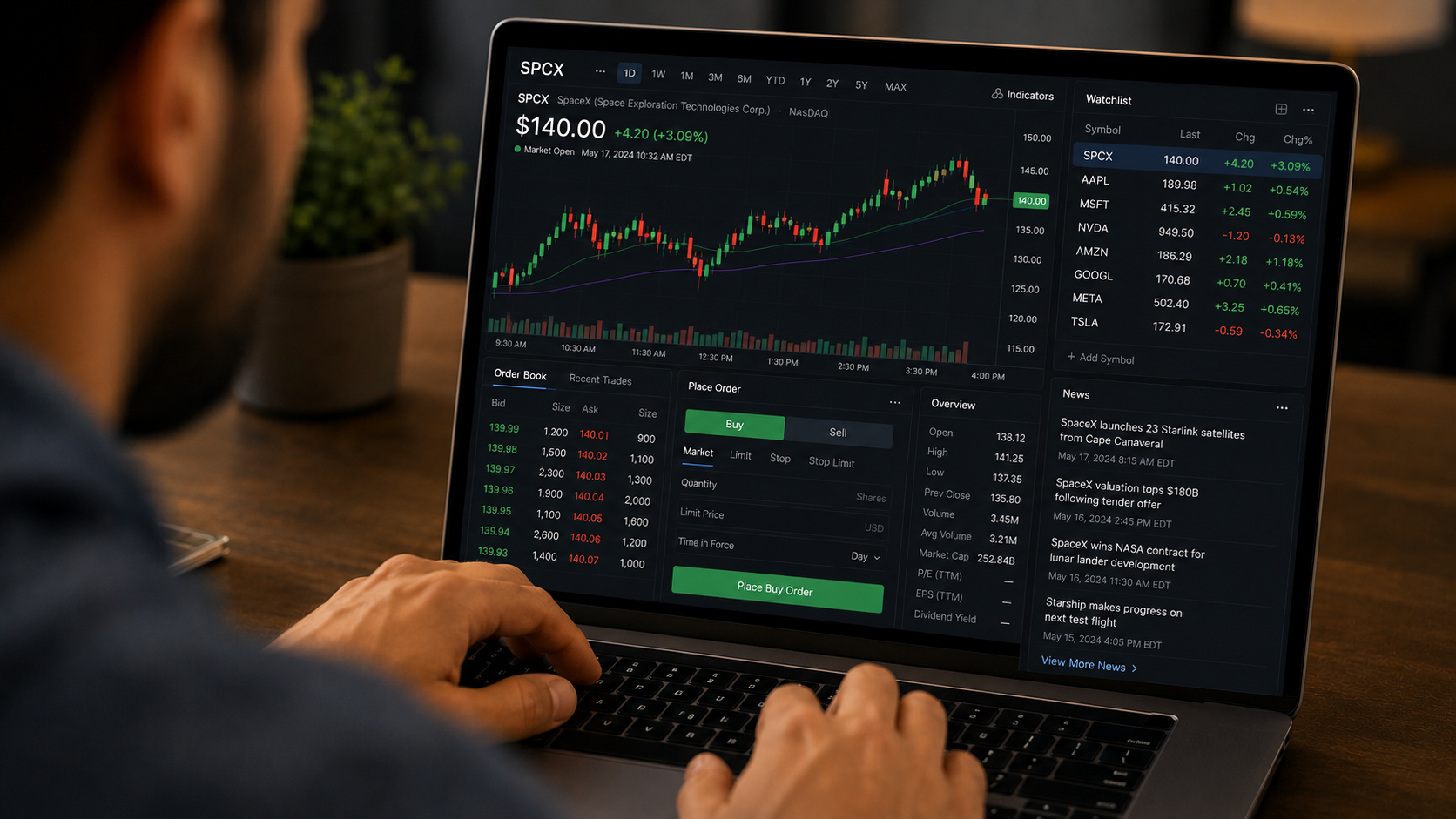
All of this is unfolding against a backdrop of accelerating investor interest in the commercial space sector broadly, catalyzed by the anticipated SpaceX IPO — expected as early as June 2026. SpaceX is not yet publicly traded, which means Rocket Lab has functioned as the go-to pure-play proxy for investors who want direct exposure to the commercial launch market. As SpaceX’s IPO timeline comes into focus, capital has been flooding into RKLB and adjacent names in anticipation.

The key question from here is whether the fundamentals can keep pace with the valuation expansion. At 70% year-to-date with all-time highs on the board, Rocket Lab is no longer a deeply discounted bet on an unproven business. It is a high-momentum, high-expectation growth story that will need continued execution — on Neutron development, defense contract delivery, and the Motiv integration — to justify where the market has taken it.

For small and microcap investors who have been in RKLB since its earlier, less recognized days: this is what the patient capital trade looks like when it works.

SpaceX Eyes $75 Billion IPO — The Largest in History and What It Means for the Broader Market

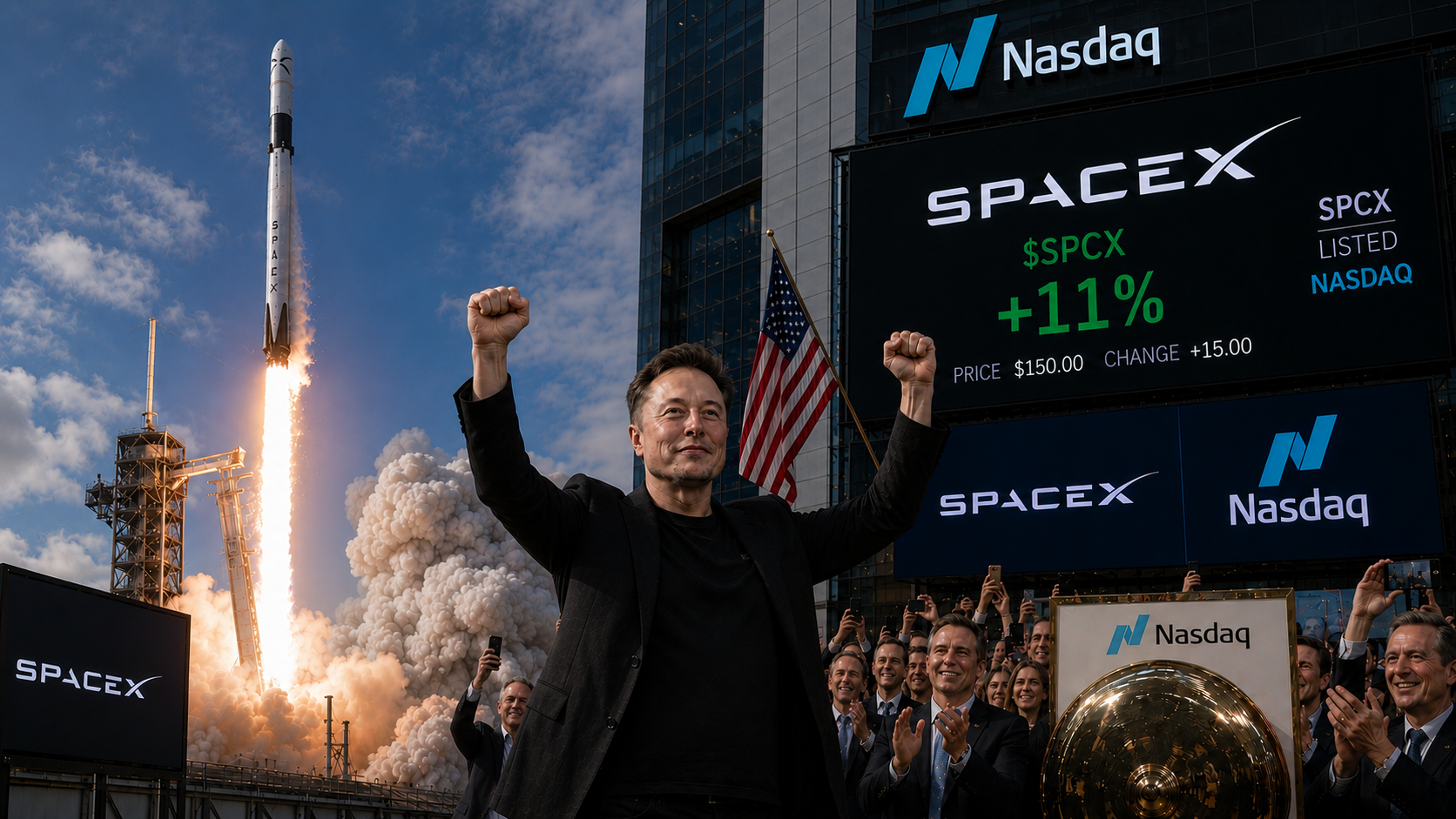
SpaceX, Elon Musk’s rocket and satellite giant, is reportedly weighing a fundraising target of approximately $75 billion in its upcoming initial public offering — a figure so staggering it would more than double the previous record holder, Saudi Aramco’s $29 billion listing in 2019. Earlier reports had pegged the target closer to $50 billion, but sources familiar with the matter suggest the company has since discussed raising north of $70 billion with potential investors.

The company is reportedly eyeing a June market debut, with a confidential IPO filing potentially hitting as early as this month. Nothing is finalized, and the timeline could shift, but preparations appear well underway.

At a projected valuation north of $1.75 trillion, SpaceX would sit comfortably among the most valuable companies on the planet — larger than all but five members of the S&P 500. Only Nvidia, Apple, Alphabet, Microsoft, and Amazon would rank above it. That places SpaceX ahead of Meta Platforms and, notably, Musk’s own Tesla. The company’s footprint expanded significantly after absorbing Musk’s AI startup xAI in a deal that valued the combined entity at $1.25 trillion.

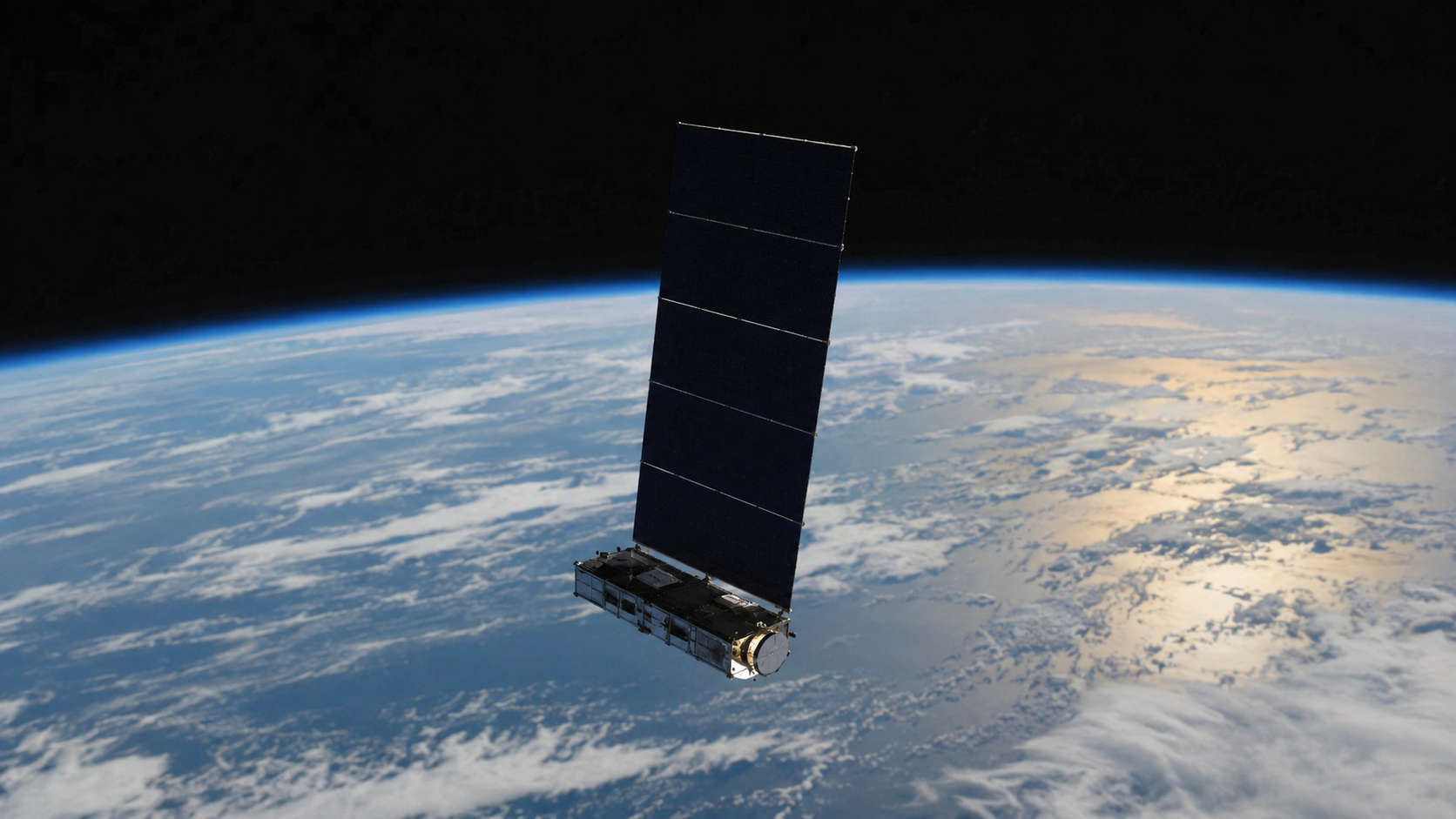
For context, SpaceX isn’t just a rocket company anymore. Starlink, its satellite internet division, has become a legitimate global broadband player with millions of subscribers, a recurring revenue engine that makes the broader SpaceX story far more investable than a pure aerospace play. That commercial backbone is a big reason why the valuation math holds up — at least in the eyes of institutional buyers.

Why This Matters Beyond the Headline

For investors who operate in the small and microcap space, this deal carries real implications even if SpaceX is nowhere near your portfolio.

A transaction of this magnitude will consume enormous amounts of institutional capital. Fund managers allocating to a $75 billion raise are, by necessity, pulling liquidity from somewhere. In environments where mega-cap IPOs dominate investor attention, smaller names often get deprioritized — not because the fundamentals have changed, but because the oxygen in the room gets sucked up by the headline deal.

That dynamic has played out historically around blockbuster listings. The Aramco IPO in 2019, the Rivian offering in 2021, and the SPAC boom all coincided with periods of subdued interest in the lower end of the market cap spectrum. Whether SpaceX follows that pattern will depend heavily on the broader macro environment at the time of listing.

There’s also the sentiment angle. A successful SpaceX IPO — executed cleanly at a $1.75 trillion valuation — could serve as a confidence signal for the broader IPO pipeline, potentially unlocking deals that have been sitting on the sidelines waiting for a favorable window. If the market receives this one well, expect a flood of filings in Q3.

For now, the deal is still taking shape. But make no mistake — when a single IPO threatens to rewrite the record books twice over, the entire investment landscape takes note.

Elon Musk’s Boldest Bet Yet: How SpaceX Became the Lifeline That Turned xAI Into a $1.25 Trillion Giant

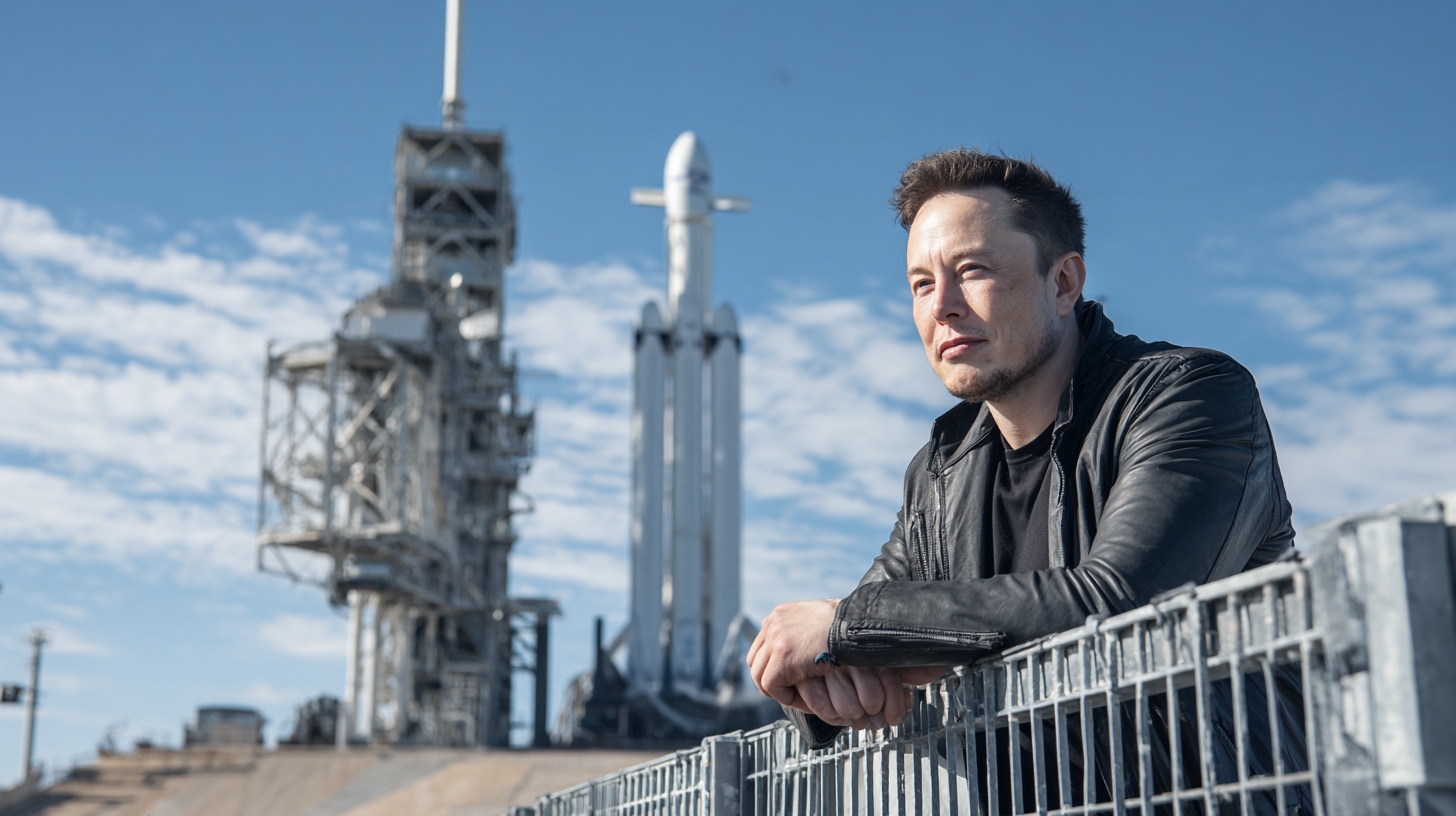
Elon Musk has never been shy about bending corporate structure to his will, but his latest move may be the most audacious of his career. By merging SpaceX with xAI, Musk has created a $1.25 trillion private colossus, instantly making it the most valuable private company in history — and rescuing a cash-hungry AI venture in the process.

The deal folds Musk’s dominant rocket maker, his lossmaking artificial intelligence startup xAI, and the social media platform X into a single vertically integrated entity. Musk framed the merger as a necessary step toward launching data centers into orbit, building factories on the Moon, and ultimately colonizing Mars. Supporters see visionary logic. Critics see financial engineering on a historic scale.

At the heart of the transaction is SpaceX’s balance sheet. The company, now marked up to a $1 trillion valuation, generates roughly $16 billion in annual revenue, driven by its near-monopoly on commercial rocket launches and the rapid expansion of its Starlink satellite broadband business. That steady cash flow and investor confidence gave Musk the leverage to absorb xAI, which reportedly burns around $1 billion per month as it races to build advanced AI models and massive data centers.

Under the terms of the deal, SpaceX will acquire xAI for $250 billion, matching the valuation implied by a recent funding round. xAI shareholders will receive SpaceX stock at roughly a seven-to-one exchange ratio, with the combined entity priced at $527 per share. Investors were briefed on hurried calls, with many reportedly blindsided by both the speed and the scale of the merger.

The strategic rationale is straightforward: AI’s biggest bottlenecks are energy, compute, and data — areas where Musk already has deep assets. SpaceX provides launch capability and satellite infrastructure, Starlink delivers global connectivity, X contributes a vast real-time data stream, and xAI supplies the models. In theory, the combination creates a self-reinforcing ecosystem few competitors can match.

Yet the risks are just as real. xAI’s revenues remain in the low hundreds of millions, far behind rivals like OpenAI, Google, and Anthropic. Folding such a capital-intensive, lossmaking business into SpaceX complicates a planned June IPO, which could raise as much as $50 billion. Existing SpaceX shareholders will be diluted as the company issues new shares to fund the acquisition — a move that has unsettled some long-term investors.

Still, Musk has a long track record of forcing through controversial deals. His 2016 acquisition of SolarCity using Tesla stock faced years of litigation, yet ultimately rewarded shareholders who stayed the course. Many investors believe this is another example of Musk using his control, credibility, and cult-like investor loyalty to move faster than governance norms would typically allow.

The broader market implication is clear: Musk is racing to position his empire at the center of the AI arms race, even if it means rewriting the rules of valuation along the way. Whether this $1.25 trillion gamble proves visionary or reckless will depend on whether xAI can convert ambition into revenue — before investor patience runs out.