BioSig Technologies is a medical technology company commercializing a proprietary biomedical signal processing platform designed to improve signal fidelity and uncover the full range of ECG and intra-cardiac signals (www.biosig.com). The Company’s first product, PURE EP(TM) System is a computerized system intended for acquiring, digitizing, amplifying, filtering, measuring and calculating, displaying, recording and storing of electrocardiographic and intracardiac signals for patients undergoing electrophysiology (EP) procedures in an EP laboratory.
Gregory Aurand, Senior Research Analyst, Healthcare Services & Medical Devices, Noble Capital Markets, Inc.
Refer to the full report for the price target, fundamental analysis, and rating.
BioSig reported 3Q 2022 results. The Company reported $135,000 of revenues in the quarter that recognized $127,000 in product sales and $8,000 in service revenue. We were looking for $980,000 in product revenues and $49,000 in service revenue. The third quarter EPS loss of $0.14 matched our expected loss per share.
Marketing activities are ramping up. PURE EP technology was featured in a physician presentation at the Kansas City Heart Rhythm Symposium held August 20-21, 2022. In late September 2022, the Company released its most advanced software, known as PURE EP Software Version 6 with ACCUVIZ Module. The new Version 6 software was introduced at the Cleveland Clinic Global EP Summit held September 23-24, 2022. In addition, the Company was invited to attend and sponsor the Venice Arrhythmias 2022 Congress that met October 13-15 in Venice Italy.
This Company Sponsored Research is provided by Noble Capital Markets, Inc., a FINRA and S.E.C. registered broker-dealer (B/D).
*Analyst certification and important disclosures included in the full report. NOTE: investment decisions should not be based upon the content of this research summary. Proper due diligence is required before making any investment decision.
Schwazze (OTCQX:SHWZ, NEO:SHWZ) is building a premier vertically integrated regional cannabis company with assets in Colorado and New Mexico and will continue to take its operating system to other states where it can develop a differentiated regional leadership position. Schwazze is the parent company of a portfolio of leading cannabis businesses and brands spanning seed to sale. The Company is committed to unlocking the full potential of the cannabis plant to improve the human condition. Schwazze is anchored by a high-performance culture that combines customer-centric thinking and data science to test, measure, and drive decisions and outcomes. The Company’s leadership team has deep expertise in retailing, wholesaling, and building consumer brands at Fortune 500 companies as well as in the cannabis sector. Schwazze is passionate about making a difference in our communities, promoting diversity and inclusion, and doing our part to incorporate climate-conscious best practices.
Joe Gomes, Senior Research Analyst, Noble Capital Markets, Inc.
Joshua Zoepfel, Research Associate, Noble Capital Markets, Inc.
Refer to the full report for the price target, fundamental analysis, and rating.
3Q22 Results. Revenue was $43.2 million, up 36% y-o-y from $31.8 million. Adjusted EBITDA was $15.9 million, or 36.7% of revenue in the quarter, up from $8.8 million, or 26.7%, a year ago. Schwazze reported operating income of $11.1 million and net income of $25,124, or breakeven EPS, versus $3.8 million, $968,756 and $0.02 last year.
Quarterly Drivers. The most influential factor driving revenue increases in the third quarter 2022 was the inclusion of four consummated acquisitions in Colorado and revenue from R. Greenleaf. Revenue from wholesale sales decreased, due in large part to continued pricing pressure in the Colorado wholesale market as a result of supply saturation in flower and bulk distillate products.
This Company Sponsored Research is provided by Noble Capital Markets, Inc., a FINRA and S.E.C. registered broker-dealer (B/D).
*Analyst certification and important disclosures included in the full report. NOTE: investment decisions should not be based upon the content of this research summary. Proper due diligence is required before making any investment decision.
PDS Biotech is a clinical-stage immunotherapy company developing a growing pipeline of molecularly targeted cancer and infectious disease immunotherapies based on the Company’s proprietary Versamune® and Infectimune™ T-cell activating technology platforms. Our Versamune®-based products have demonstrated the potential to overcome the limitations of current immunotherapy by inducing in vivo, large quantities of high-quality, highly potent polyfunctional tumor specific CD4+ helper and CD8+ killer T-cells. PDS Biotech has developed multiple therapies, based on combinations of Versamune® and disease-specific antigens, designed to train the immune system to better recognize diseased cells and effectively attack and destroy them. The Company’s pipeline products address various cancers including HPV16-associated cancers (anal, cervical, head and neck, penile, vaginal, vulvar) and breast, colon, lung, prostate and ovarian cancers.
Robert LeBoyer, Vice President, Research Analyst, Life Sciences , Noble Capital Markets, Inc.
Refer to the full report for the price target, fundamental analysis, and rating.
Financial Results Reported With Full Data. PDS Biotech reported a 3Q22 loss of $7.4 million or $(0.26) per share, with cash on September 30 of $71.6 million. PDS Management reviewed two presentations at last week’s Society for Immunotherapy of Cancer (SITC) meeting, providing additional information to the data published in the abstracts. These data continue to show improved efficacy for PDS0101 over current treatments.
Data From Two Studies Was Presented At SITC. As discussed in our Research Note on November 8, the response rate and patient survival for the Phase 2 IMMUNOCERV trial in cervical cancer exceeded the standard of care. Data presented from the Phase 2 Triple Therapy trial showed anti-tumor action by PDS0101, with increases in immune response markers against the tumors and decreases in markers of immune suppression.
This Company Sponsored Research is provided by Noble Capital Markets, Inc., a FINRA and S.E.C. registered broker-dealer (B/D).
*Analyst certification and important disclosures included in the full report. NOTE: investment decisions should not be based upon the content of this research summary. Proper due diligence is required before making any investment decision.
Onconova Therapeutics is a clinical-stage biopharmaceutical company focused on discovering and developing novel products for patients with cancer. The Company has proprietary targeted anti-cancer agents designed to disrupt specific cellular pathways that are important for cancer cell proliferation. Onconova’s novel, proprietary multi-kinase inhibitor narazaciclib (formerly ON 123300) is being evaluated in two Phase 1 dose-escalation and expansion studies. These trials are currently underway in the United States and China. Onconova’s product candidate rigosertib is being studied in an investigator-sponsored study program, including in a dose-escalation and expansion Phase 1/2a investigator-sponsored study with oral rigosertib in combination with nivolumab for patients with KRAS+ non-small cell lung cancer.
Robert LeBoyer, Vice President, Research Analyst, Life Sciences , Noble Capital Markets, Inc.
Refer to the full report for the price target, fundamental analysis, and rating.
3Q22 Showed Continued Progress In Ongoing Trials. Onconova announced a loss of $5.4 million or $(0.26) per quarter for 3Q22, ending the quarter with $42.6 million in cash. In addition to updates on its current clinical trials, the company announced its intentions to start a new Phase 1/2a trial testing narazaciclib in low-grade endometrioid endometrial cancer (LGEEC). This new trial is expected to begin in 1Q23 with first data announced in 4Q23.
New Trial Planned In Endometrial Cancer. The Phase 1/2a trial will test the combination of narazaciclib with letrozole (Femara, an aromatase inhibitor from Novartis) in recurrent low-grade endometrioid endometrial cancer (LGEEC). The trial will start with safety cohorts testing the combination, with a 200 mg dose of narazaciclib with the standard 2.5 mg dose of letrozole. This is the narazaciclib dose that is in its fifth cohort in the Phase 1 trial for solid tumors.
This Company Sponsored Research is provided by Noble Capital Markets, Inc., a FINRA and S.E.C. registered broker-dealer (B/D).
*Analyst certification and important disclosures included in the full report. NOTE: investment decisions should not be based upon the content of this research summary. Proper due diligence is required before making any investment decision.
After 50 Years in the Dark, There May Be a Light at the End of the Tunnel for Psychedelics
Last week, voters in Colorado chose to decriminalize psychedelic use for residents over the age of 21, becoming the second state in the nation to move towards acceptance of this burgeoning therapeutic treatment. The ballot measure also set the stage for state-regulated “healing centers” where medical professionals can administer psychedelic treatment as part of a therapeutic regimen. Psychedelics remain a Schedule 1 drug on the Federal level, but the FDA has recently given them a “breakthrough therapy” designation. So, what is next for these so-called magic mushrooms?
What the Vote Means
Decriminalization. This portion of the bill allows residents aged 21 and over to grow, posses, and share psychedelic substances (magic mushrooms) without committing a crime. Sale of the substances is still not allowed.
Supervised Use. The bill also allows state-regulated centers to administer psilocybin and psilocin treatments. These active compounds in psychedelics are being studied as a potential mental health breakthrough, used in-tandem with mental health therapy sessions, capable of treating various conditions, including depression, PTDS, anxiety, eating disorders, and substance abuse disorders.
“In recent years, the Food and Drug Administration (FDA) has granted psychedelic compounds Breakthrough Therapy status, which has opened the door to new research studies and the potential development of new medications. Recently, research and approval of new drugs has progressed past phase 2 trials for the use of psilocybin – the naturally occurring psychedelic prodrug compound produced by numerous fungi species – as treatment for depressive disorder. In another example, a drug proposed for the treatment of certain PTSD diagnoses is heading towards a second phase 3 trial, with full FDA approval possible as early as 2022.”
While full approval in 2022 didn’t happen, psychedelics continue to make headway in the FDA approval process. In July of this year, Filament Health (FLHLF) announced the beginning of dosing in the first FDA-approved clinical trial studying the effects of naturally derived psychedelic drug candidates. This study, designed to compare both the physiological and the psychological effects of psilocin, is expected to conclude towards the end of 2024.
While psychedelics and the FDA have a checkered past, the tide appears to be turning. A growing mental health crisis, along with years of research on the potential positive effects of psychedelic treatments, appear to be nudging the FDA closer to approval. Just last year, Johns Hopkins Medicine was awarded a National Institute of Health grant to stud psychedelic treatment for tobacco addiction. This federal research grant was the first of its kind approved in the past 50 years.
What’s Next
Schedule 1. Under the Controlled Substances Act, psychedelics remain in most restrictive Category 1, which creates numerous hurdles for approval as treatment. FDA approval would help. If current and future clinical trials lead the FDA to approve the drug for various treatments, the DEA would be prompted to reevaluate the drug’s schedule. Ballot initiatives like those in Oregon and Colorado also help on the local level.
Treatment. After more than 50 years, the study of psychedelics as part of a mental health treatment regimen is finally allowed. There’s a lot of lost time to make up for. Clinical trials will be needed for various conditions to determine appropriate dosing and combination therapies. Still deep in an opioid crisis, it’s fair to expect the FDA and DEA to proceed with caution, even with promising early results.
Parallels. While completely different, it’s easy to draw certain parallels with the medical and recreational legalization of marijuana in the US. Over two decades, we’ve seen various states vote to legalize medical-only use, with others voting in favor of complete decriminalization along with legal recreational use, while a few states remain steadfast in keeping it a crime. Will we see similar results with psychedelics? It’s possible that, with the growing number of nearly untreatable conditions that psychedelics could improve, we see widespread medical acceptance in the coming years. Recreational use will almost certainly take longer with the current Schedule 1 status.
Acceptance and Capital. Acceptance is half the battle. The other is capital. The companies involved in bringing psychedelics to market will need investors backing them to move forward. Between clinical trials, therapeutic training, production, and marketing, these companies will need a great deal of funding to make it to market. But the potential is clear. Efficacy in early studies far surpasses any currently available treatment method for various mental health conditions, creating a market expected to grow to a value of over $3 billion by 2026.
Completed enrollment in the Phase 1 study with novel, broad-spectrum antiviral PB2 candidate CC-42344 for the treatment of pandemic and seasonal influenza A; remains on track to report topline results in 2022
Announced oral presentation of CC-42344 Phase 1 influenza A data at the World Antiviral Congress 2022 being held in December
Selected novel antiviral candidate CDI-988 for clinical development as an oral treatment for SARS-CoV-2 with Phase 1 study expected to begin in the first quarter of 2023
BOTHELL, Wash., Nov. 14, 2022 (GLOBE NEWSWIRE) — Cocrystal Pharma, Inc. (Nasdaq: COCP) reports financial results for the three and nine months ended September 30, 2022, and provides updates on its antiviral pipeline, upcoming milestones and business activities.
“We are reporting continued progress in advancing our highly promising antiviral portfolio,” said Sam Lee, Ph.D., President and co-interim CEO of Cocrystal. “With enrollment completed in our CC-42344 Phase 1 study for the treatment of pandemic and seasonal influenza A, we are on track to report topline safety and pharmacokinetic (PK) results later this year. The full trial results will be a key component of UK regulatory agency submission for our influenza A Phase 2a human challenge study. Subject to the agency’s review and clearance of our submission, we expect Phase 2a study initiation in the second half of 2023.
“We advanced our oral COVID-19 program with the selected the novel, broad-spectrum protease inhibitor CDI-988 as our lead development candidate,” he added. “We are conducting IND-enabling toxicology studies with CDI-988 and plan to file for regulatory clearance to begin a first-in-human trial in Australia in the first quarter of 2023. Preclinical development activities are ongoing in our norovirus program with plans to select a lead candidate in the first half of 2023.”
“The recent increase in patients hospitalized with viral disease particularly among the pediatric population underscores the need for effective, broad-spectrum antivirals and provides rationale for our approach in developing candidates with barriers to drug resistance,” said James Martin, CFO and co-interim CEO. “We continue to be well positioned to execute on our clinical and regulatory goals given our clean capital structure, cost-efficient business model and a cash balance we believe is sufficient to fund planned operations for the next three years. That said, we continue to pursue non-dilutive funding to further support development of our promising antiviral programs.”
Antiviral Product Pipeline Overview
Many commercial antiviral drugs are only effective against certain strains of a virus and are less effective or not effective at all against other strains or variants. Cocrystal is developing novel drug candidates that specifically target proteins involved in viral replication. Despite the numerous strains that may exist or emerge, these targeted enzymes are required for viral replication and are essentially similar (highly conserved) across all strains. By targeting these highly conserved regions of the replication enzymes, our antiviral compounds are designed to be effective against major virus strains.
COVID-19 and Other Coronavirus Programs By targeting viral replication enzymes and protease, we believe it is possible to develop an effective treatment for all coronavirus diseases including COVID-19, Severe Acute Respiratory Syndrome (SARS) and Middle East Respiratory Syndrome (MERS). Our main SARS-CoV-2 protease inhibitors showed potent in vitro pan-viral activity against common human coronaviruses, rhinoviruses and respiratory enteroviruses that cause the common cold, as well as against noroviruses that can cause symptoms of acute gastroenteritis.
During 2022 Cocrystal entered into two agreements with the National Institute of Allergy and Infectious Diseases (NIAID) for exploratory preclinical studies to evaluate our 3CL protease inhibitors for the treatment of COVID-19. The NIAID collaboration announced in April 2022 for in vitro and in vivo studies evaluating the antiviral activity of our compounds has been successfully completed. In June 2022 we expanded our collaboration with the NIAID with a second agreement in which we provided our proprietary process chemistry information for oral 3CL protease inhibitors to the NIAID to support scale-up synthesis of a key intermediate of these compounds. This collaboration is ongoing.
Oral Protease Inhibitor CDI-988
We selected CDI-988 as our lead candidate for development as a potential oral treatment for SARS-CoV-2. CDI-988, which was designed and developed using our proprietary structure-based drug discovery platform technology, targets a highly conserved region in the active site of SARS-CoV-2 3CL (main) protease required for viral RNA replication.
CDI-988 exhibits superior in vitro potency against SARS-CoV-2 with activity maintained against current variants of concern, and demonstrated a safety profile and PK properties that are supportive of daily dosing.
We are currently conducting good laboratory practice (GLP) toxicology studies in preparation for a Phase 1 study.
We plan to initiate a Phase 1 study in the first quarter of 2023. We believe the FDA’s guidance for further development of our antiviral candidate CDI-45205 (described below) provides us with a clearer pathway for our planned Phase 1 study with CDI-988, as well as directives for designing a subsequent Phase 2 study.
Intranasal/Pulmonary Protease Inhibitor CDI-45205
An IND-enabling study is ongoing with CDI-45205, our novel SARS-CoV-2 3CL (main) protease inhibitor being developed as a potential treatment for COVID-19 and its variants.
We received guidance from the FDA regarding further preclinical and clinical development of CDI-45205 that provides a clearer pathway for future clinical development.
CDI-45205 and several analogs showed potent in vitro activity against the main SARS-CoV-2 variants to date including the Omicron variant, surpassing the activity observed with the original Wuhan strain.
CDI-45205 demonstrated good bioavailability in mouse and rat PK studies via intraperitoneal injection, and no cytotoxicity against a variety of human cell lines. CDI-45205 also demonstrated a strong synergistic effect with the FDA-approved COVID-19 medicine remdesivir.
CDI-45205 was among the broad-spectrum viral protease inhibitors we obtained from Kansas State University Research Foundation (KSURF) under an exclusive license agreement announced in April 2020. We believe the protease inhibitors obtained from KSURF have the ability to inhibit the inactive SARS-CoV-2 polymerase replication enzymes into an active form.
Replication Inhibitors
We are using our proprietary structure-based drug discovery platform technology to discover replication inhibitors for orally administered therapeutic and prophylactic treatments for SARS-CoV-2. Replication inhibitors hold potential to work with protease inhibitors in a combination therapy regimen.
InfluenzaPrograms Influenza is a severe respiratory illness caused by either the influenza A or B virus that results in outbreaks of disease mainly during the winter months.
Pandemic and Seasonal Influenza A
A novel PB2 inhibitor, CC-42344 has shown excellent antiviral activity against influenza A strains including pandemic and seasonal strains, as well as strains resistant to Tamiflu® and Xofluza®. CC-42344 also has favorable PK and drug-resistance profiles.
In March 2022 we initiated enrollment in our randomized, double-controlled, dose-escalating Phase 1 study to evaluate the safety, tolerability and pharmacokinetics of orally administered CC-42344 in healthy adults.
In April 2022 we announced preliminary Phase 1 study data, demonstrating a favorable safety and PK profile in the first two cohorts administered single ascending doses of CC-42344 at 100 mg and 200 mg.
In July 2022 we reported PK results from the single ascending dose of the study supporting once-daily dosing.
In November 2022 we announced the Phase 1 study had reached full enrollment and reiterated our expectation to report topline results in 2022.
We entered into an agreement with a UK-based clinical research organization to conduct a human challenge Phase 2a study evaluating safety, viral and clinical measures of orally administered CC-42344 in influenza A-infected subjects. Under the human challenge model, healthy adults will be infected with the influenza A virus under carefully controlled conditions, which we believe will hasten trial enrollment and ensure subjects are infected with influenza A.
We expect to submit an application with the United Kingdom Medicines and Healthcare Products Regulatory Agency in early 2023 to conduct a human challenge Phase 2a study. Pending clearance by the agency, we expect to initiate the study in the second half of 2023.
Pandemic and Seasonal Influenza A/B Program
In January 2019 we entered into an Exclusive License and Research Collaboration Agreement with Merck Sharp & Dohme Corp. (Merck) to discover and develop certain proprietary influenza antiviral agents that are effective against both influenza A and B strains. This agreement includes milestone payments of up to $156 million plus royalties on sales of products discovered under the agreement.
In January 2021 we announced completion of all research obligations under the agreement. Merck is now solely responsible for further preclinical and clinical development of compounds discovered under this agreement, and continues development activities with the compounds discovered under this agreement.
In April 2022 Merck indicated it was continuing development of the compounds discovered under this agreement.
Norovirus Program
We are developing certain proprietary broad-spectrum, non-nucleoside polymerases for the treatment of human norovirus infections using our proprietary structure-based drug design technology platform. We also hold exclusive rights to norovirus protease inhibitors for use in humans under the KSURF license.
We are targeting the selection of a preclinical lead in the first half of 2023.
Norovirus is a global public health problem responsible for nearly 90% of epidemic, non-bacterial outbreaks of gastroenteritis around the world.
Hepatitis C Program
We are seeking a partner to advance the development of CC-31244 following the successful completion of a Phase 2a study. This compound has shown favorable safety and preliminary efficacy in a triple-regimen Phase 2a study in combination with Epclusa (sofosbuvir/velpatasvir) for the ultra-short duration treatment of individuals infected with the hepatitis C virus (HCV).
HCV is a viral infection of the liver that causes both acute and chronic infection. In June 2022, the World Health Organization estimates that 58 million people worldwide have chronic HCV infections.
Third Quarter Financial Results
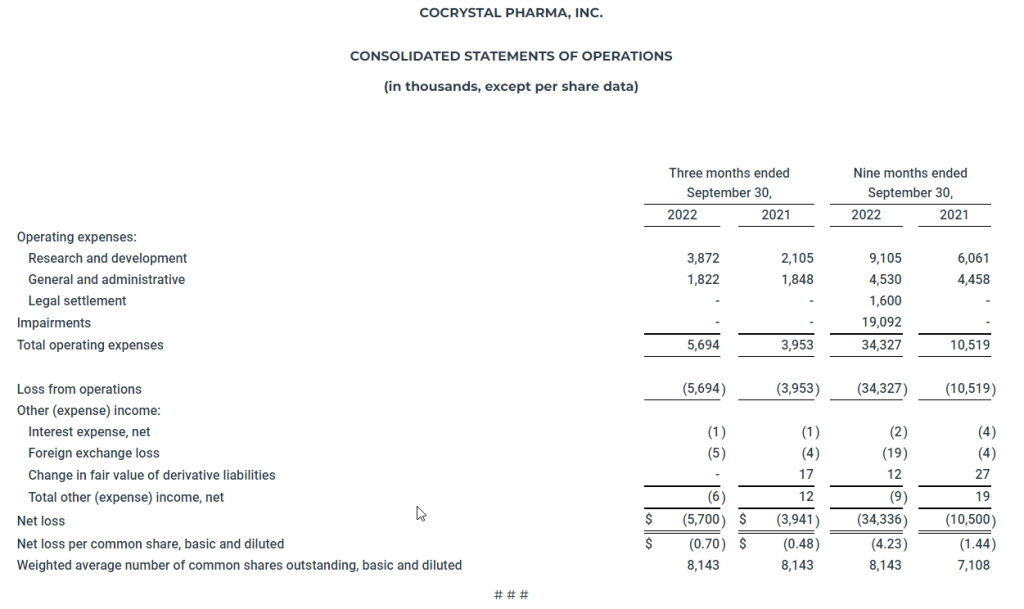
Research and development (R&D) expenses for the third quarter of 2022 were $3.9 million compared with $2.1 million for the third quarter of 2021, with the increase primarily due to the ongoing influenza A Phase 1 trial and advancement of the preclinical COVID-19 program. The Company anticipates higher R&D spending during the remainder of 2022 in preparation for additional clinical trials. General and administrative (G&A) expenses were $1.8 million for the third quarters of both 2022 and 2021.
The net loss for the third quarter of 2022 was $5.7 million, or $0.70 per share, compared with the net loss for the third quarter of 2021 of $3.9 million, or $0.48 per share.
Nine Month Financial Results
R&D expenses for the first nine months of 2022 were $9.1 million compared with $6.1 million for the first nine months of 2021. G&A expenses were $4.5 million for the first nine months of both 2022 and 2021.
The net loss for the first nine months of 2022 was $34.3 million, or $4.23 per share, and included the items described above. The net loss for the first nine months of 2021 was $10.5 million, or $1.44 per share.
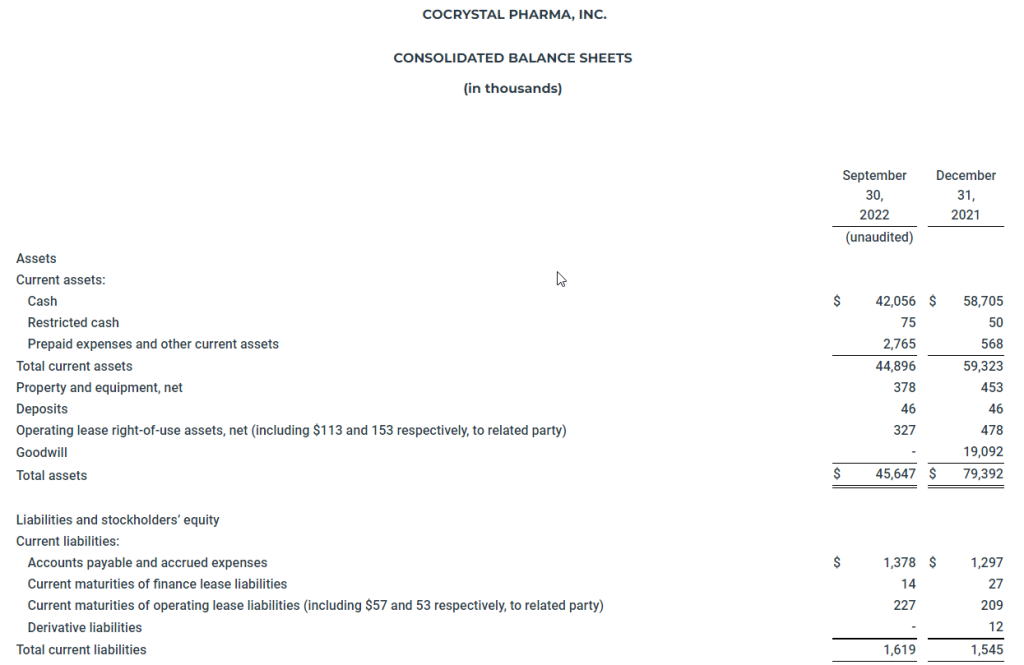
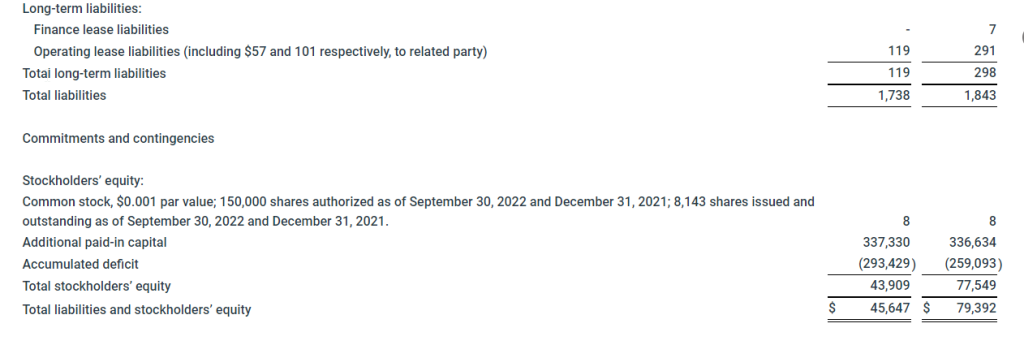
Cocrystal reported unrestricted cash of $42.1 million as of September 30, 2022 compared with $58.7 million as of December 31, 2021. Net cash used in operating activities for the first nine months of 2022 was $16.5 million. The Company reported working capital of $43.3 million with 8.1 million common shares outstanding as of September 30, 2022.
About Cocrystal Pharma, Inc.
Cocrystal Pharma, Inc. is a clinical-stage biotechnology company discovering and developing novel antiviral therapeutics that target the replication process of influenza viruses, coronaviruses (including SARS-CoV-2), hepatitis C viruses and noroviruses. Cocrystal employs unique structure-based technologies and Nobel Prize-winning expertise to create first- and best-in-class antiviral drugs. For further information about Cocrystal, please visit www.cocrystalpharma.com.
This press release contains forward-looking statements within the meaning of the Private Securities Litigation Reform Act of 1995, including statements regarding our goals of initiating a Phase 1 study for our CDI-988 candidate in the first quarter of 2023, our expectations of reporting data from the Phase 1 clinical study of our CC-42344 candidate later in 2022 and timeline for filing with the UK regulatory agency and commencing a Phase 2a study in 2023, our plans to select a lead candidate for our norovirus program in the first half of 2023, the viability and efficacy of potential treatments for coronavirus and other diseases, expectations for the global market for therapeutics, our attempts to discover replication inhibitors, our ability to execute our clinical and regulatory goals, our expectations concerning R&D expenses, the expected sufficiency of our cash balance to fund our planned operations, our liquidity and our continued pursuit of non-dilutive funding. The words “believe,” “may,” “estimate,” “continue,” “anticipate,” “intend,” “should,” “plan,” “could,” “target,” “potential,” “is likely,” “will,” “expect” and similar expressions, as they relate to us, are intended to identify forward-looking statements. We have based these forward-looking statements largely on our current expectations and projections about future events. Some or all of the events anticipated by these forward-looking statements may not occur. Important factors that could cause actual results to differ from those in the forward-looking statements include, but are not limited to, the risks arising from the impact of COVID-19 (including long-term and pervasive effects of the virus), inflation, interest rate increases and the Ukraine war on our Company, our collaboration partners, and on the national and global economy, including manufacturing and research delays arising from raw materials and labor shortages, supply chain disruptions and other business interruptions including and adverse impacts on our ability to obtain raw materials and test animals as well as similar problems with our vendors and our current Contract Research Organization (CRO) and any future CROs and Contract Manufacturing Organizations, the results of the studies for CC-42344, the ability of our CROs to recruit volunteers for, and to proceed with, clinical studies, our reliance on Merck for further development in the influenza A/B program under the license and collaboration agreement, our and our collaboration partners’ technology and software performing as expected, financial difficulties experienced by certain partners, the results of future preclinical and clinical trials, general risks arising from clinical trials, receipt of regulatory approvals, regulatory changes, development of effective treatments and/or vaccines by competitors, including as part of the programs financed by the U.S. government, potential mutations in a virus we are targeting which may result in variants that are resistant to a product candidate we develop, and the outcome of our appeal of the summary judgment. Further information on our risk factors is contained in our filings with the SEC, including our Annual Report on Form 10-K for the year ended December 31, 2021. Any forward-looking statement made by us herein speaks only as of the date on which it is made. Factors or events that could cause our actual results to differ may emerge from time to time, and it is not possible for us to predict all of them. We undertake no obligation to publicly update any forward-looking statement, whether as a result of new information, future developments or otherwise, except as may be required by law.
Announced preliminary PDS0101 efficacy and safety data for Phase 2 clinical studies led by The University of Texas MD Anderson Cancer Center (IMMUNOCERV) and The National Cancer Institute at SITC 2022
Announced successful end-of-Phase 2 meeting with FDA for VERSATILE-002, allowing preparation for a registrational trial
Company to host conference call and webcast today at 8:00 AM EST
FLORHAM PARK, N.J., Nov. 14, 2022 (GLOBE NEWSWIRE) — PDS Biotechnology Corporation (Nasdaq: PDSB), a clinical-stage immunotherapy company developing a growing pipeline of targeted immunotherapies for cancer and infectious disease, will discuss its financial results for the quarter ended September 30, 2022 and provide a business update on its conference call today.
Recent Business Highlights:
PDS0101 Lead Drug Candidate
VERSATILE-002 Phase 2 Clinical Trial
Hosted a key opinion leader roundtable discussion on current treatment of head and neck cancer, and how PDS0101 might fit into the treatment paradigm.
Announced a successful end-of-Phase 2 meeting with the U.S. Food and Drug Administration (FDA), allowing progression to a registrational trial for VERSATILE-002.
IMMUNOCERV Phase 2 Clinical Trial
Presented preliminary data on the clinical efficacy and safety of the combination of PDS0101 and chemoradiotherapy, as well as immunological correlates in the IMMUNOCERV Phase 2 trial being conducted at The University of Texas MD Anderson Cancer Center in locally, advanced cervical cancer at the Society for Immunotherapy of Cancer Conference (SITC) 2022.
NCI-led Triple Combination Phase 2 Clinical Trial
Presented data on immunological correlates associated with clinical benefit in patients with HPV-positive checkpoint inhibitor (CPI) refractory cancer treated with the PDS0101-based triple combination in the National Cancer Institute (NCI)-led Phase 2 clinical trial at the Society for Immunotherapy of Cancer Conference (SITC) 2022.
Reported expanded interim data for the Phase 2 PDS0101 based triple combination trial led by the NCI targeting advanced HPV-positive cancers.
Announced completion of recruitment into the NCI-led PDS0101-based triple combination Phase 2 trial, and also reported selection of the CPI refractory arm as the preferred patient group to target in a registrational study with the triple combination.
PDS0102 and PDS0103 Drug Candidates
Presented preclinical data on both PDS0102 and PDS0103, demonstrating the versatility of the Versamune® platform and generation of TARP and MUC1 specific polyfunctional CD8+ T cells presented at the American Association of Cancer Research (AACR) Special Conference: Tumor Immunology and Immunotherapy 2022.
PDS0202 Universal Flu Candidate
Presented data from the preclinical universal flu vaccine program at the American Society of Virology meeting, demonstrating the potential ability of PDS0202 to neutralize multiple strains of influenza in animals.
Financing
Entered into a venture loan and security agreement with Horizon Technology Finance Corporation, which provides PDS Biotech with up to $35 million in term loans.
“The third quarter has been monumental for PDS Biotech, and we continue to make strides towards commercialization of our lead candidate, PDS0101,” stated Dr. Frank Bedu-Addo, President and Chief Executive Officer of PDS Biotech. We’ve remained focused on progressing our four Phase 2 clinical programs, most recently, announcing data from our IMMUNOCERV trial in locally, advanced cervical cancer. 100% (9/9) of patients had a clinical response with tumor shrinkage of over 60% at the midpoint evaluation, and 89% (8/9) of patients had a complete response with no evidence of disease at day 170, when treated with a combination of PDS0101 and chemotherapy. Furthermore, we released expanded interim data from our NCI-led PDS0101-based triple combination trial demonstrating 66% (19/29) survival at median follow up of 16 months in checkpoint inhibitor refractory HPV-positive cancer patients that appears to show signs of clinical efficacy, durability, and safety, consistent with the data presented at the American Society for Clinical Oncology 2022. And, with VERSATILE-002 in which PDS0101 is combined with KEYTRUDA®, we are preparing for a registrational trial after our successful end-of-Phase 2 meeting with the FDA. To date, we have presented PDS0101 Phase 2 efficacy data in over 60 patients and safety data in over 100 patients.”
Matthew Hill, Chief Financial Officer of PDS Biotech, stated, “We are excited about the progress we have made in our development programs, and we have strengthened the balance sheet to support our ongoing efforts. This August, we increased our cash position by entering into a loan agreement with Horizon Technology Finance Corporation, where we received an initial tranche of $25 million in term loans. This financing provides PDS Biotech with the financial resources and runway needed to prepare for a registrational trial for our lead candidate, PDS0101, and to advance our preclinical pipeline.”
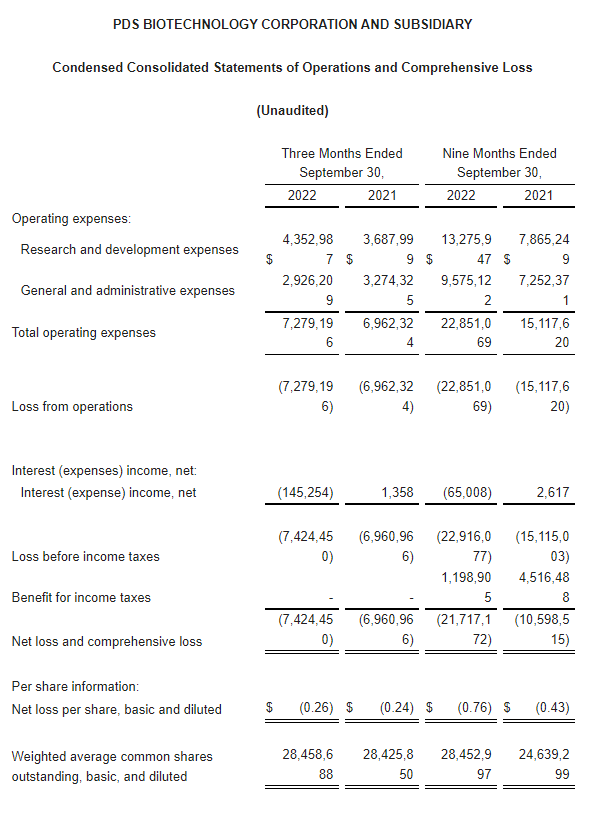
Third Quarter 2022 Financial Results Net loss for the three months ended September 30, 2022 was approximately $7.4 million, or $0.26 per basic share and diluted share, compared to a net loss of approximately $7.0 million, or $0.24 per basic and diluted share, for the three months ended September 30, 2021. The higher net loss reported for the three months ended September 2022 is primarily due to additional costs for expansion of the Company’s research and development, including costs associated with our ongoing clinical trials and additional general and administrative costs.
Research and development expenses increased to $4.4 million for the three months ended September 30, 2022 from $3.7 million for the three months ended September 30, 2021. The increase of $0.7 million in 2022 was primarily attributable to an increase of $0.2 million in clinical study and research costs, $0.3 million in personnel costs and $0.4 million in manufacturing services partially offset by a decrease of $0.2 million in professional fees and facilities.
General and administrative expenses decreased to $2.9 million for the three months ended September 30, 2022 from $3.3 million for the three months ended September 30, 2021. The decrease of $0.4 million is primarily attributable to a decrease of $0.5 million in personnel an increase of $0.2 million in professional fees partially offset by a decrease of $0.1 million in facilities costs.
Total operating expenses were approximately $7.3 million for the three months ended September 30, 2022, from approximately $7.0 million for the three months ended September 30, 2021.
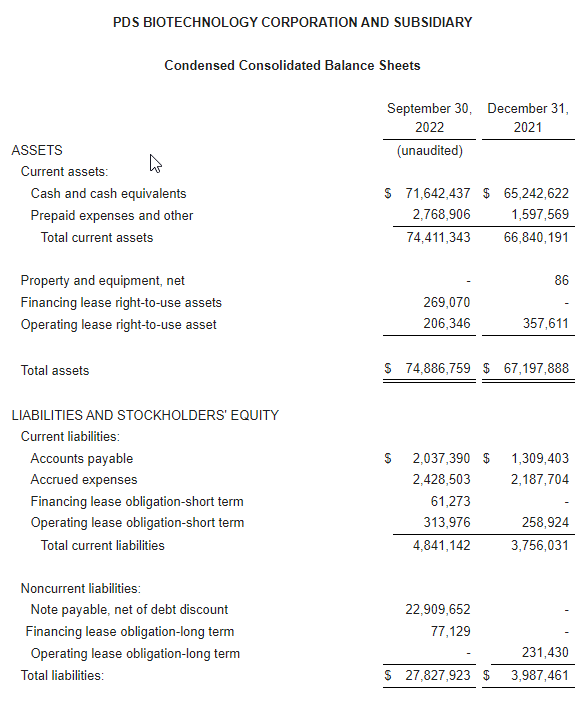
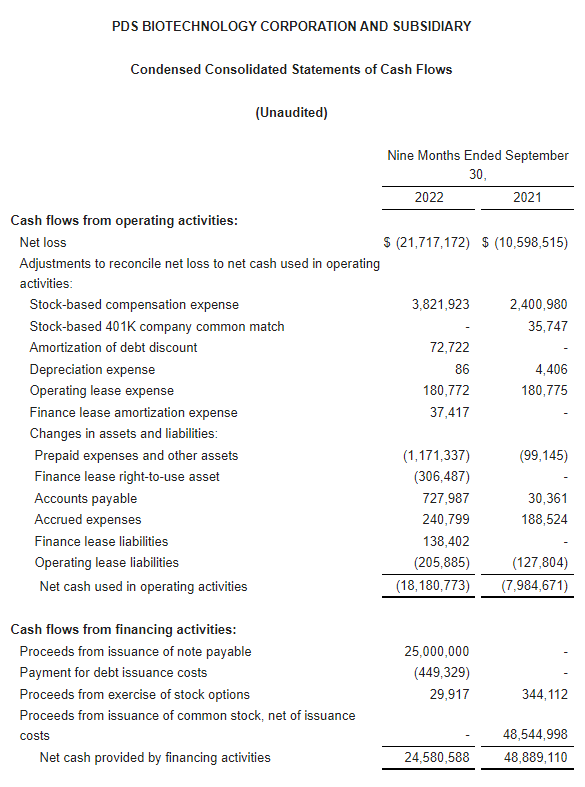
PDS Biotech’s cash balance as of September 30, 2022 was approximately $71.6 million.
Conference Call and Webcast The conference call is scheduled to begin at 8:00 AM EST today, November 14, 2022. Participants should dial 877-407-3088 (United States) or 201-389-0927 (International) and reference conference ID 13733006. To access the webcast, please use the following link. The event will be archived in the investor relations section of PDS Biotech’s website for six months.
About PDS0101 PDS Biotech’s lead candidate, PDS0101, combines the utility of the Versamune® platform with targeted antigens in HPV-positive cancers. In partnership with Merck & Co., PDS Biotech is evaluating a combination of PDS0101 and KEYTRUDA® in a Phase 2 study in first-line treatment of recurrent or metastatic head and neck cancer, and also in second line treatment of recurrent or metastatic head and neck cancer in patients who have failed prior checkpoint inhibitor therapy. A Phase 2 clinical study is also being conducted in both second- and third-line treatment of multiple advanced HPV-positive cancers in partnership with the National Cancer Institute (NCI). A third Phase 2 clinical trial in first line treatment of locally advanced cervical cancer is being performed with The University of Texas, MD Anderson Cancer Center. A final Phase 2 clinical trial of PDS0101 monotherapy in first line treatment of newly diagnosed patients HPV16-positive head and neck cancer patients is being conducted at the Mayo Clinic.
KEYTRUDA® is a registered trademark of Merck Sharp and Dohme LLC, a subsidiary of Merck & Co., Inc., Rahway, NJ, USA.
About PDS Biotechnology PDS Biotech is a clinical-stage immunotherapy company developing a growing pipeline of targeted cancer and infectious disease immunotherapies based on our proprietary Versamune® and Infectimune™ T cell-activating technology platforms. We believe our targeted Versamune® based candidates have the potential to overcome the limitations of current immunotherapy by inducing large quantities of high-quality, potent polyfunctional tumor specific CD4+ helper and CD8+ killer T cells. To date, our lead Versamune® clinical candidate, PDS0101, has demonstrated the potential to reduce tumors and stabilize disease in combination with approved and investigational therapeutics in patients with a broad range of HPV-positive cancers in multiple Phase 2 clinical trials. Our Infectimune™ based vaccines have also demonstrated the potential to induce not only robust and durable neutralizing antibody responses, but also powerful T cell responses, including long-lasting memory T cell responses in pre-clinical studies to date. To learn more, please visit www.pdsbiotech.com or follow us on Twitter at @PDSBiotech.
Forward Looking Statements This communication contains forward-looking statements (including within the meaning of Section 21E of the United States Securities Exchange Act of 1934, as amended, and Section 27A of the United States Securities Act of 1933, as amended) concerning PDS Biotechnology Corporation (the “Company”) and other matters. These statements may discuss goals, intentions and expectations as to future plans, trends, events, results of operations or financial condition, or otherwise, based on current beliefs of the Company’s management, as well as assumptions made by, and information currently available to, management. Forward-looking statements generally include statements that are predictive in nature and depend upon or refer to future events or conditions, and include words such as “may,” “will,” “should,” “would,” “expect,” “anticipate,” “plan,” “likely,” “believe,” “estimate,” “project,” “intend,” “forecast,” “guidance”, “outlook” and other similar expressions among others. Forward-looking statements are based on current beliefs and assumptions that are subject to risks and uncertainties and are not guarantees of future performance. Actual results could differ materially from those contained in any forward-looking statement as a result of various factors, including, without limitation: the Company’s ability to protect its intellectual property rights; the Company’s anticipated capital requirements, including the Company’s anticipated cash runway and the Company’s current expectations regarding its plans for future equity financings; the Company’s dependence on additional financing to fund its operations and complete the development and commercialization of its product candidates, and the risks that raising such additional capital may restrict the Company’s operations or require the Company to relinquish rights to the Company’s technologies or product candidates; the Company’s limited operating history in the Company’s current line of business, which makes it difficult to evaluate the Company’s prospects, the Company’s business plan or the likelihood of the Company’s successful implementation of such business plan; the timing for the Company or its partners to initiate the planned clinical trials for PDS0101, PDS0203 and other Versamune® and Infectimune™ based product candidates; the future success of such trials; the successful implementation of the Company’s research and development programs and collaborations, including any collaboration studies concerning PDS0101, PDS0203 and other Versamune® and Infectimune™ based product candidates and the Company’s interpretation of the results and findings of such programs and collaborations and whether such results are sufficient to support the future success of the Company’s product candidates; the success, timing and cost of the Company’s ongoing clinical trials and anticipated clinical trials for the Company’s current product candidates, including statements regarding the timing of initiation, pace of enrollment and completion of the trials (including the Company’s ability to fully fund its disclosed clinical trials, which assumes no material changes to our currently projected expenses), futility analyses, presentations at conferences and data reported in an abstract, and receipt of interim or preliminary results (including, without limitation, any preclinical results or data), which are not necessarily indicative of the final results of the Company’s ongoing clinical trials; any Company statements about its understanding of product candidates mechanisms of action and interpretation of preclinical and early clinical results from its clinical development programs and any collaboration studies; and other factors, including legislative, regulatory, political and economic developments not within the Company’s control, including record inflation, unforeseen circumstances or other disruptions to normal business operations arising from or related to COVID-19 and the ongoing military conflict between Russia and Ukraine. The foregoing review of important factors that could cause actual events to differ from expectations should not be construed as exhaustive and should be read in conjunction with statements that are included herein and elsewhere, including the risk factors included in the Company’s annual and periodic reports filed with the SEC. The forward-looking statements are made only as of the date of this press release and, except as required by applicable law, the Company undertakes no obligation to revise or update any forward-looking statement, or to make any other forward-looking statements, whether as a result of new information, future events or otherwise. Versamune® is a registered trademark and Infectimune™ is a trademark of PDS Biotechnology.
89% (8/9) had no evidence of disease (complete response) on day 170
Data Presented at Society for Immunotherapy of Cancer (SITC 2022)
FLORHAM PARK, N.J., Nov. 14, 2022 (GLOBE NEWSWIRE) — PDS Biotechnology Corporation (Nasdaq: PDSB), a clinical-stage immunotherapy company developing a growing pipeline of targeted immunotherapies for cancer and infectious disease, today announced that updated clinical data from the ongoing IMMUNOCERV Phase 2 clinical trial was presented during a poster session on November 11 at the 37th Annual Meeting for the Society for Immunotherapy of Cancer (SITC 2022). These data expand upon results detailed in the abstract submitted to SITC 2022 that was released to the public on November 7.
The enhanced data was presented in the poster titled, “IMMUNOCERV, an Ongoing Phase II Trial Combining PDS0101, an HPV-Specific T Cell Immunotherapy, with Chemotherapy and Radiation for Treatment of Locally Advanced Cervical Cancers,” which highlights key findings from The University of Texas MD Anderson Cancer Center-led IMMUNOCERV Phase 2 clinical trial (NCT04580771). The study is investigating PDS0101 in combination with standard-of-care chemoradiotherapy (CRT) for the potential treatment of cervical cancer in patients with large tumors over 5 cm in size and/or cancer that has spread to the lymph nodes (lymph node metastasis). New data from the study presented at SITC 2022 include:
9 of the 17 patients have now completed a day 170 post-treatment Positron Emission Tomography, Computed Tomography (PET CT) scan to assess the status of their cancer. This includes 78% (7/9) of treated patients with advanced cervical cancer (FIGO stage III or IV).
100% (9/9) of patients treated with the combination of PDS0101 and CRT had a clinical response with tumor shrinkage >60% at mid-point evaluation by MRI.
89% (8/9) of patients treated with the combination of PDS0101 and CRT demonstrated a complete response (CR) on day 170 by PET CT. One patient who received 3 of the 5 scheduled doses of PDS0101 showed signs of residual disease. One patient who had a CR died from an event unrelated to either their underlying disease or treatment.
1-year disease-free survival and 1-year overall survival of 89% (8/9) in patients treated with the combination of PDS0101 and CRT.
As previously reported, data confirm PDS0101 treatment activates HPV16-specific CD8+ T cells. This increase was not seen in patients who did not receive PDS0101. The increase in HPV16-specific T cells generated by the treatment is positively correlated with tumor cell death, suggesting cytotoxic CD8+ T cells are important mediators of antigen-specific immunity.
The data affirm that PDS0101 activates Type 1 interferon pathway in humans, mimicking the mechanism previously demonstrated in preclinical studies in animal models.
Toxicity of PDS0101 remains limited to low-grade local injection site reactions.
“The updated data from the ongoing IMMUNOCERV Phase 2 clinical trial presented during SITC 2022 add to the encouraging results observed thus far and suggest that the combination of PDS0101 and CRT may hold promise as a potential first-line treatment for advanced, localized cervical cancer,” said Dr. Frank Bedu-Addo, CEO of PDS Biotech. “Importantly, 100% of patients responded to treatment with the combination of PDS0101 and CRT. We believe this study also provides further confirmation that PDS0101 induces the right type, quality, and potency of killer T cells in humans that may translate to effective treatment of cervical cancer. We look forward to the continued advancement of the IMMUNOCERV Phase 2 clinical trial and the opportunity to report updated data during 2023.”
In addition, a second poster titled “Immune Correlates Associated with Clinical Benefit in Patients with Checkpoint Refractory HPV-Associated Malignancies Treated with Triple Combination Immunotherapy,” was presented at SITC 2022 and reported data from the Phase 2 triple combination trial being led by the Center for Cancer Research at the National Cancer Institute (NCI), part of the National Institutes of Health. The study is investigating PDS0101 in combination with two investigational immune-modulating agents: M9241, a tumor-targeting IL-12 (immunocytokine), and bintrafusp alfa, a bifunctional checkpoint inhibitor (PD-L1/ TGF-β). The triple combination is being studied in checkpoint inhibitor (CPI)-naïve and -refractory patients with advanced HPV-positive anal, cervical, head and neck, vaginal, and vulvar cancers who have failed prior therapy. For most patients who are CPI refractory, there is no effective therapy. The immune correlates before and after treatment in the CPI refractory patient population were studied. Highlights from the study presented at SITC 2022 included:
A more than two-fold increase in HPV16-specific T cells in the blood of 79% (11/14 tested) of the evaluated patients.
Increases on day 15 in several monitored immune correlates, such as granzyme B and interferon-gamma (IFN-γ), were associated with a clinical response.
Immune responses were associated with increases in natural killer cells, soluble granzyme B (associated with active killer T cells), IFN-γ, tumor necrosis factor-alpha (TNF-α), etc., two weeks after the first treatment cycle thus signaling a pro-inflammatory response.
These immunogenicity findings highlight the potential role of the combination in altering immune suppressive forces, and support previously announced results documenting promising clinical outcomes in the CPI-refractory population receiving the triple combination.
About PDS Biotechnology PDS Biotech is a clinical-stage immunotherapy company developing a growing pipeline of targeted cancer and infectious disease immunotherapies based on our proprietary Versamune® and Infectimune™ T cell-activating technology platforms. We believe our targeted Versamune® based candidates have the potential to overcome the limitations of current immunotherapy by inducing large quantities of high-quality, potent polyfunctional tumor-specific CD4+ helper and CD8+ killer T cells. To date, our lead Versamune® clinical candidate, PDS0101, has demonstrated the potential to reduce tumors and stabilize disease in combination with approved and investigational therapeutics in patients with a broad range of HPV-expressing cancers in multiple Phase 2 clinical trials. Our Infectimune™ based vaccines have also demonstrated the potential to induce not only robust and durable neutralizing antibody responses, but also powerful T cell responses, including long-lasting memory T cell responses in pre-clinical studies to date. To learn more, please visit www.pdsbiotech.com or follow us on Twitter at @PDSBiotech.
About PDS0101 PDS Biotech’s lead candidate, PDS0101, combines the utility of the Versamune® platform with targeted antigens in HPV-expressing cancers. In partnership with Merck & Co., PDS Biotech is evaluating a combination of PDS0101 and KEYTRUDA® in a Phase 2 study in first-line treatment of recurrent or metastatic head and neck cancer, and also in second-line treatment of recurrent or metastatic head and neck cancer in patients who have failed prior checkpoint inhibitor therapy. A National Cancer Institute-supported Phase 2 clinical study of PDS0101 in a triple combination therapy is also being conducted in checkpoint inhibitor refractory patients with multiple advanced HPV-associated cancers. A third Phase 2 clinical trial in first-line treatment of locally advanced cervical cancer is being led by The University of Texas MD Anderson Cancer Center. A final Phase 2 clinical trial of PDS0101 monotherapy in first-line treatment of newly diagnosed patients HPV16+ head and neck cancer patients is being conducted at the Mayo Clinic.
KEYTRUDA® is a registered trademark of Merck Sharp and Dohme LLC, a subsidiary of Merck & Co., Inc., Rahway, NJ, USA.
Forward Looking Statements This communication contains forward-looking statements (including within the meaning of Section 21E of the United States Securities Exchange Act of 1934, as amended, and Section 27A of the United States Securities Act of 1933, as amended) concerning PDS Biotechnology Corporation (the “Company”) and other matters. These statements may discuss goals, intentions and expectations as to future plans, trends, events, results of operations or financial condition, or otherwise, based on current beliefs of the Company’s management, as well as assumptions made by, and information currently available to, management. Forward-looking statements generally include statements that are predictive in nature and depend upon or refer to future events or conditions, and include words such as “may,” “will,” “should,” “would,” “expect,” “anticipate,” “plan,” “likely,” “believe,” “estimate,” “project,” “intend,” “forecast,” “guidance”, “outlook” and other similar expressions among others. Forward-looking statements are based on current beliefs and assumptions that are subject to risks and uncertainties and are not guarantees of future performance. Actual results could differ materially from those contained in any forward-looking statement as a result of various factors, including, without limitation: the Company’s ability to protect its intellectual property rights; the Company’s anticipated capital requirements, including the Company’s anticipated cash runway and the Company’s current expectations regarding its plans for future equity financings; the Company’s dependence on additional financing to fund its operations and complete the development and commercialization of its product candidates, and the risks that raising such additional capital may restrict the Company’s operations or require the Company to relinquish rights to the Company’s technologies or product candidates; the Company’s limited operating history in the Company’s current line of business, which makes it difficult to evaluate the Company’s prospects, the Company’s business plan or the likelihood of the Company’s successful implementation of such business plan; the timing for the Company or its partners to initiate the planned clinical trials for PDS0101, PDS0203 and other Versamune® and Infectimune™ based product candidates; the future success of such trials; the successful implementation of the Company’s research and development programs and collaborations, including any collaboration studies concerning PDS0101, PDS0203 and other Versamune® and Infectimune™ based product candidates and the Company’s interpretation of the results and findings of such programs and collaborations and whether such results are sufficient to support the future success of the Company’s product candidates; the success, timing and cost of the Company’s ongoing clinical trials and anticipated clinical trials for the Company’s current product candidates, including statements regarding the timing of initiation, pace of enrollment and completion of the trials (including the Company’s ability to fully fund its disclosed clinical trials, which assumes no material changes to our currently projected expenses), futility analyses, presentations at conferences and data reported in an abstract, and receipt of interim or preliminary results (including, without limitation, any preclinical results or data), which are not necessarily indicative of the final results of the Company’s ongoing clinical trials; any Company statements about its understanding of product candidates mechanisms of action and interpretation of preclinical and early clinical results from its clinical development programs and any collaboration studies; and other factors, including legislative, regulatory, political and economic developments not within the Company’s control, including unforeseen circumstances or other disruptions to normal business operations arising from or related to COVID-19. The foregoing review of important factors that could cause actual events to differ from expectations should not be construed as exhaustive and should be read in conjunction with statements that are included herein and elsewhere, including the risk factors included in the Company’s annual and periodic reports filed with the SEC. The forward-looking statements are made only as of the date of this press release and, except as required by applicable law, the Company undertakes no obligation to revise or update any forward-looking statement, or to make any other forward-looking statements, whether as a result of new information, future events or otherwise.
Versamune® is a registered trademark and Infectimune™ is a trademark of PDS Biotechnology.
Robert LeBoyer, Vice President, Research Analyst, Life Sciences , Noble Capital Markets, Inc.
Refer to the full report for the price target, fundamental analysis, and rating.
Filament Made Significant Progress In 3Q22. Filament Health Reported a 3Q22 loss of C$(1.3) million or C$(0.01) per share. The company continued to advance programs in several areas, including patient dosing in clinical trials, new product development, receiving three new patents, and raising C$2.5 million in a private placement. Cash on hand at the end of the quarter was C$3.5 million.
Clinical Trial Are Making Progress. During the quarter, the company announced the first dosing of PEX010, 25mg oral psilocybin, in an FDA-approved clinical trial. This trial will also test PEX020, oral psilocin, and PEX030, sublingual psilocin. Filament also announced that ATMA Journey Centers completed dosing of 14 patients using the psilocybin it had supplied through a collaborative agreement.
This Company Sponsored Research is provided by Noble Capital Markets, Inc., a FINRA and S.E.C. registered broker-dealer (B/D).
*Analyst certification and important disclosures included in the full report. NOTE: investment decisions should not be based upon the content of this research summary. Proper due diligence is required before making any investment decision.
Established New R&D Facility and Expanded Existing cGMP Manufacturing Facility
Received Notice of Allowance for Patent Applications Covering Directed Differentiation Methods for Retinal Pigmented Epithelium and Oligodendrocyte Progenitor Cells
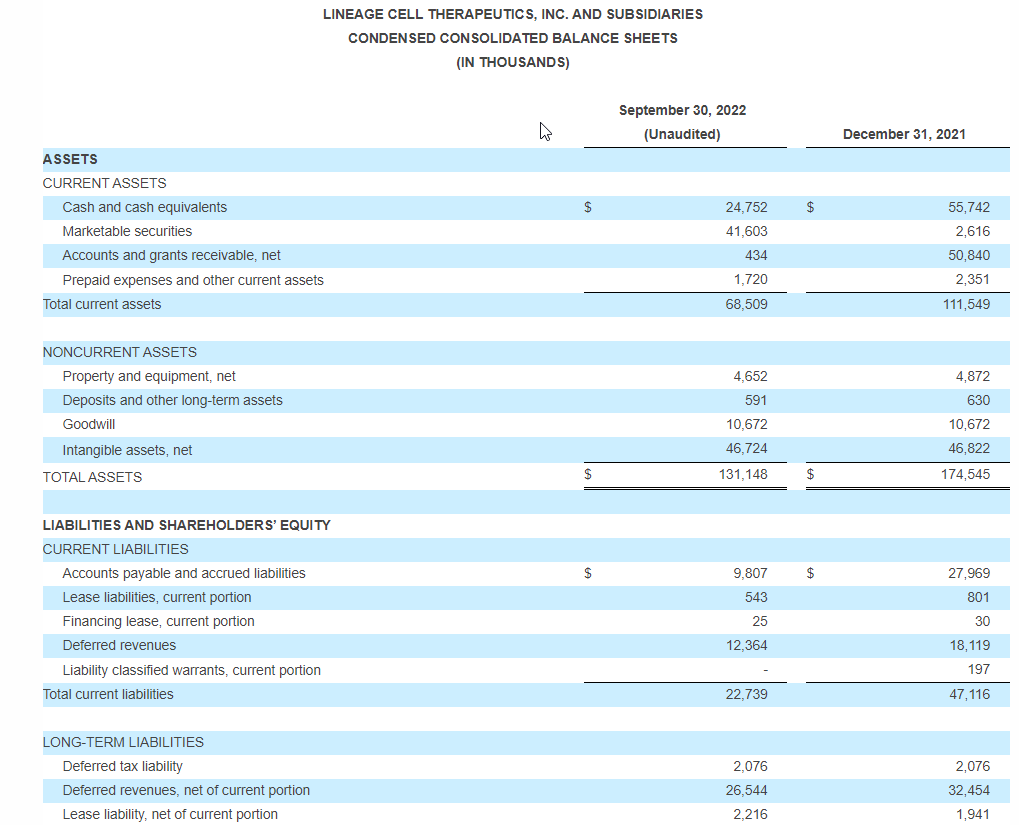
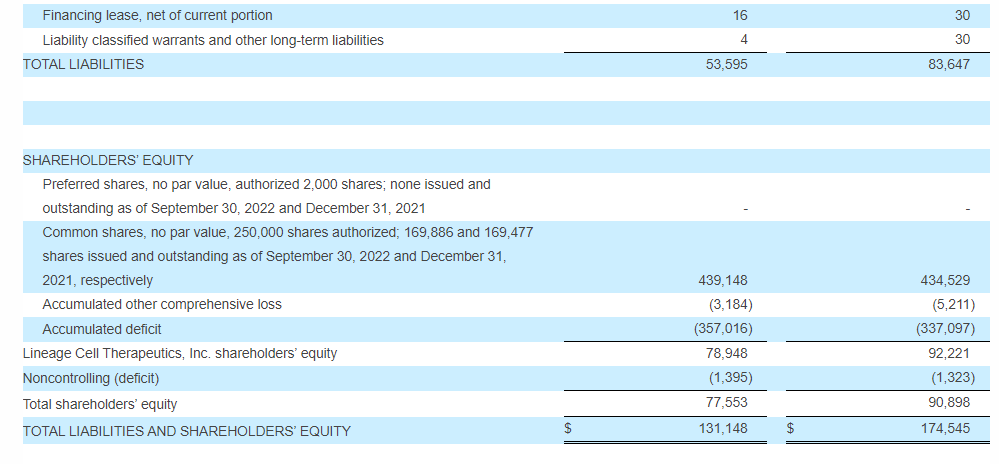
Cash, Cash Equivalents, and Marketable Securities of $66.4 Million as of September 30, 2022 Expected to Provide Capital Into Q3 2024
CARLSBAD, Calif.–(BUSINESS WIRE)–Nov. 10, 2022– Lineage Cell Therapeutics, Inc. (NYSE American and TASE: LCTX), a clinical-stage biotechnology company developing allogeneic cell therapies for unmet medical needs, today reported financial and operating results for the third quarter of 2022. Lineage management will host a conference call and webcast today at 4:30 p.m. Eastern Time/1:30 p.m. Pacific Time to discuss its third quarter 2022 financial and operating results and to provide a business update.
“A single administration of RG6501 (OpRegen®), a proprietary retinal pigment epithelial cell transplant, across an area of atrophy in advanced AMD patients has shown the potential to slow, stop, or reverse the progression of GA in our phase 1/2a clinical trial. To our knowledge, this is the first intervention that has reported anatomical changes of this magnitude in the field of GA, so we are pleased with the continued progress on RG6501 and the efforts which have been made to initiate its next clinical trial,” stated Brian M. Culley, Lineage CEO. “Looking ahead, our focus turns increasingly to planned regulatory interactions for OPC1 and VAC2, from which we expect to inform and enable their next phases of clinical development in spinal cord injury and oncology, respectively. In parallel, we are advancing our newly launched cell transplant programs in photoreceptors for vision disorders and auditory neurons for hearing loss, with initial preclinical studies from our photoreceptor program currently ongoing and the start of preclinical testing of our auditory neuron program anticipated prior to year-end. We believe that completing these efforts while maintaining our commitment to disciplined spending will help Lineage create shareholder value in the coming year.”
Recent milestones and activities included:
– Announced appointment of Jill Howe as Chief Financial Officer effective November 14, 2022
Ms. Howe brings more than 20 years of significant strategic, financial, and operational experience to Lineage, with an emphasis on capital strategy, corporate finance, treasury management, global infrastructure, and operational excellence. Ms. Howe has successfully built biotechnology organizations and implemented operational infrastructures alongside the execution of over $1.66 billion of capital raising transactions and will bring extensive strategic experience to the role.
– Established new U.S. R&D facility and expanded current GMP manufacturing facility in Israel
New Carlsbad facility will allow us to broaden R&D capabilities in the U.S. and facilitate the advancement of current and future allogeneic cell transplant programs and partnerships; the expansion of the Israel-based facility is expected to increase infrastructure, including development and optimization of larger-scale clinical manufacturing processes, and continued execution under the ongoing collaboration with Roche and Genentech for RG6501 (OpRegen).
Company announced notice of allowance of two patents covering processes for manufacturing allogeneic oligodendrocyte progenitor and retinal pigmented epithelium cells.
– OPC1
Completed verification and validation and preclinical testing activities for the novel parenchymal spinal delivery (PSD) system to support an upcoming regulatory submission.
– VAC2
Pre-Investigational New Drug (IND) application briefing package submitted to the U.S. Food and Drug Administration (FDA) to support U.S. clinical development for immuno-oncology.
– ANP1 & PNC1
Continued process development and activities in support of ongoing and planned preclinical testing.
Some of the key upcoming milestones and activities anticipated by Lineage include:
– Planned Regenerative Medicine Advanced Therapy (RMAT) submission to FDA before year-end regarding an OPC1 IND amendment to enable clinical testing of a novel spinal cord delivery system.
– Response to a pre-IND regulatory submission which should provide clarity on a VAC2 CMC, nonclinical, and clinical information package to inform future U.S. clinical development, expected around year-end.
– Completion of an R&D manufacturing process sufficient to support initiation of preclinical testing and the initiation of such testing with ANP1 for the treatment of hearing loss, anticipated prior to year-end.
– An additional OPC1 manuscript from a Phase 1/2a clinical study in subacute cervical spinal cord injury.
– Submission of a grant application to California Institute for Regenerative Medicine (CIRM) for the continued support of the clinical development of OPC1.
– Clinical data update from the ongoing VAC2 Phase 1 non-small cell lung cancer (NSCLC) study, pending release from Cancer Research UK (CRUK).
– Evaluation of new partnership opportunities and/or expansion of existing collaborations.
– Continued participation in investor and partnering meetings and medical and industry conferences to broaden awareness of our mission, programs, and accomplishments.
Balance Sheet Highlights
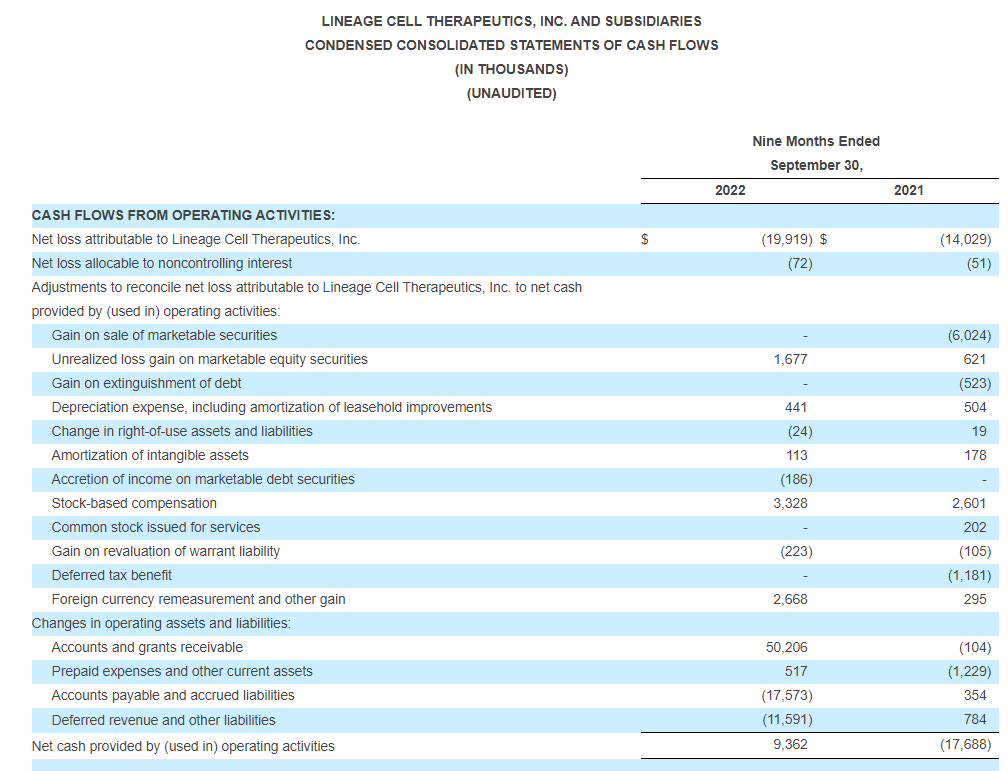
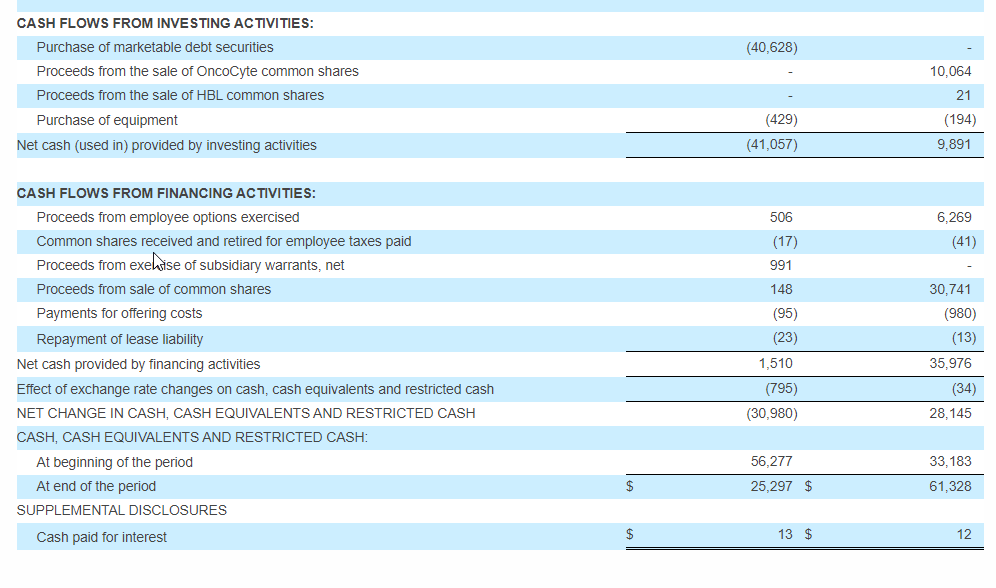
Cash, cash equivalents, and marketable securities totaled $66.4 million as of September 30, 2022, which is expected to support planned operations into Q3 2024.
Third Quarter Operating Results
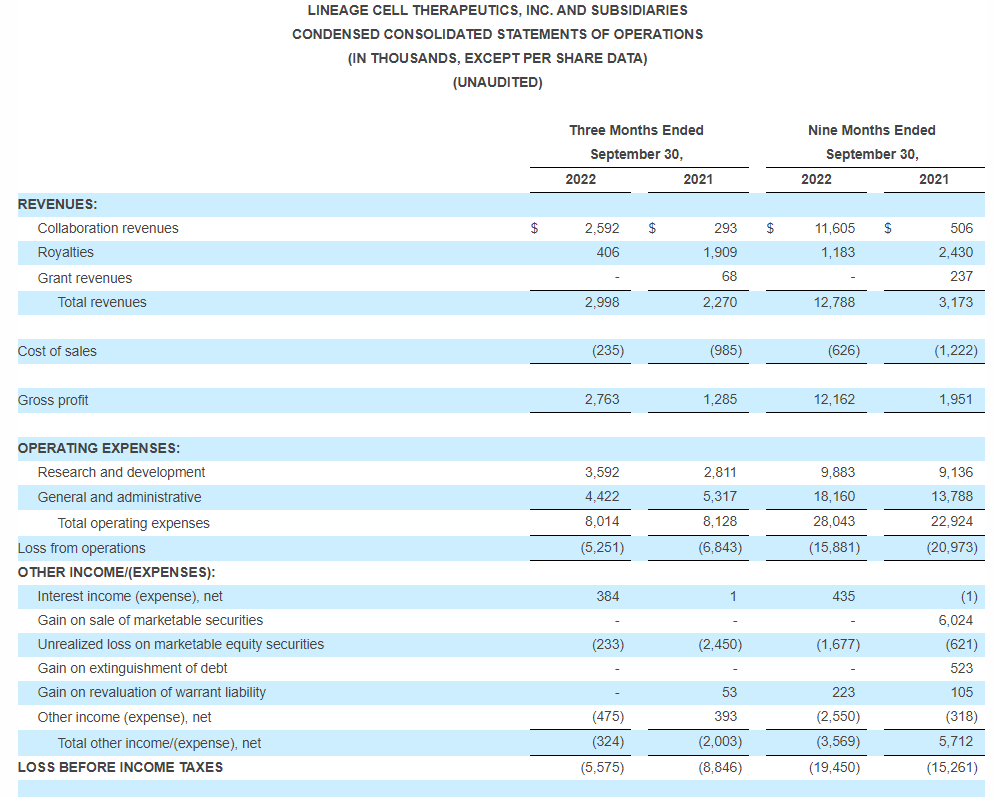
Revenues: Lineage’s revenue is generated primarily from licensing fees, royalties, collaboration revenues, and research grants. Total revenues for the three months ended September 30, 2022 were approximately $3.0 million, a net increase of $0.7 million as compared to $2.3 million for the same period in 2021. The increase was driven by collaboration and licensing revenue recognized from deferred revenues from the Roche Agreement, partially offset by less royalty revenues.
Operating Expenses: Operating expenses are comprised of research and development (“R&D”) expenses and general and administrative (“G&A”) expenses. Total operating expenses for the three months ended September 30, 2022 were $8.0 million, a decrease of $0.1 million as compared to $8.1 million for the same period in 2021.
R&D Expenses: R&D expenses for the three months ended September 30, 2022 were $3.6 million, a net increase of $0.8 million as compared to $2.8 million for the same period in 2021. The net increase was primarily driven by higher OpRegen related expenses to support the Roche collaboration.
G&A Expenses: G&A expenses for the three months ended September 30, 2022 were $4.4 million, a net decrease of approximately $0.9 million as compared to $5.3 million for the same period in 2021. The decrease was primarily driven by $1.1 million in lower litigation and legal expenses and $0.3 million in lower investor relations expense, partially offset by a $0.5 million increase in payroll and related benefits expense.
Loss from Operations: Loss from operations for the three months ended September 30, 2022 was $5.2 million, a decrease of $1.6 million as compared to $6.8 million for the same period in 2021.
Other Expenses, Net: Other expenses, net for the three months ended September 30, 2022 reflected other expense, net of $0.3 million, compared to other expense, net of $2.0 million for the same period in 2021. The net change was primarily driven by a decrease in the value of marketable equity securities and exchange rate fluctuations related to Lineage’s international subsidiaries.
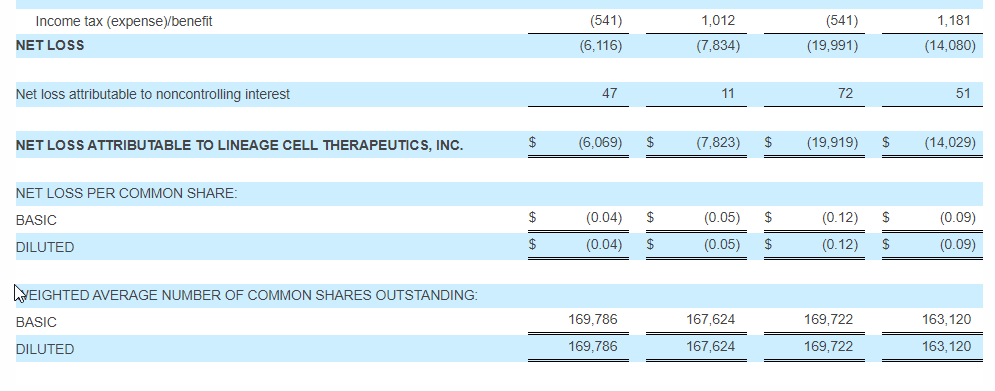
Net Loss Attributable to Lineage: The net loss attributable to Lineage for the three months ended September 30, 2022 was $6.1 million, or $0.04 per share (basic and diluted), compared to a net loss attributable to Lineage of $7.8 million, or $0.05 per share (basic and diluted), for the same period in 2021.
Conference Call and Webcast
Interested parties may access today’s conference call by dialing (800) 715-9871 from the U.S. and Canada and should request the “Lineage Cell Therapeutics Call” or provide conference ID number 5262180. A live webcast of the conference call will be available online in the Investors section of Lineage’s website. A replay of the webcast will be available on Lineage’s website for 30 days and a telephone replay will be available through November 17, 2022, by dialing (800) 770-2030 from the U.S. and Canada and entering conference ID number 5262180.
About Lineage Cell Therapeutics, Inc.
Lineage Cell Therapeutics is a clinical-stage biotechnology company developing novel cell therapies for unmet medical needs. Lineage’s programs are based on its robust proprietary cell-based therapy platform and associated in-house development and manufacturing capabilities. With this platform Lineage develops and manufactures specialized, terminally differentiated human cells from its pluripotent and progenitor cell starting materials. These differentiated cells are developed to either replace or support cells that are dysfunctional or absent due to degenerative disease or traumatic injury or administered as a means of helping the body mount an effective immune response to cancer. Lineage’s clinical and preclinical programs are in markets with billion dollar opportunities and include five allogeneic (“off-the-shelf”) product candidates: (i) OpRegen, a retinal pigment epithelial cell therapy in development for the treatment of geographic atrophy secondary to age-related macular degeneration, is being developed under a worldwide collaboration with Roche and Genentech, a member of the Roche Group; (ii) OPC1, an oligodendrocyte progenitor cell therapy in Phase 1/2a development for the treatment of acute spinal cord injuries; (iii) VAC2, a dendritic cell therapy produced from Lineage’s VAC technology platform for immuno-oncology and infectious disease, currently in Phase 1 clinical development for the treatment of non-small cell lung cancer; (iv) ANP1, an auditory neuronal progenitor cell therapy for the potential treatment of auditory neuropathy; and (v) PNC1, a photoreceptor neural cell therapy for the potential treatment of vision loss due to photoreceptor dysfunction or damage. For more information, please visit www.lineagecell.com or follow the company on Twitter @LineageCell.
Forward-Looking Statements
Lineage cautions you that all statements, other than statements of historical facts, contained in this press release, are forward-looking statements. Forward-looking statements, in some cases, can be identified by terms such as “believe,” “aim,” “may,” “will,” “estimate,” “continue,” “anticipate,” “design,” “intend,” “expect,” “could,” “can,” “plan,” “potential,” “predict,” “seek,” “should,” “would,” “contemplate,” “project,” “target,” “tend to,” or the negative version of these words and similar expressions. Such statements include, but are not limited to, statements relating to: our ability to support our planned operations into the third quarter of 2024 with our existing cash, cash equivalents and marketable securities; Ms. Howe’s employment with Lineage and the anticipated or implied benefits thereof to Lineage and Lineage’s continued growth and ability to exhibit greater productivity in the future; plans and expectations regarding our products in development and our ability to advance our product candidates into their next phases of clinical or preclinical testing; our ability to create shareholder value in the future; the potential benefits to us and our operations of our new and expanded facilities, including the broadening of our R&D capabilities, advancing our programs and partnerships, and increasing our infrastructure; our ability to support multiple years of progress and achieve important milestones; our collaboration and license agreement with Roche and Genentech and the potential to receive milestone and other consideration thereunder; the potential benefits of treatment with OpRegen; the potential future achievements of our clinical and preclinical programs; the timing of anticipated FDA interactions, preclinical activities, clinical trials, and clinical data updates related to our programs, and the submission of a grant application to the CIRM; plans and expectations regarding publications relating to our programs; plans and expectations regarding potential new partnership opportunities and existing collaborations; and our ability to broaden awareness of our mission and accomplishments. Forward-looking statements involve known and unknown risks, uncertainties and other factors that may cause Lineage’s actual results, performance or achievements to be materially different from future results, performance or achievements expressed or implied by the forward-looking statements in this press release, including, but not limited to, the following risks: that we may need to allocate our cash to unexpected events and expenses causing us to use our cash more quickly than expected; that potential benefits of the new and expanded facilities to the Company and its operations may not be realized as quickly as expected or at all; that potential benefits of newly developed intellectual property to the Company may not be realized as quickly as expected or at all; that positive findings in early clinical and/or nonclinical studies of a product candidate may not be predictive of success in subsequent clinical and/or nonclinical studies of that candidate; that competing alternative therapies may adversely impact the commercial potential of OpRegen; that Roche and Genentech may not successfully advance OpRegen or be successful in completing further clinical trials for OpRegen and/or obtaining regulatory approval for OpRegen in any particular jurisdiction; that we may not establish new partnerships or expand existing collaborations; that we do not successfully broaden awareness of our mission or accomplishments; that we may not be able to manufacture sufficient clinical quantities of its product candidates in accordance with current good manufacturing practice; and those risks and uncertainties inherent in Lineage’s business and other risks discussed in Lineage’s filings with the Securities and Exchange Commission (SEC). Lineage’s forward-looking statements are based upon its current expectations and involve assumptions that may never materialize or may prove to be incorrect. All forward-looking statements are expressly qualified in their entirety by these cautionary statements. Further information regarding these and other risks is included under the heading “Risk Factors” in Lineage’s periodic reports with the SEC, including Lineage’s most recent Annual Report on Form 10-K and Quarterly Report on Form 10-Q filed with the SEC and its other reports, which are available from the SEC’s website. You are cautioned not to place undue reliance on forward-looking statements, which speak only as of the date on which they were made. Lineage undertakes no obligation to update such statements to reflect events that occur or circumstances that exist after the date on which they were made, except as required by law.
How Cancer Cells can Become Immortal – New Research Finds a Mutated Gene that Helps Melanoma Defeat the Normal Limits on Repeated Replication
A defining characteristic of cancer cells is their immortality. Usually, normal cells are limited in the number of times they can divide before they stop growing. Cancer cells, however, can overcome this limitation to form tumors and bypass “mortality” by continuing to replicate.
Telomeres play an essential role in determining how many times a cell can divide. These repetitive sequences of DNA are located at the ends of chromosomes, structures that contain genetic information. In normal cells, continued rounds of replication shorten telomeres until they become so short that they eventually trigger the cell to stop replicating. In contrast, tumor cells can maintain the lengths of their telomeres by activating an enzyme called telomerase that rebuilds telomeres during each replication.
Telomeres are protective caps at the ends of chromosomes
Telomerase is encoded by a gene called TERT, one of the most frequently mutated genes in cancer. TERT mutations cause cells to make a little too much telomerase and are thought to help cancer cells keep their telomeres long even though they replicate at high rates. Melanoma, an aggressive form of skin cancer, is highly dependent on telomerase to grow, and three-quarters of all melanomas acquire mutations in telomerase. These same TERT mutations also occur across other cancer types.
Unexpectedly, researchers found that TERT mutations could only partially explain the longevity of telomeres in melanoma. While TERT mutations did indeed extend the life span of cells, they did not make them immortal. That meant there must be something else that helps telomerase allow cells to grow uncontrollably. But what that “second hit” might be has been unclear.
This article was republished with permission from The Conversation, a news site dedicated to sharing ideas from academic experts. It represents the research-based findings and thoughts of Pattra Chun-OnPh.D. Candidate in Environmental and Occupational Health, University of Pittsburgh Health Sciences and Jonathan AlderAssistant Professor of Medicine, University of Pittsburgh Health Sciences.
We are researchers who study the role telomeres play in human health and diseases like cancer in the Alder Lab at the University of Pittsburgh. While investigating the ways that tumors maintain their telomeres, we and our colleagues found another piece to the puzzle: another telomere-associated gene in melanoma.
Cell Immortality Gets a Boost
Our team focused on melanoma because this type of cancer is linked to people with long telomeres. We examined DNA sequencing data from hundreds of melanomas, looking for mutations in genes related to telomere length.
We identified a cluster of mutations in a gene called TPP1. This gene codes for one of the six proteins that form a molecular complex called shelterin that coats and protects telomeres. Even more interesting is the fact that TPP1 is known to activate telomerase. Identifying the TPP1 gene’s connection to cancer telomeres was, in a way, obvious. After all, it was more than a decade ago that researchers showed that TPP1 would increase telomerase activity.
We tested whether having an excess of TPP1 could make cells immortal. When we introduced just TPP1 proteins into cells, there was no change in cell mortality or telomere length. But when we introduced TERT and TPP1 proteins at the same time, we found that they worked synergistically to cause significant telomere lengthening.
To confirm our hypothesis, we then inserted TPP1 mutations into melanoma cells using CRISPR-Cas9 genome editing. We saw an increase in the amount of TPP1 protein the cells made, and a subsequent increase in telomerase activity. Finally, we returned to the DNA sequencing data and found that 5% of all melanomas have a mutation in both TERT and TPP1. While this is still a significant proportion of melanomas, there are likely other factors that contribute to telomere maintenance in this cancer.
Our findings imply that TPP1 is likely one of the missing puzzle pieces that boost telomerase’s capacity to maintain telomeres and support tumor growth and immortality.
Making Cancer Mortal
Knowing that cancer use these genes in their replication and growth means that researchers could also block them and potentially stop telomeres from lengthening and make cancer cells mortal. This discovery not only gives scientists another potential avenue for cancer treatment but also draws attention to an underappreciated class of mutations outside the traditional boundaries of genes that can play a role in cancer diagnostics.
Baudax Bio is a pharmaceutical company focused on innovative products for acute care settings. ANJESO is the first and only 24-hour, intravenous (IV) COX-2 preferential non-steroidal anti-inflammatory (NSAID) for the management of moderate to severe pain. In addition to ANJESO, Baudax Bio has a pipeline of other innovative pharmaceutical assets including two novel neuromuscular blocking agents (NMBs) and a proprietary chemical reversal agent specific to these NMBs. For more information, please visit www.baudaxbio.com.
Gregory Aurand, Senior Research Analyst, Healthcare Services & Medical Devices, Noble Capital Markets, Inc.
Refer to the full report for the price target, fundamental analysis, and rating.
Baudax reported 3Q 2022 results. 3Q revenues reported of $0.238 million were well below our expectation of $0.965 million. While vials sold increased year-over-year approximately 16%, much of the 3Q volume was discounted into 340B hospitals causing revenues to decline 15% from the prior year.
Feeling the pain. In the Covid environment that doesn’t seem to go away, hospitals face financial pressures as they struggle to curtail costs. For a single product company like Baudax Bio, the hospital issues have inflicted continued pain that is difficult to overcome. Hospitals look for less expensive alternatives in pain management. Recognizing that Covid-related issues facing hospitals now could continue into and through 2023, the Company eliminated the remaining commercial team in September 2022.
This Company Sponsored Research is provided by Noble Capital Markets, Inc., a FINRA and S.E.C. registered broker-dealer (B/D).
*Analyst certification and important disclosures included in the full report. NOTE: investment decisions should not be based upon the content of this research summary. Proper due diligence is required before making any investment decision.
Revenue Increased 36% to $43.2 Million Compared to $31.8 Million in Q3 2021 Nine Month Revenue Increased 46% to $119.2 Million Compared to $81.9 Million
Adjusted EBITDA of $15.9 Million, 36.7% of Revenue Nine Month Adjusted EBITDA of $38.7 Million, 32.5% of Revenue
DENVER, Nov. 9, 2022 /CNW/ – Medicine Man Technologies Inc. operating as Schwazze, (OTCQX: SHWZ) (NEO: SHWZ) (“Schwazze” or the “Company”), today announced financial results for the third quarter ended September 30, 2022 (“Q3 2022”).
Q3 2022 Financial Summary:
Revenues of $43.2 million increased 36% compared to $31.8 million in quarter ended September 30, 2021 (“Q3 2021”)
Retail sales were $39.8 million up 92% to $20.7 million when compared to Q3 2021
Gross Margin of $26.0 million, 60.1% of revenue, compared to $15.1 million and 47.3% of revenue in Q3 2021
Net Income was $1.8 million compared to a Net Income of $1.0 million for the same period last year
Adjusted EBITDA of $15.9 million was 36.7% of revenue, compared to $8.8 million for the same period last year
Colorado two year stacked IDs for Q3 2022 compared to Q3 2022 and Q3 2020 for same store sales(1) were (9.7%) and one year IDs(1) were (10.6%) comparing Q3 2022 to Q3 2021
Average basket size (1) for Q3 2022 was $60.96 up slightly by 0.1% compared to Q3 2021
Recorded customer visits (1) for Q3 2022 totaled 452,220 down 10.7%, compared to Q3 2021
New Mexico two year stacked IDs for Q3 2022 compared to Q3 2021 and Q3 2020 for same store sales(1) were 52.9% and one year IDs(1) were 48.4% comparing Q3 2022 to Q3 2021
Average basket size (1) for Q3 2022 was $52.67 down 12.2% compared to Q3 2021
Recorded customer visits (1) for Q3 2022 totaled 231,137 up 69.0%, compared to Q3 2021
Corporate Update: Since December 2021, Schwazze has closed acquisitions adding 15 cannabis dispensaries, 10 in New Mexico and five in Colorado as well as four cultivation facilities in New Mexico and one in Colorado and one manufacturing asset in New Mexico. This year Schwazze has opened two new dispensaries in New Mexico. This brings our total dispensary count to 35 between Colorado and New Mexico.
Justin Dye, Chairman and CEO of Schwazze stated, “I am proud of the entire Schwazze team, and I would like to thank them for their hard work this past quarter and year. Despite a challenging economic backdrop, we outperformed our markets in Colorado by 12%. We’ve worked hard to continue to grow our market share, increase our profitability rate and generate free cash flow from operations, after paying taxes and CAPEX, placing us in an exclusive club within the cannabis sector. This is a proof point that we are well on our way to building Schwazze into a unique regional powerhouse. I believe our distinctive operating capabilities, applied to attractive growth opportunities within our sector, will reward our shareholders with attractive risk adjusted returns. The potential of favorable regulatory reform in the near-term would obviously accelerate and amplify those returns.”
Q3 2022 Revenue Revenues for the three months ended September 30, 2022 totaled $43,190,986, including (i) retail sales of $39,759,734 (ii) wholesale sales of $3,335,252 and (iii) other operating revenues of $96,000, compared to revenues of $31,835,305, including (i) retail sales of $20,741,864, (ii) wholesale sales of $11,022,519, and (iii) other operating revenues of $70,922 during the three months ended September 30, 2021, representing an increase of $11,355,681 or 36%. The most influential factor driving revenue increases in the third quarter of 2022 as compared to the same period in 2021 is acquisition activity. Revenue for the quarter ended September 30, 2022 included revenue from four consummated acquisitions in Colorado and revenue from the Company’s initial entrance into the New Mexico market with the acquisition of R. Greenleaf, which were not in revenue for the same period in 2021. Revenue from wholesale sales decreased, due in large part to continued pricing pressure in the Colorado wholesale market as a result of supply saturation in flower and bulk distillate products.
Cost of goods and services for the three months ended September 30, 2022, totaled $17,226,451 compared to cost of goods and services of $16,779,313 during the three months ended September 30, 2021, representing an increase of $447,138 or 3%. Overall cost of goods and services increased due to the same acquisition activities that generated substantial increases in revenue, but the rate at which cost of goods and services increases from acquisition activity occurs at a lower rate than increases in revenue from acquisition activity due to lower wholesale flower pricing in Colorado and substantial vertical integration in New Mexico and increased retail revenue, which has better gross margin, as a percentage of the total revenue.
Gross profit was $25,964,535 million dollars for the quarter compared to $15,055,992 during the same period in 2021. Gross profit margin increased as a percentage of revenue from 47.3% to 60.1%. This positive result reflects a higher percentage of retail sales, our consolidated purchasing approach, the implementation of our retail playbook, and vertical product sales in New Mexico.
Operating expenses for the quarter, totaled $14,849,677, compared to operating expenses of $11,218,992 during the same quarter 2021, representing an increase of $3,630,685 or 32%. This increase is due to increased selling, general and administrative expenses, professional service fees, salaries, benefits and related employment costs driven by growth from acquisitions offset by stock-based compensation.
Other expense, net for the three months ended September 30, 2022 totaled $3,712,108 compared to $1,555,427 during the three months ended September 30, 2021, representing an increase in other expense of $2,156,681 or 139%. The increase in other expenses is due to higher interest payments due on the Company’s debt obligations as a result of compounding interest with the passage of time and higher debt balances, which was partially offset this quarter by the revaluation of the derivative liability related to the Investor Notes issued in December 2021 that was recognized as income in the three months ended September 30, 2022.
Adjusted EBITDA for Q3 2022 was $15,860,466 representing 36.7% of revenue, compared to $8,797,641 and 27.6% of revenue for the same period last year. This is derived from Operating Income and adjusting one-time expenses, merger and acquisition and capital raising costs, non-cash related compensation costs, and depreciation and amortization. See the financial table for Adjusted EBITDA below adjustment for details.
For nine months ending September 30, 2022, the Company used cash for operations of $3,957,263 compared to generating cash of $4,814,104 for the same period in 2021. The Company has cash and cash equivalents of $38.7 million at the end of Q3 2022.
Nancy Huber, CFO for Schwazze commented, “During the third quarter we continued our focus on reducing operating and SG&A expenses. Our third quarter gross margin and operating expenses improved over the second quarter in both dollars and percent of revenue. Our balance sheet remains strong, with ample liquidity. We continue to be committed to delivering positive cash flow before acquisition costs for the year while driving organic growth with the opening of two stores in New Mexico in the third quarter.”
2022 Guidance The Company is providing guidance for the fiscal year. FY 2022 revenue is projected to be $155 million to $165 million, and the FY 2022 adjusted EBITDA is projected to be from $51 million to $56 million. We are on target to deliver the lower end of the range for adjusted EBITDA which was a fourth quarter annualized run-rate of $60-72 million dollars. We expect to be slightly below the projected revenues which was a fourth quarter annualized run-rate of $175 million to $200 million. This lower-than-expected revenue in Q4 is due to lower than expected wholesale sales, and construction delays in new store openings in New Mexico.
The company generated $4 million in cash from operations in the third quarter and expects to generate positive cash flow before acquisitions for the year.
NOTES:
(1)
Schwazze did not own all the assets and entities in part of 2021, 2020 and 2019 and is using unaudited numbers for this comparison.
Adjusted EBITDA represents income (loss) from operations, as reported, before tax, adjusted to exclude non-recurring items, other non-cash items, including stock-based compensation expense, depreciation, and amortization, and further adjusted to remove acquisition and capital raise related costs, and other one-time expenses, such as severance, retention, and employee relocation. The Company uses adjusted EBITDA as it believes it better explains the results of its core business. The Company has not reconciled guidance for adjusted EBITDA to the corresponding GAAP financial measure because it cannot provide guidance for the various reconciling items. The Company is unable to provide guidance for these reconciling items because it cannot determine their probable significance, as certain items are outside of its control and cannot be reasonably predicted. Accordingly, a reconciliation to the corresponding GAAP financial measure is not available without unreasonable effort.
Webcast – November 9, 2022 – 5:00 PM EDT Investors and stakeholders may participate in the conference call by dialing 416-764-8650 or by dialing North American toll free 1-888-664-6383 or listen to the webcast from the Company’s website at https://ir.schwazze.com The webcast will be available on the Company’s website and on replay until November 16, 2022, and may be accessed by dialing 1-888-390-0541 / 997573 #.
Following their prepared remarks, Chief Executive Officer, Justin Dye; President, Nirup Krishnamurthy; and Chief Financial Officer, Nancy Huber will answer investor questions. Investors may submit questions in advance or during the conference call itself through the weblink: https://app.webinar.net/x0q6rpnP84n. This weblink has been posted to the Company’s website and will be archived on the website. All Company SEC filings can also be accessed on the Company website at https://ir.schwazze.com/sec-filings
About Schwazze Schwazze (OTCQX: SHWZ, NEO: SHWZ) is building a premier vertically integrated regional cannabis company with assets in Colorado and New Mexico and will continue to take its operating system to other states where it can develop a differentiated regional leadership position. Schwazze is the parent company of a portfolio of leading cannabis businesses and brands spanning seed to sale. The Company is committed to unlocking the full potential of the cannabis plant to improve the human condition. Schwazze is anchored by a high-performance culture that combines customer-centric thinking and data science to test, measure, and drive decisions and outcomes. The Company’s leadership team has deep expertise in retailing, wholesaling, and building consumer brands at Fortune 500 companies as well as in the cannabis sector. Schwazze is passionate about making a difference in our communities, promoting diversity and inclusion, and doing our part to incorporate climate-conscious practices. Medicine Man Technologies, Inc. was Schwazze’s former operating trade name. The corporate entity continues to be named Medicine Man Technologies, Inc. Schwazze derives its name from the pruning technique of a cannabis plant to enhance plant structure and promote healthy growth.
Forward-Looking Statements Such forward-looking statements may be preceded by the words “plan,” “will,” “may,” “continue,” “anticipate,” “become,” “build,” “develop,” “expect,” “believe,” “poised,” “project,” “approximate,” “could,” “potential,” or similar expressions as they relate to Schwazze. Forward-looking statements include the guidance provided regarding the Company’s Q4 2022 performance and annual capital spending. Forward-looking statements are not guarantees of future events or performance, are based on certain assumptions, and are subject to various known and unknown risks and uncertainties, many of which are beyond the Company’s control and cannot be predicted or quantified. Consequently, actual events and results may differ materially from those expressed or implied by such forward-looking statements. Such risks and uncertainties include, without limitation, risks and uncertainties associated with (i) our inability to manufacture our products and product candidates on a commercial scale on our own or in collaboration with third parties; (ii) difficulties in obtaining financing on commercially reasonable terms; (iii) changes in the size and nature of our competition; (iv) loss of one or more key executives or scientists; (v) difficulties in securing regulatory approval to market our products and product candidates; (vi) our ability to successfully execute our growth strategy in Colorado and New Mexico and outside the states, (vii) our ability to identify and consummate future acquisitions that meet our criteria, (viii) our ability to successfully integrate acquired businesses and realize synergies therefrom, (ix) the ongoing COVID-19 pandemic, * the timing and extent of governmental stimulus programs, (xi) the uncertainty in the application of federal, state and local laws to our business, and any changes in such laws, and (xii) our ability to achieve the target metrics, including our annualized revenue and EBIDTA run rates set out in our Q4 2022 guidance. More detailed information about the Company and the risk factors that may affect the realization of forward-looking statements is set forth in the Company’s filings with the Securities and Exchange Commission (SEC), including the Company’s Annual Report on Form 10-K and its Quarterly Reports on Form 10-Q. Investors and security holders are urged to read these documents free of charge on the SEC’s website at http://www.sec.gov. The Company assumes no obligation to publicly update or revise its forward-looking statements as a result of new information, future events or otherwise except as required by law.