
Release – Multi-State Cannabis Growth Operator, Schwazze, Announces Forrest Hoffmaster As Chief Financial Officer

Research News and Market Data on SHWZ

January 19, 2023

PDF Version

NEO: SHWZ
OTCQX: SHWZ

DENVER, Jan. 19, 2023 /CNW/ – Medicine Man Technologies operating as Schwazze, (OTCQX: SHWZ) (NEO: SHWZ) (“Schwazze” or the “Company”), announces changes to its executive financial leadership team in preparation for its growth initiatives in Colorado and New Mexico with the addition of Chief Financial Officer, Forrest Hoffmaster. Effectively immediately, Hoffmaster replaces the current CFO, Nancy Huber, who previously announced her plans to retire once the Company hired a new CFO.

As Chief Financial Officer, Forrest Hoffmaster joins the executive leadership team at Schwazze where he will be responsible for the company’s finance functions including Accounting, Audit, Risk, Tax, Treasury, Financial Planning & Analysis, Investor Relations, and Capital Markets. In addition, he will oversee the company’s data analytics and information technology functions. Hoffmaster brings to Schwazze a 30-year career with broad C-suite experience in purpose-driven companies including Whole Foods, HEB Grocery, Advanced Micro Devices and, most recently, with New Seasons Market headquartered in Portland, Oregon.

As CEO of New Seasons Market, a specialty gourmet food retailer, Hoffmaster successfully led the company through one of the most disruptive periods within the company’s history and the retail grocery industry. Grounded in founder-inspired values, he stewarded the company to financial health growing EBITDA by 30% over two years, with a deliberate growth strategy coupled with operating cost optimization, resulting in a successful sale and integration of the company with Good Food Holdings LLC.

Prior to New Seasons Market, Hoffmaster spent 15 years with Whole Foods Market in various capacities in finance and operations. Previously he was with HEB Grocery and Advanced Micro Devices in finance management roles. Hoffmaster began his career as a CPA with Arthur Andersen focusing on SEC and GAAP compliance and reporting, graduating from the University of Houston Cum Laude with a BBA in Accounting in 1993.

“We are excited about the addition of Forrest Hoffmaster to our executive leadership team as Chief Financial Officer. Hoffmaster brings a wealth of financial and operational experience that will enable Schwazze’s growth strategy, optimize its operating costs, and foster a performance-driven organization,” said Justin Dye, Chairman and CEO of Schwazze. “We thank Nancy Huber, outgoing CFO, for her invaluable contributions since 2019 and wish her well in her retirement.”

“I am excited to join such a deeply experienced, operationally focused team at Schwazze and look forward to the growth and success ahead.  Schwazze has solid fundamentals and is writing an incredibly successful story as an admired retailer with a house of brands in the cannabis industry. I am looking forward to contributing to that,” said Forrest Hoffmaster.

Since April 2020, Schwazze has acquired, opened or announced the planned acquisition of 41 cannabis retail dispensaries (Star Buds, Emerald Fields and R.Greenleaf) as well as seven cultivation facilities and two manufacturing plants in Colorado and New Mexico. In May 2021, Schwazze announced the creation of its Biosciences division, and in August 2021 it commenced home delivery services in Colorado.

About Schwazze

Schwazze (OTCQX: SHWZ; NEO: SHWZ) is building a premier, vertically integrated regional cannabis company with assets in Colorado and New Mexico and will continue to take its operating system to other states where it can develop a differentiated regional leadership position. Schwazze is the parent company of a portfolio of leading cannabis businesses and brands spanning seed to sale. The Company is committed to unlocking the full potential of the cannabis plant to improve the human condition. Schwazze is anchored by a high-performance culture that combines customer-centric thinking and data science to test, measure, and drive decisions and outcomes. The Company’s leadership team has deep expertise in retailing, wholesaling, and building consumer brands at Fortune 500 companies as well as in the cannabis sector. Schwazze is passionate about making a difference in our communities, promoting diversity and inclusion, and doing our part to incorporate climate-conscious best practices.

Medicine Man Technologies, Inc. was Schwazze’s former operating trade name. The corporate entity continues to be named Medicine Man Technologies, Inc. Schwazze derives its name from the pruning technique of a cannabis plant to enhance plant structure and promote healthy growth. To learn more about Schwazze, visit www.Schwazze.com.

Forward-Looking Statements

This press release contains “forward-looking statements.” Such statements may be preceded by the words “plan,” “will,” “may,” “continue,” “predicts,” or similar words. Forward-looking statements are not guarantees of future events or performance, are based on certain assumptions, and are subject to various known and unknown risks and uncertainties, many of which are beyond the Company’s control and cannot be predicted or quantified. Consequently, actual events and results may differ materially from those expressed or implied by such forward-looking statements. Such risks and uncertainties include, without limitation, risks and uncertainties associated with (i) our inability to manufacture our products and product candidates on a commercial scale on our own or in collaboration with third parties; (ii) difficulties in obtaining financing on commercially reasonable terms; (iii) changes in the size and nature of our competition; (iv) loss of one or more key executives or scientists; (v) difficulties in securing regulatory approval to market our products and product candidates; (vi) our ability to successfully execute our growth strategy in Colorado and outside the state, (vii) our ability to consummate the acquisition described in this press release or to identify and consummate future acquisitions that meet our criteria, (viii) our ability to successfully integrate acquired businesses, including the acquisition described in this press release, and realize synergies therefrom, (ix) the ongoing COVID-19 pandemic, * the timing and extent of governmental stimulus programs, and (xi) the uncertainty in the application of federal, state and local laws to our business, and any changes in such laws. More detailed information about the Company and the risk factors that may affect the realization of forward-looking statements is set forth in the Company’s filings with the Securities and Exchange Commission (SEC), including the Company’s Annual Report on Form 10-K and its Quarterly Reports on Form 10-Q. Investors and security holders are urged to read these documents free of charge on the SEC’s website at http://www.sec.gov. The Company assumes no obligation to publicly update or revise its forward-looking statements as a result of new information, future events or otherwise except as required by law.

Cision View original content to download multimedia:https://www.prnewswire.com/news-releases/multi-state-cannabis-growth-operator-schwazze-announces-forrest-hoffmaster-as-chief-financial-officer-301726346.html

SOURCE Schwazze

Schwazze (SHWZ) – A New CFO


Friday, January 20, 2023

Schwazze (OTCQX:SHWZ, NEO:SHWZ) is building a premier vertically integrated regional cannabis company with assets in Colorado and New Mexico and will continue to take its operating system to other states where it can develop a differentiated regional leadership position. Schwazze is the parent company of a portfolio of leading cannabis businesses and brands spanning seed to sale. The Company is committed to unlocking the full potential of the cannabis plant to improve the human condition. Schwazze is anchored by a high-performance culture that combines customer-centric thinking and data science to test, measure, and drive decisions and outcomes. The Company’s leadership team has deep expertise in retailing, wholesaling, and building consumer brands at Fortune 500 companies as well as in the cannabis sector. Schwazze is passionate about making a difference in our communities, promoting diversity and inclusion, and doing our part to incorporate climate-conscious best practices.

Joe Gomes, Managing Director – Generalist Analyst, Noble Capital Markets, Inc.

Joshua Zoepfel, Research Associate, Noble Capital Markets, Inc.

Refer to the full report for the price target, fundamental analysis, and rating.

A Change. Yesterday, Schwazze announced that the Company hired a new Chief Financial Officer in Forrest Hoffmaster. Mr. Hoffmaster will be replacing the previous CFO Nancy Huber, who previously announced her plans to retire once the Company hired a new CFO.

Background on Mr. Hoffmaster. Forrest Hoffmaster previously was CEO of New Seasons Market, and prior to that position spent 15 years with Whole Foods Market in various capacities in finance and operations. He also was with HEB Grocery and Advanced Micro Devices in finance management roles. Mr. Hoffmaster graduated Cum Laude with a BBA in Accounting at the University of Houston in 1993.


Get the Full Report

Equity Research is available at no cost to Registered users of Channelchek. Not a Member? Click ‘Join’ to join the Channelchek Community. There is no cost to register, and we never collect credit card information.

This Company Sponsored Research is provided by Noble Capital Markets, Inc., a FINRA and S.E.C. registered broker-dealer (B/D).

*Analyst certification and important disclosures included in the full report. NOTE: investment decisions should not be based upon the content of this research summary. Proper due diligence is required before making any investment decision. 

When Could the Fast-Tracked Alzheimer’s Drug Reach Patients Who Could Benefit?

Image credit: National Human Genome research (Flickr)

What the FDA’s Accelerated Approval of a New Alzheimer’s Drug Could Mean for Those with the Disease – 5 Questions Answered about Lecanemab

The U.S. Food and Drug Administration (FDA) approved the medication Lecanemab, sold under the brand name Leqembi, on Jan. 6, 2023, through an “accelerated approval pathway” that fast-tracks promising clinical treatments for diseases in which there are no other currently effective options.

James E. Galvin, a neurologist from the University of Miami School of Medicine, specializes in the study of Alzheimer’s disease and Lewy body dementia. Below he explains the drug’s clinical potential to help ease the suffering of the roughly 6.5 million Americans who live with Alzheimer’s.

How Does Lecanemab Work, Biologically Speaking?

Lecanemab is a monoclonal antibody that targets beta-amyloid, a naturally occurring protein that becomes toxic when it clumps together to form the characteristic plaques that accumulate in the brains of people with Alzheimer’s disease. The drug is given through intravenous infusions every two weeks.

Antibodies are Y-shaped proteins circulating in the blood that recognize and neutralize substances in the body that they see as foreign, such as bacteria and viruses. A monoclonal antibody is produced by cloning, or making a copy of, a single white blood cell so that all the offshoot antibodies are derived from the same cell and bind to one specific target. In this case, lecanemab binds only to beta-amyloid proteins.

Lecanemab binds to a particular form of beta-amyloid as it clumps, called a protofibril. Studies suggest this is the species of beta-amyloid that is both most likely to aggregate into plaques that disrupt cell functioning and to play a role in the development of Alzheimer’s disease.

Earlier trials of other monoclonal antibodies failed to demonstrate a benefit and had more side effects, possibly because they targeted forms of beta-amyloid either too early or too late in the aggregation process.

Image:  Misfolded beta-amyloid proteins aggegrate into clumps, called plaques, that form in the brains of people with Alzheimer’s

Could Lecanemab be a Game Changer for Alzheimer’s Treatment?

Potentially, yes, for people with early-stage Alzheimer’s disease. Medications such as lecanemab have the potential to interfere with the progression of Alzheimer’s disease by removing beta-amyloid from the brains of people who are suffering with it.

Two recent publications describe results from two different phases of clinical trials.

One study, published in early January 2023, reported the results of a phase 3 clinical trial that included 1,795 participants, half of whom received lecanemab and another half who didn’t. In that trial, treatment with lecanemab not only met all its clinical outcomes and safety requirements, but it also reduced the amounts of beta-amyloid measured in imaging tests and in the blood.

Researchers also saw reductions in the levels of tau – the protein responsible for the neurofibrillary tangles that accumulate inside the neurons in patient’s with Alzheimer’s. And they found reduced levels of other proteins that measure brain injury and degeneration. This suggests that lecanemab could potentially address the disease by targeting it through both direct and indirect pathways.

A separate study published in December 2022 reported the results of a phase 2 study with 856 participants. Lecanemab treatment also led to significant reductions in amyloid plaques on brain imaging tests, reductions in blood measurements of amyloid and tau protein and slowing of disease progression. These findings provide independent confirmation of the phase 3 findings and support the potential of lecanemab in the treatment of Alzheimer’s disease.

What Were the Results?

After 18 months of treatment in the phase 3 study, lecanemab slowed disease progression by 27% compared with the control group. Compared with those who didn’t receive the treatment, participants treated with lecanemab also showed 26% less decline on cognitive testing and a 36% slower loss of function in everyday activities. The study also found a marked reduction in the amount of beta-amyloid deposits in the brains of those who received the treatment.

These outcomes are the some of the largest effects yet seen in any Alzheimer’s disease clinical trial. While not cures, they provide hope that by significantly slowing physical, cognitive and functional decline while also removing amyloid, the course of disease might be altered in a way to give patients improved quality of life.

It is important to remember that the trial was only carried out over 18 months, so we do not fully know the long-term benefits of lecanemab. Ongoing long-term studies will hopefully bring additional insights. However, some recent simulation models have suggested that lecanemab treatment may provide long-term benefits and improve overall quality of life.

While lecanemab has shown clear benefits, it also comes with some notable potential adverse effects that need to be considered. In this case, the concerns are very specific to treatment with amyloid monoclonal antibodies.

In the phase 3 clinical trial, of the 1,795 participants, 12.6% taking lecanemab experienced swelling of the brain on MRI scans compared to 1.7% of those who received the placebo. Overall, only 2.8% of participants experienced any symptoms – mostly headaches.

In addition, 17.3% of those who received lecanemab had small hemorrhages, or bleeds, of the brain on MRI scans compared to 9% in the placebo group. While few participants experienced complications, at least three deaths due to brain hemorrhage have been reported in individuals enrolled in an ongoing long-term study. But notably, each of these people appear to have had additional risk factors.

How is Lecanemab Different from Other Treatments?

The currently available Alzheimer’s treatments – which include donepezil, rivastigmine, galantamine and memantine – primarily treat symptoms. They do not address the underlying disease processes, and they have modest clinical benefits.

One medication that does treat the disease, aducanumab, sold under the brand name Aduhelm, was approved by the FDA in 2021 under the same accelerated process as lecanemab. But it has not become widely used due to controversy about its efficacy and pricing.

So lecanemab could offer the first disease-modifying medication with undisputed results for people living with the early stages of Alzheimer’s disease. It is important to note that lecanemab was not studied in and was not approved for individuals with moderate or severe stages of Alzheimer’s disease.

When Could Lecanemab Reach Patients Who Could Benefit?

Although lecanemab has received approval from the FDA, it will likely be several months before it is available for clinical use.

Eisai and Biogen, the pharmaceutical companies that developed lecanemab, recently published guidelines on their pricing policy and roll-out plans for the drug. However, the Center for Medicare and Medicaid Services has said that for now, therapies targeting beta-amyloid will not be covered by insurance except for those individuals who are enrolled in clinical trials funded by the National Institutes of Health. And commercial insurance companies generally follow Medicare guidance.

Lecanemab will have an estimated out-of-pocket cost of $26,500 per year. The drugmaker has already filed a supplemental application for traditional FDA approval. If that approval is granted, it is more likely that Medicare and commercial insurance payers will cover most of the cost of lecanemab, which would make the drug much more widely accessible to those living with Alzheimer’s disease.

This article was republished with permission from The Conversation, a news site dedicated to sharing ideas from academic experts. It represents the research-based findings and thoughts of, James E. Galvin, Professor of Neurology, University of Miami.

Channelchek Takeaway Series – J.P. Morgan Healthcare Conference

Replays Now Available on Channelchek!

We saved you the trip! Last month, Noble Capital Markets’ equity analysts and investment bankers attended the most important healthcare investment symposium in the industry which connects global industry leaders, emerging fast-growth companies, innovative technology creators and members of the investment community. They attended meetings, networking events and interviewed c-suite executives. They shared their collective takeaways and interviewed a selection of the company executives during this virtual event presented by Channelchek. The next best thing to being there! Watch the replays below:

Noble Capital Markets Equity Analysts Robert LeBoyer and Greg Aurand provide their takeaways from the conference along with some industry outlook for 2023 and beyond.

Watch the Replay

———-

Baudax Bio (BXRX)

CEO Gerri Henwood

Watch the Replay

———-

Cocrystal Pharma (COCP)

CFO & Co-CEO James Martin

Watch the Replay

———-

Onconova Therapeutics (ONTX)

CEO Steven Fruchtman

Watch the Replay

———-

OpGen (OPGN)

CEO Oliver Schacht

Watch the Replay

———-

PDS Biotechnology (PDSB)

CEO Frank Bedu-Addo

Watch the Replay

———-

VolitionRx (VNRX)

Executive Vice President, IR Scott Powell

Watch the Replay

———-

ZyVersa Therapeutics (ZVSA)

CEO Stephen Glover

Watch the Replay

Ocugen (OCGN) – Phase 2/3 Immuno-Bridging Study Meets Co-Endpoints


Tuesday, January 17, 2023

Ocugen, Inc. is a biotechnology company focused on developing and commercializing novel gene therapies, biologicals, and vaccines. The lead product, Covaxin, is a killed-virus vaccine for COVID-19 in-licensed from Bharat Biotech (India). The lead product in its gene therapy program, OCU400, is in Phase 1/2 clinical trials for retinitis pigmentosa.

Robert LeBoyer, Vice President, Research Analyst, Life Sciences , Noble Capital Markets, Inc.

Refer to the full report for the price target, fundamental analysis, and rating.

Bridging Study Shows Equivalence. Ocugen announced that its Phase 2/3 immuno-bridging study for Covaxin met both its co-primary immunogenicity endpoints.  The study was designed to demonstrate that vaccination with Covaxin in US patients stimulated immunogenicity that is equivalent to the Phase 3 study conducted by Bharat Biotech in India in 2020.  The study also assessed the boosting effect of Covaxin in patients previously receiving an mRNA or viral vector vaccine.

Study Design.  The OCU-002 immuno-bridging study was a randomized, placebo-controlled study that enrolled 419 patients at 8 clinical sites. This was intended to test Covaxin in a demographically diverse population of healthy adults in the US with current SARS-CoV-2 strains. Participants received a first dose of Covaxin or placebo followed by a second dose 28 days later. The immune response was evaluated using microneutralization test (MNT) assay by a blinded observer.


Get the Full Report

Equity Research is available at no cost to Registered users of Channelchek. Not a Member? Click ‘Join’ to join the Channelchek Community. There is no cost to register, and we never collect credit card information.

This Company Sponsored Research is provided by Noble Capital Markets, Inc., a FINRA and S.E.C. registered broker-dealer (B/D).

*Analyst certification and important disclosures included in the full report. NOTE: investment decisions should not be based upon the content of this research summary. Proper due diligence is required before making any investment decision. 

What’s Driving New Investor Interest in Biotech Stocks?

Image: JP Morgan 41st Health Symposium

More Singles and Doubles for Investors in Biotech Expected (Few Home Runs)

Biotech has been highlighted by us a few times in recent weeks because of the potential the current financial dynamics could have for companies and investors. This past weekend, fresh out of the JP Morgan Health conference, a number of major publications have echoed a similar sentiment. A weekend piece in Barron’s in particular, caught my attention — its overall conclusion is the same as our readers have seen on Channelchek, but the path taken to get to the conclusion is somewhat different.

Health Landscape

From March 2020 until February 2021, biotech stocks were on a tear. The increase of 155%, as measured by the XBI, can be attributed to the intense focus on healthcare during the period.  Higher demand for anything healthcare-related drove share prices among the companies in this sector. This went a long way to provide capital to companies whose very nature are high costs and low revenue. The strength of the sector brought up the deserving, along with others that benefitted from biotech’s overall momentum.

The peak was nearly two years ago. Just as interest in biotech strengthened less than deserving companies, the weakness that followed has brought down many companies that would likely be valued much higher if not for the “throw the baby out with the bathwater” effect, especially with so many sector index fund investors.

This weakness must have been a painful transition for management of companies that are enthusiastic about the prospects of their research and development but now find they may be in survival mode and now spend more time pitching their story and plans while hoping for an overall rise in interest in the sector.

Biotech Mood 2023

The challenge for smaller biotech and medical device companies, which ordinarily spend many years developing products, while benefiting from few or none on the market, is that current valuations have made it a steeper uphill battle to raise new funds for their work and if they do, they may over dilute current shares.

There is a change in the mood of life sciences companies. the Barron’s article, titled, Tanking Biotech Stocks Will Mean a Big Year for Deals. Who Could Benefit? wrote, “With reality setting in, it’s a buyer’s market for companies looking for acquisitions and partnerships, according to the pharmaceutical and medical technology execs who gathered at the J.P. Morgan healthcare investor conference.” JP Morgan describes this annual event as the largest and most informative healthcare investment symposium in the industry. It connects global industry leaders, emerging fast-growth companies, innovative technology creators and members of the investment community.

The conference had been on hiatus for a couple of years in response to pandemic concerns. Certainly there was a lot of new and interesting information to be absorbed and understood.

An overall impression coming from this 41st health symposium is that management of the cash-starved small firms are in a situation where they either have to make a deal with a partner or acquirer or perish. The realization has set in that terms or prices they may have once been able to command are not today’s reality.

Geoff Martha , CEO of Medtronic (MDT), a medical device manufacturer, is quoted as telling Barron’s “We’re getting lots of calls from companies that literally we talked to six months ago.” He explained, back we’d offer, “we’ll buy you for X amount,” and the response would be, “No way, we’re worth [two times that].” The Medtronic CEO said they are now calling back trying to restart the conversations.

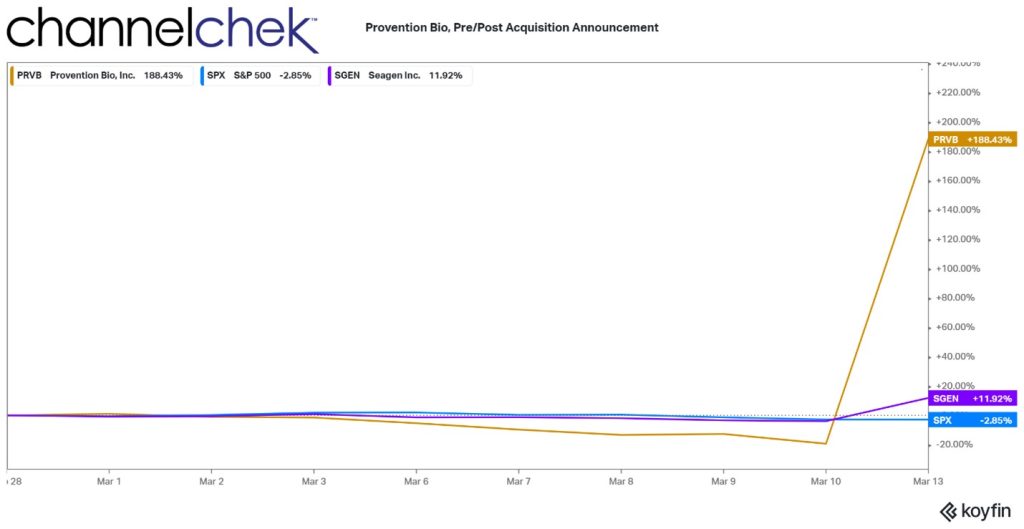
Source: Koyfin

Tide Turning

Speaking about the terms now expected, the chief financial officer of Gilead Sciences (GILD) is quoted as saying, “It’s changed completely in terms of both the deal structures they’ll contemplate, the valuations that they’re thinking about,”

Large pharmaceutical companies such as Gilead have the means to provide a non-dilutive source of funds; they are coming off a number of very profitable years and are looking for more rewarding uses of their cash. This doesn’t mean they are willing to cut large acquisition checks; the current trend seems to be more partnering deals – collaborations that keep the best ideas moving forward.

The risk-reward analysis by the large pharmaceutical companies is versus low-return financial assets on the balance sheet. “We can make a lot of investments because it’s not high cost,” says Anat Ashkenazi, CFO of Eli Lilly (LLY). “And we know some of these will fail, some will succeed. That’s how we operate.”

This has ushered in a health industry where large companies with cash to spend are capable of placing many well analyzed bets on future devices and drugs from small companies that now must make a deal or risk perishing.

Take Away

When a small biotech company gets an infusion of cash from collaborating with a big pharmaceutical company, its stock typically reacts very positively. This is not the same level of reaction as an outright purchase, but worthwhile just the same. There is an atmosphere where these partnerships and collaborations are likely to occur with more frequency. This could add to the number of small biotech stock potential winners early in 2023.

Discover Inner Details from the Health Symposium

Investors eager to discover more about the companies at the JPM conference, what was said, where the industry is going, and actionable investor possibilities, can immerse themselves in this info deeper next week.

Here’s how.

Noble Capital Markets’ equity analysts and investment bankers attended the meetings, lunches, cocktail events, and interviewed company management. Next week they will share their collective takeaways. It is perhaps better than having endured the unusually bad weather yourself in San Francisco, get more information here!

Paul Hoffman

Managing Editor, Channelchek

Sources

https://www.jpmorgan.com/solutions/cib/insights/health-care-conference

https://www.barrons.com/articles/biotech-partnerships-mergers-acquistions-51673643442

https://www.channelchek.com/news-channel/takeaway-series-on-channelchek-j-p-morgan-healthcare-conference

Release – PDS Biotech to Participate at the B. Riley Securities 3rd Annual Oncology Conference

Research News and Market Data on PDSB

FLORHAM PARK, N.J., Jan. 13, 2023 (GLOBE NEWSWIRE) — PDS Biotechnology Corporation (Nasdaq: PDSB), a clinical-stage immunotherapy company developing a growing pipeline of targeted immunotherapies for cancer and infectious disease, today announced that its management will participate in a fireside chat at the B. Riley Securities 3rd Annual Oncology Conference being held virtually on January 18-19, 2023.

B. Riley Securities 3rd Annual Oncology Conference
Fireside Chat: Thursday, January 19, 2023
Time: 1:00 PM EST
Virtual viewers: Livestream

About PDS Biotechnology
PDS Biotech is a clinical-stage immunotherapy company developing a growing pipeline of targeted cancer and infectious disease immunotherapies based on our proprietary Versamune® and Infectimune™ T cell-activating technology platforms. We believe our targeted Versamune® based candidates have the potential to overcome the limitations of current immunotherapy by inducing large quantities of high-quality, potent polyfunctional tumor specific CD4+ helper and CD8+ killer T cells. To date, our lead Versamune® clinical candidate, PDS0101, has demonstrated the potential to reduce tumors and stabilize disease in combination with approved and investigational therapeutics in patients with a broad range of HPV-expressing cancers in multiple Phase 2 clinical trials. Our Infectimune™ based vaccines have also demonstrated the potential to induce not only robust and durable neutralizing antibody responses, but also powerful T cell responses, including long-lasting memory T cell responses in pre-clinical studies to date. To learn more, please visit www.pdsbiotech.com or follow us on Twitter at @PDSBiotech.

Versamune® is a registered trademark and Infectimune™ is a trademark of PDS Biotechnology.

Investor Contacts:
Deanne Randolph
PDS Biotech
Phone: +1 (908) 517-3613
[email protected]

Rich Cockrell
CG Capital
Phone: +1 (404) 736-3838
[email protected]  

Media Contacts: 
Tiberend Strategic Advisors, Inc.
Dave Schemelia 
Phone: +1 (609) 468-9325 
[email protected]  

Bill Borden 
Phone: +1 (732) 910-1620 
[email protected]

Cathie Wood Shines Spotlight on Missed Opportunities of 2022

Image Credit: City of St Pete (Flickr)

Cathie Wood Reveals 2022’s Most Disruptive and Innovative Technologies

ARK Invest’s Cathie Wood penned a lookback-themed article about the innovations and disruptive companies of 2022. The purpose seemed to be to remind followers that although during the year, investors may have become disheartened with innovation, ‘look at the amazing opportunities that occurred.’ The innovations and companies highlighted were somewhat overlooked; following the path we are accustomed to from many breakthroughs, they fly under the radar. Then, suddenly they’re widely adopted. Below are many of her picks for innovation and companies she may now wish her funds held large positions in.

The Future of Internet

Suddenly everyone is talking about ChatGPT. According to Wood, artificial intelligence (AI), specifically, ChatGPT is advancing at a pace that is surprising even by standards set by earlier versions. This version of GPT-3, optimized for conversation, signed up one million users in just five days. By comparison, this onboarding of users is incredibly fast benchmarked against the original GPT-3, which took 24 months to reach the same level.

In 2022, TV advertising in the US underwent significant changes. Traditional, non-addressable, non-interactive TV ad spending dropped by 2% to $70 billion, according to Wood. Connected TV (CTV) ad spending on the same terms increased by 14% to ~$21 billion. Pure-play CTV operator Roku’s advertising platform revenue increased 15% year-over-year in the third quarter, the latest report available, while traditional TV scatter markets plummeted 38% year-over-year in the US. Roku maintained its position in the CTV market as the leading smart TV vendor in the US, accounting for 32% of the market.

Digital Wallets are replacing both credit cards and cash. In the category of offline commerce. They overtook cash as the top transaction method in 2020 and accounted for 50% of global online commerce volume in 2021. As an example of the growth, Square’s payment volume soared 193%, six times faster than the 30% increase in total retail spending 2019-2022 (relative to pre-COVID levels).

While overall e-commerce spending increased by 99% over the last three years, social commerce merchandise volume grew even faster. Shopify’s gross merchandise volume grew by 312%, almost four times faster than overall e-commerce and taking a significant share from other retail.

Underlying public blockchains continue to process transactions despite what may be going on surrounding the connected industries. Wood says it highlights that “their transparent, decentralized, and auditable ledgers could be a solution to the fraud and mismanagement associated with centralized, opaque institutions.” She explains, “After the FTX collapse, the share of trading volume on decentralized exchanges, which allow for trading without a central intermediary, rose 37% from 8.35% to 11.44%.

Genomic Revolution

Base editing and multiplexing have the potential to provide more effective CAR-T treatments for patients with otherwise incurable cancers. Cathie Wood provided an example from 2022 about a young girl in the UK with leukemia that went from hopeless in May to Canver-free in November.

In 2022 Dutch scientists at the Hubrecht Institute, UMC Utrecht, and the Oncode Institute used another form of gene editing called prime editing to correct the mutation that causes cystic fibrosis in human stem cells. Another example of how it is being adopted comes from  Korean researchers at Yonsei University that used prime editing successfully to treat liver and eye diseases in adult mice.

CRISPR gene editing in Cathie’s words, “has delivered functional cures for beta-thalassemia and sickle cell disease.” She gives examples: CRISPR Therapeutics and Vertex Pharmaceuticals which together have treated more than 75 patients, resulting in some well-publicized “functional cures”. They are expecting FDA approval for Exa-Cel, the treatment for sickle cell and beta thalassemia, in early 2023.

In the category the Ark Invest founder referred to as other cell and gene therapies, she says in 2022, regulators approved several landmark cell and gene therapies. The examples she used to highlight this are Hemgenix for the treatment of Haemophilia B, Zyntelgo for beta thalassemia, Skysona for cerebral adrenoleukodystrophy, Yescarta and Breyanzi for Non-Hodgkin lymphoma, Tecartus for mantle cell lymphoma, and Carvykti and Abecma for multiple myeloma.

Liquid biopsies, blood tests via molecular diagnostic testing are enabling the early detection of colorectal cancer which, if discovered at or before stage 1, have a five-year survival rate greater than 90%. Late-stage or metastatic cancers account for more than 55% of deaths over a five-year period, but only 17% of new diagnoses.

Autonomous Technology & Robotics

During 2022 electric vehicle maker Tesla sales increased by 49% even as automobile sales declined by 8%. Tesla’s share of total auto sales in the US has increased to 3.8% from 1.4% in three years.

During 2022, GM expanded its autonomous driving taxi service to most of San Francisco in the first large-scale rollout in a major US city. Then it launched in both Phoenix and Austin late in the year. The automaker with a stodgy reputation, managed to compress the time to commercialization from nine years in San Francisco to just 90 days in Austin. Tesla, for its part, expanded access to its FSD (full self-driving) beta software to all owners in North America who had requested access.

By January 4, 2023, both Amazon and Walmart had begun deliveries using drones in select US cities. Autonomous logistics technology is no longer futuristic and is likely to continue being adopted and expanded.

Across the top 50 medical device companies, 90% rely on 3D printing for prototyping, testing, and even in some cases printing medical devices.

In 2022, SpaceX nearly doubled the number of rockets it launched to 61. It reused the same rocket in as few as 21 days, a dramatic improvement over the 356 days required for its first rocket reuse. Private Space Exploration is a reality. 61 rockets is an average of more than one per week.

Take Away

Hedge fund manager Cathie Wood took the new year as an opportunity to communicate examples of game-changing innovation that the equity market largely ignored in 2022. She finds these as confidence building that the premise of many of her managed funds is with merit. More importantly, in the face of market headwinds and media criticism, she wants these examples to help boost investor confidence “that ARK’s strategies are on the right side of change.” She tells readers, “innovation solves problems and has historically gained share during turbulent times.”

Paul Hofman

Managing Editor, Channelchek

Source

https://ark-invest.com/

Release – Item 9 Labs Closes Out 2022 as a Top 10 Cannabis Brand in Arizona

Research News and Market Data on INLB

Awarded Multiple First Place Podium Finishes in Arizona’s Largest Cannabis Competitions
– Named No. 1 Cannabis Brand in Arizona by MJ Brand Insights For Creative Brand Engagement

PHOENIX , Jan. 12, 2023 /PRNewswire/ — Item 9 Labs —the award-winning, premium cannabis brand from Item 9 Labs Corp. (OTCQX: INLB)—kicks off 2023 after a year of budding growth and achievements embedded in product innovation and increased consumer engagement.

The Arizona marijuana market has experienced one of the most rapid developments in consumer participation and retail expansion of any market over the past year, according to cannabis data research firm BDSA. With the legalization of adult-use marijuana in early 2021, Arizona has seen noticeable popularity across the pre-roll, flower and concentrate categories with the market predicted to exceed $1 billion by year end.

BDSA recognized Item 9 Labs as one of the top 10 cannabis brands in the state overall, along with top five placements across multiple vape categories.

“Wrapping up 2022 as a top 10 brand is a true testament to our team of extraction and cultivation experts and their deep commitment to delivering masterfully crafted cannabis products,” said Item 9 Labs Corp. Chief Executive Officer, Mike Weinberger . “In the year ahead, we are optimistic that our Item 9 Labs brand will continue building on this positive momentum while driving forward brand recognition and loyalty.”

In August 2022 , Item 9 Labs was recognized as the No. 1 cannabis brand in Arizona by MJ Brand Insights (MJBI) , the official publication of MJ Unpacked , for its creative brand engagement. Using a proprietary, comparison-based scoring system by Pioneer Intelligence, the technology leverages data to benchmark marketing performance of consumer-facing cannabis brands.

This past June, the brand launched a new permanent mainstay to its product lineup— 1-gram concentrate infused pre-rolls —recognizing the trending triple-digit growth of this category. Item 9 Labs infused pre-rolls are crafted with award-winning flower and live resin sugar, live resin badder or crumble concentrates, which are grown and extracted in-house. With products in 65 percent of Arizona’s dispensaries, the brand sold more than 13,000 units of its pre-rolls within the first two months and they have been flying off the shelves ever since.

Item 9 Labs consistently bolsters and strengthens its existing extensive product lineup. As the brand entered 2022, it introduced its best-selling proprietary vape technology Orion 710 Live Resin Pod and Battery System with a half-gram pod (500 mg) due to the popularity of its 1-gram (1000 mg) pod. Since hitting the market, Item 9 Labs sold nearly 64,000 units across the state, creating buzz amongst local consumers and generating a go-to vape option for the market.

“Last year was the first year we witnessed the true impact of legal cannabis sales and saw how consumer dynamics evolved alongside it,” said Item 9 Labs Corp. Chief Operating Officer, Chris Wolven . He added, “We put an emphasis on the art of innovation and fueled our go-to-market strategy to meet the increasing demand, and it shows in the awards we took home for product excellence.”

Item 9 Labs’ dedication to perfecting its cannabis products this past year did not go unnoticed. The brand earned multiple top podium finishes in Arizona’s largest and longest-running annual cannabis festivals and awards events. At the Spring Errl Cup and Fall Errl Cup this year, the brand was awarded:

  • First place for “Best Cannabis Vape Pen – Indica”
  • First place for “Best Cannabis Vape Pen – Sativa”
  • Second place for “Best Cannabis Flower – Sativa”
  • Second place for “Best Cannabis Vape Pen – Indica”
  • Second place for “Best Concentrate – Hybrid”
  • Third place for “Best Hand-Crafted Cannabis Product”
  • Third place for “Best Cannabis Vape Pen – Sativa”
  • Third place for “Best Derivative”

For more information on Item 9 Labs, the brand’s wide range of premium cannabis products and its awards, visit item9labs.com or Item 9 Labs’ Instagram .

ABOUT ITEM 9 LABS
Item 9 Labs cultivates the highest quality cannabis products while providing transparency, consistency and well-being for an enhanced cannabis experience. With more than 30 podium finishes in Arizona marijuana competitions, Item 9 Labs is a trusted source for premium cannabis products. Starting with intentionally grown flower, the Item 9 Labs product catalog spans across five core categories, including several active cannabis strains, cannabis vape products, premium concentrates and Orion vape technology. For additional information, visit item9labs. com .

ABOUT ITEM 9 LABS CORP.
Item 9 Labs Corp. (OTCQX: INLB) is a vertically integrated cannabis operator and dispensary franchisor delivering premium products from its large-scale cultivation and production facilities in the United States . The award-winning Item 9 Labs brand specializes in best-in-class products and user experience across several cannabis categories. The company also offers a unique dispensary franchise model through the national Unity Rd. retail brand. Easing barriers to entry, the franchise provides an opportunity for both new and existing dispensary owners to leverage the knowledge, resources and ongoing support needed to thrive in their state compliantly and successfully. Item 9 Labs brings the best industry practices to markets nationwide through distinctive retail experience, cultivation capabilities and product innovation. The veteran management team combines a diverse skill set with deep experience in the cannabis sector, franchising and the capital markets to lead a new generation of public cannabis companies that provide transparency, consistency and well-being. Headquartered in Arizona, the company is currently expanding its operations space up to 640,000-plus square feet on its 50-acre site, one of the largest properties in Arizona zoned to grow and cultivate flower. For additional information, visit item9labscorp. com .

FORWARD-LOOKING STATEMENTS
This press release contains forward-looking statements within the meaning of the safe harbor provisions of the Private Securities Litigation Reform Act of 1995. Such statements involve risks and uncertainties, including, but not limited to, risks and effects of legal and administrative proceedings and governmental regulation, especially in a foreign country, future financial and operational results, competition, general economic conditions, proposed transactions that are not legally binding obligations of the company and the ability to manage and continue growth. Should one or more of these risks or uncertainties materialize, or should underlying assumptions prove incorrect, actual outcomes may vary materially from those indicated. Important factors that could cause actual results to differ materially from the forward-looking statements we make in this news release include the introduction of new technology, market conditions and those set forth in reports or documents we file from time to time with the SEC. We undertake no obligation to revise or update such statements to reflect current events or circumstances after the date hereof or to reflect the occurrence of unanticipated events.

Media Contact:
Lisa Sass
Serendipit Consulting
[email protected]
602-283-5209

Investor Contact:
Item 9 Labs Corp.
[email protected]
800-403-1140

Cision View original content to download multimedia: https://www.prnewswire.com/news-releases/item-9-labs-closes-out-2022-as-a-top-10-cannabis-brand-in-arizona-301720085.html

SOURCE Item 9 Labs

Release – Multi-State Cannabis Operator, Schwazze Announces Key Executive Leadership Additions

Research News and Market Data on SHWZ

January 11, 2023

NEO: SHWZ
OTCQX: SHWZ

DENVER, Jan. 11, 2023 /CNW/ – Medicine Man Technologies operating as Schwazze, (OTCQX: SHWZ) (NEO: SHWZ) (“Schwazze” or the “Company”), announces changes to its executive leadership team in preparation for its growth initiatives in Colorado and New Mexico.


Todd Williams, who has been acting as a Senior Advisor & Consultant for Mergers & Acquisitions and Real Estate, will become EVP, M&A and Real Estate. Williams has been a key member of the Schwazze Executive Leadership Team in an advisory capacity for the past three years and joins the Schwazze team as a full-time employee to continue his focus on M&A and real estate. Williams joins Schwazze in a period of significant organic and new acquisition growth for the Company. He is a seasoned veteran with more than 25 years’ experience in business development, mergers and acquisitions, and asset valuation. Previously, Williams was Vice President of Corporate Development at Albertsons, Inc., where he managed the acquisition of more than 1,600 operating grocery stores with more than $40 billion in sales and $10 billion in transaction value, as well as divesting 168 stores with over $3 billion in sales.

Steve Pear is moving from head of the New Mexico division to become President, Wholesale Division, responsible for leading the Company’s wholesale sales and marketing efforts. As a newly created role within the Company’s Executive Leadership Team, Pear’s focus will shift to optimizing our commercial footprint on a national scale while driving our core brands to the next level. He has been instrumental in leading the New Mexico team since the R.Greenleaf acquisition was completed in February of 2022. While Pear is stepping away from his role in New Mexico, he has positioned the team for continued success as Schwazze expands further in the New Mexico market. Reporting directly to Pear in his new role will be Jeremy Bullock (VP, Commercial Sales) and Julie Suntrup (VP, Corporate Marketing & Brands).

Replacing Pear in New Mexico is Ken Diehl as President, New Mexico Division. Diehl is a highly accomplished retail industry operations, merchandising and marketing professional with 30 years’ experience overseeing billions in annual revenue, leading retail teams, improving spending, and increasing profitability. He has an impressive history of growing Fortune 500 companies’ sales as well as profits. Diehl brings to Schwazze grocery retail experience with Kroger, Albertsons, Jewel Osco, A&P, and Strack & Van Til, holding the roles as Chief Executive Officer, Chief Merchant, Chief Operator and Chief Marketer. Most recently, Diehl was Chief Merchant for Leslie’s Pool Supplies while also helping to project lead an IPO in specialty retail. Diehl studied at Arizona State University as well as Cornell University, before leaving to joining the military where he earned Top Secret clearance as an honored veteran of the United States Navy.

We are excited to add key, seasoned individuals to our Executive Leadership team as the Company positions itself for growth in 2023 and beyond. Ken Diehl’s retail leadership will be key as we grow our New Mexico retail footprint to meet the needs of our customers, and Steve Pear’s transition to Schwazze’s wholesale division demonstrates our intent to grow our in-house brands’ sales across both states. In addition, I’m happy Todd Williams has chosen to come on board in a full-time capacity to fuel our M&A and organic growth efforts.” said Nirup Krishnamurthy, President of Schwazze.

Since April 2020, Schwazze has acquired, opened or announced the planned acquisition of 41 cannabis retail dispensaries (Star Buds, Emerald Fields and R,Greenleaf) as well as seven cultivation facilities and two manufacturing plants in Colorado and New Mexico. In May 2021, Schwazze announced its Biosciences division, and in August 2021 it commenced home delivery services in Colorado.

About Schwazze

Schwazze (OTCQX: SHWZ; NEO: SHWZ) is building a premier vertically integrated regional cannabis company with assets in Colorado and New Mexico and will continue to take its operating system to other states where it can develop a differentiated regional leadership position. Schwazze is the parent company of a portfolio of leading cannabis businesses and brands spanning seed to sale. The Company is committed to unlocking the full potential of the cannabis plant to improve the human condition. Schwazze is anchored by a high-performance culture that combines customer-centric thinking and data science to test, measure, and drive decisions and outcomes. The Company’s leadership team has deep expertise in retailing, wholesaling, and building consumer brands at Fortune 500 companies as well as in the cannabis sector. Schwazze is passionate about making a difference in our communities, promoting diversity and inclusion, and doing our part to incorporate climate-conscious best practices.

Medicine Man Technologies, Inc. was Schwazze’s former operating trade name. The corporate entity continues to be named Medicine Man Technologies, Inc. Schwazze derives its name from the pruning technique of a cannabis plant to enhance plant structure and promote healthy growth. To learn more about Schwazze, visit www.Schwazze.com.

Forward-Looking Statements

This press release contains “forward-looking statements.” Such statements may be preceded by the words “plan,” “will,” “may,” “continue,” “predicts,” or similar words. Forward-looking statements are not guarantees of future events or performance, are based on certain assumptions, and are subject to various known and unknown risks and uncertainties, many of which are beyond the Company’s control and cannot be predicted or quantified. Consequently, actual events and results may differ materially from those expressed or implied by such forward-looking statements. Such risks and uncertainties include, without limitation, risks and uncertainties associated with (i) our inability to manufacture our products and product candidates on a commercial scale on our own or in collaboration with third parties; (ii) difficulties in obtaining financing on commercially reasonable terms; (iii) changes in the size and nature of our competition; (iv) loss of one or more key executives or scientists; (v) difficulties in securing regulatory approval to market our products and product candidates; (vi) our ability to successfully execute our growth strategy in Colorado and outside the state, (vii) our ability to consummate the acquisition described in this press release or to identify and consummate future acquisitions that meet our criteria, (viii) our ability to successfully integrate acquired businesses, including the acquisition described in this press release, and realize synergies therefrom, (ix) the ongoing COVID-19 pandemic, * the timing and extent of governmental stimulus programs, and (xi) the uncertainty in the application of federal, state and local laws to our business, and any changes in such laws. More detailed information about the Company and the risk factors that may affect the realization of forward-looking statements is set forth in the Company’s filings with the Securities and Exchange Commission (SEC), including the Company’s Annual Report on Form 10-K and its Quarterly Reports on Form 10-Q. Investors and security holders are urged to read these documents free of charge on the SEC’s website at http://www.sec.gov. The Company assumes no obligation to publicly update or revise its forward-looking statements as a result of new information, future events or otherwise except as required by law.

Cision View original content to download multimedia:https://www.prnewswire.com/news-releases/multi-state-cannabis-operator-schwazze-announces-key-executive-leadership-additions-301718562.html

SOURCE Schwazze

Using Stem Cells to Treat Cancer

Image Source: NIH (Flickr)

Triggering Cancer Cells to Become Normal Cells – How Stem Cell Therapies Can Provide New Ways to Stop Tumors from Spreading or Growing Back

How cells become cancerous is a process researchers are still trying to fully understand. Generally, normal cells grow and multiply through controlled cell division, where old and damaged cells are replaced after they die by new cells. Sometimes this process stops working, leading cells to start growing uncontrollably and develop into a tumor.

Traditionally, cancer treatments like chemotherapy, immunotherapy, radiation and surgery focus on killing cancer cells. Another type of treatment using stem cells called differentiation therapy, however, focuses on persuading cancer cells to become normal cells.

Two economists discussed that and more in a recent wide-ranging and exclusive interview for The Conversation. Brian Blank is a finance professor at Mississippi State University who specializes in the study of corporations and how they respond to economic downturns, Huanhuan Joyce Chen, Assistant Professor of Molecular Engineering, University of Chicago Pritzker School of Molecular Engineering and Abhimanyu Thakur,Postdoctoral Scholar in Molecular Engineering, University of Chicago Pritzker School of Molecular Engineering.

We are researchers who study how stem cells, or immature cells that can develop into different types of cells, behave in states of health and disease. We believe that stem cells can provide potential treatments for cancer of all types in many different ways.

How Do Stem Cells Contribute to Cancer?

Stem cells are unspecialized cells, meaning they can eventually become any one of the various types of cells that make up different parts of the body. They can replenish cells in the skin, bone, blood and other organs during development and regenerate and repair tissues when they’re damaged.

There are different types of stem cells. Embryonic stem cells are the first cells that initially form after a sperm fertilizes an egg and can give rise to all other cell types in the human body. Adult stem cells are more mature, meaning they can replace damaged cells only in one type of organ and have a limited ability to multiply. Researchers can reprogram adult stem cells, or differentiated cells, in the lab to act like embryonic stem cells.

Because stem cells can survive longer than regular cells, they have a much higher probability of accumulating genetic mutations that can result in loss of control over their growth and ability to regenerate. This is why many tumors harbor a small subpopulation of cells that function like stem cells. These so-called cancer stem cells are thought to be responsible at least in part for cancer initiation, progression, metastasis, recurrence and treatment resistance.

What is Differentiation Therapy?

Accumulating evidence is also showing that cancer stem cells can differentiate into multiple cell types, including noncancerous cells. Researchers are taking advantage of this fact through a type of treatment called differentiation therapy.

The concept of differentiation therapy originated from scientists observing that hormones and cytokines, which are proteins that play a key role in cell communication, can stimulate stem cells to mature and lose their ability to regenerate. It followed that forcing cancer stem cells to differentiate into more mature cells could subsequently stop them from multiplying uncontrollably, making them become normal cells.

Differentiation therapy has been successful in treating acute promyelocytic leukemia, an aggressive blood cancer. In this case, retinoic acid and arsenic are used to block a protein that stops myeloid cells, a type of blood cell derived from the bone marrow, from fully maturing. By allowing these cells to fully mature, they lose their cancerous qualities.

Furthermore, because differentiation therapy doesn’t focus on killing cancer cells and doesn’t surround healthy cells in the body with harmful chemicals, it can be less toxic than traditional treatments.

Using Stem Cells to Treat Cancer

There are many other potential ways to use stem cells to treat cancer. For example, cancer stem cells can be directly targeted to stop their growth, or turned into “Trojan horses” that attack other tumor cells.

Quiescent cancer stem cells, which don’t divide but are still alive, are another potential drug target. These cells typically play a big role in treatment resistance for various cancer types because they are able to regenerate and avoid death even better than regular cancer stem cells. Their quiescent quality can persist for decades and lead to a cancer relapse. They are also challenging to distinguish from regular cancer stem cells, making them difficult to study.

Researchers can also genetically engineer stem cells to express a protein that binds to a desired target in a cancer cell, increasing the efficacy of treatments by releasing drugs right at the tumor. For example, mesenchymal stem cells derived from bone marrow naturally migrate toward and stick to tumors, and can be used to deliver cancer drugs directly to cancer cells.

Stem cells can also be used to make organoid models, or miniature versions of organs, to screen potential cancer drugs and study the underlying mechanisms that lead to cancer.

Challenges in Stem Cell Therapy

Although, stem cells hold numerous advantages in their use in cancer therapy, they also face various challenges. For example, many current stem cell therapies that aren’t used in combination with other drugs are unable to completely eliminate tumors. There are also concerns about stem cell therapies potentially promoting tumor growth.

Despite these challenges, we believe that stem cell technologies have the potential to open new avenues for cancer therapy. Integrating genetic engineering with stem cells can overcome the major drawbacks of chemotherapeutics, such as toxicity to healthy cells. With further research, cancer stem cell therapies may one day become part of the standard of care for many types of cancer.

Release – BioSig Executes Agreement with Bellin Health for the Acquisition of its PURE EP™ Technology

Research News and Market Data on BSGM

January 10, 2023

Westport, CT, Jan. 10, 2023 (GLOBE NEWSWIRE) —

  • Leading Midwest healthcare system reports significant cost savings and noise reduction following evaluation of the PURE EP™ System
  • Medical center signs agreement to acquire the Company’s digital signal processing technology for arrhythmia care

BioSig Technologies, Inc. (NASDAQ: BSGM) (“BioSig” or the “Company”) an advanced digital signal processing technology company delivering unprecedented accuracy and precision to intracardiac signal visualization with its proprietary PURE EP™ System, today announced that Bellin Health System in Green Bay, Wisconsin has signed an agreement to acquire the Company’s PURE EP™ System.

The agreement follows a 60-day formal evaluation of the PURE EP™ System at Bellin Health. The hospital reported that the PURE EP™ demonstrated a significant cost savings per case as well as a substantial reduction in noise and signal interference compared to the use of conventional systems only.

The agreement grants Bellin Health full autonomy with respect to its operation of the PURE EP™ System, and BioSig will not be required to provide an on-site clinical account manager following the new system install.

The PURE EP™ System is a combination of hardware and software that enables the real-time acquisition of raw signal data—absent of unnecessary noise or interference—allowing physicians to make informed clinical decisions based on clear and precise data. With the heightened visualization of active signals, the PURE EP™ System is facilitating personalized patient care and innovations in the field of electrophysiology.

“Bellin has observed, first-hand, that clear cardiac signals provide more information that can impact procedural efficiency without driving up procedural costs,” commented Gray Fleming, Chief Commercial Officer, BioSig Technologies. “The terms of this agreement represent a new milestone for the PURE EP™ System—expanding the accessibility and automaticity of our novel digital signal processing technology.”

Bellin Health recently announced plans to combine operations with Gundersen Health System, a physician-led, nonprofit, integrated healthcare network headquartered in La Crosse, Wisconsin. The hospital serves 22 counties in western Wisconsin, southeastern Minnesota, and northeast Iowa. The merger allows the health systems to offer access to more resources and a broader network of top-tier clinical services, shared provider expertise, state-of-the-art technology and digital healthcare tools that bring virtual care options into homes and workplaces.1

About Bellin Health
Bellin Health’s Heart and Vascular Team brings more than 50 years of experience in all facets of cardiac care, making the medical center the most experienced program in the region. The physicians at Bellin are board-certified specialists with experience in all areas of cardiovascular care including echocardiography, nuclear cardiology, interventional cardiology, electrophysiology, and endovascular medicine. As the largest group of cardiovascular specialists in Green Bay, Bellin Health is renowned for its comprehensive cardiovascular care centers across the Midwest and its surrounding regions. (www.bellin.org).

About BioSig Technologies 
BioSig Technologies is an advanced digital signal processing technology company bringing never-before-seen insights to the treatment of cardiovascular arrhythmias. Through collaboration with physicians, experts, and healthcare leaders across the field of electrophysiology (EP), BioSig is committed to addressing healthcare’s biggest priorities — saving time, saving costs, and saving lives. 

The Company’s first product, the PURE EP™ System, an FDA 510(k) cleared non-invasive class II device, provides superior, real-time signal visualization allowing physicians to perform insight-based, highly targeted cardiac ablation procedures with increased procedural efficiency and efficacy. 

The PURE EP™ System is currently in a national commercial launch and an integral part of well-respected healthcare systems, such as Mayo Clinic, Texas Cardiac Arrhythmia Institute, Cleveland Clinic, and Kansas City Heart Rhythm Institute. In a blinded clinical study recently published in the Journal of Cardiovascular Electrophysiology, electrophysiologists rated PURE EP™ as equivalent or superior to conventional systems for 93.6% of signal samples, with 75.2% earning a superior rating. 

The global EP market is projected to reach $16B in 2028 with a 11.2% growth rate.2


Forward-looking Statements 
This press release contains “forward-looking statements.” Such statements may be preceded by the words “intends,” “may,” “will,” “plans,” “expects,” “anticipates,” “projects,” “predicts,” “estimates,” “aims,” “believes,” “hopes,” “potential” or similar words. Forward- looking statements are not guarantees of future performance, are based on certain assumptions and are subject to various known and unknown risks and uncertainties, many of which are beyond the Company’s control, and cannot be predicted or quantified and consequently, actual results may differ materially from those expressed or implied by such forward-looking statements. Such risks and uncertainties include, without limitation, risks and uncertainties associated with (i) market conditions and the Company’s intended use of proceeds; (ii) the geographic, social and economic impact of COVID-19 on our ability to conduct our business and raise capital in the future when needed; (iii) our inability to manufacture our products and product candidates on a commercial scale on our own, or in collaboration with third parties; (iv) difficulties in obtaining financing on commercially reasonable terms; (v) changes in the size and nature of our competition; (vi) loss of one or more key executives or scientists; and (vii) difficulties in securing regulatory approval to market our products and product candidates. More detailed information about the Company and the risk factors that may affect the realization of forward-looking statements is set forth in the Company’s filings with the Securities and Exchange Commission (SEC), including the Company’s Annual Report on Form 10-K and its Quarterly Reports on Form 10-Q. Investors and security holders are urged to read these documents free of charge on the SEC’s website at http://www.sec.gov. The Company assumes no obligation to publicly update or revise its forward-looking statements as a result of new information, future events or otherwise. 

1 https://www.gundersenhealth.org/news/gundersen-bellin-anticipate-merger-closing-nov-30-start-of-operations-dec-1

2Global Market Insights Inc. March 08, 2022.

Andrew Ballou
BioSig Technologies, Inc.
Vice President, Investor Relations
55 Greens Farms Road, 1st Floor
Westport, CT 06880
[email protected]
203-409-5444, x133

Source: BioSig Technologies, Inc.

Organs-On-A-Chip Minimize Late-Stage Drug Development Failures

Image: Lung-on-a-Chip,  National Center for Advancing Translational Sciences (Flickr)

Organ-On-A-Chip Models Allow Researchers to Conduct Studies Closer to Real-Life Conditions – and Possibly Grease the Drug Development Pipeline

Bringing a new drug to market costs billions of dollars and can take over a decade. These high monetary and time investments are both strong contributors to today’s skyrocketing health care costs and significant obstacles to delivering new therapies to patients. One big reason behind these barriers is the lab models researchers use to develop drugs in the first place.

Preclinical trials, or studies that test a drug’s efficacy and toxicity before it enters clinical trials in people, are mainly conducted on cell cultures and animals. Both are limited by their poor ability to mimic the conditions of the human body. Cell cultures in a petri dish are unable to replicate every aspect of tissue function, such as how cells interact in the body or the dynamics of living organs. And animals are not humans – even small genetic differences between species can be amplified to major physiological differences.

Fewer than 8% of successful animal studies for cancer therapies make it to human clinical trials. Because animal models often fail to predict drug effects in human clinical trials, these late-stage failures can significantly drive up both costs and patient health risks.

To address this translation problem, researchers have been developing a promising model that can more closely mimic the human body – organ-on-a-chip.

This article was republished with permission from The Conversation, a news site dedicated to sharing ideas from academic experts. It represents the research-based findings and thoughts of Chengpeng Chen, Assistant Professor of Chemistry and Biochemistry, University of Maryland, Baltimore County

As an analytical chemist, I have been working to develop organ and tissue models that avoid the simplicity of common cell cultures and the discrepancies of animal models. I believe that, with further development, organs-on-chips can help researchers study diseases and test drugs in conditions that are closer to real life.

What are Organs-On-Chips?

In the late 1990s, researchers figured out a way to layer elastic polymers to control and examine fluids at a microscopic level. This launched the field of microfluidics, which for the biomedical sciences involves the use of devices that can mimic the dynamic flow of fluids in the body, such as blood.

Advances in microfluidics have provided researchers a platform to culture cells that function more closely to how they would in the human body, specifically with organs-on-chips. The “chip” refers to the microfluidic device that encases the cells. They’re commonly made using the same technology as computer chips.

Not only do organs-on-chips mimic blood flow in the body, these platforms have microchambers that allow researchers to integrate multiple types of cells to mimic the diverse range of cell types normally present in an organ. The fluid flow connects these multiple cell types, allowing researchers to study how they interact with each other.

This technology can overcome the limitations of both static cell cultures and animal studies in several ways. First, the presence of fluid flowing in the model allows it to mimic both what a cell experiences in the body, such as how it receives nutrients and removes wastes, and how a drug will move in the blood and interact with multiple types of cells. The ability to control fluid flow also enables researchers to fine-tune the optimal dosing for a particular drug.

The lung-on-a-chip model, for instance, is able to integrate both the mechanical and physical qualities of a living human lung. It’s able to mimic the dilation and contraction, or inhalation and exhalation, of the lung and simulate the interface between the lung and air. The ability to replicate these qualities allows researchers to better study lung impairment across different factors.

Bringing Organs-On-Chips to Scale

While organ-on-a-chip pushes the boundaries of early-stage pharmaceutical research, the technology has not been widely integrated into drug development pipelines. I believe that a core obstacle for wide adoption of such chips is its high complexity and low practicality.

Current organ-on-a-chip models are difficult for the average scientist to use. Also, because most models are single-use and allow only one input, which limits what researchers can study at a given time, they are both expensive and time- and labor-intensive to implement. The high investments required to use these models might dampen enthusiasm to adopt them. After all, researchers often use the least complex models available for preclinical studies to reduce time and cost.

This chip mimics the blood-brain barrier. The blue dye marks where brain cells would go, and the red dye marks the route of blood flow. Vanderbilt University/Flickr

Lowering the technical bar to make and use organs-on-chips is critical to allowing the entire research community to take full advantage of their benefits. But this does not necessarily require simplifying the models. My lab, for example, has designed various “plug-and-play” tissue chips that are standardized and modular, allowing researchers to readily assemble premade parts to run their experiments.

The advent of 3D printing has also significantly facilitated the development of organ-on-a-chip, allowing researchers to directly manufacture entire tissue and organ models on chips. 3D printing is ideal for fast prototyping and design-sharing between users and also makes it easy for mass production of standardized materials.

I believe that organs-on-chips hold the potential to enable breakthroughs in drug discovery and allow researchers to better understand how organs function in health and disease. Increasing this technology’s accessibility could help take the model out of development in the lab and let it make its mark on the biomedical industry.