(Note: companies that could be impacted by the content of this article are listed at the base of the story (desktop version). This article uses third-party references to provide a bullish, bearish and balanced point of view; sources listed in the “Balanced” section)
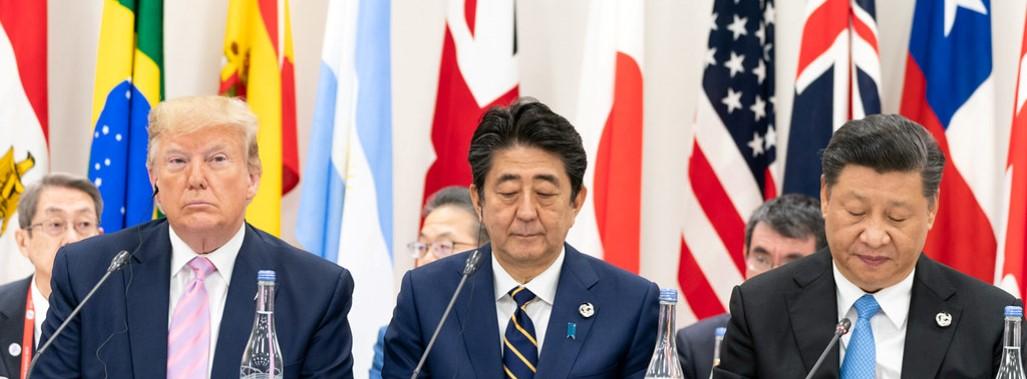
On Saturday, June 29th, the United States and China agreed to restart trade talks after the Trump administration offered not to induce new tariffs and ease restriction on the Chinese tech giant, Huawei, reducing ongoing tensions. U.S. stocks rose on Monday after President Trumps meeting with China’s President Xi at the G-20 in Japan, where the Trump administration willingness for cooperation and communication helped reduce the ongoing fear of a bolstered trade war. President Trump will maintain current tariffs on Chinese goods but will not implement any new tariffs which could harm consumer purchasing in the United States. The United States will allow certain companies to sell technological products to Huawei if there is no risk to national security.