Charter to Acquire Liberty Broadband Corporation in $280M All-Stock Deal

Key Points:
– Charter to acquire Liberty Broadband in a $280M all-stock transaction.
– Acquisition reduces Charter’s outstanding shares by 11.5 million.
– Key shareholders, including John Malone, support the strategic merger.

Charter Communications, Inc. (NASDAQ: CHTR) has entered into an agreement to acquire Liberty Broadband Corporation (NASDAQ: LBRDA, LBRDK, LBRDP) in an all-stock transaction valued at $280 million. This strategic acquisition will significantly enhance Charter’s reach in the U.S. broadband market, bringing together key assets and expanding its operational scale.

The terms of the agreement specify that Liberty Broadband shareholders will receive 0.236 shares of Charter common stock per share held, while preferred shareholders will gain new Charter preferred stock mirroring their current terms. A crucial aspect of the acquisition is Liberty’s plan to spin off its GCI subsidiary, Alaska’s largest communications provider, which serves remote and challenging regions. Charter will assume the tax liability for this spin-off if it exceeds $420 million, with closing anticipated by mid-2027 pending regulatory approvals and shareholder votes.

Charter expects to benefit from a net reduction of approximately 11.5 million shares by retiring the 45.6 million shares currently held by Liberty Broadband. Liberty’s existing debt of $2.6 billion will be addressed through repayment or assumption, alongside $180 million of preferred equity that will convert to Charter preferred equity upon closing.

Support from key shareholders, including John Malone and Greg Maffei, will play an essential role, with both expressing optimism for the merger’s potential. “This transaction simplifies our corporate structure, aligning with Charter’s long-term strategic goals,” said Malone. Greg Maffei, Liberty Broadband’s CEO, stated that the partnership offers substantial growth potential and value creation for both Charter and Liberty shareholders.

The Boards of both companies, alongside independent legal and financial advisors, have approved the merger, noting that the transaction will enhance market competitiveness while increasing liquidity for Liberty shareholders. Centerview Partners and Citi are advising Charter, while J.P. Morgan advises Liberty Broadband.

As Charter moves forward with this acquisition, the merger is expected to enhance shareholder value, increase access to communications services, and streamline governance processes for both companies.


Stock Market Gains on Inflation Data as Fed Rate Cut Remains Likely

Key Points:
– US stocks rise as inflation data meets forecasts, supporting a potential December Fed rate cut.
– Consumer Price Index (CPI) shows annual inflation at 2.6% with core inflation at 3.3%, aligning with expectations.
– FedWatch tool indicates 80% likelihood of a rate cut in December, reinforcing investor confidence.

US stocks gained in Wednesday afternoon trading as the latest consumer inflation report aligned with expectations, reinforcing the likelihood of a Federal Reserve interest rate cut in December. The Dow Jones Industrial Average (^DJI) rose by approximately 0.4%, recovering from previous session losses, while the S&P 500 (^GSPC) and the tech-heavy Nasdaq Composite (^IXIC) saw increases of about 0.3% and 0.2%, respectively. Bitcoin (BTC-USD) also continued its bullish trend, climbing 5% to over $92,000 per coin as investors maintained optimism in the digital asset market.

The October Consumer Price Index (CPI) reported a 2.6% year-over-year increase, with core inflation — which excludes volatile food and energy prices — rising by 3.3%. Both monthly and annual inflation rates met analyst forecasts, with core inflation edging up 0.3% month-over-month. These figures suggest that inflation may be stabilizing, a welcome development for the Fed as it considers a rate cut to support economic growth.

Minneapolis Fed President Neel Kashkari commented on the importance of inflation data for upcoming Fed policy decisions. He stated that while the numbers are in line with expectations, any unexpected rise in inflation could influence the Fed’s approach. The latest CME FedWatch tool data indicates an 80% chance of a December rate cut, as traders expect the Fed to act cautiously in light of recent economic and inflation trends.

Looking at broader market factors, post-election economic optimism has slowed somewhat as investors consider the potential impact of President-elect Donald Trump’s policy promises on inflation and growth. Concerns over rising borrowing costs due to increased Treasury yields have tempered market enthusiasm, adding some caution to the economic outlook. However, the inflation data provides a clearer backdrop for the Fed, likely keeping it on a path toward reducing rates next month, which could help offset higher yields and bolster economic activity.

Investors continue to keep a close eye on inflation as well as any signals from the Fed. With the markets increasingly expecting rate cuts, the stability of inflation numbers may provide confidence for both consumers and businesses as they plan for 2024. Meanwhile, the growing strength of assets like bitcoin reflects a broader trend of investor confidence across diverse sectors.

As the year winds down, the stock market will closely monitor any changes in inflation, economic data, and Fed commentary, which will likely guide trading activity into 2024.

Honeywell’s Future in Question as Elliott Management Urges Corporate Breakup

Key Points:
– Elliott Management holds a major stake in Honeywell, urging a split into Aerospace and Automation segments.
– Elliott projects a 75% stock price boost within two years if Honeywell proceeds with the split.
– Reflecting a broader trend, Elliott argues for simplification to enhance focus and unlock value.

Activist investor Elliott Management has acquired a $5 billion stake in Honeywell International and is calling for the industrial conglomerate to split into two separate companies. Elliott’s proposal would see Honeywell divide along its two main business lines: Aerospace, which supplies critical technology to military and commercial clients, and Automation, a major supplier of sensors and control systems for industrial applications. Elliott’s managing partner, Jesse Cohn, and partner Marc Steinberg believe that a breakup would unlock significant shareholder value, projecting a 75% increase in Honeywell’s stock price within two years if their recommendations are followed.

In a letter addressed to Honeywell’s board, Cohn and Steinberg argue that the company’s current conglomerate structure has become a drag on its growth. They point to underperformance since 2019, attributing it to an unwieldy corporate structure and ineffective investor communication. Elliott, however, did not direct criticism at Honeywell’s CEO, Vimal Kapur, who took the reins in 2023 and has pursued an aggressive M&A strategy to enhance Honeywell’s portfolio. Nevertheless, Elliott contends that Honeywell would achieve better performance by focusing on core areas, which could be achieved more effectively through a separation.

Honeywell’s Aerospace division, which Elliott calls the company’s “crown jewel,” has been a consistent source of revenue, yet has received only 10% of the M&A investment allocated by Honeywell in the past 20 years. Elliott suggests that by reallocating resources and focusing exclusively on high-performing units, both Aerospace and Automation could realize their full potential independently. Additionally, Elliott argues that Honeywell’s back-office operations—such as legal, IT, and HR—are largely divided between the two units, making a split more feasible than in typical conglomerates.

Honeywell responded to Elliott’s recommendations by stating its openness to shareholder perspectives and welcoming further engagement with the activist investor. Despite this, Honeywell’s board was reportedly unaware of Elliott’s involvement prior to the public release of the letter. In keeping with its careful approach to activism, Elliott consulted extensively with industry experts and former employees to understand the company’s operational and strategic options, even enlisting investment bankers and consultants to aid in its analysis.

Elliott’s push for a breakup reflects a growing trend across industrial conglomerates, many of which have embraced separations in recent years. General Electric, for example, completed a long-awaited division into distinct units, which has driven significant stock gains in 2024. Similarly, 3M and Johnson Controls have shed divisions in favor of streamlined operations. Elliott argues that such moves allow companies to focus on core competencies, attract dedicated investor interest, and ultimately improve shareholder value—a transformation it believes Honeywell would benefit from.

Elliott’s recommendation proposes that the split would yield two businesses each valued at over $100 billion if taken public independently. They also suggest that Honeywell divest some additional non-core segments, such as its personal protective equipment and Advanced Materials units, a step Kapur has already considered. Cohn and Steinberg emphasized that their proposed path for Honeywell is not unprecedented, pointing out that investor sentiment has moved away from conglomerates in favor of more focused companies.

As Honeywell’s board weighs Elliott’s recommendations, the company’s future remains uncertain, but Elliott’s pressure may catalyze significant changes to its longstanding structure. With this move, Elliott hopes to add Honeywell to its track record of successful activist campaigns, having previously advocated for similar strategic breakups in companies like Marathon Petroleum and Alcoa.

FOMO Frenzy: Small-Caps Are Outperforming, But Is It Safe to Invest?

In the wake of recent elections, the stock and cryptocurrency markets have surged as investor optimism is fueled by FOMO (Fear of Missing Out). While this bullish momentum brings opportunities, it also signals caution, especially given the high volatility seen across markets. For investors, understanding the potential and risks in this unique environment is key to making wise decisions.

One notable trend is the recent outperformance of the Russell 2000 index, an index that tracks small-cap stocks, which has shown greater gains compared to larger indices like the S&P 500 and Nasdaq. This trend hints at potential opportunities within small-cap companies, but it’s crucial for investors to recognize the volatile backdrop surrounding these gains.

The Russell 2000 index, composed primarily of small-cap stocks, has experienced a significant uptick in recent weeks, outpacing some of the larger, more familiar indices. Small-cap stocks historically perform well during economic recoveries, as investors tend to favor companies with high-growth potential. Smaller companies often have greater room for expansion compared to established giants, which can lead to impressive returns if these firms capitalize on their growth potential.

For investors who can tolerate a higher level of risk, small-cap stocks within the Russell 2000 may offer appealing opportunities. However, even in an optimistic market, it’s essential to approach these investments carefully, as smaller companies tend to be more volatile and sensitive to economic shifts.

Post-election optimism isn’t unusual, and investors often flock to markets anticipating favorable policies or economic changes that could benefit various sectors. This year, that optimism is even more pronounced as both traditional and digital markets see upward momentum. The crypto markets are also surging, with certain tokens like Bitcoin reaching new highs alongside the rally in stocks. These gains across both asset types contribute to the FOMO effect, where investors feel compelled to jump in quickly, potentially without due diligence.

However, FOMO can lead to hasty decisions, as investors rush to capture potential gains without fully evaluating the risks. In the current climate, it’s critical to remember that the same forces driving prices up can lead to sudden drops as market conditions shift.

Despite these upward trends, the high volatility in both stock and crypto markets should serve as a caution flag. Small-cap stocks, while promising, are known for their vulnerability to rapid price swings. They’re also more likely to be affected by liquidity issues, which can amplify losses during sell-offs. Similarly, cryptocurrencies are notoriously volatile and subject to external forces such as regulatory changes, technological developments, and shifts in investor sentiment.

For those considering investments in these areas, being prepared for sudden price changes and being comfortable with the associated risks is essential.

To navigate these volatile waters successfully, investors should keep the following tips in mind:

  • Risk Assessment – Understanding your personal risk tolerance is crucial, especially with small-cap stocks and cryptocurrencies. Not every portfolio is suited for high-risk, high-volatility assets, so evaluate carefully before diving in.
  • Diversification – A diversified portfolio can help manage risk by balancing small-cap and cryptocurrency investments with more stable assets. This approach can soften the impact of any single asset’s fluctuations, creating a more resilient portfolio.
  • Due Diligence – For investors interested in small-cap stocks, doing thorough research is essential. Look for companies with solid fundamentals, promising growth potential, and innovative offerings that set them apart from competitors.
  • Stay Informed – Markets can shift quickly, especially during periods of economic or political change. Following relevant news and trends can help investors stay ahead of potential risks and make informed decisions when the market moves.

The post-election market surge brings both promise and caution. Investors looking to take advantage of small-cap stock outperformance or capitalize on crypto market gains should do so with a clear understanding of the risks. In a market driven by FOMO, a balanced approach that includes careful research, risk management, and diversification is key. With these strategies, investors can navigate today’s volatility effectively, capturing opportunities without losing sight of the inherent risks.

Bitcoin Surges Above $83,000 Amid Trump Election-Fueled Crypto Euphoria

Key Points:
– Bitcoin surged to $83,000, continuing a post-election rally attributed to Trump’s pro-crypto policies.
– Inflows into Bitcoin and Ethereum ETFs reached record highs post-election, supporting Bitcoin’s climb.
– Analysts see Bitcoin hitting $100,000 by year-end, with regulatory support fueling market optimism.

Bitcoin hit an all-time high on Monday, surpassing $83,000 as excitement around the recent U.S. presidential election continues to fuel a strong rally in cryptocurrency markets. Following Donald Trump’s election victory, investor optimism has pushed Bitcoin’s price up by 5%, alongside other popular cryptocurrencies like Ethereum, which gained 2%, and Cardano, which ticked up by 1.7%. The decentralized finance token XRP saw a slight dip after a robust week, while Dogecoin, another popular digital currency, surged nearly 8% in trading, reflecting widespread enthusiasm for Trump’s pro-crypto stance.

This recent surge in cryptocurrency prices underscores a market mood filled with “euphoria,” according to Susannah Streeter, head of money and markets at Hargreaves Lansdown. She noted that Trump’s promises to transform the United States into a “crypto capital” have driven fresh investor enthusiasm. During his campaign, Trump expressed support for an array of crypto-friendly policies, including a vision to make the U.S. the world’s top destination for cryptocurrency innovation. He also suggested that all Bitcoin mining should take place domestically to boost national production, sparking a hopeful outlook among investors who see his administration as likely to adopt a favorable regulatory approach for digital assets.

Trump’s win has created a notable shift in the cryptocurrency landscape, with Citi strategists identifying crypto as one of the few “Trump trades that has yet to retrace.” The election has already generated significant inflows into crypto ETFs, with $2.01 billion flowing into Bitcoin ETFs and an additional $132 million into Ethereum ETFs in just two days. This shift in institutional investment toward digital assets is encouraging for the crypto market, as it not only raises Bitcoin’s current price but also establishes it as a more permanent asset in mainstream portfolios. Analysts point to these ETFs as one of the primary drivers of Bitcoin’s current climb, suggesting that institutional investors view crypto as a hedge against inflation and an opportunity to capitalize on future growth.

Many analysts believe Bitcoin’s climb isn’t over yet. Several experts, including Citi’s David Glass, anticipate that Bitcoin could hit the $100,000 mark by the end of the year. This target is ambitious but plausible if Trump’s administration maintains the cryptosupportive tone it has promised. Glass argues that the anticipated regulatory clarity, along with investor optimism, has helped push Bitcoin to these record-breaking levels. With major corporations like Coinbase and MicroStrategy already riding the wave of this upward momentum, their respective stock prices have seen double-digit gains of 15% and 12% respectively, showcasing widespread investor confidence across the digital asset sector.

Despite the enthusiasm, some analysts remain cautious about Trump’s ability to deliver on all his crypto-related promises. Notably, his suggestion to replace U.S. SEC Chairman Gary Gensler, who has been critical of the crypto market, is beyond the president’s direct authority and unlikely to happen easily. Still, his administration’s pro-crypto stance may encourage a more favorable regulatory environment that could sustain Bitcoin’s rally.

Bitcoin’s recent surge highlights the potent mix of politics and finance in today’s digital economy. Trump’s promise to make the U.S. the world leader in cryptocurrency has breathed new life into Bitcoin and other digital assets, but only time will tell if the optimism surrounding his victory translates into long-term gains for the market. With $83,000 now in the rearview mirror and $100,000 in sight, Bitcoin’s performance in the coming months could define a new era of mainstream acceptance for digital currency.

Private Prison Stocks Surge Following Trump’s Immigration Appointment

Key Points:
– Shares of Geo Group and CoreCivic saw significant increases (over 7% and 8%, respectively) after the appointment of Tom Homan as “border czar,”
– Homan’s appointment aligns with Trump’s strong stance on deportation and border security, so there is an anticipated increase in federal contracts for private detention companies
– Renewed focus on immigration enforcement marks a a significant departure from the current adminstration’s stance

Private prison stocks surged Monday after President-elect Donald Trump appointed Tom Homan as “border czar,” sparking market optimism about a renewed focus on immigration enforcement. Shares of Geo Group and CoreCivic, both major players in the private detention sector, jumped over 7% and 8%, respectively, in response to the announcement. Homan, previously the head of Immigration and Customs Enforcement (ICE) under Trump’s first term, is known for his firm stance on deportation and border security. His appointment signals a potential increase in federal contracting for companies that provide detention services, specifically for ICE operations.

Trump’s announcement on Truth Social stated that Homan will be in charge of all deportation efforts, encompassing both land and maritime borders, with an emphasis on accelerating deportations. During a conservative conference in July, Homan declared he would lead the “biggest deportation force” in U.S. history if Trump was re-elected. This strong stance aligns with Trump’s previous immigration policies, which saw heightened demand for detention facilities, and is expected to bolster the private prison industry, including companies like Geo Group and CoreCivic, which have contracts with ICE and the U.S. Marshals Service.

The renewed focus on immigration enforcement under Trump is a significant shift from the current administration’s approach, which has limited federal use of private detention centers. This shift presents a potential growth opportunity for private prison companies, which struggled as President Biden worked to reduce private prison contracts. With Homan’s appointment, investors anticipate a resurgence of federal reliance on private detention services to meet increased demand for housing immigrant detainees.

Analysts have responded positively to this development, citing that Trump’s administration will likely “embrace” companies like Geo Group and CoreCivic. Isaac Boltansky, an analyst with BTIG, noted that private prison companies are positioned for growth under an immigration-focused administration, specifically due to likely contracting needs with the U.S. Marshals Service and ICE. Analysts expect Homan’s policies to generate consistent demand for private facilities, which could lead to stronger financial performance and increased market value for these companies.

Trump’s firm stance on deportation and his choice of Homan as border czar have energized investors. The expected rise in federal contracts signals a favorable outlook for private prison stocks. With immigration reform likely to be a focal point in Trump’s administration, CoreCivic and Geo Group could see sustained growth, especially as they support the expanded need for detention services. The private prison sector, long entangled with federal enforcement policies, now faces a potential resurgence as market trends align with anticipated shifts in government policy.

Mattr Corp. to Acquire AmerCable in $280 Million Deal, Expanding Cable Capabilities in U.S. Market

Key Points:
– Mattr’s acquisition of AmerCable strengthens its presence in North America and broadens its product offerings.
– The acquisition is immediately accretive to EPS and expected to bring recurring revenue and stability.
– Addition of AmerCable’s medium-voltage cable capabilities complements Mattr’s Shawflex line, supporting growth in electrification and infrastructure.

Mattr Corp. (TSX: MATR), a leader in materials technology, has announced an agreement to acquire AmerCable Incorporated, a premier U.S.-based manufacturer of highly engineered wire and cable solutions. The acquisition, valued at $280 million USD, is expected to close by the end of 2024, subject to regulatory approvals. This strategic move positions Mattr to enhance its footprint in the U.S. and expand its product offerings in the growing global electrification market.

This acquisition will integrate AmerCable’s capabilities with Mattr’s Connection Technologies segment, allowing Mattr to better serve its North American clients by increasing its manufacturing capacity for medium and low-voltage electrical power, control, and instrumentation cables. Through AmerCable’s facilities in Arkansas and Texas, Mattr is poised to strengthen its North American manufacturing network, which includes its Shawflex brand in Canada.

The acquisition is aligned with Mattr’s strategy of diversifying its portfolio and building a more extensive geographic presence. Mattr CEO Mike Reeves highlighted that this acquisition will support the ongoing modernization of critical infrastructure in North America, bringing enhanced capabilities in low and medium voltage cable solutions essential to the electrification movement.

AmerCable’s products are designed for mission-critical applications, where durability and reliability are paramount. Its robust production network in the U.S. adds complementary capabilities to Mattr’s existing Shawflex brand, offering an expanded product range. In particular, AmerCable’s medium-voltage solutions will broaden Mattr’s offerings, making it a key provider of both high-tech and durable cable systems for extreme operating environments.

The acquisition is expected to be immediately accretive to Mattr’s earnings per share (EPS) and is projected to create substantial long-term value for Mattr shareholders. CFO Tom Holloway noted that AmerCable’s addition would boost Mattr’s financial performance and is expected to bring added stability through recurring revenues, thanks to AmerCable’s long-term relationships with key blue-chip clients.

The transaction value of $280 million USD represents a compelling valuation, with a purchase price set at approximately 5.0 times AmerCable’s Adjusted EBITDA for the 12-month period ending June 2024. Post-transaction, AmerCable will add around $75 million CAD in TTM Adjusted EBITDA, reinforcing Mattr’s commitment to margin growth within its Connection Technologies segment.

In addition to enhancing its financial profile, the acquisition will also improve Mattr’s raw material procurement efficiency and create opportunities for cross-selling and innovation by leveraging the shared technical expertise of both companies. This move is expected to accelerate Mattr’s position in high-growth markets, driven by the rise of electrification and infrastructure renewal.

With AmerCable’s production sites in Arkansas and Texas complementing Mattr’s facilities in Vaughan, Ontario, the combined network will provide a platform for organic and acquisition-driven growth opportunities across North America. The transaction has received unanimous board approval from both Mattr and Nexans, AmerCable’s previous parent company, with the anticipated close set for year-end.

Mattr will host a shareholder and analyst conference call to discuss further details on the acquisition and its strategic implications on November 8, 2024.

Astrana Health to Acquire Prospect Health in $745 Million Deal, Expanding U.S. Healthcare Network

Key Points:
– Astrana will acquire Prospect Health to expand its U.S. provider network across four key states.
– The transaction includes a $1,095 million bridge financing, backed by major financial institutions.
– The acquisition aligns with Astrana’s mission to provide localized, high-quality healthcare, benefiting 1.7 million members.

Astrana Health, Inc. (NASDAQ: ASTH), a technology-driven healthcare provider, has entered a definitive agreement to acquire Prospect Health, a healthcare system with a robust network in California, Texas, Arizona, and Rhode Island. This acquisition is valued at $745 million and aims to expand Astrana’s reach across critical U.S. markets, enabling coordinated, high-quality care for approximately 1.7 million Americans. Expected to close by mid-2025, the transaction will mark a significant expansion for Astrana in the U.S. healthcare sector.

Astrana’s acquisition of Prospect Health includes an array of healthcare assets such as the Prospect Health Plan, medical groups in four states, a pharmacy (RightRx), and Foothill Regional Medical Center in California. Prospect currently serves around 610,000 members across Medicare Advantage, Medicaid, and Commercial plans through its 3,000 primary care providers and 10,000 specialists. The acquisition will allow Astrana to strengthen its position as a leading U.S. healthcare delivery platform, focused on providing accessible, high-value care.

Astrana will fund the purchase with a combination of cash and a $1,095 million senior secured bridge commitment from Truist Bank and J.P. Morgan. The transaction includes an extended closing timeline, aiming for regulatory approvals and completion by mid-2025. The combined network will also bring substantial integration risks, given the complexity of merging operations across multiple states and entities. However, Astrana anticipates that its investment in infrastructure improvements will help ensure local, personalized care in each region.

CEO Brandon K. Sim noted that the acquisition represents a union of two organizations with a shared mission of patient-centric care. Prospect’s established presence in markets like Southern California will allow Astrana to expand beyond its current regions, particularly into Orange County, where Astrana has limited operations. This geographic expansion, coupled with Astrana’s technology-enabled healthcare model, will provide a scalable solution for accessible healthcare in diverse communities.

Astrana expects Prospect to generate approximately $1.2 billion in revenue, with adjusted EBITDA of around $81 million for 2024. This acquisition aligns with Astrana’s strategy to grow through value-based care and increase its reach across new markets while ensuring continuity of care for Prospect’s patients. According to CFO Tom Holloway, Astrana projects the transaction to be immediately accretive to earnings per share, excluding expected synergies, thus enhancing shareholder value over the long term.

Jim Brown, CEO of Prospect, expressed optimism about the partnership, highlighting shared cultural values and operational synergies between the companies. He emphasized that the acquisition will create a larger, more coordinated care network that offers improved access, quality, and efficiency for patients. The integrated healthcare system will enable Astrana to expand its end-to-end technology capabilities and support local healthcare infrastructure with continued investment in infrastructure and patient services.

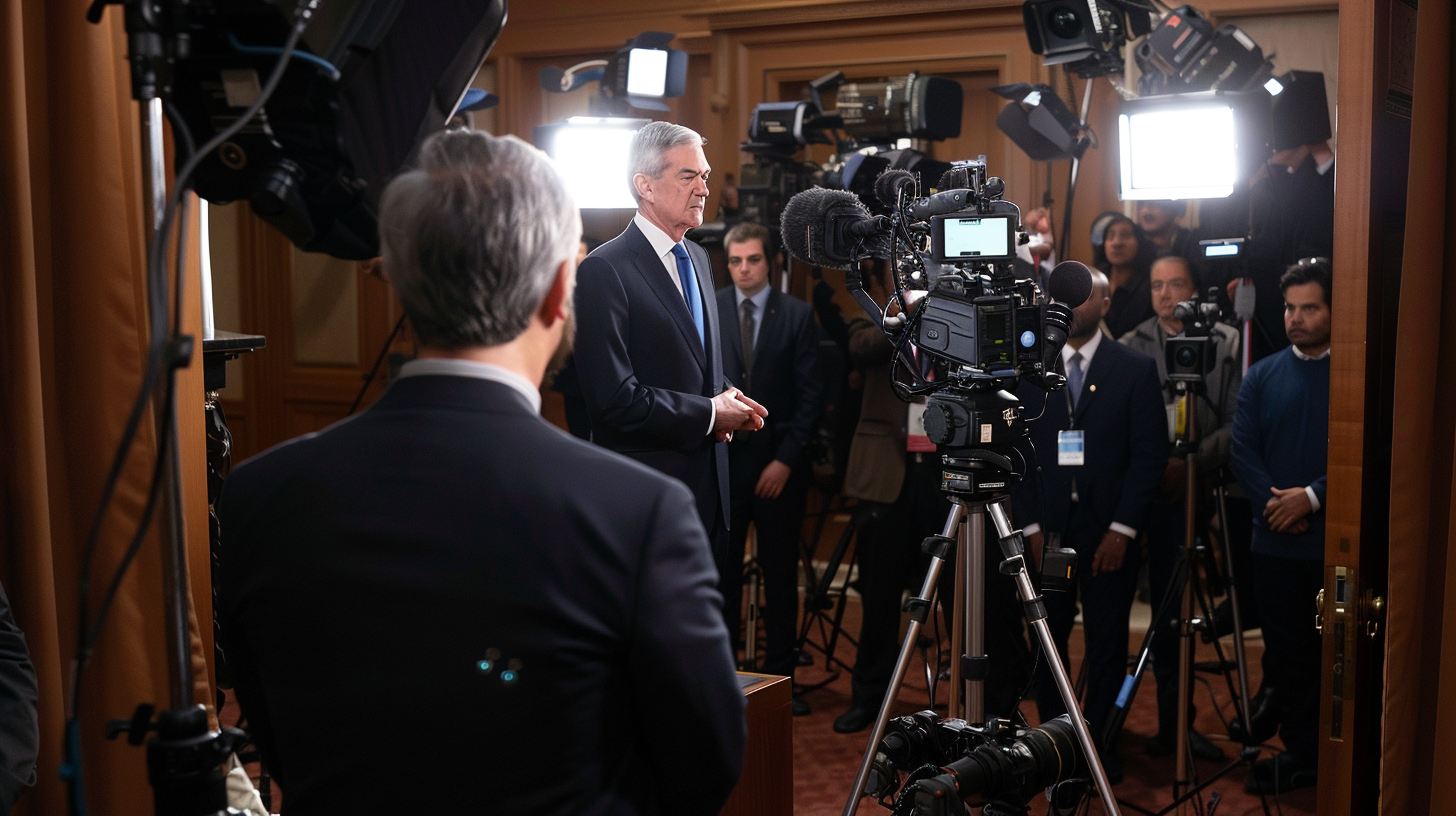
Fed Expected to Cut Rates After Trump’s Election Victory as Powell Seeks Stability

Key Points:
– A 25 basis point rate cut is expected post-election to maintain market stability.
– Powell may address Trump’s policies’ potential impact on inflation and Fed independence.
– Trump’s win fuels speculation on replacing Powell with loyalists like Kevin Warsh.

The Federal Reserve is poised to implement a 25-basis point interest rate cut today, aiming to maintain stability and reduce economic uncertainty following Donald Trump’s recent election victory. This anticipated decision aligns with the Fed’s objective to keep the economy on track without provoking major market shifts, especially amid evolving political dynamics.

Analysts believe that the Fed’s decision reflects a cautious approach, choosing a modest cut over larger changes to convey a sense of steady confidence in its outlook. “They’d rather just cut, keep their heads down and not say anything all that new,” notes Luke Tilley, chief economist for Wilmington Trust. The Fed aims to avoid surprising investors, especially with markets already reacting to election outcomes and uncertain economic policies.

Despite today’s expected cut, Fed policymakers face an intricate economic landscape marked by robust economic indicators, persistent inflation, and fluctuating employment figures—some of which have been affected by weather and labor strikes. While consensus points toward a rate reduction, discussions may reveal differing opinions among policymakers, with some considering a pause, and others endorsing a gradual path for additional cuts. Fed Chair Jerome Powell is anticipated to forge agreement on a conservative approach, with the modest cut following September’s 50-basis point adjustment.

The election of Trump raises pertinent questions about the future of economic policy, as his plans may influence inflation, wage growth, and ultimately, the Fed’s long-term objectives. Trump’s economic agenda, which includes potential tariffs and restrictive immigration policies, could increase costs for businesses and push up consumer prices, posing challenges for the Fed in managing inflation down to its target level of 2%.

During today’s press conference, Powell will likely face questions on Trump’s policy stance, including its potential impacts on the national deficit, inflation, and employment. The Fed Chair may deflect on direct implications, stressing that the current rate cut reflects the Fed’s commitment to supporting the economy as inflation continues to moderate. This approach would emphasize the Fed’s independence in decision-making, ensuring that economic policy remains shielded from political influence.

Trump’s return to office brings renewed speculation over Powell’s future. Although Trump initially appointed Powell, he has indicated that he may prefer a change in leadership, particularly as Powell’s term concludes in 2026. Trump’s vocal criticism of Powell during his previous term focused on the Fed’s rate hikes, often calling for lower rates to boost the economy. A second term for Trump may see continued scrutiny on Fed policy, with potential contenders for Fed Chair including former Fed governor Kevin Warsh and former Trump advisor Kevin Hassett.

The question of Fed independence is once again at the forefront, with concerns that Trump’s interest in influencing rate decisions could erode the central bank’s autonomy. During his previous term, Trump made it clear that he favored policies that aligned with his growth-focused economic goals, going as far as to suggest negative interest rates. While Trump has since downplayed the idea of directly intervening in the Fed’s leadership, he has expressed a desire for a more hands-on role in monetary policy direction.

As the Fed adjusts to a post-election environment, Powell’s efforts to navigate between economic prudence and political pressures will shape its trajectory. The Fed’s emphasis on continuity and caution with today’s rate decision reflects its broader commitment to maintaining economic stability, even as the political landscape shifts around it. Investors and policymakers alike will be closely watching the Fed’s next moves, with rate decisions likely influencing market sentiment and economic policy debates in the months ahead.

Avid Bioservices to be Acquired by GHO Capital and Ampersand in $1.1 Billion Deal

Key Points:
– Avid Bioservices will be acquired by GHO Capital and Ampersand Capital in a $1.1 billion deal, with a 13.8% per-share premium.
– Acquisition to enhance Avid’s biologics CDMO services with expanded resources for development and manufacturing.
– Expected to close in Q1 2025, enabling Avid to operate privately and accelerate its service offerings for the biotechnology sector.

Avid Bioservices, Inc. (NASDAQ: CDMO), a major biologics contract development and manufacturing organization (CDMO), announced its acquisition by GHO Capital Partners LLP and Ampersand Capital Partners for approximately $1.1 billion. The all-cash transaction positions Avid for substantial growth, with the backing of experienced healthcare-focused investors to expand its development and manufacturing capabilities in the biotechnology sector. This acquisition marks a strategic move for GHO and Ampersand, leveraging Avid’s expertise to strengthen their portfolios in the life sciences industry.

Under the agreement terms, GHO and Ampersand will acquire Avid’s outstanding shares for $12.50 each in cash, reflecting a 13.8% premium over Avid’s closing share price and a 21.9% premium over its 20-day average. This values the transaction at $1.1 billion, enhancing Avid’s growth potential within a private company framework where it can develop its offerings with the support of dedicated capital and expanded industry networks.

Alan MacKay and Mike Mortimer, Managing Partners of GHO, expressed their excitement to work with Avid’s team to realize the company’s full potential, calling Avid “an ideal addition” that exemplifies their mission to improve healthcare access through efficient manufacturing and high-quality innovation. The deal will enable Avid to maintain its focus on serving the biotechnology and pharmaceutical sectors, helping it meet growing demand for complex biologics at clinical and commercial stages. Additionally, the acquisition aligns with GHO and Ampersand’s broader healthcare strategies, aiming to optimize Avid’s impact in global markets.

Nick Green, President and CEO of Avid, noted that partnering with GHO and Ampersand comes at an opportune time, as Avid has been strategically expanding to meet a broader range of customer needs. He emphasized that this partnership will further Avid’s impact, positioning it to better serve biopharma innovators by utilizing GHO and Ampersand’s resources. “After years of investment and expansion, now is the right time to move forward as a private company,” Green stated, expressing confidence that this move will significantly enhance Avid’s capabilities.

The acquisition is expected to support Avid’s future projects, including cell line development, CGMP clinical and commercial manufacturing, analytical testing, and expanded services for early-stage programs. This additional support allows Avid to optimize customer offerings, broaden its expertise, and develop new industry capabilities that align with its dedication to quality and regulatory standards.

The acquisition, unanimously approved by Avid’s board of directors, is expected to close in Q1 2025, pending customary approvals. Avid’s shares will no longer be publicly traded after the acquisition, and the company will continue to operate under its current name and brand identity, with its headquarters remaining in Tustin, California. Financial and legal advising for Avid are being handled by Moelis & Company LLC and Cooley LLP, respectively, while GHO and Ampersand are advised by William Blair & Company and Ropes & Gray LLP.

This partnership reflects GHO and Ampersand’s strategic investment approach, enabling Avid to strengthen its leadership in biologics manufacturing and develop solutions that respond to high-growth demand in the industry.

Sonnet BioTherapeutics Announces $5 Million Offering and Surge in Trading Volume

Key Points:
– Sonnet BioTherapeutics priced a $5 million public offering to fund research and trials.
– The offering sparked a significant increase in Sonnet’s trading volume.
– Sonnet advances its FHAB platform with promising cancer treatments like SON-1411 and SON-1010.

Sonnet BioTherapeutics (NASDAQ: SONN), a clinical-stage biotech company specializing in oncology-focused immunotherapies, has priced a $5.0 million underwritten public offering. The offering includes 1,111,111 shares of common stock, each sold with one common warrant for the purchase of an additional two shares, at a combined price of $4.50 per share. This offering is set to close on or around November 7, 2024, and is expected to generate gross proceeds of approximately $5.0 million before underwriting discounts and commissions.

The proceeds from this offering are intended to fund Sonnet’s ongoing research and development, clinical trials, working capital, and liability repayments, advancing the company’s mission to develop novel biologic therapies for cancer treatment. While the offering is an exciting opportunity for the company to secure necessary funding, it also brings with it potential risks, including the possibility of shareholder dilution through the issuance of new shares and warrants.

Notably, Sonnet’s share price has seen increased volatility today, with trading volume significantly surging. This rise in trading activity follows the announcement of the offering and its anticipated closure. As is often the case with at-the-market offerings under Nasdaq rules, the pricing of the shares could pressure the stock value in the short term. However, investors may also be reacting positively to the financial backing that will enable Sonnet to accelerate the clinical development of its promising drug pipeline.

Sonnet is known for its proprietary FHAB (Fully Human Albumin Binding) platform, which enables the development of biologic drugs designed to target tumor and lymphatic tissues more efficiently. This technology utilizes a human single-chain antibody fragment (scFv) to hitch a ride on human serum albumin, guiding the drug directly to the target tissue for improved therapeutic effectiveness. The FHAB platform is adaptable, enabling the creation of a wide range of therapeutic candidates, including cytokines, peptides, antibodies, and vaccines.

One of Sonnet’s leading therapeutic candidates is SON-1411, a novel bifunctional fusion protein designed to enhance the efficacy of the immune response against cancer. SON-1411 combines IL-18BPR (a receptor that binds IL-18) with IL-12 and is linked to the FHAB platform. This innovative approach is aimed at overcoming limitations observed in previous IL-18-based therapies, which suffered from poor efficacy due to the presence of IL-18 binding protein (IL-18BP) in the tumor microenvironment. By modifying the IL-18 domain, SON-1411 seeks to bypass this issue and enhance the therapeutic potential of IL-18 in cancer treatment.

In addition to SON-1411, Sonnet is also advancing SON-1010, an IL-12-FHAB fusion protein, through clinical trials for solid tumors and ovarian cancer. The company is evaluating SON-1010 in collaboration with Roche, in combination with the immune checkpoint inhibitor atezolizumab, for the treatment of platinum-resistant ovarian cancer. Moreover, Sonnet is working on SON-1210, a combination of IL-12-FHAB and IL-15, for the treatment of solid tumors like pancreatic cancer.

Despite the potential dilution concerns stemming from the offering, the announcement underscores the company’s strategic commitment to advancing its promising drug candidates. As Sonnet BioTherapeutics progresses through clinical trials and secures additional funding, the surge in trading volume today suggests strong market interest in the company’s future prospects. The funding from the offering will be crucial in supporting Sonnet’s clinical trials and advancing the company’s vision of delivering targeted, effective treatments for cancer patients.

Trump Victory Sparks Surge in U.S. Stock Market

Key Points:
– Dow Jones, S&P 500, and Nasdaq post significant gains following Trump’s presidential win.
– S&P Regional Banking ETF jumps over 10%, fueled by expectations of favorable financial policies.
– Tesla shares climb over 10% in response to anticipated business-friendly conditions.

U.S. stocks soared on Wednesday as investors reacted to Donald Trump’s election victory over Kamala Harris, marking his return to the White House. A pivotal call in Wisconsin by the Associated Press early that morning secured Trump the necessary electoral votes, generating a major market response across sectors. With Trump set to be the 47th president, major indices surged. The Dow Jones Industrial Average spiked more than 1,100 points, or 2.7%, leading the rally. Following closely, the S&P 500 gained about 1.5%, while the tech-centric Nasdaq Composite rose approximately 2%.

The small-cap Russell 2000 posted particularly strong gains, jumping over 4.2% at the open, spurred by a surge in regional banks and financials. Many investors interpret Trump’s return as a sign of pro-business policies that could favor financial and industrial sectors, given his history of lower tax policies and financial deregulation during his previous term. The S&P Regional Banking ETF (KRE) rose more than 10% early Wednesday, underscoring this trend. Analysts believe that smaller regional banks are set to benefit from a more relaxed regulatory environment, making financials one of the day’s top-performing sectors.

Beyond financial stocks, the 10-year Treasury yield climbed to 4.46%, reflecting higher confidence in economic growth under the incoming administration. Rising yields often signal investor optimism, though they also reflect anticipated inflation. The dollar also strengthened against major global currencies, and Bitcoin surged to an all-time high, with investors anticipating a favorable climate for cryptocurrency investments. The gains in both the dollar and Bitcoin underscore how investors are re-evaluating asset allocation based on the potential for significant economic and regulatory shifts in the U.S.

Technology stocks, and particularly Tesla, were other standout winners. Tesla’s stock shot up by more than 10%, propelled by CEO Elon Musk’s open support of Trump and the potential for business-friendly policies. Musk has previously praised Trump’s tax and regulatory agenda, and with renewed market optimism, analysts expect Tesla and other growth-driven tech companies to benefit from potentially eased restrictions. The strong performance across tech stocks highlights broader investor enthusiasm for sectors with substantial growth potential under Trump’s policies.

Meanwhile, uncertainty around Congress control remains, as Republicans have flipped the Senate, while the House remains too close to call. Control of both chambers could substantially influence the type and extent of economic policies Trump can implement. As of now, investors are weighing scenarios around tax reform, stimulus packages, and regulatory adjustments that could impact sectors like energy, infrastructure, and finance.

The presidential election outcome is expected to drive market momentum in the near term, particularly in areas like financial services, infrastructure, and industrials. The anticipated mix of fiscal stimulus, tax policy changes, and deregulation, while not fully certain, reflects investor sentiment in favor of economic expansion under Trump’s leadership. How the markets react in the longer term will depend on the clarity of legislative actions and potential shifts in U.S. trade policy.

Great Lakes Dredge & Dock (GLDD) – Strong Results Continue


Wednesday, November 06, 2024

Great Lakes Dredge & Dock Corporation is the largest provider of dredging services in the United States. In addition, Great Lakes is fully engaged in expanding its core business into the rapidly developing offshore wind energy industry. The Company has a long history of performing significant international projects. The Company employs experienced civil, ocean and mechanical engineering staff in its estimating, production and project management functions. In its over 131-year history, the Company has never failed to complete a marine project. Great Lakes owns and operates the largest and most diverse fleet in the U.S. dredging industry, comprised of approximately 200 specialized vessels. Great Lakes has a disciplined training program for engineers that ensures experienced-based performance as they advance through Company operations. The Company’s Incident-and Injury-Free® (IIF®) safety management program is integrated into all aspects of the Company’s culture. The Company’s commitment to the IIF® culture promotes a work environment where employee safety is paramount.

Joe Gomes, CFA, Managing Director, Equity Research Analyst, Generalist , Noble Capital Markets, Inc.

Joshua Zoepfel, Research Associate, Noble Capital Markets, Inc.

Refer to the full report for the price target, fundamental analysis, and rating.

Strong Results. Revenue for the quarter was up $74 million from last year to $191.2 million, beating our estimate of $185 million. Continued strong results from the Company’s capital and coastal protection projects contributed to the growth. Gross margin improved from 7.7% to 19.0%. Net income totaled $8.9 million, or EPS of $0.13, from a net loss of $6.2 million or $0.09/sh last year. Adjusted EBITDA increased to $27 million from $5.3 million last year.

Net Income. We would note reported net income was negatively impacted by two events we, and we believe other analysts had not included in their estimates. First, the Company moved forward a dry docking into the third quarter to take advantage of the recent strong awards and second, the impact of incentive comp taken in the quarter. Together, these two items increased expenses by an estimated $5-$6 million in the quarter.


Get the Full Report

Equity Research is available at no cost to Registered users of Channelchek. Not a Member? Click ‘Join’ to join the Channelchek Community. There is no cost to register, and we never collect credit card information.

This Company Sponsored Research is provided by Noble Capital Markets, Inc., a FINRA and S.E.C. registered broker-dealer (B/D).

*Analyst certification and important disclosures included in the full report. NOTE: investment decisions should not be based upon the content of this research summary. Proper due diligence is required before making any investment decision.