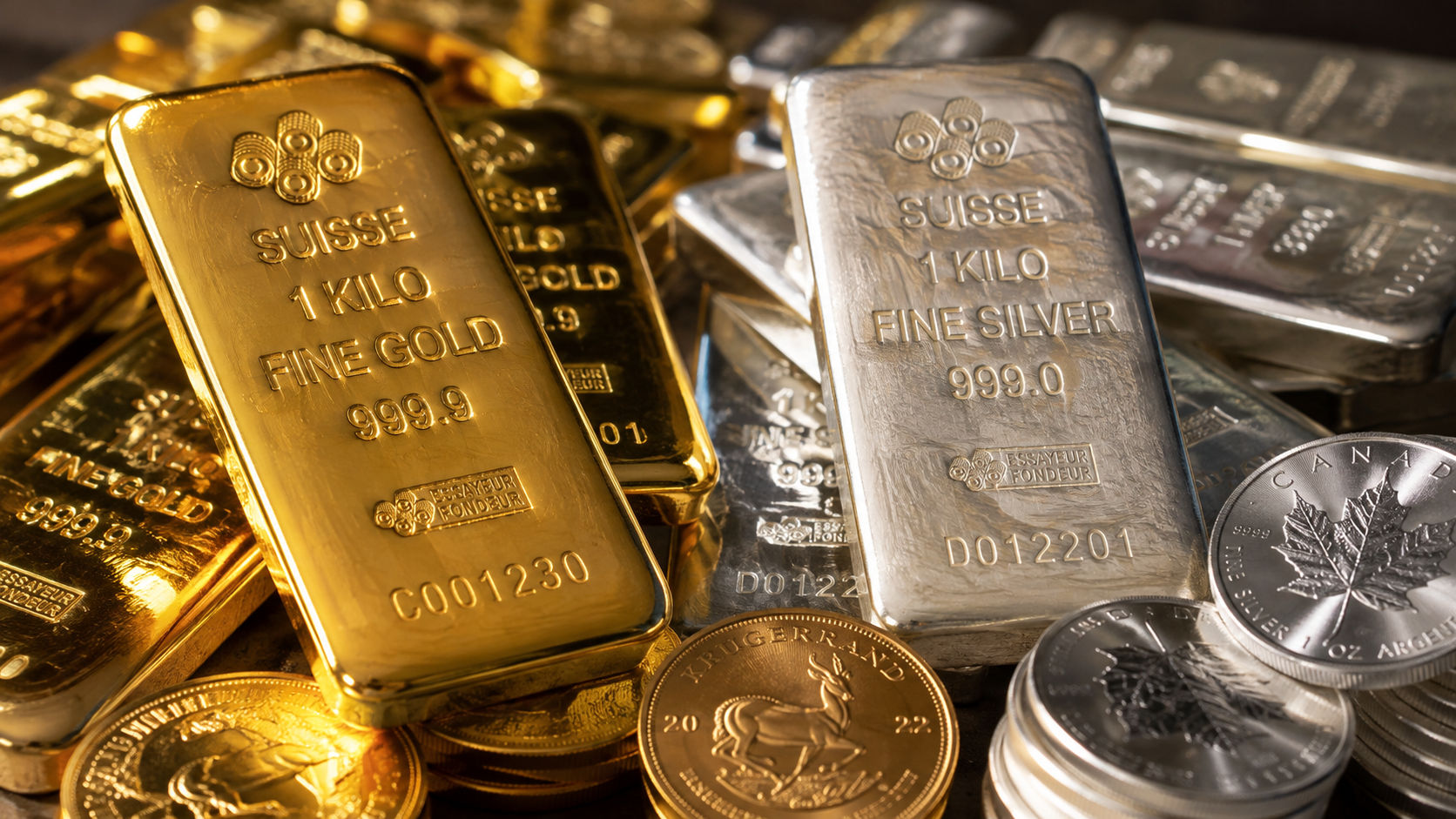
Gold and silver are having a genuinely remarkable stretch. Gold prices are up roughly 15% this month while silver has surged 19%, and combined, the two metals have added nearly $5 trillion in market value in just a few weeks, according to analysis from Bull Theory. Both remain below the record highs set earlier this year, but the pace of the move is striking, and the drivers behind it will look familiar if you’ve been following ChannelChek’s coverage this month.
A major catalyst for the late-August breakout traces directly back to the US Treasury’s decision to double its long-term bond buyback program to $4 billion per session, the same intervention we detailed when it first sent Treasury yields tumbling and lifted Bitcoin sharply higher. That move has triggered an aggressive wave of short covering and speculative buying across precious metals markets as well. Layered on top of that, the unresolved and escalating war between the US and Iran, which has pushed energy prices higher again in a story we covered just this past week, has reinforced gold’s role as the market’s primary safe-haven asset during periods of genuine geopolitical stress.
Silver Has a Story of Its Own
What makes silver’s outperformance particularly interesting is that it isn’t just riding gold’s coattails. The metal is facing a genuine physical supply deficit, compounded by industrial demand that has nothing to do with safe-haven positioning. Long-term structural consumption from AI data center infrastructure, electrical grid modernization, and advanced electronics, precisely the buildout we detailed in our recent look at the US data center construction boom, continues to absorb physical silver inventory faster than global mine production can keep pace. That is a demand story layered directly on top of a macro story, which helps explain why silver has outpaced gold’s already impressive move.
Truist’s chief investment officer recently upgraded his own outlook on gold from underweight back to neutral, citing several supporting factors: real yields have stopped climbing, partly because of the Treasury’s own buyback decision, gold has reclaimed its 200-day moving average in a positive technical signal, central banks continue adding to their gold reserves despite earlier concerns that demand might slow, and a softer US dollar, driven by cooling inflation data and a more dovish Fed posture, has provided an additional tailwind. He noted that with gold still roughly 15% below its recent highs, the overall weight of evidence now supports a more balanced view than the firm held previously.
For investors tracking the small and microcap space, this rally carries a specific implication worth watching. Smaller precious metals mining companies typically carry significantly more operating leverage to metal prices than large diversified miners, meaning a 15% to 19% move in the underlying commodity can translate into a considerably larger percentage move in smaller producers’ earnings and, potentially, their share prices. The setup here is genuinely three stories converging into one, monetary policy, geopolitical risk, and structural industrial demand from the same AI infrastructure buildout driving so much of this year’s market activity, all pushing in the same direction at once.