Elon Musk has never been shy about bending corporate structure to his will, but his latest move may be the most audacious of his career. By merging SpaceX with xAI, Musk has created a $1.25 trillion private colossus, instantly making it the most valuable private company in history — and rescuing a cash-hungry AI venture in the process.
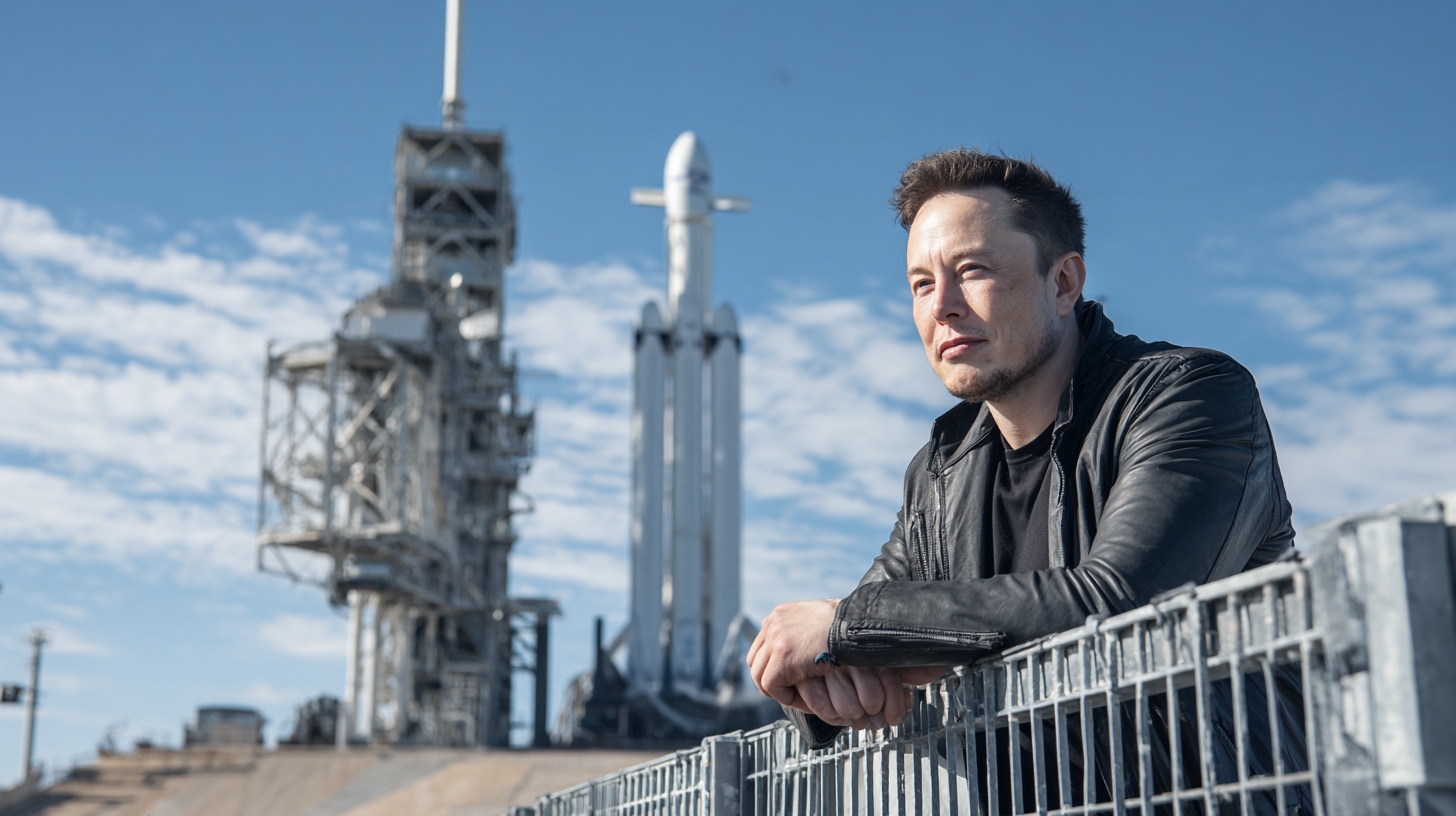
The deal folds Musk’s dominant rocket maker, his lossmaking artificial intelligence startup xAI, and the social media platform X into a single vertically integrated entity. Musk framed the merger as a necessary step toward launching data centers into orbit, building factories on the Moon, and ultimately colonizing Mars. Supporters see visionary logic. Critics see financial engineering on a historic scale.
At the heart of the transaction is SpaceX’s balance sheet. The company, now marked up to a $1 trillion valuation, generates roughly $16 billion in annual revenue, driven by its near-monopoly on commercial rocket launches and the rapid expansion of its Starlink satellite broadband business. That steady cash flow and investor confidence gave Musk the leverage to absorb xAI, which reportedly burns around $1 billion per month as it races to build advanced AI models and massive data centers.
Under the terms of the deal, SpaceX will acquire xAI for $250 billion, matching the valuation implied by a recent funding round. xAI shareholders will receive SpaceX stock at roughly a seven-to-one exchange ratio, with the combined entity priced at $527 per share. Investors were briefed on hurried calls, with many reportedly blindsided by both the speed and the scale of the merger.
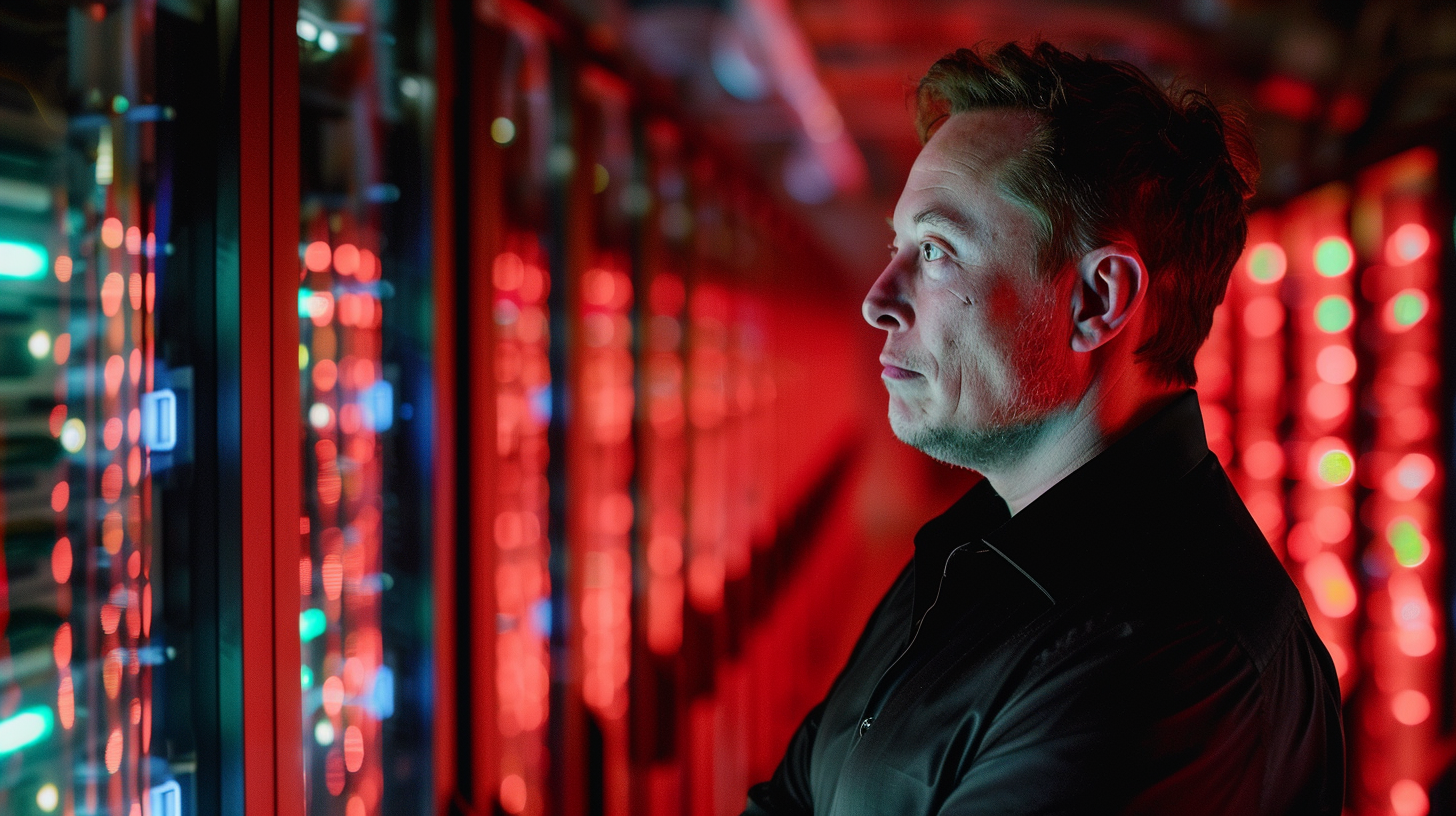
The strategic rationale is straightforward: AI’s biggest bottlenecks are energy, compute, and data — areas where Musk already has deep assets. SpaceX provides launch capability and satellite infrastructure, Starlink delivers global connectivity, X contributes a vast real-time data stream, and xAI supplies the models. In theory, the combination creates a self-reinforcing ecosystem few competitors can match.
Yet the risks are just as real. xAI’s revenues remain in the low hundreds of millions, far behind rivals like OpenAI, Google, and Anthropic. Folding such a capital-intensive, lossmaking business into SpaceX complicates a planned June IPO, which could raise as much as $50 billion. Existing SpaceX shareholders will be diluted as the company issues new shares to fund the acquisition — a move that has unsettled some long-term investors.
Still, Musk has a long track record of forcing through controversial deals. His 2016 acquisition of SolarCity using Tesla stock faced years of litigation, yet ultimately rewarded shareholders who stayed the course. Many investors believe this is another example of Musk using his control, credibility, and cult-like investor loyalty to move faster than governance norms would typically allow.
The broader market implication is clear: Musk is racing to position his empire at the center of the AI arms race, even if it means rewriting the rules of valuation along the way. Whether this $1.25 trillion gamble proves visionary or reckless will depend on whether xAI can convert ambition into revenue — before investor patience runs out.