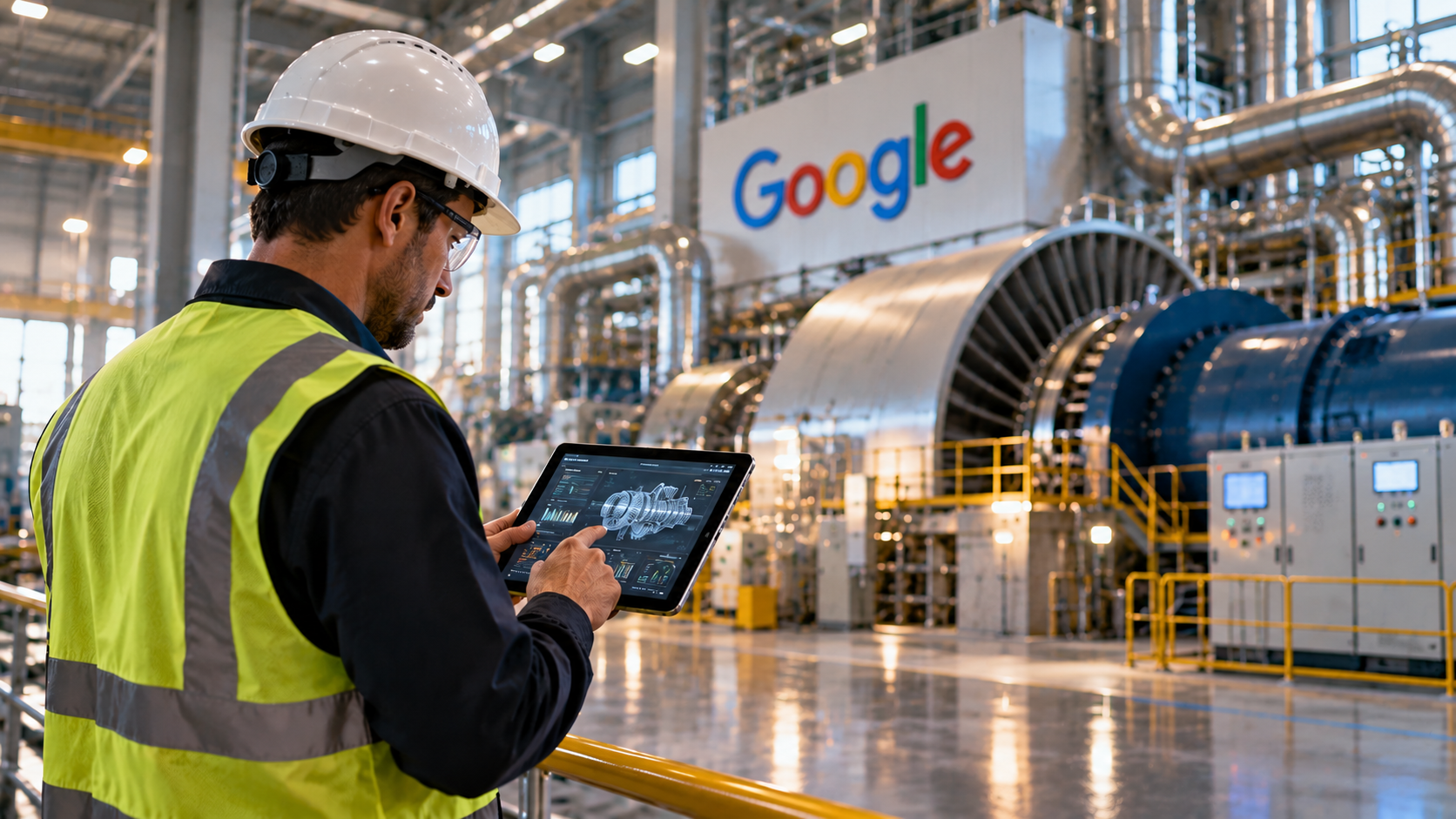
Allbirds Stock Surges 700% After Stunning Pivot From Shoes to AI Infrastructure

Struggling footwear brand Allbirds shocked investors Wednesday with a dramatic pivot away from its core business, announcing plans to transition into artificial intelligence infrastructure—a move that sent its stock soaring more than 700% in a single session.

Shares of Allbirds, which had been trading below $3, surged to over $17 following the announcement, as investors rushed into what is now being rebranded as NewBird AI. Just a day earlier, the company’s market capitalization stood at roughly $21 million, a far cry from its peak valuation of over $4 billion.

From Sustainable Sneakers to AI Compute

The pivot comes after Allbirds effectively exited the footwear business. The company recently sold its intellectual property and key assets for $39 million to American Exchange Group, which will continue to operate the Allbirds brand independently.

Now, management is betting on a completely different future: AI compute infrastructure.

According to the company, NewBird AI plans to acquire high-performance, low-latency computing hardware and lease capacity to customers underserved by existing providers. The firm also announced it is seeking to raise up to $50 million in funding to support the transition.

The move places Allbirds among a growing list of companies attempting to capitalize on surging demand for AI infrastructure—a market fueled by rapid adoption of generative AI and dominated by players like Nvidia.

A Familiar Playbook for Troubled Companies

While the market reaction has been dramatic, the strategy itself is not entirely new. Historically, struggling companies have attempted to revive investor interest by pivoting toward high-growth sectors.

During the cryptocurrency boom, numerous firms rebranded or shifted their business models to blockchain-related ventures, often triggering short-term spikes in share prices. Many of those moves, however, failed to deliver long-term value.

Allbirds’ pivot raises similar questions: Is this a credible transformation, or a speculative attempt to ride the AI wave?

Execution Risk Remains High

Entering the AI infrastructure space presents significant challenges. The business is capital-intensive, highly competitive, and technologically complex. Established players—including hyperscalers and semiconductor leaders—already dominate the market.

For a company that recently shuttered its retail footprint and saw revenues decline sharply—from $298 million in 2022 to $152 million in 2025—the transition represents a steep uphill climb.

Moreover, success in AI infrastructure depends not only on hardware acquisition but also on customer relationships, scale, and operational expertise, areas where Allbirds has limited experience.

Market Reaction vs. Fundamental Reality

The surge in Allbirds’ stock highlights the continued enthusiasm surrounding AI-related investments. Even small-cap companies with limited exposure to the sector are seeing outsized moves when they announce AI strategies.

However, investors should be cautious. The gap between announcement-driven momentum and long-term execution can be substantial.

Allbirds’ transformation into NewBird AI marks one of the more unusual pivots in recent market history. While the stock’s explosive move reflects strong demand for AI exposure, the company’s ability to successfully transition from footwear to high-performance computing remains highly uncertain.

For investors, the story underscores a broader theme: in today’s market, AI narratives can drive rapid gains—but fundamentals ultimately determine staying power.

CoreWeave Pursues $4B Deal to Power AI Ambitions with Core Scientific

CoreWeave, the rapidly rising AI cloud infrastructure provider, is once again making headlines — this time for reigniting acquisition talks with bitcoin mining giant Core Scientific. According to a report by The Wall Street Journal, the companies are in advanced discussions that could lead to a deal in the coming weeks, pending negotiations.

The move marks a notable turn in a high-stakes courtship that began last year, when CoreWeave made an unsolicited offer to acquire Core Scientific for $1.02 billion. That bid, valued at $5.75 per share, was promptly rejected by Core Scientific for undervaluing the company. Fast-forward a year, and Core Scientific’s market value has climbed to nearly $4 billion, with shares rising roughly 8% following the renewed acquisition chatter.

CoreWeave’s interest in the company is strategic. As AI workloads continue to demand massive computational power and access to stable energy supplies, former crypto mining operations like Core Scientific have become increasingly attractive targets. With expansive infrastructure already in place, these facilities offer AI players a fast track to scaling data centers without starting from scratch.

CoreWeave and Core Scientific already have history. Following the failed acquisition attempt in 2024, the companies entered a multi-decade partnership involving 12-year infrastructure contracts. Among them was a landmark deal in which Core Scientific committed to providing CoreWeave with 200 megawatts of power capacity to support its high-performance computing operations. That agreement alone signaled a convergence between the worlds of cryptocurrency and artificial intelligence — both of which depend on energy-intensive server farms.

The potential acquisition now appears to be a natural next step in that partnership. By bringing Core Scientific under its umbrella, CoreWeave would not only secure long-term access to critical power infrastructure but also strengthen its foothold in the competitive AI cloud race — a space dominated by the likes of Amazon, Google, and Microsoft.

While the exact financial terms of the revived offer have not been disclosed, market analysts suggest any deal would likely exceed the previous $1 billion bid, given Core Scientific’s increased valuation and rising relevance in the post-crypto AI landscape.

Still, a finalized agreement is not guaranteed. Regulatory scrutiny, shifting market conditions, or resistance from shareholders could delay or derail the talks. Neither Core Scientific nor CoreWeave has publicly commented on the latest developments.

The acquisition would mark another significant move in a broader trend: tech and AI companies consolidating energy assets and computing infrastructure once built for cryptocurrency mining. As AI continues to evolve and expand, the race to control the digital and physical backbones of computation is heating up — and CoreWeave is positioning itself at the center.

AI Boom Reshapes Tech Landscape: Bitcoin Miners Pivot to Power the Future

In a striking shift that’s reshaping the tech industry, bitcoin miners are rapidly pivoting their operations to serve the burgeoning artificial intelligence (AI) sector. This transition, driven by dwindling profitability in cryptocurrency mining and an insatiable demand for AI computing power, presents intriguing opportunities for small cap investors eyeing the next big tech wave.

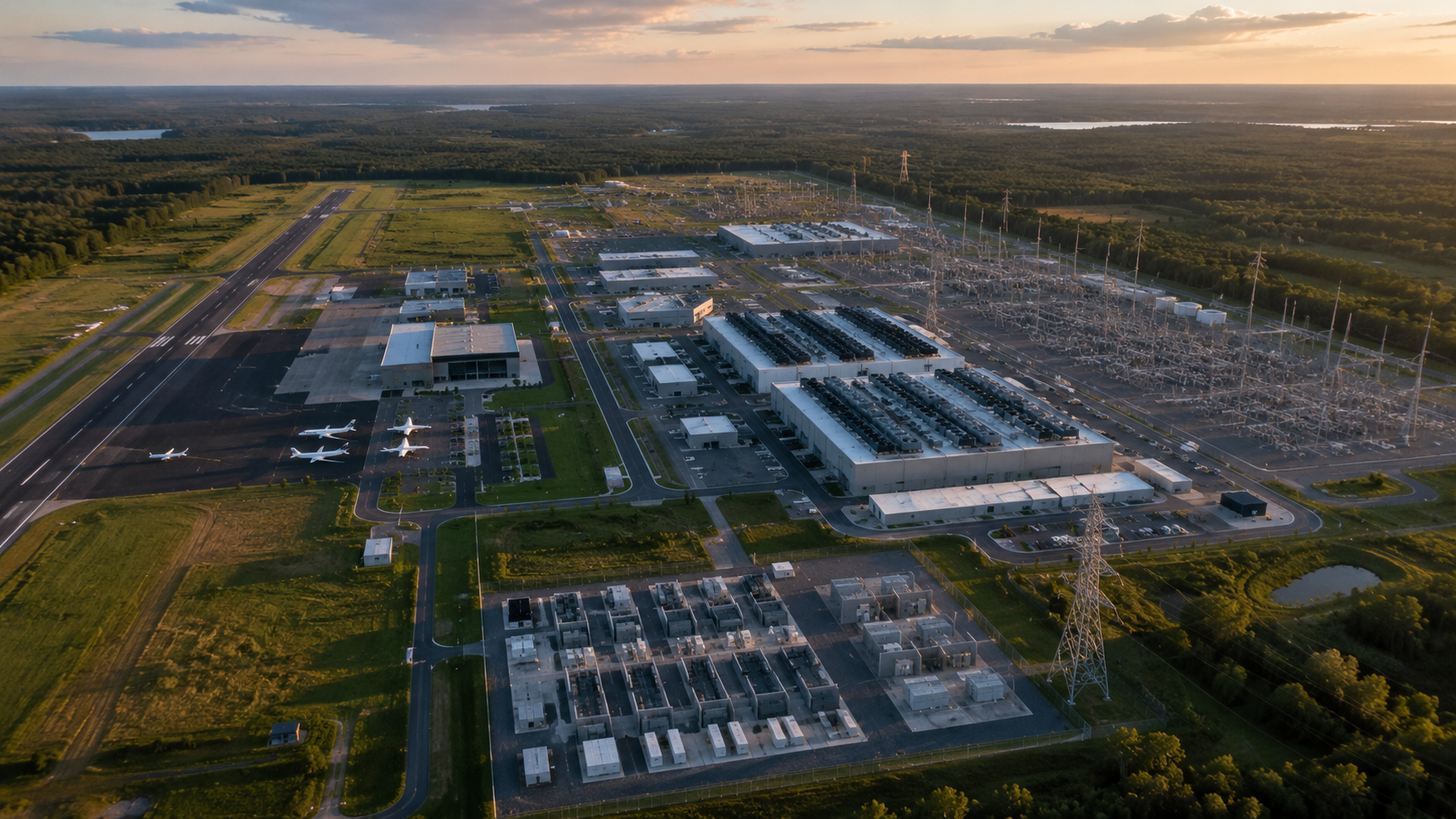
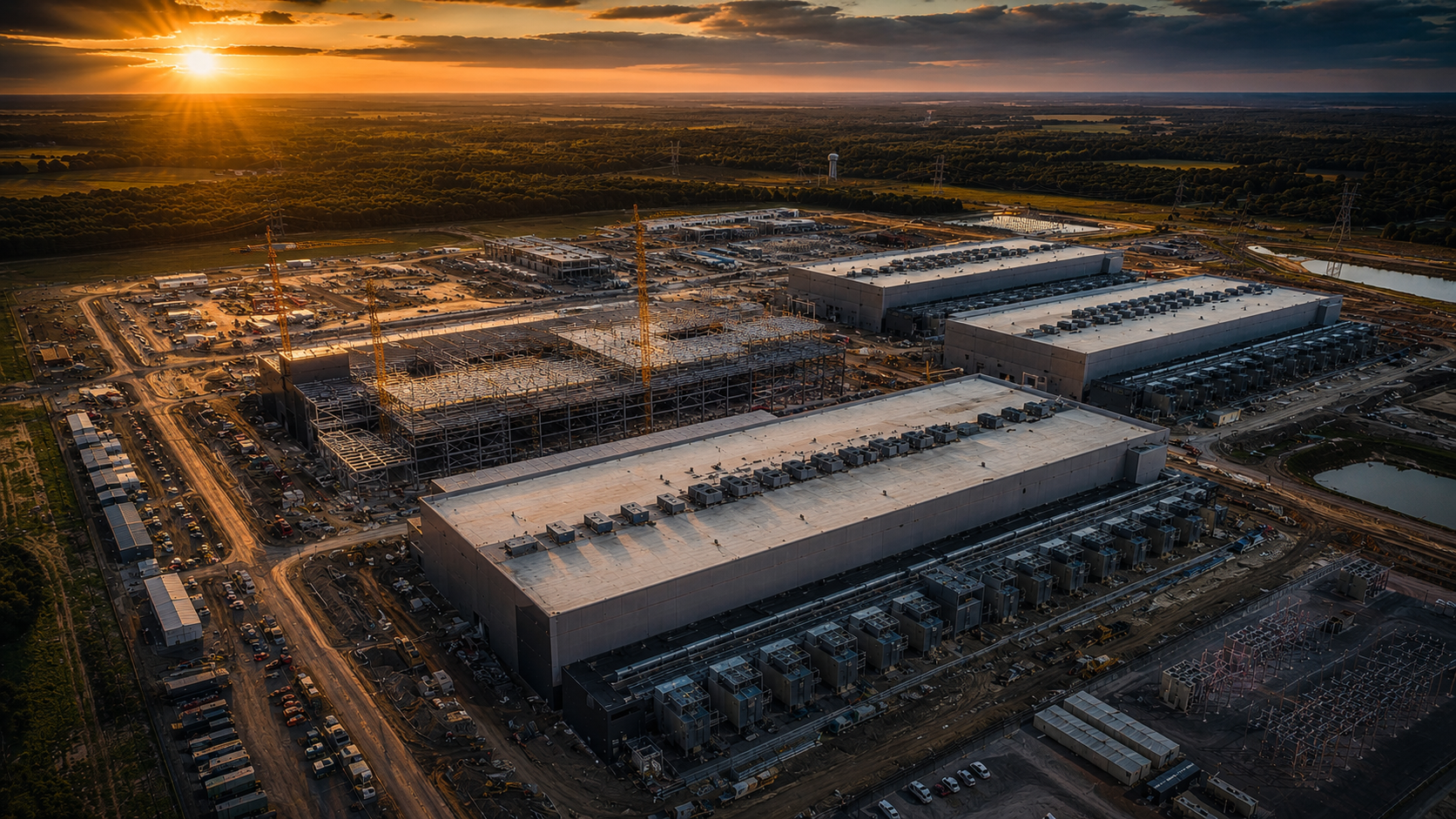
The epicenter of this transformation is taking shape in Abilene, Texas, where Houston-based Lancium and Denver-based Crusoe Energy Systems recently announced a multibillion-dollar project to construct a 200-megawatt data center. This facility, designed specifically to meet the unique needs of AI companies, represents the first phase of an ambitious 1.2-gigawatt build-out. Upon completion, it’s poised to become one of the world’s largest AI data center campuses, signaling the scale of investment flowing into AI infrastructure.

This pivot isn’t isolated to Abilene. Across the United States, bitcoin miners are repurposing their extensive data centers, fiber connections, and power access to serve the compute-intensive needs of AI operations. The timing couldn’t be more opportune, as the recent bitcoin halving event has squeezed profit margins in the mining sector, prompting operators to explore new revenue streams.

The financial markets have taken notice. The combined market capitalization of 14 major U.S.-listed bitcoin miners hit a record $22.8 billion in mid-June 2023, adding $4.4 billion in just two weeks. This surge reflects investor optimism about the miners’ strategic pivot to AI.

Several small cap players are at the forefront of this trend. Bit Digital, for instance, now derives an estimated 27% of its revenue from AI-related services. The company recently inked a deal to supply Nvidia GPUs for an Iceland-based data center, projecting $92 million in annual revenue from this venture alone.

Hut 8, another player in this space, raised $150 million in debt to expand its data center portfolio for AI applications. The company has already secured commercial agreements under a GPU-as-a-service model, including revenue-sharing arrangements with customers.

Perhaps the most dramatic turnaround story is Core Scientific. After emerging from bankruptcy in January, the company has seen its fortunes reverse through partnerships with AI infrastructure provider CoreWeave. This strategic shift prompted B. Riley to upgrade Core Scientific’s stock to a “buy” rating, raising its price target from 50 cents to $13.

The pivot to AI is not just about repurposing hardware; it’s also driving innovation in energy management. Lancium, for example, has developed patented technology that allows for flexible energy consumption, helping to balance power grids reliant on volatile renewable sources. This capability is crucial as the AI sector’s energy appetite grows. The Electric Power Research Institute projects that data centers could consume up to 9% of the U.S.’s total electricity by 2030, up from about 4% in 2023.

To meet this demand sustainably, industry leaders are exploring various solutions. Some, like TeraWulf, are tapping into nuclear energy to power their operations. OpenAI CEO Sam Altman has also voiced support for nuclear power as a key enabler of AI infrastructure.

For small cap investors, this industry-wide pivot presents a unique opportunity. Companies that successfully transition from bitcoin mining to AI infrastructure stand to benefit from the explosive growth in AI demand. However, it’s crucial to note that this shift comes with its own set of challenges, including high capital requirements for upgrading infrastructure and the need to develop new expertise in AI-specific technologies.

As the AI boom continues to reshape the tech landscape, savvy investors should keep a close eye on former bitcoin mining companies that are successfully pivoting to AI. These nimble players, with their existing infrastructure and growing AI capabilities, may well become the backbone of the AI revolution, offering potentially lucrative opportunities in the small cap space.