
AstraZeneca Completes $1.1 Billion Buyout of Seattle Biotech Icosavax

UK pharmaceutical giant AstraZeneca has finalized its $1.1 billion acquisition of Icosavax, a Seattle-based biotechnology company specializing in virus-like particle (VLP) vaccines. This buyout provides key insights into AstraZeneca’s pipeline strategy and the ongoing consolidation in the biopharma sector.

Icosavax was founded in 2017 as a spinout from the University of Washington’s Institute for Protein Design. The company leverages computationally designed VLPs to induce robust and durable immune responses against respiratory viruses, including COVID-19, respiratory syncytial virus (RSV), and human metapneumovirus (hMPV).

Since its founding, Icosavax has raised over $150 million in private funding and completed a successful IPO in 2021. However, the company caught the eye of pharma giant AstraZeneca, who sees Icosavax’s VLP platform and talented research team as a strategic fit.

For AstraZeneca, this acquisition provides access to a versatile new vaccine modality with broad applicability beyond Icosavax’s current clinical programs. It also bolsters AstraZeneca’s pipeline with a Phase 1/2 COVID-19 vaccine candidate, IVX-411, which produced robust neutralizing antibody titers in early clinical testing.

Broader Implications for Investors and the Biopharma Industry

The buyout has several key implications for biotech investors and industry dynamics. Firstly, it highlights that platform technologies with versatile applications across disease areas remain highly valued, even in the ongoing biotech market downturn. Vaccines also continue to see strong corporate interest after the pandemic spotlight.

Secondly, it reflects Big Pharma’s pursuit of emerging biotech innovation to replenish pipelines and access cutting-edge modalities like VLPs. With the Icosavax deal, AstraZeneca gains talented scientists and potential new products without costly in-house R&D.

Thirdly, from a structure standpoint, the deal provides an upfront cash payout to Icosavax investors but leaves upside through future contingent payments on pipeline advancement. This highlights a flexible model to balance the high valuations sought by biotechs with the risk management needs of acquirers.

Finally, the buyout continues the wave of consolidation between large and small biopharma players. With the market downturn squeezing biotech funding, more mergers and acquisitions are likely on the horizon. Investors should watch for other innovative biotechs with promising science that become acquisition targets.

What Drove AstraZeneca’s Interest in Icosavax

AstraZeneca has been one of the more active Big Pharmas on the M&A front, and the Icosavax deal provides strategic rationale. The VLP technology adds a promising new platform to AstraZeneca’s vaccine capabilities, already bolstered by its previous acquisitions of drug delivery player MedImmune and biotech Sobi.

Icosavax’s potential COVID-19 and RSV vaccine candidates can be added to AstraZeneca’s pipeline as it looks to expand beyond its core oncology portfolio. Additionally, Icosavax’s team and VLP engineering expertise will be valuable assets for the company.

By acquiring Icosavax while still early-stage compared to more established biopharmas, AstraZeneca secures access to the technology at a reasonable price. The $1.1 billion price tag is well below the multi-billion deals that some commercial-stage biotechs have commanded.

Overall, Icosavax represented an opportunity for AstraZeneca to obtain cutting-edge vaccine technology and talent to boost its R&D capabilities in new directions. It highlights that Big Pharmas are willing to buy innovation at early stages rather than develop it internally.

Take a moment to take a look at emerging growth healthcare and biotech companies by taking a look at Noble Capital Markets’ Senior Research Analyst Robert LeBoyers’s coverage universe

The Future for Icosavax’s Programs

While the buyout places Icosavax’s pipeline under AstraZeneca’s control, active development of the VLP programs is expected to continue. Lead COVID-19 vaccine candidate IVX-411 recently began Phase 1/2 trials, and its RSV and hMPV programs are progressing towards clinical stages as well.

AstraZeneca has expressed interest in advancing Icosavax’s full portfolio of vaccines leveraging the versatility of the VLP platform. Its resources and late-stage development expertise can help progress these experimental vaccines through clinical trials and regulatory approval pathways.

Meanwhile, Icosavax will continue operations as an AstraZeneca subsidiary based in Seattle. Keeping its operations separate allows Icosavax to retain its innovative biotech culture while benefiting from AstraZeneca’s financial backing and synergies.

In summary, AstraZeneca’s acquisition of Icosavax underscores its strategy of looking to smaller biotechs to supplement its pipeline with cutting-edge science. The deal rewards Icosavax investors for their early backing while retaining upside potential through milestone payments. For the biopharma industry, it exemplifies the ongoing consolidation between pharmas and biotechs amidst market pressures. Investors should watch for other emerging biotechs that may become tomorrow’s M&A targets.
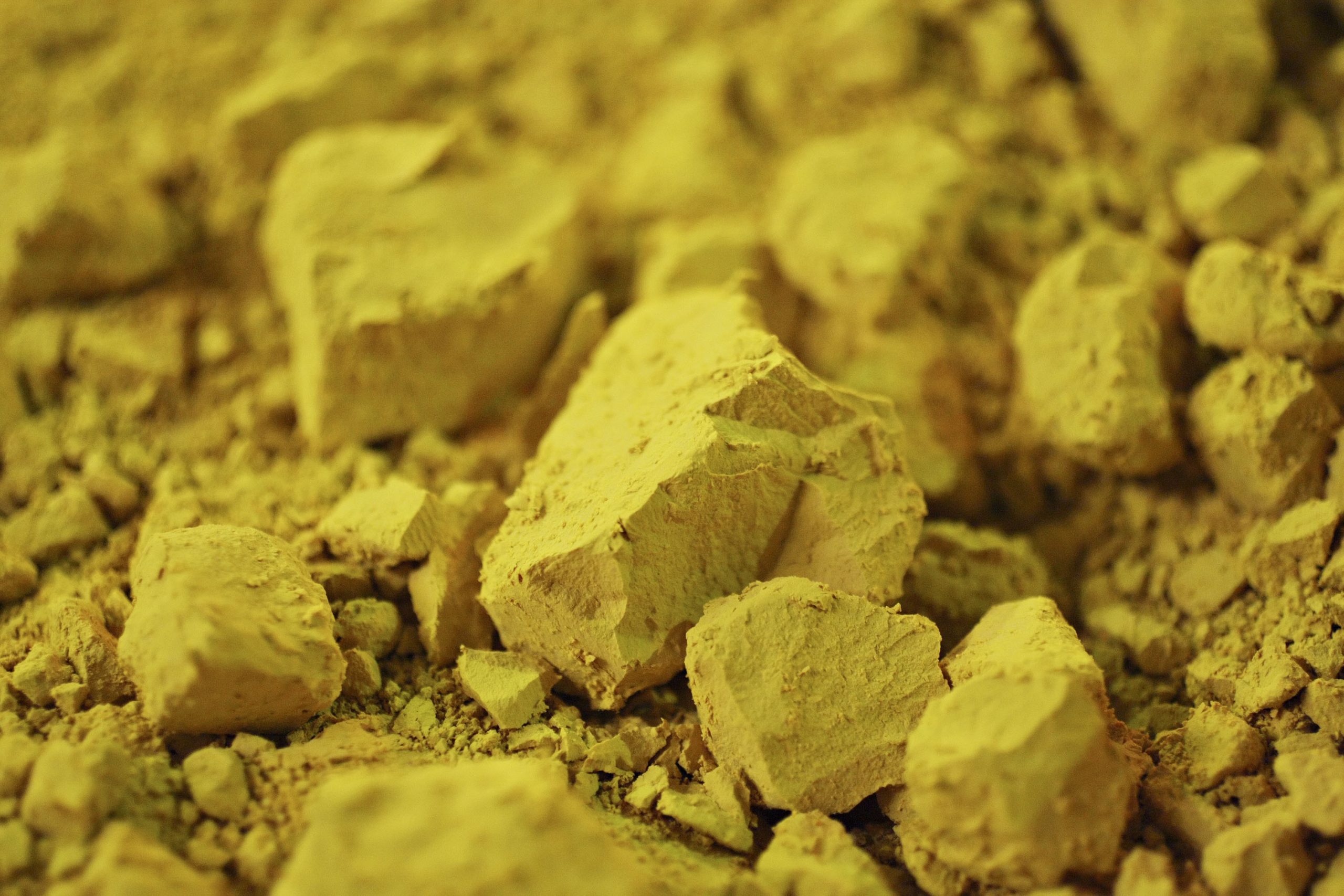

Uranium’s Breakout Above $100/lb Signals Further Bull Run Ahead

The uranium spot price has crossed a major threshold, surging past $100/lb in January 2024 to reach $106.51/lb in early February. This long-awaited milestone marks the first time uranium has hit triple digits since the bull run leading up to the 2008 financial crisis.

The implications of breaching $100/lb are significant for the uranium market. Prices at this level indicate the serious supply and demand imbalances that have characterized the market for years are finally coming to a head. With demand outpacing available supply from mines, traders see uranium poised for further gains still.

The main driver behind January’s price spike was a cut to production forecasts from Kazatomprom, the world’s largest uranium miner. The company stunned the market by announcing lower guidance for 2024 and 2025 due to shortages of a key chemical and construction delays. This reversal came just months after Kazatomprom had planned to boost output to meet rising demand. The supply uncertainty led uranium prices to immediately jump over 8%.

For investors, Kazatomprom’s about-face signals that the supply response to uranium’s bull run may proceed slower than expected. Mine expansions and restarts are lagging, with not enough incentive yet for substantial new production. The supply picture is further complicated by uncertainty around Niger’s uranium exports following a coup there last year.

Junior uranium miners have been the biggest winners from the bullish momentum. With less exposure to long-term contracts than larger producers, juniors are benefiting from the full upside of rising spot prices. Many have announced restarts of idled capacity to take advantage of the favorable pricing environment. Their outsized gains indicate investors see juniors playing a key role in bridging future supply shortfalls.

Reaching the $100/lb mark is a psychological victory for uranium bulls who have waited years for prices to reflect positive fundamentals. Nuclear energy demand is on the rise again amid its role in carbon-free baseload power. With most forecast models predicting large supply deficits opening up over the next decade, there is a growing sense $100/lb is just the beginning.

Past experience shows reaching this triple-digit territory is when utilities truly start getting worried about security of supply. The last time uranium crossed above $100/lb in 2007, it sparked a frenzy of long-term contracting not seen before or since. While contracting volumes picked up last year, they remain below levels to fully cover global reactor requirements.

Many see $100/lb as the price needed to incentivize meaningful new mine production. Bringing large-scale conventional projects online takes over a decade when factoring in permitting and construction. Even smaller ISR operations can take several years to expand. With demand projected to outstrip supply for years to come, prices above $100/lb may be the new normal rather than an unsustainable spike.

For investors, uranium crossing $100/lb should serve as a wake-up call that a structural bull market is unfolding. Uranium has significantly outperformed most other commodity sectors over the past several years. With demand still rising and enormous lead times for new projects, supply shortfalls won’t be reversed overnight.

Now is the time for investors to gain exposure before uranium potentially keeps running toward new highs. Uranium equities offer upside well beyond movements in the underlying commodity price. Juniors in particular stand to see valuations explode higher if they can continue locking in contracts above $100/lb.

While nothing moves up forever, the fundamentals underpinning uranium’s surge past $100/lb look here to stay. Nuclear reactors need reliable fuel supply. Achieving net-zero carbon emissions globally depends on nuclear generation ramping up. With mines struggling to keep pace, all signs point to the uranium bull market having ample room left to run at these levels and beyond.

XOMA to Acquire Kinnate Biopharma in All-Cash Buyout Deal

Biotech royalty company XOMA Corporation (NASDAQ: XOMA) has entered an agreement to fully acquire clinical-stage oncology firm Kinnate Biopharma Inc. (NASDAQ: KNTE) in an all-cash deal valued up to $150 million.

This bold acquisition provides XOMA an opportunity to expand its cancer drug royalty portfolio while handing Kinnate shareholders an immediate payday.

For XOMA, the deal delivers two key benefits:

First, it stands to add approximately $9.5 million in cash to the balance sheet, providing extra fuel for future investments and deal-making.

But more importantly, it grants XOMA rights to Kinnate’s pipeline of early-stage oncology candidates. These experimental drugs, if eventually approved, could generate lucrative milestone and royalty payments for XOMA down the road.

Kinnate’s leading assets are two precision medicines in Phase 1 testing – an FGFR inhibitor for cancers driven by FGFR mutations and a pan-RAF inhibitor targeting BRAF and NRAS mutant tumors. Both therapies show promise in initial trials, with additional data expected later this year.

Beyond these advanced assets, Kinnate also boasts alluring preclinical programs in areas like CDK4 inhibition and c-MET inhibition.

For a royalty collector like XOMA, acquiring rights to future royalties on these promising cancer compounds is a savvy move. XOMA’s expertise is striking licensing and royalty deals with biopharma partners. Adding Kinnate’s pipeline to its war chest provides ample new opportunities to flex this deal-making muscle.

And XOMA has a proven track record here. Its lucrative sale last year of royalty rights to the Novartis drug VABYSMO generated over half a billion in cash proceeds. Funneling the proceeds into new royalty streams helps ensure consistent future revenues.

On the flip side, the buyout delivers Kinnate shareholders a decent return amid a downtrodden biotech market. The deal’s maximum price of $2.5879 per share only carries a modest 7% premium over Kinnate’s recent average share price.

But with small-cap biotech valuations crushed across the board, it allows Kinnate investors to cash out at favorable terms compared to remaining standalone. After announcing plans to merge with an unrelated freight company, receiving a buyout provides a more attractive outcome.

Shareholders also retain some upside through CVRs granting them proceeds from any deal for Kinnate’s programs in the year post-buyout.

Importantly, insiders holding nearly half of Kinnate’s shares have signed agreements to tender their stock. This influential support should pave the way to completing the acquisition.

The proposed deal checks all the boxes. XOMA diversifies its royalty portfolio, Kinnate shareholders get paid at a premium, and the cancer drugs have a new catalyst to advance development.

Sometimes simple deals done for the right reasons benefit everyone involved. This cash buyout looks to be just such a win-win-win transaction.

noble virtual healthcare conference

Mark your calendars! Don’t miss Noble Capital Markets’ Emerging Growth Virtual Healthcare Equity Conference on April 17-18. This exclusive virtual event connects investors with 50 leading public biotech, healthcare services, and medical device companies. Presenting company slots are available…Read More

Why the Mining Sector Looks Poised for a Major Breakout

The mining sector has experienced boom and bust cycles throughout history, but current trends suggest we may be entering a new era of growth and opportunity. With the world transitioning to clean energy and electric vehicles, demand is surging for key minerals like lithium, cobalt, nickel and copper. This creates an attractive investment case for the mining sector.

Historic Trends

Looking back, the mining industry has gone through periods of rapid expansion and painful contraction. During economic expansions and commodity bull markets, mining companies ramp up exploration, development and production to capitalize on high prices. This leads to oversupply and when demand eventually weakens, the cycle turns downward.

We saw this play out in dramatic fashion over the past decade. High prices in the 2000s encouraged massive investment in new mines and supply capacity. But when Chinese growth began to slow around 2012, demand weakened and prices collapsed. The mining sector was forced to drastically cut back on production and capital investment.

Many mining companies barely stayed afloat during this bust period. But this reduction in supply helped set the stage for the next upcycle. Now, after years of underinvestment, mines are depleting reserves faster than they are being replenished. With commodity demand picking up again, conditions are ripe for the next mining boom.

Current Market Trends

Several key trends suggest we are now in the early stages of a new mining upcycle:

  • Electric vehicle revolution – EV adoption is accelerating around the world, dramatically increasing demand for lithium, cobalt, nickel, copper and other key minerals. Total EV sales increased 70% in 2021 and are projected to rise more than 5-fold by 2030. This will require a massive increase in mineral supply.
  • Renewable energy expansion – Solar, wind and other renewables are seeing surging growth as countries aim to cut carbon emissions. This further increases metals demand for batteries, transmission lines, wiring and other components.
  • Supply chain vulnerabilities – The pandemic and geopolitics have exposed risks of relying on a few key countries for critical mineral supply. Governments are now focused on developing domestic mining capacity to ensure supply security.
  • Decarbonization efforts – Reaching net zero emissions will require a staggering volume of minerals for clean energy infrastructure buildout. Models estimate needing 30 times more lithium and 15 times more cobalt by 2040.

These trends all point to a pending boom in mining investment and production. The demand outlook has fundamentally shifted in a more positive direction.

Take a moment to take a look at emerging growth natural resources, metals and mining companies by looking at Noble Capital Markets’ Senior Research Analyst Mark Reichman’s coverage list.

Investment Opportunities

For investors, this macro backdrop presents an opportunity to capitalize on the coming mining supercycle. Some ways to gain exposure include:

  • Lithium mining stocks – Lithium prices have skyrocketed 10-fold in the past two years as demand for electric vehicle batteries has soared. Leading lithium miners like Albemarle, SQM and Livent are seeing their earnings multiply. They are investing heavily to aggressively expand production capacity to ride the lithium boom. Their stocks still may have substantial upside given the tight supply and surging demand forecasts.
  • Nickel and cobalt miners – Clean energy technologies like batteries require vast amounts of nickel and cobalt. Both metals face looming supply deficits. Miners expanding production such as Glencore, Sherritt International and Giga Metals stand to benefit enormously from surging demand and higher prices over the coming decade. These miners offer some of the best leverage to capitalize on the EV battery revolution.
  • Copper miners – Copper is essential for global electrification and will be required by the millions of tons for EV charging networks, power grids, wiring and electronics. Leading copper miners like Freeport McMoRan, Southern Copper and First Quantum Minerals offer direct exposure to higher copper prices. Many are expanding production while also paying healthy dividends.
  • Diversified mining majors – Large diversified miners like BHP, Rio Tinto and Vale mine a broad mix of commodities from copper and iron ore to coal and potash. Their diversification provides stability while still benefiting from the overall minerals boom. These global giants pay some of the highest dividends in the market.
  • Junior mining stocks – Earlier stage mining companies developing new projects provide extreme upside potential leverage but also greater risk. Conduct thorough due diligence on management track record, finances, permitting status and feasibility studies before investing.
  • Physical gold and silver – Precious metals like gold and silver can provide a hedge against market volatility. Buying physical coins and bars or investing in ETFs offers exposure. Just a small allocation of 5-10% can help balance a portfolio.
  • Mining ETFs – Funds like the Global X Lithium ETF (LIT), VanEck Vectors Gold Miners ETF (GDX) and SPDR Metals & Mining ETF (XME) provide diversified exposure to mining stocks and commodities. This simplifies investing in the sector.

With mining poised to boom, investors have many options to position for the coming supercycle. As with any investment, proper due diligence and risk management remain critical. But the macro trends point to a bright future for mining stocks. For investors, now may be the ideal time to position for the coming mining supercycle.

Oil Rallies on Middle East Tensions Despite Questions Over Demand Growth

Oil prices are on track to post gains this week, driven higher by geopolitical tensions in the Middle East despite ongoing concerns about still high inflation and a cloudy demand outlook.

West Texas Intermediate crude futures have risen approximately 2% week-to-date and were trading around $78 per barrel on Friday. Brent crude, the international benchmark, was up 1.8% on the week to $83 per barrel.

According to analysts, speculative traders and funds are bidding up oil futures based on worries that simmering conflicts in the Middle East could disrupt global supplies. Volatility and uncertainty in the region tends to spur speculative trading in oil markets.

“This is geopolitics with flashing flights, it points right to specs taking advantage of the situation,” said Bob Yawger, managing director at Mizuho America. “They’re rolling the dice expecting something will happen.”

Tensions have escalated on the border between Israel and Lebanon after Israel conducted airstrikes in southern Lebanon this week in retaliation for rocket attacks from the area. The powerful Lebanese militia Hezbollah has vowed to strike back against Israel in response.

There are worries the Israel-Lebanon clashes could spread to a wider conflict, potentially including Israel’s ongoing offensive in Gaza. This could disrupt oil production or transit through the critical Suez Canal. The Middle East accounted for nearly 30% of global oil production last year.

Prices Shake Off Demand Worries

Notably, crude prices have shaken off downward pressure this week from stubbornly high inflation as well as forecasts for weaker demand growth in 2024.

US consumer and wholesale inflation reports this week came in hotter than expected. Persistently high inflation reduces the chances of the Federal Reserve pivoting to interest rate cuts this year which could otherwise boost oil demand.

Demand outlooks for 2024 have also been murky. The International Energy Agency (IEA) downwardly revised its 2024 oil demand growth forecast to 1.2 million barrels per day, half of 2023’s pace. It sees supply growth outpacing demand this year.

However, OPEC offered a more bullish view in its latest report, projecting world oil demand will increase by 2.2 million barrels per day in 2024. The cartel sees demand growth exceeding non-OPEC supply growth.

Investors Shake Off Bearish Signals

Given the conflicting demand forecasts, the resilience of oil prices likely reflects investor optimism over tightening fundamentals outweighing potentially bearish signals.

“There is and has been a yawning chasm in demand estimates,” said Tamas Varga, analyst at PVM brokerage. “The difference of opinions in global oil consumption for this year and the individual quarters, even for the current one, is clearly puzzling.”

Ultimately, lingering Middle East geopolitical risks appear to be overshadowing inflation and demand concerns in driving investor sentiment. With tensions still elevated, investors seem positioned for further volatility and potential price spikes on any supply disruptions.

The diverging demand forecasts and data points mean uncertainty persists around whether markets will tighten as much as OPEC expects or remain oversupplied per the IEA outlook. But with inventories still low by historical standards, prices have room to run higher on any bullish shocks.

What’s Next For Oil Markets

Looking ahead, Middle East tensions, China’s reopening, and the extent of Fed rate hikes will be key drivers of oil price trends. Any military escalation or supply disruptions from the Israel-Lebanon tensions could send crude prices spiking higher.

China’s demand recovery as it exits zero-Covid policies will also remain in focus. Signs of China’s crude imports and manufacturing activity reviving could offer a bullish boost to prices.

At the same time, stubborn inflation likely keeps the Fed on track for further rate hikes in the near term. Only clear signs of slowing price growth might promptdiscussion of rate cuts to stimulate growth. For now, Fed policy looks set to weigh on oil demand and limit significant upside.

Overall, investors should brace for continued volatility in oil markets in 2024. While prices may trend higher on tight supplies, lingering demand uncertainties and geo-political tensions look set to drive choppy price action. Nimble investors able to capitalize on price spikes and dips may find opportunities. But those with a lower risk tolerance may wish to stay on the sidelines until fundamentals stabilize.

Mortgage Rates Remain Elevated as Inflation Persists

Mortgage rates have climbed over the past year, hovering around 7% for a 30-year fixed rate mortgage. This is significantly higher than the 3% rates seen during the pandemic in 2021. Rates are being pushed higher by several key factors.

Inflation has been the main driver of increased borrowing costs. The consumer price index rose 7.5% in January 2024 compared to a year earlier. While this was down slightly from December, inflation remains stubbornly high. The Federal Reserve has been aggressively raising interest rates to combat inflation. This has directly led to higher mortgage rates.

As the Fed Funds rate has climbed from near zero to around 5%, mortgage rates have followed. Additional Fed rate hikes are expected this year as well, keeping upward pressure on mortgage rates. Though inflation eased slightly in January, it remains well above the Fed’s 2% target. The central bank has signaled they will maintain restrictive monetary policy until inflation is under control. This means mortgage rates are expected to remain elevated in the near term.

Another factor pushing rates higher is the winding down of the Fed’s bond buying program, known as quantitative easing. For the past two years, the Fed purchased Treasury bonds and mortgage-backed securities on a monthly basis. This helped keep rates low by increasing demand. With these purchases stopped, upward pressure builds on rates.

The yield on the 10-year Treasury note also influences mortgage rates. As this yield has climbed from 1.5% to around 4% over the past year, mortgage rates have moved higher as well. Investors demand greater returns on long-term bonds as inflation eats away at fixed income. This in turn pushes mortgage rates higher.

With mortgage rates elevated, the housing market is feeling the effects. Home sales have slowed significantly as higher rates reduce buyer affordability. Prices are also starting to moderate after rapid gains the past two years. Housing inventory is rising while buyer demand falls. This should bring more balance to the housing market after it overheated during the pandemic.

For potential homebuyers, elevated rates make purchasing more expensive. Compared to 3% rates last year, the monthly mortgage payment on a median priced home is around 60% higher at current 7% rates. This prices out many buyers, especially first-time homebuyers. Households looking to move up in home size also face much higher financing costs.

Those able to buy may shift to adjustable rate mortgages (ARMs) to get lower initial rates. But ARMs carry risk as rates can rise substantially after the fixed period. Lower priced homes and smaller mortgages are in greater demand. Refinancing has also dropped off sharply as existing homeowners already locked in historically low rates.

There is hope that mortgage rates could decline later this year if inflation continues easing. However, most experts expect rates to remain above 6% at least through 2024 until inflation is clearly curtailed. This will require the Fed to maintain their aggressive stance. For those able to buy at current rates, refinancing in the future is likely if rates fall. But higher rates look to be the reality for 2024.

Mining Legends: How Their Success Stories Can Guide Investors

The mining sector has produced enormous wealth for investors who’ve managed to time the boom and bust cycles. Legendary investors like Robert Friedland, Ross Beaty, Lukas Lundin and Rick Rule have built fortunes by profiting from these fluctuations. Understanding their success stories can help guide investors looking to capitalize on the next mining upcycle.

Rick Rule – The Contrarian

Rick Rule pioneered a contrarian approach to mining investment. When others fled during downturns, Rule saw opportunity. He built expertise in natural resources first as a broker and then establishing Global Resource Investments in the 1990s.

Rule made fortunes by financing promising junior miners and explorers when markets were depressed. He helped fund their projects and acquisitions, earning stakes that paid off enormously when prices recovered. Rule exemplified patience in holding assets through slumps and rigor in evaluating companies.

For investors, Rule’s story highlights the potential of a contrarian mindset. The best values often emerge when sentiment is bleakest. Rule continues dispensing wisdom and seeking hidden gems, now as part of Sprott Inc.

Robert Friedland – The Visionary

Few capture the boom and bust nature of mining like Robert Friedland. The self-made billionaire got his start in mining by investing $50,000 to acquire an abandoned mine in Canada. He turned it into the wildly productive Voisey’s Bay nickel project that later sold for $4.3 billion.

Friedland replicated this formula across continents with Ivanhoe Mines, discovering major copper deposits in Asia and platinum reserves in South Africa. His eye for recognizing potential deposits before others has earned him the moniker of the “mining visionary.”

Ross Beaty – The Speculator

Canadian financier Ross Beaty took a more speculative approach to mining fortunes. In the 1990s, he bought cheap silver reserves in Bolivia that would become the basis for Pan American Silver, one of the world’s top producers.

When silver prices spiked in 2011, Beaty cashed out at the market peak – turning an initial $2 million investment into a $1 billion windfall. He replicated this success by speculating early on lithium miners in anticipation of surging electric vehicle demand.

Lukas Lundin – The Empire Builder

As the scion of a famous Swedish mining family, Lukas Lundin seemed destined for the industry. He helped grow the Lundin Group into a billion dollar mining empire through acquisitions and mergers.

Lundin acquired undervalued assets during slumps and consolidated them into larger firms like Lundin Mining when prices recovered. He also partnered with legendary explorers like Robert Friedland to help discover new deposits.

Positioning for the Next Supercycle

With the mining industry potentially on the cusp of a new supercycle, there are lessons to draw from these legends. Rule’s contrarian approach demonstrates the value of investing when others are fearful. Friedland’s discoveries show the vast potential still remaining. Beaty’s speculation reveals the leverage possible with junior miners. And Lundin’s empire reveals the power of diversification across the sector.

For investors today, this points to the potential of positioning in promising juniors and explorers to ride the upside of the coming boom. While risk management is key, history shows the fortunes possible from well-timed investments in mining. The next few years may offer the opportunity of a lifetime for bold investors willing to bet early on the mining renaissance.

Take a moment to take a look at Noble Capital Markets’ Senior Research Analyst Mark Reichman’s coverage list.

Cocoa Prices Climb Before Valentine’s Day

This Valentine’s Day, chocolate lovers may experience some sticker shock. Cocoa prices have soared to record highs, driving up the cost of sweets. While pricier candy may cause consternation, the cocoa boom offers key investing insights around commodities and consumer stocks.

The surge in cocoa futures to all-time highs comes as adverse weather hammered crops in major producing countries like Ghana and Ivory Coast. With chocolate a staple gift for Valentine’s Day, limited cocoa supplies are creating a supply-demand mismatch. This highlights the importance of monitoring key commodity markets for indications of inflationary pressures and consumer impacts.

While candy makers will pass on higher input costs, demand for affordable treats remains strong. In fact, chocolate has historically been recession-resistant as consumers seek small indulgences during tough times. This illustrates why careful stock picking among consumer stocks can pay dividends, even amid high inflation.

Major chocolate manufacturers like Hershey and Mondelez have pricing power to maintain margins amid commodity inflation. Their brand recognition and dominance in impulse buy categories like candy help sustain volumes.

However, these companies still face risks from consumers trading down to cheaper alternatives. Investors should assess how they are adapting their product mix and packaging to maintain appeal. Companies keeping prices restrained and managing costs may fare better.

Hershey has invested in upgrading its Reese’s brand through new flavors and packaging while Mondelez has expanded its premium offerings. Their balance of classic candies and innovative products helps broaden their consumer base.

Further down the value chain, cocoa suppliers and traders like Cargill and Barry Callebaut play an outsized role in global chocolate production. They benefit from rising commodity prices but face risks if high prices reduce demand. Their processing capabilities, logistics infrastructure and long-term contracts provide resilience.

Take a moment to take a look at 1-800-Flowers.com, a leading e-commerce provider of gifts designed to help inspire customers to give more, connect more, and build more and better relationships.

Diversified commodities giants like Cargill can hedge their chocolate exposure through other segments. But more specialized players like Callebaut are doubling down – investing over $775 million to expand cocoa processing capacity amid the supply shortages.

Ingredient suppliers like Ingredion and Archer-Daniels-Midland could see higher demand for cocoa substitutes and chocolate alternatives as manufacturers reformulate products. Companies that adapt best to the changing industry trends can capture market share.

Ingredion produces specialty starches that can replace cocoa butter to lower costs. ADM offers cocoa replacers using grains like oats. With their R&D and patented technologies, they provide options for chocolate makers facing margin pressures.

For retailers, merchandising and promotions will be key to managing chocolate inventory this Valentine’s Day. Discount retailers like Dollar Tree and Dollar General selling smaller packaging at impulse price points may have an edge. Monitoring sales volumes and margins at leading retailers around holidays offers clues on consumer health.

Dollar stores appeal to budget-conscious shoppers when prices are high while prestige retailers like Godiva attract gift givers wanting luxury chocolates. Tracking consumer bifurcation across income levels provides insights on discretionary demand.

While Americans consume $22 billion in chocolate annually, it is still a cyclical agricultural commodity. Cocoa’s meteoric rise this year reminds investors not to overextend on consumer stocks when input costs are inflated. Monitoring commodity trends provides valuable context on margins and pricing power.

Consumer staples stocks shine brightest when they judiciously pass on costs while maintaining loyal brand recognition. Keeping pulse on consumer sentiment through holidays like Valentine’s Day informs on how discretionary some categories truly are.

Finally, analyzing the full supply chain offers unique angles, whether transporters fueling commerce, packaging tying together trends, or warehouses at the nucleus of distribution. Even when commodity markets look frothy, the diversified ecosystem supporting consumer spending reveals pockets of value.

So this Valentine’s Day, both candy lovers and investors have something to take away from cocoa’s climb. While chocolate prices may be testing appetites, they represent just one ingredient in a recipe for long-term returns.

Bitcoin Surges Past $50,000 For First Time in Over 2 Years

The price of bitcoin has crossed over the psychologically important $50,000 level this week for the first time since December 2021. The world’s largest cryptocurrency by market capitalization rallied roughly 15% over the past week to hit $50,000 on Monday afternoon, riding a wave of bullish sentiment in crypto markets.

Several factors are contributing to bitcoin’s renewed momentum above $50,000. Firstly, the recent launch of spot bitcoin exchange-traded funds (ETFs) has provided a boost to bitcoin prices. These ETFs, which hold actual bitcoin rather than bitcoin futures, have seen strong inflows from investors. According to data from Bloomberg, spot bitcoin ETFs recorded their second largest day of inflows last Friday, totaling over $540 million.

The two largest bitcoin ETFs – BlackRock’s iShares Bitcoin Trust and Fidelity’s Wise Origin Bitcoin Trust – have accumulated substantial assets after only one month of trading. The combination of easy access to bitcoin exposure through these ETFs along with optimism around the scheduled halving event in 2024 seems to be driving enthusiasm and higher prices.

The upcoming bitcoin halving, expected to occur in mid-2024, will see the bitcoin mining reward cut in half from 6.25 bitcoin per block currently to 3.125 bitcoin. This quadrennial event has historically been bullish for bitcoin prices over the long-term. According to a recent report from Grayscale Investments, while the halving poses challenges to miners in the form of reduced block rewards, innovations like Layer 2 scaling solutions could offset this by lowering transaction fees and enhancing throughput.

Beyond market structure changes like the ETFs and the halving, bitcoin also received a small boost from a geopolitical event last week. The re-election of pro-bitcoin President Nayib Bukele in El Salvador for another 5 year term was cheered by cryptocurrency advocates. El Salvador under Bukele was the first country to make bitcoin legal tender in 2021. While Bukele’s visions of a bitcoin-powered economy have stumbled, his re-election signals continued support.

After hitting the historic $50,000 mark, bitcoin pulled back modestly but has remained firmly above $48,000 over the past few days. The key question now is whether bitcoin can rise and continue trading stably above $50,000, which would signal a definitive change in market structure according to analysts.

Take a moment to take a look at Bit Digital, a large-scale bitcoin mining business and a sustainability focused generator of digital assets.

Previous rallies above $50,000 over the past two years have been short-lived, with bitcoin failing to establish support at those levels. In March 2022, bitcoin briefly topped $48,000 before slipping back down. And in early January this year, bitcoin hit $50,000 but quickly dropped below $45,000 within days.

This time, bitcoin investors are hopeful that conditions are ripe for bitcoin to finally break out above $50,000. Analysts at Bernstein recently predicted a “fear of missing out” or FOMO rally in bitcoin, as momentum builds following the breach of $50,000. However, bitcoin remains highly volatile, as evidenced by its drop from all-time highs near $69,000 in November 2021 down to below $20,000 by the end of 2022.

Market analysts will be monitoring key support and resistance levels, like the 200-day moving average near $46,500. As long as bitcoin can avoid dropping below these key technical levels, the bullish case remains intact. But buyers will need to maintain consistent support above $50,000 and catalyze follow-on demand in order for this latest move higher to be sustainable. Other factors like rising interest rates and broad macroeconomic uncertainty still pose downside risks.

Nonetheless, the combination of factors lining up in bitcoin’s favor – the surging interest and inflows into spot ETFs, optimistic narrative around the halving, and the breakout above $50,000 – has many crypto investors calling this bitcoin’s next bull run. As bitcoin solidifies its status within mainstream finance and garners attention from major institutional players like BlackRock and Fidelity, the dynamics appear to be changing in favor of greater price stability and less volatility. But bitcoin’s freewheeling ways are difficult to tame. We will soon find out in the coming weeks and months if bitcoin has finally matured enough to leave its past boom and bust cycles behind.

New Inflation Data Shows Prices Still Rising, Clouding Path for Fed Rate Cuts

The latest inflation data released Tuesday shows consumer prices rose more than expected in January, defying forecasts for a faster slowdown. The Consumer Price Index (CPI) increased 0.3% over December and rose 3.1% over the last year, down slightly from December’s 3.4% pace but above economist predictions.

Core inflation, which excludes volatile food and energy costs, also came in hotter than anticipated at 0.4% month-over-month and 3.9% annually. Shelter prices were a major contributor, with the shelter index climbing 0.6% in January, accounting for over two-thirds of the overall monthly increase. On an annual basis, shelter costs rose 6%.

While used car and energy prices fell, persistent strength in housing and services indicates inflation remains entrenched in the economy. This could complicate the Federal Reserve’s plans to pivot to rate cuts this year after aggressively raising interest rates in 2023 to combat inflation.

Markets are currently pricing in potential Fed rate cuts beginning as early as May, with around five quarter-point decreases projected through end of 2024. However, Tuesday’s inflation data casts doubt on an imminent policy shift. Many Fed officials have signaled a more gradual approach, with only two or three cuts likely this year.

The hotter CPI print pushed stocks sharply lower in early trading, with the Dow Jones Industrial Average falling over 250 points. Meanwhile, Treasury yields surged higher on expectations for sustained Fed tightening.

Inflation-adjusted wages also fell 0.3% month-over-month when factoring in a decline in average workweek hours. While inflation may be peaking, price increases continue to erode household purchasing power.

Shelter costs present a tricky situation for policymakers. Rental and housing inflation tend to lag other price moves, meaning further gains are likely even if overall inflation slows. And shelter carries significant weighting in the Fed’s preferred core PCE index.

While annual PCE inflation has fallen below 4%, the six-month annualized rate remains near the Fed’s 2% target. Tuesday’s data provides a reality check that the battle against inflation is not yet won.

To tame housing inflation, the Fed may have to accept some economic pain in the form of job losses and supply chain stress. So far, the resilience of the labor market and strong consumer demand has kept the economy humming along.

But the cumulative impact of 2023’s aggressive tightening is still working its way through the economy. Eventually, restrictive policy normally triggers a recession as demand falls and unemployment rises.

The Fed is walking a tightrope, trying to curb price increases without severely damaging growth. But persistent inflationary pressures leave little room for a swift policy reversal.

Rate cuts later this year are still possible, but will depend on compelling evidence that core inflation is on a sustainable downward path toward the Fed’s 2% goal. Until shelter and services costs normalize, additional rate hikes can’t be ruled out.

Markets cling to hopes that falling goods prices and easing supply chain strains will open the door for Fed easing. But policymakers remain laser-focused on services inflation, particularly in housing.

Overall, the January inflation data signals the Fed’s inflation fight is far from over. While markets may yearn for rate cuts, persistent price pressures suggest a longer road ahead before policy can substantively turn dovish.

Gilead Sciences Acquires CymaBay Therapeutics for $4.3 Billion in Cash

Gilead Sciences announced Monday that it will acquire clinical-stage biotech CymaBay Therapeutics for $4.3 billion, gaining seladelpar, an investigational treatment for primary biliary cholangitis (PBC) that is currently under FDA priority review.

PBC is a progressive autoimmune disease that damages the bile ducts in the liver, causing bile acid buildup that can lead to irreversible scarring and liver failure. An estimated 130,000 Americans live with PBC, which mostly affects women over 40.

CymaBay’s seladelpar is an oral selective peroxisome proliferator-activated receptor delta (PPARδ) agonist that targets metabolic and inflammatory pathways involved in PBC. Data from late-stage studies demonstrate seladelpar’s potential as a best-in-class therapy for second-line PBC patients who don’t respond adequately to first-line treatment with ursodeoxycholic acid (UDCA).

The drug received breakthrough therapy and orphan drug designations from the FDA and EMA based on positive mid-stage results. In December 2022, CymaBay submitted a new drug application to the FDA, which was granted priority review last month. An approval decision is expected by August 14, 2024.

According to the phase 3 RESPONSE trial, seladelpar achieved significant improvements in reducing alkaline phosphatase levels and relieving itch symptoms compared to placebo. Nearly 62% of patients on seladelpar attained a biochemical response versus 20% on placebo.

Gilead aims to leverage its extensive experience in developing treatments for liver diseases like hepatitis C and nonalcoholic steatohepatitis (NASH) to advance seladelpar. The deal expands Gilead’s presence in the PBC space, complementing its existing medicine Ocaliva, which is approved as a second-line option.

noble virtual healthcare conference

Mark your calendars! Don’t miss Noble Capital Markets’ Emerging Growth Virtual Healthcare Equity Conference on April 17-18. This exclusive virtual event connects investors with 50 leading public biotech, healthcare services, and medical device companies. Presenting company slots are available…Learn More

“We are looking forward to advancing seladelpar by leveraging Gilead’s long-standing expertise in treating and curing liver diseases,” commented Gilead CEO Daniel O’Day. “Building on the strong R&D work by the CymaBay team, we have the potential to address a significant unmet need for people with PBC.”

Under the terms of the agreement, Gilead will commence a tender offer to acquire all outstanding CymaBay shares at $32.50 per share in cash, representing a 27% premium over the stock’s closing price on February 9. Following the tender offer, Gilead will mop up any untendered shares via a second-step merger at the same price.

The deal is anticipated to close in the first quarter of 2024, subject to customary closing conditions and regulatory clearances. Once the transaction is completed, CymaBay will become a wholly owned subsidiary of Gilead.

Gilead expects the buyout will boost its top-line revenue growth, while being neutral to earnings per share in 2025 before turning significantly accretive thereafter.

For CymaBay, the takeover marks the culmination of years of effort advancing seladelpar into late-stage testing and regulatory review. “Now that seladelpar has achieved priority review with the FDA, we are excited that Gilead can apply its expertise to bring seladelpar as quickly as possible to people with PBC,” noted CymaBay CEO Sujal Shah.

The profitable exit provides a major return for CymaBay investors, as the purchase price represents a substantial premium over the stock’s pre-announcement valuation. CymaBay shares have languished below $4 for much of the past two years.

Gilead has actively pursued M&A to augment its pipeline and product portfolio across therapeutic areas like oncology, inflammation, and antivirals. The company faces looming patent expiries on flagship HIV medicines. New growth drivers like seladelpar could help offset that impact.

PBC currently affects a relatively small patient population, but analysts project seladelpar could generate peak annual sales above $1 billion. Gilead likely sees potential to expand seladelpar’s utility to other cholestatic liver diseases.

Nonetheless, the deal does carry risks for Gilead. Seladelpar’s broad mechanism regulating gene expression raises safety concerns about potential side effects. Patients in late-stage testing experienced elevations in low-density lipoprotein cholesterol.

By acquiring CymaBay outright, Gilead shoulders all future R&D costs rather than opting for a partnership deal to share expenses. If seladelpar encounters any regulatory or commercial setbacks, Gilead lacks an immediate fallback option for its PBC program.

But with priority review underway and approval expected within six months, Gilead moved aggressively to lock up rights to a promising PBC candidate. Adding seladelpar provides another growth avenue beyond HIV and bolsters Gilead’s mission of delivering transformative medicines for underserved diseases.

Diamondback Energy Makes Massive $26 Billion Bet on Permian Basin with Acquisition of Endeavor Energy

Texas-based Diamondback Energy announced Monday that it will purchase Endeavor Energy Partners, the largest privately held oil and gas producer in the prolific Permian Basin, in a cash-and-stock deal valued at approximately $26 billion including debt.

The deal represents one of the largest energy sector acquisitions announced so far in 2024 and highlights the ongoing consolidation in the Permian as companies seek scale and improved efficiencies. Once completed, the merged company will be the third-largest producer in the basin behind only oil majors ExxonMobil and Chevron.

“Diamondback has proven itself to be a premier low-cost operator in the Permian Basin over the last 12 years, and this combination allows us to bring this cost structure to a larger asset base and allocate capital to a stronger pro forma inventory position,” said Travis Stice, CEO of Diamondback, in a statement.

The combined company is projected to pump 816,000 barrels of oil equivalent per day (boepd), with Diamondback estimating $550 million in annual cost savings. Diamondback shareholders will own approximately 60.5% of the new entity, while Endeavor owners will hold the remaining 39.5% stake.

The Permian Basin is located in West Texas and southeastern New Mexico. Technological advances in hydraulic fracturing and horizontal drilling have transformed the Permian into the most prolific oil field in the United States, responsible for about 40% of the country’s crude output.

The Diamondback-Endeavor deal is the latest in a string of major transactions aimed at consolidating Permian assets. In January, Exxon announced the purchase of independent producer Pioneer Natural Resources in a $60 billion agreement. Earlier in 2023, Permian drillers Civitas Resources and Colgate Energy revealed an all-stock merger valued at $7 billion.

Endeavor operates in the Midland sub-basin on the Texas side of the Permian, with its acreage located adjacent to existing Diamondback properties. This geographic overlap should allow for significant synergies as the companies integrate operations, infrastructure and drilling inventory.

Diamondback management highlighted Endeavor’s status as one of the Permian’s lowest-cost producers as a key rationale behind the acquisition. Folding Endeavor’s assets into Diamondback’s portfolio should lower overall expenses and boost cash flow on a per-share basis.

The merged company will hold approximately 1.1 million net acres in the Permian Basin and control over 2 billion barrels of recoverable oil equivalent resources. This expanded footprint provides enhanced scale for Diamondback to fund further development.

“This combination allows us to bring this cost structure to a larger asset base and allocate capital to a stronger pro forma inventory position,” noted Stice.

While offering enticing synergies, the partnership also carries risks if oil prices decline significantly from current levels near $80 per barrel. Diamondback is assuming roughly $7 billion of Endeavor’s debt as part of the transaction.

However, the substantial cost efficiencies and expanded production capacity position the newly merged business well for strong free cash flow generation, even in a lower price environment.

The deal is expected to close in Q4 2024 after customary approvals. Shares of Diamondback were up nearly 3% in Monday morning trading on news of the acquisition. The transaction continues the consolidation wave among Permian Basin independents as companies strive to improve margins and gain scale.

For Diamondback, the bold bet on Endeavor represents an opportunity to solidify its status as a Permian leader, while acquiring premium assets that should drive growth for years to come. The combined corporation will boast immense resources, significant capital flexibility and a management team with a proven track record in the basin.

Take a moment to take a look at a few emerging growth energy companies by taking a look at Noble Capital Markets’ Senior Research Analyst Michael Heim’s coverage list.

What Investors Can Learn From the Super Bowl

This Sunday, over 100 million viewers will tune in to the Super Bowl, the biggest single sporting event of the year. The Super Bowl is about more than just football – it’s a cultural phenomenon that offers some interesting parallels to the world of investing. Here are a few key lessons investors can take away from the gridiron action.

Do Your Research

Top NFL teams like the Chiefs and 49ers do endless hours of film study, analyzing their opponents’ strengths and weaknesses. Similarly, successful investors research companies thoroughly before buying shares. They dig into financial statements, study industry trends and competitive dynamics, and evaluate leadership. Just as teams dissect game tape, investors need to do their homework before putting money on the line.

Stick to Your Game Plan

NFL teams map out detailed game plans listing the plays and strategies they will employ against a given opponent. But when things go awry during a game, emotions can take over and teams may abandon their plan. Investors face the same challenge. When market volatility spikes, it’s easy to panic and stray from your investment strategy. But patience and trusting your game plan, like asset allocation and time horizons, tends to pay off in the long run.

Remember Past Performance Doesn’t Guarantee Future Success

The 49ers and Chiefs have been among the hottest teams this season. But past performance doesn’t guarantee victory in the Super Bowl. Likewise, investors should be wary of stocks that have recently soared. Valuations may already price in expected growth. And markets humbles previous high flyers all the time. Picking stocks based on long-term fundamentals rather than short-term momentum is the better bet.

Expect the Unexpected

From major injuries to fluke plays, the Super Bowl often hinges on unpredictable events. Investing also involves constant surprises that can disrupt even the most ironclad strategies. Political turmoil, natural disasters, new technologies – the market is always full of unknown unknowns. Having flexibility to adapt to unforeseen events helps minimize damage and take advantage of mispriced assets when volatility strikes.

Patience Is a Virtue

Building a championship roster takes years. Teams must strategically draft prospects, develop their skills, and assemble complementary pieces patiently over time. Becoming a successful investor also requires long-term commitment. There are few get-rich quick schemes that work. Compounding modest gains over decades through steady contributions is the surest path to building wealth. Keep your eyes on the long-term prize.

Minimize Costs and Taxes

NFL teams structure contracts and manage salary caps astutely to get the most bang for their buck. As an investor, costs and taxes also directly impact your net returns. Minimizing investment fees, trading commissions, and avoiding short-term capital gains taxes helps grow your portfolio. Every basis point counts.

Diversify Your Holdings

Smart NFL general managers build depth at every position. If injuries arise, the next player up can step in seamlessly. Similarly, investors should diversify across asset classes, sectors, geographies, and risk levels. If certain segments of the market decline, gains in other areas can offset the losses. Spreading your investments helps smooth out volatility.

Stay Disciplined and Stick to Your Strategy

The bright lights of the Super Bowl can cause teams to get away from their identity. The same thing happens to investors during periods of market turmoil. It’s crucial to stay disciplined, avoid emotional decisions, and stick to your long-term strategy even as others lose their nerve. Composure under pressure leads to victory.

Just as fans love dissecting every nuance of the big game, studying the market from all angles is key for investment success. Enjoy the Super Bowl, but also reflect on the winning lessons it provides for building wealth. Your portfolio will thank you.