Research – Trovagene (TROV) – Lead Drug Shows Potential as KRAS inhibitor in Colorectal Cancer

Wednesday, April 29, 2020

Trovagene (TROV)

Lead Drug Shows Potential as KRAS inhibitor in Colorectal Cancer

Trovagene, Inc. is a clinical stage biotechnology company focused on the development of new therapeutics for hematology and oncology. The company’s clinical programs of Onvansertib (PLK1 inhibitor) include Phase 1b/2 study in AML, Phase 1b/2 study in mCRPC and Phase 1b/2 trial in KRAS-mutant colorectal cancer.

Cosme Ordonez, MD, Ph.D., Senior Life Sciences Analyst, Noble Capital Markets, Inc.

Refer to the full report for the price target, fundamental analysis, and rating.

    Trovagene’s lead drug effective in 88% of mCRC patients. The company yesterday released interim results from a Phase Ib/II clinical trial on the use of onvansertib for the treatment of metastatic colorectal cancer (mCRC) patients carrying KRAS mutations. Onvansertib is a first-in-class, third generation highly selective inhibitor of PLK1. In the trial, 7 out of eight patients (88%) responded to a drug treatment combination.

    Data was presented at AACR 2020 Annual Meeting. The results were presented by Dr. Afsaneh Barzi at the American Association for Cancer Research (AACR) conference. Dr. Barzi was the principal investigator of the study. She is an associate professor of clinical medicine at Keck School of Medicine of USC and medical oncologist at…


    Click here to get the full report.

This Company Sponsored Research is provided by Noble Capital Markets, Inc., a FINRA and S.E.C. registered broker-dealer (B/D).

*Analyst
certification and important disclosures included in the full report. 
NOTE: investment decisions should not be based upon the content of
this research summary.  Proper due diligence is required before
making any investment decision.
 

Small-Cap vs. Large-Cap Investing

Will Small-Cap Stocks Continue to Outperform Large-Caps?


Introduction

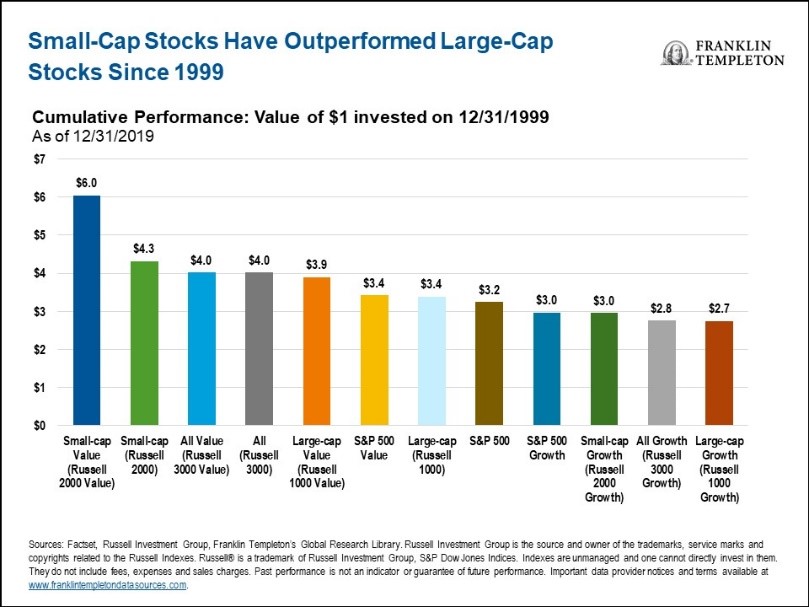
Small-cap stocks rose 20% in the month of April to date, outpacing a 14% rise in the S&P 500 Index and a 13% rise in the Dow Jones Industrial Average.  The outperformance came after an underperformance by small-cap stocks in March when concerns of the economic impact of the Coronavirus weighed on investors’ minds.  With a government stimulus package spurring the economy and the stock market, is now the time for investors to shift focus towards small-cap stocks?  Before doing so, a review of the pros and cons of small-cap versus large-cap stocks seems in order.

The Case for Small-Cap Stocks:

  • Small-cap stocks have traditionally provided
    higher returns. 
    Small cap companies tend to be younger and grow at a faster rate than larger cap companies.  A study published in the “Stocks, Bonds, Bills, Inflation (SBBI) Yearbook” showed that small-cap stocks returned 12.1% annually between 1926 and 2017 compared to 10.2% for large-cap stocks.  Other studies have shown similar results for more recent time periods.


  • Small-cap stocks outperform in an up market.  Small-cap stocks tend to be higher growth stocks with higher Betas.  They have historically outperformed large cap stocks during periods when stock markets are rising.  TheStreet points out that small-cap stocks outperform large-caps in the four quarters following the official end of a period of contraction. Stock markets are performing well recently as they recover from a sell off related to the Coronavirus. If one believes the economy will grow as virus concerns dissipate, it is reasonable to believe small-cap stocks will outperform large-cap stocks.
  • Small cap stocks are less impacted by global
    issues.
      Small cap stocks tend to report a lower percent of sales from overseas.  They are less affected by currency translation issues or trade wars.  They would be impacted less by an overall slowdown in the global economy or a move to a more protectionist political stance by our government than large-cap stocks.
  • Small-cap stocks add diversity.  It is easy to invest in large-cap stocks.  They sell the products investors use.  You know the companies’ names from their advertising.  It is harder to invest in small-cap companies without household names.  However, they are an important component of a well-diversified portfolio. 
  • Small-cap stocks are less efficiently priced.  Part of the appeal of investing in small-cap stocks is that the stocks are not followed by as many analysts as large-cap stocks.  While that may make it more difficult to get information and advice, it also means there may be inefficiencies with small-cap stock prices.  Inefficiencies create room for individual investors to find hidden investment opportunities.  The chart below shows the average number of analysts following companies of differing market capitalization.


  • Small-cap companies are more likely to be
    takeover targets.
      It is easier to arrange the financing and handle the potential dilutionary effects of a small acquisition than a larger one.  Consequently, it is reasonable to assume that small-cap companies are more likely to be acquired than large-cap companies.

The Case Against Small-Cap Stocks

  • Small cap stocks trade at higher
    multiples. 
    The Russel 2000 Index is currently trading at 27 times forward earnings as compared to a multiple of 19 times for the Dow Jones Industrial Average.  Even when one adjusts for higher growth expectations by comparing P/E as a multiple of growth (PEG multiple) small-cap stocks trade at a higher multiple.
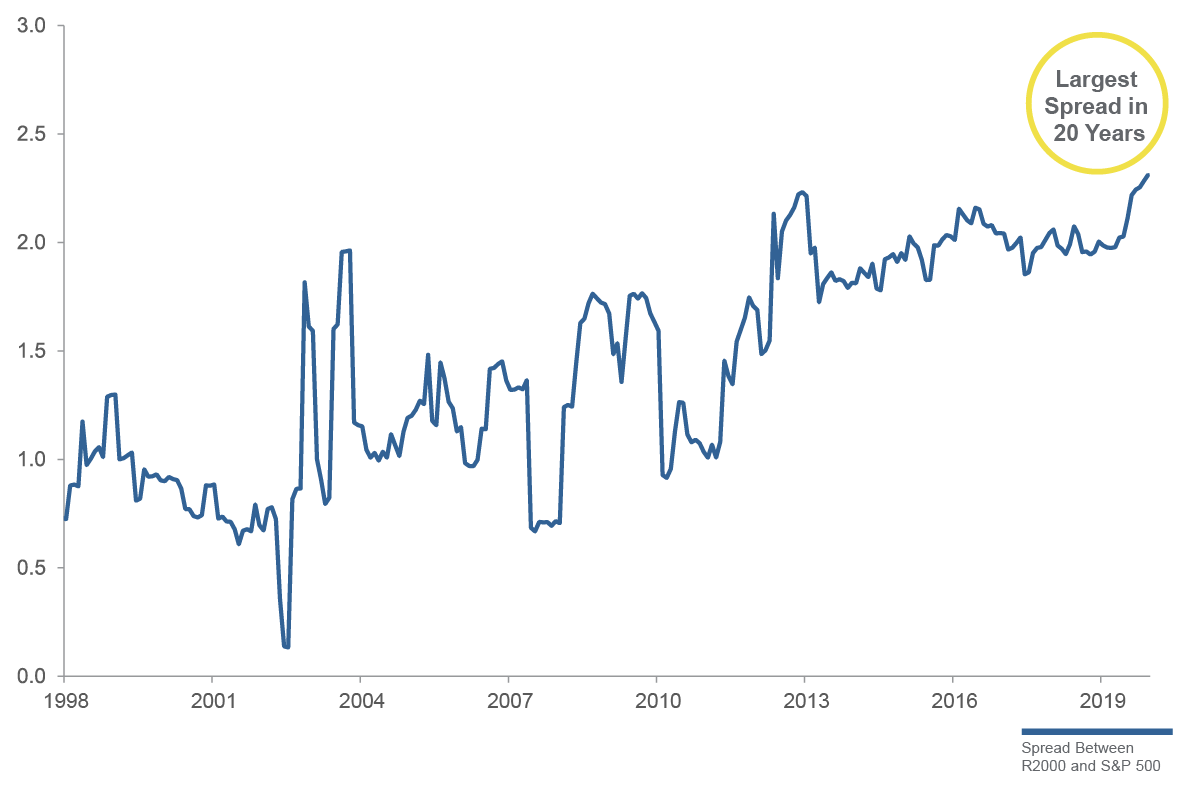
  • Small cap stocks have more risk.  Small cap stocks are less diverse than large cap stocks and often do not have cash reserves or the access to capital enjoyed by larger companies.  In addition, small cap stocks are not as liquid as large cap stocks, which may make it more difficult for large investors to move in and out of the stock.  A study by Westwood indicates that small-cap companies have been taking on more leverage than large-cap stocks in recent years.


                                          Spread Between Small Caps and Large Caps (Net Debt to EBITDA)


Summary

Experts may never be able to give a definitive answer to the question about whether it is better to invest in small-cap or large-cap stocks.  The correct answer lies in what the investor believes the overall economy and stock markets will do in the future.  It also depends on individual investor risk tolerance and liquidity needs.  Nevertheless, it is safe to say that small-cap stocks can be an important component of any investor’s equity portfolio as a means of providing diversity and growth.  Historically, that has been especially true during periods after a market correction.

Suggested Reading:

Why
Index Funds Could be a Mistake in 2020

What
Now? Post Pandemic Stock Market Investing

Stock
Index Adjustments and Self-Directed Investing

Register for Channelchek Premium Content and Tools at No Cost!


Sources

https://www.thestreet.com/markets/what-the-russell-2000-can-tell-us-about-the-u-s-economy-14933740, Scott Bauer, The Street, April 23, 2019

https://money.usnews.com/investing/investing-101/articles/why-you-should-be-investing-in-the-russell-2000-index, Ellen Chang, US News, January 4, 2019

https://www.yardeni.com/pub/stockmktperatio.pdf, Dr. Edward Yardeni, Yardeni Research, April 27, 2020

https://westwoodgroup.com/insight/quality-is-the-key-to-getting-the-shift-to-small-cap-value-right/, Westwood

https://www.thebalance.com/when-is-the-best-time-to-invest-in-small-cap-stocks-2466854, Kent Thune, the balance, January 10, 2020

https://seekingalpha.com/article/4326493-5-reasons-to-consider-investing-in-small-cap-value-stocks, Franklin Templeton Investments, February 23, 2020

Companies Developing a Treatment for COVID-19

Companies Developing Coronavirus Treatments – Clinical/Preclinical

(Note: companies that
could be impacted by the content of this article are listed at the base of the
story [desktop version]. This article uses third-party references to provide a
bullish, bearish, and balanced point of view; sources are listed after the
Balanced section.)

The War Against Coronavirus

The outbreak of the novel coronavirus disease COVID-19 rapidly spreads around the globe. The various biotechnology firms, scientists, and physicians have been racing to understand this new virus and the pathophysiology of this disease to uncover possible treatment regimens and discover effective therapeutic agents and vaccines. Selected treatment options are highlighted below.

The current treatment options

  1. Antivirals

Antiviral drugs destroy the virus by targeting and inhibiting the viral replication. Various drugs and approaches -including generic antimalarial drugs, novel drugs, and repurposed drugs that were intended to treat similar viral diseases- are being investigated to find an effective treatment for COVID-19The World Health Organization (WHO) recently started the solidarity program to test four existing therapies. The program is an international clinical trial to help find an effective treatment for COVID-19. The trial will compare four treatment options against the standard of care, to assess their relative effectiveness against COVID-19. The trial is evaluating


  • Chloroquine and hydroxychloroquine
  • Remdesivir
  • Combination of lopinavir and ritonavir
  • The above two HIV drugs plus the anti-inflammatory small protein interferon beta


These drugs are also being investigated in separate clinical trials worldwide. Among all the antiviral agents that are under investigation, Gilead’s remdesivir is the most advanced in the clinic. In a study published by NEJM, Gilead reports that in the compassionate study with 53 patients the drug resulted in the clinical improvement of 68% of these patients. However, the study result included small number of patients, and there was no randomized control group to compare against. On April 16th, The University of Chicago Medicine reported that it had recruited 125 people with COVID-19 into Gilead’s two Phase 3 clinical trials. Of those people, 113 had severe disease. All the patients have been treated with daily infusions of remdesivir with nearly all patients discharged in less than a week and there were only two deaths. Placebo controlled Chinese trial data suggested no significant improvements in fatality of patients. Among 158 patients (79 in the control arm), 13.9% of the remdesivir patients had died compared to 12.8% of patients in the control arm after 1 month of treatment. Reports suggest that Gilead will present additional data from the first 400 patients in the trial with severe symptoms in May.

  1. Antibodies

These drugs are engineered to trigger the immune system to attack the virus. A plethora of companies are pursuing this approach.

  1. Immune
    system inhibitors

This group of treatment is charged with controlling the increased immune response known as the cytokine storm. Clinical evidence suggests that a frenzied immune response in COVID-19 patients make people severely ill or cause death. Several strategies are under investigation including cell therapies and small molecules.

  1. Convalescent Plasma

This treatment method involves infusing COVID-19 patients with plasma from people who have recovered from the illness. The plasma is rich in antibodies that can fight Covid-19. Clinical studies are underway to evaluate this approach. A caveat of plasma therapy is that there isn’t enough plasma from recovered patients to treat a large patient pool.

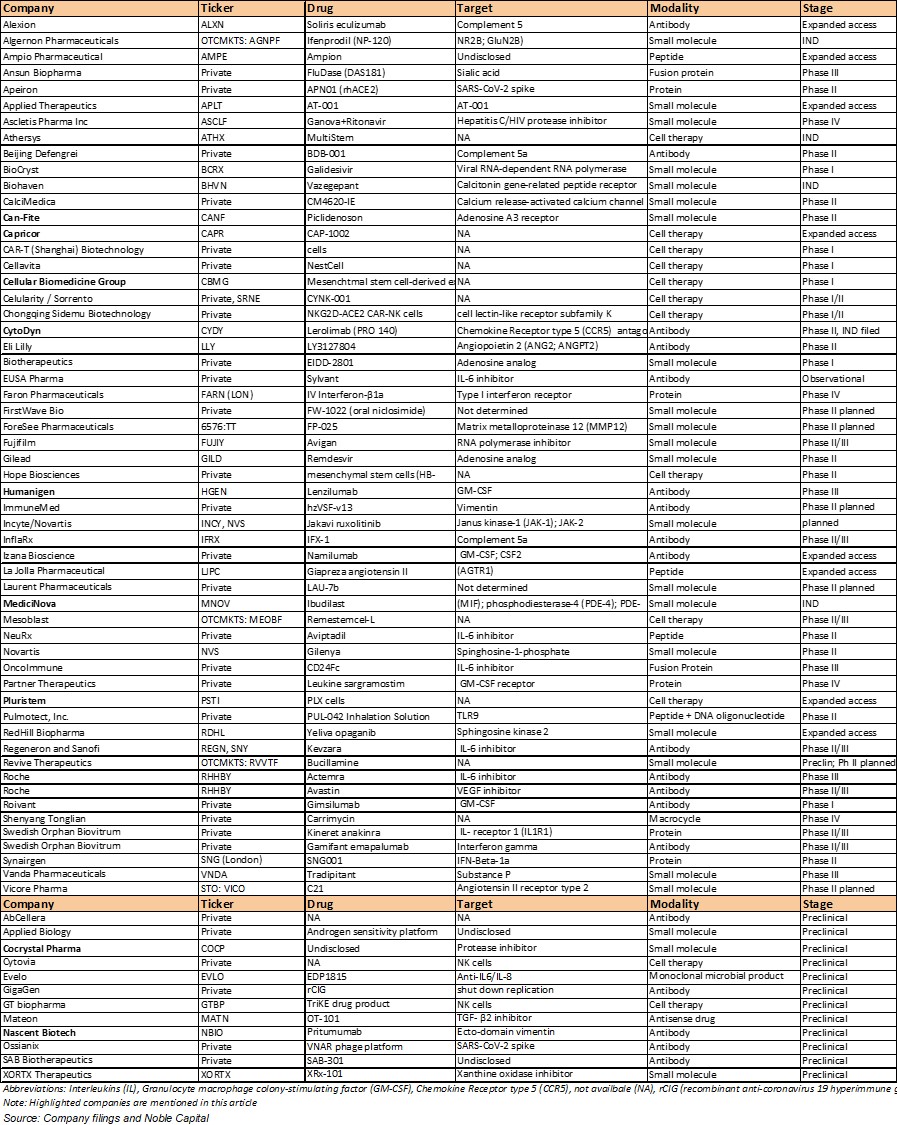
Exhibit 1. Companies Developing Coronavirus Treatment
(Clinical/preclinical
and alphabetical order)Unsupported image type.
Several
companies are pursuing programs to combat coronavirus as shown in Exhibit 1
including:

Antiviral

Cocrystal Pharma

Cocrystal Pharma is developing a protease inhibitor in collaboration with Kansas State University Research Foundation. Based on this collaboration Cocrystal Pharma will develop certain proprietary broad-spectrum antiviral compounds for humans to treat coronavirus infections. The company hopes to initiate preclinical studies in H2 2020.

Antibodies

CytoDyn

The acute respiratory distress syndrome (ARDS) of COVID-19 results from the accumulation of neutrophils within the pulmonary circulation and alveolar spaces. Leronlimab (PRO 140) inhibits the migration of Tregs into areas of inflammation, which can inhibit the innate immune response against pathogens and, most importantly, the migration of macrophages and release of pro-inflammatory cytokines in lungs. The CCR5 receptor appears to play a central role in modulating immune cell trafficking to sites of inflammation.

The company recently announced that it has treated the first patient with leronlimab, in a Phase 2b/3 study evaluating it in severe and critically ill COVID-19 patients. The study will evaluate the two-week administration of leronlimab in the patient population. The primary endpoint is the mortality rate at 28 days and secondary endpoint is the mortality rate at 14 days. The company plans to conduct an interim analysis of the data from 50 patients. The company will also evaluate leronlimab in a Phase 2b study in mild-to-moderate COVID-19 patients. CytoDyn has also administered leronlimab in about 30 patients, through hospitals and clinics, under Emergency Investigational New Drug (EIND) authorizations granted by the FDA. Data from patients under EIND has been promising. The first five patients with mild-to-moderate infection have been removed from oxygen. The data demonstrated that patients had encouraging immune restoration as well as a dramatic reduction in the critical cytokine storm after seven days of treatment. Particularly, restoration in the CD8 T-lymphocyte population, and a dramatic reduction in the critical cytokine storm cytokines IL-6, TNF-alpha. Patients are also benefiting from leronlimab treatment by being removed from external ventilation or extubated within seven days.

Humanigen

Humanigen is focused on preventing and treating cytokine storm with lenzilumab, the company’s proprietary Humaneered anti-human GM-CSF monoclonal antibody. Humanigen has announced that FDA has permitted to commence a Phase 3 study of lenzilumab in patients with COVID-19. Humanigen is developing a neutralizing, IgG1, monoclonal antibody against human GM-CSF, the upstream initiator of cytokine stress. Lenzilumab has demonstrated a sufficient safety and tolerability profile in other diseases, including severe asthma. Humanigen plans to enroll patients in a multicenter, randomized, placebo-controlled, double-blinded clinical trial with lenzilumab for the prevention of respiratory failure and/or death in hospitalized patients with pneumonia associated with COVID-19 in patients.

Nascent Biotech

Nascent Biotech’s lead product, pritumumab, is a fully natural human IgG antibody. Pritumumab is obtained by a proprietary technology from a B-cell isolation from a tumor-draining lymph node of a patient with cervical cancer. Pritumumab target is vimentin. Vimentin interacts directly with the coronavirus during its binding process to the non-infected cell and anti-vimentin antibodies can reduce the uptake of the coronavirus in pre-treated animals. Pritumumab is being studied to validate its inhibition of the virus to recognize, and therefore infect, the target cells.

Immune
Modulators

Can-fite

Can-Fite recently received approval to initiate a pilot clinical study of its drug candidate piclidenoson for the treatment of moderate-to-severe symptoms COVID-19 infected patients. It is also being evaluated in a multinational Phase 3 studies as a first-line treatment for rheumatoid arthritis, and as a treatment for moderate-to-severe psoriasis. Piclidenoson exerts its mechanism of action by modulation of key signaling proteins, such as PI3K, GSK-3?, PKA, PKB/Akt, IKK, and NF-kB, thereby de-regulating the Wnt and the NF-kB pathways. Consequently, this results in apoptosis of inflammatory cells.

The company is conducting a pilot trial that is a randomized, open-label, 2-arm study of Piclidenoson plus standard supportive care, compared to standard supportive care alone. Forty hospitalized COVID-19 infected patients with moderate-to-severe symptomatic disease will be randomized in a 1:1 ratio to one of the trial arms and will be treated for up to 4 weeks.

Capricor

Capricor reported earlier this month that two patients were treated in Los Angeles, California with infusions of CAP-1002. The company also reported that they plan to treat additional patients and submitted an expanded access Investigational New Drug (IND) application to investigate the use of CAP-1002 in certain COVID-19 patients. CAP-1002 consists of allogeneic cardiosphere-derived cells, or CDCs, a type of cardiac cell therapy that has been shown in pre-clinical and clinical studies to exert potent immunomodulatory activity and is being investigated for its potential to modify the immune system’s activity to promote cellular regeneration. The cells function by releasing exosomes that are taken up largely by macrophages and T-cells and begin a cycle of repair. CAP-1002 is also under clinical development for the treatment of Duchenne muscular dystrophy. In published pre-clinical data, the company reported that that CAP-1002 mitigates the release of anti-inflammatory cytokines as well as macrophage activation in several models of inflammatory diseases including sepsis and other autoimmune diseases. It is believed that COVID-19 induced ARDS pneumonia is a response to the cytokine storm and CAP-1002 could be a beneficial for the patients.

Cellular Biomedicine group

The Cellular biomedicine group is conducting a Phase 1 single-arm design, open-label, combined interventional clinical trial, to explore the safety and efficiency of exosomes derived from allogeneic adipose mesenchymal stem cells (MSCs-Exo) treatment for severe patients hospitalized with novel coronavirus pneumonia (NCP).

MediciNova

MediciNova will initiate clinical studies to investigate its drug, ibudilast (MN-166), to ARDS associated with Covid-19. The study will be conducted in collaboration with Yale’s Advanced Therapies Group. Ibudilast’s exerts its mechanism of action by inhibiting macrophage migration inhibitory factor (MIF) and phosphodiesterase (PDE) -4 and -10. In doing so it also inhibits pro-inflammatory cytokines and promotes neurotrophic factors. Furthermore, in previous human studies ibudilast demonstrated a significant decrease in serum MIF levels. Ibudilast’s anti-neuroinflammatory and neuroprotective actions were shown in previous clinical studies.

Pluristem

Pluristem recently successfully treated one patient with PLX cells in the United States under the compassionate use program. Prior to this, the company reported 100% survival rate for all seven high-risk patients under treatment from their compassionate use program in Israel. Furthermore, of the 6 patients that completed one week follow up, 4 of the 6 (66%) patients demonstrated improvement in respiratory parameters and 3 of the 6 (50%) patients were in advanced stages of weaning from ventilators.

PLX cells are allogeneic mesenchymal-like cells that have immunomodulatory properties that induce the immune system’s natural regulatory T cells and M2 macrophages, and thus may prevent or reverse the dangerous overactivation of the immune system. Therefore, PLX cells may potentially reduce the incidence and or severity of COVID-19 pneumonia and pneumonitis. Pluristem’s main target is to initiate a multinational clinical trial as soon as possible for PLX cells in the treatment of patients suffering from complications associated with COVID-19.


Suggested Reading:

Vaccine
Status – Which Companies are in What Stage

Post Pandemic
Stock Market Investing

Where
Investors Found Double-Digit Growth in Q1

Register for Channelchek Premium Content and Tools at No Cost!

Research initiation indonesia energy corp indo positioned to weather the storm

Monday, April 27, 2020


Indonesia Energy Corp (INDO)

Research Initiation Positioned To Weather The Storm


Indonesia Energy Corp Ltd is an oil and gas exploration and production company focused on Indonesia. It holds two oil and gas assets through its subsidiaries in Indonesia: one producing block (the Kruh Block) and one exploration block (the Citarum Block). The Kruh Block is located to the northwest of Pendopo, Pali, South Sumatra. The Citarum Block is located to the south of Jakarta.

Michael Heim, Senior Research Analyst, Noble Capital Markets, Inc.

Refer to the full report for the price target, fundamental analysis, and rating.

    Near-term growth visibility. INDO has a diversified portfolio of properties that provides steady cash flow (Kruh), near-term growth (Citarum), and long-term upside potential (Rangka). INDO plans to use the proceeds from its December 2019 IPO to accelerate drilling in the Kruh Block where it expects production levels to quadruple in 2020.

    Company is positioned to weather the down cycle. We believe the company is well positioned to weather the current downcycle given its clean balance sheet ($15 million in cash and only $3 million in debt), large insider ownership position (insiders own 80%) and low operating costs ($21 per barrel). When INDO begins drilling for gas in the Citarum Block, it will do so in an area with an existing pipeline infrastructure and…


Click to get the full report.

This Company Sponsored Research is provided by Noble Capital Markets, Inc., a FINRA and S.E.C. registered broker-dealer (B/D).

*Analyst
certification and important disclosures included in the full report. 
NOTE: investment decisions should not be based upon the content of
this research summary.  Proper due diligence is required before
making any investment decision.
 

Research tribune publishing company tpco did the virus accelerate its digital transformation

Monday, April 27, 2020

Tribune Publishing Company (TPCO)

Did The Virus Accelerate Its Digital Transformation?

Tribune Publishing Co is a print and online media company that publishes various newspapers and websites. It creates and distribute content across its media portfolio, offering integrated marketing, media, and business services to consumers and advertisers, including digital solutions and advertising opportunities. The company manages its business as two distinct segments, M and X. Segment M is comprised of the company’s media groups excluding their digital revenues and related digital expenses, except digital subscription revenues when bundled with a print subscription. Segment X includes the company’s digital revenues and related digital expenses from local Tribune websites, third party websites, mobile applications, digital only subscriptions, Tribune Content Agency and BestReviews.

Michael Kupinski, DOR, Senior Research Analyst, Noble Capital Markets, Inc.

Refer to the full report for the price target, fundamental analysis, and rating.

    First quarter preview.  We believe that Q1 will be roughly in line with original estimates, with the impact of the mitigation efforts of the CoronaVirus felt late in the quarter. We anticipate $11.3 million in adj. EBITDA, which is very near our original estimate of $12.1 million. The company took aggressive action as developments unfolded.

    Q2 is expected to be cash flow positive. While print advertising likely will take a big hit, there are favorable trends in both digital and print subscriptions and in Best Reviews. We estimate Q2 revenue to be $183.4 million and cash flow, as measured by…


    Click here to get the full report.

This Company Sponsored Research is provided by Noble Capital Markets, Inc., a FINRA and S.E.C. registered broker-dealer (B/D).

*Analyst
certification and important disclosures included in the full report. 
NOTE: investment decisions should not be based upon the content of
this research summary.  Proper due diligence is required before
making any investment decision.
 

Research – Tribune Publishing Company (TPCO) – Did The Virus Accelerate Its Digital Transformation?

Monday, April 27, 2020

Tribune Publishing Company (TPCO)

Did The Virus Accelerate Its Digital Transformation?

Tribune Publishing Co is a print and online media company that publishes various newspapers and websites. It creates and distribute content across its media portfolio, offering integrated marketing, media, and business services to consumers and advertisers, including digital solutions and advertising opportunities. The company manages its business as two distinct segments, M and X. Segment M is comprised of the company’s media groups excluding their digital revenues and related digital expenses, except digital subscription revenues when bundled with a print subscription. Segment X includes the company’s digital revenues and related digital expenses from local Tribune websites, third party websites, mobile applications, digital only subscriptions, Tribune Content Agency and BestReviews.

Michael Kupinski, DOR, Senior Research Analyst, Noble Capital Markets, Inc.

Refer to the full report for the price target, fundamental analysis, and rating.

    First quarter preview.  We believe that Q1 will be roughly in line with original estimates, with the impact of the mitigation efforts of the CoronaVirus felt late in the quarter. We anticipate $11.3 million in adj. EBITDA, which is very near our original estimate of $12.1 million. The company took aggressive action as developments unfolded.

    Q2 is expected to be cash flow positive. While print advertising likely will take a big hit, there are favorable trends in both digital and print subscriptions and in Best Reviews. We estimate Q2 revenue to be $183.4 million and cash flow, as measured by…


    Click here to get the full report.

This Company Sponsored Research is provided by Noble Capital Markets, Inc., a FINRA and S.E.C. registered broker-dealer (B/D).

*Analyst
certification and important disclosures included in the full report. 
NOTE: investment decisions should not be based upon the content of
this research summary.  Proper due diligence is required before
making any investment decision.
 

Research Initiation – Indonesia Energy Corp (INDO) – Positioned To Weather The Storm

Monday, April 27, 2020


Indonesia Energy Corp (INDO)

Research Initiation Positioned To Weather The Storm


Indonesia Energy Corp Ltd is an oil and gas exploration and production company focused on Indonesia. It holds two oil and gas assets through its subsidiaries in Indonesia: one producing block (the Kruh Block) and one exploration block (the Citarum Block). The Kruh Block is located to the northwest of Pendopo, Pali, South Sumatra. The Citarum Block is located to the south of Jakarta.

Michael Heim, Senior Research Analyst, Noble Capital Markets, Inc.

Refer to the full report for the price target, fundamental analysis, and rating.

    Near-term growth visibility. INDO has a diversified portfolio of properties that provides steady cash flow (Kruh), near-term growth (Citarum), and long-term upside potential (Rangka). INDO plans to use the proceeds from its December 2019 IPO to accelerate drilling in the Kruh Block where it expects production levels to quadruple in 2020.

    Company is positioned to weather the down cycle. We believe the company is well positioned to weather the current downcycle given its clean balance sheet ($15 million in cash and only $3 million in debt), large insider ownership position (insiders own 80%) and low operating costs ($21 per barrel). When INDO begins drilling for gas in the Citarum Block, it will do so in an area with an existing pipeline infrastructure and…


Click to get the full report.

This Company Sponsored Research is provided by Noble Capital Markets, Inc., a FINRA and S.E.C. registered broker-dealer (B/D).

*Analyst
certification and important disclosures included in the full report. 
NOTE: investment decisions should not be based upon the content of
this research summary.  Proper due diligence is required before
making any investment decision.
 

Research coeur mining cde lowering 2020 estimates based on lower palmarejo production expectations

Friday, April 24, 2020

Coeur Mining (CDE)

Lowering 2020 Estimates Based on Lower Palmarejo Production Expectations

Coeur Mining Inc is a metals producer focused on mining precious minerals in the Americas. It is involved in the discovery and mining of gold and silver and generates the vast majority of revenue from the sale of these precious metals. The operating mines of the company are palmarejo, rochester, wharf, and kensington. Its projects are located in the United States, Canada and Mexico, and North America.

Mark Reichman, Senior Research Analyst, Noble Capital Markets, Inc.

Refer to the full report for the price target, fundamental analysis, and rating.

    CDE reports first quarter 2020 earnings. On an adjusted basis, the company reported a first quarter loss of $(0.8) million, or $(0.00) per share compared to $(23.0) million, or $(0.11) per share, during the prior year period. We had forecast earnings of $1.4 million, or $0.01 per share. First quarter adjusted EBITDA amounted to $46.6 million. The earnings variance to our estimate was largely due to lower than projected revenue. On an unadjusted basis, the company reported a loss of $(11.9) million, or $(0.05) per share.

    Updating estimates. We now forecast a 2020 loss per share of $(0.03) and EBITDA of $161.3 million compared to our previous estimates of $0.02 and $189.7 million, respectively. The reduction reflects lower production at the Palmarejo mine due to the extension of Mexico’s work restrictions to curb the spread of COV-19 infections. Our 2021 EPS and EBITDA estimates are $0.12 and…


    Click here to get the full report.

This research is provided by Noble Capital Markets, Inc., a FINRA and S.E.C. registered broker-dealer (B/D).

*Analyst
certification and important disclosures included in the full report. 
NOTE: investment decisions should not be based upon the content of
this research summary.  Proper due diligence is required before
making any investment decision.
 

Research entravision communications corporation evc are investors underestimating its cash in an over levered industry

Friday, April 24, 2020

Entravision Communications Corporation (EVC)

Are Investors Underestimating Its Cash In An Over Levered Industry?

Entravision Communications Corporation is a diversified Spanish-language media company utilizing a combination of television and radio operations to reach Hispanic consumers across the United States, as well as the border markets of Mexico. Entravision owns and/or operates 53 primary television stations and is the largest affiliate group of both the top-ranked Univision television network and Univision’s TeleFutura network, with television stations in 20 of the nation’s top 50 Hispanic markets. The Company also operates one of the nation’s largest groups of primarily Spanish-language radio stations, consisting of 48 owned and operated radio stations.

Michael Kupinski, Senior Research Analyst, Noble Capital Markets, Inc.

Refer to the full report for the price target, fundamental analysis, and rating.

    Q1 likely would have been much stronger. We estimate that Q1 revenues will be $62.1 million and cash flow of $7.2 million. Our estimates reflect the fall off in advertising in the last few weeks of the quarter, which we believe started out very strong.

    Focus on Q2. We believe that the company implemented cost cutting measures as revenue fell, including a significant furlough of 150 employees, salary reductions firm wide, and corporate expense cuts. We believe that these actions will not be fully reflected in Q2, but will become more evident in Q3 and Q4. Q2 cash flow is expected to be modestly negative, but…


    Click here to get full report.

This Company Sponsors Research is provided by Noble Capital Markets, Inc., a FINRA and S.E.C. registered broker-dealer (B/D).

*Analyst
certification and important disclosures included in the full report. 
NOTE: investment decisions should not be based upon the content of
this research summary.  Proper due diligence is required before
making any investment decision.
 

Contango and the Known Risk to ETFs

Contango, ETFs, and Alligators

(Note: companies that
could be impacted by the content of this article are listed at the base of the
story [desktop version]. This article uses third-party references to provide a
bullish, bearish, and balanced point of view; sources are listed after the
Balanced section.)

There is a lake two miles from my house in Florida, where I often waterskied before the county-wide lockdown of public parks. Years back, as a transplanted New Yorker, the idea of jumping into a dark freshwater lake wasn’t comfortable. After-all, Lake Ida is connected to a chain of alligator-infested waterways.  But I set out to educate myself, then decide on my own if the other people in the lake were taking more risk than I cared to. My research included boating with a number of experienced friends whom I believed to be both sane and knowledgeable. I also read about the fears of the primitive reptiles; I Googled information on their food preferences and even their mating habits. My would-be skiing partners thought I was ridiculously cautious. I didn’t care. If I can’t see below the surface of something, I need to gauge the risk in another way. Or just stay out.

Eventually, I learned what I needed to and became a regular slalom skier on Lake Ida. I would only go midday when I was surrounded mostly by wakeboarders and tubers. Although the activity from all the other boats doesn’t make the best conditions for running a slalom course, it does, to the best of my understanding, keep alligators away. So, as long as there is a activity going on up top, I feel confident that the sharp-toothed creatures below will leave for quieter waters.

On Thursday, I took a bike ride over to the lake to get out of the house and see what it looks like after six weeks of close to zero boat traffic.

It was exceedingly quiet. The weeks of a prolonged lack of activity concerned me. Although I can’t be sure, I’d suspect that close to zero boat traffic from the coronavirus lockdown may have changed the risk level of now entering the water. There has been nothing for weeks to spook the gators. The thought ran through my head that I will not rush back onto Lake Ida with my ski too soon after the county allows.

The lockdown has unexpectedly changed the risk profile of many seemingly unconnected activities. Our health and what is now necessary to stay healthy tops this list. Investments, and finding returns while staying out of trouble probably fall into many people’s top three on their own list. Investing, in particular, should now be done with even more research. The environment has changed, and clarity is harder to come by.

Below the
Surface of an ETF

Last week, retail investors, many trading off free apps such as Robinhood and SoFi
Invest,
learned an expensive lesson about clarity. They continued to pile into a popular ETF with enthusiasm, as it continued to trade lower. The fund seemed to offer greater and greater value while it became cheaper and cheaper versus crude oil, which investors expected it to track. However, the ETF had become a different “animal.” The realignment with crude did not pan out. On the other side of this trade, selling into the frenzy, were more aware professionals who were shorting the ETF. This worked well for the more experienced traders who pulled in as much as $286 million and may have earned as much as 110%  (Feb. 27 to April 21).

The underlying positions in ETF ticker symbol USO (United States Oil Fund, LP) had for years been the front-month oil futures contract. Last week, USO redefined and “loosened” their underlying mix, twice. The new “allowable” universe veered dramatically from what many USO ETF investors expected from their investment.  As they announced the funds underlying changes, investors paying attention discovered it would also include an 8 for 1 reverse stock split and a temporary structure as a closed-end fund

 It still pulled in even more seemingly unaware investors. A large number of the buy transactions were conducted on apps, so the demographic was young investors. It’s presumed that most didn’t know what the underlying investments were in the ETF. That is because the investments now making up the fund are so varied that it is hardly possible for any investor to know what category of oil exposure they own.


“Given the way disclosures are currently being given by the
fund, it’s almost unanalyzable, because you don’t have a sense of what the
weighting along the futures curve is…”
– Peter Cecchini, Chief Market Strategist, Cantor Fitzgerald

Staying On
Top of your Investment

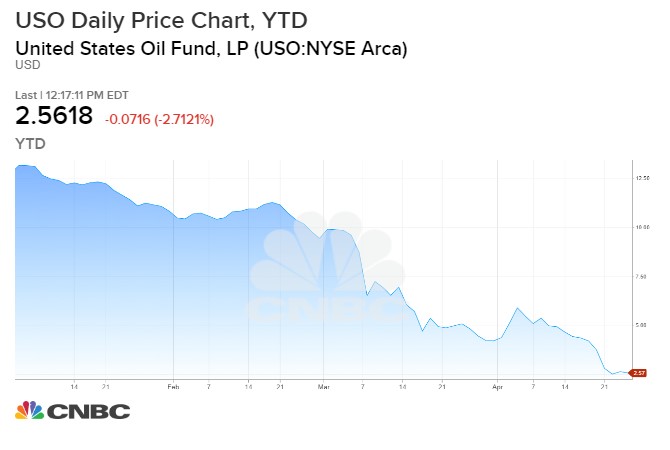
On Wednesday (4/22/20), virtually every oil contract traded higher. USO, which investors had thought of as a proxy for the price of oil fell 10.6% that day. This decline contributed to the 40% spiral over three consecutive trading days, and to the 80% pounding USO owners have endured on the year.

A close up of a map

Description automatically generated

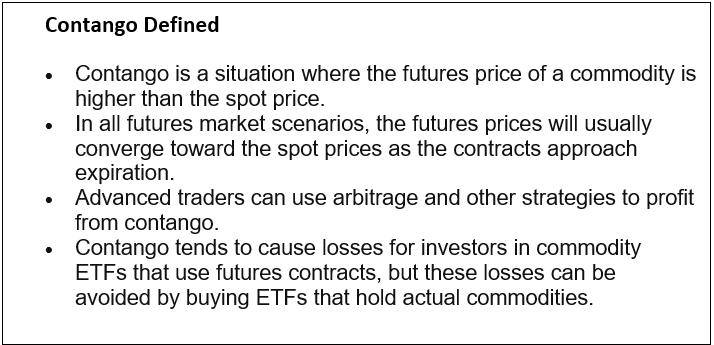
Broadening the variety and expiration date of futures contracts USO now holds was likely adopted by the fund managers as a self-preservation measure after the May Oil Futures Contracts had experienced its own selling frenzy. In a historical move, the selling brought the price of the contract negative. The reason for the negative price is that the holders of the contract are contractually obligated to take delivery. Worldwide storage for crude oil is at capacity. Taking delivery could actually mean filling a ship and letting it sit idle until the glut burns off. That’s expensive, so the normal convergence with spot prices didn’t unfold as normal when a contract nears expiration. If the futures price and spot price of a commodity don’t converge as expiration nears, a situation that market participants call “contango” occurs. Contango can wreak havoc in ETFs that invest in futures contracts rather than actual stocks or commodities.

Unsupported image type.


USCF is the manager of the ETF USO. The company has as its tagline, “INVEST IN WHAT’S REAL.” At the moment, it is difficult or impossible to know what is real with their fund. On April 28, the reverse 8 for 1 stock split will take place. This resulting higher cost of share price may dissuade some of the smaller investors that prefer more shares and lower dollar prices at entry. USO’s lower cost per share has attracted inflows every day since April 8, for a total of about $3.3 billion. Demand for the ETF was so high that the fund exhausted the number of shares it was allowed to issue under past filings. USO has asked the U.S. Securities and Exchange Commission for permission to register an additional 4 billion shares, according to USCF.

Take-Away

Determining what an investment will do next is never certain. But putting yourself into an ETF with uncertain investment parameters or exposure may be riskier than it needs to be. Investors need to know as much as they can about what is going on below the surface. USO is the biggest exchange-traded fund representing oil prices.  Yet, Wall Street veterans want no part of it., except perhaps as a short.

Investors with a low-risk tolerance need to understand any animal they may encounter before they enter its territory.  If there isn’t a solid understanding with trusted analysis and research, it’s a roll of the dice. The markets have all changed with the economic shutdown and eventual reopening. This change has surely brought great opportunity. First, be sure to understand what is likely happening below the surface of any investment.  Or just stay out.

Paul Hoffman

Managing Editor


Suggested
Reading:

What are
Negative Oil Prices telling us?

Why Index
funds Could be a Mistake in 2020

How
Investment Professionals are Preparing for the New Decade


Sources:

USO – Invest in What’s Real

Biggest Oil
ETF Almost Unanalyzable

Oil ETF
Chaos

What is
Contango and Backwardation

What is Spot
price

Brokerages
Restrict Clients On Positions They Can Take In Oil

USO Overview

USCF Announces One-for-Eight Reverse
Share Split FOR USO

Short
sellers make nearly $300 million betting against retail investors’ favorite oil
fund

Research – Coeur Mining (CDE) – Lowering 2020 Estimates Based on Lower Palmarejo Production Expectations

Friday, April 24, 2020

Coeur Mining (CDE)

Lowering 2020 Estimates Based on Lower Palmarejo Production Expectations

Coeur Mining Inc is a metals producer focused on mining precious minerals in the Americas. It is involved in the discovery and mining of gold and silver and generates the vast majority of revenue from the sale of these precious metals. The operating mines of the company are palmarejo, rochester, wharf, and kensington. Its projects are located in the United States, Canada and Mexico, and North America.

Mark Reichman, Senior Research Analyst, Noble Capital Markets, Inc.

Refer to the full report for the price target, fundamental analysis, and rating.

    CDE reports first quarter 2020 earnings. On an adjusted basis, the company reported a first quarter loss of $(0.8) million, or $(0.00) per share compared to $(23.0) million, or $(0.11) per share, during the prior year period. We had forecast earnings of $1.4 million, or $0.01 per share. First quarter adjusted EBITDA amounted to $46.6 million. The earnings variance to our estimate was largely due to lower than projected revenue. On an unadjusted basis, the company reported a loss of $(11.9) million, or $(0.05) per share.

    Updating estimates. We now forecast a 2020 loss per share of $(0.03) and EBITDA of $161.3 million compared to our previous estimates of $0.02 and $189.7 million, respectively. The reduction reflects lower production at the Palmarejo mine due to the extension of Mexico’s work restrictions to curb the spread of COV-19 infections. Our 2021 EPS and EBITDA estimates are $0.12 and…


    Click here to get the full report.

This research is provided by Noble Capital Markets, Inc., a FINRA and S.E.C. registered broker-dealer (B/D).

*Analyst
certification and important disclosures included in the full report. 
NOTE: investment decisions should not be based upon the content of
this research summary.  Proper due diligence is required before
making any investment decision.
 

Research – Entravision Communications Corporation (EVC) – Are Investors Underestimating Its Cash In An Over Levered Industry?

Friday, April 24, 2020

Entravision Communications Corporation (EVC)

Are Investors Underestimating Its Cash In An Over Levered Industry?

Entravision Communications Corporation is a diversified Spanish-language media company utilizing a combination of television and radio operations to reach Hispanic consumers across the United States, as well as the border markets of Mexico. Entravision owns and/or operates 53 primary television stations and is the largest affiliate group of both the top-ranked Univision television network and Univision’s TeleFutura network, with television stations in 20 of the nation’s top 50 Hispanic markets. The Company also operates one of the nation’s largest groups of primarily Spanish-language radio stations, consisting of 48 owned and operated radio stations.

Michael Kupinski, Senior Research Analyst, Noble Capital Markets, Inc.

Refer to the full report for the price target, fundamental analysis, and rating.

    Q1 likely would have been much stronger. We estimate that Q1 revenues will be $62.1 million and cash flow of $7.2 million. Our estimates reflect the fall off in advertising in the last few weeks of the quarter, which we believe started out very strong.

    Focus on Q2. We believe that the company implemented cost cutting measures as revenue fell, including a significant furlough of 150 employees, salary reductions firm wide, and corporate expense cuts. We believe that these actions will not be fully reflected in Q2, but will become more evident in Q3 and Q4. Q2 cash flow is expected to be modestly negative, but…


    Click here to get full report.

This Company Sponsors Research is provided by Noble Capital Markets, Inc., a FINRA and S.E.C. registered broker-dealer (B/D).

*Analyst
certification and important disclosures included in the full report. 
NOTE: investment decisions should not be based upon the content of
this research summary.  Proper due diligence is required before
making any investment decision.
 

Covid-19 Vaccination Update

Vaccine Status — Which Companies are In What Stage

(Note: companies that
could be impacted by the content of this article are listed at the base of the
story [desktop version]. This article uses third-party references to provide a
bullish, bearish, and balanced point of view; sources are listed after the
Balanced section.)

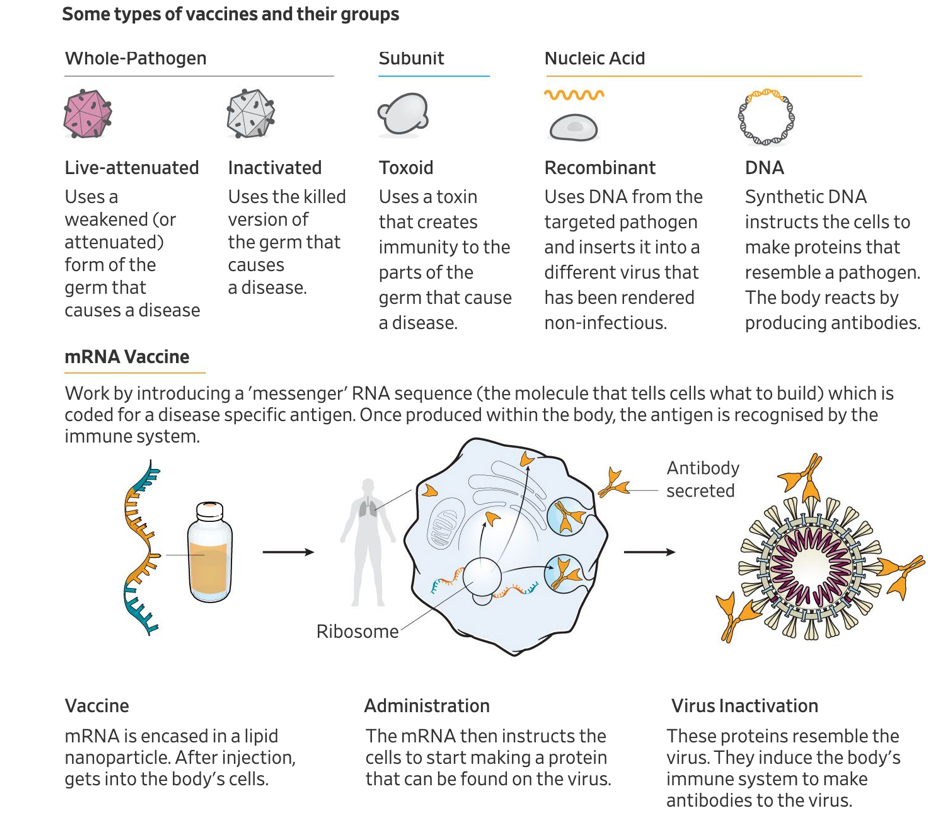
Developing a vaccine against Covid19 is of obvious global importance. Vaccines stimulate immune systems to produce antibodies, similar to the subject being exposed to the disease. Production of antibodies and stimulation of immune systems help the human body to develop immunity against disease. This provides a preventative measure of protection. As it relates to the novel coronavirus, several approaches (Exhibit 1) are being investigated by scientists in the biotechnology and pharmaceutical industry, hospitals, and academic research institutes. Each approach holds different advantages and disadvantages. For example, the RNA and DNA-based vaccines are leading in their clinical advancement due to advantages in the speed of development. However, their safety profile is not well defined, and these vaccines could run into potential hurdles and face stricter regulatory approvals. Two US-based companies are currently in clinical trials, the first vaccine into the clinic was Moderna’s mRNA-1273 on March 16th, followed by Inovio’s DNA vaccine on April 6th.

Exhibit
1: Types of vaccines

Source:
Wall Street Journal

Upcoming
trials include

  • Biontech/Pfizer – starting in April 2020
  • Novavax Inc – Mid-May 2020
  • Johnson & Johnson – September 2020
  • Vaxart/Emergent Biosolutions – H2 2020


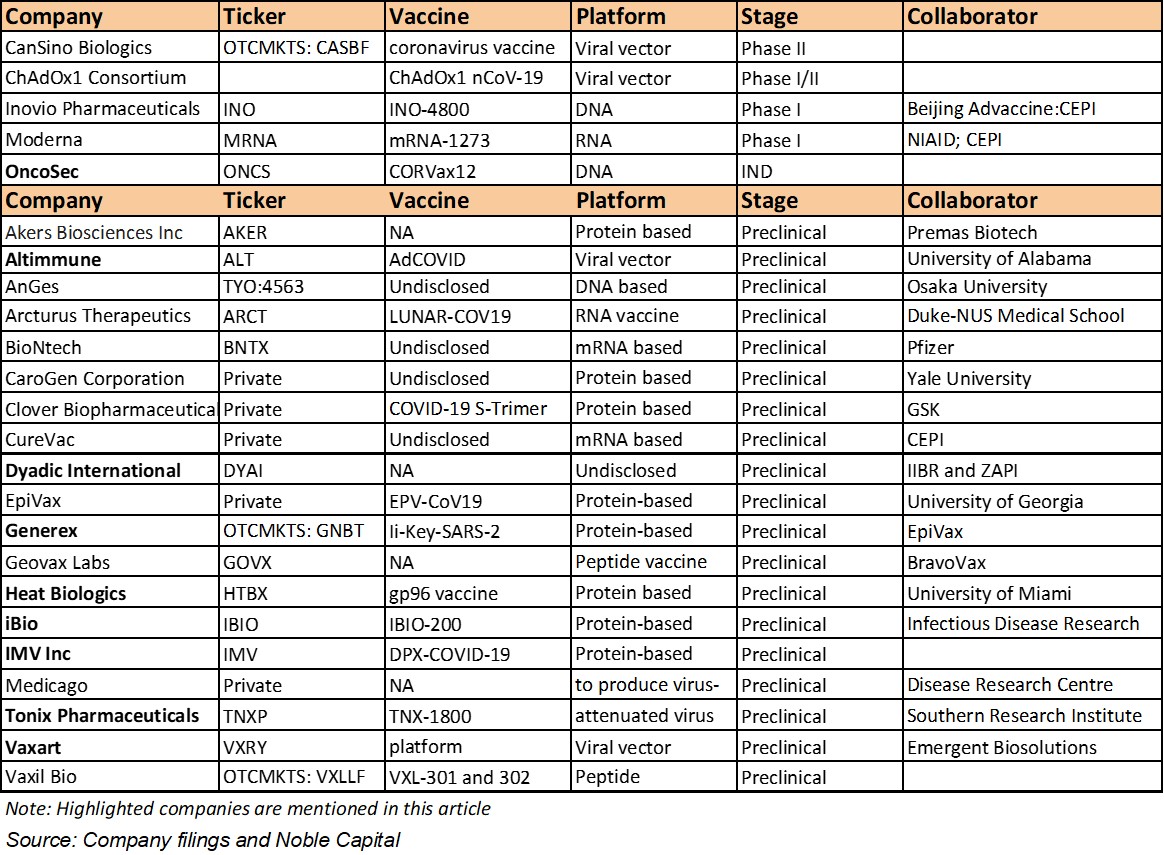
Exhibit 2.
Companies Developing Vaccine Against Coronavirus (Stage
and alphabetical order)

Unsupported image type.

Selected
companies below are currently developing vaccines against coronavirus:

Currently
or soon in the clinic:

Inovio
Pharmaceutical

Inovio Pharmaceutical
in collaboration with Beijing Advaccine Biotechnology is investigating INO-4800 DNA vaccine in a Phase 1 clinical trial. The trial aims to enroll up to 40 healthy adult volunteers in Philadelphia, PA (at the Perelman School of Medicine at the University of Pennsylvania) and Kansas City, MO (at the Center for Pharmaceutical Research). Each participant will receive two doses of INO-4800 four weeks apart, and the initial immune responses and safety data from the study are expected by late summer.

Moderna

Moderna’s mRnA-1273 was developed in 42 days and it remains on schedule to complete Phase 1 trials. The trials are being conducted by The National Institute of Allergy and Infectious Diseases (NIAID). The trial has so far enrolled 45 subjects and the company announced on April 14th that the trial had started recruiting for its highest dose. The trial has three arms that are administering doses of 25 mcg, 100 mcg, and 250 mcg. Data is expected in Q2-Q3 2020. On April 16th, Moderna’s vaccine also received $483 million from the U.S. government to assist in the development and testing of the vaccine.

OncoSec

OncoSec is awaiting FDA approval for an IND application filed by Providence Cancer Institute to pursue a first-in-human Phase 1 clinical trial of OncoSec’s novel DNA?encodable, investigational vaccine CORVax12. CORVax1 consists of OncoSec’s existing product candidate, TAVO (interleukin-12 or IL-12 plasmid), in combination with an immunogenic component of the SARS-CoV-2 virus recently developed by researchers at NIAID and licensed to OncoSec on a non-exclusive basis.

Preclinical or discovery stage:

Dyadic

Dyadic is collaborating with The Israel Institute for Biological Research (IIBR) to develop therapeutics against Covid-19. As per the collaboration, IIBR will develop potential candidates and Dyadic will use their C1 technology to manufacture vaccines and monoclonal antibodies. C1 expression system is at the discovery stage to manufacture large volumes of low-cost biologic products such as enzymes and proteins.

Generex Biotechnology

Generex Biotechnology (GNBT) has signed a contract with EpiVax to use their computational tools to predict epitopes that can be used to generate peptide vaccines against the Covid-19 using the patented NuGenerex Immuno-Oncology (NGIO – Formerly Antigen Express) Ii-Key technology. The patented NuGenerex Immuno-Oncology (Formerly Antigen Express) Ii-Key technology uses synthetic peptides that mimic essential protein regions from a virus that is chemically linked to the 4-amino acid Ii-Key to robustly activate immune system. In particular, the Ii-Key ensures potent activation of CD4+ T cells, which in turn facilitates antibody production to ward off infection. This Ii-Key modification can be applied to any protein fragment of any pathogen to increase the potency of immune stimulation.

EpiVax has identified many “hotspots” in the amino acid sequences of the nCOV-2019 coronavirus proteins. Using the epitopes predicted by EpiVax, Generex will manufacture a series of synthetic amino acid peptides that mimic the epitopes of the virus and send them to China for testing

Heat
Biologics

Heat Biologics (HTBX) is developing therapeutic vaccines in collaboration with the University of Miami to support the development of a vaccine leveraging Heat’s proprietary gp96 platform designed to target the SARS-CoV-2 coronavirus that causes COVID-19.

iBIO

iBio is developing IBIO-200 a virus-like particle (VLP) based vaccine for the COVID-19 disease in collaboration with Texas A&M University. VLP based vaccines have a unique mechanism of action by which they interact with immune cells differently than soluble antigens and can stimulate both humoral and cellular responses. iBIO-200 has been designed to display enhanced vaccine uptake by antigen-presenting cells to increase the overall immune response.

IMV
Inc.

IMV Inc. plans to develop of a DPX-based vaccine for COVID-19. DPX is the Company’s proprietary lipid-based delivery platform with no aqueous components in the final formulation. The DPX platform can be formulated with peptide antigens. The Company is using sequences of the virus and immunoinformatics to predict antigens to generate neutralizing antibodies against SARS-CoV-2. IMV began manufacturing the peptide candidates targeting these epitopes. The company plans to conduct preclinical studies in collaboration with the University Laval in Quebec City. Simultaneously, in collaboration with the Canadian Center for Vaccinology and the Canadian Immunization Research Network the design of a Phase 1 clinical study in 48 healthy subjects has been completed. The clinical sites are identified in both Nova Scotia and Quebec.

Tonix

Tonix Pharmaceuticals announced a collaboration with Southern Research to develop a vaccine TNX-1800 against Covid-19. The company is using its proprietary horsepox virus vector platform for the development of TNX-1800. Tonix has previously reported that horsepox has efficacy as a vaccine and good tolerability in mice and cynomolgus macaques. 

Vaxart

Vaxart uses a specific virus called adenovirus type 5 (Ad5) as part of its novel technology platform to help train the immune system to recognize and defeat dangerous invading pathogens. The Ad5 virus serves as a vector to deliver the antigen and booster molecules to stimulate immune responses. The antigen is the pathogen protein designed to trigger the targeted immune response and the booster molecule is an adjuvant that stimulates and adds to the immune response. Vaxart can use the same vector with different antigens to provide an effective standardized and scalable approach for vaccine development. Vaxart’s approach to develop a vaccine for Covid-19 involves generating potential vaccine candidates based on the published genome of the 2019 Novel Coronavirus (2019-nCoV). Recently, Vaxart announced that it had produced five COVID-19 vaccine candidates for testing in its preclinical models. The company expects to advance the best performing vaccine to manufacturing for clinical trials.


Suggested Reading:

Capitalism
Versus Coronavirus

Covid-19,
Where We Are Right Now

Has the Race
for a Treatment Been Won?