Tech Companies are Soaring While Retail Stumbles


Economic Disparity Issues May Lead to a “K” Shaped Recovery


The economic retreat associated with the COVID pandemic was sharp.  The U.S. GDP declined by 32% in the second quarter.  Indications are that the economy is beginning to improve, although the pace of improvement is uncertain.  This uncertainty opens the questions:

    Will it bounce back quickly, creating a V-shaped recovery? 

    Will the economy slowly accelerate upward in a U-shaped recovery? 

    Could we experience a slight rebound and then fall back before rising again in a W-shaped recovery? 

    What if the economy stagnates at current low levels, this would create an L-shaped growth trend? 

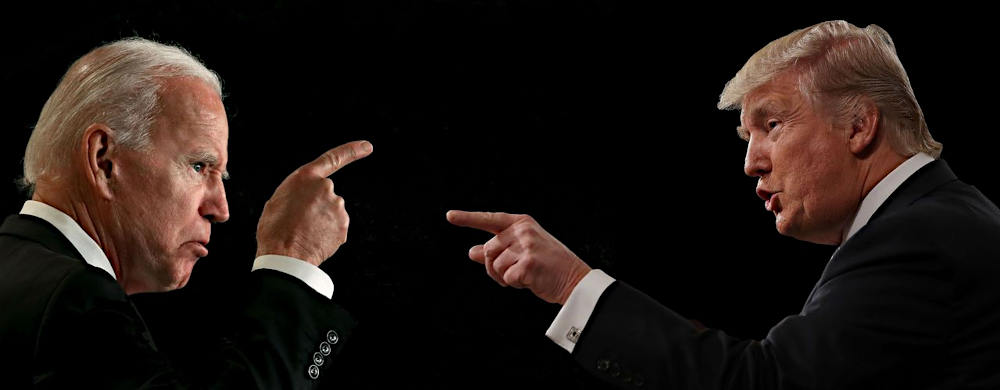
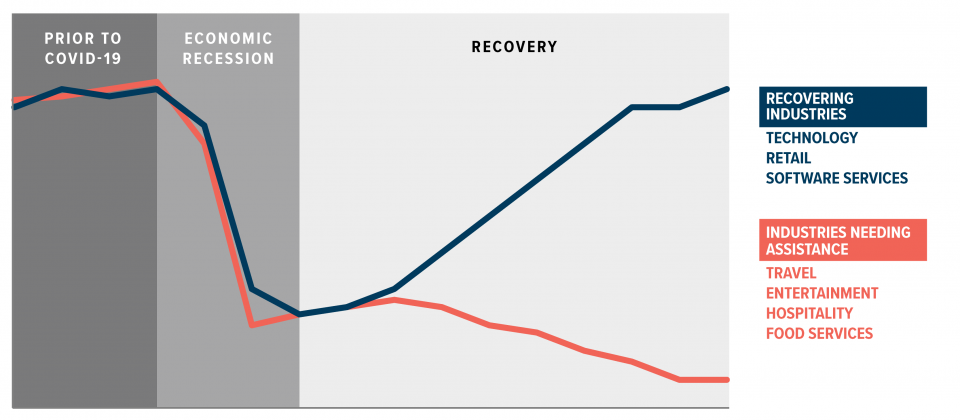
A fifth option is a “K” shaped recovery. The concept of a K-shaped recovery has become a rallying point for the Joe Biden presidential campaign.  Biden referred to the concept in a speech on September 4th describing how high earners are fairing better than low-wage workers during the recession.  Symone Sanders, a senior campaign adviser to Biden, reiterated the claim on Fox News Sunday.  Tim Murtaugh, the communications director for the Trump campaign, fought back, claiming that working-class and middle-class Americans are both benefiting from the rebounding economy, even if not equally.  The extent of the division between the haves and the have nots has implications that affect more than just the upcoming presidential election.  If true, it can help identify the industries and companies that will do well as the economy rebounds and those that will do poorly.


 Source: U.S. Chamber of Commerce

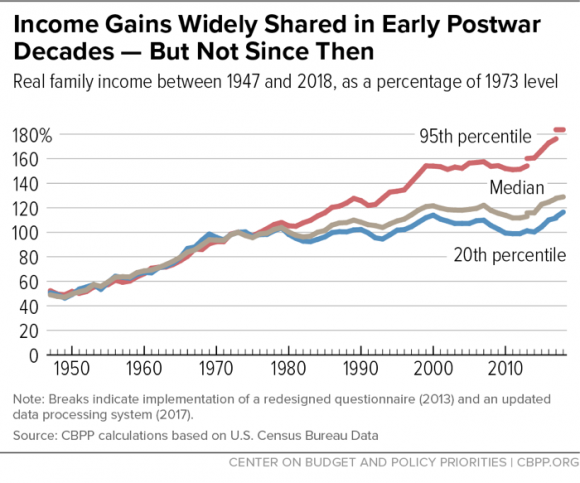
recently, a new letter is being used to describe the economic recovery: a K-shaped recovery.  In a K-shaped recovery, some industries do very well, such as office and tech companies.  Other industries do poorly, such as entertainment and food services companies. The recovery would affect workers differently. White-collar workers with adequate technology can adjust their jobs to work from home.  Blue-collar workers, who work at manufacturing plants and restaurants, can not.  Single paycheck families are less affected by homeschooling and reduced daycare options.  Dual income families are not as flexible.  Households fortunate enough to own stocks and homes are thriving while those straddled with debt are not. Such a recovery would increase the wealth disparity that has been growing in recent decades.


Evidence of a K-shaped recovery

There is an indication in the unemployment numbers.  The financial services sector has already recovered 94% of its pre-pandemic employment, while the leisure and entertainment sector has only brought back 74%.  Neiman Marcus, JC Penney, Pier 1, and J. Crew have all filed for bankruptcy this year.  The U.S. Bureau of Labor Statistics report for July shows that teenagers were the largest group to return to work while unemployment measured among African Americans remained flat.  These employment reports seem to bear out the trend that white-collar workers are doing better than blue-collar workers during this summer’s recovery.

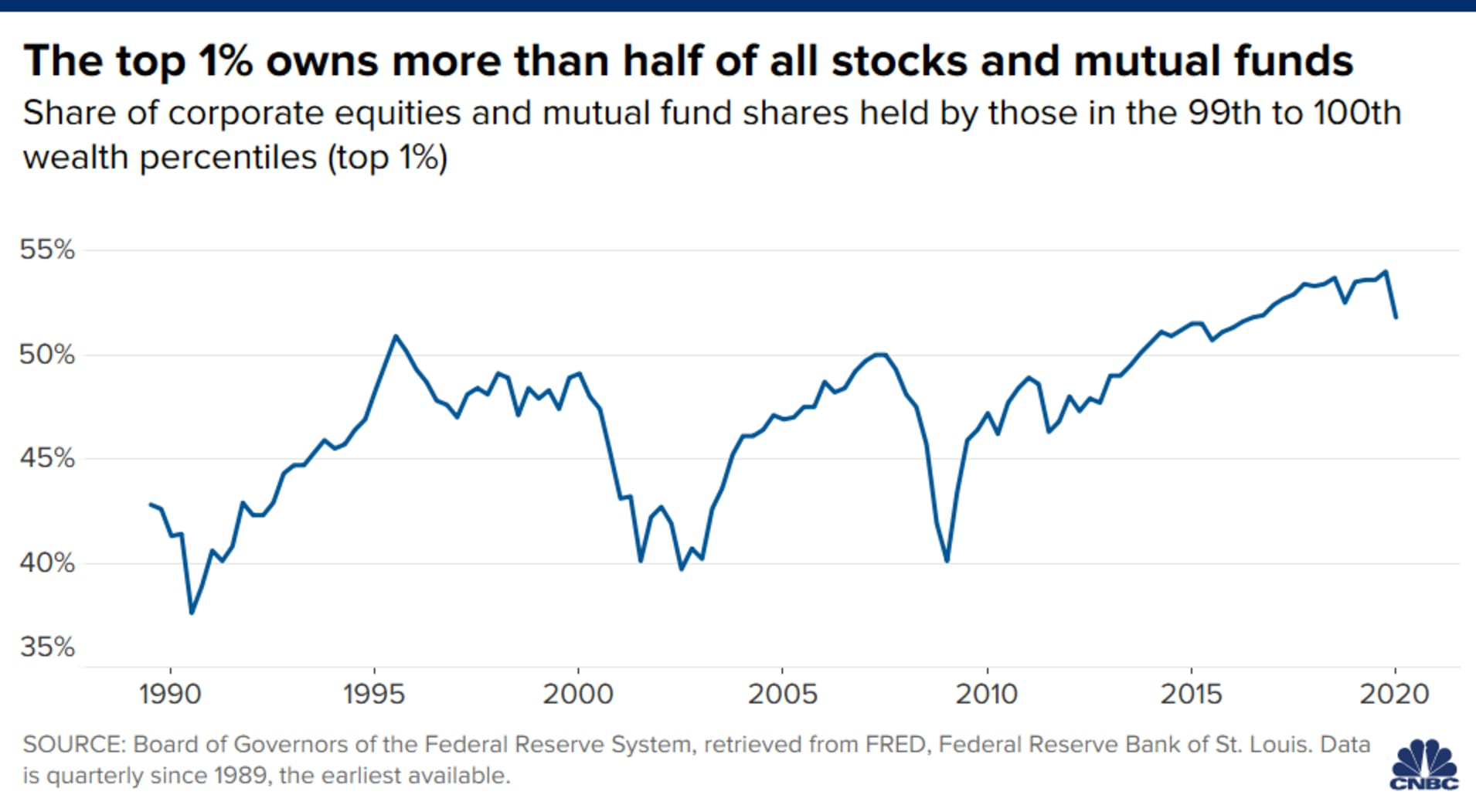
Stock market strength generally favors the rich.  There’s a joke that the best way to become a millionaire is to start with a million dollars.  Similarly, the best way to increase wealth is to be wealthy.  The stock market has been strong this summer, shrugging off weak economic news.  The strength has benefited the wealthy disproportionately at a rate that has never before experienced.  The wealthiest 1% of the population now owns 52% of the stock market, up from a level of 40% just twelve years ago.  The chart below shows that the percent owned by the top 1% has grown steadily in recent years. 


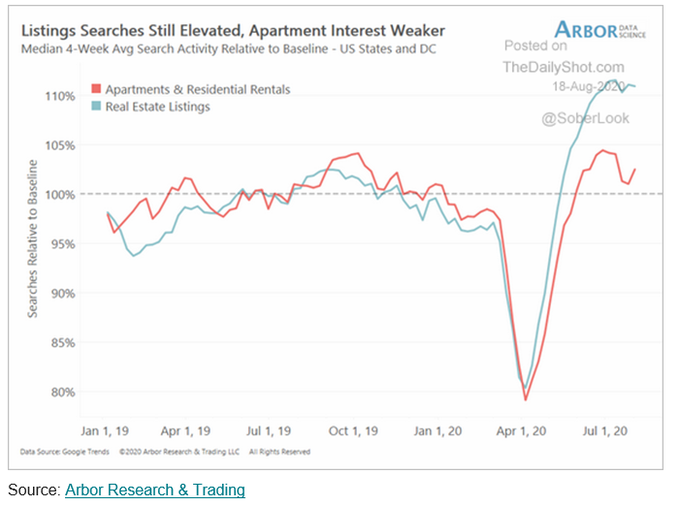
A similar story can be told when looking at housing.  Housing Starts surged 22.6% in July while interest in renting stalled. The chart below shows that both housing listings and rental listings have risen during the economic recovery.  However, it also shows that house listings are far outpacing rental listings.   If homeownership is a reflection of wealth, the growth in housing relative to rental activity may be a sign of an increased disparity between the economic classes.


Counter Argument to the K-shaped Recovery

The start of a recovery may not affect all industries at
the same time but should eventually.
  It is easy to understand why white-collar jobs are better positioned to benefit from a new “stay at home” economy.  However, these advantages may prove temporary if the pandemic eases and people return to restaurants and other entertainment venues.  It certainly could be the case that there is pent up demand that may be unleashed if a vaccine is implemented.

Let the free market be.  The success or failure of individual industries is largely a function of supply and demand.  If blue-collar jobs are not coming back, it may be a sign that there is less demand for those jobs.  Such a transition may require workers to retrain to new jobs.  A restaurant cook becomes a package delivery person, for example.  Such a transition is natural, and interfering with the transition only creates problems further down the road.


Suggested Reading:

Actively Managed Funds are No Guarantee for Beating the Market

Esports Betting is on a 4,000% Winning Streak

The Limits of Government Economic Tinkering


Enjoy Premium Channelchek Content at No Cost


Each event in our popular Virtual Road Shows Series has maximum capacity of 100 investors online. To take part, listen to and perhaps get your questions answered, see which virtual investor meeting intrigues you here.


Sources:

https://www.cnbc.com/2020/09/04/worries-grow-over-a-k-shaped-economic-recovery-that-favors-the-wealthy.html, Jeff Cox, CNBC, September 4, 2020

https://thehill.com/homenews/sunday-talk-shows/515303-symone-sanders-warns-of-k-shaped-economic-recovery, Zack Budryk, The Hill, September 6, 2020

https://www.foxnews.com/politics/trump-campaign-biden-k-shaped-economic-recovery, Andrew O’Reilly, Fox News, September 7, 2020

https://www.washingtonpost.com/politics/2020/08/19/finance-202-economists-talking-up-k-shaped-recovery-stocks-surge-inequality-widens/, Brent D. Griffiths, The Washington Post, August 19, 2020

https://www.uschamber.com/series/above-the-fold/the-k-shaped-recovery-and-the-cost-of-inaction, Suzanne Clark, U.S. Chamber of Commerce, September 3, 2020

https://www.forbes.com/sites/lisettevoytko/2020/08/07/18-million-jobs-added-in-july-as-us-economys-pandemic-recovery-falters/#39a7c53b13db, Lisette Voytko, Forbes, August 7, 2020

E.W. Scripps Company (SSP) – Why We Are Raising Cash Flow Estimates & Price Target

Wednesday, September 9, 2020

E.W. Scripps Company (SSP)

Why We Are Raising Cash Flow Estimates & Price Target

The E.W. Scripps Co. (www.scripps.com) serves audiences and businesses through a growing portfolio of television, print and digital media brands. After approval of its acquisition of two Granite Broadcasting stations later this year, Scripps will own 21 local television stations as well as daily newspapers in 13 markets across the United States. It also runs an expanding collection of local and national digital journalism and information businesses including digital video news service Newsy. Scripps also produces television programming, runs an award-winning investigative reporting newsroom in Washington, D.C., and serves as the longtime steward of one of the nation’s largest, most successful and longest-running educational programs, Scripps National Spelling Bee. Founded in 1879, Scripps is focused on the stories of tomorrow.

Michael Kupinski, Director of Research, Noble Capital Markets, Inc.

Refer to the full report for the price target, fundamental analysis, and rating.

    Back on the air. The company announced that its 27 TV stations are back on the air on The Dish Network, which completed Retransmission contracts on 42% of the Scripps pay TV households.

    Favorable revenue impact, true-up payment as early as Q3.  We estimate that the true-up payment from March 1st to July 25th when the SSP stations were aired without contract on Dish will be roughly $10 million in revenues, ($1.25 per sub variance from the old contract to the new contract on an estimated 18 million subscribers). As such, we are raising our full year 2020 Retransmission revenue from …


This research is provided by Noble Capital Markets, Inc., a FINRA and S.E.C. registered broker-dealer (B/D).

*Analyst certification and important disclosures included in the full report. NOTE: investment decisions should not be based upon the content of this research summary.  Proper due diligence is required before making any investment decision. 

Release – Comstock Mining Extends Mineral Leases; Secures Strategic Purchase Option


Comstock Mining Extends Mineral Leases; Secures Strategic Purchase Option


Virginia City, NV (September 9, 2020) Comstock Mining Inc. (the “Company”) (NYSE American: LODE) and Comstock Northern Exploration, LLC (“Comstock”), a wholly-owned subsidiary of the Company, entered into a Mineral Exploration and Mining Lease Agreement (the “Lease”) with the Sutro Tunnel Company (“Sutro”), in order to lease certain patented mining claims, exploration rights and town lots in the Gold Hill and Virginia City Mining District in Storey County, Nevada (collectively, the “Sutro Properties”). The Company previously had exclusive rights to explore and mine these same properties and mineral claims beginning in 2008.

The Lease is assignable by Comstock and these properties make up part of the Lucerne mine properties and part of the Mineral Exploration lease with Tonogold Resources Inc. (“Tonogold”). Tonogold is a strategic partner and investee of the Company, and they recently announced the commencement of an initial and major exploration and evaluation of Comstock Lode properties including the Occidental Lode, the Lucerne and many of the most historic bonanza’s including but not limited to the Collar Potosi, Belcher, Overman, Gould & Curry, Consolidated Imperial, Woodville, Crown Point and Yellow Jacket mineral properties, where historic production recovered over 8 million ounces of gold and almost 200 million ounces of silver. The Company has preferred shares convertible to 33.2 million Tonogold common shares.

Tonogold has also announced that it recently completed a $4.25 million equity capital raise, over $6 million in cash and an additional $3.5 million in drilling equity credit, fully funding an estimated $7 million initial drill program, in one of the most historically significant portions of the Comstock Lode. Tonogold’s initial drill program will focus on the nearly 2-mile mineralized strike where most of the historical production came from above approximately 1,600 feet in depth, where more favorable mining conditions were enabled by the dewatering of the Sutro Tunnel. Tonogold has conducted extensive research and uncovered mining reports and data that indicate significant potential for higher grade discoveries, at depths consistent with and below 1,600 feet.

The Lease has a term of up to 20 years or longer, with a 4% net smelter royalty payable to Sutro. The Sutro Tunnel Company is a wholly-owned subsidiary of Pelen Limited Liability Company (“Pelen”). The Company previously acquired and owns 25% of the outstanding equity of Pelen. In connection with entering into the long-lived Lease, the Company purchased an option (the “Option”) to acquire the remaining 75% of the equity of Pelen (the “Pelen Equity”). The Option has a term of up to three years. The Option is exercisable so long as the Company makes payments of $100,000 per year ($100,000 of which was paid by the Company upon signing the Option). Pursuant to the Option, the Company is entitled to purchase the Pelen Equity for $3,750,000 if exercised within one year, with an increasing purchase price for the second and third years, with half of the option payments being cumulatively applicable to the purchase price.

Mr. Corrado De Gasperis, Executive Chairman and CEO stated, “Our collaboration with Tonogold has expanded from their initial purchase of Lucerne, that we anticipate completing in the near term, to an expansive exploration drilling program targeting some of the highest grade sections of the Comstock Lode. We remain an owner, investor and royalty holder, and we very much look forward to the exploration results over the next few months and well into next year. There is a genuine sense of excitement seeing these rigs mobilized and drilling on the Comstock.”

About Comstock Mining Inc.

Comstock Mining Inc. is a Nevada-based, gold and silver mining company with extensive, contiguous property in the Comstock District and is an emerging leader in sustainable, responsible mining that is currently commercializing environment-enhancing, precious-metal-based technologies, products and processes for precious metal recovery. The Company began acquiring properties in the Comstock District in 2003. Since then, the Company has consolidated a significant portion of the Comstock District, amassed the single largest known repository of historical and current geological data on the Comstock region, secured permits, built an infrastructure and completed its first phase of production. The Company continues evaluating and acquiring properties inside and outside the district expanding its footprint and exploring all of our existing and prospective opportunities for further exploration, development and mining. The Company’s goal is to grow per-share value by commercializing environment-enhancing, precious-metal-based products and processes that generate predictable cash flow (throughput) and increase the long-term enterprise value of our northern Nevada based platform.

Forward-Looking Statements

This press release and any related calls or discussions may include forward-looking statements within the meaning of Section 27A of the Securities Act of 1933, as amended, and Section 21E of the Securities Exchange Act of 1934, as amended. All statements, other than statements of historical facts, are forward-looking statements. The words “believe,” “expect,” “anticipate,” “estimate,” “project,” “plan,” “should,” “intend,” “may,” “will,” “would,” “potential” and similar expressions identify forward-looking statements, but are not the exclusive means of doing so. Forward-looking statements include statements about matters such as: consummation of all pending transactions; project, asset or Company valuations; future industry market conditions; future explorations, acquisitions, investments and asset sales; future performance of and closings under various agreements; future changes in our exploration activities; future estimated mineral resources; future prices and sales of, and demand for, our products; future impacts of land entitlements and uses; future permitting activities and needs therefor; future production capacity and operations; future operating and overhead costs; future capital expenditures and their impact on us; future impacts of operational and management changes (including changes in the board of directors); future changes in business strategies, planning and tactics and impacts of recent or future changes; future employment and contributions of personnel, including consultants; future land sales, investments, acquisitions, joint ventures, strategic alliances, business combinations, operational, tax, financial and restructuring initiatives; the nature and timing of and accounting for restructuring charges and derivative liabilities and the impact thereof; contingencies; future environmental compliance and changes in the regulatory environment; future offerings of equity or debt securities; the possible redemption of debentures and associated costs; future working capital, costs, revenues, business opportunities, debt levels, cash flows, margins, earnings and growth.

These statements are based on assumptions and assessments made by our management in light of their experience and their perception of historical and current trends, current conditions, possible future developments and other factors they believe to be appropriate. Forward-looking statements are not guarantees, representations or warranties and are subject to risks and uncertainties, many of which are unforeseeable and beyond our control and could cause actual results, developments and business decisions to differ materially from those contemplated by such forward-looking statements. Some of those risks and uncertainties include the risk factors set forth in our filings with the SEC and the following: counterparty risks; capital markets’ valuation and pricing risks; adverse effects of climate changes or natural disasters; global economic and capital market uncertainties; the speculative nature of gold or mineral exploration, including risks of diminishing quantities or grades of qualified resources; operational or technical difficulties in connection with exploration or mining activities; contests over title to properties; potential dilution to our stockholders from our stock issuances and recapitalization and balance sheet restructuring activities; potential inability to comply with applicable government regulations or law; adoption of or changes in legislation or regulations adversely affecting businesses; permitting constraints or delays; decisions regarding business opportunities that may be presented to, or pursued by, us or others; the impact of, or the non-performance by parties under agreements relating to, acquisitions, joint ventures, strategic alliances, business combinations, asset sales, leases, options and investments to which we may be party; changes in the United States or other monetary or fiscal policies or regulations; interruptions in production capabilities due to capital constraints; equipment failures; fluctuation of prices for gold or certain other commodities (such as silver, zinc, cyanide, water, diesel fuel and electricity); changes in generally accepted accounting principles; adverse effects of terrorism and geopolitical events; potential inability to implement business strategies; potential inability to grow revenues; potential inability to attract and retain key personnel; interruptions in delivery of critical supplies, equipment and raw materials due to credit or other limitations imposed by vendors or others; assertion of claims, lawsuits and proceedings; potential inability to satisfy debt and lease obligations; potential inability to maintain an effective system of internal controls over financial reporting; potential inability or failure to timely file periodic reports with the SEC; potential inability to list our securities on any securities exchange or market; inability to maintain the listing of our securities; and work stoppages or other labor difficulties. Occurrence of such events or circumstances could have a material adverse effect on our business, financial condition, results of operations or cash flows or the market price of our securities. All subsequent written and oral forward-looking statements by or attributable to us or persons acting on our behalf are expressly qualified in their entirety by these factors. Except as may be required by securities or other law, we undertake no obligation to publicly update or revise any forward-looking statements, whether as a result of new information, future events, or otherwise.

Neither this press release nor any related calls or discussions constitutes an offer to sell, the solicitation of an offer to buy or a recommendation with respect to any securities of the Company, the fund or any other issuer.

Contact information

Corrado De Gasperis
Executive Chairman & CEO
Tel (775) 847-4755
[email protected]

Comstock Mining Inc.
1200 American Flat Rd
PO Box 1118
Virginia City, NV 89440
http://www.comstockmining.com

Zach Spencer
Director of External Relations
Tel (775) 847-5272 ext.151
[email protected]


Think You Know Who Will Win the Election? Want to Bet?


ETFs Allow Investors to Play the Market Depending on Which Candidate Wins


Think you know who is going to win the presidential election this fall? Well, you don’t have to just sit there posting your predictions on social media; you can put your money where your mouth is and invest in stocks and funds that will benefit if your prediction is correct.  The following is a projection of the industries most likely to win or lose under either outcome scenario.  Included is a list of Exchange Traded Funds (ETFs) poised to benefit depending on the outcome.


Biden Win:

The Biden platform includes a push to improve the
nation’s infrastructure.
The democratic presidential candidate has been very vocal about his intent to boost government spending on the nation’s infrastructure.  This includes buildings, housing, roads, bridges, green spaces, water systems, electric grids, railroads, mass transit, and universal broadband. The Biden plan aims to upgrade 4 million government buildings and weatherize 2 million homes through cash rebates and low-cost financing.  It would build 1.5 million homes and public housing units to address the affordable housing crisis. There are many ETFs that invest in construction companies that would benefit from increased spending.  Examples include Global X US Infrastructure Development (PAVE), iShares U.S. Infrastructure ETF (IFRA), and Invesco Dynamic Building & Construction (PKB).  Since President Trump also favors increased investment, and infrastructure ETF may be a solid investment regardless of who wins the election.

A vote for Biden is a vote for renewable energy.  Joe Biden has proposed a climate plan that would invest $2 trillion to boost clean energy and rebuild the nation’s infrastructure. The plan calls for the United States to be on a path to reach net-zero carbon emissions by 2050.  The plan would have positive implications for many industries, chief among them the solar industry.  ETFs such as Invesco Solar (TAN), IShares Global Clean Energy (ICLN), ALPS Clean Energy (ACES), Van Eck Vectors Low Carbon Energy (SMOG) all seek to invest in stocks that benefit from increased attention to the environment.


Biden wants to bring the U.S. auto industry back. Biden’s plan includes increasing federal procurement by $400 billion to purchase clean vehicles from domestic auto companies for all government fleets. It also includes government spending to support the automobile infrastructure including adding 500,000 electric vehicle charging stations and devoting government spending on research to improve electric vehicle batteries.  Global X Autonomous & Electric Vehicles (DRIV), SPDR S&P Kensho Smart Mobility (HAIL) and iShares Self-Driving and Tech (IDRV) would all benefit from increased investments in electric vehicles.


Trump Win:

Trump wants to make the U.S. energy dominant.  President Trump has not formally declared a platform regarding his plans for the energy industry, but indications are that he would continue a path taken during his first term. Energy Secretary Dan Brouillette said that President Trump would seek to “maintain our posture as the No. 1 producers of oil and gas.” Already, the president has relaxed drilling restrictions on U.S. forest land and Alaska and has hinted at opening the Florida and California coasts to drilling. He has rolled back Obama-era fuel economy standards for the automotive industry. The Trump administration stresses protecting traditional energy jobs.  President Trump’s actions are in clear contrast with the Biden Plan and would favor the oil, gas, and coal industries.  ETFs such as the VanEck Coal (KOL) and the Energy Select Sector SPDR (XLE) would benefit under a Trump reelection.

President Trump is committed to rebuilding the country’s national security and defense. The White House believes deterrence is the best way to preserve peace. The current administration has increased active Army troops, Marine battalions, Navy ships, and Air Force fighters.  He has created the sixth branch, Space Force. The $738 billion defense bill signed in December 2019 included a pay increase for troops and additional spending on fighter jets.  There are many aerospace and defense companies that would benefit from increased spending.  PowerShares Aerospace & Defense Portfolio (PPA), SPDR S&P Aerospace & Defense (XAR),  iShares U.S. Aerospace & Defense (ITA), and Procure Space (UFO) are just a few examples.


How about investing in companies that contribute to the Trump campaign?  Instead of investing in companies that benefit from the policies of President Trump, how about investing in companies that invest directly in the Trump campaign? The Point Bridge GOP Stock Tracker Index (MAGA) seeks to track the performance of companies whose employees and political action committees are highly supportive of Republican candidates.


Summary

The purpose of this article is not to debate the merits of either candidate nor is it to make a prediction as to which candidate will win in November.  Instead, this information attempts to summarize the stance of each politician’s platform and identify industries and ETFs that would benefit if that politician were elected to office. 


Suggested Reading:

The Federal Reserve and MIT are Experimenting with Digital Money

More Accurate than polls to Predict Election Outcomes

Fear of Missing Out on Owning the Next Apple


Enjoy Premium Channelchek Content at No Cost


Each event in our popular Virtual Road Shows Series has maximum capacity of 100 investors online. To take part, listen to and perhaps get your questions answered, see which virtual investor meeting intrigues you here.


Sources:

https://stocknews.com/news/pave-tan-icln-3-etfs-to-buy-for-a-biden-presidency/, Aditi Ganguly, Stocknews, August 12, 2020

https://www.cnbc.com/2018/01/08/make-america-great-again-etf-outperforms-the-stock-market.html, Berkeley Lovelace Jr. & Matthew J. Belvedere, CNBC, January 8, 2018

https://www.yahoo.com/news/trump-biden-infrastructure-etfs-soar-183006534.html, Sanghamitra Saha, Zacks, July 10, 2020

https://joebiden.com/clean-energy/,

https://www.npr.org/2020/07/14/890814007/biden-outlines-2-trillion-climate-plan, Alana Wise, NPR, July 14, 2020

https://www.marketwatch.com/story/3-electric-vehicle-etfs-to-floor-it-with-2020-08-11?mod=exchange-traded-funds, ETF Professor, MarketWatch, August 11, 2020

https://www.eenews.net/stories/1063712711, Lelsley Clark and Heather Richards, E&E News, August 28, 2020

https://www.whitehouse.gov/issues/national-security-defense/

https://www.cnbc.com/2019/12/21/trump-signs-738-billion-defense-bill.html, Amanda Macias, CNBC, December 20, 2019


It Appears Interest Rates Will Be Lower for Longer


The Fed Updated Its Approach Toward Influencing Inflation and Employment


The policy goals of the Federal Reserve are to support economic conditions that achieve both stable prices and maximum sustainable employment. On August 27, the Federal Reserve’s Federal Open Market Committee (FOMC) announced updates to its Statement on Longer-Run Goals and Monetary Policy Strategy. With respect to maximum employment, the FOMC stated that its policy decisions would be informed by its assessments of shortfalls of employment from its maximum level instead of deviations from its maximum level. With respect to price stability, the FOMC adjusted its strategy for achieving its longer-run inflation goal of 2%. It now will seek to achieve inflation that averages 2% over time, meaning those following periods when inflation has been running persistently below 2%, monetary policy will likely aim to achieve inflation moderately above 2% for some time. The updates were intended to address the challenges of implementing monetary policy in a persistently low-interest-rate environment. What are the implications of the new policies?


Stable Prices and Inflation Goals

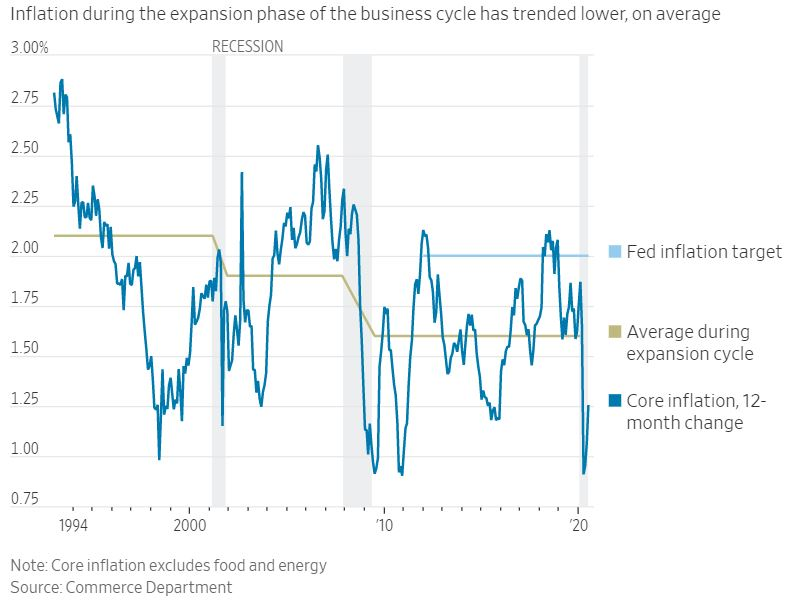
The FOMC believes that an inflation rate of 2% per year, as measured by the annual change in the price index for personal consumption expenditures, is congruent with achieving its dual mandate. The chart below, sourced from the Wall Street Journal, illustrates core inflation relative to the Fed’s target since 1994. 

Source: Wall Street Journal, August 27, 2020.

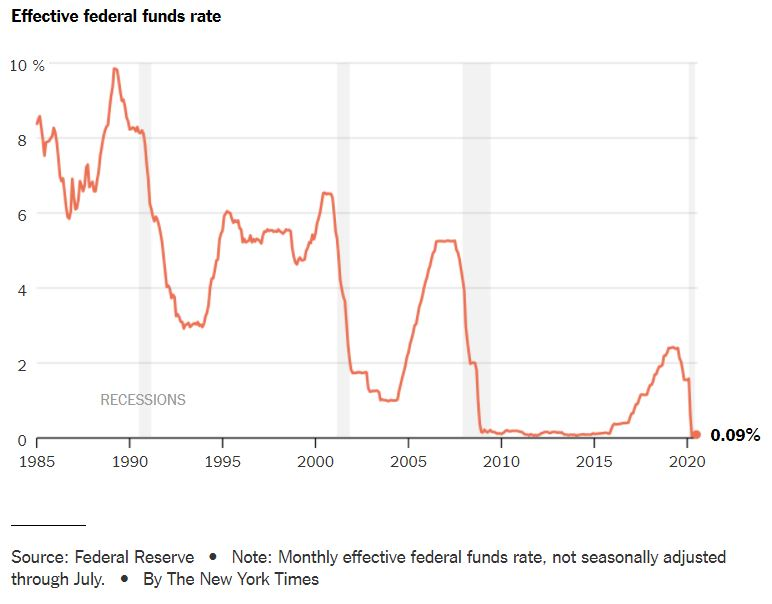
According to Federal Reserve Board Of Governors Chairman Jerome Powell speaking at an August economic symposium sponsored by The Federal Reserve Bank of Kansas City, inflation that runs below its desired level can lead to lower long-term inflation expectations, which can pull actual inflation even lower, resulting in an adverse cycle of ever-lower inflation and inflation expectations. This is perceived as problematic, given that expected inflation influences interest rates. Chairman Powell stated that if inflation expectations fall below its 2% target, interest rates would also decline, which would leave the Fed with less ability to cut interest rates to boost employment during an economic downturn. The chart below, sourced from The New York Times, illustrates the effective federal funds rate over time. Despite decreases in the fed funds rate, inflation has remained below the Fed’s 2% inflation target in recent years.

Source: The New York Times, August 27, 2020.

While some worry about the potential for Fed policy to result in asset bubbles that could destabilize the economy, Chairman Powell indicated that if excessive inflationary pressures were to build or inflation expectations were to ratchet above levels consistent with our goal, the Fed would not hesitate to act.


Maximum Employment

To assess the sustainable maximum-employment level, the FOMC considers a broad range of labor market indicators. Because the structure of the labor market is strongly influenced by nonmonetary factors that can change over time, the FOMC does not set a fixed goal for maximum employment. The policy update appears to indicate that the Fed will be less apt to increase rates to stave off fears of inflation at times when unemployment is low. Chairman Powell stated that the new policy reflects the view that a robust job market can be sustained without causing break-away inflation.


The Take-Away

While critics of the updated policies believe it will inflate asset prices without enhancing economic growth, others believe the inflation target should be raised to avoid deflation. Based on Chairman Powell’s remarks, it appears the Federal Reserve is more concerned with the prospect of inflation running below its 2% target than above it. Importantly, the new policy framework seems to suggest that interest rates will remain lower for longer. However, it will be important for the Fed to strike a balance between interest rates and inflation. Low-interest rates have penalized savers, who are finding it difficult to earn an adequate return on cash. Other financial assets, including equities, have benefited, along with housing due to low mortgage rates. Precious metals are often prized as a store of value and hedge against inflation. Since the end of the first quarter through September 2, gold and silver futures prices have risen 21.7% and 93.0%, respectively. Time will tell whether the Federal Reserve will get it right this time.


Suggesed Reading:

Backed by the Full Faith and Credit of Blockchain

The Role of Confidence in Today’s Fed Policy

This Is What Could Slam the Brakes on EV Growth


Enjoy Premium Channelchek Content at No Cost


Each event in our popular Virtual Road Shows Series has maximum capacity of 100 investors online. To take part, listen to and perhaps get your questions answered, see which virtual investor meeting intrigues you here.


Sources:

Monetary Policy: What Are Its Goals? How Does It Work?, Monetary Policy Principles and Practice, Board of Governors of the Federal Reserve System.

Federal Open Market Committee Announces Approval of Updates to its Statement on
Longer-Run Goals and Monetary Policy Strategy
, Press Release, Board of Governors of the Federal Reserve System, August 27, 2020.

New Economic Challenges and the Fed’s Monetary Policy Review, “Navigating the Decade Ahead: Implications for Monetary Policy,” an economic policy symposium sponsored by the Federal Reserve Bank of Kansas City, Jerome H. Powell, Chair, Board of Governors of the Federal Reserve System, August 27, 2020.

Fed Chair Sets Stage for Longer Periods of Lower Rates, The New York Times, Jeanna Smialek, August 27, 2020.

Fed Changes Its Approach to Inflation, as Leaders Aim to Navigate Future Crises and Reach Full Employment, The Washington Post, Rachael Siegel, August 27, 2020.

Fed Approves Shift on Inflation Goal, Ushering in Longer Era of Low Rates, Wall Street Journal, Nick Timiraos, August 27, 2020.


Virtual Conferences are Suddenly Mainstream


Getting the Most out of Holding A Virtual Event!


“…how do you create a multi-day conference, which includes networking opportunities, educational sessions, attendee input, with data generated into a virtual event?  Then after you do, how do you ensure attendee engagement throughout your event?”

Author:   Peter Spoleti,  President Vertex Markets


Event Technology will take your Virtual Event to the next level!

The value of face to face interaction will never be underestimated or totally fade away, but sometimes going virtual will be a necessary piece of your event program and your only option for some time to come.

In-person events may be on hiatus, but you can still think strategically about your event program and leverage event technology to make the most out of your virtual events.

Nevertheless, how do you create a multi-day conference, which includes networking opportunities, educational sessions, and attendee input, with data generated into a virtual event?  Then after you do, how do you ensure attendee engagement throughout your even

Hosting a virtual event requires equal attention and care as an in-person event. In both cases, you must market your event, create an environment that promotes attendee engagement, create memorable times for attendees, then measure and demonstrate event success.

What is a Virtual Event?

If you’ve been doing business these last five months, it’s likely that you’ve attended a webinar online, participated in a video conference more than once, have taken your workout online competing against people around the world, you may have even attended a conference from your home office. These are all classified as virtual events.

Virtual events have been happening long before COVID; over 100,000 have attended online presentations (webinars) for 13 years.  But the definition of “virtual events” has evolved quickly.  For our purposes we’ve defined them as a collection of live and/or prerecorded presentations typically organized by topic.  Virtual events are typically gated, requiring attendees to either pay or be granted access by providing personal information in lieu of payment. 

COVID accelerated the popularity of virtual events.

COVID accelerated the use of virtual events, they’re being used as businesses sought a professional alternative to stay connected with their professional communities, clients, and prospects

The use of virtual events is likely to remain high, as the uncertainty and desire for a return to in-person events remain in question. Marketers and attendees are reluctant to attend large gatherings, some surveys reporting nearly 70% asked said they won’t attend an in-person event through the first half of 2021.

Main Types of Virtual Events.

During COVID, virtual events have become a replacement for other types of events and will be the main thrust of your event program until things get back to normal, at that time, they can be added to your mix of events going forward. Below are some of the main types of virtual events.

  1. Webinars.

Presenting webinars virtually allow for attendees worldwide to join and listen to your content.  Many are free but require attendees to register for the event and provide personal information to the company providing the webinar. They typically last somewhere between 45 – 90 minutes, many provide a Q&A session at the end, and a recording of the event sent to participants and/or used for additional marketing on company social platforms.  They can be used for marketing company products or services, and internal or external training.

  1. Virtual Conferences.

Virtual conferences, similar to in-person conferences are designed around a live, intricate agenda, including keynote speakers, educational sessions, breakouts, networking, and more.  Virtual conferences include multiple content-driven sessions and can include networking and community engagement tools, meant to enhance the conference experience.

There are many communication platforms available for use creating virtual conferences; these include video & phone conferencing, and the lesser know 3D virtual world conferences.

Most of us are familiar with the more traditional video & phone conferencing.  So, perhaps a brief description of the lesser-known, 3D Virtual World is warranted.  A 3D virtual world is a collaborative environment in which users interact as avatars, digital representations of themselves, in a simulated digital world.  Think of it as your favorite conference meets Call of Duty, but instead of being immersed in a battlefield protecting the free world, you’re walking through a virtual campus, possibly stopping to have a conversation to other conference attendees in real-time, on your way to be seated in a virtual lecture hall with a 1000 other attendees to listen to a live lecture on a relevant topic of your interest.

  1. Internal Hybrid Events.

In this category are sales kick-offs, company-wide work-sessions, training, department meetings, or any other company-wide event. Today’s “social distancing” etiquette with employers having to adjust a large percentage of their employees to work remotely, or with more businesses finding their best employees living elsewhere, and even corporations with their employees spread out through nationwide offices; internal hybrid events are used to share a company-wide message to all of their employees

  1.  External Hybrid Events.

As the name suggests, these are events held outside of your company.  They can be used for industry or user conferences for marketing, branding, or educational tools.  They require a greater level of planning and production quality.  Best Practices suggest they should utilize a higher level of communication platform that is designed to handle the multiple components often necessary with this type of event.  The requirements of processing a large number of attendees, large amounts of educational content presented, and the higher production levels to ensure a greater attendee experience.

Why Host a Virtual Event?

You hold a virtual event for the same reasons you hold an in-person event to communicate your company’s message, generate leads, increase sales, drive adoption, and build company branding.

Due to COVID, virtual events are the only way to host a large event.  But there are benefits of a virtual event, and when done right, all your event goals can still meet.

  • Budget:  The current economic uncertainty has many companies watching their budget and cautious about spending.  Virtual events are budget-friendly to both the event planning company as well as the attendees.
  • Accessibility:
    Virtual events allow you to attract attendees worldwide, broadening the potential number of attendees.  They are usually better attended than in-person events.

Promoting Networking at a Virtual Event!

Creating rewarding and engaging networking opportunities that meet the expectations of all participants of a virtual event is a challenging task to overcome.

That isn’t justification for event producers of virtual events, whether they be trade shows or conferences, from doing appropriate research and implementing the necessary tools to make networking at their event successful for all of its participants.

Virtual or in-person, there are many categories of networking at any event.

  • Attendee to attendee
  • Exhibitor to attendee
  • Speaker to attendee
  • Exhibitor to exhibitor
  • Press to exhibitor
  • Show Producers to Everyone
  • Etc.

For exhibitors, networking usually is defined as filling the sales funnel, meeting potential prospects, centers of influences, business partners, etc.  Exhibitors use engagement, prospecting, and networking, interchangeably to describe these activities.  They will use all their event activities as “networking” with the goal of introducing exhibitors with potential buyers.

Meanwhile, attendees define “networking” vastly different, depending on the type of event they are attending.  If they are attending a trade show, their motivation may be primarily commercial (looking for vendors and new product information to purchase necessary products or services to benefit their business), while industry education and networking are lesser priorities.

At conferences dominated by educational sessions and keynote addresses, attendees may define networking as meeting like-minded professionals during activities, in-between sessions, and at meals. They may also be interested in asking questions of presenters during and after sessions or arrange a one-on-one meeting with a speaker or other attendee.

Considering the diversities of networking expectations from these various groups participating in your virtual event, it’s not surprising online event producers struggle to fulfill their networking expectations.  Reports have found that fifty percent of producers surveyed said their top frustration with virtual events was providing the same level of engagement provided by an in-person event. 

The Exhibitor-Attendee connection.

Just like any other lead generation method, when trying to connect with virtual event attendees, it’s frequently centered on an exchange of value.  While seeking attendee’s attention and an agreement to share their contact and personal information, exhibitors offer something of value to them.

Relevant educational content is the most often used method to open communication with prospects.  It’s the responsibility of the exhibitor to offer effectively promoted sessions as drivers of attendance to communicate that message.

As soon as an attendee accesses your content or presentation, the ball is in your court.  The opportunities to engage are yours to initiate.  Offer real-time chat and Q&A; the opportunity to book a demo, ask questions, and polling are just a few of the in-screen presentation connections that can be accomplished. Inquire with the show promoter to make sure these tools are available at their event.

While you have the attendee’s, attention take that opportunity to promote supplemental experiences, such as small-group chats, one-on-one meetings with speakers, if possible, in your area, invite them to visit your virtual booth.

Let’s keep in mind its not a live event!  The benefits of attending an in-person event are, they are conducive to participation in the event, physically being with others with similar interests, and engaging in a common experience.  When an event is properly produced, it is a gratifying experience for all participants.

Unfortunately, the in-person benefits do not exist in a virtual event.  Take notice of those disadvantages and implement tools to overcome them.

Gamification and offering incentives (a version of gamification) is a way to encourage attendee engagement and promote event attention. Goodie packages, gift cards, giveaways can all be done virtually.  Registration and event data provided can be used post-event to invite attendees to a supplemental activity or to continue the conversation.  This data, which is usually more extensive then what can be received from in-person events and is always a key to help ensure post-event success.

Invest in technology that promotes making connections.

Producer and exhibitors need to understand the difficulties associated with fostering engagement in a virtual event.  Be mindful that opportunities to network are possible in a virtual event, but just like everything else, it needs to be assisted by technology to achieve the desired goals.

If your virtual event is truly live, make sure that during group chat, Q&A, and virtual booths are staffed during show hours.  Employees must be present and able to respond to requests from all attendees who are interested in engaging at that time.

Additionally, make sure your virtual booth is set up to gather prospect information; some platforms offer reporting and analytics that track every move an attendee makes. You know how they came, where they went, what they did, with whom they chatted, what they tweeted, which videos they watched, etc.  Take advantage of that data to drive lead generation.

On the lead nurturing front, you can even run analytics on content located in the event. By knowing how many attendees viewed and/or downloaded a piece of collateral, you can tailor your future content and conversations around the content that your qualified leads found valuable.

Networking in a virtual event is tricky, but there are networking technology producers can implement to drive matchmaking between like-minded individuals before and after the sessions and off the virtual auditoriums & showroom floor.  Technology tools are available from A.I. networking companies such as Vertex Markets, implementing a community-based networking A.I. platform, used to aid your pre-event marketing, event engagement, and post-event marketing & engagement. Vertex’s platform is specifically designed to match and introduce event attendees with shared interests and needs, promoting event engagement and interaction, before, during, and after your event.

They provide an event customized networking algorithm that connects all participants who share similar interests, mutual opportunities, and industry experiences.  Then help to facilitate introductions, valuable follow up opportunities, allowing participants to find and continue to build relationships with connections made at the event.

Even after the event, participants can continue taking advantage of the A.I. community platform long after the event has ended, using the platform as a new lead generation tool, promote continued conversations with their new event relationships, knowledge sharing with likeminded members, and most valuable the A.I. platform continues to operate as an ongoing source for new networking connection and brand building.  The platforms A.I. matchmaking engine continues generating new “one to one” relevant & valuable connections for event participants long after the event has passed.

Regardless of how you connect, be mindful of attendees’ willingness to engage.  Just because someone gave permission to be contacted, participated in a virtual session, attended a networking event, or visited a virtual booth doesn’t mean they’re a buyer.  Similar to an in-person event or any new connection, all contacts need to be qualified before they are sold to.

Making connections at virtual events undoubtedly present challenges which producers, exhibitors and attendees need to overcome going forward.  However, these challenges have solutions; they just need to be researched and implemented to ensure a better event experience for everyone involved.   


From time to time, Channelchek will publish articles from experts on topics of interest to our readers.

Vertex Markets, Inc. provides the next-generation networking website which uses algorithms to help ensure effortless, top-notch 1-on-1 introductions.

The above article is courtesy of Peter Spoleti, President of Vertex Markets, Inc.

­­­­­­­­­­­­­Vertex Markets Inc.

A.I. Powered B2B Networking Community Platform


If you missed any of Noble Capital Markets Virtual road Show Events, or C-Suite Series, you can watch them now here.

Workcations Add a new Class of Traveler


More Frequent Travel Could Be the Actual Aftermath of the Pandemic


The surprise pandemic this year has been followed by more than a few wrong predictions.  Foremost, in my mind, is the explosive rally in the stock market. This was not expected back in March. Rising real estate prices and bidding wars would also seem to run counter to what we’d expect with double-digit unemployment. Yet, low-interest rates and an increased need to provide for family have led to significant increases in house prices in many areas. One of the industries that predictably has been hard hit is travel, but this sector may well find it bounces back quickly and perhaps with a broader customer base.


Flexibility in Workspace

While there has been a focus on the reduction in leisure travel and business travel, there has been a blind spot to the increased ability to work from anyplace. The average 9 to 5 office worker learned very quickly with COVID-19, often at the insistence of their employer, how to work from home. This new skill set is not going away. The options it allows in a Wi-Fi world may very well lead to a large increase in those taking advantage of their new geographic liberty by treating themselves to a “workcation.”   Workcations, or doing your job someplace where you can enjoy being in a new setting, allow for sightseeing or play when the workday is over. This type of remote work/travel was already rising in popularity before the pandemic. The dramatic acceptance by employers of remote working during the lockdown has already increased rentals in secluded areas such as the mountains and beachside. Looking forward, as risks in metropolitan areas subside, there is no reason to believe they won’t become popular as well.


Travel Companies are Creating Packages to Cater to the Workcation Trend

Source:Travelzoo.com top 20 deal list


Do People Expect to Travel

Results of a survey released in August by Allianz travel insurance division revealed 44 percent of its U.S. travel insurance customers plan to travel before the year is out. In the same survey, 30 percent were unsure when they’d travel next, and even fewer felt they’d wait until next year or longer.

The survey showed a correlation between respondents’ ages and when they expected to travel next. A higher percentage of older customers were less likely to have an estimate of when they’d take their next trip, compared with younger customers. Specifically, 31 percent of those ages 55 and over replied they don’t know when they’d travel again, versus 26 percent of those under the age of 55 who were unsure.


Spending on Travel

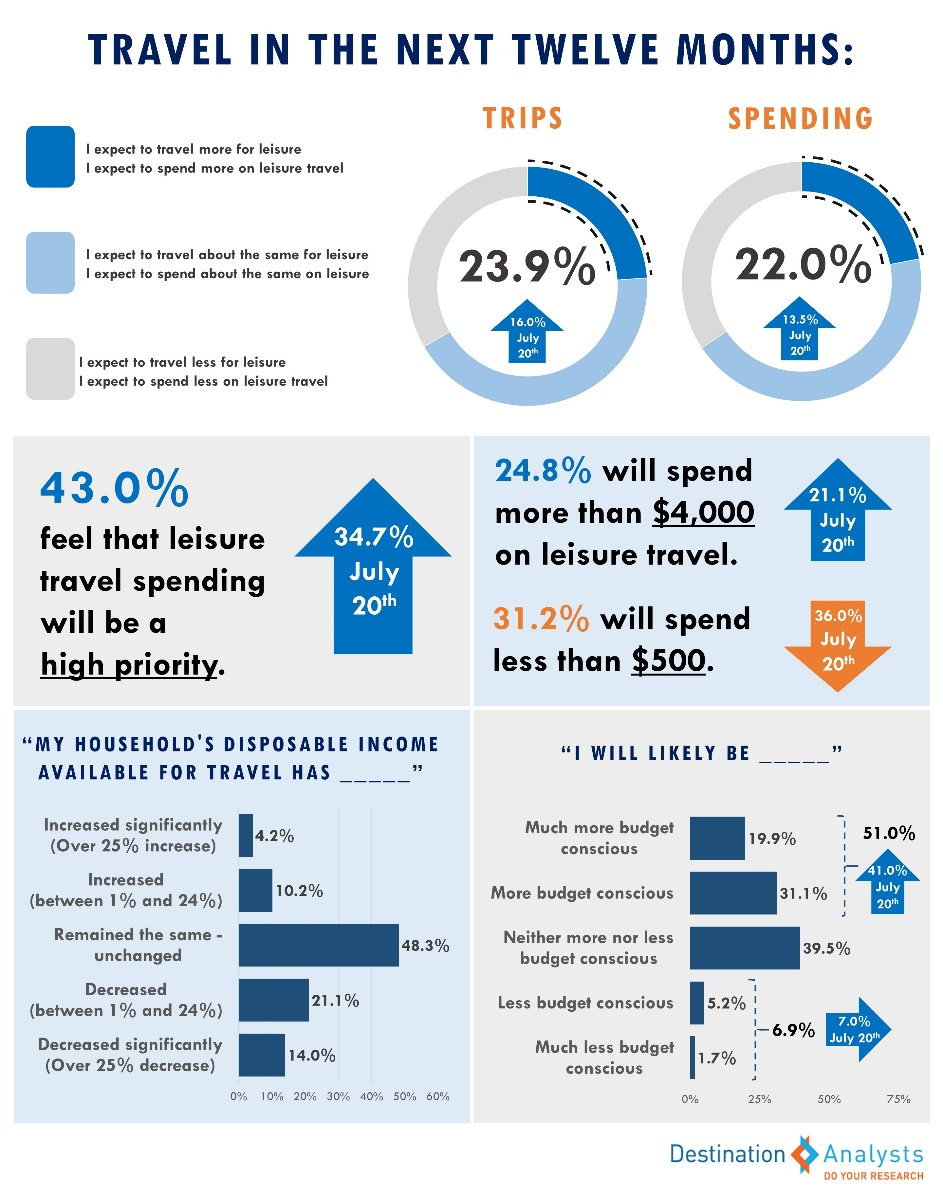
The Allianz survey sentiment was echoed in another poll by destinationanalysts.com. They found that as people looked at their situation over the next 12 months, they had greater optimism. In August, they discovered 43.0% of American travelers say that leisure travel will be at least a somewhat high priority in their personal budget. This is up from 34.7% six-weeks earlier. A majority of American travelers say the pandemic has not negatively impacted the disposable income they have for travel (62.7%). Surprisingly, annual budgets for leisure travel have increased to an average of $3,258 from $2,721 (in July). However, with over a third of American travelers and concerns about the virus’s impact on finances still elevated, American travelers are planning on being more cost-conscious than they were prior to the pandemic.


Source: DestinationAnalysts.com, August 31, 2020


Take-Away

The fast workplace adoption of meetings online, virtual conferences, and seminars have forever altered how we conduct business and reduced some requirement for travel. However, as with other forecasts in 2020, the predicted death of the travel industry may have been premature. Business travel will always be important as face to face meetings simply get deals done. When the pandemic fears lift, one possible scenario is online meetings may take a more supporting role in supplementing in-person contact.  This would bring business travel back up and perhaps increase business productivity. Individual travel, based on two separate surveys, should be on the rise by the end of the year.  Since the population is now less tethered to an office, this may lead to a surge in a new class of traveler, remote workers who move about to various destinations while still putting in a full day’s work. This could actually lead to a greater number of travelers than pre-pandemic levels.

Paul Hoffman

Managing Editor, Channelchek


Suggested Reading:

Esports betting is on a Winning Streak

Will the COVID Crisis Permanently Change the Way We Work?

Do Analyst price targets Matter?


Enjoy Premium Channelchek Content at No Cost


Sources:

Allianz

Update on American Travel in the Period of Coronavirus—Week of August 31st


An Opportunity to Ditch Chemotherapy and Still Treat Cancer


Targeting Ovarian and Breast Cancer Through Another Innovative Therapy


The ovarian cancer landscape has experienced a paradigm shift from chemotherapy to targeted therapy with the approvals of Poly (adenosine diphosphate–ribose) polymerase (PARP) inhibitors and other late-stage assets in development. The mechanism of action of PARP inhibitors is based on trapping PARP on DNA at sites, which generates unrepairable DNA breaks. These breaks lead to the accumulation of DNA damage and tumor-cell death in cancer cells due to defective recombination repair systems (e.g., tumors with mutations in BRCA1 or BRCA2 genes). BReast CAncer (BRCA) genes 1 and 2 are linked to high-risk breast and ovarian cancers.

Breast cancer is the most frequently occurring cancer in women worldwide; ovarian cancer is the second most common gynecological cancer in developed countries, including the United States. BRCA1 and BRCA2 tumor suppressor genes are linked to cellular damage through activation of specific DNA repair processes. DNA replication and error-repair are critical components of cancer cell survival. PARP inhibitors are believed to inhibit both PARP1 and PARP2. The suppression of PARP activity prevents the formation of PAR polymers and blocks the binding of NAD+ at the site of DNA damage, ultimately compromising a cell’s ability to defeat DNA-dependent damage. There are currently 4 FDA-approved PARP inhibitors—niraparib (Zejula, PARP 1 and 2 inhibitors), olaparib (Lynparza, PARP 1 and 2 inhibitors), and rucaparib (Rubraca, PARP1, and PARP 3 inhibitor)— to treat patients with ovarian cancer who are refractory or resistant to platinum-based chemotherapy, and talazoparib (Talzenna, PARP 1 and 2 inhibitor) for the treatment of gBRCAm HER2- locally advanced or metastatic breast cancer.


Focusing on ovarian cancer treatment

Astra Zeneca’s (AZN) olaparib is approved in the United States and Europe as a maintenance treatment for women with platinum-sensitive relapsed ovarian cancer. SOLO-1, the first pivotal study of a PARP inhibitor in an early-stage setting, showed promising results. The data was presented at ESMO and published in NEJM. In a 391-patient trial, Lynparza was superior to placebo, as demonstrated by a clinically and statistically significant improvement in progress-free survival (PFS). Patients participating in the study were diagnosed with deleterious or suspected deleterious BRCA1 or BRCA2 mutations. Patients treated with Lynparza group did not reach the median PFS at 41 months of follow-up, while the placebo group hit median PFS at 13.8 months. At 36 months of follow up, 60% of patients treated with Lynparza showed progression-free disease compared to 27% in the placebo group. In addition to SOLO-1 study, the company conducted a Phase 3 clinical trial, PAOLA-1, to evaluate Lynparza in combination with Genentech’s Avastin (bevacizumab) as the first-line maintenance therapy for advanced ovarian cancer. In May 2020, Lynparza was approved in the first-line setting based on the results from the PAOLA-1 trial that showed patients treated with Lynparza and bevacizumab lived without disease progression for 37.2 months compared to 17.7 months median for bevacizumab alone.

Tesaro’s (TSRO) Zejula (niraparib) was approved for maintenance use in patients who had a complete or partial response to platinum chemotherapy in March 2017. The Phase 3 PRIMA (NCT02655016) study evaluated Zejula versus placebo as maintenance therapy after frontline chemotherapy in ovarian cancer patients. PRIMA study has enrolled patients regardless of BRCA mutation, while Astra Zeneca’s SOLO-1 trial only includes patients harboring BRCA mutation. Based on PRIMA results, Zejula was approved as monotherapy for women with advanced ovarian cancer beyond those with BRCAm disease in the first line and recurrent maintenance treatment settings, as well as late-line primary treatment settings on April 2020. The results showed that a 57% reduction in the risk of disease progression or death compared to placebo (HR 0.43; 95% CI, 0.31 to 0.59; p<0.0001) in the homologous recombination deficient (HRd) population (biomarker identified), and a 38% reduction in the risk of disease progression or death versus placebo in the overall population (HR 0.62; 95% CI, 0.50 to 0.76; p<0.0001).

Clovis (CLVS) ‘s Rubraca is a PARP1, PARP2, and PARP3 enzyme inhibitor, approved for the maintenance treatment of adult patients with recurrent epithelial ovarian cancer who responded (complete or partial response) to platinum-based chemotherapy. The ARIEL3 clinical trial evaluating Rubraca in 564 patients showed that patients treated with Rubraca have an average of 13.7 months without cancer progression compared to 5.4 months for those who did not receive Rubraca.

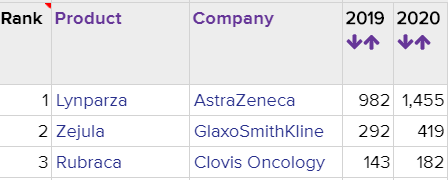
The ovarian cancer landscape has evolved to targeted therapy from chemotherapy with the approvals of PARP inhibitors and other late-stage assets in development. Lynparza has emerged first in the market and dominating the market with $982 million in sales, followed by Zejula with $292 million in sales and Rubraca with $143 million. There are multiple other late-stage assets- including ImmunoGen’s mirvetuximab soravtansine, Mersana Therapeutics’s XMT-1536, Fluzoparib Jiangsu Hengrui Medicine’s fluzoparib and others expected to enter into the market in the next several years.


Exhibit 1. Worldwide sales (in millions) of PARP inhibitors in ovarian cancer

Source: Evaluate Pharma


Suggested readings:

PSCs Can Function Like Embryonic Stem Cells

PDS Biotechnology C-Suite Interview

Onconova Therapeutics C-Suite Interview


Cocrystal Pharma Inc. (COCP) – The High Unmet Need Persists in Influenza

Thursday, September 03, 2020

Cocrystal Pharma Inc. (COCP)

The High Unmet Need Persists in Influenza

Cocrystal Pharma Inc is a clinical stage biotechnology company discovering and developing novel antiviral therapeutics that target the replication machinery of influenza viruses, hepatitis C viruses, and noroviruses. The company employs structure-based technologies and Nobel Prize-winning expertise to create first-and best-in-class antiviral drugs. It is developing CC-31244, an investigational, oral, broad-spectrum replication inhibitor called a non-nucleoside inhibitor (NNI). CC-31244 is currently being evaluated in a Phase 2a study for the treatment of hepatitis C as part of a cocktail for ultra-short therapy of 4 to 6 weeks.

Ahu Demir, Ph.D., Biotechnology Research Analyst, Noble Capital Markets, Inc.

Refer to the full report for the price target, fundamental analysis, and rating.

    A late-stage influenza asset development is halted. The Janssen Pharmaceutical announced a strategic decision to discontinue the development of pimodivir, a Phase 3 clinical asset. The study results showed that pimodivir in combination with the standard of care (SOC) was very unlikely to demonstrate improved benefit in hospitalized patients with influenza A compared to SOC treatment alone. The study in both hospitalized patients and outpatients with influenza A was halted.

    What does it mean? Cocrystal has two influenza programs: i) CC-42344 in influenza A, and ii) influenza A/B program in collaboration with Merck. CC-42344, influenza A PB2 inhibitor, is an investigational new drug (IND)-enabling stage. Cocrystal’s influenza programs have a large market potential (the worldwide (WW) sales of influenza drugs in the U.S. is expected to reach over $2.5 billion in 2026 …


This Company Sponsored Research is provided by Noble Capital Markets, Inc., a FINRA and S.E.C. registered broker-dealer (B/D).

*Analyst certification and important disclosures included in the full report. NOTE: investment decisions should not be based upon the content of this research summary.  Proper due diligence is required before making any investment decision. 

Ely Gold Royalties (ELYGF)(ELY:CA) – Poised to Broaden Its Horizon?

Wednesday, September 02, 2020

Ely Gold Royalties (ELYGF)(ELY:CA)

Poised to Broaden Its Horizon?

As of April 24, 2020, Noble Capital Markets research on Ely Gold Royalties is published under ticker symbols (ELYGF and ELY:CA). The price target is in USD and based on ticker symbol ELYGF. Research reports dated prior to April 24, 2020 may not follow these guidelines and could account for a variance in the price target. Ely Gold Royalties Inc is an emerging royalty company with producing and development assets focused in Nevada and the Western US. It offers shareholders a low-risk leverage to the current price of gold and low-cost access to long-term gold royalties.

Mark Reichman, Senior Research Analyst of Natural Resources, Noble Capital Markets, Inc.

Refer to the full report for the price target, fundamental analysis, and rating.

    Transactions expected to close soon. We expect Ely to close on several announced transactions this month. First is the acquisition of an additional one percent NSR royalty on Coeur Mining’s Lincoln Hill property announced on July 21. Second is the acquisition of a package of three net smelter returns (NSR) royalties on properties in Nevada announced on August 11.

    Ready to expand its opportunity set?  Ely Gold Royalties has largely focused its efforts on Nevada. However, based on an expanding universe of royalty companies and an increasingly competitive acquisition environment, we would not be surprised if the company expands its opportunity set by considering other mining jurisdictions, including in Latin America. While we would expect gold royalties to …


This Company Sponsored Research is provided by Noble Capital Markets, Inc., a FINRA and S.E.C. registered broker-dealer (B/D).

*Analyst certification and important disclosures included in the full report. NOTE: investment decisions should not be based upon the content of this research summary.  Proper due diligence is required before making any investment decision. 

Newrange Gold (NRGOF)(NRG:CA) – Next Wave of Pamlico Drilling Results Expected Shortly

Wednesday, September 02, 2020

Newrange Gold (NRGOF)(NRG:CA)

Next Wave of Pamlico Drilling Results Expected Shortly

As of April 24, 2020, Noble Capital Markets research on Newrange Gold is published under ticker symbols (NRGOF and NRG:CA). The price target is in USD and based on ticker symbol NRGOF. Research reports dated prior to April 24, 2020 may not follow these guidelines and could account for a variance in the price target.
Newrange Gold Corp is an exploration stage company focused on acquiring and exploring exploration and evaluation assets in Colombia and the United States. The Company operates in a single reportable operating segment-the acquisition, exploration, and development of mineral properties. Some of the projects acquired by the company are Pamlico gold project in Nevada and Rocky mountain project in Colorado. The company also holds an interest in the Yarumalito property, El Dovio property and Anori property in Colombia.

Mark Reichman, Senior Research Analyst of Natural Resources, Noble Capital Markets, Inc.

Refer to the full report for the price target, fundamental analysis, and rating.

    Additional drilling results expected shortly. To date, the company has drilled 34 holes for a total of 3,462 meters of drilling. Results have been reported for 14 holes representing only 450 meters of strike length along the central portion of Pamlico Ridge between the historic Pamlico and Gold Bar Mines. Results from the first 14 holes, announced on July 30, revealed higher grade structures, up to 9.5 grams of gold per tonne, surrounded by an envelope of lower grade material. We expect the company to release results for the remaining 20 holes shortly.

    Drilling program advances.  In its entirety, the program will entail over 10,000 meters of drilling and utilize reverse circulation rigs for shallow targets and diamond drilling for targets at greater depth. The remainder of the initial drilling program will continue to test around historic mine workings on Pamlico Ridge and several other targets identified by an induced polarization (IP) survey …


This Company Sponsored Research is provided by Noble Capital Markets, Inc., a FINRA and S.E.C. registered broker-dealer (B/D).

*Analyst certification and important disclosures included in the full report. NOTE: investment decisions should not be based upon the content of this research summary.  Proper due diligence is required before making any investment decision. 

Release – Comstock Mining Contracts to Lease and Sell Daney Ranch for $2.7 Million


Comstock Mining Contracts to Lease and Sell Daney Ranch for $2.7 Million; Positions Strategic Drilling Services for the Dayton Resource Area and Spring Valley Exploration Targets


Virginia City, NV (September 2, 2020) Comstock Mining Inc. (the “Company”) (NYSE American: LODE) announced that it has contracted to lease and sell one of its three major non-mining assets, the Daney Ranch property, located near Dayton, Nevada, for a purchase price of at least $2.7 million. The Company entered into an agreement with the owner of an established exploration and mine development drilling services company, to lease the facility for $9,000 per month, for up to 24 months, and the assumption of all maintenance, upgrades and repairs as the responsibility of the lessor. If the transaction closes within two years, the lease payments are creditable to the purchase price. If not, the lease payments increase to $10,000 for a third year, and prior payments no longer apply to the $2.7 million purchase price.

Mr. Corrado De Gasperis, Executive Chairman and CEO stated, “We now have all three major non-mining assets under contract with contracted sales prices totaling nearly $14 million. This transaction validates our assessment of the land values, while providing monthly cash income, reducing monthly expenses and freeing maintenance resources as we ramp up MCU. We have also created a truly strategic and local drilling partner for us, enhancing the liquidity, speed and likelihood of both closing this favorable transaction, and commencing exploration and development drilling on our Dayton Resource.”

The Daney Ranch is a 225-acre ranch in Dayton, NV, bordering the Company’s historic Daney patent, at the southern end of the Company’s three-mile contiguous mineralized trend starting at the Dayton resource area, near Silver City, down through the southern tip of the Spring Valley exploration targets.

The Company recently announced its plans to conduct airborne geophysical surveys of its wholly owned Dayton resource area and adjacent Spring Valley exploration targets. Geotech expects to begin flying its proprietary Versatile Time-Domain Electromagnetic (“VTEM”) geophysical system later next week and plans to deliver three-dimensional interpreted results by mid-October. The results will greatly increase the Company’s understanding of the Dayton resource area and Spring Valley resource expansion potential, along with the Company’s other exploration targets in Lyon County.

The entire press release can be read here.


Contact information

Corrado De Gasperis
Executive Chairman & CEO
Tel (775) 847-4755
[email protected]

Comstock Mining Inc.
1200 American Flat Rd
PO Box 1118
Virginia City, NV 89440
http://www.comstockmining.com

Zach Spencer
Director of External Relations
Tel (775) 847-5272 ext.151
[email protected]


Is American Energy Dominance Relying on Immaculate Areas?


Drilling Into Unexploited Areas Brings an Arduous Debate


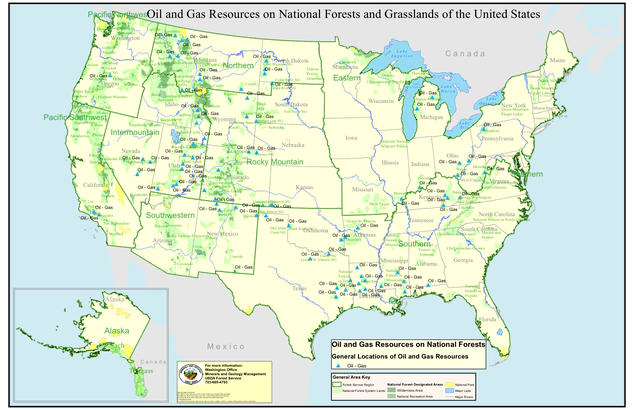
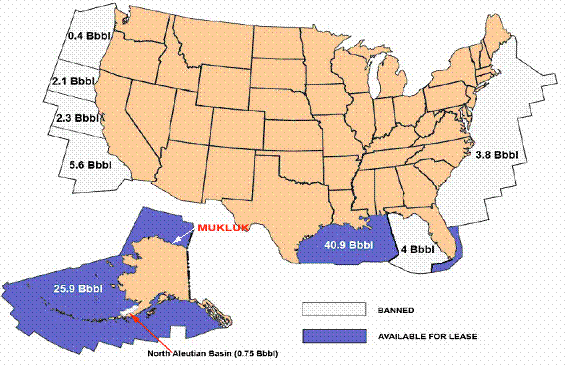
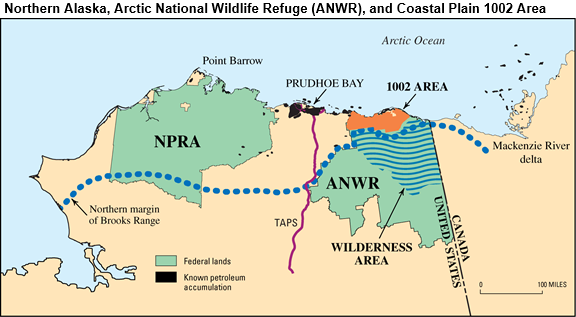
On September 1, 2020, the Trump Administration revised regulations governing the oil and gas drilling across more than 190 million acres of U.S. forest land.  The states most affected by increased drilling would be Colorado, Montana, Nevada, New Mexico, and Utah. The administration has hinted that it intends to push to open the door for drilling off the coasts of Florida and California if they win the November election.  Drilling off the coasts of Florida and California has been banned since 1969 following an oil spill off the coast of Santa Barbara. Earlier, on August 17, 2020, the administration announced plans to open 1.5 million acres of the Arctic National Wildlife Refuge (ANWR) to oil and gas drilling. Environmentalists derided the decisions claiming drilling will disrupt and harm wildlife.  The administration claims the impact will be minimal, and the steps taken are necessary to assure the nation’s energy dominance.  Is opening this land to drilling minimal and necessary, or will allowing drilling be harmful to the environment and unnecessary?


Source: Department of Energy (DOE)

Arguments For (Opening Drilling is Necessary and Minimally Invasive)

The impact will be minimal. The area being opened in Alaska represents only 1.56 million acres out of a refuge that is 19.3 million acres.  That is less than 1% of the property.  A similar argument can be made for opening drilling off the coasts.  A constitutional amendment bans oil drilling in state waters, meaning proposed drilling must be roughly 3 miles off the Atlantic coast and 10 miles into the gulf.  That means any drilling rigs are unlikely to be visible from shore.  As far as the National Forest System goes, only 2.7% of the 193 million acres are currently leased for drilling, and new rules are unlikely to change that percentage by much.


The moves will boost the economy and create energy jobs.  The ANWR land sits on an estimated 7.7 to 11.8 billion barrels of oil. There are 3.6 billion barrels of oil below the Florida Coast and 10 billion barrels off the coast of California.  Proponents say increased Alaskan production could generate $1.1 billion over the next decade, helping the Alaskan economy, which is dependent on the energy industry for one-third of its jobs.  Opening U.S. Forest land could add 1,500 new wells.  The federal government would receive 12.5 percent of the royalties from oil and gas sold from wells on U.S. Forest land.


Arguments Against (Opening Drilling Is Unnecessary and Harmful)

It does not take much to disrupt wildlife. Oil spills from tanker accidents or pipeline breaks can be devastating. The impact on plants and animals can last for decades.  The noise and dust from road traffic needed to build and service power lines and drilling pads will disrupt animal migration patterns.  Drilling requires large amounts of water, sometimes in areas of limited water supply.


Source: Wikipedia, Arctic Refuge drilling controversy

Drilling in these areas is not economical anyways. Technological advances in drilling in shale formations have meant that domestic energy companies can produce oil and gas at lower costs. Lower costs combined with decreased demand resulting from a renewable energy push have led the United States to become a net exporter of energy.  The areas being opened to drilling are more costly to drill and do not have an existing infrastructure in place to move oil and gas to refineries or storage.  Opening land to drilling is unlikely to create the economic boom forecasted by proponents in the foreseeable future.

Summary

Opening areas to drilling has become a hot topic.  Opponents claim such moves will be disastrous to wildlife, while proponents say the moves simply address an overregulated environment. Most likely, the impact on either the environment or the economy will be muted, and the steps taken by the government will be largely symbolic. 


Sources:

https://www.houstonchronicle.com/business/energy/article/Trump-moves-to-open-up-drilling-in-national-15528688.php, James Osborne, Houston Chronicle, September 1, 2020

https://www.fool.com/investing/2020/08/17/trump-administration-to-approve-oil-drilling-in-al/, Mathew DiLallo, The Motley Fool, August 17, 2020

https://blogs.ei.columbia.edu/2017/12/06/arctic-national-wildlife-refuge-drilling-oil-impact-wildlife/, Sarah Fecht, State of the Planet, December 6, 2017

https://www.politico.com/news/2020/06/10/interior-drilling-florida-waters-november-election-310595, Ben Lefebvre, Politico, June 10, 2020

https://www.tampabay.com/news/environment/2020/08/29/oil-drilling-off-floridas-coast-looms-on-the-horizon-this-election-season/, Zachary T. Sampson, Tampa Bay Times, August 29, 2020

https://www.nrdc.org/experts/josh-axelrod/rule-speed-oil-drilling-national-forests-released, Joshua Axelrod & Samuel Eisenberg, NRDC, August 31, 2020

https://upload.wikimedia.org/wikipedia/commons/8/81/Northern_Alaska_National_Wildlife_Range_%28ANWR%29%2C_Coastal_Plain_1002_Area_%2841004364390%29.png, Our Daily Planet, December 01, 2019


Suggested Readings:

Hurricane Laura Shut Down Gulf Production with Barely Any Impact on Prices

Natural Gas Has a Sizeable Energy Role that is Waning

Eliminating the Con-Fusion