The High Growth of ESG Investing can Reduce Adherence to Principles


Image Credit: Pixabay (Pexels)


ESG Investors Who are Concerned About Environmental and Social Impact Should Closely Watch Their Investments


ESG funds received double the amount of money in 2020 than they did in 2021. Funds that say they use ESG principles or Environmental, Social, and Governance to dictate their investment universe captured $51.1 billion in net new money from investors in 2020. This is the fifth year in a row this subset of funds has set a record on higher net increases.

Since the start of 2019, stock mutual funds and stock ETFs with ESG as part of their selection process have received a net $473 billion from investors. To illustrate how big this is, only $103 billion has gone into all other stock funds. With all this new money entering ESG funds, some companies are inclined to “paint themselves as green” in order to get investor attention. Some fund managers flush with new cash may be inclined to stretch their definition in order to keep fully invested.

Two Types of ESG Investors

There are two primary types of ESG investors, those that are very concerned for the environment and hold certain social beliefs dear, and there are those that want to ride the wave of a trend that has a great deal of money chasing it. For those trying to capture a trend, ETFs and mutual funds geared toward this label may make sense. For investors truly concerned about the environment, and would like to be more sure companies they own behave in ways they deem important, they may wish to create their own portfolio. In this way, they can be more intimate with each company they decide to own.

Funds “Cheat”

 In 1990 the mutual fund company I worked for opened one of the first social choice accounts. The idea was that it would support investments that “did good” and shun those that caused harm. Many of the environmental guidelines are similar to todays’ ESG funds; back then, we also eliminated any investments related to apartheid South Africa and required adherence to the MacBride Principles in Northern Ireland. As I recall, we screened to make sure there were no tobacco, alcohol, or firearms related companies. As a new fund, it was seeded with a $200 million investment from an existing large fund we managed. When a new fund is seeded, before investors arrive, the investments are kept somewhat liquid and low risk as the money needs to be returned to the sister fund.  My role was to invest this money, initially, it was expected to be placed in U.S. Treasury Notes. The problem I had with this is I read the prospectus, and within it was language that suggested that issuers that produced or were in the business of funding firearms were to be excluded. Certainly, the U.S. Treasury as an issuer fell into this category.  Long story short, we made an exception—one of many exceptions we made for that fund over the years.  With little competition for suitable companies, we broke our own social guidance on day one.

Companies “Cheat”

 A story in this past Friday’s Wall
Street Journal
highlighted an entrepreneur whose company, which mined the sea floor, went broke as the local government cracked down on his mining of the sensitive seabed.  The same entrepreneur has recently gotten back into the business of seabed mining, but this time positioning his new seabed mining venture, The Metals Company (TMS), as green, to attract capital during this surge of environmentally steered funds.

TMC is likely to receive approximately $600 million in investor cash in a deal to take the company public in July. If successful, that would value TMC at $2.9 billion—more than any mining company ever to go public in the U.S. with no revenue.

This is one example where a company that produces something for one green industry may not produce it in a way that would make environmentally-minded people comfortable. But fitting an ESG definition at times is all that is needed to attract capital from large managers.

Alternative to Funds

Investors that are drawn to this category, particularly with the demands placed on fund managers inundated with cash and searching for value in trading-lot sizes of $1 million or more, may want to rely on their own evaluations. Technology has changed and makes this easier and more cost-efficient than ever before. We are lucky to have a trading environment where transactions are essentially free, fractional shares are available at many brokers, and access to company information is at your computer screen.

Individual investors have a true advantage over a large fund manager in that most funds will have withdrawals when the market is down and investors are frightened,  and they will get untimely deposits when the market is up. They are often forced to buy high and sell low. Individuals are not forced to but or sell, nor are they held to maximum percentage cash restrictions.  They are also more nimble. With all the money flowing into the sector, investing in a retail size block compared to an institutional size block gives you more pricing power than the big guys.


Take-Away

Let the buyer beware especially applies to ESG funds today. There are companies that are reinventing themselves as green that may not fit other definitions, and there are fund managers that are being inundated with cash looking for value in with large trades.

Investors can use their free online trading, and free top-tier research and data from Channelchek and other sources to evaluate companies themselves and weigh them against their own heart.

Paul Hoffman

Managing Editor, Channelchek


Capstone Green Energy Corporation (CGRN) Monday June 28 @ 1:00pm EDT

Join Capstone Green Energy Corporation CEO Darren Jamison for this exclusive corporate presentation, followed by a Q & A session moderated by Michael Heim, Noble’s senior research analyst, featuring questions taken from the audience. Registration is free and open to all investors, at any level.

Register Now  |  View All Upcoming Road Shows


Suggested Reading:

Who Benefits from the American Jobs Plan?

Big Tech Doing Whatever it Takes to Demonstrate Commitment to Green Solutions


Copper Facing an Onslaught of Demand

Is ESG and B-Corp Investing Smart?


Sources:

https://www.cnbc.com/2021/02/11/sustainable-investment-funds-more-than-doubled-in-2020-.html

https:/www.morningstar.com/lp/sustainable-funds-landscape-report

https://www.tiaa.org/public/about-tiaa/news-press/press-releases/pressrelease604.html#:~:text=TIAA%2DCREF%20was%20one%20of,Social%20Choice%20Account%20in%201990


Stay up to date. Follow us:


Stay up to date. Follow us:

What Makes a Country a Tax Haven?


Image Credit: Reji (Flickr)


What are Tax Havens? The Answer Explains Why the G-7 Effort to end Them is Unlikely to Succeed


Close your eyes and imagine a tax haven. Does a Caribbean island come to mind? Sand, surf and thousands of post office boxes housing shell corporations?

Some tax havens, like the Cayman Islands or Bermuda, fit that description. Many others do not.

The key to a tax haven is the taxes, not the tan. Any place that allows a taxpayer – whether an individual or a company – to get a lower tax bill overseas than at home is a tax haven. Thus, depending on the taxpayer’s jurisdiction and business, many places turn out to be tax havens, even the United States.

A recent agreement by the Group of Seven wealthy nations seeks to eliminate corporate tax havens by imposing a global 15% minimum corporate tax rate. However, as a tax expert, I find the effort hard to take seriously.

Put simply, tax havens are jurisdictions that offer low or even no taxes in a bid to attract foreign investment.

From a taxpayer’s perspective, the first sign of a good tax haven is that it’s completely legal. While there may be a perception that people who use tax havens to lower their tax bills are breaking the law, that’s rarely the case.

A taxpayer who is comfortable doing that does not need a tax haven. Instead, a dishonest accountant and a less honest banker are all that’s required.

The second sign of a good tax haven is transparency, political stability and rule of law. If it costs more in lawyers, accountants and bribes to avoid taxes overseas than it costs to pay the tax at home, there is no point to a tax haven.

The third sign is privacy. For many years, Swiss banks provided the gold standard in that regard by refusing to reveal anything about their depositors to anyone. That changed in 2008, when Swiss banks agreed to report on their depositors to 43 European countries.

The loss of the complete secrecy that Switzerland once provided has made shell companies – and the countries that make them easy to set up – much more attractive. Shell companies are basically companies without active business operations or significant assets that are stacked one on top of the other to make it harder to trace ownership.


In the Eye of the Beholder

Identifying a tax haven isn’t as simple for the government’s intent on controlling them as it is for the taxpayers who seek them out. This is mainly because governments and international organizations tend to think a tax haven is somewhere other than where they live.

For example, the European Union produces an annual list of tax havens that contains no EU member countries, even though many other lists identify Ireland, Luxembourg, and a host of other European countries as tax havens.

And while several groups have described the United States as a tax haven – Forbes even calls it the best in the world – the U.S. government would never do so, even though it fits all the key criteria, such as providing legal ways to avoid virtually all taxation and strong taxpayer privacy.

The Race to the Bottom

This is why the G-7 global corporate minimum 15% tax agreement is unlikely to work.

Of course, I applaud the effort. Without a minimum tax, countries are stuck in a never-ending race to the bottom, whereby every time one government cuts its corporate tax rates, another soon follows with even lower rates.

The problem is the G-7 has to get more than 130 other countries to go along with its minimum tax rate. Many countries, including Ireland and China, seem unlikely to give up something that has brought them so much economic advantage.


This article was republished with permission from The
Conversation
, a news
site dedicated to sharing ideas from academic experts.  It was written by
and represents the research-based findings and opinion of
 Beverly Moran, Professor Emerita of Law, Vanderbilt University


Suggested Reading:

No-Cost Brokers Like Robinhood Could be the Big Winners With Rising Rates

Can Brokers Level the Playing Field for Individual Investors?


Is Zero Trust Architecture Enough?

Important Russell Reset Data 2021


Stay up to date. Follow us:


Stay up to date. Follow us:

Comstock Mining (LODE) – Comstock Strategy Takes a Quantum Leap

Monday, June 28, 2021

Comstock Mining (LODE)
Comstock Strategy Takes a Quantum Leap

Comstock Mining Inc. is an emerging innovator and leader in the sustainable extraction, valorization, and production of scarce natural resources, with a focus on high value strategic materials that are essential to meeting the rapidly increasing global demand for clean energy, carbon-neutrality, and natural products.

Mark Reichman, Senior Research Analyst of Natural Resources, Noble Capital Markets, Inc.

Refer to the full report for the price target, fundamental analysis, and rating.

    GenMat investment. Comstock Mining has agreed to purchase an additional 5% of its 45%-owned technology development partner, Quantum Generative Materials LLC (GenMat), for $50 million. Comstock has been working with GenMat for roughly 6 months and executed a transaction in June that provided founders equity for its work and committed it to funding the first phase of a two-year plan. Comstock will provide an initial $15 million in the form $5 million in cash and 3 million shares over the next six months, and an additional $35 million upon GenMat achieving key development milestones. Mr. Corrado De Gasperis, Executive Chairman and CEO of Comstock Mining, is expected to chair GenMat’s board of directors that will include GenMat’s three founders and three Comstock representatives.

    Application across business lines.  GenMat is developing a proprietary quantum operating system for use in various applications. Comstock is focused on applications that accelerate development of new clean technologies. Comstock has secured exclusive rights to use GenMat’s quantum technologies and, for example, intends to use GenMat’s platform to enhance its extraction and refining of lithium and …


This Company Sponsored Research is provided by Noble Capital Markets, Inc., a FINRA and S.E.C. registered broker-dealer (B/D).

*Analyst certification and important disclosures included in the full report. NOTE: investment decisions should not be based upon the content of this research summary.  Proper due diligence is required before making any investment decision. 

Virtual Roadshow with Comstock Mining (LODE) CEO Corrado De Gasperis


Comstock Mining CEO Corrado De Gasperis makes a formal corporate presentation. Afterwards, he is joined by Noble Capital Markets Senior Research Analyst Mark Reichman for a Q & A session featuring questions asked by the live audience throughout the event.

Research, News, and Advanced Market Data on LODE


Information on upcoming live virtual roadshows

About Comstock Mining Inc.

Comstock (NYSE: LODE) is an emerging leader in the sustainable extraction, valorization, and production of innovation-based, clean, renewable natural resources, with a focus on high-value, cash-generating, strategic materials that are essential to meeting the rapidly increasing global demand for clean energy, carbon-neutrality, and natural products. To learn more, please visit www.comstockmining.com. Comstock is also set to join the Russell Microcap Index at the conclusion of the 2021 Russell indexes annual reconstitution, effective after the US market opens on June 28, according to a preliminary list of additions posted June 4, 2021. Membership in the Russell Microcap® Index, which remains in place for one year, means automatic inclusion in the appropriate growth and value style indexes. FTSE Russell determines membership for its Russell indexes primarily by objective, market-capitalization rankings and style attributes.

Release – Onconova Therapeutics Provides An Update On The Phase 1 2a Trial Of Rigosertib-Nivolumab Combination


Onconova Therapeutics Provides An Update On The Phase 1/2a Trial Of Rigosertib-Nivolumab Combination In KRAS+ Non-Small Cell Lung Cancer


Expansion of trial underway at highest dose in the current protocol, and continued dose escalation under consideration

Preliminary data support the preclinical observation of rigosertib augmenting the response to immune checkpoint inhibition

NEWTOWN, Pa., June 28, 2021 (GLOBE NEWSWIRE) — Onconova Therapeutics, Inc. (NASDAQ: ONTX) (“Onconova”), a clinical-stage biopharmaceutical company focused on discovering and developing novel products for patients with cancer, today announced an update on the investigator-initiated Phase 1/2a trial of oral rigosertib plus nivolumab in advanced metastatic KRAS mutated (KRAS+) non-small cell lung cancer (NSCLC). The clinical data to date provide preliminary evidence of potential anti-cancer activity of rigosertib-nivolumab combination therapy in advanced metastatic KRAS+ non-small cell lung cancer and show that the maximum tolerated dose of rigosertib in combination with nivolumab was not reached in the three cohorts of the trial’s dose-escalation phase. Patients enrolled in this trial have failed multiple lines of prior therapy and all have failed immune checkpoint inhibitors in various combinations.

The trial continues to recruit patients as part of the expansion phase at the highest dose of oral rigosertib defined in the current protocol. Based on the positive preliminary findings from the trial, a protocol amendment is being prepared that would allow for the evaluation of increased rigosertib doses in combination with the full dose of intravenous nivolumab, as recommended per its product label.

“The preliminary results from this Phase 1/2a trial are very encouraging and demonstrate the potential of rigosertib to address a critical unmet medical need by overcoming checkpoint inhibitor resistance in KRAS mutated lung adenocarcinoma,” said Mark S. Gelder, M.D., Chief Medical Officer of Onconova. “The observation of preliminary evidence of efficacy in combination with acceptable safety of the doublet in this extremely challenging patient population provides a promising signal. This phase 1 study supports the preclinical observation in melanoma of the up regulation of crucial cell surface molecules by rigosertib which may synergize with immune checkpoint blockade, as recently published in Molecular Cancer, and strongly supports the continued clinical development of rigosertib-checkpoint inhibitor combination therapy. We look forward to the presentation of preliminary data at the upcoming 3rd Annual RAS Targeted Drug Development Summit taking place September 21-23, 2021, and at a future major medical meeting as the data mature.”

Steven M. Fruchtman, M.D., President and Chief Executive Officer of Onconova, commented, “This Phase 1/2a trial is an important part of our investigator-initiated study program, which enables us to pursue opportunities to develop rigosertib in high-need KRAS mutated indications while maintaining our primary focus on our lead ON 123300 program. We are very pleased both with the safety and preliminary efficacy signal we have seen from the KRAS mutated NSCLC trial to date, considering the multiple lines of therapy many of these patients have previously failed, including checkpoint inhibitors in various combinations. We are supportive of the plan to expand dose-escalation of rigosertib to determine the optimal recommended Phase 2 dose of the combination; and are eagerly anticipating results of important correlative science that is part of the trial. We look forward to the trial’s continued progress and would like to thank the investigator and his team for conducting the trial, as well as the patients who are participating.”

About the Investigator-initiated Phase 1/2a Trial
This Phase 1/2a trial is designed to evaluate the combination of rigosertib and nivolumab in advanced KRAS+ metastatic lung adenocarcinoma patients who have progressed on standard of care with anti-PD-1 monotherapy or anti-PD-1 in combination with chemotherapy. It includes a dose-escalating Phase 1 portion followed by a Phase 2a dose-expansion portion. Patients in the trial receive oral rigosertib twice daily on days 1-21, and intravenous nivolumab on days 1 and 15 of 28-day cycles. The primary endpoints of the trial are safety assessments and overall response rate. Secondary endpoints include progression free survival and overall survival. For more information on the trial, see ClinicalTrials.gov Identifier: NCT04263090.

About Onconova Therapeutics, Inc.
Onconova Therapeutics is a clinical-stage biopharmaceutical company focused on discovering and developing novel products for patients with cancer. The Company has proprietary targeted anti-cancer agents designed to disrupt specific cellular pathways that are important for cancer cell proliferation.

Onconova’s novel, proprietary multi-kinase inhibitor ON 123300 is being evaluated in two separate and complementary Phase 1 dose-escalation and expansion studies. These trials are currently underway in the United States and China.

Onconova’s product candidate rigosertib is being studied in an investigator-initiated study program, including in a dose-escalation and expansion Phase 1/2a investigator-initiated study targeting patients with KRAS+ non-small cell lung cancer with oral rigosertib in combination with nivolumab. In addition, Onconova continues to conduct preclinical work investigating rigosertib in COVID-19.

For more information, please visit www.onconova.com.

Forward-Looking Statements
Some of the statements in this release are forward-looking statements within the meaning of Section 27A of the Securities Act of 1933, as amended, Section 21E of the Securities Exchange Act of 1934, as amended, and the Private Securities Litigation Reform Act of 1995, and involve risks and uncertainties. These statements relate to Onconova’s expectations regarding the timing of Onconova’s and investigator-initiated clinical development and data presentation plans, and the mechanisms and indications for Onconova’s product candidates. Onconova has attempted to identify forward-looking statements by terminology including “believes,” “estimates,” “anticipates,” “expects,” “plans,” “intends,” “may,” “could,” “might,” “will,” “should,” “approximately” or other words that convey uncertainty of future events or outcomes. Although Onconova believes that the expectations reflected in such forward-looking statements are reasonable as of the date made, expectations may prove to have been materially different from the results expressed or implied by such forward-looking statements. These statements are only predictions and involve known and unknown risks, uncertainties, and other factors, including the success and timing of Onconova’s clinical trials, investigator-initiated trials and regulatory agency and institutional review board approvals of protocols, Onconova’s collaborations, the timing of the Company’s annual stockholder meeting, market conditions and those discussed under the heading “Risk Factors” in Onconova’s most recent Annual Report on Form 10-K and quarterly reports on Form 10-Q. Any forward-looking statements contained in this release speak only as of its date. Onconova undertakes no obligation to update any forward-looking statements contained in this release to reflect events or circumstances occurring after its date or to reflect the occurrence of unanticipated events.

Company Contact:
Avi Oler
Onconova Therapeutics, Inc.
267-759-3680
[email protected]
https://www.onconova.com/contact/

Investor Contact:
Bruce Mackle
LifeSci Advisors, LLC
646-889-1200
[email protected]

Release – Kratos Successfully Completes Engine Testing for an Affordable and High Performance Turbine Engine


Kratos Successfully Completes Engine Testing for an Affordable and High Performance Turbine Engine for Future Expendable Cruise Missiles and Attritable UAVs


SAN DIEGO
June 28, 2021 (GLOBE NEWSWIRE) — 
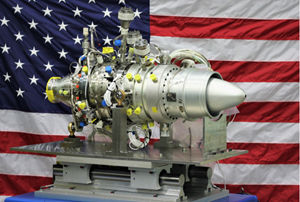
Kratos Defense & Security Solutions, Inc. (Nasdaq: KTOS) announced today that Kratos Turbine Technologies (KTT) Division has successfully completed a core engine test campaign under KTT’s Advanced Turbine Technologies for 
Affordable Mission (ATTAM) contract. This turbine engine development program is managed by the Turbine Engine Division of the 
Air Force Research Laboratory (AFRL/RQT). Testing of the engine core supports the development of small, affordable, high-performance jet engines for cruise missiles and Unmanned Aerial Vehicles (UAVs). During the test campaign, KTT successfully demonstrated key performance and operability targets of the core engine.

Stacey Rock, President of Kratos Turbine Technologies Division, said, “The successful core engine test demonstrates the great working relationship that KTT has with the AFRL Turbine Engine Division, and the desire from both parties to increase capability and lower cost of expendable turbine engine propulsion. We look forward to continuing to support AFRL in the development of transformative and affordable turbine engine technologies. All of Kratos is focused on supporting 
the United States warfighter and industrial base, including making significant investments in the development and production of next generation engines and supporting STEM opportunities in the USA.”

About Kratos Defense & Security Solutions

Kratos Defense & Security Solutions, Inc. (NASDAQ:KTOS) develops and fields transformative, affordable technology, platforms and systems for United States National Security related customers, allies and commercial enterprises. Kratos is changing the way breakthrough technology for these industries are rapidly brought to market through proven commercial and venture capital backed approaches, including proactive research and streamlined development processes. At Kratos, affordability is a technology and we specialize in unmanned systems, satellite communications, cyber security/warfare, microwave electronics, missile defense, hypersonic systems, training, combat systems and next generation turbo jet and turbo fan engine development. For more information go to www.KratosDefense.com.

Notice Regarding Forward-Looking Statements
Certain statements in this press release may constitute “forward-looking statements” within the meaning of the Private Securities Litigation Reform Act of 1995. These forward-looking statements are made on the basis of the current beliefs, expectations and assumptions of the management of Kratos and are subject to significant risks and uncertainty. Investors are cautioned not to place undue reliance on any such forward-looking statements. All such forward-looking statements speak only as of the date they are made, and Kratos undertakes no obligation to update or revise these statements, whether as a result of new information, future events or otherwise. Although Kratos believes that the expectations reflected in these forward-looking statements are reasonable, these statements involve many risks and uncertainties that may cause actual results to differ materially from what may be expressed or implied in these forward-looking statements. For a further discussion of risks and uncertainties that could cause actual results to differ from those expressed in these forward-looking statements, as well as risks relating to the business of Kratos in general, see the risk disclosures in the Annual Report on Form 10-K of Kratos for the year ended 
December 27, 2020, and in subsequent reports on Forms 10-Q and 8-K and other filings made with the 
SEC by Kratos.

Press Contact:
Yolanda White
858-812-7302 Direct

Investor Information:
877-934-4687
[email protected]

Source: Kratos Defense & Security Solutions, Inc.

Release – Cocrystal Joins Russell Microcap Index


Cocrystal Joins Russell Microcap® Index


BOTHELL, Wash., June 28, 2021 (GLOBE NEWSWIRE) — Cocrystal Pharma, Inc. (Nasdaq: COCP) (“Cocrystal” or the “Company”), a clinical-stage biotechnology company discovering and developing novel antiviral therapeutics that target the replication machinery of influenza viruses, coronaviruses, hepatitis C viruses and noroviruses, announces that it will be added to the Russell Microcap® Index after the U.S. market opens today, June 28, 2021.

“We are delighted that Cocrystal will now be included in the Russell Microcap® Index, which is a broadly used performance benchmark for smaller growth stocks in the U.S.,” said James Martin, Cocrystal’s interim co-CEO and CFO. “This is a notable milestone for Cocrystal that will further raise awareness of our company within the global investment community as we advance development of our antiviral programs including the planned initiation of an influenza A Phase 1 trial in the third quarter.”

Membership in the Russell Microcap® Index, which remains in place for one year, means automatic inclusion in the appropriate growth and value style indexes. FTSE Russell a leading global index provider determines membership for its Russell indexes primarily by objective, market-capitalization rankings and style attributes.

Russell indexes are widely used by investment managers and institutional investors for index funds and as benchmarks for active investment strategies. Approximately $10.6 trillion in assets are benchmarked against Russell’s U.S. indexes. For more information on the Russell Microcap Index and the Russell indexes reconstitution, go to the “Russell Reconstitution” section on the FTSE Russell website. The information on the FTSE Russell website is not part of this press release.

About Cocrystal Pharma, Inc.
Cocrystal Pharma, Inc. is a clinical-stage biotechnology company discovering and developing novel antiviral therapeutics that target the replication process of coronaviruses (including SARS-CoV-2), influenza viruses, hepatitis C viruses and noroviruses. Cocrystal employs unique structure-based technologies and Nobel Prize-winning expertise to create first- and best-in-class antiviral drugs. For further information about Cocrystal, please visit www.cocrystalpharma.com.

Cautionary Note Regarding Forward-Looking Statements
This press release contains forward-looking statements within the meaning of the Private Securities Litigation Reform Act of 1995, including statements regarding the advancement of our programs such as the planned initiation of influenza A Phase 1 trial in the third quarter of 2021. The words “believe,” “may,” “estimate,” “continue,” “anticipate,” “intend,” “should,” “plan,” “could,” “target,” “potential,” “is likely,” “will,” “expect” and similar expressions, as they relate to us, are intended to identify forward-looking statements. We have based these forward-looking statements largely on our current expectations and projections about future events. Some or all of the events anticipated by these forward-looking statements may not occur. Important factors that could cause actual results to differ from those in the forward-looking statements include, but are not limited to, the risks and uncertainties arising from the impact of the COVID-19 pandemic on the national and global economy and on our Company, including supply chain disruptions and our continued ability to proceed with our programs, including our influenza A program, our ability to complete the preclinical and clinical trials, the ability of the contract research organization to recruit subjects, the results of such future preclinical and clinical studies, and general risks arising from clinical trials and more generally, the development of investigational drugs. Further information on our risk factors is contained in our filings with the SEC, including our Annual Report on Form 10-K for the year ended December 31, 2020. Any forward-looking statement made by us herein speaks only as of the date on which it is made. Factors or events that could cause our actual results to differ may emerge from time to time, and it is not possible for us to predict all of them. We undertake no obligation to publicly update any forward-looking statement, whether as a result of new information, future developments or otherwise, except as may be required by law.

Investor Contact:
LHA Investor Relations
Jody Cain
310-691-7100
[email protected]

Source: Cocrystal Pharma, Inc.

Release – Capstone Green Energy Secures Order For Multiple Microturbines For Australian Oil And Gas Customer


Capstone Green Energy Secures Order For Multiple Microturbines For Australian Oil & Gas Customer


VAN NUYS, CA / ACCESSWIRE / June 28, 2021 / Capstone Green Energy Corporation (www.CapstoneGreenEnergy.com) (NASDAQ:CGRN) formerly Capstone Turbine Corporation (www.capstoneturbine.com) (NASDAQ:CPST) (“Capstone” or the “Company”), a global leader in carbon reduction and on-site resilient green energy solutions, announced today it would be providing two C600S microturbine systems and one C800S microturbine system in support of several oil and gas projects in Australia. All three systems are expected to be delivered between June to December 2021. The order, secured by Capstone’s Australian distributor, Optimal Group, aims to provide the customer with greater energy efficiency, reduced emissions, and increased power security.

The units will be installed at multiple locations and will use high-pressure natural gas. The dual-mode turbines will be operating in a standalone configuration, supplying all of the site’s electrical demand. Capstone’s Power Sync Master Controller, which supports on-site controls and integration with the end-use customer’s facilities, further increases the reliability and availability of the C600S and C800S systems through its unique “self-healing” Ethernet ring, which eliminates single points of failure in its control network.

Facing growing pressure to address climate change, oil and gas companies are pledging to prepare for a low-carbon or “lower-carbon” future. For many, that involves investing in new technologies and infrastructure that can support new, greener ways of generating electricity. These are the key areas in which Capstone Green Energy has built its business and where it continues to innovate.

“For many years, Capstone has been an innovative energy partner to the oil and gas industry,” said Darren Jamison, President and Chief Executive Officer of Capstone Green Energy. “As the oil and gas industry moves toward a more environmentally-friendly future, we are providing solutions that go beyond emissions reduction, often strengthening power reliability and improving the bottom line,” added Mr. Jamison.

“We are increasingly finding that customers who need reliable power to operate remote and off-grid facilities are recognizing the inherent benefits of Capstone’s unique microturbine-based energy solutions,” said Kane Ravenscroft, Sales Director for Optimal Group. “The modularity built into Capstone’s C600S and C800S systems, with multiple, independent turbine modules in a single package, provides the availability and uptime that these customers need to maintain production. Coupling this with the ability of each turbine to operate from a zero load to 100% load, or switch off, based on changing site demands, delivers the load control, emissions reductions and optimal efficiency mix that is not available with other technologies,” concluded Mr. Ravenscroft.

About Capstone Green Energy

Capstone Green Energy (www.CapstoneGreenEnergy.com) (NASDAQ:CGRN) is a leading provider of customized microgrid solutions and on-site energy technology systems focused on helping customers around the globe meet their environmental, energy savings, and resiliency goals. Capstone Green Energy focuses on four key business lines. Through its Energy as a Service (EaaS) business, it offers rental solutions utilizing its microturbine energy systems and battery storage systems, comprehensive Factory Protection Plan (FPP) service contracts that guarantee life-cycle costs, as well as aftermarket parts. Energy Conversion Products are driven by the Company’s industry-leading, highly efficient, low-emission, resilient microturbine energy systems offering scalable solutions in addition to a broad range of customer-tailored solutions, including hybrid energy systems and larger frame industrial turbines. The Energy Storage Products business line designs and installs microgrid storage systems creating customized solutions using a combination of battery technologies and monitoring software. Through Hydrogen Energy Solutions, Capstone Green Energy offers customers a variety of hydrogen products, including the Company’s microturbine energy systems.

For customers with limited capital or short-term needs, Capstone offers rental systems; for more information, contact: [email protected]. To date, Capstone has shipped over 10,000 units to 83 countries and estimates that, in FY21, it saved customers over $217 million in annual energy costs and approximately 397,000 tons of carbon. Total savings over the last three years are estimated at 1,115,100 tons of carbon and $698 million in annual energy savings.

For more information about the Company, please visit: www.CapstoneGreenEnergy.com. Follow Capstone Green Energy on TwitterLinkedInInstagramFacebook, and YouTube.

Cautionary Note Regarding Forward-Looking Statements

This release contains forward-looking statements as defined in the Private Securities Litigation Reform Act of 1995, including statements regarding expectations for green initiatives and execution on the Company’s growth strategy and other statements regarding the Company’s expectations, beliefs, plans, intentions, and strategies. The Company has tried to identify these forward-looking statements by using words such as “expect,” “anticipate,” “believe,” “could,” “should,” “estimate,” “intend,” “may,” “will,” “plan,” “goal” and similar terms and phrases, but such words, terms and phrases are not the exclusive means of identifying such statements. Actual results, performance and achievements could differ materially from those expressed in, or implied by, these forward-looking statements due to a variety of risks, uncertainties and other factors, including, but not limited to, the following: the ongoing effects of the COVID-19 pandemic; the availability of credit and compliance with the agreements governing the Company’s indebtedness; the Company’s ability to develop new products and enhance existing products; product quality issues, including the adequacy of reserves therefor and warranty cost exposure; intense competition; financial performance of the oil and natural gas industry and other general business, industry and economic conditions; the Company’s ability to adequately protect its intellectual property rights; and the impact of pending or threatened litigation. For a detailed discussion of factors that could affect the Company’s future operating results, please see the Company’s filings with the Securities and Exchange Commission, including the disclosures under “Risk Factors” in those filings. Except as expressly required by the federal securities laws, the Company undertakes no obligation to update or revise any forward-looking statements, whether as a result of new information, changed circumstances or future events or for any other reason.

CONTACT:
Capstone Green Energy
Investor and investment media inquiries:
818-407-3628
[email protected]

SOURCE: Capstone Green Energy Corporation

Release – Lineage Cell Therapeutics Joins Russell 3000 And Russell Microcap Indexes


Lineage Cell Therapeutics Joins Russell 3000® And Russell Microcap® Indexes


CARLSBAD, Calif.–(BUSINESS WIRE)–Jun. 28, 2021– 

Lineage Cell Therapeutics, Inc.
 (NYSE American and TASE: LCTX), a clinical-stage biotechnology company developing allogeneic cell therapies for unmet medical needs, announced today that the Company has been added to both the broad-market Russell 3000® Index as well as the Russell Microcap® Index. The 2021 Russell indexes annual reconstitution will be effective after the U.S. market opens today.

“Lineage’s addition to both the Russell 3000® and the Russell Microcap® Indexes reflects continued progress made in establishing the Company as a leader in cell therapy and regenerative medicine and should help us benefit from the tremendous growth that we foresee in the field of cell therapy,” stated  Brian M. Culley, Lineage’s CEO. “During the past year we have created considerable value for our shareholders by accomplishing significant clinical, manufacturing, and business milestones across our entire novel pipeline. We believe our addition to the Russell indexes can expand awareness of Lineage’s corporate mission and objectives among a broader audience of investors and help drive an increase in the liquidity of our stock.”

Annual Russell indexes reconstitution captures the 4,000 largest 
U.S. stocks as of 
May 7, 2021, ranking them by total market capitalization. Membership in the 
U.S. all-cap Russell 3000® Index, which remains in place for one year, means automatic inclusion in the large-cap Russell 1000® Index or small-cap Russell 2000® Index as well as the appropriate growth and value style indexes. Membership in the Russell Microcap® Index, which remains in place for one year, means automatic inclusion in the appropriate growth and value style indexes. FTSE Russell determines membership for its Russell indexes primarily by objective, market-capitalization rankings and style attributes.

Russell indexes are widely used by investment managers and institutional investors for index funds and as benchmarks for active investment strategies. Approximately 
$10.6 trillion in assets are benchmarked against Russell’s US indexes. Russell indexes are part of FTSE Russell.

About FTSE Russell

FTSE Russell is a global index leader that provides innovative benchmarking, analytics and data solutions for investors worldwide. FTSE Russell calculates thousands of indexes that measure and benchmark markets and asset classes in more than 70 countries, covering 98% of the investable market globally. FTSE Russell index expertise and products are used extensively by institutional and retail investors globally. Approximately 
$17.9 trillion is currently benchmarked to FTSE Russell indexes. For over 30 years, leading asset owners, asset managers, ETF providers and investment banks have chosen FTSE Russell indexes to benchmark their investment performance and create ETFs, structured products and index-based derivatives. A core set of universal principles guides FTSE Russell index design and management: a transparent rules-based methodology is informed by independent committees of leading market participants. FTSE Russell is focused on applying the highest industry standards in index design and governance and embraces the IOSCO Principles. FTSE Russell is also focused on index innovation and customer partnerships as it seeks to enhance the breadth, depth and reach of its offering. FTSE Russell is wholly owned by London Stock Exchange Group. For more information, visit www.ftserussell.com.

About Lineage Cell Therapeutics, Inc. 

Lineage Cell Therapeutics is a clinical-stage biotechnology company developing novel cell therapies for unmet medical needs. Lineage’s programs are based on its robust proprietary cell-based therapy platform and associated in-house development and manufacturing capabilities. With this platform Lineage develops and manufactures specialized, terminally differentiated human cells from its pluripotent and progenitor cell starting materials. These differentiated cells are developed to either replace or support cells that are dysfunctional or absent due to degenerative disease or traumatic injury or administered as a means of helping the body mount an effective immune response to cancer. Lineage’s clinical programs are in markets with billion dollar opportunities and include three allogeneic (“off-the-shelf”) product candidates: (i) OpRegen®, a retinal pigment epithelium transplant therapy in Phase 1/2a development for the treatment of dry age-related macular degeneration, a leading cause of blindness in the developed world; (ii) OPC1, an oligodendrocyte progenitor cell therapy in Phase 1/2a development for the treatment of subacute spinal cord injuries; and (iii) VAC2, an allogeneic dendritic cell therapy produced from Lineage’s VAC technology platform for immuno-oncology and infectious disease, currently in Phase 1 clinical development for the treatment of non-small cell lung cancer. For more information, please visit www.lineagecell.com or follow the Company on Twitter @LineageCell.

Forward-Looking Statements

Lineage cautions you that all statements, other than statements of historical facts, contained in this press release, are forward-looking statements. Forward-looking statements, in some cases, can be identified by terms such as “believe,” “may,” “will,” “estimate,” “continue,” “anticipate,” “design,” “intend,” “expect,” “could,” “can,” “plan,” “potential,” “predict,” “seek,” “should,” “would,” “contemplate,” project,” “target,” “tend to,” “foresee” or the negative version of these words and similar expressions. Such statements include, but are not limited to, statements relating to anticipated growth in the field of cell therapy and the potential benefits to Lineage and its shareholders as a result of that growth and as a result of the Company’s inclusion in the Russell indexes. Forward-looking statements involve known and unknown risks, uncertainties and other factors that may cause Lineage’s actual results, performance or achievements to be materially different from future results, performance or achievements expressed or implied by the forward-looking statements in this press release, including risks and uncertainties inherent in Lineage’s business and other risks in Lineage’s filings with the 
Securities and Exchange Commission (SEC). Lineage’s forward-looking statements are based upon its current expectations and involve assumptions that may never materialize or may prove to be incorrect. All forward-looking statements are expressly qualified in their entirety by these cautionary statements. Further information regarding these and other risks is included under the heading “Risk Factors” in Lineage’s periodic reports with the 
SEC, including Lineage’s most recent Annual Report on Form 10-K and Quarterly Report on Form 10-Q filed with the 
SEC and its other reports, which are available from the SEC’s website. You are cautioned not to place undue reliance on forward-looking statements, which speak only as of the date on which they were made. Lineage undertakes no obligation to update such statements to reflect events that occur or circumstances that exist after the date on which they were made, except as required by law.

The information in this announcement about the Russell indexes and FTSE Russell was obtained from FTSE Russell. Lineage has not independently verified such information and there can be no assurance as to its accuracy.

Lineage Cell Therapeutics, Inc. IR
Ioana C. Hone
([email protected])
(442) 287-8963

Solebury Trout IR
Gitanjali Jain Ogawa
([email protected])
(646) 378-2949

Russo Partners – Media Relations
Nic Johnson or  David Schull
[email protected]
[email protected]
(212) 845-4242

Source: 
Lineage Cell Therapeutics, Inc.

Threats to Your Personal Information


Image Credit: T/Data Breach (Flickr)


Ransomware, Data Breach, Cyberattack: What they have to do with your Personal Information, How Worried Should You Be?


The headlines are filled with news about ransomware attacks tying up organizations large and small, data breaches at major brand-name companies and cyberattacks by shadowy hackers associated with Russia, China, and North Korea. Are these threats to your personal information?

If it’s a ransomware attack on a pipeline company, probably not. If it’s a hack by foreign agents of a government agency, maybe, particularly if you’re a government employee. If it’s a data breach at a credit bureau, social media company or major retailer, very likely.

The bottom line is that your online data is not safe. Every week a new major data breach is reported, and most Americans have experienced some form of data theft. And it could hurt you. What should you do?


Mildly Annoyed or Majorly Aggrieved

First, was the latest digital crime a ransomware attack or was it a data breach? Ransomware attacks encrypt or lock up, your programs or data files, but your data is usually not exposed, so you probably have nothing to worry about. If the target is a company whose services you use, you might be inconvenienced while the company is out of commission.

If it was a data breach, find out if your information has been exposed. You may have been notified that your personal data was exposed. U.S. laws require companies to tell you if your data was stolen. But you can also check for yourself at haveibeenpwned.com.

A data breach could include theft of your online credentials: your username and password. But hackers might also steal your bank account or credit card numbers or other sensitive or protected information, such as your personal health information, your email address, phone number, street address or Social Security number.

Having your data stolen from a company can be scary, but it is also an opportunity to take stock and apply some common-sense measures to protect your data elsewhere. Even if your data has not been exposed yet, why not take the time now to protect yourself?


How Bad is It?

As a cybersecurity scholar, I suggest that you make a risk assessment. Ask yourself some simple questions, then take some precautions.

If you know your data was stolen, the most important question is what kind of data was stolen. Data thieves, just like car thieves, want to steal something valuable. Consider how attractive the data might be to someone else. Was it highly sensitive data that could harm you if it were in the wrong hands, like financial account records? Or was it data that couldn’t really cause you any problems if someone got hold of it? What information is your worst-case vulnerability if it were stolen? What could happen if data thieves take it?

Many e-commerce sites retain your purchase history, but not your credit card number, so ask yourself, did I authorize them to keep it on file? If you make recurring purchases from the site, such as at hotel chains, airlines and grocery stores, the answer is probably yes. Thieves don’t care about your seat preferences. They want to steal your credit card info or your loyalty rewards to sell on the black market.


What to Do

A hand holds a smartphone showing a text message on the screen.

Two-factor authentication, which typically involves receiving a code in a text message, provides an extra layer of security in case your password is stolen. The Focal Project/Flickr, CC BY-NC.

If you haven’t already, set up two-factor authentication with all websites that store your valuable data. If data thieves stole your password, but you use two-factor authentication, then they can’t use your password to access your account.

It takes a little effort to enter that single-use code sent to your phone each time, but it does protect you from harm when the inevitable breach occurs. Even better, use an authentication app rather than texting for two-factor authentication. This is especially critical for your bank and brokerage accounts. If you think your health-related information is valuable or sensitive, you should also take extra precautions with your health care provider’s website, your insurance company, and your pharmacy.

If you used a unique password instead of reusing a favorite password you’ve used elsewhere, hackers can’t successfully use your credentials to access your other accounts. One-third of users are vulnerable because they use the same password for every account.

Take this opportunity to change your passwords, especially at banks, brokerages and any site that retains your credit card number. You can record your unique passwords on a piece of paper hidden at home or in an encrypted file you keep in the cloud. Or you can download and install a good password manager. Password managers encrypt passwords on your devices before they’re sent into the cloud, so your passwords are protected even if the password manager company is hacked.

If your credit card number was exposed, you should notify your bank. Now is a good time to set up mobile banking alerts to receive notifications of unusual activity, big purchases and so on. Your bank may want to issue new cards with new numbers to you. That’s considerably less of a hassle than experiencing identity theft.

You should also consider closing old unused accounts so that the information associated with them is no longer available. Do you have a loyalty account with a hotel chain, restaurant, or airline that you haven’t used in years and won’t use again? Close it. If you have a credit card with that company, make sure they report the account closure to the credit reporting agencies.

Now is a great time to check your credit reports from all three credit bureaus. Do you rarely apply for new credit and want to protect your identity? If so, freeze your credit. Make sure to generate unique passwords and record them at home in case you need to unfreeze your credit later to apply for a loan. This will help protect you from some of the worst consequences of identity theft.


This article was republished with permission from The
Conversation
, a news site dedicated to sharing ideas from academic
experts.  It was written by and represents the research-based findings of
Merrill Warkentin, James J.
Rouse Endowed Professor of Information Systems, Mississippi State University.


Suggested Reading:

Is Zero Trust Architecture Enough?

Should Investors Listen to Influencers?


The Benefits of DeFi

Inflation’s Impact on Stocks, Four Scenarios


Stay up to date. Follow us:


Stay up to date. Follow us:

Virtual Roadshow with Driven By Stem (STMH) CEO Adam Berk


Driven By Stem / Stem Holdings CEO Adam Berk makes a formal corporate presentation. Afterwards, he is joined by Noble Capital Markets Senior Research Analyst Joe Gomes for a Q & A session featuring questions asked by the live audience throughout the event.

Research, News, and Advanced Market Data on STMH


Information on upcoming live virtual roadshows

About Stem Holdings

Stem Holdings is a leading omnichannel, vertically-integrated cannabis branded products and technology company with state-of-the-art cultivation, processing, extraction, retail, distribution, and delivery-as-a-service (DaaS) operations throughout the United States. Stem’s family of award-winning brands includes TJ’s GardensTM, TravisxJamesTM, and Yerba BuenaTM flower and extracts; CannavoreTM edible confections; DoseologyTM, a CBD mass-market brand launching in 2021; as well as DaaS brands BudeeTM and GanjarunnerTM through the acquisition of Driven Deliveries. BudeeTM and GanjarunnerTM e-commerce platforms provide direct-to consumer proprietary logistics and an omnichannel UX (user experience)/CX (customer experience).

Understanding Alzheimers Dementia ALS and Neurodegenerative Diseases


NIH Image Gallery (Flickr)


Research on How Cells Recover from Threats May Lead to New Insights Into Alzheimer’s and ALS


The Big Idea

Our bodies contain a special protein tag that plays a role in how cells recover from specific threats to their survival, according to new research I co-authored. Understanding how this process works may be key to future treatments for neurodegenerative diseases, such as Alzheimer’s disease and some forms of dementia.

Cells regularly encounter potentially harmful changes in their environment, such as fluctuating temperature or exposure to UV light or toxins. To ensure survival, cells have evolved complex ways to adapt to these stressful changes. These mechanisms range from temporary changes in metabolism to wholesale shutdown of critical biological processes that might otherwise be permanently damaged.

For example, many cellular stresses temporarily shut down protein production while messenger RNAs, which carry part of the DNA code through the cell, become sequestered in dense structures known as stress granules. When the stress passes, the stress granules are disassembled and cells emerge from this defensive state to resume normal activities.

But until now, molecular biologists like me didn’t understand exactly how this mechanism worked.

In a pair of peer-reviewed studies published in the journal Science on June 25, 2021, my colleagues and I working in J. Paul Taylor’s cell and molecular biology lab explain how a protein known as ubiquitin is responsible for getting cells back up and running once the coast is clear.

In the first study, I discovered that different types of stress lead to specific proteins in cells getting tagged with ubiquitin in distinct ways. I exposed cells to either heat stress or a toxic chemical, then blocked the ubiquitin-tagging process after seemingly identical stress granules formed. To my surprise, blocking ubiquitin tagging only prevented stress granule disassembly for heat shock. Importantly, I also found that cells were unable to restart key biological processes like protein production and transport when these stress granules remained present, even after a return to normal temperatures.

In the second study, my colleague Youngdae Gwon looked closer into this process. He discovered that heat stress triggers ubiquitin tagging of a key protein that allows an enzyme to disassemble stress granules. This enzyme grabs onto the ubiquitin tag and uses it as a handle to pull the structure apart.


Why It Matters

Researchers have linked stress granule biology and the stress response process in general to several neurodegenerative diseases, including Alzheimer’s disease, ALS or Lou Gehrig’s disease, and some forms of dementia.

For example, mutations in the same protein, which we found to be necessary to dissemble stress granules, can cause inherited neurodegenerative diseases. Understanding how stress granules are regulated is critical to getting a better grasp on how these diseases work and potentially finding new treatments for them.


What Still Isn’t Known

Although we identified several key factors in the role ubiquitin plays in the disassembly of stress granules, many molecular details of this process remain unknown. To gain further insight, scientists will need to identify which enzymes are responsible for putting the ubiquitin tag on proteins during stress in the first place. Additionally, it will be important to understand how mutations that lead to neurodegenerative diseases might also affect the stress recovery process.

What Other Research is Being Done

Researchers are investigating various aspects of stress granule biology and its links to neurodegenerative disease. Some are working to recreate stress granules in a test tube to explore questions not easily answered by working in cells. And others are looking inside live neurons, mice and fruit flies to understand how disease mutations affect stress recovery in living cells and creatures.


This article was republished with permission from The Conversation, a news
site dedicated to sharing ideas from academic experts.  It was written by
and represents the research-based opinions of 
Brian Andrew Maxwell Scientist
in Cell Biology, St. Jude Children’s Research Hospital Graduate School of
Biomedical Sciences.


Suggested Content:

Longeveron C-Suite Interview at World Stem Cell Summit (June 2021)

Caladrius C-Suite Interview at World Stem Cell Summit (June 2021)


Celularity C-Suite Interview at World Stem Cell Summit (June 2021)

Gid Bio C-Suite Interview at World Stem Cell Summit (June 2021)


Stay up to date. Follow us:


Stay up to date. Follow us:

Release – PLBY Group to Join Russell 2000 Index and Russell 3000 Index


PLBY Group to Join Russell 2000 Index and Russell 3000 Index


LOS ANGELES, June 25, 2021 (GLOBE NEWSWIRE) — PLBY Group, Inc. (NASDAQ: PLBY) (“PLBY Group”), a leading pleasure and leisure lifestyle company and owner of Playboy, one of the most recognizable and iconic brands in the world, announced today that PLBY Group is expected to join the small cap Russell 2000® Index and the broad-market Russell 3000® Index at the conclusion of the 2021 Russell indexes annual reconstitution, effective after the US market opens on June 28, 2021, according to a preliminary list of additions posted by FTSE Russell on June 4, 2021.

Ben Kohn, PLBY Group’s Chief Executive Officer stated, “We are very pleased to be included in the Russell indexes. This is another great milestone for our company in what has been a transformative year so far.”

Annual Russell indexes reconstitution captures the 4,000 largest US stocks as of May 7, 2021, ranking them by total market capitalization. Membership in the US all-cap Russell 3000® Index, which remains in place for one year, means automatic inclusion in the large-cap Russell 1000 Index or small-cap Russell 2000 Index as well as the appropriate growth and value style indexes. FTSE Russell determines membership for its Russell indexes primarily by objective, market-capitalization rankings and style attributes.

Russell indexes are widely used by investment managers and institutional investors for index funds and as benchmarks for active investment strategies. Approximately $10.6 trillion in assets are benchmarked against Russell’s US indexes. Russell indexes are part of FTSE Russell, a leading global index provider. For more information on the Russell 3000® Index and the Russell indexes reconstitution, go to the “Russell Reconstitution” section on the FTSE Russell website.

About PLBY Group, Inc.

PLBY Group connects consumers around the world with products, services, and experiences to help them look good, feel good, and have fun. PLBY Group serves consumers in four major categories: Sexual Wellness, Style & Apparel, Gaming & Lifestyle, and Beauty & Grooming. PLBY Group’s flagship consumer brand, Playboy, is one of the most recognizable, iconic brands in the world, driving billions of dollars in consumer spending annually across approximately 180 countries. Learn more at http://www.plbygroup.com.

About FTSE Russell

FTSE Russell is a global index leader that provides innovative benchmarking, analytics and data solutions for investors worldwide. FTSE Russell calculates thousands of indexes that measure and benchmark markets and asset classes in more than 70 countries, covering 98% of the investable market globally. FTSE Russell index expertise and products are used extensively by institutional and retail investors globally. Approximately $17.9 trillion is currently benchmarked to FTSE Russell indexes. For over 30 years, leading asset owners, asset managers, ETF providers and investment banks have chosen FTSE Russell indexes to benchmark their investment performance and create ETFs, structured products and index-based derivatives. A core set of universal principles guides FTSE Russell index design and management: a transparent rules-based methodology is informed by independent committees of leading market participants. FTSE Russell is focused on applying the highest industry standards in index design and governance and embraces the IOSCO Principles. FTSE Russell is also focused on index innovation and customer partnerships as it seeks to enhance the breadth, depth and reach of its offering. FTSE Russell is wholly owned by London Stock Exchange Group. For more information, visit www.ftserussell.com.

Forward-Looking Statements

This press release contains “forward-looking statements” within the meaning of Section 27A of the Securities Act of 1933, as amended, and Section 21E of the Securities Exchange Act of 1934, as amended. In some cases, you can identify forward-looking statements by terms such as “anticipate,” “believe,” “estimate,” “expect,” “intend,” “outlook,” “may,” “might,” “plan,” “project,” “will,” “would,” “should,” “could,” “can,” “predict,” “potential,” “strategy, “target,” “explore,” “continue,” or the negative of these terms, and similar expressions intended to identify forward-looking statements. These forward-looking statements include, without limitation, PLBY Group’s expectations with respect to future performance, growth plans and anticipated financial impacts of PLBY Group’s recent business combination, its acquisitions and commercial collaborations. These forward-looking statements involve significant risks and uncertainties that could cause the actual results to differ materially from those discussed in the forward-looking statements. Factors that may cause such differences include, but are not limited to: (1) the impact of COVID-19 pandemic on the PLBY Group’s business or acquired businesses; (2) the inability to maintain the listing of the PLBY Group’s shares of common stock on Nasdaq; (3) the risk that the business combination, recent acquisitions or any proposed transactions disrupt the PLBY Group’s current plans and/or operations, including the risk that PLBY Group does not complete any such proposed transactions or achieve the expected benefits from them; (4) the ability to recognize the anticipated benefits of the business combination, acquisitions, commercial collaborations and proposed transactions which may be affected by, among other things, competition, the ability of PLBY Group to grow and manage growth profitably, and retain key employees; (5) costs related to being a public company, acquisitions, commercial collaborations and proposed transactions; (6) changes in applicable laws or regulations; (7) the possibility that PLBY Group may be adversely affected by other economic, business, and/or competitive factors; (8) risks relating to the uncertainty of the projected financial information of PLBY Group; (9) risks related to the organic and inorganic growth of PLBY Group’s business and the timing of expected business milestones; and (10) other risks and uncertainties indicated from time to time in PLBY Group’s annual report on Form 10-K, including those under “Risk Factors” therein, and in the PLBY Group’s other filings with the Securities and Exchange Commission. PLBY Group cautions that the foregoing list of factors is not exclusive, and readers should not place undue reliance upon any forward-looking statements. The forward-looking statements included in this press release represent PLBY Group’s views only as of the date of this press release and not PLBY Group’s views as of any subsequent date and should not be unduly relied upon. PLBY Group undertakes no intention or obligation to update or revise any forward-looking statements, whether as a result of new information, future events, changes in PLBY Group’s expectations, or otherwise, except as required by law.

Contact

Investors: [email protected]
Media: [email protected]