Eli Lilly (NYSE: LLY) announced plans to invest $6.5 billion in a new manufacturing facility in Houston, Texas, designed to expand production of its pipeline of small molecule medicines, including the company’s highly anticipated oral obesity pill, orforglipron.
The facility will be the second of four new U.S.-based plants Lilly intends to open over the next five years, following a February pledge of at least $27 billion in domestic manufacturing investments. This adds to more than $23 billion the company has already spent since 2020 to scale operations in response to soaring demand for obesity and diabetes therapies.
The Houston site will play a critical role in Eli Lilly’s efforts to maintain its competitive lead in the rapidly expanding market for GLP-1 drugs. Unlike existing weekly injectable treatments, orforglipron is designed as an oral pill, offering patients a simpler alternative without food or water restrictions. Analysts believe the convenience factor could make orforglipron a blockbuster treatment if approved by regulators.
The race to scale production has become increasingly urgent. Both Eli Lilly and rival Novo Nordisk have faced supply challenges as demand for weight-loss medications surged across the United States. By boosting capacity, Lilly aims to ensure orforglipron can be manufactured at scale and delivered to tens of millions of patients worldwide.
The Houston facility will also support manufacturing of other small molecule medicines across a range of therapeutic areas, including cardiometabolic disease, oncology, immunology, and neuroscience. Small molecule drugs, which are typically produced in pill form, are generally easier and cheaper to manufacture than injectables, making them more accessible for patients and more efficient to scale globally.
In addition to strengthening its supply chain, Eli Lilly highlighted the economic impact of the new site. The project is expected to create 615 permanent jobs in the Houston area, spanning roles such as engineers, scientists, operations staff, and lab technicians. During construction, the facility will generate more than 4,000 temporary jobs, further supporting the region’s economy.
The company also emphasized that the move supports broader U.S. efforts to re-shore pharmaceutical manufacturing. In recent years, political pressure has mounted to reduce reliance on overseas drug production. By expanding its domestic footprint, Lilly positions itself as a leader in bringing pharmaceutical manufacturing back to the U.S. while meeting escalating global demand for obesity treatments.
With four new U.S. plants scheduled to be operational within five years, Eli Lilly is positioning itself at the forefront of the next generation of obesity and metabolic care. The Houston facility is expected to serve as a cornerstone of that strategy, ensuring supply can keep pace with demand in one of the fastest-growing markets in modern medicine.
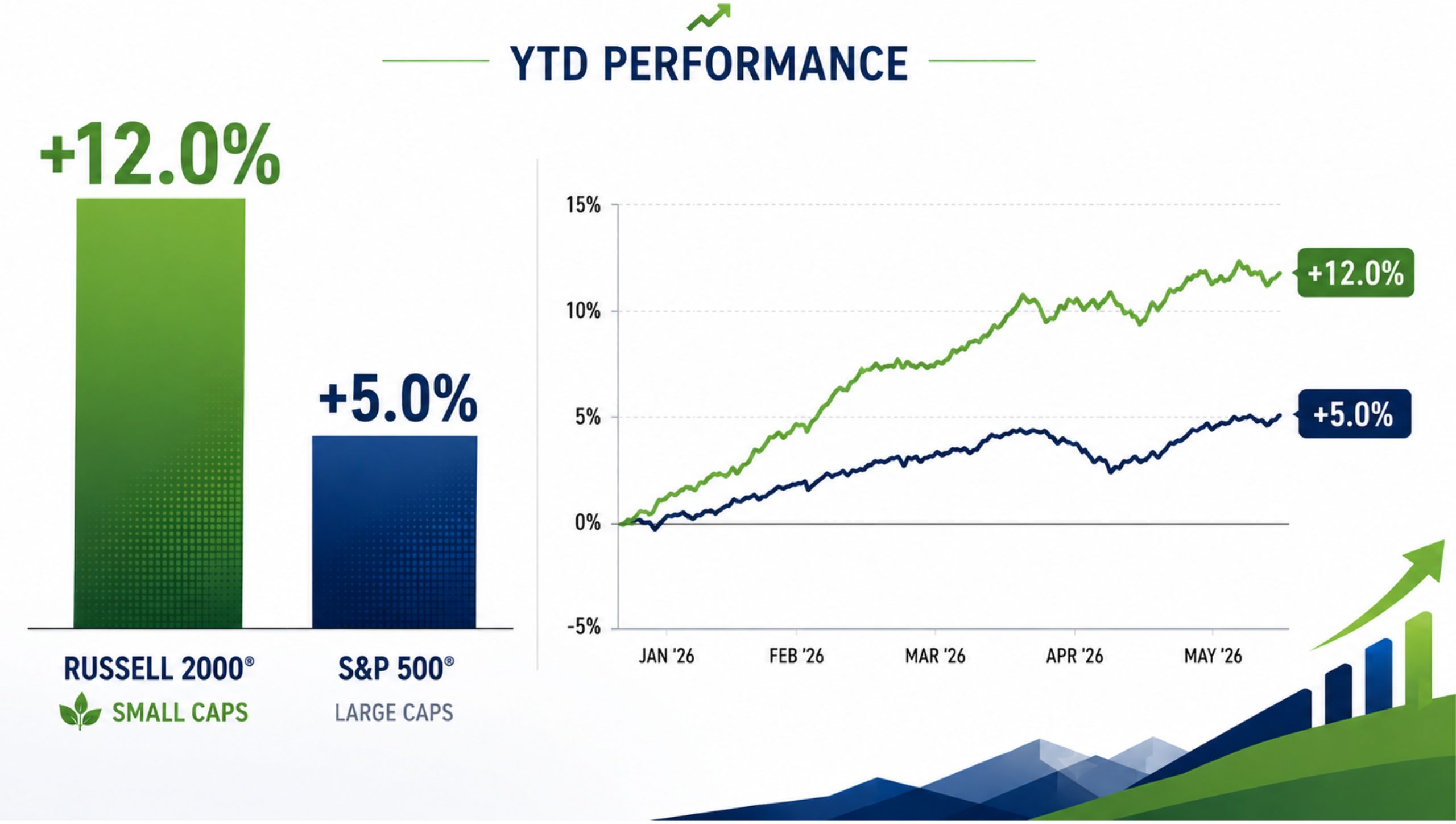
U.S. equities extended their gains on Thursday, with the Russell 2000 index of small-cap stocks taking center stage as investors embraced the Federal Reserve’s latest policy shift. The move comes just a day after the central bank announced its first interest-rate cut of 2025, a decision that has sparked optimism about economic growth and reignited appetite for smaller, more domestically focused companies.
The Russell 2000 soared more than 2% to an intraday record, positioning itself for its first all-time closing high since November 2021. This surge has placed the index firmly ahead of its large-cap peers, with the S&P 500 climbing 0.5% and the Nasdaq Composite adding 1.1%. The Dow Jones Industrial Average rose 120 points, or 0.3%.
For small-cap investors, the Fed’s move signals a potential turning point. Unlike cash-rich technology giants that can weather higher borrowing costs, small- and mid-cap companies often rely heavily on external financing to support operations and growth. Lower interest rates reduce that burden, freeing up capital for expansion and making smaller firms more attractive to investors.
Beyond the macroeconomic boost, market sentiment has improved notably since the Fed’s policy shift. The American Association of Individual Investors (AAII) reported a surge in bullish sentiment this week, with 41.7% of respondents now optimistic on the short-term outlook for stocks, up sharply from 28% the previous week. While bearish views remain elevated, the optimism highlights growing confidence that the Fed’s pivot will continue to lift equities.
The Russell’s outperformance is also being fueled by a broadening of market participation. For much of the past year, the rally in U.S. equities has been concentrated in mega-cap technology names driven by artificial intelligence enthusiasm. The rate cut has shifted attention to smaller companies that had largely lagged during the high-rate environment. With valuations still relatively attractive compared to large-cap counterparts, the Russell’s resurgence is attracting both institutional and retail inflows.
Meanwhile, the broader market rally was supported by strength in both traditional and technology sectors. Notably, Intel surged more than 25% after Nvidia announced a $5 billion investment to co-develop chips for data centers and PCs, sending Nvidia shares up more than 3%. While big tech continues to contribute, the spotlight remains firmly on the Russell’s record-setting move.
Looking ahead, investors will closely watch whether the Fed follows through with its projection of two additional rate cuts before year-end. Continued monetary easing could further unlock momentum for small-cap stocks, though analysts caution that too much stimulus could risk overheating both markets and the broader economy.
For now, however, the Russell 2000 has emerged as the clear winner of the Fed’s rate shift—marking a powerful comeback for small-cap investors after nearly four years without a record high.
FORT WORTH, Texas, Sept. 18, 2025 (GLOBE NEWSWIRE) — SEGG Media Corporation (NASDAQ: SEGG, LTRYW), (the “Company” or “SEGG Media”) the global sports, entertainment, and gaming conglomerate, today announced it has secured premium full-page advertisements in NFL Team Yearbooks for the 2025/26 season, which ensures SEGG Media’s presence across 25 of the NFL’s 30 stadiums.
The placements feature QR code integration, driving fans directly to Lottery.com and Sports.com, delivering seamless digital engagement from in-stadium experiences to SEGG Media’s online platforms.
The Company secured advertisements in NFL Team Yearbooks that include both Super Bowl LIX winner Philadelphia Eagles and runner-up Kansas City Chiefs. The SEGG Media advertisement also appears in both NFL Team Yearbooks featured in tonight’s Thursday Night Football match-up, Buffalo Bills vs Miami Dolphins at Hard Rock Stadium. A complete list of NFL Team Yearbooks containing SEGG Media’s advertisements are as follows:
Arizona Cardinals
Atlanta Falcons
Baltimore Ravens
Buffalo Bills
Carolina Panthers
Chicago Bears
Cincinnati Bengals
Cleveland Browns
Detroit Lions
Houston Texans
Indianapolis Colts
Jacksonville Jaguars
Kansas City Chiefs
Los Angeles Chargers
Los Angeles Rams
Miami Dolphins
New England Patriots
New Orleans Saints
New York Giants
New York Jets
Philadelphia Eagles
Pittsburgh Steelers
San Francisco 49ers
Tampa Bay Buccaneers
Washington Commanders
“This places SEGG Media at the heart of America’s biggest sport, delivering massive exposure for the Company and the Sports.com brand in front of one of the most passionate fan bases in the world,” said Matthew McGahan, Chairman, President & CEO of SEGG Media. “It’s another step in positioning SEGG Media as a leading global sports, entertainment, and gaming brand into the future.”
Marc Bircham, SEGG Media Board Director and Director of Sports.com, added: “SEGG Media has always recognized that to build a true sports media conglomerate we must capitalize on iconic American sports like the NFL, NBA, MLB, IndyCar, and NASCAR. This initiative demonstrates that we are delivering on our promises to shareholders by embedding ourselves in the heartbeat of U.S. sports and entertainment culture. Engaging directly with NFL fans is a vital steppingstone, and we are actively exploring additional opportunities for the 2025/26 season, from behind-the-scenes content to interactive fan experiences. By delivering engaging content, attracting new users and investors, and expanding not just here at home, but globally, the Company is positioning itself to stand front and center as one of the most dynamic media companies listed on major exchanges today.”
The NFL Team Yearbook initiative forms part of the Company’s wider U.S. expansion strategy, which includes sponsorships in IndyCar, partnerships in esports through Veloce and Quadrant, and the upcoming launch of Concerts.com.
About SEGG Media Corporation SEGG Media (Nasdaq: SEGG, LTRYW) is a global sports, entertainment and gaming group operating a portfolio of digital assets including Sports.com, Concerts.com and Lottery.com. Focused on immersive fan engagement, ethical gaming and AI-driven live experiences, SEGG Media is redefining how global audiences interact with the content they love.
Forward-Looking Statements
This press release contains statements that constitute “forward-looking statements” within the meaning of Section 27A of the Securities Act of 1933, as amended, and Section 21E of the Securities Exchange Act of 1934, as amended. All statements, other than statements of present or historical fact included in this press release, regarding the Company’s strategy, future operations, prospects, plans and objectives of management, are forward-looking statements. When used in this Form 8-K, the words “could,” “should,” “will,” “may,” “believe,” “anticipate,” “intend,” “estimate,” “expect,” “project,” “initiatives,” “continue,” the negative of such terms and other similar expressions are intended to identify forward-looking statements, although not all forward-looking statements contain such identifying words. These forward-looking statements are based on management’s current expectations and assumptions about future events and are based on currently available information as to the outcome and timing of future events. The forward-looking statements speak only as of the date of this press release or as of the date they are made. The Company cautions you that these forward-looking statements are subject to numerous risks and uncertainties, most of which are difficult to predict and many of which are beyond the control of the Company. In addition, the Company cautions you that the forward-looking statements contained in this press release are subject to risks and uncertainties, including but not limited to: the Company’s ability to secure additional capital resources; the Company’s ability to continue as a going concern; the Company’s ability to complete acquisitions; the Company’s ability to remain in compliance with Nasdaq Listing Rules; and those additional risks and uncertainties discussed under the heading “Risk Factors” in the Form 10-K/A filed by the Company with the SEC on April 22, 2025, and the other documents filed, or to be filed, by the Company with the SEC. Additional information concerning these and other factors that may impact the operations and projections discussed herein can be found in the reports that the Company has filed and will file from time to time with the SEC. These SEC filings are available publicly on the SEC’s website at www.sec.gov. Should one or more of the risks or uncertainties described in this press release materialize or should underlying assumptions prove incorrect, actual results and plans could differ materially from those expressed in any forward-looking statements. Except as otherwise required by applicable law, the Company disclaims any duty to update any forward-looking statements, all of which are expressly qualified by the statements in this section, to reflect events or circumstances after the date of this press release.
For additional information, visit www.seggmediacorp.com or contact media relations at [email protected]
RESTON, Va., Sept. 18, 2025 /PRNewswire/ — V2X Inc., (NYSE: VVX), has been awarded a position on the Defense Threat Reduction Agency’s (DTRA) Cooperative Threat Reduction Integrating Contract IV (CTRIC IV). V2X is one of six recipients selected for this indefinite-deliver, indefinite-quantity contract, which carries a ceiling value of $3.5 billion over a five-year base period with five additional option years.
CTRIC IV supports the Department of Defense’s global Cooperative Threat Reduction program, which aims to reduce threats posed by weapons of mass destruction and related materials. Under this contract, V2X will execute current and future work to provide comprehensive support to counter and eliminate chemical, biological, radiological, and nuclear threats worldwide.
“This award underscores our proven ability to support high-consequence missions on a global scale,” said Jeremy C. Wensinger, President and Chief Executive Officer of V2X. “With our global footprint and strong operational capabilities, we are well-equipped to deliver innovative solutions in support of DTRA’s mission, wherever they are needed. We’re honored to be selected for the CTRIC follow-on contract, which reflects our track record of success. We look forward to building on this momentum and expanding our impact through this opportunity.”
The CTRIC IV contract expands V2X’s presence in critical global threat reduction efforts and reinforces its role as a trusted partner in domestic and international defense initiatives.
About V2X V2X builds innovative solutions that integrate physical and digital environments by aligning people, actions, and technology. V2X is embedded in all elements of a critical mission’s lifecycle to enhance readiness, optimize resource management, and boost security. The company provides innovation spanning national security, defense, civilian, and international markets. With a global team of approximately 16,000 professionals, V2X enables mission success by injecting AI and machine learning capabilities to meet today’s toughest challenges across all operational domains.
Investor Contact Mike Smith, CFA Vice President, Treasury, Corporate Development and Investor Relations [email protected] 719-637-5773
Swiss pharmaceutical leader Roche has announced an agreement to acquire clinical-stage biopharmaceutical company 89bio, Inc. in a deal valued at up to $3.5 billion. The acquisition is set to strengthen Roche’s cardiovascular, renal, and metabolism portfolio, particularly its capabilities in treating metabolic dysfunction-associated steatohepatitis (MASH).
Under the terms of the agreement, 89bio shareholders will receive $14.50 per share in cash at closing, along with a non-tradeable contingent value right (CVR) providing up to an additional $6.00 per share contingent on specific milestones. The CVR payments are linked to the commercial success and sales performance of 89bio’s lead candidate, pegozafermin, a novel fibroblast growth factor 21 (FGF21) analog designed for patients with moderate to severe MASH and severe hypertriglyceridemia.
Pegozafermin is currently in Phase 3 clinical trials and is engineered to provide extended biological activity through a proprietary glycoPEGylated technology. The therapy aims to address critical unmet medical needs in liver and cardiometabolic diseases, including patients with advanced fibrosis and compensated cirrhosis. Its potential best-in-disease profile makes it a significant addition to Roche’s portfolio, enhancing the company’s efforts to provide innovative treatment options to patients worldwide.
The contingent payments under the CVR are structured to reward milestone achievements, including the first commercial sale of pegozafermin in F4 MASH cirrhotic patients, and annual global sales thresholds of $3 billion and $4 billion in subsequent years. This structure aligns shareholder incentives with the commercial success of the therapy while reflecting the high growth potential of 89bio’s pipeline.
The acquisition is subject to customary closing conditions, including the tender of a majority of 89bio’s outstanding shares and regulatory approvals. Roche plans to complete the transaction in the fourth quarter of 2025, after which 89bio will become part of Roche’s Pharmaceuticals Division. Until the closing, 89bio will continue to operate independently, maintaining its focus on the development of innovative therapies for liver and cardiometabolic diseases.
Financial advisors for 89bio include Moelis & Company LLC and Centerview Partners LLC, with Gibson, Dunn & Crutcher LLP serving as legal counsel. Citi and Sidley Austin LLP act as Roche’s financial and legal advisors.
The acquisition positions Roche to potentially transform the standard of care for patients with metabolic liver diseases while leveraging 89bio’s advanced clinical pipeline. Analysts view the deal as a strategic move to capture emerging opportunities in high-growth therapeutics, combining 89bio’s innovative platform with Roche’s global development, manufacturing, and commercialization capabilities.
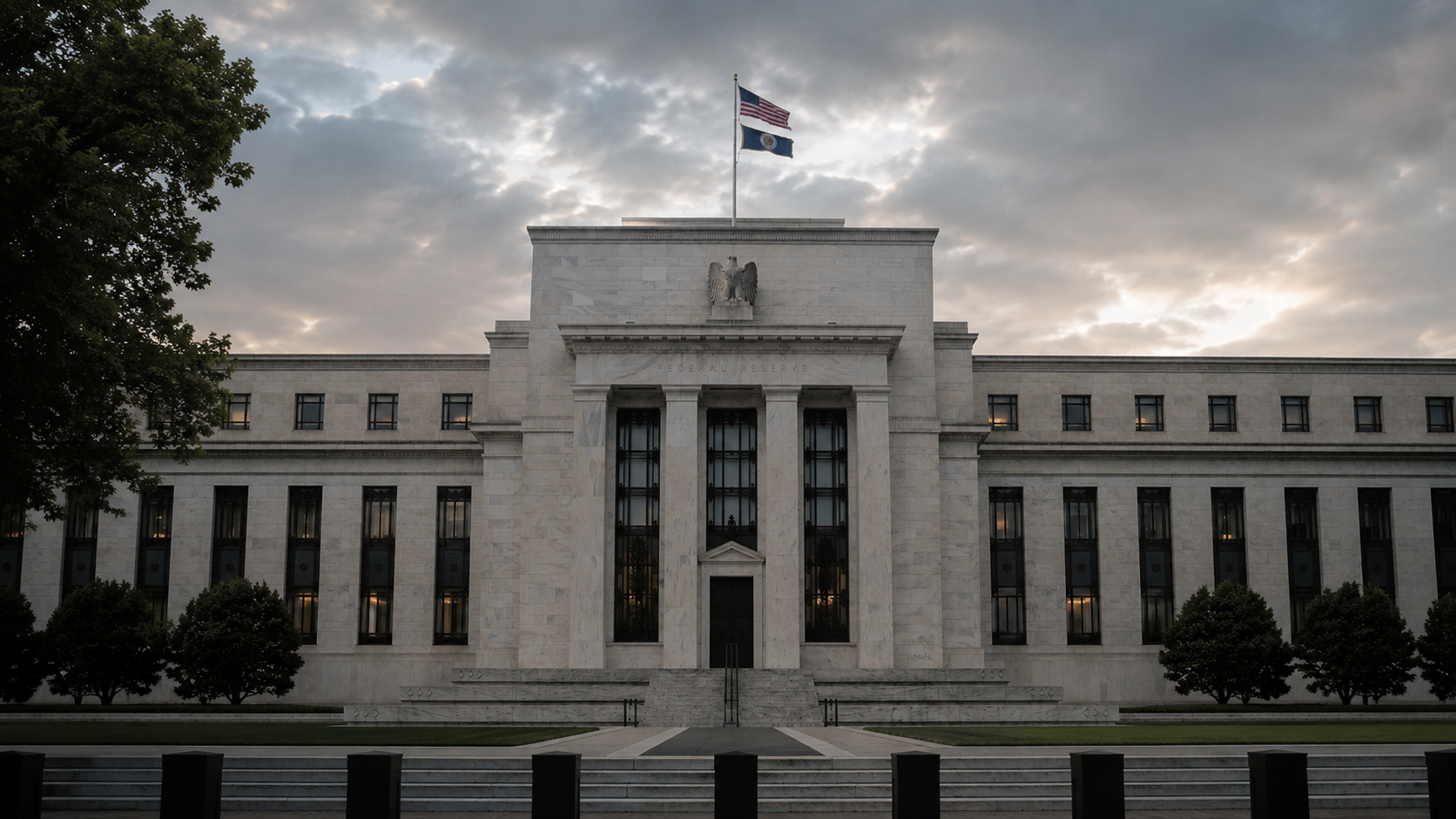
The Federal Reserve lowered interest rates for the first time this year, reducing its benchmark rate by a quarter of a percentage point to a range of 4.00% to 4.25%. The move marks the Fed’s first policy easing since December and sets the stage for additional cuts as officials adjust to a cooling labor market and persistent inflation.
The decision, made in a split vote, reflects growing concern about slowing job growth and rising unemployment. In August, the economy added just 22,000 jobs, while the unemployment rate climbed to 4.3%. Recent revisions also showed weaker job growth in earlier months, reinforcing the case for easing monetary policy. The Fed’s quarterly “dot plot” projections now point to two more rate cuts before the end of 2025, up from earlier expectations.
The outlook among policymakers remains divided, however. The updated dot plot showed nine officials anticipating three cuts this year, six projecting just one, and a small minority envisioning either no cuts or significantly more. For 2026, the consensus is for one additional reduction.
Economic projections released alongside the decision highlight both resilience and challenges. Inflation is expected to rise 3.1% this year, unchanged from prior estimates, while GDP growth was upgraded slightly to 1.6% from 1.4%. The unemployment rate is forecast to reach 4.5% by year-end, reflecting mounting labor market softness.
The Fed’s move comes amid heightened political scrutiny. President Donald Trump has been pressing for lower interest rates, repeatedly criticizing the central bank for acting too slowly. His influence on the institution has grown, with newly confirmed governor Stephen Miran—previously a White House economic adviser—joining the board in time for this meeting. Miran favored a larger half-point cut, underscoring divisions within the Fed about how aggressively to ease policy.
At the same time, Trump has sought to reshape the central bank’s leadership. His administration attempted to remove Governor Lisa Cook, but courts have so far blocked the effort. Cook participated in this week’s meeting following rulings that found insufficient grounds for her dismissal. The legal battle over her position is expected to continue, potentially reaching the Supreme Court.
The Fed now faces the delicate task of balancing weaker labor data with inflation that remains well above its 2% target. Core consumer prices, which exclude food and energy, rose 3.1% in August, matching July’s reading and showing little progress in bringing inflation lower. This persistence complicates the Fed’s ability to cut rates quickly without risking renewed price pressures.
For financial markets, the latest move confirms expectations of a shift toward looser monetary policy. Investors had already priced in a September cut, but the signal of further easing provided an additional boost to assets that benefit from lower rates, including equities and gold. The dollar weakened following the announcement, reflecting anticipation of easier financial conditions.
As the year progresses, the central bank’s policy path will remain a focal point for markets, businesses, and households. With economic data softening and political pressures intensifying, the Fed’s challenge will be to support growth without reigniting inflation risks.
Gold surged past $3,700 an ounce for the first time in history on Tuesday, as investors doubled down on expectations that the Federal Reserve will cut interest rates this week and possibly keep easing into 2026.
The rally reflects a powerful mix of falling Treasury yields, political pressure on the Fed, and growing concerns that government debt is no longer a safe haven. The U.S. dollar dropped to its weakest level in more than 10 weeks, further boosting gold’s appeal.
Markets have already priced in a rate cut at this week’s Fed meeting, but the real focus is on the central bank’s quarterly economic projections and Chair Jerome Powell’s comments in the post-decision press conference. A series of weak labor market reports and stable inflation readings have strengthened the case for further cuts this year. Since gold does not pay interest, lower rates typically increase its attractiveness compared to bonds.
The political backdrop is also fueling the rally. President Donald Trump has openly pressured the Fed to move faster on monetary easing and has pushed to remove Governor Lisa Cook. Meanwhile, Stephen Miran, a senior economic advisor in the administration, is expected to join the central bank as soon as Tuesday. These developments have reinforced market expectations that monetary policy will stay accommodative in the months ahead.
So far this year, gold has climbed more than 40%, outperforming major assets like the S&P 500. The metal recently surpassed its inflation-adjusted peak from 1980, cementing its status as the safe-haven asset of choice during a time of uncertainty. Central bank buying and strong inflows into exchange-traded funds have added fuel to the rally.
Analysts warn that the move may only be the beginning. Goldman Sachs has suggested that if just 1% of privately held U.S. Treasuries were reallocated into gold, prices could surge toward $5,000 an ounce. For investors wary of ballooning government debt in the U.S., Europe, and beyond, gold has become the natural alternative.
Other precious metals have also seen movement: silver rose to its highest price in 14 years, while platinum and palladium slipped.
With gold setting fresh records and momentum accelerating, markets are now watching whether the Fed’s tone confirms what traders already believe: that a new era of monetary easing has begun. If so, the path toward even higher levels of gold could already be set.
For more context on why investors are shifting away from government debt and piling into gold, read our in-depth analysis from last week here.
Successfully completed AI pilot with Microsoft – now live – boosts fraud detection
FLORHAM PARK, N.J. — Conduent Incorporated (Nasdaq: CNDT), a global technology-driven business solutions and services company, is embedding generative AI (GenAI) and other advanced AI technologies into its suite of solutions for state and federal agencies. These technologies aim to improve the disbursement of critical government benefits, enhance the citizen experience, and fortify fraud prevention across major aid programs like Medicaid and the Supplemental Nutrition Assistance Program (SNAP).
As part of a recently completed GenAI pilot with Microsoft – originally announced in 2024 and now fully deployed – Conduent has significantly increased its fraud detection capacity for its largest open-loop payment card programs. Because these cards can be used at a wide range of merchants, monitoring for fraud is particularly complex. Leveraging AI, a small team of specialists can now surveil tens of thousands of accounts for suspicious activity, including identity theft and account takeover with significant improvement in accuracy. This capability is in the process of being scaled to other payment card programs.
Following the pilot’s success, Conduent is now seeking to apply similar AI methodologies to help detect and prevent fraud in Medicaid and closed-loop EBT cards, including SNAP benefits – helping safeguard usage at approved retailers. A leader in government payment disbursements, Conduent currently supports electronic payments for public programs in 37 states.
“As states adapt to evolving budget constraints and eligibility requirements, AI can empower agencies to reduce fraud and improper payments while improving service delivery,” said Anna Sever, President, Government Solutions at Conduent. “With decades of experience supporting critical government programs, Conduent is deepening its investment in AI to expand these gains across multiple programs.”
Transforming Customer Support with AI
Conduent is also deploying AI to drive improvements in the contact center experience for public benefit recipients. A standout example is the Conduent GenAI-powered capability that equips agents with instant access to accurate, program-specific information – reducing call handling times.
Conduent provides U.S. agencies with solutions for healthcare claims administration, government benefit payments, eligibility and enrollment, and child support. Visit Conduent Government Solutions to learn more.
About Conduent
Conduent delivers digital business solutions and services spanning the commercial, government and transportation spectrum – creating valuable outcomes for its clients and the millions of people who count on them. The Company leverages cloud computing, artificial intelligence, machine learning, automation and advanced analytics to deliver mission-critical solutions. Through a dedicated global team of approximately 56,000 associates, process expertise and advanced technologies, Conduent’s solutions and services digitally transform its clients’ operations to enhance customer experiences, improve performance, increase efficiencies and reduce costs. Conduent adds momentum to its clients’ missions in many ways including disbursing approximately $85 billion in government payments annually, enabling 2.3 billion customer service interactions annually, empowering millions of employees through HR services every year and processing nearly 13 million tolling transactions every day. Learn more at www.conduent.com.
Conduent is a trademark of Conduent Incorporated in the United States and/or other countries. Other names may be trademarks of their respective owners.
Alphabet, the parent company of Google, has officially crossed the $3 trillion market capitalization threshold, becoming the fourth U.S. company to reach the milestone. Shares jumped more than 4% on Monday, propelling the tech giant into an elite group alongside Apple, Microsoft, and Nvidia.
The rally marks a historic moment for the company, which debuted on the stock market a little over 20 years ago and restructured as Alphabet a decade ago. This latest achievement comes amid heightened regulatory scrutiny, rapid advances in artificial intelligence, and intense competition in the tech sector.
Alphabet’s surge in September was fueled in large part by a favorable antitrust ruling. While a federal district court had previously found that Google held an illegal monopoly in search and advertising, the U.S. Department of Justice had pushed for harsher penalties, including a potential divestiture of the Chrome browser.
Judge Amit Mehta, however, stopped short of imposing the most severe remedies. That decision was viewed positively by investors, eliminating fears of a major breakup and giving Alphabet shares room to climb to record highs.
The judgment was celebrated not only by Wall Street but also drew national attention, with President Donald Trump publicly congratulating the company and calling it “a very good day.”
Alphabet’s $3 trillion valuation underscores its dominant role in the digital economy. The company has continued to grow despite facing challenges from emerging players in artificial intelligence, such as OpenAI and Perplexity, while also navigating increasing scrutiny from regulators in the U.S. and Europe.
CEO Sundar Pichai, who took over leadership of Alphabet in 2019, has steered the company through rapid industry change, balancing its core dominance in search and digital advertising with heavy investments in AI, cloud computing, and next-generation consumer technologies.
Alphabet’s shares are up more than 30% this year, more than double the Nasdaq’s 15% gain over the same period. The milestone reinforces its status as one of the most influential companies in the world, with billions of users relying on its products daily.
Alphabet’s achievement comes in a year when tech has dominated global markets. Nvidia, Apple, and Microsoft have all benefited from AI-driven growth, hardware innovation, and strong investor appetite for large-cap technology stocks. Alphabet’s entry into the $3 trillion club signals continued investor confidence that the company will remain at the center of technological transformation in the decade ahead.
With its valuation now cementing it as one of the world’s most valuable firms, Alphabet faces the dual challenge of maintaining growth while navigating ongoing regulatory battles and increasing competition. For investors, the latest milestone highlights both the resilience of Alphabet’s business model and its ability to adapt to a rapidly changing technology landscape.
California Resources Corporation (NYSE: CRC) and Berry Corporation (NASDAQ: BRY) announced today that they will merge in an all-stock transaction valued at approximately $717 million, including Berry’s net debt. The deal, unanimously approved by both companies’ boards, is set to create a more efficient, financially robust leader in California’s energy sector.
Under the agreement, Berry shareholders will receive 0.0718 shares of CRC common stock for each Berry share owned, representing a 15% premium based on the companies’ closing stock prices on September 12, 2025. Once completed, CRC shareholders will own roughly 94% of the combined company, while Berry investors will hold about 6%.
The merger values the combined entity at more than $6 billion and is expected to close in the first quarter of 2026, subject to shareholder and regulatory approvals. CRC’s executive management team will lead the unified company from its headquarters in Long Beach, California.
CRC President and CEO Francisco Leon emphasized that the merger strengthens the company’s portfolio by adding high-quality, oil-weighted reserves, while positioning it to generate higher free cash flow. The combined company expects to produce approximately 161,000 barrels of oil equivalent per day (81% oil) based on second-quarter 2025 figures and hold nearly 652 million barrels of proved reserves.
Berry brings with it not only valuable oil and gas assets in California and Utah but also ownership of C&J Well Services, an oilfield services subsidiary. This unit is expected to enhance CRC’s operational efficiency, support well maintenance, and help mitigate future cost pressures.
The deal is priced at about 2.9x enterprise value to 2025 estimated adjusted EBITDAX and is expected to be immediately accretive to free cash flow and net cash from operations. CRC anticipates generating annual synergies of $80–90 million within 12 months of closing, with half of those savings expected to be realized in the first six months.
Both companies stressed that the transaction maintains financial strength, with the combined entity projected to carry less than 1.0x leverage. Approximately 70% of expected second-half 2025 oil production will be hedged at a Brent floor price of $68 per barrel, providing a layer of stability amid commodity market volatility.
Beyond California, Berry’s large position in Utah’s Uinta Basin — about 100,000 net acres — adds strategic optionality and development potential for CRC. Four recently drilled horizontal wells in the basin are already producing significant volumes, with peak output expected in the coming weeks.
Berry’s Board Chair Renée Hornbaker highlighted that the merger strengthens both companies’ ability to deliver reliable, affordable energy to California while creating long-term shareholder value.
The transaction underscores a trend of consolidation within the energy sector as companies look to scale up, cut costs, and position themselves for a changing regulatory and market environment.
For more than 45 years, 1-800-Flowers.com has offered truly original floral arrangements, plants and unique gifts to celebrate birthdays, anniversaries, everyday occasions, and seasonal holidays, and to deliver comfort during times of grief. Backed by a caring team obsessed with service, 1-800-Flowers.com provides customers thoughtful ways to express themselves and connect with the most important people in their lives. 1-800-Flowers.com is part of the 1-800-FLOWERS.COM, Inc. family of brands. Shares in 1-800-FLOWERS.COM, Inc. are traded on the NASDAQ Global Select Market, ticker symbol: FLWS.
Michael Kupinski, Director of Research, Equity Research Analyst, Digital, Media & Technology , Noble Capital Markets, Inc.
Jacob Mutchler, Research Associate, Noble Capital Markets, Inc.
Refer to the full report for the price target, fundamental analysis, and rating.
Weak Q4 results. Fiscal Q4 revenues declined 6.7% to $336.6 million, roughly in line with our $338.0 million estimate. Adj. EBITDA loss of $24.2 million was larger than our loss estimate of $20.5 million. The quarter benefited by the Easter shift from Q3 a year earlier into Q4 this year. Gross margins declined 290 basis points from the year earlier quarter, in part, due to a highly promotional sales environment.
Reimagining its business. Management indicated that it is seeking an omnichannel approach to target customers, including opening storefronts, and broadening its reach beyond its own e-commerce sites. The company plans to lower its operating costs beyond the earlier announced $40 million in annualized costs, of which $17 million of annualized costs reductions were achieved in Q4.
Equity Research is available at no cost to Registered users of Channelchek. Not a Member? Click ‘Join’ to join the Channelchek Community. There is no cost to register, and we never collect credit card information.
This Company Sponsored Research is provided by Noble Capital Markets, Inc., a FINRA and S.E.C. registered broker-dealer (B/D).
*Analyst certification and important disclosures included in the full report. NOTE: investment decisions should not be based upon the content of this research summary. Proper due diligence is required before making any investment decision.
U.S. stocks slipped on Friday as investors locked in profits heading into the long weekend, but the pullback wasn’t enough to erase August’s gains. The S&P 500 retreated 0.7% after notching a fresh record earlier in the week, while the Nasdaq Composite dropped 1.2% and the Dow Jones Industrial Average fell 123 points, or 0.3%.
Despite the losses, August remains another winning month for equities. The Dow is tracking a roughly 3% gain, the S&P 500 is up nearly 2%, and the Nasdaq has advanced more than 1%. That would mark the fourth consecutive month of gains for the broad market index, underscoring investor resilience even as inflation data and policy uncertainty remain in focus.
A key driver of Friday’s caution was the latest reading of the Federal Reserve’s preferred inflation gauge. Core Personal Consumption Expenditures (PCE) rose 2.9% year-over-year in July, matching expectations but accelerating from the prior month. The increase, the highest since February, highlighted ongoing price pressures just as the Fed prepares for its September policy meeting.
While inflation remains sticky, market consensus still points to a rate cut next month. Analysts note that the Fed is increasingly balancing inflation concerns against signs of cooling in the labor market. For now, many strategists believe the central bank will move forward with a cut, although the pace and magnitude of easing remain open questions.
Friday’s weakness also came against the backdrop of strong recent performance, leading some to view the decline as simple profit-taking. The S&P 500 had just closed above the 6,500 level for the first time, and investors often trim positions after fresh highs ahead of holiday weekends.
Earnings season added another layer to the cautious mood. Nvidia, which recently reported 56% revenue growth and reaffirmed its position at the center of the AI trade, slid 3% as traders digested headlines about China’s Alibaba developing a more advanced chip. The update raised questions about long-term competition and underscored the geopolitical risks surrounding U.S. technology exports.
Elsewhere, tariff worries resurfaced after Caterpillar warned of a potential $1.5 billion to $1.8 billion hit this year from new U.S. trade measures. Retailer Gap also flagged pressure on profits, highlighting how trade policy remains a headwind for corporate America.
Looking ahead, September looms as a potential test for the rally. Historically, the month has been the weakest for stocks, with the S&P 500 averaging a 0.7% decline since 1950, according to The Stock Trader’s Almanac. Bespoke Investment Group notes that the index has posted especially lackluster September performances over the past decade.
Still, momentum heading into the new month suggests investors are willing to look past near-term headwinds. With inflation cooling gradually, the Fed leaning toward easing, and earnings broadly holding up, the market may find support even as seasonal trends turn less favorable.
Fresh inflation data released Friday, August 29, 2025, showed that prices ticked higher in July but remained in line with forecasts, reinforcing expectations that the Federal Reserve will move forward with an interest rate cut in September.
The Personal Consumption Expenditures (PCE) Price Index, the Fed’s preferred inflation gauge, showed that core prices—excluding food and energy—rose 2.9% year-over-year, the highest since February and up from 2.8% in June. On a monthly basis, core PCE climbed 0.3%. The headline index increased 2.6% annually and 0.2% month-over-month.
While inflation is still running above the Fed’s 2% target, the pace was anticipated by markets, easing fears of a policy shift. Energy costs declined 2.7% from a year earlier, while food prices rose just 1.9%. Services remained the main driver of inflation, advancing 3.6% compared with a modest 0.5% increase in goods.
Despite higher prices, consumer activity remained resilient. Personal spending grew 0.5% in July, matching forecasts, while personal income rose 0.4%. The strength in household demand suggests that U.S. consumers continue to support the economy even as tariffs and price pressures persist.
The figures indicate that recent tariff measures imposed by President Donald Trump, including a 10% baseline levy on imports and reciprocal duties on key trading partners, are filtering through the economy but not yet significantly curbing demand.
While inflation remains slightly elevated, policymakers have shifted their focus to the labor market. Payroll data for July revealed slower job creation and downward revisions to previous months, raising concerns that employment growth may be softening more sharply than anticipated. Fed Chair Jerome Powell noted last week that both labor supply and demand are cooling, increasing the risk of higher unemployment.
Fed Governor Christopher Waller reiterated his support for a 25-basis-point cut in September, noting that downside labor risks outweigh modest inflation pressures. He added that he would consider a larger move if August employment data, due September 5, shows further weakening.
Markets continue to price in a strong likelihood of a September 17 rate cut, with traders expecting a quarter-point reduction. Analysts suggest that unless upcoming inflation releases—such as the Producer Price Index (PPI) and Consumer Price Index (CPI) in mid-September—surprise sharply to the upside, policymakers will move ahead with easing.
Equities remained under pressure following the release, with the S&P 500 down around 0.7% in midday trading. Treasury yields held firm, reflecting expectations for lower borrowing costs in the months ahead.
For investors, the Fed’s path suggests a supportive environment for equities, particularly small- and mid-cap firms that benefit most from lower financing costs. Fixed income markets may also find support as yields adjust lower. Meanwhile, commodities such as gold are likely to retain a bid, with lower rates reducing the opportunity cost of holding non-yielding assets.
The bottom line: while inflation remains above target, the Fed appears set to prioritize employment risks, keeping September’s policy meeting squarely on track for a rate cut.