The Russell 2000 has gained 33.8% over the past twelve months, comfortably beating the S&P 500’s 20% return, and just posted its best first-half performance since 1991. That’s the headline every small-cap investor has been celebrating. The number underneath it tells a different story.
Interest expense now consumes 31% of EBITDA for companies in the Russell 2000, the heaviest debt-servicing burden these companies have carried in at least six years. Nearly 30% of small-cap corporate debt sits on floating rates, meaning it resets with whatever the Federal Reserve does next rather than staying locked in at yesterday’s borrowing costs. By comparison, floating-rate debt makes up only about 7% of S&P 500 balance sheets, and large-cap interest expense sits at just 6.7% of EBITDA. Small caps have always carried more leverage relative to earnings than their large-cap counterparts. What’s changed is how expensive that leverage has become to service, and how much more exposed small caps are to the Fed’s next move than the rest of the market.
The mechanics here matter more for small caps than almost anywhere else in the market. Large-cap companies tend to term out their debt for years at fixed rates and carry investment-grade credit ratings that keep borrowing costs manageable even when the Fed holds rates higher for longer. Small caps don’t have that luxury. They borrow shorter, they borrow at higher spreads to begin with, and a much larger share of that borrowing floats with prevailing rates. When the Fed moves, small-cap balance sheets feel it first and feel it hardest.
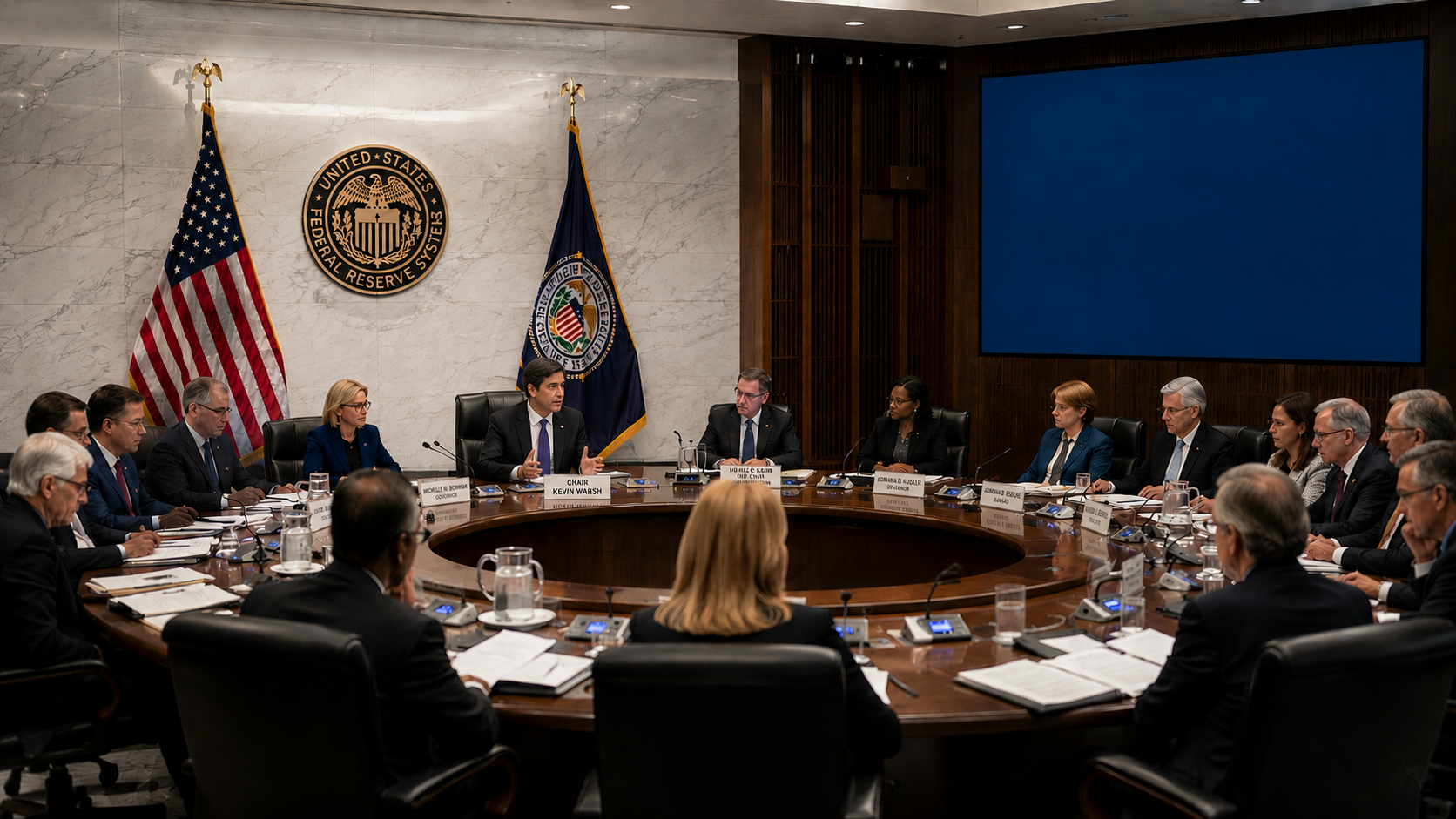
That’s exactly why this rally has been happening in a market environment that should, in theory, be working against it. The Fed under Chair Kevin Warsh has taken a notably hawkish posture this year, and traders have spent recent months pricing in the possibility of an actual rate increase rather than the cuts most investors expected heading into 2026. Small caps have rallied anyway, which tells you the earnings growth story has been strong enough to outrun the rate pressure so far.
The risk is what happens if that earnings momentum slows while rates stay elevated or move higher. A company with debt priced at a wide spread over a floating benchmark doesn’t get relief just because its revenue is growing. If margins compress at all, from wage inflation, input costs, or slowing demand, the interest bill doesn’t shrink to match. It’s the same amount of debt service pulled from a smaller pool of operating income, and at 31% of EBITDA already, there isn’t a lot of room to absorb a shock before it starts showing up in earnings per share. Nearly 40% of Russell 2000 companies are already unprofitable, which leaves a meaningful chunk of the index with even less cushion.
The Fed’s next meeting lands July 28-29, and it’s arguably a more important date for small-cap investors than for the broader market. A hold or a dovish tone gives the current rally room to keep running. A hike, or even language that keeps a hike on the table for the fall, tightens the exact pressure point that’s already the most fragile part of the small-cap balance sheet. For anyone riding this year’s small-cap strength, the momentum is real, but so is the leverage sitting underneath it.