The Iran war didn’t just push Brent crude past $100 a barrel — it drew a sharp line through the small-cap market, separating companies that are printing cash from those quietly bleeding out. One month in, that divide just got wider.
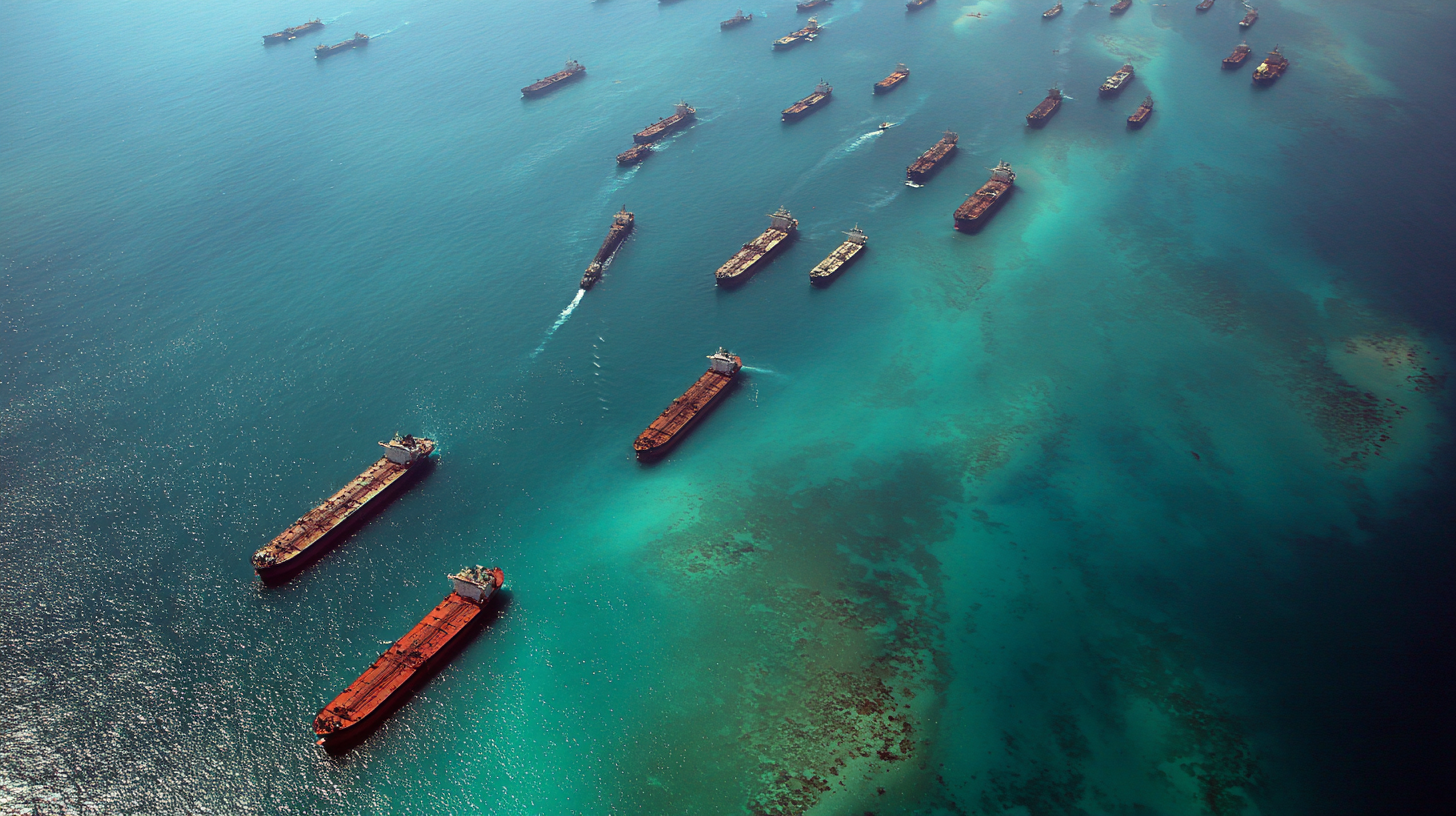
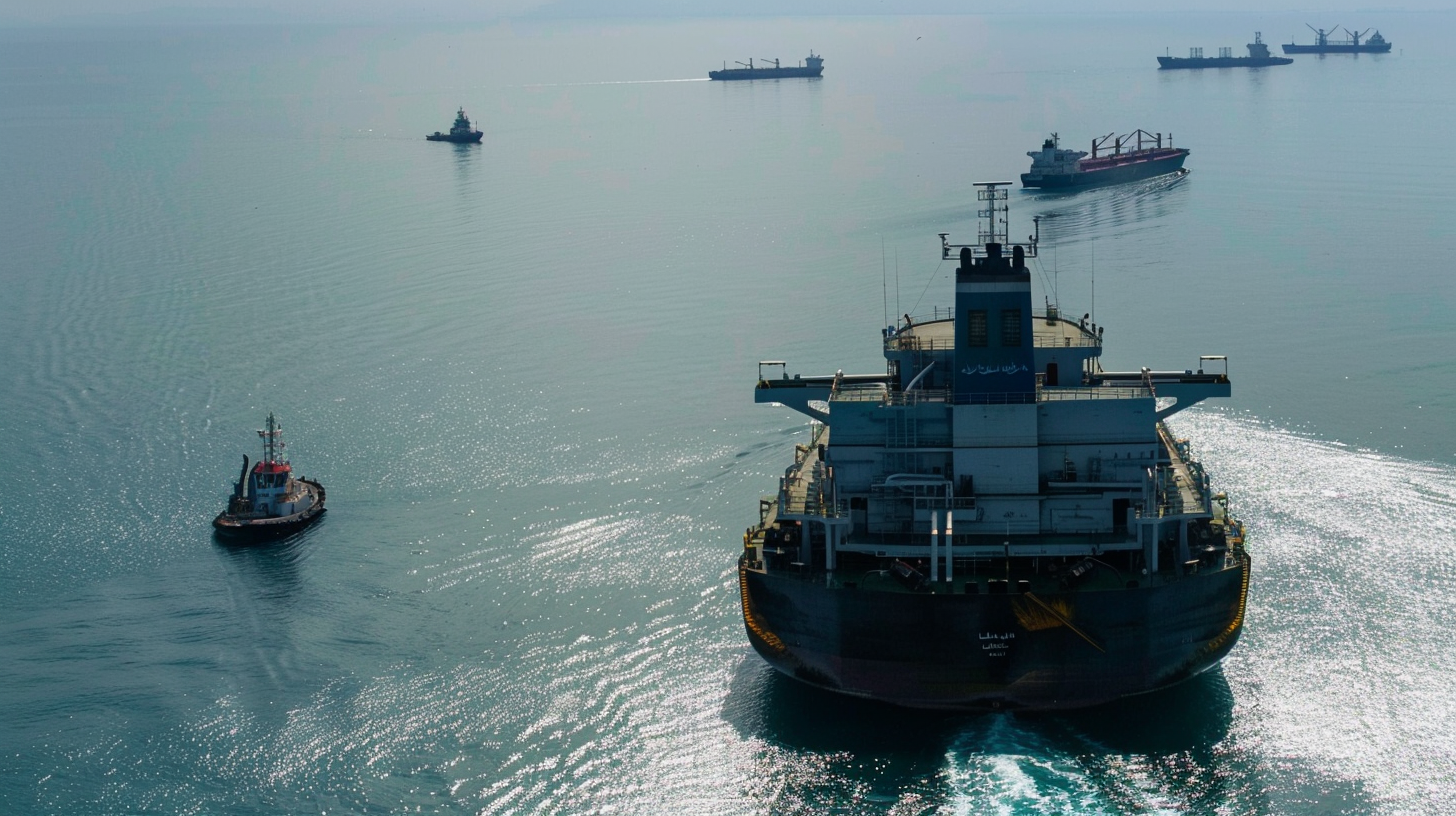
Brent crude surged 2.82% to $111.06 per barrel on Friday after two ultra-large container vessels owned by China Ocean Shipping Company — COSCO, the world’s fourth-largest shipping line by capacity — attempted to transit the Strait of Hormuz and were turned back. The incident carries significant weight: China is an ally of Iran, and Tehran had previously signaled that friendly nations’ ships could pass freely. The fact that even Chinese vessels are being blocked signals that Iran’s chokehold on the waterway remains firmly in place, despite diplomatic noise suggesting otherwise.
Iran controls access to a strait that handles roughly 20% of the world’s daily oil supply. Since the U.S.-Israeli strikes began on February 28, close to 500 million barrels of total liquids have been lost, with approximately 17.8 million barrels per day of oil and fuel flows disrupted, according to Rystad Energy. WTI, meanwhile, climbed to $97.01 on Friday — up from roughly $65 in February. The buffer that kept prices from going completely vertical is now gone. Rystad’s chief oil analyst described the global supply system as having shifted from “buffered to fragile,” with inventories drawn down to a point where there is little room left to absorb further shocks.
President Trump announced a 10-day pause on strikes targeting Iran’s energy infrastructure through April 6, and said talks were progressing — but markets barely reacted. The COSCO incident hit the same day, effectively negating any diplomatic optimism. Iran also reportedly allowed 10 oil tankers to pass through the strait this week as a goodwill gesture, but analysts were quick to caution that isolated shipments do not signal a reopening.
The Winners: Domestic Producers and LNG Players
The clearest beneficiaries are U.S.-based exploration and production companies with no Middle East operational exposure. They’re capturing elevated prices without the liability of stranded tankers, damaged facilities, or rerouting costs eating into the margins of globally integrated operators.
Small- and mid-cap names like Antero Resources (AR), Solaris Energy Infrastructure (SEI), and SM Energy (SM) have all been flagged by analysts as well-positioned to benefit from both higher prices and the scramble among European and Asian buyers to replace Persian Gulf supply. Antero in particular benefits from the LNG export surge — Asian LNG prices have skyrocketed more than 140% since the war began as Qatar halted exports, and U.S. natural gas producers with export exposure are capturing that spread directly. The SPDR S&P Oil & Gas Exploration & Production ETF (XOP) is up roughly 10% since the conflict started, significantly outpacing the broader market.
The Losers: Everyone Paying the Energy Tax
For small-cap companies outside the energy sector, $110 oil is a cost, not a catalyst. Airlines, regional manufacturers, consumer discretionary companies, and logistics-heavy businesses are absorbing higher input costs with limited pricing power and thin margins. Unlike large-caps with robust balance sheets, smaller companies can’t easily hedge energy exposure or wait out a prolonged commodity spike.
The macro backdrop makes it worse. The Russell 2000 entered correction territory this month and the timing is brutal. Approximately 32% of the debt held by Russell 2000 companies is floating-rate, meaning every basis point that rate-cut expectations get pushed back translates directly into higher interest expenses. With the Fed holding rates steady at its March 18 meeting and revising its inflation outlook higher, the one rate cut markets were pricing in for late 2026 is increasingly in doubt. Small-cap firms are facing approximately $368 billion in debt maturing in 2026 alone, much of it originally issued at near-zero rates — now needing to be refinanced at 6.5% to 8%.
Bank of America has noted that small caps with oil exposure but limited refinancing risk may be best positioned in the current environment. That framing is the right lens heading into Q1 earnings. The question isn’t whether oil stays at $110. It’s whether your small-cap holdings are collecting the windfall or paying the price for it — and with the Strait of Hormuz turning away even Chinese vessels, there’s no telling when this resolves.