Oil Breaks $100 as Middle East Conflict Disrupts Global Supply

Global oil markets have entered a new period of volatility as geopolitical tensions in the Middle East push crude prices sharply higher. Brent crude surged past $100 per barrel on Monday, briefly nearing $120 before easing, as disruptions to tanker traffic through the Strait of Hormuz threaten one of the world’s most critical energy supply routes.

The price spike follows escalating military conflict involving Iran, the United States, and Israel. The Strait of Hormuz — a narrow maritime corridor that typically carries about one-fifth of global oil shipments — has effectively halted most tanker traffic amid security threats and heightened military activity. With oil unable to move freely from the region, supply constraints are rapidly tightening global markets.

Producers across the Middle East are already responding to the bottleneck. Saudi Arabia has begun cutting production as storage facilities fill up due to limited export capacity. Neighboring producers including the United Arab Emirates, Kuwait, and Iraq have taken similar steps, reducing output as crude inventories accumulate while export routes remain restricted.

Analysts warn the supply impact could intensify if the disruption continues. JPMorgan estimates Middle Eastern production shut-ins could exceed four million barrels per day within weeks if the closure persists. The region accounts for roughly one-third of global oil output, making any sustained disruption highly significant for energy markets.

While producers attempt to redirect shipments through alternative routes, options remain limited. Saudi Arabia has increased shipments through pipelines to its Red Sea port of Yanbu, but the infrastructure cannot fully replace volumes normally transported through Hormuz.

The resulting supply uncertainty has sent shockwaves across energy markets. Diesel prices have surged alongside crude, with European gasoil futures climbing above $170 per barrel. Several governments are already weighing intervention measures. China has reportedly instructed major refiners to suspend gasoline and diesel exports, while South Korea is reviewing whether to implement an oil price cap for the first time in three decades.

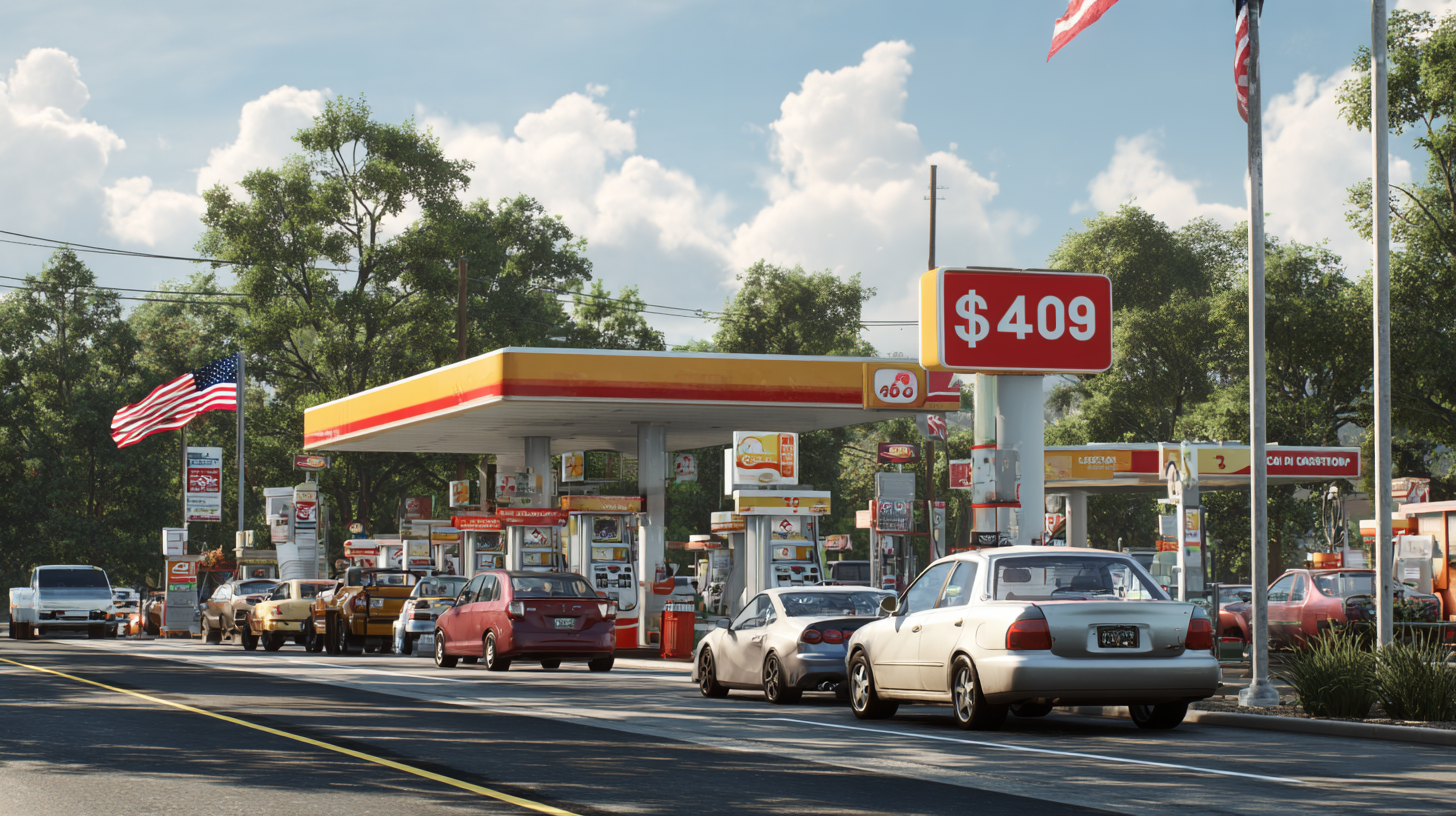
Consumers are beginning to feel the impact. In the United States, gasoline prices have climbed nearly $0.50 per gallon in just one week, reaching a national average of roughly $3.47 per gallon, according to AAA. Analysts estimate prices could approach $4 per gallon within the next month if crude oil remains elevated.

The relationship between crude and retail fuel costs is direct. Industry estimates suggest every $10 increase in oil prices typically adds about $0.25 per gallon at the pump. With crude rising more than $20 in recent days, the upward pressure on gasoline prices is already visible.

Diesel costs are climbing even faster, with national averages approaching $4.66 per gallon. Because diesel powers the majority of freight transportation in the U.S., higher fuel prices could ripple through the broader economy by increasing the cost of moving goods. That dynamic often translates into higher prices for groceries, clothing, and construction materials.

Economists are also warning that the surge in energy prices could complicate the broader economic outlook. Rising fuel costs combined with slowing growth indicators have revived concerns about stagflation — a scenario where inflation accelerates even as economic activity weakens.

For now, markets remain focused on the duration of the Strait of Hormuz disruption. The longer shipping remains constrained, the more global inventories may tighten, potentially forcing prices higher until demand adjusts or supply routes reopen.
The New York Stock Exchange’s Bold Proposal for 24/7 Trading: Risks and Opportunities

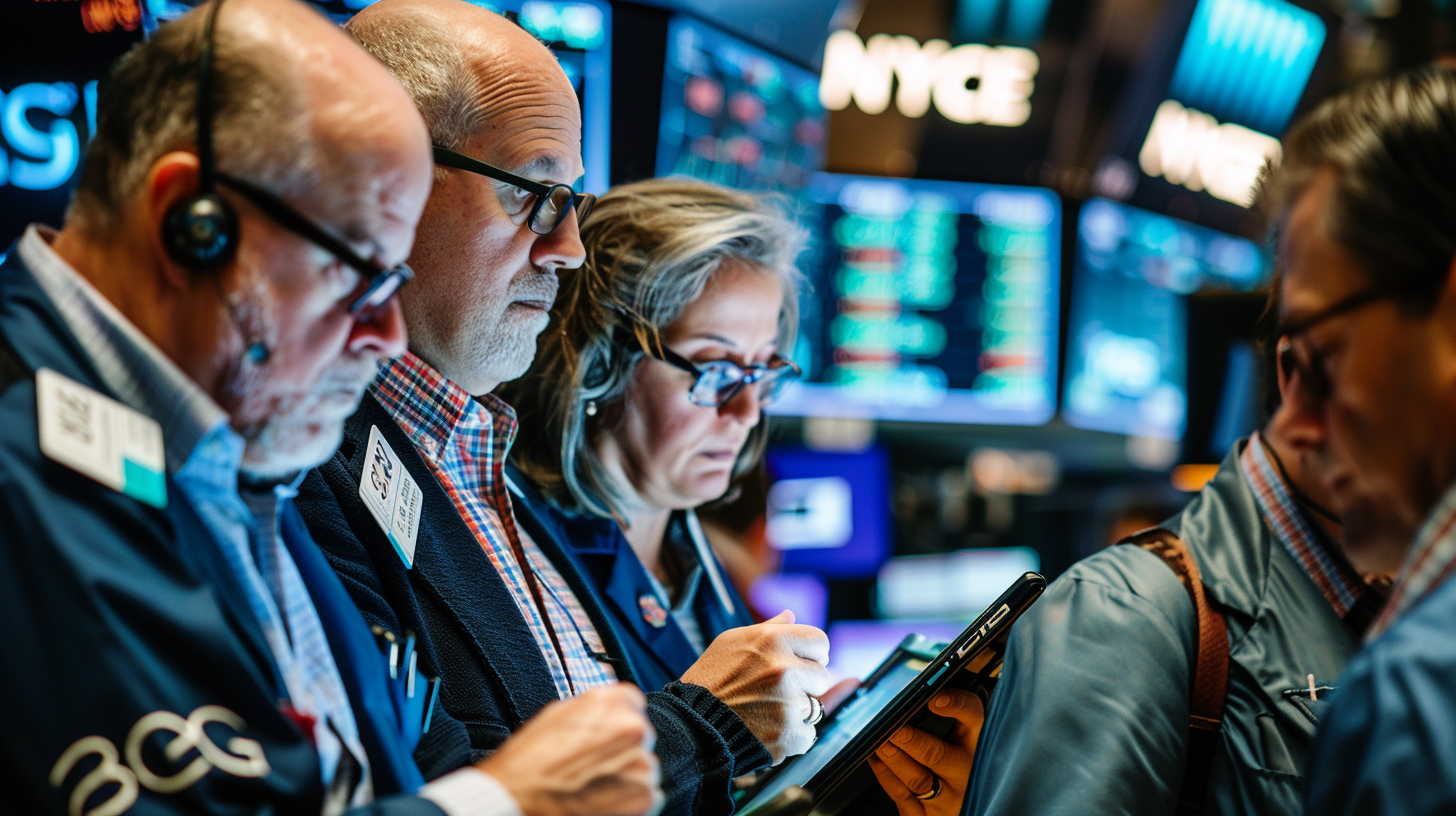
The New York Stock Exchange (NYSE), the iconic centerpiece of global finance, is exploring a groundbreaking shift that could reshape how stock markets operate worldwide. The proposal to transition to 24/7 trading is a bold move that promises both opportunities and challenges for investors and market participants alike.

The Lure of Continuous Trading
The driving force behind the NYSE’s consideration of round-the-clock trading is the desire to align with the increasingly global and interconnected nature of modern financial markets. As the world’s economic activities continue to transcend time zones, the traditional trading hours impose limitations on investors’ ability to react swiftly to events that could significantly impact stock prices.

By embracing a 24/7 trading model, the NYSE aims to democratize access, allowing investors across the globe to participate in the markets at their convenience. This could potentially enhance liquidity and market efficiency, providing a more seamless flow of capital and pricing information.

Moreover, the rise of digital currencies and their associated markets, which operate continuously, has set a precedent that traditional stock exchanges are keen to emulate. The promise of reducing volatility at market openings, as news and events would be immediately reflected in stock prices, is an enticing proposition for advocates of 24/7 trading.

Navigating Potential Risks
However, this revolutionary shift is not without its challenges and concerns. One significant apprehension is the potential for increased price volatility, particularly during off-peak hours when trading volumes may be lower. Uninformed or less experienced investors could face substantial risks if prices swing erratically due to lower liquidity or unforeseen events.

The NYSE’s survey specifically probes for mechanisms to safeguard against such volatility, underscoring the need for robust investor protection measures in a 24/7 trading environment. Regulatory bodies, such as the Securities and Exchange Commission (SEC), will play a pivotal role in shaping the framework and rules to mitigate risks and ensure market integrity.

Operational and logistical demands pose another significant hurdle. Staffing for overnight sessions, upgrading technical infrastructure, and overhauling clearing house operations to accommodate non-stop trading will require substantial investments and coordination across the financial ecosystem.

Implications for Investors and Markets
If the NYSE successfully navigates these challenges and implements 24/7 trading, the implications for investors could be far-reaching. Individual investors may benefit from increased flexibility, as they would no longer be constrained by traditional trading hours. This could democratize access to market opportunities, allowing investors to react more swiftly to global events that could impact their portfolios.

However, the potential for increased volatility during off-peak hours could pose risks for less experienced or risk-averse investors. Prudent investors may need to adjust their strategies and risk management approaches to account for the possibility of sudden price swings during overnight trading sessions.

For institutional investors and market makers, 24/7 trading could present both opportunities and challenges. While continuous access to markets could enable more efficient portfolio management and risk hedging, it may also necessitate adjustments to staffing, trading algorithms, and risk management protocols to accommodate round-the-clock operations.

Moreover, the transition to 24/7 trading could have broader implications for market dynamics and behavior. With the traditional opening and closing bell ceremonies no longer demarcating trading sessions, the psychological and behavioral factors that influence market participants may evolve. Investors and traders may need to adapt their decision-making processes and strategies to account for the absence of these temporal anchors.

Conclusion
The NYSE’s exploration of 24/7 trading represents a pivotal moment in the evolution of financial markets. While the potential benefits of continuous trading, such as increased liquidity and market efficiency, are appealing, the industry must carefully navigate the associated risks and challenges.

As the world moves towards a more interconnected and digitized financial landscape, the future of trading may indeed lie in a 24/7 model. However, achieving this paradigm shift will require collaboration among exchanges, regulators, and market participants to ensure investor protection, operational readiness, and market stability.

The road ahead may be arduous, but the prospect of more accessible, efficient, and globally inclusive markets could usher in a new era of trading that better serves the needs of a rapidly evolving financial ecosystem.