Pharma giant AstraZeneca (AZN) announced Monday that it will purchase clinical-stage biotech Icosavax (ICVX) for up to $1.1 billion to augment its pipeline of vaccines targeting respiratory illnesses. Specifically, AstraZeneca aims to leverage Icosavax’s innovative virus-like particle (VLP) platform to develop a first-in-class combination vaccine against respiratory syncytial virus (RSV) and human metapneumovirus (hMPV).
Icosavax’s novel VLP technology promises stronger efficacy, fewer side effects, and more durable protection than traditional vaccines – a potential game changer. And the biotech’s lead asset IVX-A12 delivered stellar phase 2 results earlier this year, prompting AstraZeneca to make this big bet on the future of infectious disease prevention.
Transformational Vaccine Approach
At the heart of this deal lies Icosavax’s VLP platform that engineers tiny proteins to mimic the structure of viruses and trigger a robust immune response. Think of VLPs as a sneaky way to train the body to fight off viruses without exposing it to any actual viral particles.
And the data so far indicates VLPs induce broader, more durable protection against infection than conventional vaccines. For example, the VLP approach is behind the extremely efficacious human papillomavirus and hepatitis B virus vaccines on the market today.
Icosavax builds on this proven concept with computationally designed VLPs targeting the unique antigens of RSV and hMPV. So AstraZeneca clearly coveted access to this next-generation technology that could change the way we immunize populations against common illness.
Expedited Path for Lead Asset
Central to the deal is Icosavax’s IVX-A12, a combo VLP vaccine to prevent RSV and hMPV, which both cause severe respiratory infection in the elderly and immunocompromised. IVX-A12 demonstrated outstanding immunogenicity – triggering enduring antibody responses – along with a clean safety profile in trials so far.
In fact, the vaccine’s phase 2 results were strong enough for the FDA to award IVX-A12 Fast Track designation. This promises an expedited path to approval given the high unmet need: there are no approved vaccines for older adults against these widespread, often dangerous pathogens.
So AstraZeneca leapfrogs development by 3-4 years via this acquisition rather than advancing an early-stage candidate itself. As part of a big pharma, IVX-A12 now has the resources for rapid phase 3 trials and submission for emergency use authorization potentially next year.
Aligns with Growth Strategy
Importantly, this deal fits squarely with AstraZeneca’s strategy of strengthening its portfolio in areas of high unmet need. As Executive VP Iskra Reic highlighted, adding IVX-A12 distinguishes AstraZeneca’s late-stage pipeline in preventative infectious disease treatments.
While the company already markets FluMist for influenza, a next-gen offering like IVX-A12 that could supplant outdated RSV vaccines or ineffective hMPV options would be a true differentiator. It also complements AstraZeneca’s leading COVID-19 antibody cocktail for immunocompromised patients unable to mount their own response.
Beyond the tech and pipeline boost, Icosavax also brings its experienced team and manufacturing capabilities to scale up production in anticipation of launch.
Investor Implications
Turning to the transaction itself, AstraZeneca’s upfront $15 per share offer in cash reflects a 43% premium to Icosavax’s December 9 close before rumors leaked. Including the $5 per share milestone payment, the total value exceeds $1 billion for a 91% premium.
Of course the back half requires IVX-A12 to gain approval and hit $750 million in sales, so some risk is baked in. But given peak revenue estimates exceeding $2 billion, this seems doable over 5-10 years post-launch.
Investors should watch for completion of the tender offer expected in Q1 2024. Passing majority shareholder approval should be straightforward with such a compelling premium. Then it becomes about execution – advancing IVX-A12 rapidly through late-stage trials.
Ultimately though, AstraZeneca makes a well-timed bet on revolutionary vaccine science that could elevate its infectious disease segment to new heights. And Icosavax investors get to participate in this next chapter via an up to 91% buyout windfall. Once again, merger mania in biopharma looks set to pay off handsomely.
Preclinical data show that narazaciclib treatment led to significant tumor growth inhibition, demonstrating synergy with standard-of-care ibrutinib, in ibrutinib-sensitive and -resistant settings
Early Phase 1/2 studies suggest potential for an improved profile and daily dosing
Dose escalation is underway in lead indication of Low Grade Endometrioid Endometrial Carcinoma (LGEEC), with plans to define the Recommended Phase 2 Dose (RP2D) and prepare for registrational studies, with a planned update in H1 2024
NEWTOWN, Pa., Dec. 12, 2023 (GLOBE NEWSWIRE) — Onconova Therapeutics, Inc. (NASDAQ: ONTX), (“Onconova” or “the Company”), a clinical-stage biopharmaceutical company focused on discovering and developing novel products for patients with cancer, today announced preclinical data, highlighting narazaciclib’s preclinical activity in Bruton’s kinase inhibitor (BTKi)-resistant mantle cell lymphoma (MCL), in a poster presented on December 11, 2023 at the 65th Annual Meeting of the American Society for Hematology (ASH 2023) in San Diego.
“We are pleased to have shared data at ASH 2023 from preclinical studies with narazaciclib in MCL models. These results, which are consistent with data presented this year at the international MCL conferences, demonstrate that treatment with narazaciclib led to significant tumor growth inhibition when used as a single agent and that combination with ibrutinib demonstrated synergy, in both ibrutinib-sensitive and -resistant in vitro and in vivo settings,” said Steve Fruchtman, M.D., President and Chief Executive Officer. “These data are important because they provide further evidence for the potential use of narazaciclib in cancers with cyclin over-expression and elaborate our understanding of narazaciclib’s mechanism of action, including its ability to promote G1 cell cycle blockade.”
Dr. Fruchtman continued, “We believe that these data, along with the preclinical data presented on Friday, December 8th at the San Antonio Breast Cancer Symposium (SABCS), further underscore the impressive and differentiated profile of narazaciclib. The data presented at SABCS highlight narazaciclib’s multi-kinase activity, its ability to target resistance pathways missed by other CDK4/6 inhibitors, and its differentiated anti-tumor and immunomodulatory activity. The data presented at ASH 2023 show that narazaciclib, in combination with BTKi’s such as ibrutinib, also trigger metabolic reprogramming alongside DNA damage.”
“The totality of these data is helping us to shape the clinical program for narazaciclib, including the lead indication of LGEEC, with further potential to expand into additional investigator-sponsored studies in breast, ovarian, and other cancers. We are pleased with the early Phase 1/2 data for narazaciclib monotherapy and in combination with letrozole, showing lower levels of neutropenia and diarrhea, and the potential for once daily dosing. Both of these attributes could position narazaciclib as a differentiated and improved CDK4/6i. Looking ahead, we are enthusiastic to advance the clinical program for narazaciclib in 2024 and to update our stakeholders regarding our progress, including the planned completion of dose escalation studies, definition of an RP2D, and development of our registrational trial plans for LGEEC. The data presented at ASH suggest narazaciclib is a drug with the potential to target a variety of cancer indications with an unmet medical need, including MCL,” concluded Dr. Fruchtman.
Poster Highlights
Title: Narazaciclib, a differentiated CDK4/6 antagonist, prolongs cell cycle arrest and metabolomic reprogramming, enabling restoration of ibrutinib sensitivity in BTKi-resistant mantle cell lymphoma
Objectives: To evaluate the activity and mechanism of action of narazaciclib as a single agent and in combination with ibrutinib, in comparison to the standard-of-care ibrutinib, in preclinical models of MCL that are sensitive and resistant to ibrutinib treatment.
Snapshot of the Results and Conclusions:
Tumor Growth Inhibition: Narazaciclib showed safety and efficacy as a single agent in preclinical MCL models, including ibrutinib-resistant settings, with significant reductions in cell viability.
Combination Synergy: The narazaciclib plus ibrutinib combination showed synergy in vitro and in vivo, especially in ibrutinib-resistant models, with overall greater synergy, measured by lower “Combination Index” values, versus ibrutinib-sensitive cells.
Cell Cycle Blockade: The combination of narazaciclib plus ibrutinib induces a superior G1 cell cycle blockade in both ibrutinib-sensitive and ibrutinib-resistant MCL cells.
Metabolic programming: In ibrutinib-resistant cases, the synergy between narazaciclib and ibrutinib triggers metabolic reprogramming alongside DNA damage, mediated by the USP24 and P53 axis, as evidenced by several assays to assess mitochondrial metabolism.
Together, these preclinical data suggest that narazaciclib has important single agent activity and the potential to restore ibrutinib sensitivity in BTKi-resistant models, successfully meeting the primary objective of the study.
A copy of the poster is available on the “Scientific Presentations” section of the Onconova website.
About Onconova Therapeutics, Inc.
Onconova Therapeutics is a clinical-stage biopharmaceutical company focused on discovering and developing novel products for patients with cancer. The Company’s product candidates, narazaciclib and rigosertib, are proprietary targeted anti-cancer agents designed to disrupt specific cellular pathways that are important for cancer cell proliferation.
Narazaciclib, Onconova’s novel, multi-kinase inhibitor (formerly ON 123300), is being evaluated in a Phase 1/2 combination trial with the estrogen blocker letrozole in advanced endometrial cancer (NCT05705505). Based on preclinical and clinical studies of CDK 4/6 inhibitors, Onconova believes narazaciclib has broad potential and is also evaluating opportunities for combination studies with narazaciclib and letrozole in additional indications, including breast cancer, ovarian cancer, multiple myeloma, and mantle cell lymphoma.
Rigosertib is being studied in an investigator-sponsored trial strategy to evaluate the product candidate in multiple indications, including a dose-escalation and expansion Phase 1/2a study of oral rigosertib in combination with nivolumab in patients with KRAS+ non-small cell lung cancer (NCT04263090), a Phase 2 program evaluating oral or IV rigosertib monotherapy in advanced squamous cell carcinoma complicating recessive dystrophic epidermolysis bullosa (RDEB-associated SCC) (NCT03786237, NCT04177498), and a Phase 2 trial evaluating rigosertib in combination with pembrolizumab in patients with metastatic melanoma (NCT05764395).
Some of the statements in this release are forward-looking statements within the meaning of Section 27A of the Securities Act of 1933, as amended, Section 21E of the Securities Exchange Act of 1934, as amended, and the Private Securities Litigation Reform Act of 1995, and involve risks and uncertainties. These statements relate to Onconova’s expectations regarding its clinical development and trials, its product candidates, its business and financial position. Onconova has attempted to identify forward-looking statements by terminology including “believes,” “estimates,” “anticipates,” “expects,” “plans,” “intends,” “may,” “could,” “might,” “will,” “should,” “preliminary,” “encouraging,” “approximately” or other words that convey uncertainty of future events or outcomes. Although Onconova believes that the expectations reflected in such forward-looking statements are reasonable as of the date made, expectations may prove to have been materially different from the results expressed or implied by such forward looking statements. These statements are only predictions and involve known and unknown risks, uncertainties, and other factors, including the success and timing of Onconova’s clinical trials, investigator-initiated trials and regulatory agency and institutional review board approvals of protocols, Onconova’s collaborations, market conditions and those discussed under the heading “Risk Factors” in Onconova’s most recent Annual Report on Form 10-K and quarterly reports on Form 10-Q. Any forward-looking statements contained in this release speak only as of its date. Onconova undertakes no obligation to update any forward-looking statements contained in this release to reflect events or circumstances occurring after its date or to reflect the occurrence of unanticipated events.
Joe Gomes, Managing Director, Equity Research Analyst, Generalist , Noble Capital Markets, Inc.
Joshua Zoepfel, Research Associate, Noble Capital Markets, Inc.
Refer to the full report for the price target, fundamental analysis, and rating.
New Agreement. MustGrow announced yesterday that the Company signed a collaboration agreement with Bayer AG covering soil applications of MustGrow’s mustard-based biocontrol technologies in Europe, Middle East, and Africa, excluding home and garden, turf, and ornamental applications. Bayer also has been granted a right-of-first-negotiation for a license to use MustGrow’s technologies for use in bananas in particular applications.
Details on the Agreement. Under the terms, MustGrow will be receiving an initial upfront payment as well as additional payments linked to the achievement of certain business milestones. Once the commencement of commercial sales has begun, MustGrow also will be entitled to fees from royalties and manufacturing sales. Bayer will be responsible for regulatory and market development work to commercialize MustGrow’s mustard-based biocontrol technologies.
Equity Research is available at no cost to Registered users of Channelchek. Not a Member? Click ‘Join’ to join the Channelchek Community. There is no cost to register, and we never collect credit card information.
This Company Sponsored Research is provided by Noble Capital Markets, Inc., a FINRA and S.E.C. registered broker-dealer (B/D).
*Analyst certification and important disclosures included in the full report. NOTE: investment decisions should not be based upon the content of this research summary. Proper due diligence is required before making any investment decision.
CHATHAM, N.J., Dec. 11, 2023 (GLOBE NEWSWIRE) — Tonix Pharmaceuticals Holding Corp. (Nasdaq: TNXP), a biopharmaceutical company with marketed products and a pipeline of development candidates, announced today that Seth Lederman M.D., Chief Executive Officer of Tonix Pharmaceuticals, will present at the National Academies of Sciences, Engineering, and Medicine Committee on the Current State of Research, Development, and Stockpiling of Smallpox Medical Countermeasures public meeting on Thursday, December 14, 2023 via Zoom. Dr. Lederman will participate in a panel discussion on Vaccine Research & Development taking place from 2:00 – 2:45 p.m. ET.
Discussions will explore lessons learned from the recent COVID-19 pandemic and mpox multi-country outbreak to inform an evaluation of the current state of research, development, and stockpiling of smallpox readiness and response measures.
A webcast of the meeting can be found here and will be available under the IR Events tab of the Tonix website at www.tonixpharma.com following the presentation.
Tonix Pharmaceuticals Holding Corp.*
Tonix is a biopharmaceutical company focused on commercializing, developing, discovering and licensing therapeutics to treat and prevent human disease and alleviate suffering. Tonix Medicines, our commercial subsidiary, markets Zembrace® SymTouch® (sumatriptan injection) 3 mg and Tosymra® (sumatriptan nasal spray) 10 mg under a transition services agreement with Upsher-Smith Laboratories, LLC from whom the products were acquired on June 30, 2023. Zembrace SymTouch and Tosymra are each indicated for the treatment of acute migraine with or without aura in adults. Tonix’s development portfolio is composed of central nervous system (CNS), rare disease, immunology and infectious disease product candidates. Tonix’s CNS development portfolio includes both small molecules and biologics to treat pain, neurologic, psychiatric and addiction conditions. Tonix’s lead development CNS candidate, TNX-102 SL (cyclobenzaprine HCl sublingual tablet), is in mid-Phase 3 development for the management of fibromyalgia, having completed the clinical phase of a potentially confirmatory Phase 3 study in the fourth quarter of 2023, with topline data expected in late December 2023. TNX-102 SL is also being developed to treat fibromyalgia-type Long COVID, a chronic post-acute COVID-19 condition, and topline results were reported in the third quarter of 2023. TNX-1900 (intranasal potentiated oxytocin) is in development as a preventive treatment in chronic migraine, with analysis of topline data from a Phase 2 proof-of-concept study expected to be completed late December 2023. TNX-1900 is also being studied in binge eating disorder, pediatric obesity and social anxiety disorder by academic collaborators under investigator-initiated INDs. TNX-1300 (cocaine esterase) is a biologic designed to treat cocaine intoxication and has been granted Breakthrough Therapy designation by the FDA. A Phase 2 study of TNX-1300 is expected to be initiated in the fourth quarter of 2023. Tonix’s rare disease development portfolio includes TNX-2900 (intranasal potentiated oxytocin) for the treatment of Prader-Willi syndrome. TNX-2900 has been granted Orphan Drug designation by the FDA. Tonix’s immunology development portfolio includes biologics to address organ transplant rejection, autoimmunity and cancer, including TNX-1500, which is a humanized monoclonal antibody targeting CD40-ligand (CD40L or CD154) being developed for the prevention of allograft rejection and for the treatment of autoimmune diseases. A Phase 1 study of TNX-1500 was initiated in the third quarter of 2023. Tonix’s infectious disease pipeline includes TNX-801, a vaccine in development to prevent smallpox and mpox. TNX-801 also serves as the live virus vaccine platform or recombinant pox vaccine platform for other infectious diseases, including TNX-1800, in development as a vaccine to protect against COVID-19. During the fourth quarter of 2023, TNX-1800 was selected by the U.S. National Institutes of Health (NIH), National Institute of Allergy and Infectious Diseases (NIAID) Project NextGen for inclusion in Phase 1 clinical trials. The infectious disease development portfolio also includes TNX-3900 and TNX-4000, which are classes of broad-spectrum small molecule oral antivirals.
*Tonix’s product development candidates are investigational new drugs or biologics and have not been approved for any indication.
Zembrace SymTouch and Tosymra are registered trademarks of Tonix Medicines. Intravail is a registered trademark of Aegis Therapeutics, LLC, a wholly owned subsidiary of Neurelis, Inc. All other marks are property of their respective owners.
This press release and further information about Tonix can be found at www.tonixpharma.com.
Forward Looking Statements
Certain statements in this press release are forward-looking within the meaning of the Private Securities Litigation Reform Act of 1995. These statements may be identified by the use of forward-looking words such as “anticipate,” “believe,” “forecast,” “estimate,” “expect,” and “intend,” among others. These forward-looking statements are based on Tonix’s current expectations and actual results could differ materially. There are a number of factors that could cause actual events to differ materially from those indicated by such forward-looking statements. These factors include, but are not limited to, risks related to the failure to obtain FDA clearances or approvals and noncompliance with FDA regulations; risks related to the failure to successfully market any of our products; risks related to the timing and progress of clinical development of our product candidates; our need for additional financing; uncertainties of patent protection and litigation; uncertainties of government or third party payor reimbursement; limited research and development efforts and dependence upon third parties; and substantial competition. As with any pharmaceutical under development, there are significant risks in the development, regulatory approval and commercialization of new products. Tonix does not undertake an obligation to update or revise any forward-looking statement. Investors should read the risk factors set forth in the Annual Report on Form 10-K for the year ended December 31, 2022, as filed with the Securities and Exchange Commission (the “SEC”) on March 13, 2023, and periodic reports filed with the SEC on or after the date thereof. All of Tonix’s forward-looking statements are expressly qualified by all such risk factors and other cautionary statements. The information set forth herein speaks only as of the date thereof.
Cigna has reportedly withdrawn from a significant merger with Humana, citing failed negotiations on pricing as the primary reason, according to insider sources. The deal, if successful, would have propelled the combined entity’s value beyond $140 billion, positioning it as a major player in the insurance sector. The potential mega-deal would have undoubtedly faced scrutiny from regulators, especially in light of regulatory blocks on similar consolidations in the health insurance sector six years ago. Cigna, undeterred by the merger setback, has announced plans to repurchase $10 billion worth of shares, a move deemed by management as a value-enhancing use of capital given their belief that Cigna shares are currently undervalued.
Connecticut-based Cigna, whose shares rose 12.1% to $290.07 in premarket trading on Monday, is down approximately 22% this year, experiencing a 10% decline since late November when reports of the deal talks with Humana surfaced. The company remains open to the prospect of a future merger with Humana, asserting confidence in the deal’s regulatory feasibility despite the Biden administration’s stringent stance on mergers.
Both Cigna and Humana are significant players in the health insurance sector, each with distinct operations. Cigna, a global health service company, has a diversified portfolio covering insurance, pharmacy benefits, behavioral health, and related services. The company’s strategic decision to explore the sale of its Medicare Advantage business, which caters to government health insurance for individuals aged 65 and older, indicates ongoing efforts to refine its business focus.
On the other hand, Humana, a prominent health and well-being company, specializes in health insurance and wellness solutions. The potential merger with Cigna would have endowed the combined entity with increased scale, positioning it as a formidable competitor against larger U.S. health insurance players such as UnitedHealth Group and CVS Health.
As Cigna navigates the aftermath of the abandoned merger, the company’s shift towards share buybacks and potential bolt-on acquisitions aligning with its strategies reflects a strategic realignment. The health insurance landscape remains dynamic, and Cigna’s future moves, including a possible revisiting of a Humana combination, will undoubtedly shape the trajectory of both companies in this ever-evolving sector.
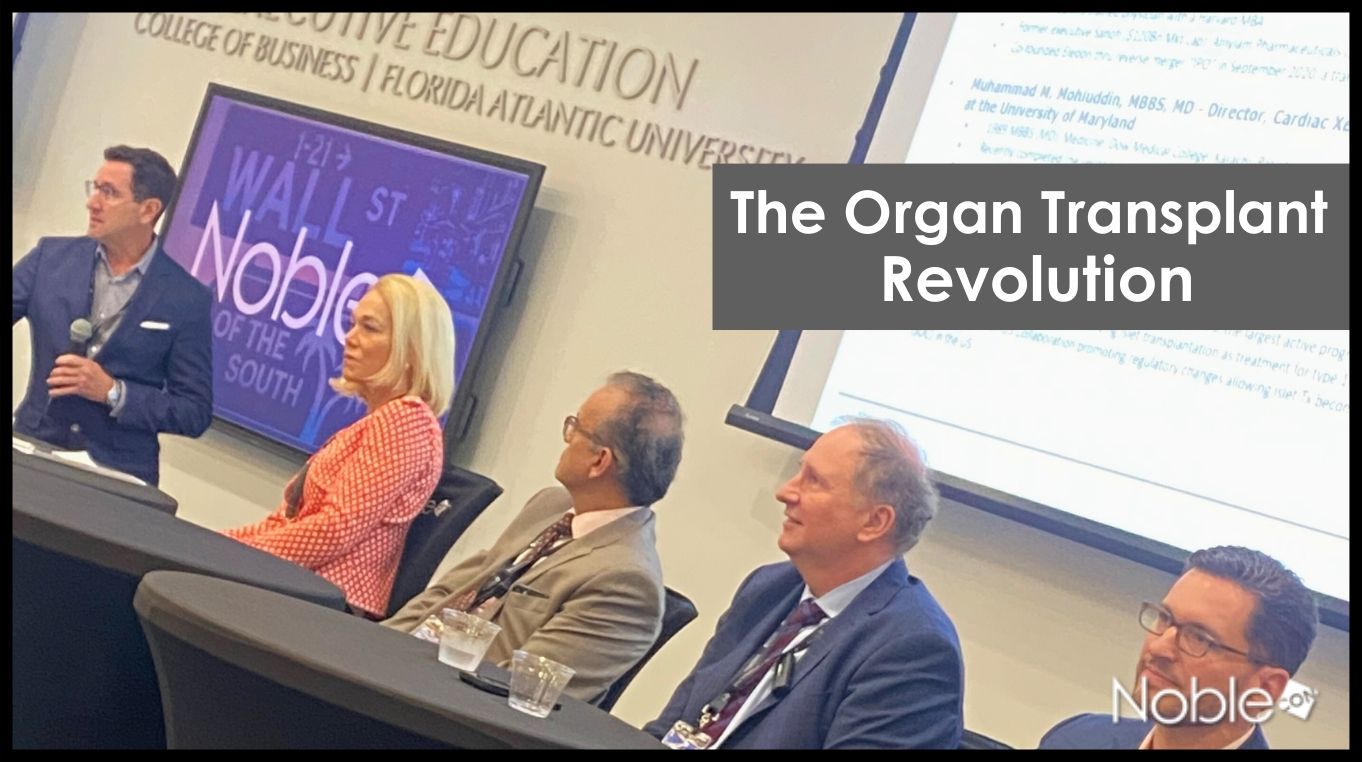
The NobleCon19 panel discussion moderated by Nathan Cali, investment banker at Noble Capital Markets, on organ transplantation featured prominent figures in the field, including Dr. Karin Hehenberger, an organ transplant patient and founder of Lyfebulb, Dr. David Alexandre Gros, CEO of Eledon Pharmaceuticals, Dr. Muhammed Mohiuddin, director of the cardiac xenotransplantation program at the University of Maryland, and Dr. Pietr Witoski, surgery director of pancreatic and islet tranplant program at the University of Chicago. The discussion delved into their experiences, challenges in the organ transplant landscape, and revolutionary advancements, especially focusing on the concept of xenotransplantation.
Organ transplantation has come a remarkably long way since the first successful procedures in the 1950s and 60s. Yet there remain significant unmet needs and opportunities to further improve patient outcomes, quality of life, and access to these lifesaving procedures. At a presentation during NobleCon19, a panel of experts explored some of the latest breakthroughs and remaining challenges in areas ranging from immunosuppression to cross-species transplantation.
A Complex Treatment Paradigm
As patient-turned-advocate Dr. Karin Hehenberger related from personal experience, undergoing an organ transplant and living with a graft is filled with difficulties. The trauma of the surgery itself and needing immune-suppressing drugs just to avoid rejection deliver blows to physical health and mental wellbeing. This begins with a harrowing wait for a matching donor organ, continues through post-operative complications like infections, and extends for the rest of one’s life.
The panelists agreed the pressure on patients could be significantly reduced through innovation. More targeted immunosuppressants without harmful side effects would greatly improve quality of life after transplant surgery. Some emerging drug candidates like Eledon Pharmaceuticals Tegoprubart show early signs of progress on this front. There is also a global shortage of donor organs trailing far behind demand; new sources through xenotransplantation or regenerative medicine techniques could help resolve this shortage.
“We need a community where transplanted patients can come together, generate data, and advocate for change,” urged Dr. Hehenberger.
The valuable role of patient communities mirrors the interdisciplinary cooperation needed among the surgeons, specialists, social workers, and other caregivers that make organ transplantation successful. As Dr. Hehhenberger explained, the assessment process for transplant eligibility spans physical health, mental fitness, medication compliance, accessible transportation, and financial support. It is complex care with little margin for error.
An Evolving Market Landscape
Currently, the organ transplant market racks up over $5 billion in value each year and continues expanding at a steady pace. Much of this activity centers specifically around kidney transplants, where surgical innovations and public policy initiatives keep pushing the boundaries. As Dr. DA Gros noted, there are now a quarter million Americans living with a functioning kidney graft – proof of concept for an underappreciated treatment paradigm.
And yet, the surface has barely been scratched in terms of serving potential patients. Over half a million more remain tethered to dialysis as a stand-in for natural kidney function, with 125,000 added to this group annually in the U.S. alone. Dialysis generates its own burdens: decreased workplace productivity, infection risks, lower quality of life. From both humanitarian and financial viewpoints, empowering wider transition from dialysis to transplantation promises tremendous upside.
Experts on the panel targeted improved education around organ transplant options as a key opportunity. Many patients lack full information about the benefits transplant procedures can offer, or they confront social stigmas against this route. Policy revisions to widen access and increase support for lower-income patient communities could have an outsized impact as well.
Meanwhile, the business of organ transplantation continuously evolves. Major pharma companies like Bristol Meyers Squib remain heavily invested, yet a series of smaller players also drive momentum through novel immuno-therapy products. Audience members were encouraged to track firms like Aelix and Tacus for the next wave of clinical updates that will shape standard of care.
Pioneering the Future
Homing in on the future, speakers keyed in on barriers still to be conquered in transplantation medicine. While kidney procedures serve as a beachhead, there is a pressing need to expand reliable methods across more organ types while lengthening graft duration at the same time. This is no small task.
It will require rethinking conventional assumptions for a field that has relied predominantly on broad immune suppression since its inception. Some emerging biotech pipelines target specific T and B cell pathways implicated in chronic organ rejection, attempting to avoid toxicity associated with generalized immunosuppression. Early data hints at improved longevity for liver and heart grafts, but longer studies are still needed.
An even more radical solution highlighted by multiple panelists is the concept of xenotransplantation: introducing organs from other species like pigs into human patients. Recent demonstrations of human-pig heart and skin grafts saw patients survive months post-procedure compared to an anticipated span of days or weeks. The results electrified the transplant community given implications for essentially eliminating organ supply constraints.
That said, experts admit there are hurdles left to address before clinical adoption. Ethical quandaries exist around genetically modifying donor animals and infectious disease transmission risks from one species to another. Questions also persist about which immune pathways necessitate targeting for prolonged graft survival and how to refine the anti-rejection pharmaceutical regimens employed.
Signs point to countries with more flexible regulatory regimes as the likely springboards for refining xenotransplant methods and technology in the shorter-term. Yet the longer-term promise seems resoundingly clear. “If allowed, we will solve the organ shortage problem,” declared surgeon Dr. Peter Witoski when asked about outlook for the field.
A Call to Action
In closing the panel presentation, speakers underscored a sense of guarded optimism balanced with persistent unmet needs in transplantation medicine today. Limitations around donor organ supply and chronic graft failure continue exacting a real human toll, even if raw statistics showcase a steady rise in life-saving procedures overall.
It will take coordinated effort from policy makers, researchers, clinicians, investors and patient advocates to push new discoveries over the finish line – where they can impact the maximum number of lives. Key questions around optimal business models for novel therapeutics, data transparency, and equitable access are unlikely to solve themselves.
Yet the convergence of breakthrough technologies and innovative platforms for generating evidence, educating stakeholders and disseminating insights points toward a sea change for what the future may hold in this vital area of healthcare. The experts and audience members left the discussion around organ transplantation feeling energized to play their respective parts in driving that change.
Diabetic kidney disease (DKD), which affects around 240 million people with Type 2 diabetes worldwide, is the leading cause of end-stage renal disease, which requires dialysis or kidney transplant for survival.
The article published in Alternative Therapies demonstrates that plasma NLRP3 inflammasomes and their resulting proinflammatory cytokines are significantly elevated in early-stage DKD and that levels progressively increase as kidney function worsens, with highly significant elevations (p<0.01) at each stage of disease.
Data suggest that early DKD intervention with inflammasome inhibitors has potential to attenuate disease progression.
ZyVersa is developing Inflammasome ASC Inhibitor IC 100, which inhibits multiple inflammasome pathways (including the inflammasome NLRP3 pathway) to attenuate initiation and perpetuation of damaging inflammation that is pathogenic in DKD and other inflammatory diseases.
WESTON, Fla., Dec. 07, 2023 (GLOBE NEWSWIRE) — ZyVersa Therapeutics, Inc. (Nasdaq: ZVSA, or “ZyVersa”), a clinical stage specialty biopharmaceutical company developing first-in-class drugs for treatment of renal and inflammatory diseases, announces publication of an article in the peer-reviewed journal, Alternative Therapies, demonstrating that plasma NLRP3 inflammasomes and their resulting proinflammatory cytokines are significantly elevated in early-stage DKD and that levels progressively increase as kidney function worsens.
In the paper titled, “Correlation Between Plasma NLRP3, IL-1β, and IL-18 and Diabetic Nephropathy in Patients With Type 2 Diabetes,” the authors evaluated the plasma of 152 patients with type 2 diabetes and DKD stratified by stage of disease (stages 1-5) and 30 patients with type 2 diabetes without kidney disease who serve as controls. Following are key findings reported in the paper:
Plasma levels of NLRP3 and proinflammatory cytokines, IL-1β, and IL-18, were significantly higher than controls in patients in each of the 5 stages of DKD, with progressively higher levels as kidney disease progressed (p<0.01).
NLRP3, IL-1β, and IL-18 levels positively correlated with DKD stage (p= 0.01), based on the Spearman correlation analysis.
These data are consistent with other studies demonstrating that inflammation has an important role in the development and progression of DKD.
“The research published in Alternative Therapies reinforces the role of inflammasome-driven inflammation in development and progression of DKD, the leading cause of end-stage kidney disease, which requires dialysis or kidney transplant for survival,” commented Stephen C. Glover, ZyVersa’s Co-founder, Chairman, CEO and President. “Although substantial progress has been made in slowing progression of DKD with introduction of ACE inhibitors, ARBs, and most recently SGLT2 inhibitors, patients are still progressing to end-stage renal disease. The data published in Alternative Therapies suggest that early DKD intervention with inflammasome inhibitors has potential to help attenuate disease progression.”
About Inflammasome ASC Inhibitor IC 100
IC 100 is a novel humanized IgG4 monoclonal antibody that inhibits the inflammasome adaptor protein ASC. IC 100 was designed to attenuate both initiation and perpetuation of the inflammatory response. It does so by binding to a specific region of the ASC component of multiple types of inflammasomes, including NLRP1, NLRP2, NLRP3, NLRC4, AIM2, Pyrin. Intracellularly, IC 100 binds to ASC monomers, inhibiting inflammasome formation, thereby blocking activation of IL-1β early in the inflammatory cascade. IC 100 also binds to ASC Specks, both intracellularly and extracellularly, further blocking activation of IL-1β and the perpetuation of the inflammatory response that is pathogenic in inflammatory diseases. Because active cytokines amplify adaptive immunity through various mechanisms, IC 100, by attenuating cytokine activation, also attenuates the adaptive immune response. To review a white paper summarizing the mechanism of action and preclinical data for IC 100, Click Here.
About ZyVersa Therapeutics, Inc.
ZyVersa (Nasdaq: ZVSA) is a clinical stage specialty biopharmaceutical company leveraging advanced, proprietary technologies to develop first-in-class drugs for patients with renal and inflammatory diseases who have significant unmet medical needs. The Company is currently advancing a therapeutic development pipeline with multiple programs built around its two proprietary technologies – Cholesterol Efflux Mediator™ VAR 200 for treatment of kidney diseases, and Inflammasome ASC Inhibitor IC 100, targeting damaging inflammation associated with numerous CNS and other inflammatory diseases. For more information, please visit www.zyversa.com.
Certain statements contained in this press release regarding matters that are not historical facts, are forward-looking statements within the meaning of Section 21E of the Securities Exchange Act of 1934, as amended, and the Private Securities Litigation Reform Act of 1995. These include statements regarding management’s intentions, plans, beliefs, expectations, or forecasts for the future, and, therefore, you are cautioned not to place undue reliance on them. No forward-looking statement can be guaranteed, and actual results may differ materially from those projected. ZyVersa Therapeutics, Inc (“ZyVersa”) uses words such as “anticipates,” “believes,” “plans,” “expects,” “projects,” “future,” “intends,” “may,” “will,” “should,” “could,” “estimates,” “predicts,” “potential,” “continue,” “guidance,” and similar expressions to identify these forward-looking statements that are intended to be covered by the safe-harbor provisions. Such forward-looking statements are based on ZyVersa’s expectations and involve risks and uncertainties; consequently, actual results may differ materially from those expressed or implied in the statements due to a number of factors, including ZyVersa’s plans to develop and commercialize its product candidates, the timing of initiation of ZyVersa’s planned preclinical and clinical trials; the timing of the availability of data from ZyVersa’s preclinical and clinical trials; the timing of any planned investigational new drug application or new drug application; ZyVersa’s plans to research, develop, and commercialize its current and future product candidates; the clinical utility, potential benefits and market acceptance of ZyVersa’s product candidates; ZyVersa’s commercialization, marketing and manufacturing capabilities and strategy; ZyVersa’s ability to protect its intellectual property position; and ZyVersa’s estimates regarding future revenue, expenses, capital requirements and need for additional financing.
New factors emerge from time-to-time, and it is not possible for ZyVersa to predict all such factors, nor can ZyVersa assess the impact of each such factor on the business or the extent to which any factor, or combination of factors, may cause actual results to differ materially from those contained in any forward-looking statements. Forward-looking statements included in this press release are based on information available to ZyVersa as of the date of this press release. ZyVersa disclaims any obligation to update such forward-looking statements to reflect events or circumstances after the date of this press release, except as required by applicable law.
Corporate and IR Contact: Karen Cashmere Chief Commercial Officer [email protected] 786-251-9641
Pharmaceutical giant AbbVie made a huge splash in the neuroscience space this week with the announcement of its definitive agreement to acquire clinical-stage biotech Cerevel Therapeutics for $8.7 billion. This transforms AbbVie’s position in neuroscience and adds multiple late-stage assets to its pipeline that could drive significant growth over the next decade.
At $45 per share in cash, AbbVie is paying a hefty premium for Cerevel, reflecting its belief in the blockbuster potential of the company’s pipeline. Cerevel has built an impressive roster of new compounds for psychiatric and neurological conditions—areas where AbbVie already has an established presence with treatments for Parkinson’s disease and migraine but now gains even more scale.
The crown jewel of the deal is emraclidine, an investigational antipsychotic for schizophrenia and other psychiatric disorders that could set a new standard of care. Currently in late-stage development, emraclidine has shown early signs of superior efficacy and safety compared to existing schizophrenia meds. With schizophrenia impacting over 5 million people across developed markets, emraclidine represents a multibillion-dollar opportunity for AbbVie commercially.
Beyond emraclidine, Cerevel has a range of other clinical-stage neuro assets that strengthen and complement AbbVie’s pipeline. These include tavapadon for Parkinson’s, CVL-354 for depression, and darigabat for epilepsy—all of which have potential for best-in-class status in their respective categories.
According to AbbVie’s chairman and CEO Richard Gonzalez, “Our existing neuroscience portfolio and our combined pipeline with Cerevel represents a significant growth opportunity well into the next decade.” He notes AbbVie’s global commercial infrastructure can help accelerate these drugs to market globally.
Gonzalez has orchestrated a highly successful strategy for AbbVie centered around building global therapeutic franchises in immunology, oncology, and aesthetics. Adding neuroscience as a fourth core franchise has been an ambition for awhile. Between Humira facing biosimilar competition and the need to fuel AbbVie’s next chapter of growth, this acquisition is a strategic step to position neuroscience as a more prominent piece of the puzzle.
For Cerevel, the buyout represents a major win and validation of the platform they have built. As CEO Dr. Ron Renaud comments, “Cerevel has always been committed to transforming what is possible in neuroscience…with AbbVie’s long-standing expertise in developing and commercializing medicines on a global scale, Cerevel’s novel therapies will be well positioned to reach more people.”
Wall Street is reacting positively to the deal announcement, with shares of both companies rising 3-4% the day it was announced. Investors recognize the growth implications and are cheering AbbVie’s move to recharge its pipeline.
While the deal is expected to close in 2024 pending approvals, it marks the continuation of a surge in biotech M&A driven by the appetite of large pharmas to augment their portfolios externally. With over 200 neuroscience programs in mid- to late-stage industrywide across CNS disorders, neurological treatments are having a moment right now. For AbbVie, the Cerevel transaction cements its intent to be at the forefront in capturing this opportunity.
WESTON, Fla., Dec. 06, 2023 (GLOBE NEWSWIRE) — ZyVersa Therapeutics, Inc. (Nasdaq: ZVSA, or “ZyVersa” or “the Company”), a clinical stage specialty biopharmaceutical company developing first-in-class drugs for treatment of inflammatory and renal diseases with high unmet needs, announced today the pricing of a “reasonable best efforts” public offering of 4,000,000 shares of common stock (or pre-funded warrants in lieu thereof) and accompanying Series A and Series B warrants to purchase up to an aggregate of 8,000,000 shares of common stock at a combined public offering price of $1.25, resulting in gross proceeds of approximately $5.0 million. The Series A Warrants to purchase up to an aggregate of 4,000,000 shares of common stock and Series B Warrants to purchase up to an aggregate of 4,000,000 shares of common stock will have an exercise price of $1.25 per share, will be exercisable immediately following the date of issuance and will expire five years and eighteen months from the original issuance date, respectively.
The closing of the offering is expected to occur on or about December 11, 2023, subject to the satisfaction of customary closing conditions. The Company intends to use the net proceeds of this offering for working capital and other general corporate purposes.
A.G.P./Alliance Global Partners is acting as the sole placement agent for the offering.
The securities described above are being offered pursuant to a registration statement on Form S-1 (File No. 333-275320) previously filed with the Securities and Exchange Commission (SEC) which became effective on December 6, 2023. The offering is being made only by means of a prospectus forming part of the effective registration statement. A preliminary prospectus relating to the offering has been filed with the SEC. An electronic copy of the final prospectus will be filed with the SEC and may be obtained, when available, on the SEC’s website located at http://www.sec.gov and may also be obtained from A.G.P./Alliance Global Partners, 590 Madison Avenue, 28th Floor, New York, NY 10022, or by telephone at (212) 624-2060, or by email at [email protected].
This press release shall not constitute an offer to sell or the solicitation of an offer to buy any of the securities described herein, nor shall there be any sale of these securities in any state or other jurisdiction in which such offer, solicitation, or sale would be unlawful prior to the registration or qualification under the securities laws of any such state or other jurisdiction.
About ZyVersa Therapeutics
ZyVersa (Nasdaq: ZVSA) is a clinical stage specialty biopharmaceutical company leveraging advanced, proprietary technologies to develop first-in-class drugs for patients with renal and inflammatory diseases who have significant unmet medical needs. The Company is currently advancing a therapeutic development pipeline with multiple programs built around its two proprietary technologies – Cholesterol Efflux Mediator™ VAR 200 for treatment of kidney diseases, and Inflammasome ASC Inhibitor IC 100, targeting damaging inflammation associated with numerous CNS and other inflammatory diseases. For more information, please visit www.zyversa.com.
Certain statements contained in this press release regarding matters that are not historical facts, are forward-looking statements within the meaning of Section 21E of the Securities Exchange Act of 1934, as amended, and the Private Securities Litigation Reform Act of 1995. These include statements regarding management’s intentions, plans, beliefs, expectations, or forecasts for the future, and, therefore, you are cautioned not to place undue reliance on them. No forward-looking statement can be guaranteed, and actual results may differ materially from those projected. ZyVersa Therapeutics, Inc (“ZyVersa”) uses words such as “anticipates,” “believes,” “plans,” “expects,” “projects,” “future,” “intends,” “may,” “will,” “should,” “could,” “estimates,” “predicts,” “potential,” “continue,” “guidance,” and similar expressions to identify these forward-looking statements that are intended to be covered by the safe-harbor provisions. Such forward-looking statements are based on ZyVersa’s expectations and involve risks and uncertainties; consequently, actual results may differ materially from those expressed or implied in the statements due to a number of factors, including market and other conditions, ZyVersa’s ability to satisfy all conditions precedent to the closing of the offering; ZyVersa’s plans to develop and commercialize its product candidates, the timing of initiation of ZyVersa’s planned preclinical and clinical trials; the timing of the availability of data from ZyVersa’s preclinical and clinical trials; the timing of any planned investigational new drug application or new drug application; ZyVersa’s plans to research, develop, and commercialize its current and future product candidates; the clinical utility, potential benefits and market acceptance of ZyVersa’s product candidates; ZyVersa’s commercialization, marketing and manufacturing capabilities and strategy; ZyVersa’s ability to protect its intellectual property position; and ZyVersa’s estimates regarding future revenue, expenses, capital requirements and need for additional financing.
New factors emerge from time-to-time, and it is not possible for ZyVersa to predict all such factors, nor can ZyVersa assess the impact of each such factor on the business or the extent to which any factor, or combination of factors, may cause actual results to differ materially from those contained in any forward-looking statements. Forward-looking statements included in this press release are based on information available to ZyVersa as of the date of this press release. ZyVersa disclaims any obligation to update such forward-looking statements to reflect events or circumstances after the date of this press release, except as required by applicable law.
This press release does not constitute an offer to sell, or the solicitation of an offer to buy, any securities.
Corporate and IR Contact: Karen Cashmere Chief Commercial Officer [email protected] 786-251-9641
Media Contacts Tiberend Strategic Advisors, Inc. Casey McDonald [email protected] 646-577-8520
Atherosclerosis, an inflammatory disease characterized by buildup of cholesterol, lipids, and other substances (plaque) in arteries leading to heart attack and stroke, is accelerated in patients with diabetes.
The study published in Diabetes demonstrates that AIM2 and NLRP3 inflammasome activation leads to development of atherosclerotic lesions in diabetic mice.
ZyVersa is developing Inflammasome ASC Inhibitor IC 100, which inhibits multiple inflammasome pathways (including NLRP3 and AIM2) to attenuate initiation and perpetuation of damaging inflammation that is pathogenic in numerous diseases.
WESTON, Fla., Dec. 06, 2023 (GLOBE NEWSWIRE) — ZyVersa Therapeutics, Inc. (Nasdaq: ZVSA, or “ZyVersa”), a clinical stage specialty biopharmaceutical company developing first-in-class drugs for treatment of inflammatory and renal diseases, announces publication of an article in the peer-reviewed journal, Diabetes, demonstrating that AIM2 and NLRP3 inflammasome activation contributes to development of atherosclerosis in two different animal models of type 1 diabetes.
In the paper titled, “Hematopoietic NLRP3 and AIM2 inflammasomes promote diabetes-accelerated atherosclerosis, but increased necrosis is independent of pyroptosis,” the authors studied mouse models of type 1 diabetes and atherosclerosis. Following are key findings reported in the paper:
Diabetic animals demonstrated activation of inflammasome pathways, based on increased levels of plasma IL-1β and IL-18, and elevated levels of cleaved caspase- 1 in the peritoneal cavity fluid.
Each of the two different type 1 diabetes models exhibited similar levels of plasma IL- 1β and IL-18 and similar aortic lesion sizes and severity.
Diabetic mice deficient in NLRP3 and/or AIM2 had reduced aortic lesion size compared to diabetic controls, indicating that NLRP3 and AIM2 inflammasome activation contributes to atherosclerotic lesion development.
Results are consistent with other animal model studies showing deficiencies in essential inflammasome components, such as NLRP3, AIM2, ASC, and caspase-1, appear to protect against atherosclerosis.
“The research published in Diabetes reinforces that inhibition of multiple types of inflammasomes, not just NLRP3, may be required to effectively control inflammation in diseases, such as atherosclerosis, in which activation of more than one type of inflammasome is pathogenic,” commented Stephen C. Glover, ZyVersa’s Co-founder, Chairman, CEO and President. “ZyVersa’s Inflammasome ASC inhibitor IC 100 is designed to inhibit formation of multiple types of inflammasomes and their associated ASC specks to attenuate initiation and perpetuation of damaging inflammation contributing to numerous diseases.” To review a white paper summarizing the mechanism of action and preclinical data for IC 100, Click Here.
About Inflammasome ASC Inhibitor IC 100
IC 100 is a novel humanized IgG4 monoclonal antibody that inhibits the inflammasome adaptor protein ASC. IC 100 was designed to attenuate both initiation and perpetuation of the inflammatory response. It does so by binding to a specific region of the ASC component of multiple types of inflammasomes, including NLRP1, NLRP2, NLRP3, NLRC4, AIM2, Pyrin. Intracellularly, IC 100 binds to ASC monomers, inhibiting inflammasome formation, thereby blocking activation of IL-1β early in the inflammatory cascade. IC 100 also binds to ASC Specks, both intracellularly and extracellularly, further blocking activation of IL-1β and the perpetuation of the inflammatory response that is pathogenic in inflammatory diseases. Because active cytokines amplify adaptive immunity through various mechanisms, IC 100, by attenuating cytokine activation, also attenuates the adaptive immune response.
About ZyVersa Therapeutics, Inc.
ZyVersa (Nasdaq: ZVSA) is a clinical stage specialty biopharmaceutical company leveraging advanced, proprietary technologies to develop first-in-class drugs for patients with renal and inflammatory diseases who have significant unmet medical needs. The Company is currently advancing a therapeutic development pipeline with multiple programs built around its two proprietary technologies – Cholesterol Efflux Mediator™ VAR 200 for treatment of kidney diseases, and Inflammasome ASC Inhibitor IC 100, targeting damaging inflammation associated with numerous CNS and other inflammatory diseases. For more information, please visit www.zyversa.com.
Certain statements contained in this press release regarding matters that are not historical facts, are forward-looking statements within the meaning of Section 21E of the Securities Exchange Act of 1934, as amended, and the Private Securities Litigation Reform Act of 1995. These include statements regarding management’s intentions, plans, beliefs, expectations, or forecasts for the future, and, therefore, you are cautioned not to place undue reliance on them. No forward-looking statement can be guaranteed, and actual results may differ materially from those projected. ZyVersa Therapeutics, Inc (“ZyVersa”) uses words such as “anticipates,” “believes,” “plans,” “expects,” “projects,” “future,” “intends,” “may,” “will,” “should,” “could,” “estimates,” “predicts,” “potential,” “continue,” “guidance,” and similar expressions to identify these forward-looking statements that are intended to be covered by the safe-harbor provisions. Such forward-looking statements are based on ZyVersa’s expectations and involve risks and uncertainties; consequently, actual results may differ materially from those expressed or implied in the statements due to a number of factors, including ZyVersa’s plans to develop and commercialize its product candidates, the timing of initiation of ZyVersa’s planned preclinical and clinical trials; the timing of the availability of data from ZyVersa’s preclinical and clinical trials; the timing of any planned investigational new drug application or new drug application; ZyVersa’s plans to research, develop, and commercialize its current and future product candidates; the clinical utility, potential benefits and market acceptance of ZyVersa’s product candidates; ZyVersa’s commercialization, marketing and manufacturing capabilities and strategy; ZyVersa’s ability to protect its intellectual property position; and ZyVersa’s estimates regarding future revenue, expenses, capital requirements and need for additional financing.
New factors emerge from time-to-time, and it is not possible for ZyVersa to predict all such factors, nor can ZyVersa assess the impact of each such factor on the business or the extent to which any factor, or combination of factors, may cause actual results to differ materially from those contained in any forward-looking statements. Forward-looking statements included in this press release are based on information available to ZyVersa as of the date of this press release. ZyVersa disclaims any obligation to update such forward-looking statements to reflect events or circumstances after the date of this press release, except as required by applicable law.
Corporate and IR Contact: Karen Cashmere Chief Commercial Officer [email protected] 786-251-9641
TNX-2900 is a proprietary magnesium-potentiated formulation of intranasal oxytocin, a naturally occurring hormone that reduces appetite and eating
Preclinical data show magnesium-potentiation increases the potency of exogenous oxytocin
Formulations of intranasal oxytocin without magnesium have reported inconsistent results in clinical trials of Prader Willi Syndrome1,2
CHATHAM, N.J., Dec. 04, 2023 (GLOBE NEWSWIRE) — Tonix Pharmaceuticals Holding Corp. (Nasdaq: TNXP), a biopharmaceutical company with marketed products and a pipeline of development candidates, today announced the U.S. Food and Drug Administration (FDA) has cleared the Investigational New Drug (IND) application to support clinical development of TNX-2900 (intranasal potentiated oxytocin), a proprietary magnesium (Mg2+)-enhanced formulation of intranasal oxytocin, to treat Prader-Willi syndrome (PWS) in children and adolescents. TNX-2900 for the treatment of PWS was granted Orphan Drug designation by the FDA in 2022.
The Phase 2 study approved by the IND is a dose-finding study involving approximately 36 PWS patients divided into four groups with approximately nine PWS patients per group. One group will receive placebo and three groups will receive different dosage regimens of TNX-2900. Tonix intends to seek a partner to advance TNX-2900 for PWS in clinical development.
“We are pleased that TNX-2900 is cleared for clinical studies for the treatment of PWS in children and adolescents as there remains a significant need for new therapies, particularly for PWS hyperphagia, which currently has no approved treatments,” said Seth Lederman, M.D., Chief Executive Officer of Tonix Pharmaceuticals. “PWS is the most common genetic cause of life-threatening childhood obesity.3,4 We believe adding Mg2+ to the formulation has the potential to improve intranasal oxytocin’s therapeutic action.”
The IND application for TNX-2900 was supported by preclinical data demonstrating that Mg2+ enhances the potency of oxytocin. Oxytocin is a naturally-occurring hormone that reduces appetite and eating and regulates hunger, anxiety and prosocial behavior. PWS is a genetic disorder associated with abnormalities of the oxytocin system5. Several previous clinical studies in PWS of intranasal oxytocin without Mg2+-potentiation have shown trends toward improvement, but the results have been inconsistent.1,2 Tonix believes that Mg2+-potentiation of intranasal oxytocin in PWS may improve consistency in clinical trials because in animal studies Mg2+-potentiation appears to eliminate the high-dose suppression of oxytocin’s inverted “U”-shaped dose response.6
Gregory Sullivan, M.D., Chief Medical Officer of Tonix Pharmaceuticals added, “Recent reports show Mg2+ is necessary for oxytocin to fully activate the oxytocin receptor.3,6 Oxytocin has potent effects in adult mice correcting behavioral characteristics of the Magel2 knock-out mouse model for PWS and autism.4 Oxytocin has many potential therapeutic roles in reducing appetite, eating, weight, migraine pain and autistic spectrum behaviors. Tonix recently completed enrollment in a Phase 2 study of TNX-1900, a related Mg2+-potentiated intranasal oxytocin candidate, for the prevention of migraine headaches, and is also studying TNX-1900 through external collaborations for the treatment of obesity in adolescents, binge eating disorder, bone health in autism, and social anxiety disorder.”
About Prader-Willi Syndrome (PWS) PWS is recognized as the most common genetic cause of life-threatening childhood obesity and affects males and females with equal frequency and all races and ethnicities. PWS results from the absence of expression of a group of genes on the paternally acquired chromosome 15. The hallmarks of PWS are lack of suckling in newborns and, in children and adolescents, severe hyperphagia, an overriding physiological drive to eat, leading to severe obesity and other complications associated with significant mortality. A systematic review of the morbidity and mortality as a consequence of hyperphagia in PWS found that the average age of death in PWS was 22.1 years.7 There is no approved medication to treat poor feeding in newborns or hyperphagia in children and adolescents with PWS. Given these serious or life-threatening manifestations of these conditions, there is a critical need for effective treatments to decrease morbidity and mortality, improve quality of life, and increase life expectancy in people with PWS. Oxytocin has potent effects in adult mice correcting behavioral characteristics of the Magel2 knock-out mouse model for PWS and autism.4 In addition, oxytocin has potent effects in correcting behavioral characteristics of the neonatal Magel2 knock-out mouse model for PWS and autism8 and intriguing effects in a clinical trial of neonates with PWS.9
About TNX-2900 and Tonix’s Potentiated Oxytocin Platform TNX-2900 is based on Tonix’s patented intranasal potentiated oxytocin formulation intended for use by adults and adolescents. Tonix’s patented potentiated oxytocin formulation is believed to increase specificity for oxytocin receptors relative to vasopressin receptors as well as to enhance the potency of oxytocin. Tonix is also developing a different intranasal formulation, designated TNX-1900, for prophylaxis of chronic migraine as well as for adolescent obesity, binge eating disorder, bone health in autism and social anxiety disorder. Oxytocin is a naturally occurring human hormone that acts as a neurotransmitter in the brain. Oxytocin is believed to be more than 600 million years old and is present in vertebrates including mammals, birds, reptiles, amphibians and fish.10,11 It was originally approved by the U.S. Food and Drug Administration as Pitocin®*, an intravenous infusion or intramuscular injection drug, for use in pregnant women to induce labor. An intranasal formulation of oxytocin is marketed in some European countries to assist in the production of breast milk as Syntocinon®** (oxytocin nasal 40 units/ml). *Pitocin® is a trademark of Par Pharmaceutical, Inc.
**Syntocinon® is a trademark of BGP Products Operations GmbH
Citations
Shalma NM, et al. Diabetes Metab Syndr. 2023. 17(2):102711.
Rice LJ, et al. Curr Opin Psychiatry. 2018. 31(2):123-127.
Meyerowitz JG, et al. Nat Struct Mol Biol. 2022. 29(3):274-281.
Meziane H, et al. Biol Psychiatry. 2015. 78(2):85-94.
Correa-da-Silva F, et al. J Neuroendocrinol. 2021. 33(7):e12994.
Bharadwaj VN, et al. Pharmaceutics. 2022. 14(5):1105.
Bellis SA, et al. Eur J Med Genet. 2022. 65(1):104379.
Bertoni A, et al. Mol Psychiatry. 2021. 26(12):7582-7595.
Tauber M, et al. Pediatrics. 2017. 139(2):e20162976.
Oxytocin in Wikipedia https://en.wikipedia.org/wiki/Oxytocin (accessed 8-8-23)
Tonix Pharmaceuticals Holding Corp.* Tonix is a biopharmaceutical company focused on commercializing, developing, discovering and licensing therapeutics to treat and prevent human disease and alleviate suffering. Tonix Medicines, our commercial subsidiary, markets Zembrace® SymTouch® (sumatriptan injection) 3 mg and Tosymra® (sumatriptan nasal spray) 10 mg under a transition services agreement with Upsher-Smith Laboratories, LLC from whom the products were acquired on June 30, 2023. Zembrace SymTouch and Tosymra are each indicated for the treatment of acute migraine with or without aura in adults. Tonix’s development portfolio is composed of central nervous system (CNS), rare disease, immunology and infectious disease product candidates. Tonix’s CNS development portfolio includes both small molecules and biologics to treat pain, neurologic, psychiatric and addiction conditions. Tonix’s lead development CNS candidate, TNX-102 SL (cyclobenzaprine HCl sublingual tablet), is in mid-Phase 3 development for the management of fibromyalgia, having completed the clinical phase of a potentially confirmatory Phase 3 study in the fourth quarter of 2023, with topline data expected in late December 2023. TNX-102 SL is also being developed to treat fibromyalgia-type Long COVID, a chronic post-acute COVID-19 condition, and topline results were reported in the third quarter of 2023. TNX-1900 (intranasal potentiated oxytocin), is in development as a preventive treatment in chronic migraine, and enrollment has completed in a Phase 2 proof-of-concept study with topline data expected in early December 2023. TNX-1900 is also being studied in binge eating disorder, pediatric obesity and social anxiety disorder by academic collaborators under investigator-initiated INDs. TNX-1300 (cocaine esterase) is a biologic designed to treat cocaine intoxication and has been granted Breakthrough Therapy designation by the FDA. A Phase 2 study of TNX-1300 is expected to be initiated in the fourth quarter of 2023. Tonix’s rare disease development portfolio includes TNX-2900 (intranasal potentiated oxytocin) for the treatment of Prader-Willi syndrome. TNX-2900 has been granted Orphan Drug designation by the FDA. Tonix’s immunology development portfolio includes biologics to address organ transplant rejection, autoimmunity and cancer, including TNX-1500, which is a humanized monoclonal antibody targeting CD40-ligand (CD40L or CD154) being developed for the prevention of allograft rejection and for the treatment of autoimmune diseases. A Phase 1 study of TNX-1500 was initiated in the third quarter of 2023. Tonix’s infectious disease pipeline includes TNX-801, a vaccine in development to prevent smallpox and mpox. TNX-801 also serves as the live virus vaccine platform or recombinant pox vaccine platform for other infectious diseases, including TNX-1800, in development as a vaccine to protect against COVID-19. During the fourth quarter of 2023, TNX-1800 was selected by the U.S. National Institutes of Health (NIH), National Institute of Allergy and Infectious Diseases (NIAID) Project NextGen for inclusion in Phase 1 clinical trials. The infectious disease development portfolio also includes TNX-3900 and TNX-4000, which are classes of broad-spectrum small molecule oral antivirals.
*Tonix’s product development candidates are investigational new drugs or biologics and have not been approved for any indication.
Zembrace SymTouch and Tosymra are registered trademarks of Tonix Medicines. Intravail is a registered trademark of Aegis Therapeutics, LLC, a wholly owned subsidiary of Neurelis, Inc. All other marks are property of their respective owners.
This press release and further information about Tonix can be found at www.tonixpharma.com.
Forward Looking Statements Certain statements in this press release are forward-looking within the meaning of the Private Securities Litigation Reform Act of 1995. These statements may be identified by the use of forward-looking words such as “anticipate,” “believe,” “forecast,” “estimate,” “expect,” and “intend,” among others. These forward-looking statements are based on Tonix’s current expectations and actual results could differ materially. There are a number of factors that could cause actual events to differ materially from those indicated by such forward-looking statements. These factors include, but are not limited to, risks related to the failure to obtain FDA clearances or approvals and noncompliance with FDA regulations; risks related to the failure to successfully market any of our products; risks related to the timing and progress of clinical development of our product candidates; our need for additional financing; uncertainties of patent protection and litigation; uncertainties of government or third party payor reimbursement; limited research and development efforts and dependence upon third parties; and substantial competition. As with any pharmaceutical under development, there are significant risks in the development, regulatory approval and commercialization of new products. Tonix does not undertake an obligation to update or revise any forward-looking statement. Investors should read the risk factors set forth in the Annual Report on Form 10-K for the year ended December 31, 2022, as filed with the Securities and Exchange Commission (the “SEC”) on March 13, 2023, and periodic reports filed with the SEC on or after the date thereof. All of Tonix’s forward-looking statements are expressly qualified by all such risk factors and other cautionary statements. The information set forth herein speaks only as of the date thereof.
Pharmaceutical giant Pfizer suffered a setback this week in the high-stakes race to tap into the burgeoning multi-billion dollar weight loss drug market. The company announced it is halting development of the twice-daily formulation of its experimental obesity pill danuglipron after underwhelming mid-stage trial results.
While the drug induced significant weight loss in obese patients, it came at the cost of poor tolerability. Over half of participants dropped out of the phase 2 study due to adverse gastrointestinal side effects like nausea and diarrhea.
Nonetheless, Pfizer still intends to stay in the game with a once-daily version of danuglipron. The company aims to release fresh phase 2 data on the more competitive formulation in early 2024 before determining next steps.
For a drugmaker grappling with fading Covid-19 revenues, the news deals a tough blow to its strategy to offset declines through potential new blockbusters for obesity. Just last year, CEO Albert Bourla tagged the total addressable weight loss market at a whopping $90 billion.
But competition is cutthroat, with Novo Nordisk and Eli Lilly vying to convert millions from their injectable diabetes meds to an oral option. Their rival pills have already posted mid-teens percentage weight loss results that position them to potentially leapfrog Pfizer’s attempt.
Danuglipron Quick Facts
Twice-daily formulation now discontinued after 6.9% to 11.7% weight loss at 32 weeks
Well below 14-15% loss seen as competitive threshold
High rates of nausea, vomiting, diarrhea
Over 50% dropout rate
Key Takeaways for Investors The disappointing data for danuglipron’s twice-daily pill underscores several investor concerns around Pfizer’s efforts to expand into weight loss medicines.
Uphill Battle Against Rivals Novo Nordisk and Eli Lilly already dominate the obesity drug landscape with their injectable products Saxenda and Ozempic. Lilly’s oral candidate tirzepatide is showing roughly 15% weight loss over 72 weeks, clearing the competitive bar Pfizer failed to hit.
While the field is large enough for multiple winners, Pfizer faces substantial share challenges from these deeply entrenched rivals. Its best-case outcome may be carving off a small slice rather than market leadership.
Tolerability Issues Limiting Danuglipron has now faltered twice in mid-stage studies due to side effects leading over half of volunteers to quit treatment. The once-daily route shows some promise, but gastrointestinal problems may hamper uptake if they persist. By comparison, tirzepatide posted a 21% dropout rate.
Uncertainty Remains High With phase 3 trials still a distant prospect, the program faces a long road ahead fraught with risk. While danuglipron evinced significant weight-loss efficacy, real-world commercial success depends greatly on improving its poor tolerability profile.
Until then, uncertainty around Pfizer’s weight loss aspirations stays high. Expect sales projections to remain muted absent positive late-stage outcomes down the line. But rivals like Lilly and Novo aren’t standing still either, making danuglipron’s path ahead even trickier.
WESTON, Fla., Nov. 30, 2023 (GLOBE NEWSWIRE) — ZyVersa Therapeutics, Inc. (Nasdaq: ZVSA, or “ZyVersa” or the “Company”), a clinical stage specialty biopharmaceutical company developing first-in-class drugs for treatment of renal and inflammatory diseases with high unmet needs, announces that its board of directors has approved a 1-for-35 reverse stock split of the Company’s common stock. The board of directors has also approved an increase in the Company’s authorized shares of capital stock. The Company’s stockholders approved the reverse stock split and the increase in authorized capital stock at the Company’s Annual Meeting of Stockholders held on October 31, 2023. The stockholders granted the board of directors the authority to determine the exact split ratio and when to proceed with the reverse stock split.
The reverse stock split will become effective on December 4, 2023 at 4:01 pm, Eastern Time, (“Effective Time”) and the Company’s common stock is expected to begin trading on a reverse stock split-adjusted basis on The Nasdaq Global Market (“Nasdaq”) on December 5, 2023 at market open under the existing ticker symbol, “ZVSA.” The reverse stock split is intended to increase the price per share of the Company’s common stock to allow the Company to demonstrate compliance with the $1.00 minimum bid price requirement for continued listing on Nasdaq, among other benefits.
As of the Effective Time, every 35 shares of the Company’s issued and outstanding common stock will be combined into one share of common stock. The par value per share of our common stock will remain unchanged at $0.0001. Proportional adjustments will be made to the number of shares of common stock issuable upon the exercise of the Company’s equity awards, convertible securities and warrants, as well as the applicable exercise price, and the number of shares authorized and reserved for issuance pursuant to the Company’s equity incentive plans.
No fractional shares will be issued as a result of the reverse stock split; rather, the Company will issue an additional fraction of a share of common stock to round the number of shares to the nearest whole share, so no stockholder will hold fractional shares following the reverse stock split.
The Company’s transfer agent, Continental Stock & Trust Company, will serve as the exchange agent for the reverse stock split. Registered stockholders holding pre-reverse stock split shares of common stock electronically in book-entry form are not required to take any action to receive post-reverse stock split shares. Those stockholders who hold their shares in brokerage accounts or in “street name” will have their positions automatically adjusted to reflect the reverse stock split, subject to each broker’s particular processes, and will not be required to take any action in connection with the reverse stock split.
Likewise, effective November 30, 2023, the Company amended its certificate of incorporation to increase the authorized number of shares of the Company’s capital stock from 111,000,000 to 251,000,000 and the number of authorized shares of common stock from 110,000,000 to 250,000,000.
Additional information about the reverse stock split and increase in authorized capital stock can be found in the Company’s definitive proxy statement filed with the Securities and Exchange Commission on September 13, 2023, a copy of which is available at www.sec.gov.
About ZyVersa Therapeutics
ZyVersa (Nasdaq: ZVSA) is a clinical stage specialty biopharmaceutical company leveraging advanced, proprietary technologies to develop first-in-class drugs for patients with renal and inflammatory diseases who have significant unmet medical needs. The Company is currently advancing a therapeutic development pipeline with multiple programs built around its two proprietary technologies – Cholesterol Efflux Mediator™ VAR 200 for treatment of kidney diseases, and Inflammasome ASC Inhibitor IC 100, targeting damaging inflammation associated with numerous CNS and other inflammatory diseases. For more information, please visit www.zyversa.com.
Certain statements contained in this press release regarding matters that are not historical facts, are forward-looking statements within the meaning of Section 21E of the Securities Exchange Act of 1934, as amended, and the Private Securities Litigation Reform Act of 1995. These include statements regarding management’s intentions, plans, beliefs, expectations, or forecasts for the future, and, therefore, you are cautioned not to place undue reliance on them. No forward-looking statement can be guaranteed, and actual results may differ materially from those projected. ZyVersa Therapeutics, Inc (“ZyVersa”) uses words such as “anticipates,” “believes,” “plans,” “expects,” “projects,” “future,” “intends,” “may,” “will,” “should,” “could,” “estimates,” “predicts,” “potential,” “continue,” “guidance,” and similar expressions to identify these forward-looking statements that are intended to be covered by the safe-harbor provisions. Such forward-looking statements are based on ZyVersa’s expectations and involve risks and uncertainties; consequently, actual results may differ materially from those expressed or implied in the statements due to a number of factors, including the effect that the reverse stock split may have on the price of ZyVersa’s common stock and ZyVersa’s ability to maintain its listing on The Nasdaq Global Market.
New factors emerge from time-to-time, and it is not possible for ZyVersa to predict all such factors, nor can ZyVersa assess the impact of each such factor on the business or the extent to which any factor, or combination of factors, may cause actual results to differ materially from those contained in any forward-looking statements. Forward-looking statements included in this press release are based on information available to ZyVersa as of the date of this press release. ZyVersa disclaims any obligation to update such forward-looking statements to reflect events or circumstances after the date of this press release, except as required by applicable law.
Corporate and IR Contact: Karen Cashmere Chief Commercial Officer [email protected] 786-251-9641
Media Contacts Tiberend Strategic Advisors, Inc. Casey McDonald [email protected] 646-577-8520