Release – FAT Brands Inc. Announces Closing of Public Offering of Series B Cumulative Preferred Stock


FAT Brands Inc. Announces Closing of Public Offering of Series B Cumulative Preferred Stock and Full Exercise of Underwriter’s Overallotment Option


Beverly Hills, CA, June 22, 2021 (GLOBE NEWSWIRE) — FAT (Fresh. Authentic. Tasty.) Brands Inc. (NASDAQ: FAT, FATBP, FATBW), a leading global franchising company and parent company of iconic brands including Fatburger, Johnny Rockets, and seven other restaurant concepts, today announced the closing of its previously announced underwritten public offering of 460,000 shares of 8.25% Series B Cumulative Preferred Stock at a price to the public of $20.00 per share, which includes 60,000 shares issued and sold upon full exercise of the underwriter’s option to purchase additional shares.

The aggregate gross proceeds to the Company were $9,200,000, prior to deducting underwriting discounts and other offering expenses.

FAT Brands Inc. intends to use the net proceeds of the offering for general corporate purposes and possible future acquisitions and growth opportunities.

ThinkEquity, a division of Fordham Financial Management, Inc., acted as sole book-running manager for the offering. Digital Offering, LLC acted as a financial advisor for the offering.

This offering is being made pursuant to a registration statement on Form S-1 (No. 333-256344), as amended, previously filed with the U.S. Securities and Exchange Commission (the “SEC”) and declared effective on June 17, 2021. A final prospectus related to the proposed offering has been filed and made available on the SEC’s website. Electronic copies of the final prospectus may be obtained from ThinkEquity, a division of Fordham Financial Management, Inc., 17 State Street, 22nd Floor, New York, New York 10004, Telephone: (877) 436-3673, Email: [email protected].

 The press release shall not constitute an offer to sell or the solicitation of an offer to buy any of the securities described herein, nor shall there be any sale of these securities in any state or jurisdiction in which such offer, solicitation or sale would be unlawful prior to registration or qualification under the securities laws of any such state or jurisdiction.

About FAT (Fresh. Authentic. Tasty.) Brands
FAT Brands Inc. (NASDAQ: FAT, FATBP, FATBW) (the Company) is a leading global franchising company that strategically acquires, markets and develops fast casual and casual dining restaurant concepts around the world. The Company currently owns nine restaurant brands: Fatburger, Johnny Rockets, Buffalo’s Cafe, Buffalo’s Express, Hurricane Grill & Wings, Elevation Burger, Yalla Mediterranean and Ponderosa and Bonanza Steakhouses, and franchises approximately 700 units worldwide. For more information, please visit www.fatbrands.com.

Forward-Looking Statements
This press release contains forward-looking statements within the meaning of the Private Securities Litigation Reform Act of 1995. Forward-looking statements are subject to significant business, economic and competitive risks, uncertainties and contingencies including, but not limited to, uncertainties surrounding the severity, duration and effects of the COVID-19 pandemic, many of which are difficult to predict and beyond our control, which could cause our actual results to differ materially from the results expressed or implied in such forward-looking statements. We refer you to the documents we file from time to time with the Securities and Exchange Commission, such as our reports on Form 10-K, Form 10-Q and Form 8-K, for a discussion of these and other risks, uncertainties and contingencies. We undertake no obligation to update any forward-looking statement to reflect events or circumstances occurring after the date of this press release.

Investor Relations:
ICR
Lynne Collier
[email protected]
646-430-2216

Media Relations:
JConnelly
Erin Mandzik
[email protected]
862-246-9911

Release – Capstone Announces Closing Of 11.5 Million Bought Deal Offering Of Common Stock


Capstone Announces Closing Of $11.5 Million Bought Deal Offering Of Common Stock And Full Exercise Of The Option To Purchase Additional Shares


VAN NUYS, CA / ACCESSWIRE / June 22, 2021 / Capstone Green Energy Corporation (NASDAQ:CGRN) (“Capstone”, or the “Company”), a global leader in carbon reduction and on-site resilient green energy solutions, today announced the closing of its previously announced public offering of 2,190,477 shares of its common stock, including the exercise in full by the underwriter of its option to purchase an additional 285,714 shares of common stock, at a price to the public of $5.25 per share, less underwriting discounts and commissions.

H.C. Wainwright & Co. acted as the sole book-running manager for the offering.

The gross proceeds of the offering were approximately $11,500,000, before deducting underwriting discounts and commissions and offering expenses payable by Capstone. Capstone intends to use the net proceeds from the offering for working capital, general corporate purposes and growth initiatives, including organic growth and potential future acquisitions. However, the Company has no present arrangements, agreements or understanding in principle of any such acquisitions.

A shelf registration statement on Form S-3 (File No. 333-254547) relating to the shares of common stock that were offered was filed with the U.S. Securities and Exchange Commission (the “SEC”) on March 22, 2021, and became effective on April 14, 2021. The offering was made only by means of a prospectus supplement and accompanying prospectus that form a part of the shelf registration statement. A final prospectus supplement and accompanying prospectus relating to the offering were filed with the SEC and are available on the SEC’s website, located at www.sec.gov. Electronic copies of the final prospectus supplement and accompanying prospectus may also be obtained from H.C. Wainwright & Co., LLC, 430 Park Avenue, New York, NY 10022, by email at [email protected] or by phone at (212) 856-5711.

This press release shall not constitute an offer to sell or the solicitation of an offer to buy these securities, nor shall there be any sale of these securities in any state or jurisdiction in which such offer, solicitation or sale would be unlawful prior to registration or qualification under the securities laws of any such state or jurisdiction.

About Capstone:

Capstone Green Energy (www.CapstoneGreenEnergy.com) (NASDAQ: CGRN) is a leading provider of customized microgrid solutions and on-site energy technology systems focused on helping customers around the globe meet their environmental, energy savings, and resiliency goals. Capstone Green Energy focuses on four key business lines. Through its Energy as a Service (EaaS) business, it offers rental solutions utilizing its microturbine energy systems and battery storage systems, comprehensive Factory Protection Plan (FPP) service contracts that guarantee life-cycle costs, as well as aftermarket parts. Energy Conversion Products are driven by the Company’s industry-leading, highly efficient, low-emission, resilient microturbine energy systems offering scalable solutions in addition to a broad range of customer-tailored solutions, including hybrid energy systems and larger frame industrial turbines. The Energy Storage Products business line designs and installs microgrid storage systems creating customized solutions using a combination of battery technologies and monitoring software. Through Hydrogen Energy Solutions, Capstone Green Energy offers customers a variety of hydrogen products, including the Company’s microturbine energy systems.

For customers with limited capital or short-term needs, Capstone offers rental systems. To date, Capstone has shipped over 10,000 units to 83 countries and in FY21, and estimates it saved customers over $217 million in annual energy costs and approximately 397,000 tons of carbon. Total savings over the last three years are estimated at 1,115,100 tons of carbon and $698 million in annual energy savings.

Forward-Looking Statements:

This release contains forward-looking statements as defined in the Private Securities Litigation Reform Act of 1995, including statements regarding the use of proceeds of the public offering as well as expectations for green initiatives and execution on the Company’s growth strategy and other statements regarding the Company’s expectations, beliefs, plans, intentions, and strategies. The Company has tried to identify these forward-looking statements by using words such as “expect,” “anticipate,” “believe,” “could,” “should,” “estimate,” “intend,” “may,” “will,” “plan,” “goal” and similar terms and phrases, but such words, terms and phrases are not the exclusive means of identifying such statements. Actual results, performance and achievements could differ materially from those expressed in, or implied by, these forward-looking statements due to a variety of risks, uncertainties and other factors, including, but not limited to, the following: market and other conditions, the ongoing effects of the COVID-19 pandemic; the availability of credit and compliance with the agreements governing the Company’s indebtedness; the Company’s ability to develop new products and enhance existing products; product quality issues, including the adequacy of reserves therefor and warranty cost exposure; intense competition; financial performance of the oil and natural gas industry and other general business, industry and economic conditions; the Company’s ability to adequately protect its intellectual property rights; and the impact of pending or threatened litigation. For a detailed discussion of factors that could affect the Company’s future operating results, please see the Company’s filings with the SEC, including the disclosures under “Risk Factors” in those filings and in the Company’s preliminary prospectus supplement and accompanying prospectus related to the public offering and any other filings with the SEC. Except as expressly required by the federal securities laws, the Company undertakes no obligation to update or revise any forward-looking statements, whether as a result of new information, changed circumstances or future events or for any other reason, except as required by law.

Contact – Investor Relations:

Capstone Green Energy
Investor and investment media inquiries:
(818)-407-3628
[email protected]

SOURCE: Capstone Green Energy Corporation

Paying for Infrastructure Spending


Image credit: Jazz Guy (Flickr)


The Gas Tax’s History Shows How Hard it is to Fund Infrastructure Spending


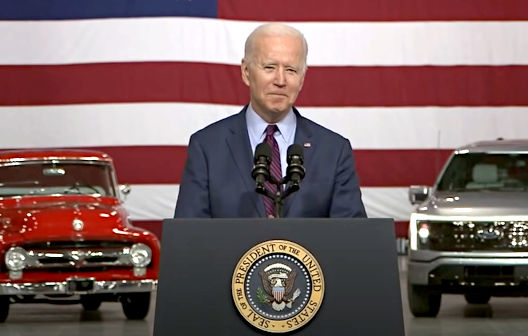
As the Biden administration and Republicans negotiate a possible infrastructure spending package, how to pay for it has been a key sticking point.

President Joe Biden and Democrats in Congress want to raise taxes on the rich, while some Republicans have been pushing for an increase in the gas tax – which would be the first in 28 years. A bipartisan group of senators recently crafted a compromise bill that would pay for just under US$1 trillion in spending on rail, roads and bridges over five years in part by indexing the gas tax to inflation. Democrats call this regressive because it would raise taxes on working Americans.

As the director of energy studies at the University of Florida’s Public Utility Research Center, I’ve studied both taxes on energy and how the government spends money on infrastructure.

Throughout the gas tax’s controversial history, leaders have frequently called upon this revenue source when serious infrastructure investment is needed.

The First 40 Years

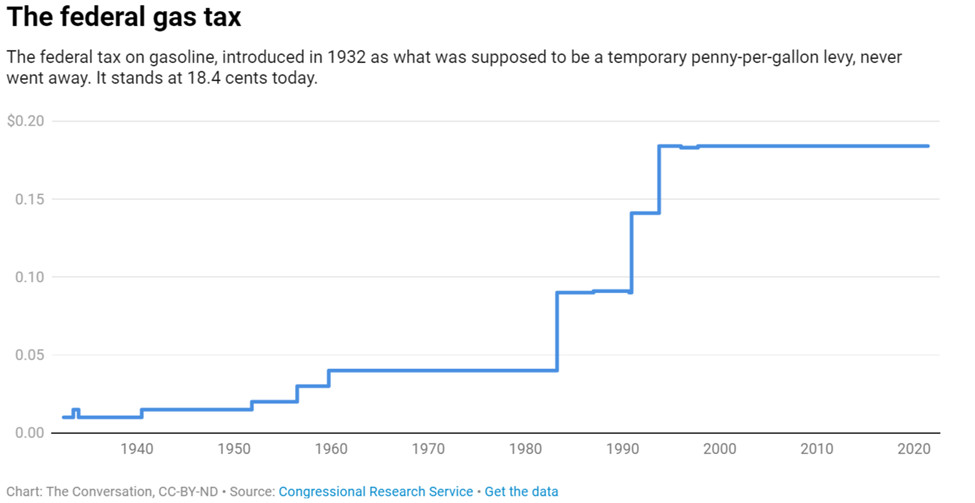
This resilient levy is a major source of U.S. funding for roads and transit today. It originated during the Great Depression as a “temporary” penny-per-gallon gasoline tax. At the time, a gallon cost about 18 cents, or about $2.90 in 2021 dollars.

As he signed the Revenue Act of 1932 into law, President Herbert Hoover lauded “the willingness of our people to accept this added burden in these times in order impregnably to establish the credit of the federal government.”


The original gas tax, an emergency measure intended to bolster the budget and fund national defense spending, not to meet transportation needs, was slated to expire in 1933. Instead, persistent budget deficits throughout the New Deal and World War II kept it in force throughout Franklin D. Roosevelt’s administration over the objections of the oil, automotive and travel industries. It became a permanent 1.5-cent levy in 1941.

Multiple efforts to do away with the gas tax ever since have failed.

For example, Congress again scheduled the tax’s repeal in 1951 when it increased it to 2 cents as a source of revenue related to the Korean War. Instead, lawmakers agreed to keep the tax on the books to help pay for one of President Dwight D. Eisenhower’s top priorities, the national interstate highway system.

In 1956 the levy rose once more, to 3 cents, when Americans were paying about 30 cents for a gallon of gas. At the same time, the government established the Highway Trust Fund to use the gas tax revenue to pay for building and maintaining the new interstates.

The tax rose to 4 cents per gallon in 1959 and froze at that level for more than two decades.

Running on Empty

Gas tax revenue stopped keeping up with the expenses it was supposed to cover in the early 1970s following a severe bout of inflation and OPEC’s oil embargo. U.S. gas prices soared from about 36 cents per gallon in 1972 to $1.31 in 1981.

Responding to what members of both major political parties saw as a transportation infrastructure crisis, Congress more than doubled the tax to 9 cents per gallon as part of the Surface Transportation Assistance Act of 1982. The same law split the Highway Trust Fund and its revenue stream into two parts: The first 8 cents would finance roadwork while the other penny would finance mass transit projects.

This hike may have struck drivers as a sharp increase, but public spending on transportation infrastructure would continue to fall as a percentage of all outlays.

In 1984, Congress increased spending on highways by funneling proceeds from fines and other penalties that businesses pay for safety violations, such as failing to label hazardous materials or forcing drivers to work too many hours in a row.

Congress boosted the tax twice more in the 1990s but primarily to reduce the then-ballooning federal deficit. Only half of a 5-cent increase in 1990 went to highways and transit, while a 4.3-cent lift three years later went entirely to lowering the deficit.

By 1997, the government had redirected all gas tax revenue reserved for deficit reduction to the Highway Trust Fund, where it still flows today.

Along the way, other federal fuel taxes arose, including a 24.4-cent-per-gallon diesel tax and taxes on methanol and compressed natural gas. And state fuel taxes, which in most cases began before the federal gas tax, range from as low as 8.95 cents per gallon in Alaska to as high as 57.6 cents per gallon in Pennsylvania.


Indonesia Energy (INDO) Virtual Road Show – Thursday, June 24 @ 1pm EDT

Join Indonesia Energy President Frank Ingriselli for this exclusive corporate presentation, followed by a Q & A session moderated by Michael Heim, Noble’s senior research analyst, featuring questions taken from the audience. Registration is free and open to all investors, at any level.

Register Now  |  View All Upcoming Road Shows


Making Do

Since 1993, when the federal gas tax was first parked at 18.4 cents, inflation and rising construction costs have eroded its effectiveness as a transportation-related revenue source. In addition, U.S. vehicles have grown more fuel-efficient overall – which means Americans use less fuel for every mile they drive.

As a result, highway and transit spending has significantly outpaced the revenue collected from the gas tax and other sources. Since 2008, the government has transferred over $80 billion to the fund that it had to take from other sources.

But it’s still not enough. The American Society of Civil Engineers, which gives U.S. infrastructure a C-minus, is calling on the government and private sector to increase spending on roads and bridges by at least $2.5 trillion within a decade.

While it’s true the gas tax may be regressive because lower-income people pay the same rate as those who earn higher incomes, there are still advantages to this tax.

For one thing, it follows the “user pays” principle of providing government services. Under this principle, the people using the roads are held responsible for paying for their upkeep. As the number of motorists using electric vehicles increases, however, this may become less true over time.

Further, it would also create an incentive to at least marginally decrease the use of fossil fuels, accomplishing another goal of the administration.

Finally, the government could always subsidize the tax for the poor, perhaps through annual lump-sum payments, making it less regressive.

Clearly, U.S. infrastructure is in dire need of upgrading and investment. At the end of the day, Americans will pay for it one way or another – whether in taxes or through costs of unsafe and inadequate infrastructure, including in lost lives. How the government pays for investment may matter less than that it finally does it.


This article was republished with permission from The Conversation, a news site dedicated to sharing ideas from
academic experts. It was originally written in French by
Theodore J. Kury, Director of Energy Studies, University of Florida.


Suggested Reading:

Is Zero Trust Architecture Enough?

Who Benefits from the America Jobs Plan?


The Future of Electric Cars

Your Personal Data is the Currency of the Digital Age


Stay up to date. Follow us:


Stay up to date. Follow us:

Release – Lineages OPC1 Cell Therapy for the Treatment of Spinal Cord Injury to Return to Clinical Testing


Lineage’s OPC1 Cell Therapy for the Treatment of Spinal Cord Injury to Return to Clinical Testing


  • RMAT Interaction with FDA Held to Propose Clinical Testing of a Novel Delivery Device for OPC1
  • Safety Study Eligibility is Expected to Include Patients with Chronic Injury
  • Late-Stage Clinical Study Continues to be Planned for 2022

CARLSBAD, Calif.–(BUSINESS WIRE)–Jun. 22, 2021– 

Lineage Cell Therapeutics, Inc.
 (NYSE American and TASE: LCTX), a clinical-stage biotechnology company developing allogeneic cell therapies for unmet medical needs, today provided an update on the clinical advancement of OPC1, its investigational allogeneic oligodendrocyte progenitor cell (OPC) transplant therapy for the treatment of spinal cord injury (SCI). Following feedback received from an interaction held with the 
U.S. Food and Drug Administration (FDA) last week under the FDA’s Regenerative Medicine Advanced Therapy (RMAT) program, Lineage intends to submit an amendment to its Investigational New Drug application (IND) for OPC1 to support a Phase 1 clinical study to evaluate the safety and performance of Neurgain Technologies Inc.’s Parenchymal Spinal Delivery System (“Neurgain PSD system”) to deliver OPC1 cells to the spinal cord. In February, the Company entered into an exclusive option and license agreement with Neurgain to evaluate its novel PSD system in both preclinical and clinical settings. The IND amendment is expected to be submitted to the FDA in the fourth quarter of 2021. The data from the Phase 1 clinical study is intended to validate the Neurgain PSD system for use in a late-stage clinical study, expected to begin in 2022 following the completion of the Phase 1 study.

“It is a privilege to report that our novel OPC1 program will be returning to clinical testing earlier than anticipated. There currently are few opportunities for SCI patients to participate in clinical trials, so we are excited to re-engage with these patients and their advocacy community as part of our efforts to improve outcomes for individuals with this debilitating condition, for which there are no FDA-approved treatments,” stated  Brian M. Culley, Lineage’s CEO. “In the past 18 months, we have significantly increased the purity and production scale of the OPC1 cells utilized in a prior clinical study. This improved production process has been transferred to our in-house Current Good Manufacturing Practice (cGMP) suite and will support production of clinical study material for later-stage clinical work. In parallel, we are finalizing plans to test the safety of the Neurgain PSD system to deliver OPC1 in SCI patients. We believe this device can improve the ease and precision of delivering our cells to the spinal parenchyma. As an added benefit, based on feedback from the FDA, in addition to patients with subacute SCI, we anticipate that patients with chronic SCI also will be eligible for enrollment in this study. Gaining additional OPC1 safety and device performance data across a broader range of patients and injury types will be more informative to the program and support further product and device development. Our recent accomplishments in areas of production and delivery contributed real-world feasibility to the promising clinical results previously reported with this program, in which OPC1 demonstrated improvements to quality of life and motor function for certain SCI patients. Importantly, we are working to be in a position to initiate a late-stage clinical study in SCI next year.”

The Neurgain PSD system has been designed to allow for the administration of cells to the spinal cord without stopping the patient’s ventilator during the procedure. Elimination of the need to stop respiration during surgery is expected to reduce the complexity, risk, and variability of administering cells to the area of injury. The Neurgain PSD system has been designed to provide delivery of cells with accurate anatomical positioning and dosing, is more compact than existing devices and is attached directly to the patient during the procedure. This innovative delivery system is expected to provide a significant improvement in usability and provide more flexibility to the surgeon when compared to the methods and tools utilized to deliver OPC1 cells in the completed Phase 1/2a SCiStar study of OPC1 for the treatment of cervical SCI. 
Neurgain Technologies, Inc. is a medical device company that is developing technologies developed by neurosurgeons at the 
University of California San Diego.

Lineage plans to evaluate the safety and performance of the Neurgain PSD system to deliver OPC1 to the spinal cord in both the preclinical and clinical setting. If results of these studies are positive, Lineage may exercise its option to enter into a pre-negotiated license and commercialization agreement with Neurgain. Pursuant to that agreement, Lineage may integrate the Neurgain PSD system into a late-stage clinical trial and, if approved, commercial use of OPC1 for the treatment of patients with spinal cord injury. There currently are no FDA approved treatments for spinal cord injury.

About Spinal Cord Injuries
A spinal cord injury occurs when the spinal cord is subjected to a severe crush or contusion and frequently results in severe functional impairment, including limb paralysis, aberrant pain signaling, and loss of bladder control and other body functions. There are approximately 18,000 new spinal cord injuries annually in the 
U.S. The cost of a lifetime of care for a severe spinal cord injury can be as high as 
$5 million.

About OPC1
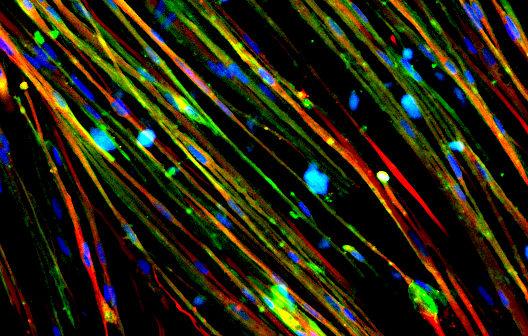
OPC1 is an oligodendrocyte progenitor cell (OPC) transplant therapy designed to provide clinically meaningful improvements in motor recovery in individuals with subacute spinal cord injuries. OPCs are naturally occurring precursors to the cells which provide electrical insulation for nerve axons in the form of a myelin sheath. While variability exists for the precise duration of each phase, subacute SCI generally refers to the phase that is three to six weeks post-injury and chronic SCI refers to the phase beginning after the subacute phase. The OPC1 program has been partially funded by a 
$14.3 million grant from the 

California Institute for Regenerative Medicine (CIRM)
. OPC1 has received Regenerative Medicine Advanced Therapy (RMAT) designation for its use in subacute cervical SCI and Orphan Drug designation from the FDA.

About Lineage Cell Therapeutics, Inc.

Lineage Cell Therapeutics is a clinical-stage biotechnology company developing novel cell therapies for unmet medical needs. Lineage’s programs are based on its robust proprietary cell-based therapy platform and associated in-house development and manufacturing capabilities. With this platform Lineage develops and manufactures specialized, terminally differentiated human cells from its pluripotent and progenitor cell starting materials. These differentiated cells are developed to either replace or support cells that are dysfunctional or absent due to degenerative disease or traumatic injury or administered as a means of helping the body mount an effective immune response to cancer. Lineage’s clinical programs are in markets with billion dollar opportunities and include three allogeneic (“off-the-shelf”) product candidates: (i) OpRegen®, a retinal pigment epithelium transplant therapy in Phase 1/2a development for the treatment of dry age-related macular degeneration, a leading cause of blindness in the developed world; (ii) OPC1, an oligodendrocyte progenitor cell therapy in Phase 1/2a development for the treatment of subacute spinal cord injuries; and (iii) VAC2, an allogeneic dendritic cell therapy produced from Lineage’s VAC technology platform for immuno-oncology and infectious disease, currently in Phase 1 clinical development for the treatment of non-small cell lung cancer. For more information, please visit www.lineagecell.com or follow the Company on Twitter @LineageCell.

Forward-Looking Statements
Lineage cautions you that all statements, other than statements of historical facts, contained in this press release, are forward-looking statements. Forward-looking statements, in some cases, can be identified by terms such as “believe,” “may,” “will,” “estimate,” “continue,” “anticipate,” “design,” “intend,” “expect,” “could,” “can,” “plan,” “potential,” “predict,” “seek,” “should,” “would,” “contemplate,” project,” “target,” “tend to,” or the negative version of these words and similar expressions. Such statements include, but are not limited to, statements relating to advancement of the clinical development of OPC1 to treat SCI, OPC1’s potential to improve quality of life and/or motor function for patients with SCI, the potential benefits of using the Neurgain PSD system to deliver OPC1 for the treatment of SCI, OPC1’s regulatory approval pathway, and Lineage’s potential exclusive license and commercialization agreement with Neurgain. Forward-looking statements involve known and unknown risks, uncertainties and other factors that may cause Lineage’s actual results, performance or achievements to be materially different from future results, performance or achievements expressed or implied by the forward-looking statements in this press release, including risks and uncertainties inherent in Lineage’s business and other risks in Lineage’s filings with the 
Securities and Exchange Commission (SEC). Lineage’s forward-looking statements are based upon its current expectations and involve assumptions that may never materialize or may prove to be incorrect. All forward-looking statements are expressly qualified in their entirety by these cautionary statements. Further information regarding these and other risks is included under the heading “Risk Factors” in Lineage’s periodic reports with the 
SEC, including Lineage’s most recent Annual Report on Form 10-K and Quarterly Report on Form 10-Q filed with the 
SEC and its other reports, which are available from the SEC’s website. You are cautioned not to place undue reliance on forward-looking statements, which speak only as of the date on which they were made. Lineage undertakes no obligation to update such statements to reflect events that occur or circumstances that exist after the date on which they were made, except as required by law.

Lineage Cell Therapeutics, Inc. IR
Ioana C. Hone
([email protected])
(442) 287-8963

Solebury Trout IR
Gitanjali Jain Ogawa
([email protected])
(646) 378-2949

Russo Partners – Media Relations
Nic Johnson or  David Schull
[email protected]
[email protected]
(212) 845-4242

Source: 
Lineage Cell Therapeutics, Inc.

Release – Onconova Therapeutics Regains Compliance With Nasdaq Continued Listing Requirement


Onconova Therapeutics Regains Compliance With Nasdaq Continued Listing Requirement


NEWTOWN, Pa., June 22, 2021 (GLOBE NEWSWIRE) — Onconova Therapeutics, Inc. (NASDAQ: ONTX(“Onconova”), a biopharmaceutical company focused on discovering and developing novel products for patients with cancer, announced that on June 17, 2021 it received a letter from The Nasdaq Stock Market LLC stating that the Company has regained compliance with the minimum bid price requirement of Nasdaq Listing Rule 5550(a)(2), as the Company’s common stock had a closing bid price of at least $1.00 per share for 18 consecutive business days, from May 21, 2021 to June 16, 2021.

About Onconova Therapeutics, Inc.
Onconova Therapeutics is a clinical-stage biopharmaceutical company focused on discovering and developing novel products for patients with cancer. The Company has proprietary targeted anti-cancer agents designed to disrupt specific cellular pathways that are important for cancer cell proliferation.

Onconova’s novel, proprietary multi-kinase inhibitor ON 123300 is being evaluated in two separate and complementary Phase 1 dose-escalation and expansion studies. These trials are currently underway in the United States and China.

Onconova’s product candidate rigosertib is being studied in an investigator-initiated study program, including in a dose-escalation and expansion Phase 1/2a investigator-initiated study targeting patients with KRAS+ non-small cell lung cancer with oral rigosertib in combination with nivolumab. In addition, Onconova continues to conduct preclinical work investigating rigosertib in COVID-19.

For more information, please visit www.onconova.com.

Forward-Looking Statements
Some of the statements in this release are forward-looking statements within the meaning of Section 27A of the Securities Act of 1933, as amended, Section 21E of the Securities Exchange Act of 1934, as amended, and the Private Securities Litigation Reform Act of 1995, and involve risks and uncertainties. These statements relate to Onconova’s expectations regarding the registered direct offering, its patents and clinical development plans including [patient enrollment timelines and] indications for its product candidates. Onconova has attempted to identify forward-looking statements by terminology including “believes,” “estimates,” “anticipates,” “expects,” “plans,” “intends,” “may,” “could,” “might,” “will,” “should,” “approximately” or other words that convey uncertainty of future events or outcomes. Although Onconova believes that the expectations reflected in such forward-looking statements are reasonable as of the date made, expectations may prove to have been materially different from the results expressed or implied by such forward-looking statements. These statements are only predictions and involve known and unknown risks, uncertainties, and other factors, including the success and timing of Onconova’s clinical trials and regulatory agency and institutional review board approvals of protocols, Onconova’s ability to maintain its Nasdaq listing, the timing of the Company’s annual stockholder meeting, market conditions and those and those discussed under the heading “Risk Factors” in Onconova’s most recent Annual Report on Form 10-K and quarterly reports on Form 10-Q. Any forward-looking statements contained in this release speak only as of its date. Onconova undertakes no obligation to update any forward-looking statements contained in this release to reflect events or circumstances occurring after its date or to reflect the occurrence of unanticipated events.

Company Contact:

Avi Oler
Onconova Therapeutics, Inc.
267-759-3680
[email protected]
https://www.onconova.com/contact/

Investor Contact:

Bruce Mackle
LifeSci Advisors, LLC
646-889-1200
[email protected]

Release – Comstock Acquires Renewable Process Solutions


Comstock Acquires Renewable Process Solutions


VIRGINIA CITY, Nev., June 22, 2021 (GLOBE NEWSWIRE) — Comstock Mining Inc. (NYSE: LODE) (“Comstock” or the “Company”) today announced the acquisition of 100% of the equity of Renewable Process Solutions, Inc. (“RPS”), an advanced process engineering and renewable technology development company, in exchange for 1,000,000 restricted shares in the Company’s common stock, valuing the transaction at approximately $3.5 million.

RPS and/or Mr. Bobbili have designed and built 21 advanced renewable fuels production facilities since 2006, and RPS currently provides engineering, procurement, and construction (“EPC”) services for the renewable metals, mining, petrochemical, and fuels industries. RPS also provides advanced equipment manufacturing services through its affiliated manufacturing facilities in the United States and India, at consistently superior qualities and rates.

LINICO Corporation (“LiNiCo”), Comstock’s investment in lithium-ion battery (“LIB”) recycling, has currently engaged RPS for the design and construction of critical renewable processes, including crushing, separating and lithium extraction technologies for LiNiCo’s new, state-of-the-art LIB recycling manufacturing facility at 2500 Peru Drive, in the Tahoe Reno Industrial Center, in Storey County, Nevada.

“Almost instantaneously, RPS President & CEO Rahul Bobbili and his network of engineering and advanced manufacturing experts integrated themselves into the LiNiCo team, enhancing designs, ensuring quality, reducing capital requirements and shortening lead times,” stated Corrado De Gasperis, Comstock’s Executive Chairman and Chief Executive Officer. “As the RPS engineers began developing breakthrough lithium extraction and recycling processes for us in real time, with their existing know-how, we also recognized compelling applications and synergies across our existing and planned new lines of business.”

In addition to the acquisition, Mr. Bobbili, as Chief Process Engineer, will oversee and direct all EPC processes for LiNiCo. LiNiCo has commenced ordering crushing and separation equipment, for deliveries during the fourth quarter of 2021 and the first quarter of 2022, on plan, for commencement of production of black mass and lithium carbonate in the first and second quarters of 2022, respectively. LiNiCo’s main processing permit application is expected to be filed this month.

“We see LIBs as a potent source of industrial ore, and as with any ore, we need the right team, technology, and infrastructure to mine and process it,” continued Mr. De Gasperis. “We are very excited to complete this transaction, expand our capacity and add both the new recycling technologies that RPS has and is developing, and most especially, adding Rahul to our senior team.”

About 500,000 tons of expired LIBs with upwards of $921 million in strategic metals are landfilled annually today. A recent report by Yole Développement estimated annual growth to more than 9 million tons and $26 billion by 2040.

Mr. De Gasperis concluded, “Rahul’s capacity for designing, procuring and commissioning innovative, environmentally and economically-focused engineering solutions, with exceptional environmental, health and safety track records, places him and his teams at the forefront of our senior ESG leadership team.”

About Comstock Mining Inc.

Comstock (NYSE: LODE) is an emerging leader in the sustainable extraction, valorization, and production of innovation-based, clean, renewable natural resources, with a focus on high-value, cash-generating, strategic materials that are essential to meeting the rapidly increasing global demand for clean energy, carbon-neutrality, and natural products. To learn more, please visit www.comstockmining.com.

Comstock is also set to join the Russell Microcap Index at the conclusion of the 2021 Russell indexes annual reconstitution, effective after the US market opens on June 28, according to a preliminary list of additions posted June 4, 2021. Membership in the Russell Microcap® Index, which remains in place for one year, means automatic inclusion in the appropriate growth and value style indexes. FTSE Russell determines membership for its Russell indexes primarily by objective, market-capitalization rankings and style attributes.

Forward-Looking Statements

This press release and any related calls or discussions may include forward-looking statements within the meaning of Section 27A of the Securities Act of 1933, as amended, and Section 21E of the Securities Exchange Act of 1934, as amended. All statements, other than statements of historical facts, are forward-looking statements. The words “believe,” “expect,” “anticipate,” “estimate,” “project,” “plan,” “should,” “intend,” “may,” “will,” “would,” “potential” and similar expressions identify forward-looking statements, but are not the exclusive means of doing so. Forward-looking statements include statements about matters such as: consummation of all pending transactions; project, asset or Company valuations; future industry market conditions; future explorations, acquisitions, investments and asset sales; future performance of and closings under various agreements; future changes in our exploration activities; future estimated mineral resources; future prices and sales of, and demand for, our products; future impacts of land entitlements and uses; future permitting activities and needs therefor; future production capacity and operations; future operating and overhead costs; future capital expenditures and their impact on us; future impacts of operational and management changes (including changes in the board of directors); future changes in business strategies, planning and tactics and impacts of recent or future changes; future employment and contributions of personnel, including consultants; future land sales, investments, acquisitions, joint ventures, strategic alliances, business combinations, operational, tax, financial and restructuring initiatives; the nature and timing of and accounting for restructuring charges and derivative liabilities and the impact thereof; contingencies; future environmental compliance and changes in the regulatory environment; future offerings of equity or debt securities; asset sales and associated costs; future working capital, costs, revenues, business opportunities, debt levels, cash flows, margins, earnings and growth. These statements are based on assumptions and assessments made by our management in light of their experience and their perception of historical and current trends, current conditions, possible future developments and other factors they believe to be appropriate. Forward-looking statements are not guarantees, representations or warranties and are subject to risks and uncertainties, many of which are unforeseeable and beyond our control and could cause actual results, developments and business decisions to differ materially from those contemplated by such forward-looking statements. Some of those risks and uncertainties include the risk factors set forth in our filings with the SEC and the following: counterparty risks; capital markets’ valuation and pricing risks; adverse effects of climate changes or natural disasters; global economic and capital market uncertainties; the speculative nature of gold or mineral exploration, including risks of diminishing quantities or grades of qualified resources; operational or technical difficulties in connection with exploration or mining activities; contests over title to properties; potential dilution to our stockholders from our stock issuances and recapitalization and balance sheet restructuring activities; potential inability to comply with applicable government regulations or law; adoption of or changes in legislation or regulations adversely affecting businesses; permitting constraints or delays; decisions regarding business opportunities that may be presented to, or pursued by, us or others; the impact of, or the non-performance by parties under agreements relating to, acquisitions, joint ventures, strategic alliances, business combinations, asset sales, leases, options and investments to which we may be party; changes in the United States or other monetary or fiscal policies or regulations; interruptions in production capabilities due to capital constraints; equipment failures; fluctuation of prices for gold or certain other commodities (such as silver, zinc, cyanide, water, diesel fuel and electricity); changes in generally accepted accounting principles; adverse effects of terrorism and geopolitical events; potential inability to implement business strategies; potential inability to grow revenues; potential inability to attract and retain key personnel; interruptions in delivery of critical supplies, equipment and raw materials due to credit or other limitations imposed by vendors or others; assertion of claims, lawsuits and proceedings; potential inability to satisfy debt and lease obligations; potential inability to maintain an effective system of internal controls over financial reporting; potential inability or failure to timely file periodic reports with the SEC; potential inability to list our securities on any securities exchange or market; inability to maintain the listing of our securities; and work stoppages or other labor difficulties. Occurrence of such events or circumstances could have a material adverse effect on our business, financial condition, results of operations or cash flows or the market price of our securities. All subsequent written and oral forward-looking statements by or attributable to us or persons acting on our behalf are expressly qualified in their entirety by these factors. Except as may be required by securities or other law, we undertake no obligation to publicly update or revise any forward-looking statements, whether as a result of new information, future events, or otherwise.

Neither this press release nor any related calls or discussions constitutes an offer to sell, the solicitation of an offer to buy or a recommendation with respect to any securities of the Company, the fund or any other issuer.

Contact information:    
Comstock Mining Inc.
P.O. Box 1118
Virginia City, NV 89440
ComstockMining.com
Corrado De Gasperis
Executive Chairman & CEO
Tel (775) 847-4755
[email protected]
Zach Spencer
Director of External Relations
Tel (775) 847-5272 Ext.151
[email protected]

Ely Gold Royalties (ELYGF)(ELY:CA) – A Winning Combination in the Precious Metals Royalty Space

Tuesday, June 22, 2021

Ely Gold Royalties (ELYGF)(ELY:CA)
A Winning Combination in the Precious Metals Royalty Space

As of April 24, 2020, Noble Capital Markets research on Ely Gold Royalties is published under ticker symbols (ELYGF and ELY:CA). The price target is in USD and based on ticker symbol ELYGF. Research reports dated prior to April 24, 2020 may not follow these guidelines and could account for a variance in the price target. Ely Gold Royalties Inc is an emerging royalty company with producing and development assets focused in Nevada and the Western US. It offers shareholders a low-risk leverage to the current price of gold and low-cost access to long-term gold royalties.

Mark Reichman, Senior Research Analyst of Natural Resources, Noble Capital Markets, Inc.

Refer to the full report for the price target, fundamental analysis, and rating.

    Gold Royalty Corp. to acquire Ely Gold Royalties. Ely Gold Royalties announced a definitive agreement to be acquired by Gold Royalty Corp. (NYSE American, GROY) by way of a statutory plan of arrangement. The companies expect to close the transaction during the third quarter of 2021, subject to approval by Ely Gold Royalties shareholders. Mr. Trey Wasser, CEO of Ely Gold will join Gold Royalty’s board of directors. Mr. Jerry Baughman, President of Ely Gold subsidiary Nevada Select Royalties, Inc. will also join the combined entity.

    Terms of the transaction.  Ely shareholders will have the option to receive either: 1) C$1.46 in cash, or 2) 0.2450 Gold Royalty shares per Ely share, subject to pro-ration based on a maximum aggregate cash consideration of C$84 million and a maximum number of Gold Royalty Corp. shares issued of ~41.5 million. The exchange ratio implies a mix of C$0.42 in cash and 0.1742 of a Gold Royalty share per …


This Company Sponsored Research is provided by Noble Capital Markets, Inc., a FINRA and S.E.C. registered broker-dealer (B/D).

*Analyst certification and important disclosures included in the full report. NOTE: investment decisions should not be based upon the content of this research summary.  Proper due diligence is required before making any investment decision. 

Great Bear Provides Two New Detailed High-Grade Long Sections and Reaches 318 Drill Holes Reported on Two Year Anniversary of LP Fault Discovery


Great Bear Provides Two New Detailed High-Grade Long Sections and Reaches 318 Drill Holes Reported on Two Year Anniversary of LP Fault Discovery


June 21, 2021 – Vancouver, British Columbia, Canada – Great Bear Resources Ltd. (the “Company” or “Great Bear”, TSX-V: GBR; OTCQX: GTBAF) today reported results from its ongoing fully funded $45 million 2021 exploration program at its 100% owned flagship Dixie Project in the Red Lake district of Ontario.

Chris Taylor, President and CEO of Great Bear said, “We are now only months away from completing more than fifty 40 – 50 metre spaced drill sections along 4.2 kilometres of the LP Fault zone.  These will be required for maiden mineral resource estimation modelling of the near-surface (0 – 400 metre depth), central area of the zone.  In this release we provide example cross section 20625, which intersects both high-grade and bulk tonnage gold over an approximate width of 200 metres, as shown on Figure 1.  We also provide a table of all individual sample assay results to our web site from every drill hole traversing the upper 200 metres from surface on this section.  Additional representative sections will be provided as drilling progresses.”

Example Cross Section 20625


New drill hole BR-315 was completed within a 100 metre previously undrilled gap in section 20625 and successfully intersected the three high-grade domains BR7, AURO20 and BR1 which were described in news releases on May 19 and June 3, 2021.  It also intersected a fourth recently defined high-grade gold domain, BR4, southwest of the other high-grade domains.  BR-315 also intersected bulk tonnage style gold mineralization between the high-grade domains.  Highlights of results include:

  • High-grade intercepts include 400.00 g/t gold over 0.50 metres from 175.50 to 176.00 metres downhole.  The interval is within newly defined high-grade domain BR4.
  • Bulk-tonnage gold intercepts include 2.23 g/t gold over 77.40 metres from 69.60 to 147.00 metres downhole.
  • This included 5.14 g/t gold over 20.70 metres from 75.30 to 96.00 metres downhole as the drill hole traversed high-grade domain AURO20, and 3.83 g/t over 12.15 metres from 117.50 to 129.65 metres downhole as the drill hole traversed domain BR7.
  • BR-315 was collared within high-grade domain BR1, as shown on Figure 1.  It intersected 7.58 g/t gold over 1.95 metres from 56.90 to 58.85 metres downhole corresponding to the up-dip projection of domain BR1 on this drill section.

On the same section, new drill hole BR-314 was collared near the southwest edge of the LP Fault zone.  The hole successfully extended high-grade domain BR7 to the near-surface.  Results include:

  • 55.40 g/t gold over 0.70 metres from 48.70 – 49.40 metres downhole, within a broader interval of 5.39 g/t gold over 10.40 metres from 43.35 to 53.75 metres downhole.

Figure 
1: Example cross section 20625 showing all individual assays from reported highlighted intervals with labelled high-grade domains in the near-surface, 200 m x 200 m area of the LP Fault zone. Gold image is of a select interval and does not represent all gold mineralization on the property.


A new table of all individual sample assays within the main gold-hosting felsic volcanic rocks in drill holes BR-140, 141, 212, 299, 314 and 315 are provided on the Company’s web site at https://greatbearresources.ca/projects/overview/dixie-project-data/.   These holes collectively define the mineralized zone over a width of approximately 200 metres, and from surface to approximately 200 metres vertical depth at this location.


Bulk Tonnage Gold Drilling


11 of the 13 drill holes in this release tested the bulk-tonnage style “halo” adjacent to the high-grade domains along more than 2.5 kilometres of strike length.  Drilling intersected gold mineralization from bedrock surface to 500 metres vertical depth.

Results from the bulk tonnage style gold mineralization are presented separately from the high-grade domains, and include:

  • Drill hole BR-309 intersected 80.90 metres of bulk-tonnage style gold mineralization over 117 metres of core length between approximately 85 metres and 180 metres vertical depth.  Intervals include:

    • 0.85 g/t gold over 23.00 metres from 91.10 to 114.10 metres downhole.
    • 0.50 g/t gold over 31.00 metres from 142.00 to 173.00 metres downhole.
    • 0.57 g/t gold over 26.90 metres from 193.00 to 219.90 metres downhole.
  • Drill hole BR-332 intersected 1.02 g/t gold over 52.65 metres from 176.25 to 228.90 metres downhole.  The interval extends from approximately 150 to 200 metres vertical depth.
  • Drill hole BR-306 intersected 1.08 g/t gold over 106.70 metres from 397.30 to 504.00 metres downhole.  The interval extends from approximately 340 to 430 metres vertical depth. 
  • Drill hole BR-304 intersected 0.73 g/t gold over 74.35 metres from 495.15 to 569.50 metres downhole in drill hole BR-304. This interval extends from approximately 430 to 500 metres vertical depth.

Results demonstrate the gold mineralized zone remains open to extension in all tested locations.  The deepest drilling to date has been to approximately 800 metres vertical depth (March 29, 2021).

New Drill Plans


The Company has now released results from 331 LP Fault drill holes.  An additional 50 drill holes are in various stages of completion, ranging from active drilling to being complete and awaiting receipt of assays.  Approximately 400 drill holes are believed to be required for near-surface maiden mineral resource estimation, and this work is anticipated to be completed over the coming months.

For the first time in a year, follow up drilling of previously successful reconnaissance holes completed elsewhere along 11 kilometres of the LP Fault will now be undertaken, in addition to the systematic extension and infill drilling of the central LP Fault zone which will remain ongoing.  Figure 3.


Regional drilling will include a one kilometre step-out to the east of the central 4.2 kilometre drill grid.  Concurrently, deeper drilling of the central LP Fault zone below the approximately 400 metre vertical depth of the planned resource area will continue into 2022.  Drilling will also recommence during summer/fall 2021 on the Hinge and Dixie Limb zones.

Table 
1: Current LP Fault drill results targeting the bulk-tonnage style halo of the gold mineralized system, arranged from southeast (top) to northwest (bottom) .  Only drill holes BR-314 and BR-315 targeted the high-grade core of the zone.


Drill Hole


From (m)


To (m)


Width* (m)


Gold (g/t)


Section


BR-289


326.40

327.00

0.60

6.50

19675

BR-340


168.55

176.15

7.60

1.02

19675


and

290.10

290.60

0.50

8.09


BR-326


15.50

16.50

1.00

2.13

19825

BR-322


225.20

274.00

48.80

0.27

20200


and

277.50

303.00

25.50

0.35


BR-324


124.00

138.00

14.00

0.56

20275

BR-312


280.80

304.70

23.90

0.51

20500


including

287.60

291.75

4.15

1.31


BR-314


43.35


53.75


10.40


5.39


20625


including


46.10


51.65


5.55


9.57


and including


48.70


49.40


0.70


55.40


BR-315


56.90


58.85


1.95


7.58


20625


and


69.60


147.00


77.40


2.23


including


75.30


96.00


20.70


5.14


and including


117.50


129.65


12.15


3.83


and


152.40


185.00


32.60


6.68


including


175.50


176.00


0.50


400.00


BR-319

Intersected anomalous gold values to southwest of LP Fault zone

20825

BR-332


176.25


228.90


52.65


1.02


21975


including

212.50

222.05

9.55

3.56


and including


215.85


222.05


6.20


4.87


and including

217.55

219.05

1.50

12.70


BR-306


397.30


504.00


106.70


1.08


22125


including


408.60


428.75


20.15


2.58


and including

420.80

425.40

4.60

4.80


and including

423.15

425.40

2.25

6.22


BR-304


477.00

478.00

1.00

5.06

22150


and


495.15


569.50


74.35


0.73


including

525.00

538.55

13.55

1.00


and

564.05

564.50

0.45

5.70


BR-309


91.10

114.10

23.00

0.85

22225


including

91.80

102.00

10.20

1.34


and including

91.80

93.00

1.20

4.37


142.00

173.00

31.00

0.50


including

165.60

167.90

2.30

2.71


and

193.00

219.90

26.90

0.57


including

201.00

208.40

7.40

1.06


* Widths are drill indicated core length, as insufficient drilling has been undertaken to determine true widths at this time.  Average grades are calculated with un-capped gold assays, as insufficient drilling has been completed to determine capping levels for higher grade gold intercepts.  Interval widths are calculated using a 0.10 g/t gold cut-off grade with up to 3 m of internal dilution of zero grade.


Figure 
2: Complete drill section 20625 spanning an 800 m x 800 m area with highlighted assays. 


Figure 3: Map of current drill results and current and upcoming drill areas at the Dixie project.

Great Bear’s progress can be followed using the Company’s plan maps, long sections and cross sections, and through the VRIFY model posted at the Company’s web site at www.greatbearresources.ca.  All LP Fault drill hole highlighted assays, plus drill collar locations and orientations can also be downloaded at the Company’s web site.

Drill collar location, azimuth and dip for drill holes included in this release are provided in the table below (UTM zone 15N, NAD 83):

Hole ID


Easting


Northing


Elevation


Length


Dip


Azimuth


BR-289

457918

5634054

364

517

-54

201

BR-304

455888

5635271

375

672

-58

226

BR-306

455865

5635237

375

510

-59

223

BR-309

455665

5635122

376

321

-61

229

BR-312

457007

5634044

356

348

-56

210

BR-314

456904

5634082

356

339

-55

212

BR-315

456944

5634181

356

327

-57

212

BR-319

456704

5634153

360

282

-50

210

BR-322

457418

5634182

358

657

-59

204

BR-324

457334

5634164

355

561

-50

207

BR-326

457660

5633822

361

257

-50

206

BR-332

455845

5634942

373

356

-61

224

BR-340

457878

5633929

364

408

-55

212

About the Dixie Project


About the Dixie Project

The Dixie Project is 100% owned, comprised of 9,140 hectares of contiguous claims that extend over 22 kilometres, and is located approximately 25 kilometres southeast of the town of Red Lake, Ontario. The project is accessible year-round via a 15 minute drive on a paved highway which runs the length of the northern claim boundary and a network of well-maintained logging roads.

The Dixie Project hosts two principal styles of gold mineralization:

  • High-grade gold in quartz veins and silica-sulphide replacement zones (Dixie Limb, Hinge and Arrow zones). Hosted by mafic volcanic rocks and localized near regional-scale D2 fold axes.  These mineralization styles are also typical of the significant mined deposits of the Red Lake district.
  • High-grade disseminated gold with broad moderate to lower grade envelopes (LP Fault).  The LP Fault is a significant gold-hosting structure which has been seismically imaged to extend to 14 kilometres depth (Zeng and Calvert, 2006), and has been interpreted by Great Bear to have up to 18 kilometres of strike length on the Dixie property.  High-grade gold mineralization is controlled by structural and geological contacts, and moderate to lower-grade disseminated gold surrounds and flanks the high-grade intervals.  The dominant gold-hosting stratigraphy consists of felsic sediments and volcanic units.

About Great Bear

Great Bear Resources Ltd. is a well-financed gold exploration company managed by a team with a track record of success in mineral exploration.  Great Bear is focused in the prolific Red Lake gold district in northwest Ontario, where the company controls over 200 km2 of highly prospective tenure across 4 projects, all 100% owned: The flagship Dixie Project, the Pakwash Property, the Sobel Property, and the Red Lake North Property, all of which are accessible year-round through existing roads.

QA/QC and Core Sampling Protocols

Drill core is logged and sampled in a secure core storage facility located in Red Lake Ontario.  Core samples from the program are cut in half, using a diamond cutting saw, and are sent to Activation Laboratories in Ontario, an accredited mineral analysis laboratory, for analysis. All samples are analysed for gold using standard Fire Assay-AA techniques. Samples returning over 10.0 g/t gold are analysed utilizing standard Fire Assay-Gravimetric methods.  Pulps from approximately 5% of the gold mineralized samples are submitted for check analysis to a second lab.  Selected samples are also chosen for duplicate assay from the coarse reject of the original sample.  Selected samples with visible gold are also analyzed with a standard 1 kg metallic screen fire assay.  Certified gold reference standards, blanks and field duplicates are routinely inserted into the sample stream, as part of Great Bear’s quality control/quality assurance program (QAQC).  No QAQC issues were noted with the results reported herein. 

Qualified Person and NI 43-101 Disclosure

Mr. R. Bob Singh, P.Geo, VP Exploration, and Ms. Andrea Diakow P.Geo, VP, Projects for Great Bear are the Qualified Persons as defined by National Instrument 43-101 responsible for the accuracy of technical information contained in this news release.


ON BEHALF OF THE BOARD

“Chris Taylor”                                 

Chris Taylor, President and CEO


Investor Inquiries:

Mr. Knox Henderson

Tel: 604-646-8354

Direct: 604-551-2360

[email protected]

www.greatbearresources.ca


Cautionary note regarding forward-looking statements


This release contains certain “forward looking statements” and certain “forward-looking information” as defined under applicable Canadian and U.S. securities laws. Forward-looking statements and information can generally be identified by the use of forward-looking terminology such as “may”, “will”, “should”, “expect”, “intend”, “estimate”, “anticipate”, “believe”, “continue”, “plans” or similar terminology. The forward-looking information contained herein is provided for the purpose of assisting readers in understanding management’s current expectations and plans relating to the future. Readers are cautioned that such information may not be appropriate for other purposes.


Forward-looking information are based on management of the parties’ reasonable assumptions, estimates, expectations, analyses and opinions, which are based on such management’s experience and perception of trends, current conditions and expected developments, and other factors that management believes are relevant and reasonable in the circumstances, but which may prove to be incorrect.


Such factors, among other things, include: impacts arising from the global disruption caused by the Covid-19 coronavirus outbreak, business integration risks; fluctuations in general macroeconomic conditions; fluctuations in securities markets; fluctuations in spot and forward prices of gold or certain other commodities; change in national and local government, legislation, taxation, controls, regulations and political or economic developments; risks and hazards associated with the business of mineral exploration, development and mining (including environmental hazards, industrial accidents, unusual or unexpected formations pressures, cave-ins and flooding); discrepancies between actual and estimated metallurgical recoveries; inability to obtain adequate insurance to cover risks and hazards; the presence of laws and regulations that may impose restrictions on mining; employee relations; relationships with and claims by local communities and indigenous populations; availability of increasing costs associated with mining inputs and labour; the speculative nature of mineral exploration and development (including the risks of obtaining necessary licenses, permits and approvals from government authorities); and title to properties.


Great Bear undertakes no obligation to update forward-looking information except as required by applicable law. Such forward-looking information represents management’s best judgment based on information currently available. No forward-looking statement can be guaranteed and actual future results may vary materially. Accordingly, readers are advised not to place undue reliance on forward-looking statements or information.



Why Gain of Function Research is Being Conducted


Why Would Researchers do Gain-of-Function Work on Potentially Dangerous Pathogens?


What Does Gain of Function Mean?

Any organism can acquire a new ability or property, or “gain” a “function.” This can happen through natural selection or a researcher’s experiments. In research, many different types of experiments generate functions, and some pose certain safety and security concerns.

Scientists use a variety of techniques to modify organisms depending on the properties of the organism itself and the end goal. Some of these methods involve directly making changes at the level of genetic code. Others may involve placing organisms in environments that select for functions linked to genetic changes.

Gain of function can occur in an organism in either nature or the laboratory. Some lab examples include creating more salt- and drought-resistant plants or modifying disease vectors to produce mosquitoes that are resistant to transmitting dengue fever. Gain of function can also be useful for environmental reasons, such as modifying E. coli so that it can convert plastic waste into a valuable commodity.

In the current debate around SARS-CoV-2, the virus that causes COVID-19, gain of function has a much narrower meaning related to a virus becoming easier to move between humans, or becoming more lethal in humans. It is important to remember, though, that the term “gain of function” by itself covers much more than this type of research.


Why would Researchers do Gain-of-Function Work on Potentially Dangerous Pathogens?

Gain-of-function experiments may help researchers test scientific theories, develop new technologies and find treatments for infectious diseases. For example, in 2003, when the original SARS-CoV outbreak occurred, researchers developed a method to study the virus in the laboratory. One of the experiments was to grow the virus in mice so they could study it. This work led to a model for researching the virus and testing potential vaccines and treatments.

Gain-of-function research that focuses on potential pandemic pathogens has been supported on the premise that it will help researchers better understand the evolving pathogenic landscape, be better prepared for a pandemic response and develop treatments and countermeasures.

But critics argue that this research to anticipate potential pandemic pathogens does not lead to substantial benefit and is not worth the potential risks. And they say getting out ahead of such threats can be achieved through other means – biological research and otherwise. For instance, the current pandemic has provided numerous lessons on the social and behavioral dynamics of disease prevention measures, which could lead to robust new research programs on the cultural aspects of pandemic preparedness. Understanding when the risks of gain-of-function research outweigh the potential benefits and alternatives, therefore, continues to be subject to debate.


What are Some Examples of Gain-of-Function Research, and How Risky is It?

Some potential outcomes of gain-of-function research may include the creation of organisms that are more transmissible or more virulent than the original organism or those that evade current detection methods and available treatments. Other examples include engineering organisms that can evade current detection methods and available treatments, or grow in another part of an organism, such as the ability to cross the blood-brain barrier.

There is no such thing as zero risk in conducting experiments. So the question is whether certain gain-of-function research can be performed at an acceptable level of safety and security by utilizing risk-mitigation measures. These strategies for reducing risk include the use of biocontainment facilities, exposure control plans, strict operating procedures and training, incident response planning and much more. These efforts involve dedication and meticulous attention to detail at multiple levels of an institution.

Lab incidents will still occur. A robust biosafety and biosecurity system, along with appropriate institutional response, helps to ensure that these incidents are inconsequential. The challenge is to make sure that any research conducted – gain-of-function or otherwise – doesn’t pose unreasonable risks to researchers, the public and the environment. Determining whether specific experiments with potential pathogens should be conducted remains a difficult and contentious topic.


How do Experts Determine Which Gain-of-Function Research Poses Too Much Risk?

There are multiple ways to answer this question. The first is if the research is intended to develop a biological weapon. The United Nations Biological Weapons Convention, which went into effect in 1975, forbids state parties from developing, producing, stockpiling, or otherwise acquiring or sharing biological agents, toxins and equipment that have no justification for peaceful or defensive purposes. There should be no research, then, whether gain-of-function or otherwise, that seeks to purposefully develop a biological weapon.

Another way to answer the question is by focusing on the content of the research, rather than its intent. Through experience, researchers and governments have developed lists of both experiments and organisms that need additional oversight because of their potential safety and security risks. One example of this arose when flu researchers placed a self-imposed pause on gain-of-function research involving the transmissibility of highly pathogenic avian influenza H5N1 viruses in 2012. The U.S. government subsequently imposed a moratorium on the work in 2014. Both moratoriums were lifted by the end of 2017 following a lengthy debate and study of the risks and the development of additional oversight and reporting requirements.

In the past decade, the United States has developed oversight for research that could be directly misused for nefarious purposes. This includes policies on “dual-use research of concern” (DURC) and policies on “pathogens of pandemic potential” enhanced to gain transmissibility or virulence.

The main point is that our understanding is constantly evolving. Just before the COVID-19 pandemic began, the U.S. government had started to review and update its policies. It is an open question what lessons will be learned from this pandemic, and how that will reshape our understanding of the value of gain-of-function research. One thing that is likely to happen, though, is that we will rethink the assumptions we have been making about the relationships between biological research, security and society. This may be an opportunity to review and enhance systems of biosecurity and biosafety governance.

This article was republished with permission from The Conversation, a news site dedicated to sharing ideas from academic
experts.  It was written by and represents the research-based opinions
of 
David Gillum Senior Director of Environmental Health and Safety and
Chief Safety Officer, Arizona State University and
Rebecca Moritz, Biosafety Director and Responsible Official, Colorado
State University. Also contributing,
Megan J. Palmer, Executive Director of Bio Policy & Leadership
Initiatives at Stanford University, Stanford University
Sam Weiss Evans Senior research fellow, Harvard Kennedy School.


Suggested Content:

The Investor Forum at the Stem Cell Summit (Video)

Companies Developing Therapeutics to get $3.2 billion


The Anti-Aging Rejuvenating Properties of Stem Cells

Therapeutic Discovery Advanced by Stem Cells


Stay up to date. Follow us:


Stay up to date. Follow us:

The Taishan Plant May be the Dip ESG Investors Wanted


Image credit: Can Pac Swire (Flickr)


Is the Taishan News Story a Buying Opportunity for Investors?


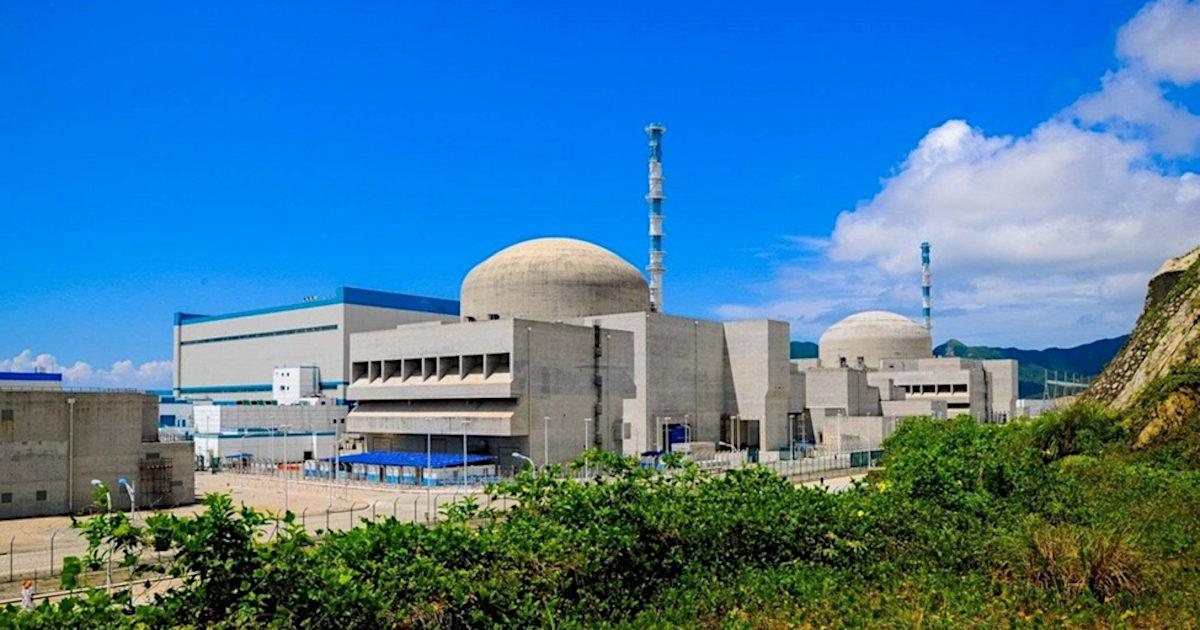
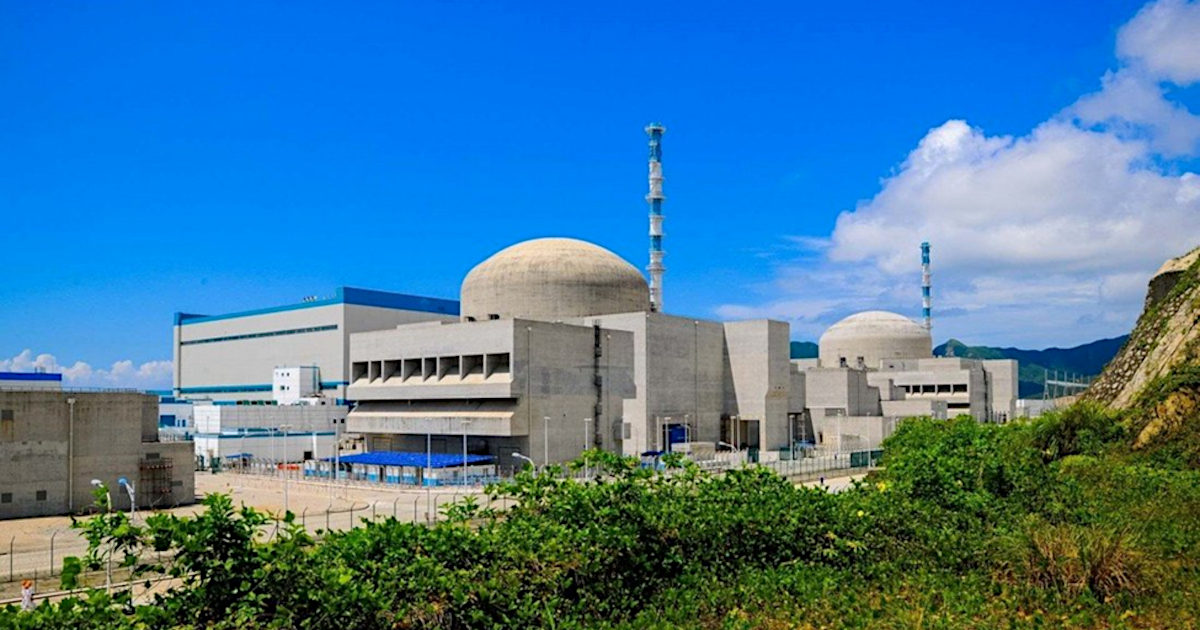
One week after uranium mining companies saw their stocks negatively respond to a situation with a nuclear plant in Southeast China, investors are deciding if this is now a buying opportunity. A decline in some uranium mining sector stocks, after a week, is similar to one week after Fukushima’s seemingly more serious problems. Currently the Taishan Nuclear Power Plant, which is two-thirds owned by the French and one-third owned by the Chinese, is still operating, but there have been operational performance issues reported. The French have asked for help from the U.S. in assessing the complete situation.


About the Nuclear Trend

Nuclear energy has recently become widely embraced by the move to eliminate burning fossil fuels that emit carbon into the atmosphere. There is now a need for electricity production from a source as productive and reliable as fossil fuels to supplement the growing solar and wind output. This need is evident today, with newspaper headlines already showing how states like California are concerned that generation may not keep up with their summer demand. 


News from China

The West often views information coming out of The People’s Republic of China with suspicion. To date, reports are that the reactor is still running, and there has not been a radioactive leak of any kind. On its website this past Sunday the Taishan Nuclear Power Plant published a statement, maintaining that environmental readings for both the plant and its surrounding area were “normal.”

The two nuclear reactors in Taishan are both operational, the statement said, adding that Unit 2 had recently completed an “overhaul” and “successfully connected to the grid on June 10, 2021.” The statement did not define why or how the plant was overhauled.

The situation is worth investors paying close attention to. If this is indeed somewhat routine and the market has overreacted, mining stocks could quickly recover and even continue their march upward as the trend toward lower emissions and more energy demand continue.


About the Dip

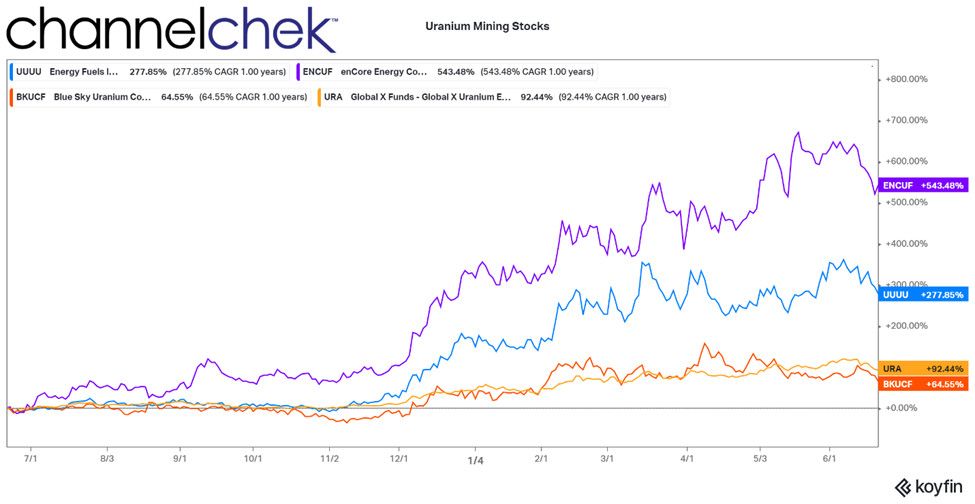
Below is a one-year chart showing four plots. The uranium mining ETF (as a benchmark), two mining stocks that have been far exceeding, it along with one that tracks it more closely.

The amber line is the ETF ticker symbol URA. Year over year the basket of stocks making up the ETF’s performance have increased 92.44%. It had reached its 12-month high in performance earlier this month when on June 8th it had attained a 123.84% increase.  The decline from one week earlier, when news of the Taishen plant started circulating, the ETF is down 4.83%.


The light blue line is Energy Fuels (UUUU). Energy Fuels, based in Colorado, is the largest uranium producer in the U.S. and holds more production capacity and uranium resources than any other U.S. producer. Their year-over-year performance to date is an increase of 277.35%. The price change from one week earlier when CNN broke the news of the Taishen plant is down 2.2%.

The purple plot is enCore Energy (ENCUF). enCore Energy Corp. is focused on working towards becoming a domestic United States uranium producer. The company has existing resources in the southwest United States and licensed uranium production facilities in Texas. Their year-over-year has been 543.48%, it reached a peak just before the questions surrounding the Chinese plant. ENCUFs price decline over the past week has been 10%.

The orange line is Blue Sky Uranium (BKUCF). Blue Sky Uranium Corp is a junior mineral exploration company based in Canada. The company focuses on uranium exploration projects in southern Argentina. The year-over-year performance is now at 64.55%. Blue Sky had reached its one year high back in April. They are currently down 8.40% from their one-week earlier levels.


Take-Away

Investing always includes many unknowns. As it relates to uranium mining companies, what is known is the industry is experiencing triple-digit returns and trending higher. The sector has been helped by increasing support from those that are pushing the world toward lower carbon emissions, which is a global movement gaining more power.

What isn’t known is whether this is an event that is typical and will receive very little attention after this, or if there is a full-blown problem that will put in question how strongly the world embraces nuclear as the preferred road to meeting growing energy demands.


Suggested Reading:

How Does Uranium Fit Into the ESG Landscape?

How does the Gates Buffett Natrium Reactor Work?


Advanced Battery Storage Goals of the Department of Energy

Why Uranium Prices Have Been Rising


Sources:

https://www.cnn.com/2021/06/14/politics/china-nuclear-reactor-leak-us-monitoring/index.html

https://www.scmp.com/news/china/science/article/3138214/chinas-nuclear-safety-queried-over-taishan-reactor-it-wants-lead

https://www.thedailybeast.com/us-scrambles-to-investigate-leak-at-chinese-nuclear-plant


Stay up to date. Follow us:


Stay up to date. Follow us:

QuickChek – June 21, 2021


Comstock Mining Announces Participation in Noble Capital Markets Virtual Road Show Series

Comstock Mining announced its participation in Noble Capital Markets’ Virtual Road Show Series, presented by Channelchek, scheduled for this Tuesday, June 22, 2021, at 10 AM PDT / 1 PM EDT

Research, News & Market Data on Comstock Mining

Watch recent presentation from Comstock Mining


Great Bear Provides Two New Detailed High-Grade Long Sections

Great Bear Resources announced results from its ongoing fully funded $45 million 2021 exploration program at its 100% owned flagship Dixie Project in the Red Lake district of Ontario

Research, News & Market Data on Great Bear

Watch recent presentation from Great Bear


Ocugen, Inc. Announces Ken Inchausti as Head, Investor Relations & Communications

Ocugen, Inc. announced that Ken Inchausti has joined the company as Head, Investor Relations & Communications

Research, News & Market Data on Ocugen

Watch recent presentation from NobleCon17

Stay up to date. Follow us:

Release – Great Bear Provides Assays Across Width of LP Fault Zone


Great Bear Provides Two New Detailed High-Grade Long Sections and Reaches 318 Drill Holes Reported on Two Year Anniversary of LP Fault Discovery


June 21, 2021 – Vancouver, British Columbia, Canada – Great Bear Resources Ltd. (the “Company” or “Great Bear”, TSX-V: GBR; OTCQX: GTBAF) today reported results from its ongoing fully funded $45 million 2021 exploration program at its 100% owned flagship Dixie Project in the Red Lake district of Ontario.

Chris Taylor, President and CEO of Great Bear said, “We are now only months away from completing more than fifty 40 – 50 metre spaced drill sections along 4.2 kilometres of the LP Fault zone.  These will be required for maiden mineral resource estimation modelling of the near-surface (0 – 400 metre depth), central area of the zone.  In this release we provide example cross section 20625, which intersects both high-grade and bulk tonnage gold over an approximate width of 200 metres, as shown on Figure 1.  We also provide a table of all individual sample assay results to our web site from every drill hole traversing the upper 200 metres from surface on this section.  Additional representative sections will be provided as drilling progresses.”

Example Cross Section 20625


New drill hole BR-315 was completed within a 100 metre previously undrilled gap in section 20625 and successfully intersected the three high-grade domains BR7, AURO20 and BR1 which were described in news releases on May 19 and June 3, 2021.  It also intersected a fourth recently defined high-grade gold domain, BR4, southwest of the other high-grade domains.  BR-315 also intersected bulk tonnage style gold mineralization between the high-grade domains.  Highlights of results include:

  • High-grade intercepts include 400.00 g/t gold over 0.50 metres from 175.50 to 176.00 metres downhole.  The interval is within newly defined high-grade domain BR4.
  • Bulk-tonnage gold intercepts include 2.23 g/t gold over 77.40 metres from 69.60 to 147.00 metres downhole.
  • This included 5.14 g/t gold over 20.70 metres from 75.30 to 96.00 metres downhole as the drill hole traversed high-grade domain AURO20, and 3.83 g/t over 12.15 metres from 117.50 to 129.65 metres downhole as the drill hole traversed domain BR7.
  • BR-315 was collared within high-grade domain BR1, as shown on Figure 1.  It intersected 7.58 g/t gold over 1.95 metres from 56.90 to 58.85 metres downhole corresponding to the up-dip projection of domain BR1 on this drill section.

On the same section, new drill hole BR-314 was collared near the southwest edge of the LP Fault zone.  The hole successfully extended high-grade domain BR7 to the near-surface.  Results include:

  • 55.40 g/t gold over 0.70 metres from 48.70 – 49.40 metres downhole, within a broader interval of 5.39 g/t gold over 10.40 metres from 43.35 to 53.75 metres downhole.

Figure 
1: Example cross section 20625 showing all individual assays from reported highlighted intervals with labelled high-grade domains in the near-surface, 200 m x 200 m area of the LP Fault zone. Gold image is of a select interval and does not represent all gold mineralization on the property.


A new table of all individual sample assays within the main gold-hosting felsic volcanic rocks in drill holes BR-140, 141, 212, 299, 314 and 315 are provided on the Company’s web site at https://greatbearresources.ca/projects/overview/dixie-project-data/.   These holes collectively define the mineralized zone over a width of approximately 200 metres, and from surface to approximately 200 metres vertical depth at this location.


Bulk Tonnage Gold Drilling


11 of the 13 drill holes in this release tested the bulk-tonnage style “halo” adjacent to the high-grade domains along more than 2.5 kilometres of strike length.  Drilling intersected gold mineralization from bedrock surface to 500 metres vertical depth.

Results from the bulk tonnage style gold mineralization are presented separately from the high-grade domains, and include:

  • Drill hole BR-309 intersected 80.90 metres of bulk-tonnage style gold mineralization over 117 metres of core length between approximately 85 metres and 180 metres vertical depth.  Intervals include:

    • 0.85 g/t gold over 23.00 metres from 91.10 to 114.10 metres downhole.
    • 0.50 g/t gold over 31.00 metres from 142.00 to 173.00 metres downhole.
    • 0.57 g/t gold over 26.90 metres from 193.00 to 219.90 metres downhole.
  • Drill hole BR-332 intersected 1.02 g/t gold over 52.65 metres from 176.25 to 228.90 metres downhole.  The interval extends from approximately 150 to 200 metres vertical depth.
  • Drill hole BR-306 intersected 1.08 g/t gold over 106.70 metres from 397.30 to 504.00 metres downhole.  The interval extends from approximately 340 to 430 metres vertical depth. 
  • Drill hole BR-304 intersected 0.73 g/t gold over 74.35 metres from 495.15 to 569.50 metres downhole in drill hole BR-304. This interval extends from approximately 430 to 500 metres vertical depth.

Results demonstrate the gold mineralized zone remains open to extension in all tested locations.  The deepest drilling to date has been to approximately 800 metres vertical depth (March 29, 2021).

New Drill Plans


The Company has now released results from 331 LP Fault drill holes.  An additional 50 drill holes are in various stages of completion, ranging from active drilling to being complete and awaiting receipt of assays.  Approximately 400 drill holes are believed to be required for near-surface maiden mineral resource estimation, and this work is anticipated to be completed over the coming months.

For the first time in a year, follow up drilling of previously successful reconnaissance holes completed elsewhere along 11 kilometres of the LP Fault will now be undertaken, in addition to the systematic extension and infill drilling of the central LP Fault zone which will remain ongoing.  Figure 3.


Regional drilling will include a one kilometre step-out to the east of the central 4.2 kilometre drill grid.  Concurrently, deeper drilling of the central LP Fault zone below the approximately 400 metre vertical depth of the planned resource area will continue into 2022.  Drilling will also recommence during summer/fall 2021 on the Hinge and Dixie Limb zones.

Table 
1: Current LP Fault drill results targeting the bulk-tonnage style halo of the gold mineralized system, arranged from southeast (top) to northwest (bottom) .  Only drill holes BR-314 and BR-315 targeted the high-grade core of the zone.


Drill Hole


From (m)


To (m)


Width* (m)


Gold (g/t)


Section


BR-289


326.40

327.00

0.60

6.50

19675

BR-340


168.55

176.15

7.60

1.02

19675


and

290.10

290.60

0.50

8.09


BR-326


15.50

16.50

1.00

2.13

19825

BR-322


225.20

274.00

48.80

0.27

20200


and

277.50

303.00

25.50

0.35


BR-324


124.00

138.00

14.00

0.56

20275

BR-312


280.80

304.70

23.90

0.51

20500


including

287.60

291.75

4.15

1.31


BR-314


43.35


53.75


10.40


5.39


20625


including


46.10


51.65


5.55


9.57


and including


48.70


49.40


0.70


55.40


BR-315


56.90


58.85


1.95


7.58


20625


and


69.60


147.00


77.40


2.23


including


75.30


96.00


20.70


5.14


and including


117.50


129.65


12.15


3.83


and


152.40


185.00


32.60


6.68


including


175.50


176.00


0.50


400.00


BR-319

Intersected anomalous gold values to southwest of LP Fault zone

20825

BR-332


176.25


228.90


52.65


1.02


21975


including

212.50

222.05

9.55

3.56


and including


215.85


222.05


6.20


4.87


and including

217.55

219.05

1.50

12.70


BR-306


397.30


504.00


106.70


1.08


22125


including


408.60


428.75


20.15


2.58


and including

420.80

425.40

4.60

4.80


and including

423.15

425.40

2.25

6.22


BR-304


477.00

478.00

1.00

5.06

22150


and


495.15


569.50


74.35


0.73


including

525.00

538.55

13.55

1.00


and

564.05

564.50

0.45

5.70


BR-309


91.10

114.10

23.00

0.85

22225


including

91.80

102.00

10.20

1.34


and including

91.80

93.00

1.20

4.37


142.00

173.00

31.00

0.50


including

165.60

167.90

2.30

2.71


and

193.00

219.90

26.90

0.57


including

201.00

208.40

7.40

1.06


* Widths are drill indicated core length, as insufficient drilling has been undertaken to determine true widths at this time.  Average grades are calculated with un-capped gold assays, as insufficient drilling has been completed to determine capping levels for higher grade gold intercepts.  Interval widths are calculated using a 0.10 g/t gold cut-off grade with up to 3 m of internal dilution of zero grade.


Figure 
2: Complete drill section 20625 spanning an 800 m x 800 m area with highlighted assays. 


Figure 3: Map of current drill results and current and upcoming drill areas at the Dixie project.

Great Bear’s progress can be followed using the Company’s plan maps, long sections and cross sections, and through the VRIFY model posted at the Company’s web site at www.greatbearresources.ca.  All LP Fault drill hole highlighted assays, plus drill collar locations and orientations can also be downloaded at the Company’s web site.

Drill collar location, azimuth and dip for drill holes included in this release are provided in the table below (UTM zone 15N, NAD 83):

Hole ID


Easting


Northing


Elevation


Length


Dip


Azimuth


BR-289

457918

5634054

364

517

-54

201

BR-304

455888

5635271

375

672

-58

226

BR-306

455865

5635237

375

510

-59

223

BR-309

455665

5635122

376

321

-61

229

BR-312

457007

5634044

356

348

-56

210

BR-314

456904

5634082

356

339

-55

212

BR-315

456944

5634181

356

327

-57

212

BR-319

456704

5634153

360

282

-50

210

BR-322

457418

5634182

358

657

-59

204

BR-324

457334

5634164

355

561

-50

207

BR-326

457660

5633822

361

257

-50

206

BR-332

455845

5634942

373

356

-61

224

BR-340

457878

5633929

364

408

-55

212

About the Dixie Project


About the Dixie Project

The Dixie Project is 100% owned, comprised of 9,140 hectares of contiguous claims that extend over 22 kilometres, and is located approximately 25 kilometres southeast of the town of Red Lake, Ontario. The project is accessible year-round via a 15 minute drive on a paved highway which runs the length of the northern claim boundary and a network of well-maintained logging roads.

The Dixie Project hosts two principal styles of gold mineralization:

  • High-grade gold in quartz veins and silica-sulphide replacement zones (Dixie Limb, Hinge and Arrow zones). Hosted by mafic volcanic rocks and localized near regional-scale D2 fold axes.  These mineralization styles are also typical of the significant mined deposits of the Red Lake district.
  • High-grade disseminated gold with broad moderate to lower grade envelopes (LP Fault).  The LP Fault is a significant gold-hosting structure which has been seismically imaged to extend to 14 kilometres depth (Zeng and Calvert, 2006), and has been interpreted by Great Bear to have up to 18 kilometres of strike length on the Dixie property.  High-grade gold mineralization is controlled by structural and geological contacts, and moderate to lower-grade disseminated gold surrounds and flanks the high-grade intervals.  The dominant gold-hosting stratigraphy consists of felsic sediments and volcanic units.

About Great Bear

Great Bear Resources Ltd. is a well-financed gold exploration company managed by a team with a track record of success in mineral exploration.  Great Bear is focused in the prolific Red Lake gold district in northwest Ontario, where the company controls over 200 km2 of highly prospective tenure across 4 projects, all 100% owned: The flagship Dixie Project, the Pakwash Property, the Sobel Property, and the Red Lake North Property, all of which are accessible year-round through existing roads.

QA/QC and Core Sampling Protocols

Drill core is logged and sampled in a secure core storage facility located in Red Lake Ontario.  Core samples from the program are cut in half, using a diamond cutting saw, and are sent to Activation Laboratories in Ontario, an accredited mineral analysis laboratory, for analysis. All samples are analysed for gold using standard Fire Assay-AA techniques. Samples returning over 10.0 g/t gold are analysed utilizing standard Fire Assay-Gravimetric methods.  Pulps from approximately 5% of the gold mineralized samples are submitted for check analysis to a second lab.  Selected samples are also chosen for duplicate assay from the coarse reject of the original sample.  Selected samples with visible gold are also analyzed with a standard 1 kg metallic screen fire assay.  Certified gold reference standards, blanks and field duplicates are routinely inserted into the sample stream, as part of Great Bear’s quality control/quality assurance program (QAQC).  No QAQC issues were noted with the results reported herein. 

Qualified Person and NI 43-101 Disclosure

Mr. R. Bob Singh, P.Geo, VP Exploration, and Ms. Andrea Diakow P.Geo, VP, Projects for Great Bear are the Qualified Persons as defined by National Instrument 43-101 responsible for the accuracy of technical information contained in this news release.


ON BEHALF OF THE BOARD

“Chris Taylor”                                 

Chris Taylor, President and CEO


Investor Inquiries:

Mr. Knox Henderson

Tel: 604-646-8354

Direct: 604-551-2360

[email protected]

www.greatbearresources.ca


Cautionary note regarding forward-looking statements


This release contains certain “forward looking statements” and certain “forward-looking information” as defined under applicable Canadian and U.S. securities laws. Forward-looking statements and information can generally be identified by the use of forward-looking terminology such as “may”, “will”, “should”, “expect”, “intend”, “estimate”, “anticipate”, “believe”, “continue”, “plans” or similar terminology. The forward-looking information contained herein is provided for the purpose of assisting readers in understanding management’s current expectations and plans relating to the future. Readers are cautioned that such information may not be appropriate for other purposes.


Forward-looking information are based on management of the parties’ reasonable assumptions, estimates, expectations, analyses and opinions, which are based on such management’s experience and perception of trends, current conditions and expected developments, and other factors that management believes are relevant and reasonable in the circumstances, but which may prove to be incorrect.


Such factors, among other things, include: impacts arising from the global disruption caused by the Covid-19 coronavirus outbreak, business integration risks; fluctuations in general macroeconomic conditions; fluctuations in securities markets; fluctuations in spot and forward prices of gold or certain other commodities; change in national and local government, legislation, taxation, controls, regulations and political or economic developments; risks and hazards associated with the business of mineral exploration, development and mining (including environmental hazards, industrial accidents, unusual or unexpected formations pressures, cave-ins and flooding); discrepancies between actual and estimated metallurgical recoveries; inability to obtain adequate insurance to cover risks and hazards; the presence of laws and regulations that may impose restrictions on mining; employee relations; relationships with and claims by local communities and indigenous populations; availability of increasing costs associated with mining inputs and labour; the speculative nature of mineral exploration and development (including the risks of obtaining necessary licenses, permits and approvals from government authorities); and title to properties.


Great Bear undertakes no obligation to update forward-looking information except as required by applicable law. Such forward-looking information represents management’s best judgment based on information currently available. No forward-looking statement can be guaranteed and actual future results may vary materially. Accordingly, readers are advised not to place undue reliance on forward-looking statements or information.



Release – Comstock Mining Announces Participation in Virtual Road Show Series


Comstock Mining Announces Participation in Noble Capital Markets Virtual Road Show Series


Virginia City, NV (June 21, 2021) Comstock Mining Inc. (the “Company”) (NYSE American: LODE) announced today its participation in Noble Capital Markets’ Virtual Road Show Series, presented by Channelchek, scheduled for this Tuesday, June 22, 2021, at 10 AM PDT / 1 PM EDT.

The virtual road show will feature a corporate presentation from Comstock Mining’s Executive Chairman and CEO, Corrado De Gasperis, followed by a Q & A session facilitated by Noble Senior Research Analyst Mark Reichman, including questions submitted by the audience.

There is no charge for this live broadcast of the virtual road show that is open to all investors at any level.

Presentation details: 

Date: Tuesday, June 22, 2021

Time: 10:00-11:00am PDT

Investors can register for the conference: Registration (gotowebinar.com)


About Comstock Mining Inc.

Comstock (NYSE: LODE) is an emerging leader in the sustainable extraction, valorization, and production of innovation-based, clean, renewable natural resources, with a focus on high-value, cash-generating, strategic materials that are essential to meeting the rapidly increasing global demand for clean energy, carbon-neutrality, and natural products. To learn more, please visit www.comstockmining.com.

Comstock is also set to join the Russell Microcap® Index at the conclusion of the 2021 Russell indexes annual reconstitution, effective after the US market opens on June 28, according to a preliminary list of additions posted June 4, 2021. Membership in the Russell Microcap® Index, which remains in place for one year, means automatic inclusion in the appropriate growth and value style indexes. FTSE Russell determines membership for its Russell indexes primarily by objective, market-capitalization rankings and style attributes.

About Noble Capital Markets

Noble Capital Markets, Inc. was incorporated in 1984 as a full-service SEC / FINRA registered broker-dealer, dedicated exclusively to serving underfollowed small / microcap companies through investment banking, wealth management, trading & execution, and equity research activities. Over the past 36 years, Noble has raised billions of dollars for these companies and published more than 45,000 equity research reports. www.noblecapitalmarkets.com email: [email protected]

About Channelchek

Channelchek (.com) is a comprehensive investor-centric portal – featuring more than 6,000 emerging growth companies – that provides advanced market data, independent research, balanced news, video webcasts, exclusive c-suite interviews, and access to virtual road shows. The site is available to the public at every level without cost or obligation. Research on Channelchek is provided by Noble Capital Markets, Inc., an SEC / FINRA registered broker-dealer since 1984. www.channelchek.com email: [email protected]

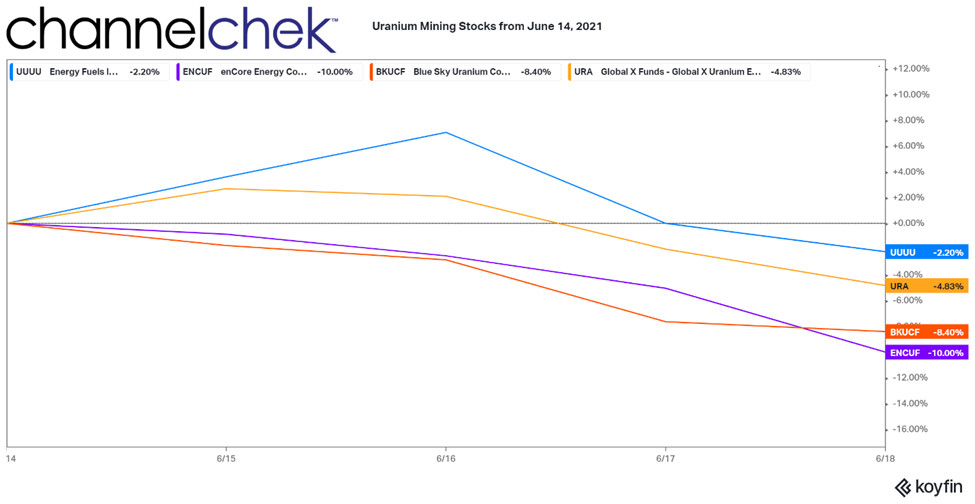
Forward-Looking Statements

This press release and any related calls or discussions may include forward-looking statements within the meaning of Section 27A of the Securities Act of 1933, as amended, and Section 21E of the Securities Exchange Act of 1934, as amended. All statements, other than statements of historical facts, are forward-looking statements. The words “believe,” “expect,” “anticipate,” “estimate,” “project,” “plan,” “should,” “intend,” “may,” “will,” “would,” “potential” and similar expressions identify forward-looking statements, but are not the exclusive means of doing so. Forward-looking statements include statements about matters such as: consummation of all pending transactions; project, asset or Company valuations; future industry market conditions; future explorations, acquisitions, investments and asset sales; future performance of and closings under various agreements; future changes in our exploration activities; future estimated mineral resources; future prices and sales of, and demand for, our products; future impacts of land entitlements and uses; future permitting activities and needs therefor; future production capacity and operations; future operating and overhead costs; future capital expenditures and their impact on us; future impacts of operational and management changes (including changes in the board of directors); future changes in business strategies, planning and tactics and impacts of recent or future changes; future employment and contributions of personnel, including consultants; future land sales, investments, acquisitions, joint ventures, strategic alliances, business combinations, operational, tax, financial and restructuring initiatives; the nature and timing of and accounting for restructuring charges and derivative liabilities and the impact thereof; contingencies; future environmental compliance and changes in the regulatory environment; future offerings of equity or debt securities; asset sales and associated costs; future working capital, costs, revenues, business opportunities, debt levels, cash flows, margins, earnings and growth. These statements are based on assumptions and assessments made by our management in light of their experience and their perception of historical and current trends, current conditions, possible future developments and other factors they believe to be appropriate. Forward-looking statements are not guarantees, representations or warranties and are subject to risks and uncertainties, many of which are unforeseeable and beyond our control and could cause actual results, developments and business decisions to differ materially from those contemplated by such forward-looking statements. Some of those risks and uncertainties include the risk factors set forth in our filings with the SEC and the following: counterparty risks; capital markets’ valuation and pricing risks; adverse effects of climate changes or natural disasters; global economic and capital market uncertainties; the speculative nature of gold or mineral exploration, including risks of diminishing quantities or grades of qualified resources; operational or technical difficulties in connection with exploration or mining activities; contests over title to properties; potential dilution to our stockholders from our stock issuances and recapitalization and balance sheet restructuring activities; potential inability to comply with applicable government regulations or law; adoption of or changes in legislation or regulations adversely affecting businesses; permitting constraints or delays; decisions regarding business opportunities that may be presented to, or pursued by, us or others; the impact of, or the non-performance by parties under agreements relating to, acquisitions, joint ventures, strategic alliances, business combinations, asset sales, leases, options and investments to which we may be party; changes in the United States or other monetary or fiscal policies or regulations; interruptions in production capabilities due to capital constraints; equipment failures; fluctuation of prices for gold or certain other commodities (such as silver, zinc, cyanide, water, diesel fuel and electricity); changes in generally accepted accounting principles; adverse effects of terrorism and geopolitical events; potential inability to implement business strategies; potential inability to grow revenues; potential inability to attract and retain key personnel; interruptions in delivery of critical supplies, equipment and raw materials due to credit or other limitations imposed by vendors or others; assertion of claims, lawsuits and proceedings; potential inability to satisfy debt and lease obligations; potential inability to maintain an effective system of internal controls over financial reporting; potential inability or failure to timely file periodic reports with the SEC; potential inability to list our securities on any securities exchange or market; inability to maintain the listing of our securities; and work stoppages or other labor difficulties. Occurrence of such events or circumstances could have a material adverse effect on our business, financial condition, results of operations or cash flows or the market price of our securities. All subsequent written and oral forward-looking statements by or attributable to us or persons acting on our behalf are expressly qualified in their entirety by these factors. Except as may be required by securities or other law, we undertake no obligation to publicly update or revise any forward-looking statements, whether as a result of new information, future events, or otherwise.

Neither this press release nor any related calls or discussions constitutes an offer to sell, the solicitation of an offer to buy or a recommendation with respect to any securities of the Company, the fund or any other issuer.


Contact information:

Comstock Mining Inc.
P.O. Box 1118
Virginia City, NV 89440
ComstockMining.com
Corrado De Gasperis
Executive Chairman & CEO
Tel (775) 847-4755
[email protected]
Zach Spencer
Director of External Relations
Tel (775) 847-5272 Ext.151
[email protected]