Silver prices surged past the $100-per-ounce mark on Friday, reaching a milestone few market participants believed possible just a year ago. The move caps an extraordinary rally driven by speculative enthusiasm, strong investment demand, and years of structural supply deficits, while raising growing concerns about overheating and the risk of a sharp correction.
Spot silver climbed more than 5% on the day to trade above $101 per troy ounce, extending a powerful advance that began in 2025. The metal has gained roughly 40% since the start of 2026, following a staggering 147% surge last year—its strongest annual performance in more than four decades. Silver’s rally has been amplified by gold’s parallel rise, with gold prices also hitting record highs as geopolitical uncertainty and inflation hedging continue to dominate investor psychology.
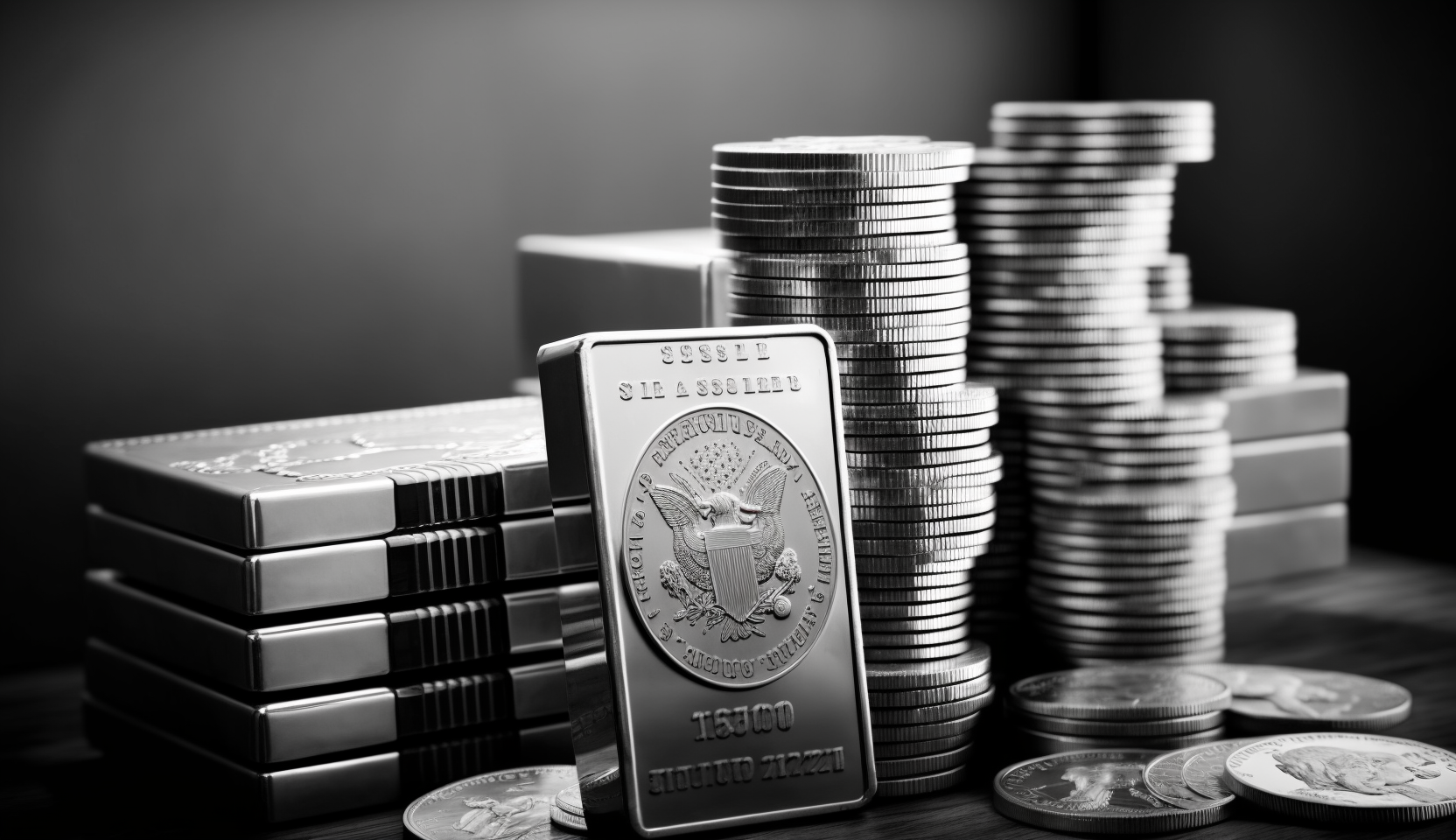
Market analysts say silver’s lower absolute price compared to gold has made it especially attractive to retail investors, fueling momentum-driven buying. Waves of demand for physical bars and coins, combined with strong inflows into physically backed exchange-traded funds, have tightened available supply and intensified price moves.
The gold-to-silver ratio, a closely watched metric, has dropped sharply. It now takes just 50 ounces of silver to buy one ounce of gold—the lowest level in 14 years. Historically, such extremes have often preceded periods of underperformance for silver, suggesting the metal’s outperformance relative to gold may be stretched.
Fundamentally, the picture is more mixed. While silver benefits from its dual role as both a precious and industrial metal—used extensively in electronics, solar panels, and manufacturing—some analysts argue prices have outrun underlying demand. Bank of America estimates a fundamentally justified silver price closer to $60 an ounce, pointing to signs that solar-related demand may have peaked and that elevated prices could begin to curb industrial consumption.
Supply constraints, however, remain a key pillar of support. The silver market has recorded five consecutive years of structural deficits, a trend expected to continue into 2026. Recycling accounts for nearly 20% of global supply, but limited high-grade refining capacity has slowed the return of scrap metal to the market, preventing inventories from rebuilding quickly.
Although stockpiles in London and U.S. futures markets have partially recovered from last year’s lows, they remain well below historical norms. This reduced buffer has left the market more vulnerable to sudden surges in demand.
Looking ahead, analysts expect volatility to remain elevated. With some easing in physical market tightness and the possibility of profit-taking after the explosive rally, a pullback appears increasingly likely. Still, silver’s dramatic move above $100 underscores a broader reality: in an environment of geopolitical risk, supply constraints, and speculative fervor, precious metals remain firmly in the spotlight—and silver is leading the charge.