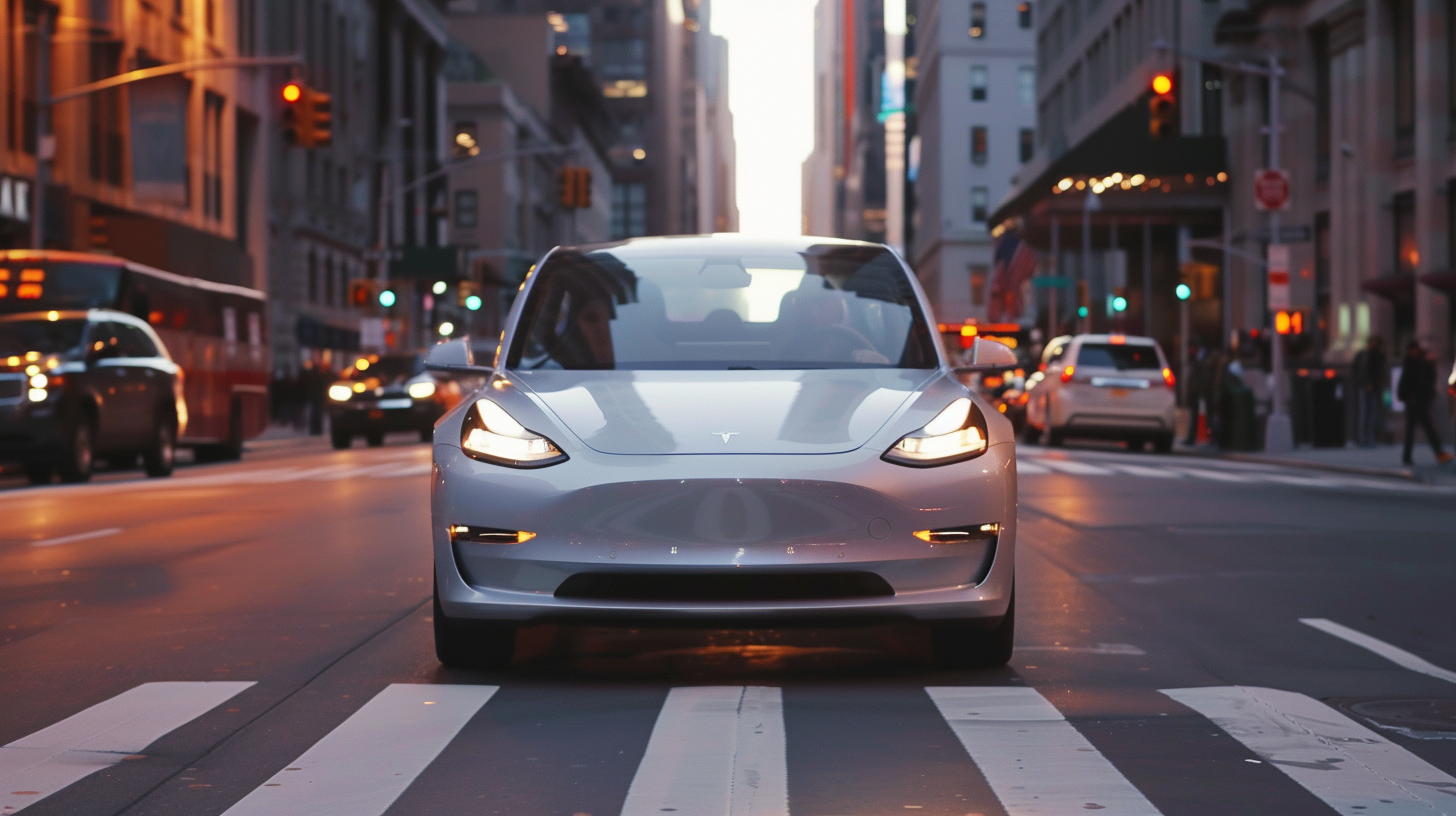
Tesla shares moved sharply higher Monday after confirmation that the company has begun testing its Robotaxi service without a safety driver, a milestone that investors and analysts see as a major step toward fully autonomous transportation.
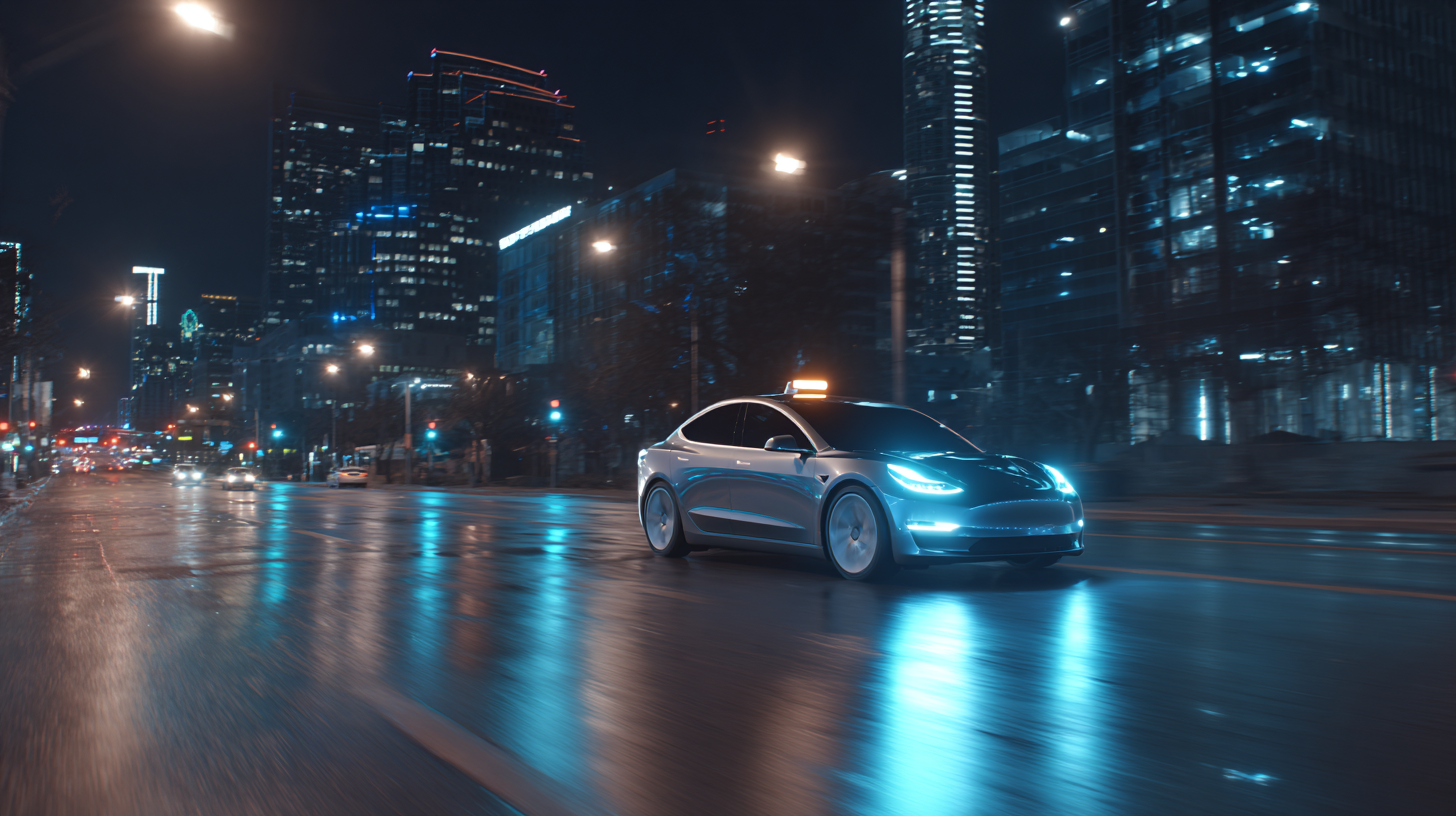
The rally followed social media footage showing a Tesla Robotaxi operating in Austin, Texas with no human driver inside the vehicle. The video quickly gained traction after Ashok Elluswamy, who leads Tesla’s AI and autonomous driving efforts, acknowledged the clip with a brief but telling comment: “And so it begins.” Tesla CEO Elon Musk later confirmed the development, stating that testing is underway with no occupants in the car.
Shares of Tesla rose roughly 4% following the confirmation, pushing the stock closer to its prior all-time highs and reinforcing renewed optimism around the company’s long-promised autonomy strategy. The move lends credibility to Musk’s recent claim that Tesla is only weeks away from unsupervised robotaxi operations.
Austin has emerged as the proving ground for Tesla’s Robotaxi ambitions, with limited deployments already underway using safety drivers. The latest test suggests the company is moving closer to removing that final safeguard, a critical hurdle before broader commercial expansion. Musk has previously said Tesla plans to expand Robotaxi testing beyond Austin and the San Francisco Bay Area into markets such as Phoenix and Nevada.
Wall Street bulls were quick to seize on the news. Wedbush analyst Dan Ives reiterated his long-standing optimism on Tesla, describing the development as the beginning of the company’s “autonomous chapter.” In a note to clients, Ives said 2026 could be a defining year for Tesla as autonomous driving and robotics move from concept to scale.
According to Ives, Tesla is on track for an accelerated Robotaxi rollout across the U.S., with volume production of the company’s purpose-built Cybercab expected to begin in the spring. The futuristic two-seat vehicle, unveiled last year without a steering wheel or pedals, has become central to Tesla’s long-term autonomous strategy.
Early feedback on Tesla’s latest Full Self-Driving software has also added fuel to the rally. Automotive reviewers and journalists who have tested the newest version report smoother driving behavior and fewer required interventions compared with prior iterations. While competitors like Alphabet-backed Waymo still lead in publicly reported safety metrics, the gap appears to be narrowing.
The market reaction highlights a broader shift in how investors are valuing Tesla. Rather than focusing solely on vehicle deliveries and margins, attention is increasingly turning to software, AI, and recurring revenue opportunities tied to autonomy. Wedbush maintains an Outperform rating on the stock and a $600 price target, arguing that autonomous driving could unlock a path toward a multi-trillion-dollar valuation.
Still, challenges remain. Regulatory approval, public trust, and demonstrable safety performance will be essential before Tesla can scale Robotaxi services nationwide. But for the first time in years, tangible evidence appears to support Tesla’s autonomy narrative.
For investors, the confirmation of driverless Robotaxi testing marks more than just a technical achievement — it signals that Tesla’s long-awaited autonomous future may finally be arriving.