Trump’s NATO Deal Opens Greenland to US Missiles and Mining

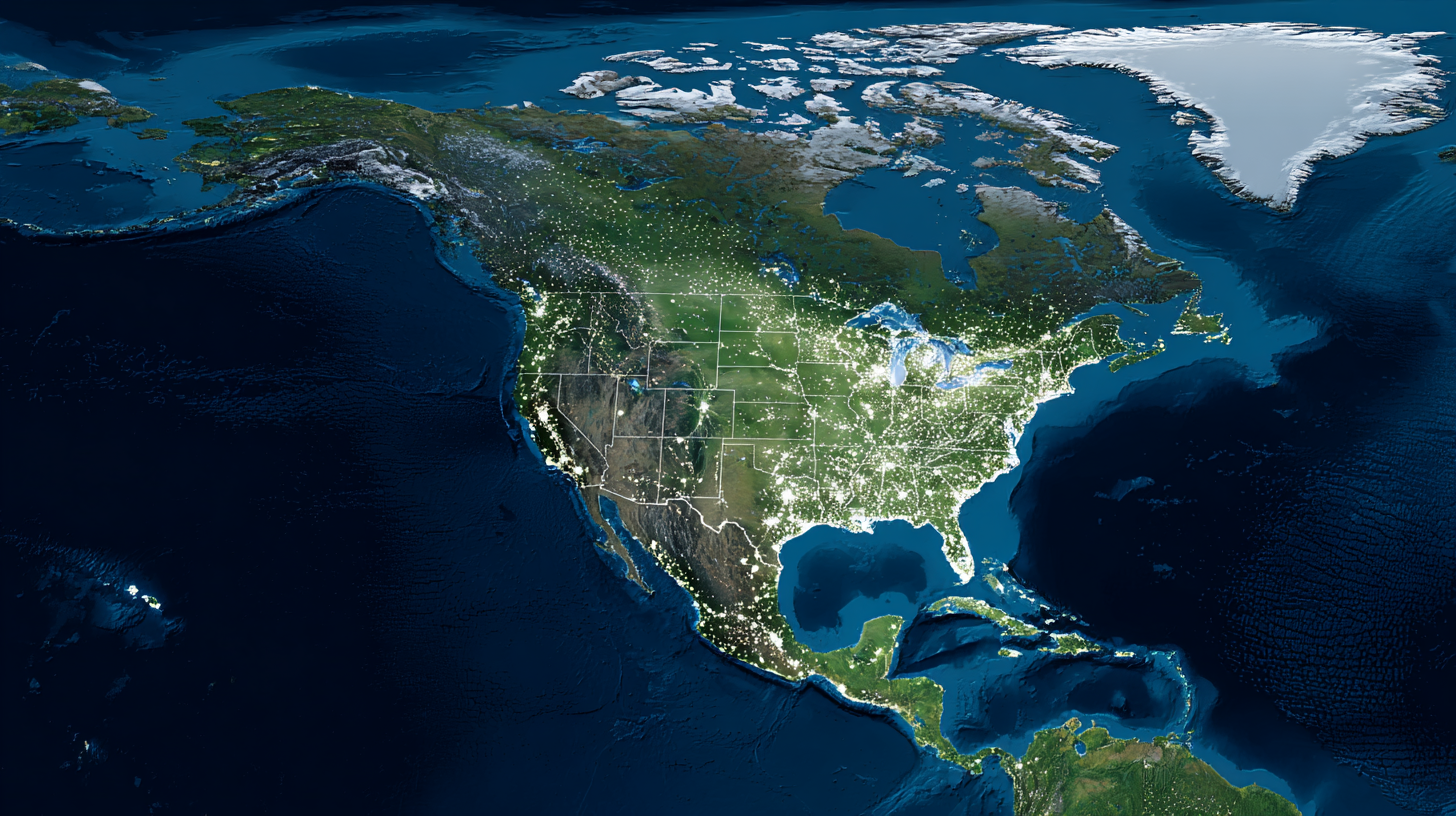
President Donald Trump’s abrupt de-escalation of tariff threats against Europe came with a significant strategic tradeoff: a NATO-centered framework that would dramatically expand the United States’ military and economic footprint in Greenland. While the agreement stops short of addressing sovereignty, it lays the groundwork for US missile deployments, expanded NATO activity in the Arctic, and American access to critical mineral resources—moves aimed squarely at countering Russian and Chinese influence in the region.

The outlines of the deal emerged after Trump met NATO Secretary General Mark Rutte at the World Economic Forum in Davos. According to European officials briefed on the talks, the framework focuses on Arctic security cooperation, including stationing US missile systems in or around Greenland and granting the US preferential mining rights to prevent Chinese firms from gaining a foothold. In exchange, Trump agreed to suspend planned tariffs on European nations that had threatened to fracture transatlantic relations.

For NATO, the agreement reflects growing urgency around the Arctic. Melting ice is opening new sea lanes that could provide strategic access between the Pacific and Atlantic, raising alarms about potential military and commercial exploitation by rival powers. Rutte has emphasized that Greenland sits at the center of this shift, making it critical to alliance defense planning. Strengthening NATO’s presence there would help monitor emerging routes, protect undersea infrastructure, and deter hostile activity.

Crucially, the framework avoids any discussion of transferring sovereignty over Greenland, a semi-autonomous territory of Denmark. That omission marks a notable shift from Trump’s earlier rhetoric, which repeatedly suggested US acquisition of the island. Danish Prime Minister Mette Frederiksen has been firm that Greenland is not for sale, stressing that any arrangement must respect international law and Danish sovereignty. NATO officials have echoed that position, framing the deal as a security partnership rather than a territorial negotiation.

Still, Trump has portrayed the outcome as a decisive win. In interviews following the Davos meeting, he claimed the US would gain “total access” to Greenland for security purposes, with no clear time limits. While the details remain vague, officials say the framework could involve updating a 1951 defense agreement that already grants the US broad latitude to operate militarily in Greenland under NATO auspices.

Beyond missiles and bases, mining rights represent a key economic dimension. Greenland holds significant deposits of rare earths and other critical minerals essential to advanced manufacturing, clean energy, and defense systems. By securing access for US or allied companies, the deal would aim to keep Chinese interests—currently dominant in global rare-earth supply chains—out of the Arctic resource race.

The agreement, however, is far from finalized. Danish leaders have cautioned that NATO’s secretary general has no mandate to negotiate on Denmark’s behalf, and Greenland’s own government remains wary. Trump’s earlier threats and aggressive language have fueled anxiety among Greenlanders, with local leaders warning residents to remain vigilant even if the likelihood of conflict is low.

For investors and policymakers alike, the emerging framework underscores how geopolitics, critical minerals, and defense strategy are converging in the Arctic. Whether the deal evolves into a durable alliance agreement or stalls amid political backlash will shape not only NATO’s northern posture, but also the balance of power in one of the world’s fastest-changing strategic frontiers.
Trump Walks Back Europe Tariffs After Greenland Talks Yield Deal Framework

President Donald Trump abruptly reversed course on proposed tariffs against European nations on Wednesday, announcing he would suspend the planned measures after reaching what he described as a “framework of a future deal” related to Greenland and broader Arctic cooperation.

In a post on Truth Social, Trump said the agreement-in-principle followed discussions with NATO Secretary General Mark Rutte and would benefit both the United States and its allies. As a result, the tariffs that were scheduled to take effect on February 1 will no longer move forward, easing market tensions that had flared over the past several days.

“This solution, if consummated, will be a great one for the United States of America, and all NATO Nations,” Trump wrote, adding that further details would be released as negotiations progress.

The announcement marked a sharp shift from Trump’s weekend threat to impose 10% tariffs on eight European countries that he claimed were obstructing U.S. efforts to pursue a deal involving Greenland, with rates set to rise to 25% by June if no agreement was reached. The proposed tariffs would have applied broadly to all goods imported from the affected nations, sparking fears of renewed transatlantic trade conflict.

Those concerns quickly reverberated through financial markets, contributing to volatility as investors weighed the prospect of escalating tariffs between long-standing allies. European leaders responded forcefully, with the European Parliament freezing a ratification vote on a U.S.–EU trade agreement and EU officials reportedly exploring retaliatory tariffs on up to $108 billion worth of American exports.

Trump’s reversal helped stabilize sentiment, at least temporarily, by removing the immediate threat of trade disruption.

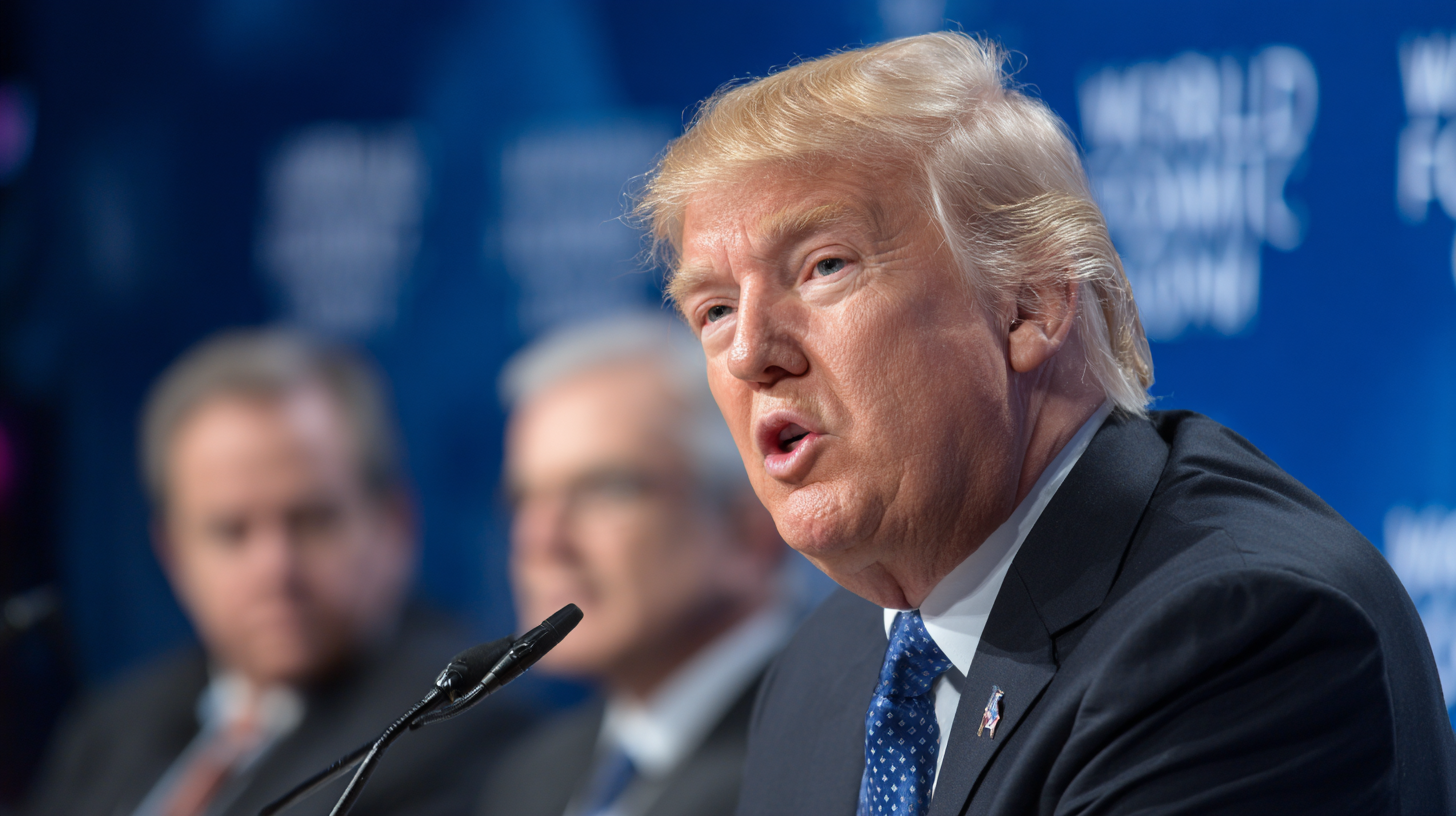
The tariff dispute stemmed from Trump’s renewed push for negotiations over Greenland, a Danish territory with growing strategic importance due to its location and natural resources. Speaking earlier Wednesday at the World Economic Forum in Davos, Trump called for “immediate negotiations” while signaling he was ruling out the use of military force.

His comments walked a careful line—pressing European partners for cooperation while stopping short of overt escalation. “You can say yes, and we will be very appreciative, or you can say no, and we will remember,” Trump said, underscoring the pressure campaign that preceded the tariff threats.

While details of the Greenland framework remain scarce, Trump indicated the discussions would extend beyond Greenland itself to include broader Arctic coordination, an area of increasing geopolitical competition.

The episode unfolded against ongoing legal uncertainty surrounding Trump’s global tariff authority. The U.S. Supreme Court has so far declined to issue rulings this year on challenges to the legality and scope of his trade duties, leaving unresolved questions about executive power in trade policy.

Trump said Vice President JD Vance, Secretary of State Marco Rubio, and Special Envoy Steve Witkoff will lead negotiations going forward. He also praised NATO allies for increasing defense spending, a recurring theme in his foreign policy messaging.

For now, the suspension of tariffs offers breathing room for markets and diplomats alike. But with negotiations still incomplete, investors and U.S. allies will be watching closely to see whether the “framework” evolves into a durable agreement—or another flashpoint in an increasingly unpredictable trade landscape.

Trump Suggests Using Trade Penalties to Pressure Support for Greenland Plan

President Donald Trump said Friday that he may impose new tariffs on foreign countries as part of an aggressive effort to pressure allies into supporting U.S. acquisition of Greenland, once again turning to trade penalties as a geopolitical bargaining tool.

Speaking at the White House during a health care–related event, Trump framed Greenland as a national security imperative and suggested tariffs could be used against countries that resist his ambitions. “We need Greenland for national security,” Trump said. “So I may do that. I may put a tariff on countries if they don’t go along with Greenland.”

The comments mark a significant escalation in Trump’s long-running interest in acquiring the Arctic territory, which is an autonomous region of Denmark. While the U.S. already maintains a military base on the island, Trump has increasingly argued that outright ownership is necessary to counter growing influence from China and Russia in the Arctic.

The White House did not immediately clarify which countries could be targeted by the proposed tariffs or what form they might take. However, Trump’s remarks signal that trade policy may once again be deployed as leverage in diplomatic disputes, even those involving close U.S. allies.

Trump’s tariff threat comes amid mounting legal uncertainty surrounding his broader trade agenda. The president has dramatically expanded the use of tariffs since returning to office, pushing the average U.S. tariff rate to an estimated 17%. Many of these levies were imposed under the International Emergency Economic Powers Act (IEEPA), a move that has been repeatedly challenged in court.

Multiple lower courts have ruled that Trump exceeded his authority under IEEPA, and the issue is now before the Supreme Court. A ruling from the high court could come soon and may determine whether the administration can continue imposing wide-ranging tariffs without congressional approval. Trump has warned that his economic agenda would be severely undermined if the court rules against him.

The Greenland comments also follow Trump’s recent use of tariff threats to pressure foreign governments on pharmaceutical pricing. The president has argued that U.S. drug prices should be aligned with lower prices paid overseas and said he warned foreign leaders to raise their prices or face steep tariffs on all exports to the United States.

“I’ve done it on drugs,” Trump said Friday. “I may do it for Greenland too.”

Despite Trump’s rhetoric, both Greenland and Denmark have repeatedly rejected the idea of a sale or transfer of sovereignty. Following meetings in Washington this week with Vice President JD Vance and Secretary of State Marco Rubio, a delegation from Greenland and Denmark said they maintain a “fundamental disagreement” with the president’s position.

Trump has also previously suggested that the U.S. is weighing multiple options to secure Greenland, including economic pressure and, in extreme rhetoric, military considerations. Those statements have alarmed European allies and raised concerns about the long-term implications for NATO unity.

As the Supreme Court weighs the legality of Trump’s tariff powers and global trade partners respond to mounting uncertainty, the president’s Greenland push underscores how central tariffs have become to his foreign policy strategy. Whether the tactic yields concessions—or further strains alliances—may soon be tested.